
Rocks shrouded in myths and legends from Ceahlau Massif
Or, as the poet’s memorably engraved these words over a century ago, the metaphorical aspect of a “giant with his forehead facing the sun, standing there to protect his fatherland.” (G. Coșbuc).
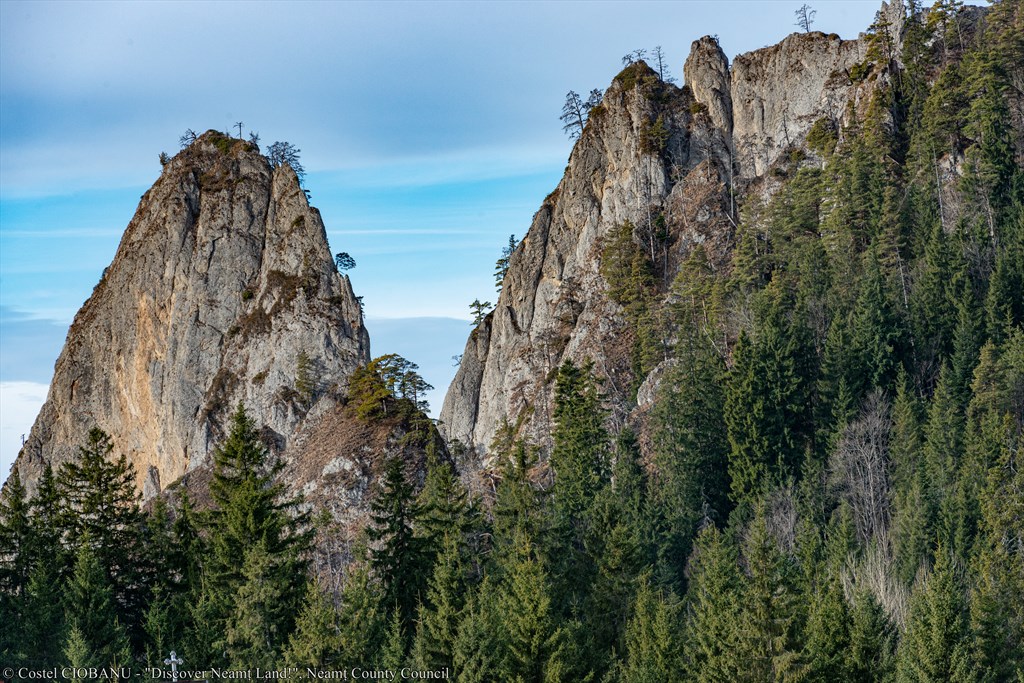
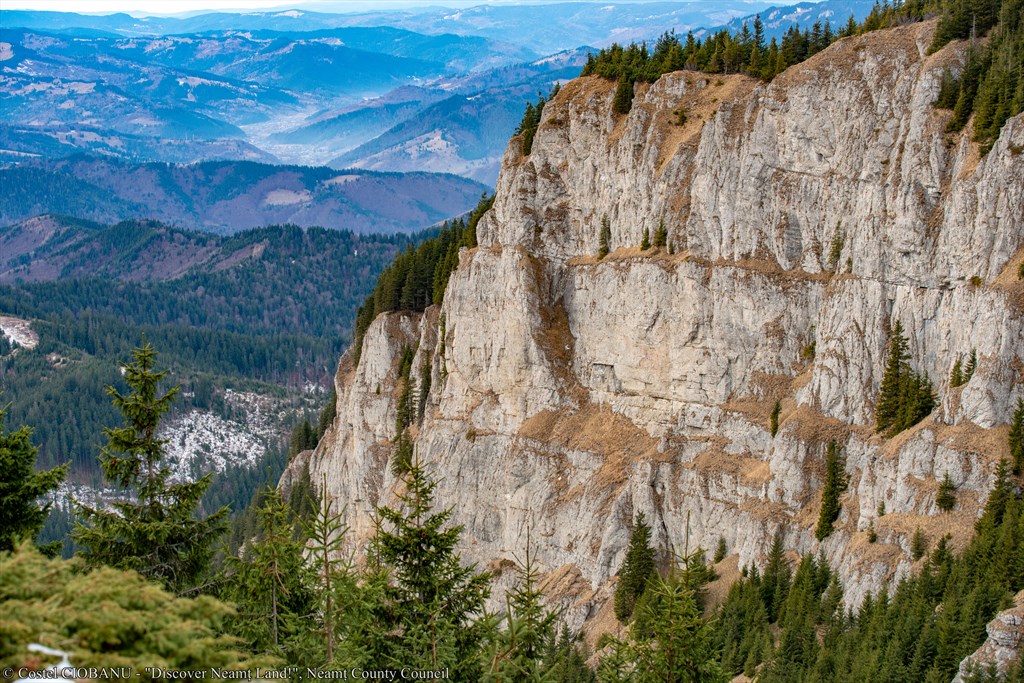
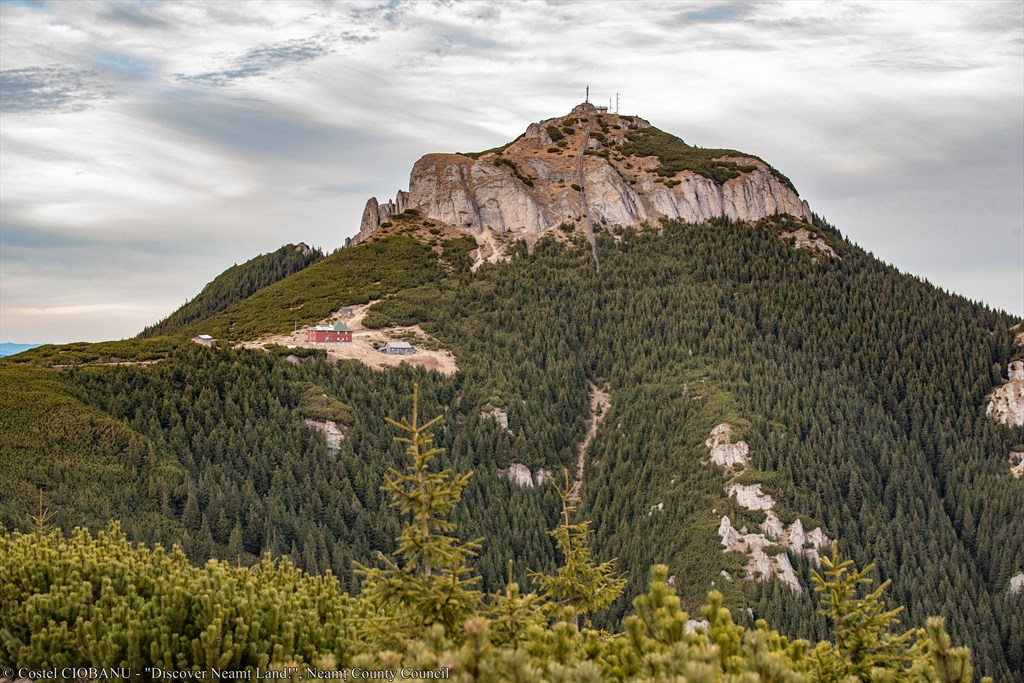
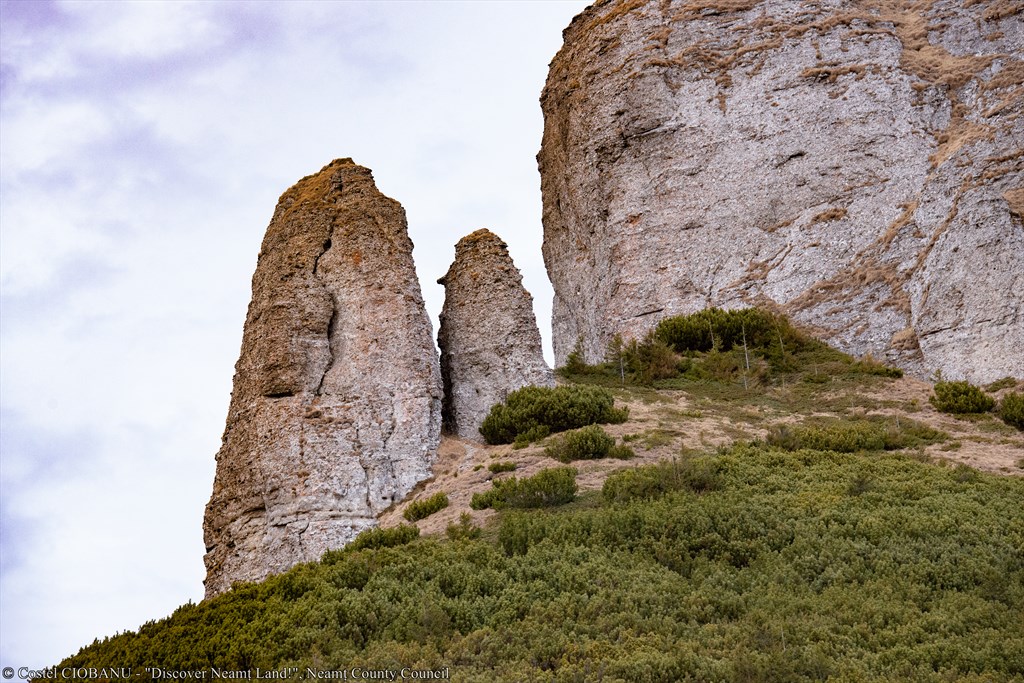
A fabulous life, with its roots in the Palaeolithic -the oldest age in human history, also known as the Stone Age- and its head in centuries of Christian faith, the legendary Kogaion (the Dacians’ sacred mountain and temple of Zalmoxis, the High Priest), is much like a huge and impressive open-air museum displaying exhibits unique in their diverse shapes, each having a legend of its own: Dochia, Panaghia, Toaca, Dorobanțul, the Monks, the Weeping Rock, Butu’s Tower, the Shelves with lilies, Detunatele – and many, many others …
The majestic Ceahlău is the only sacred mountain in Romania, having as its dedication day on the 6th of August, when Christians everywhere celebrate the Feast of Transfiguration.
To find out the Legends of the rock formations from Ceahlău Massif, please click on the following category of articles:
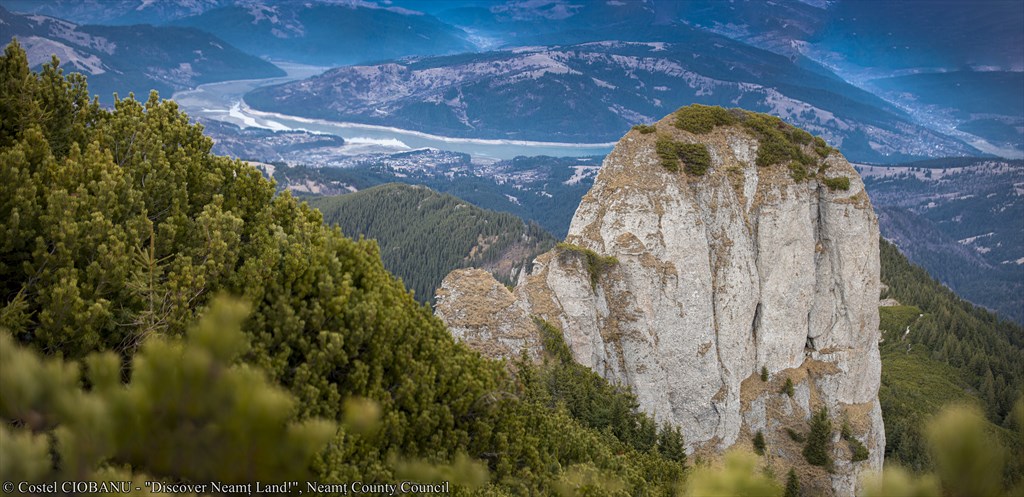
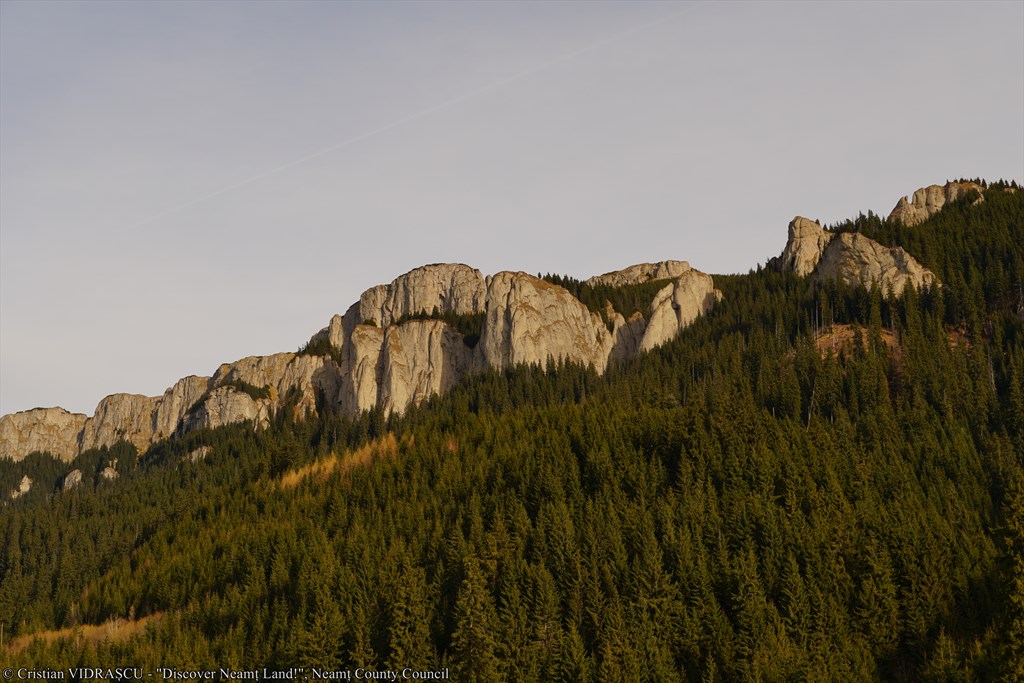
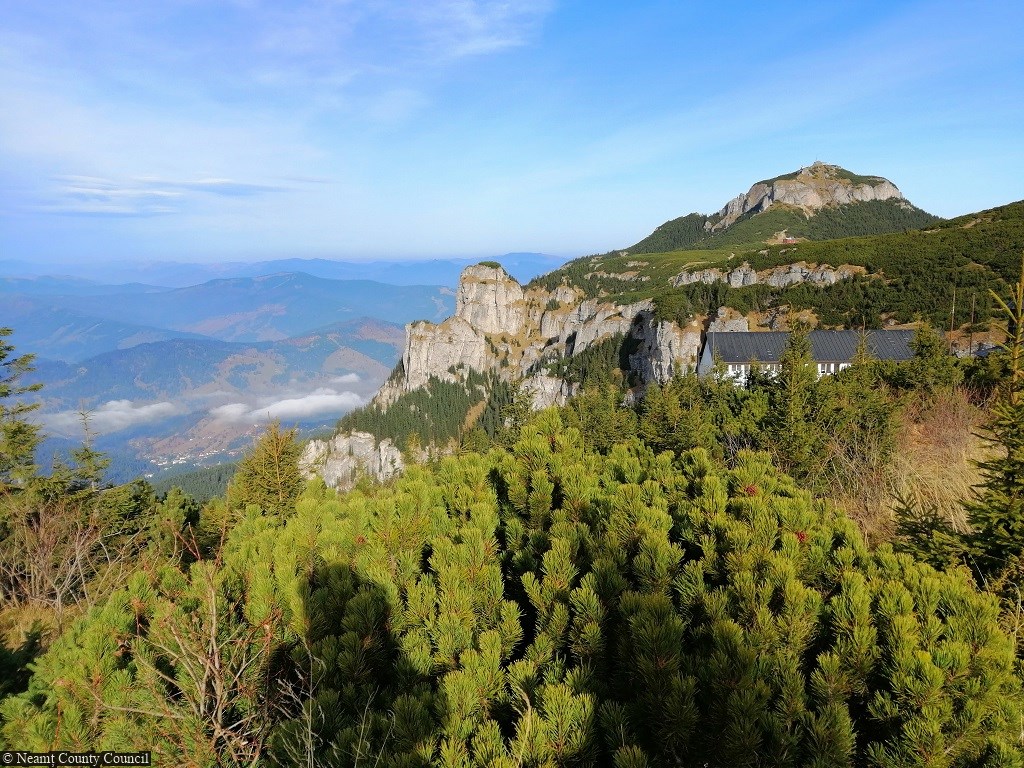
Awe-inspiring by the majestic and harmonious ensemble, Ceahlău Massif has all the necessary data of a natural stronghold.

Mai multe din aceeași temă

Neamțul, nominalizat la Destinația Anului de cinci ori în patru categorii
Avem o veste bună pentru toți cei care iubesc județul Neamț, cu toate frumusețile lui, căci acesta se numără printre destinațiile finaliste la competiția Destinația Anului 2024, fiind nominalizat de…

Military firefighters bring competition and lots of adrenaline to Târgu Neamț
Târgu Neamț is hosting the 3rd zonal stage of the professional emergency situation competitions, in which representative teams from several counties of the country will participate: Bacău, Botoșani, Iași, Neamț, and Suceava.
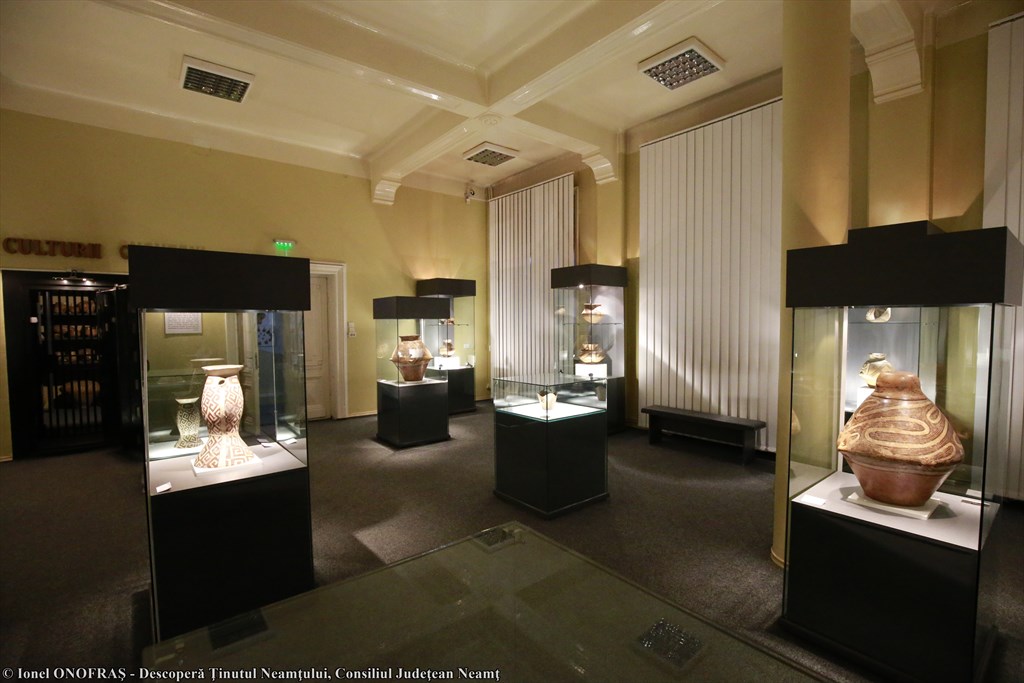
Discover, in Piatra Neamț, the most important Eneolitic art collection from the South-East of Europe
Photo Gallery: Nationally one of the kind, both history and art museum, it currently hosts the most spectacular artefacts, famous objects that belong to the Cucuteni–Trypillia Culture, which is in…