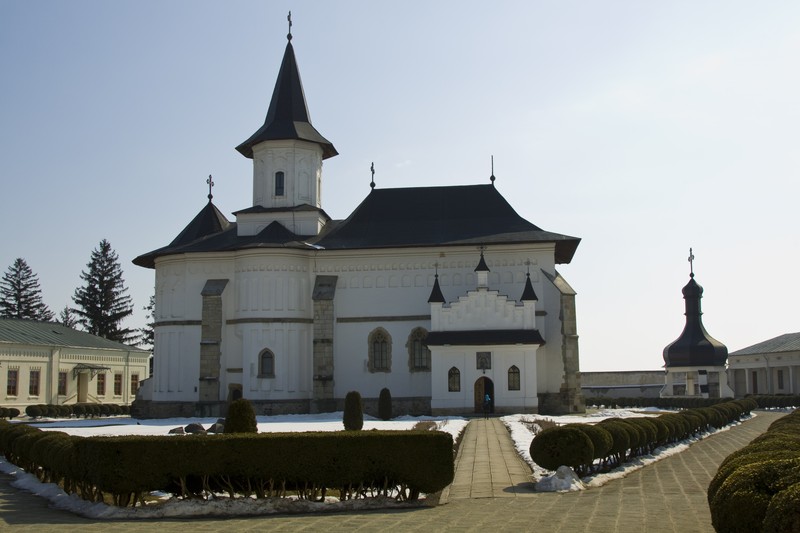
Touristic Guide: Roman
The Town of Roman
Roman town is located in the central part of Moldavian’s plateau, at the confluence of rivers Siret and Moldova, in Neamt County.
Access routes:
road access
Road DN15 D from Piatra Neamt (47 km)
Road E85 from Bacau (46 km)
railway access
from Bacau towards Pascani
the railway Bucharest – Dornesti – Cernauti – Warsaw
aerial access
The International Airport from Iasi that has regular flights toward Wien, Budapest, Bucharest, Constanta and Timisoara
The International Airport from Bacau that has regular flights toward Italy (Bologna, Milano, Roma and Torino), Bucharest and Timisoara
Historical information about Roman
Touristic attractions in Roman
Accommodation facilities in Roman’s area
Administrative center:
Address: street Piata Roman Voda no 1, Roman, Neamt County, postal code 611022
Phone: 0040 233 741 651, 0040 233 741 119
Fax: 0040 233 741 604
E-mail: comunicare@primariaroman.ro
Web: www.primariaroman.ro
In the area of Roman there are numerous historic relics from ancient times that are proof of the existence of human settlements in this area from the Bronze Era. The first historical mention of Roman as a town was made in 1387 and the first written document dates from March 30, 1392.
The founder of the town was ruler Roman I Musat, from which the town has its name. Roman town evolved around “Cetatea Musatinilor” Fortress that was built between 1392 and 1394 in the area where today there is the court of the Archbishop of Roman and Bacau. The second stronghold of the town, known as “Cetatea Noua a Romanului” was built by ruler Stephen the Great at the confluence of rivers Moldova and Siret.
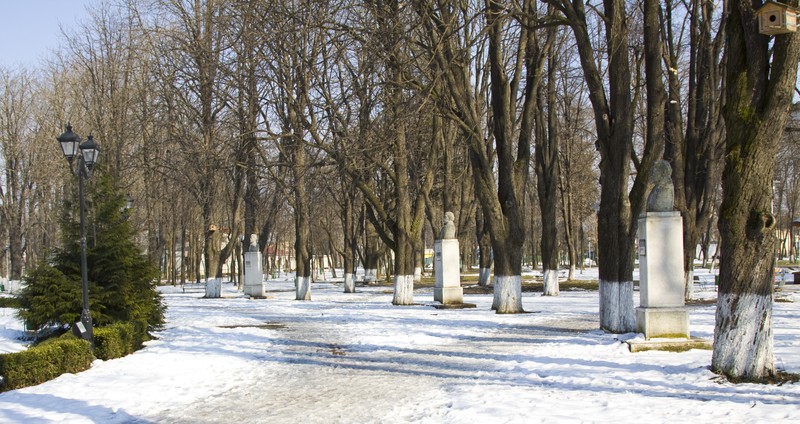
Roman is full of old buildings and houses that represent true architectural values.
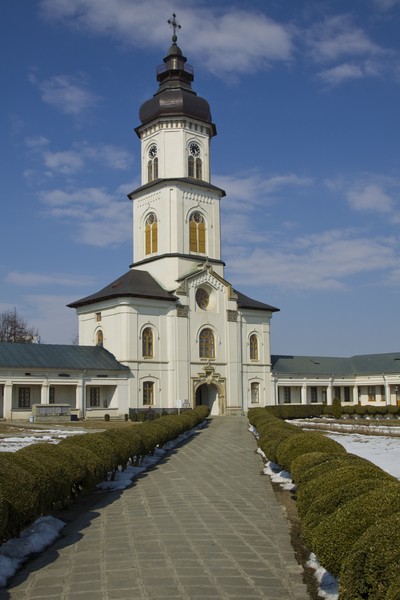
Churches from the town, Orthodox or from other religions represent the architectural legacy of Roman town.
Roman town in Neamt County
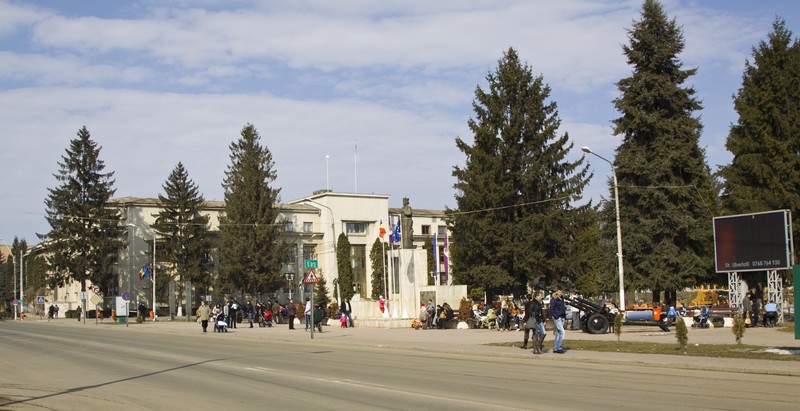
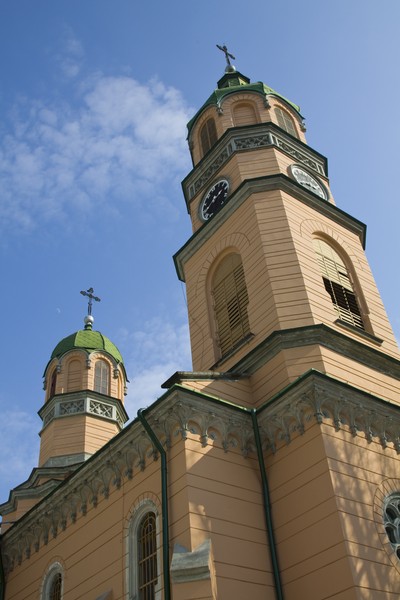
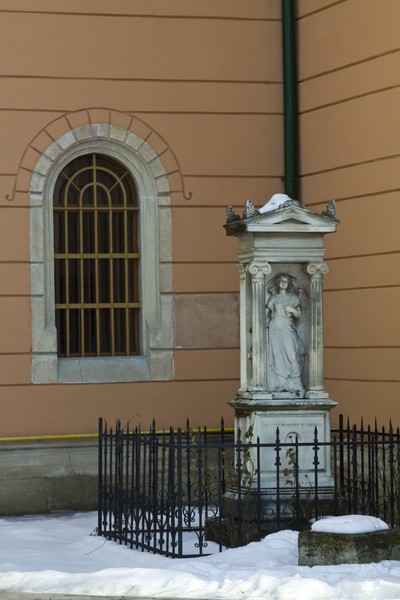
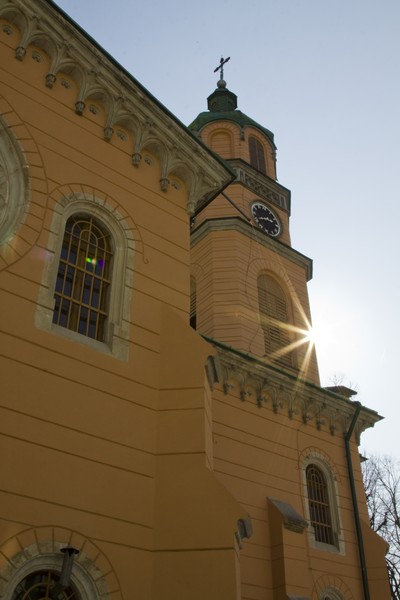
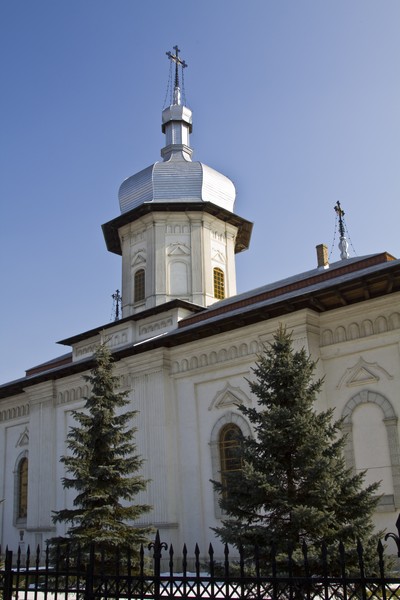
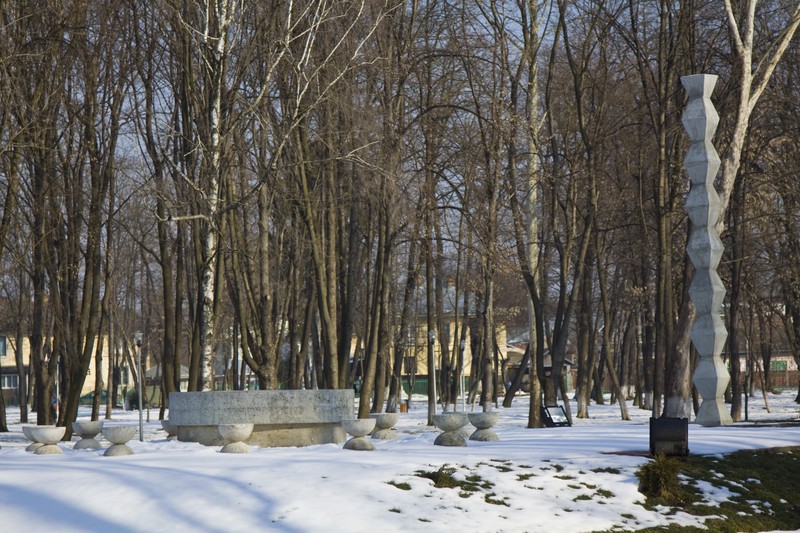
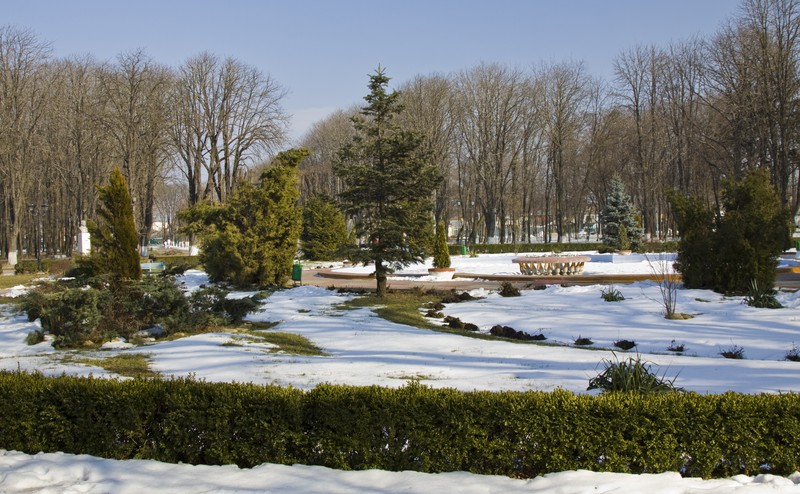
Touristic attractions
The Art Museum – the collection of the museum is a tribute to Romanian art and hosts works that belong to artists related in some way to Roman. The exhibit contains paintings, graphics, sculptures and decorative art.
The History Museum is located in the building called “Palatul Negruzzi” (Negruzzi’s Palace) which is a historic building made in a baroque style in the second half of the XIX century and decorated by Ludwig Branner in 1884.
The Natural Science Museum presents the flora and fauna of the area.
Ancuta’s Inn – the original inn was built at a crossroad on the lands of boyar Catargi, in 1718. The inn was a resting place for travelers on their road between Roman, Iasi and Suceava.
The Archibisphoric Cathedral “St Parascheva” was built in the XVI century. The interior of the church is beautifully painted. The painting was made in three stages, along the centuries XVI, XVIII and XIX.
The White Church “Sfintii Voievozi” was built in 1615 by ruler Stefan II Tomsa and remade in 1695 by Vasile Cantacuzino. The church is located in the center of the town and it’s impressive because of its proportions.
The Great Church “Precista Mare” – is located nearby the Archibisphoric Cathedral and was built in 1569.
The Armenian Church was built in 1609 and presen architectural style that impresses through its beauty.
Mai multe din aceeași temă

Neamțul, nominalizat la Destinația Anului de cinci ori în patru categorii
Avem o veste bună pentru toți cei care iubesc județul Neamț, cu toate frumusețile lui, căci acesta se numără printre destinațiile finaliste la competiția Destinația Anului 2024, fiind nominalizat de…

Military firefighters bring competition and lots of adrenaline to Târgu Neamț
Târgu Neamț is hosting the 3rd zonal stage of the professional emergency situation competitions, in which representative teams from several counties of the country will participate: Bacău, Botoșani, Iași, Neamț, and Suceava.
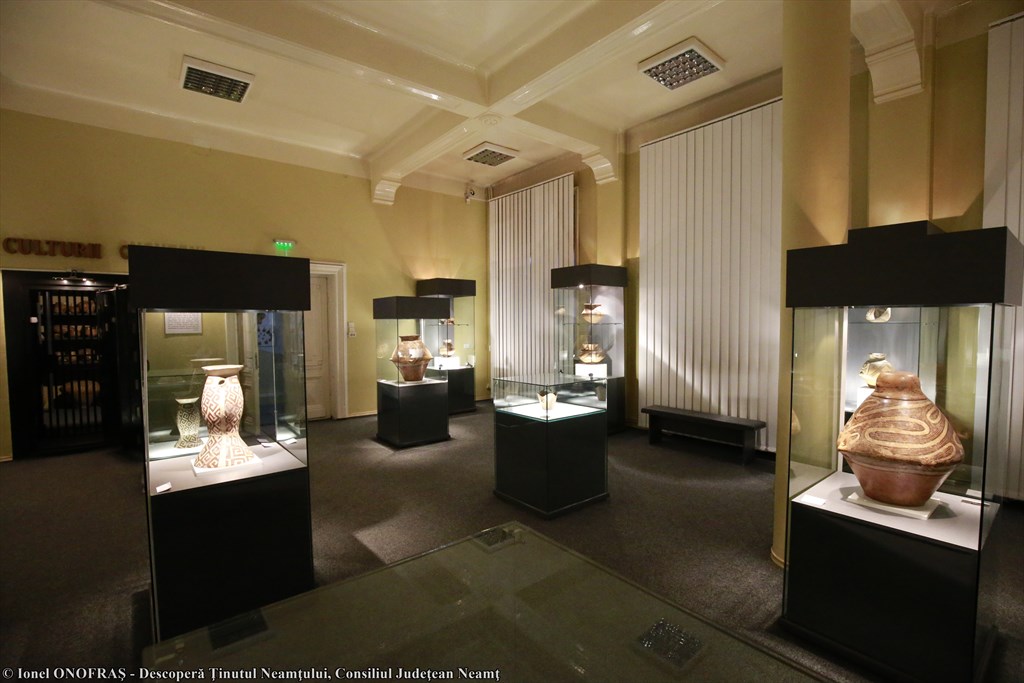
Discover, in Piatra Neamț, the most important Eneolitic art collection from the South-East of Europe
Photo Gallery: Nationally one of the kind, both history and art museum, it currently hosts the most spectacular artefacts, famous objects that belong to the Cucuteni–Trypillia Culture, which is in…