15 Reasons to Visit Neamț County
Episode 5 – Neamț Citadel
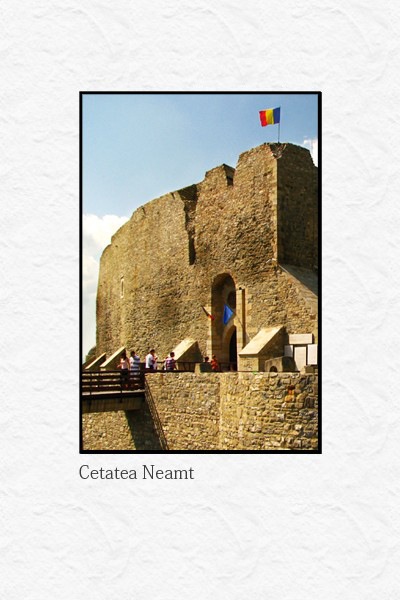
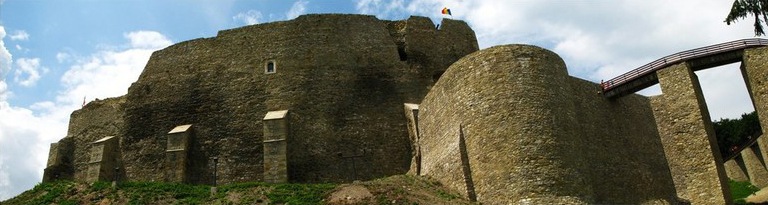
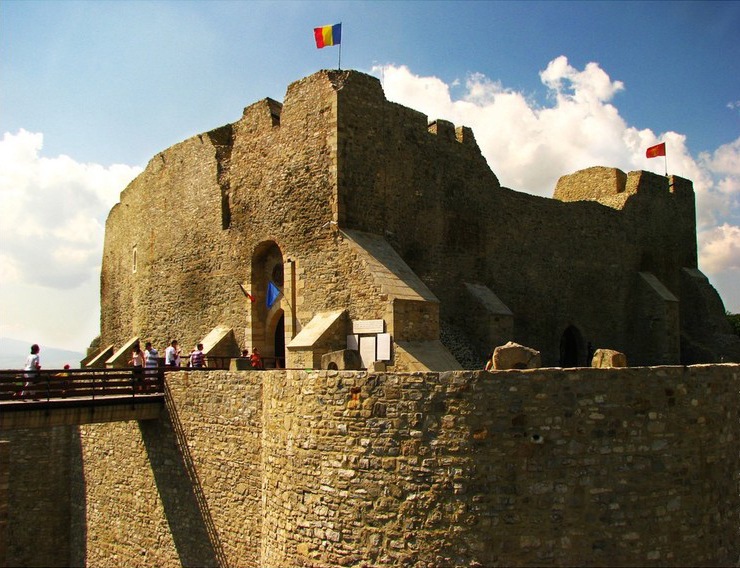
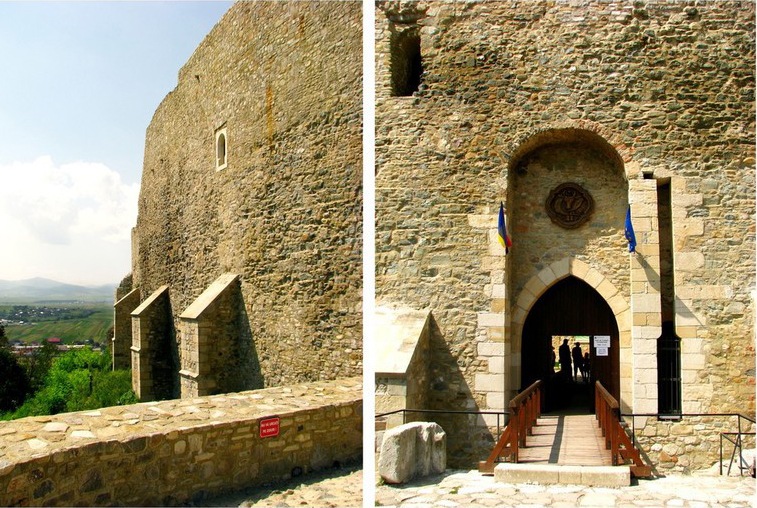
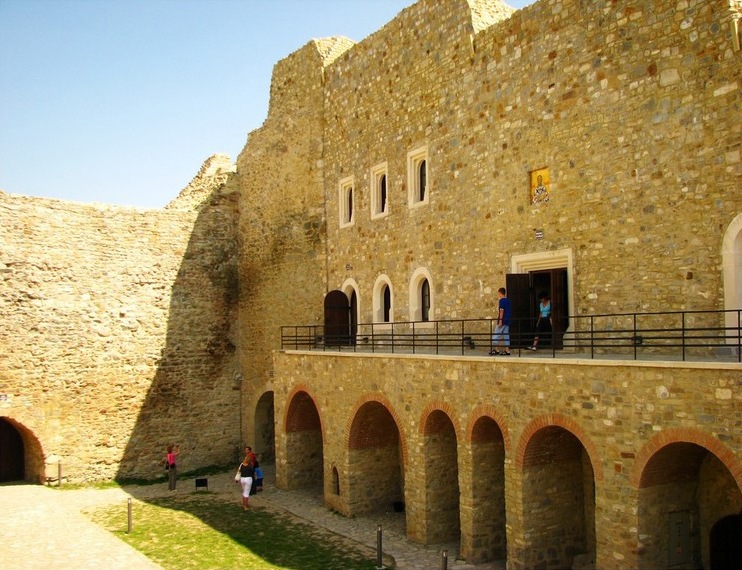
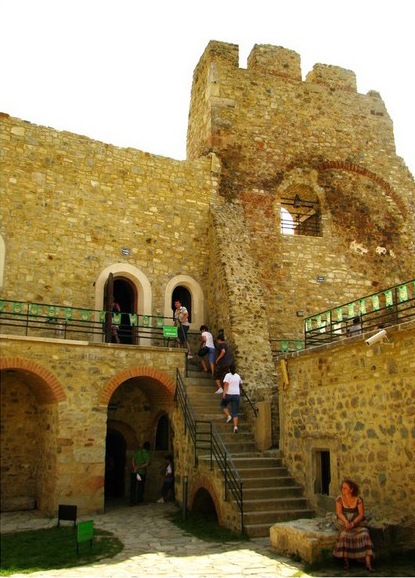
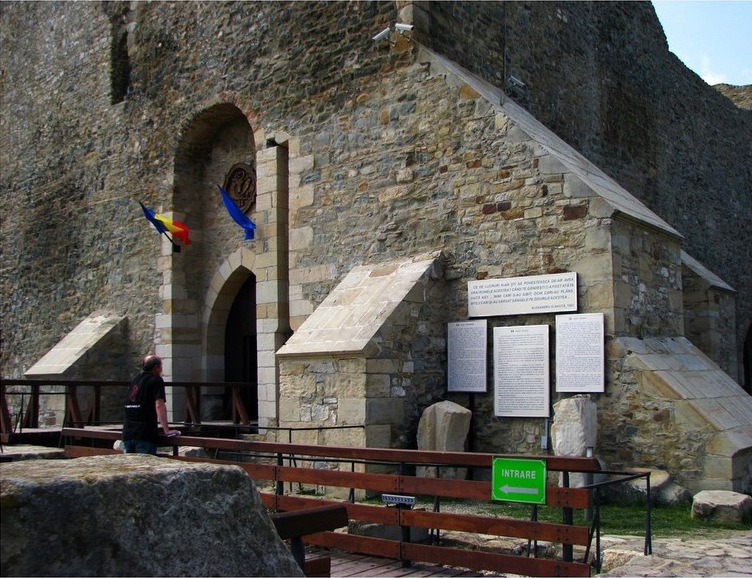
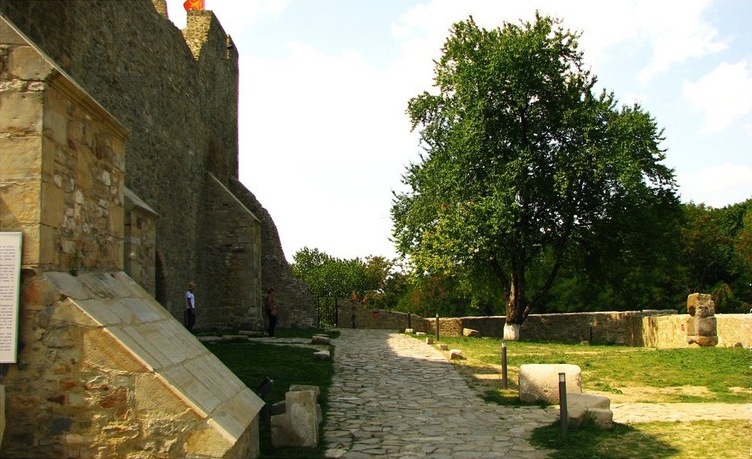
The name of Neamț Citadel is forever inscribed in the history of Neamț County. For over six centuries, the fortress has stood guard over the Ozana river valley, heroically defending the land and people of Moldavia in those bygone days.
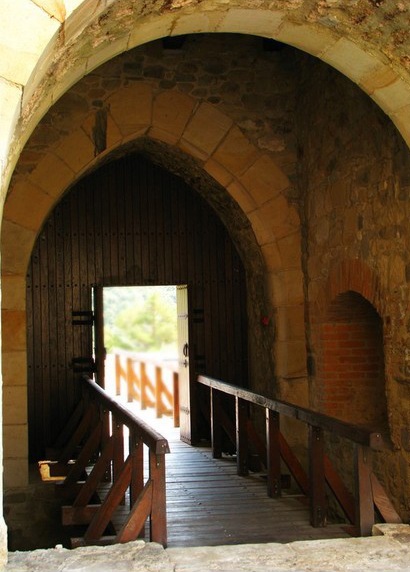
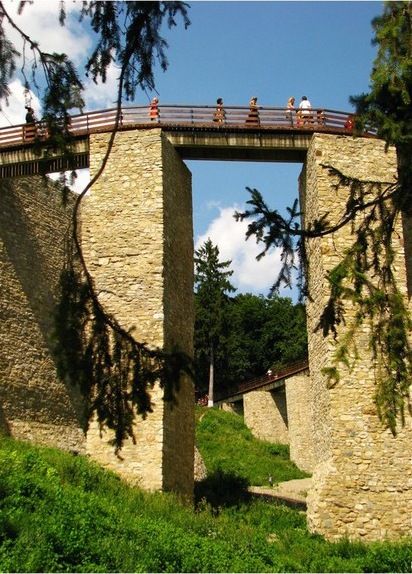
Built by Petru I Mușat, then extended and strengthened by Ștefan cel Mare, who also added a defensive ditch spanned by an arched bridge, the imposing fortress withstood many sieges by enemy armies. Its walls whisper stories of the 8 days it held out against the Ottoman siege led by Mahomed al II-lea himself after the battle of Războieni in 1476, and of the glorious stand made by just 19 frontier guards against the Polish army led by Ioan Sobieski in 1691.
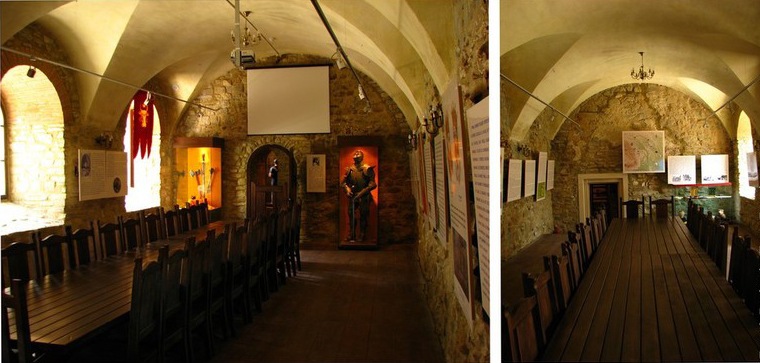
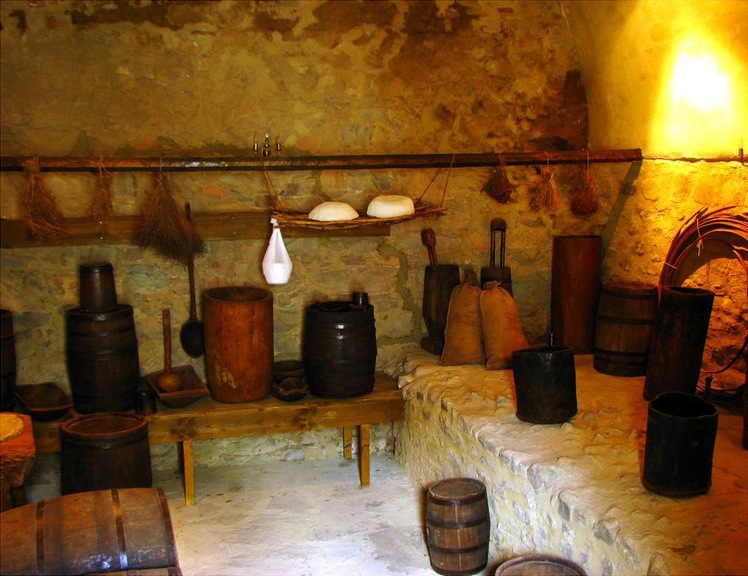
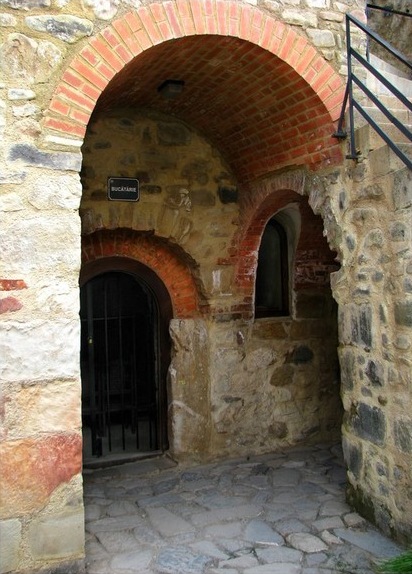
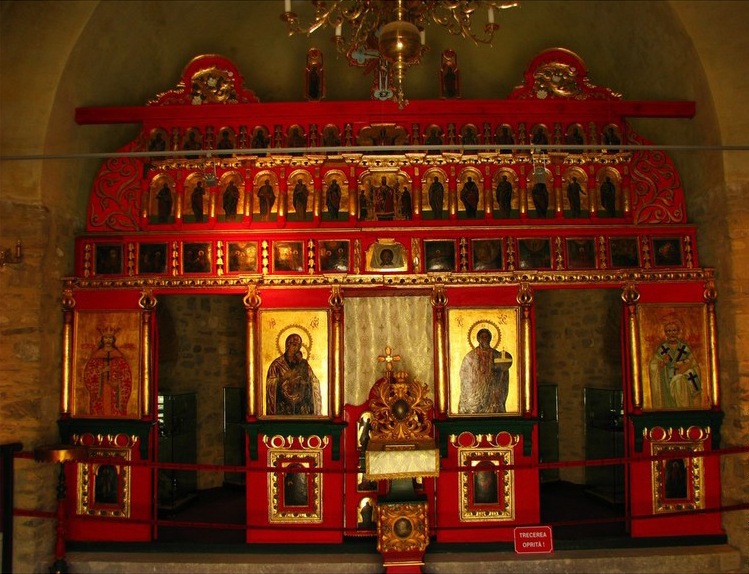
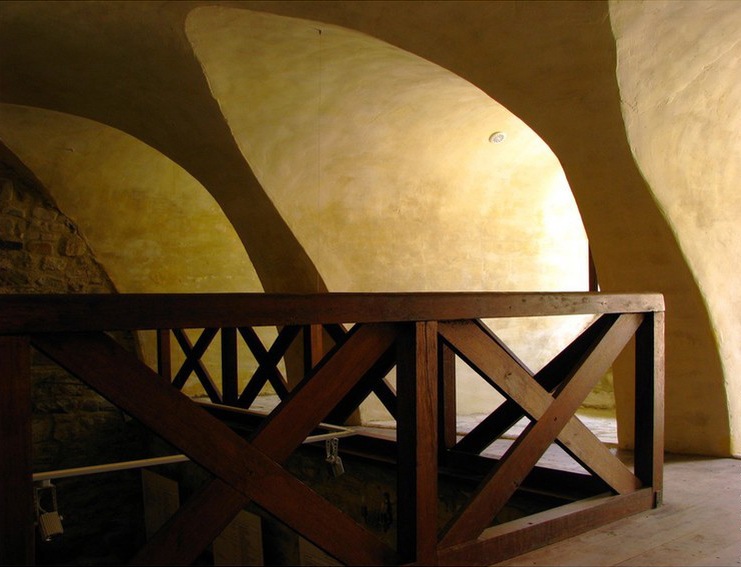
Recently restored, the citadel towers proudly on the hill that borders the city of Târgu Neamț and belongs to the category of medieval monuments of great value in Romania, being a living proof of the rich history of Neamț County. Every year, on 2 July, locals celebrate Neamț Citadel Day, a day on which Saint Voivode Stephen the Great is honoured.
Photos of Neamț Citadel
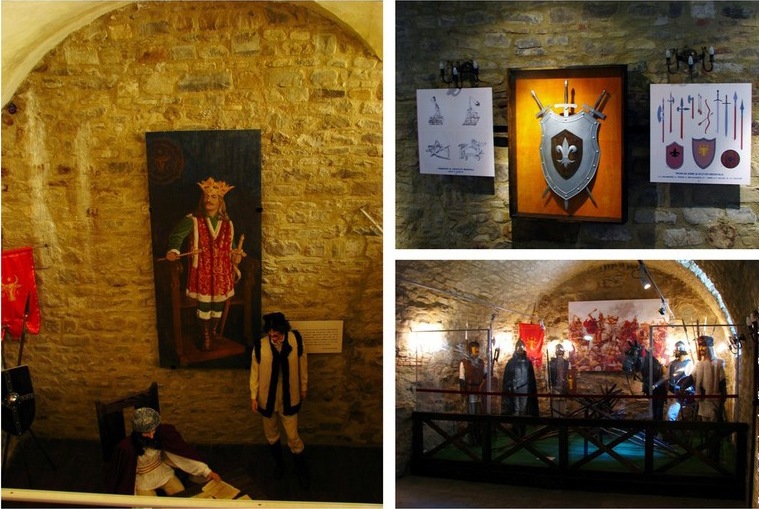
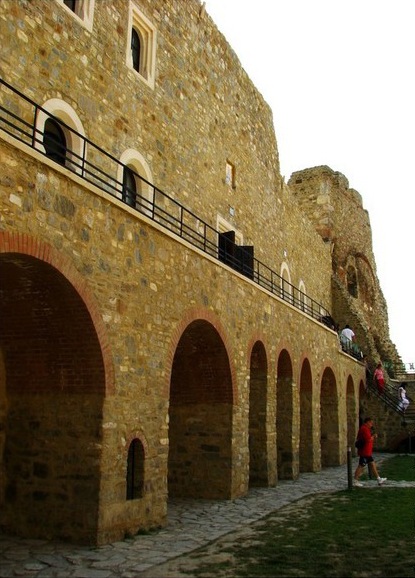
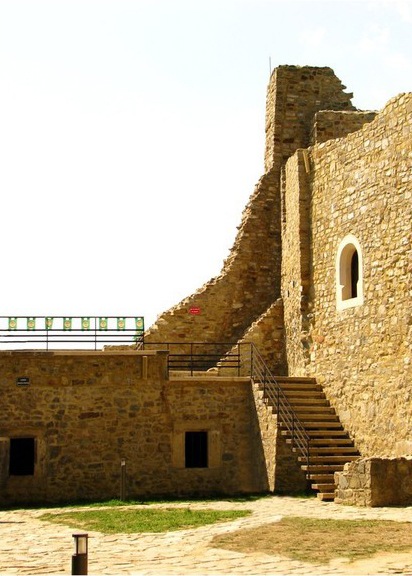
Click here to see all photo albums
More on the same topic

Neamț receives five nominations across four categories in Destinația Anului
We have good news for everyone who loves Neamț County and all its beauty: it is among the finalists in the Destinația Anului 2024 competition, with five nominations across four categories: Piatra Neamț in the Inspiring Cities category.

Military firefighters bring competition and lots of adrenaline to Târgu Neamț
Târgu Neamț is hosting the 3rd zonal stage of the professional emergency situation competitions, in which representative teams from several counties of the country will participate: Bacău, Botoșani, Iași, Neamț, and Suceava.
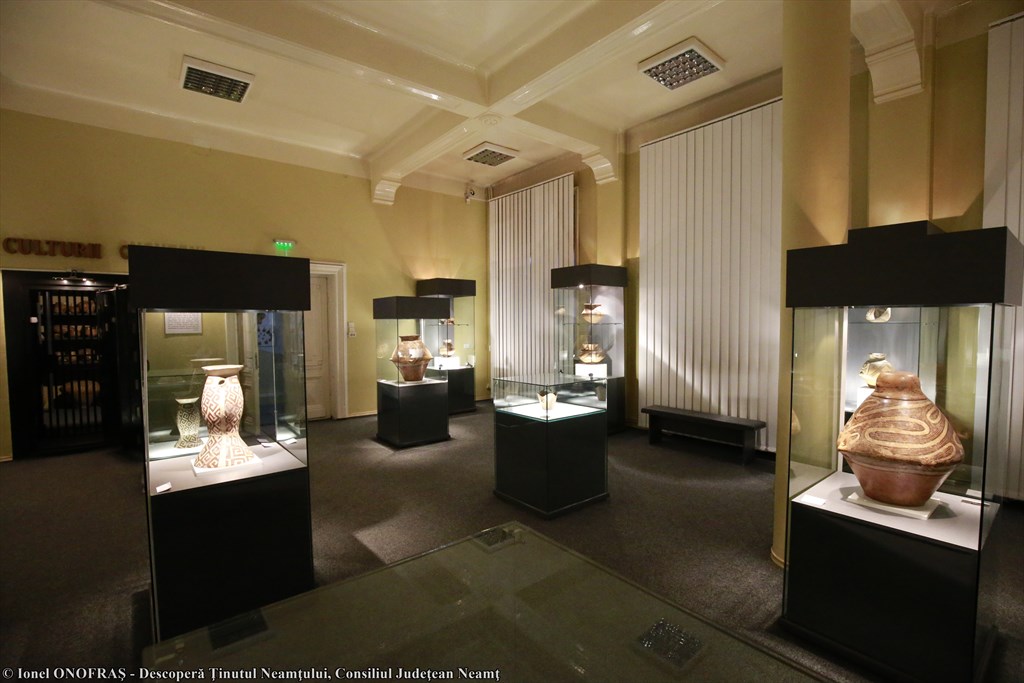
Discover, in Piatra Neamț, the most important Eneolitic art collection from the South-East of Europe
Photo Gallery: Nationally one of the kind, both history and art museum, it currently hosts the most spectacular artefacts, famous objects that belong to the Cucuteni–Trypillia Culture, which is in…