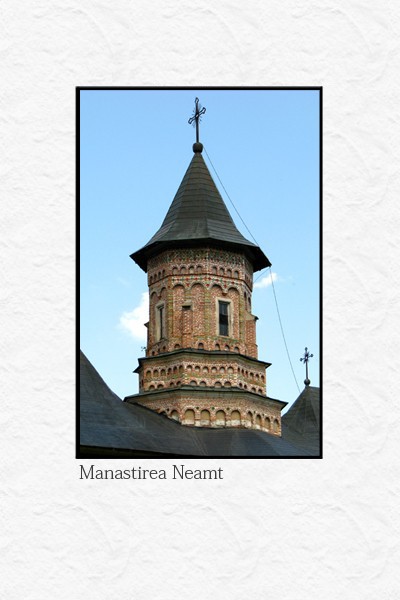
9 monasteries in Moldavia you must visit when you come to Neamț
The renowned monasteries of Moldavia are a destination you should visit at least once in your lifetime. A trip to Neamț County will give you the opportunity to visit some of these monasteries, admire Moldavian religious architecture and enjoy the spiritual richness of the people of this area.
You can visit these monasteries in Moldavia independently, on a tour you plan yourself using your own car, or through a travel agency. The first option gives you more freedom to explore, while accommodation at monasteries in Moldavia will be much cheaper and, in some cases, better than at guesthouses. We also have a map of the monasteries in Moldavia, Neamț, to make planning your trip easier.
Map of monasteries in Moldavia, Neamț on Google Maps.
Neamț Monastery dates from the 14th century and is the oldest and most important monastery in Moldavia, also known as the “Jerusalem of Romanian Orthodoxy”. The church houses the miracle-working icon of the Mother of God, painted in 665 in Israel, which Prince Alexander the Good received as a gift from the Byzantine Emperor Ioan al VIII – lea Paleologul. This important monastery in Moldavia also has the oldest monastery library, with 18,000 volumes, and an impressive museum collection. If you visit Neamț Monastery and have more time, you can also visit the Icoana Veche, Pocrov and Vovidenia hermitages, as well as the Mihail Sadoveanu Museum beside Vovidenia Hermitage. Tel: 0233 251 580, 0745 823 179, Fax: 0233 251 587
Photos of Neamț Monastery
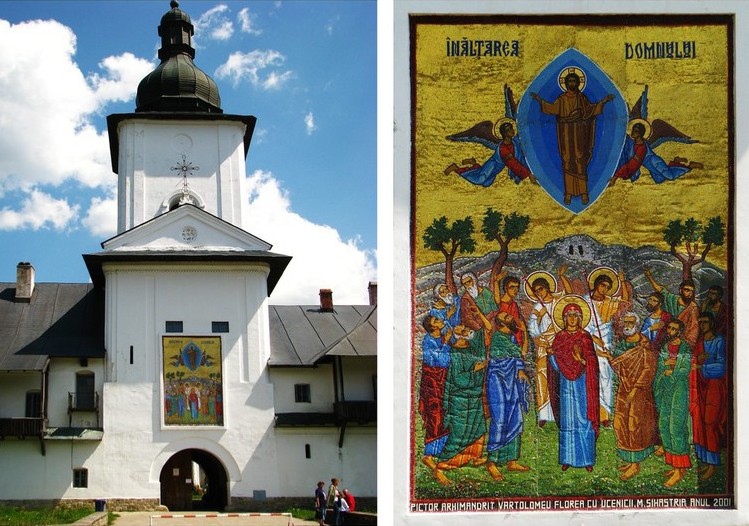
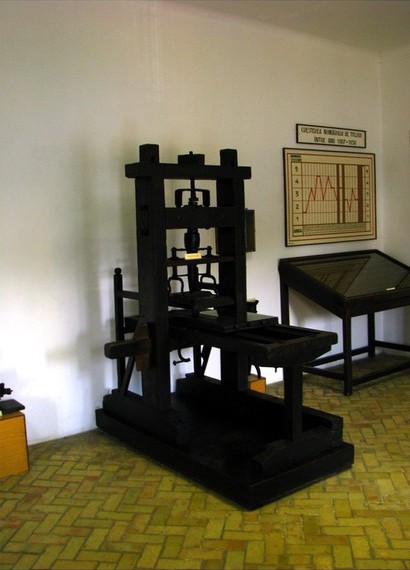
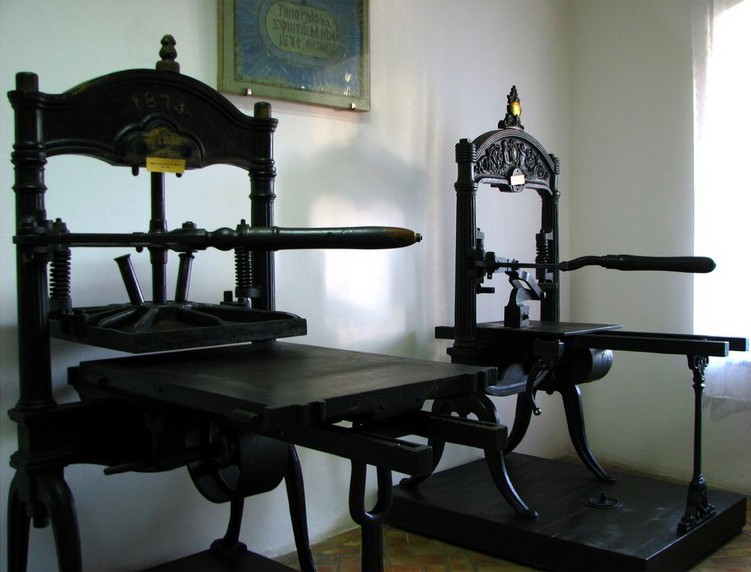
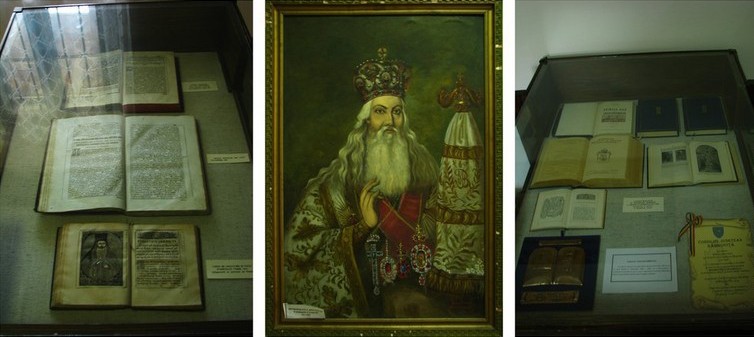
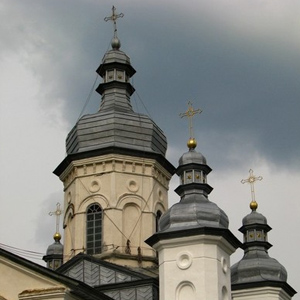

See all photos of Neamț Monastery.
Secu Monastery is a monastic settlement that has endured for over 500 years, combining Wallachian influences with its Moldavian form and exemplifying Moldavian architecture from the late 16th and early 17th centuries. Built in the form of a medieval fortress, with thick walls, defensive towers and church towers, this monastery in Moldavia also houses the tomb of its founder, Nestor Ureche, and an impressive museum collection of religious objects. Here you can see the Cipriota icon, the most treasured icon at Secu Monastery. Tel: 0233 251 862
Photos of Secu Monastery
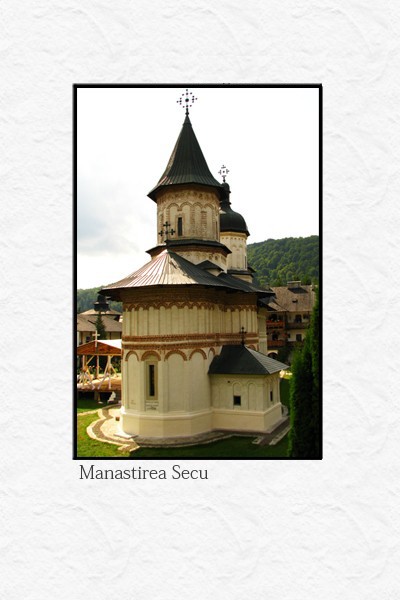
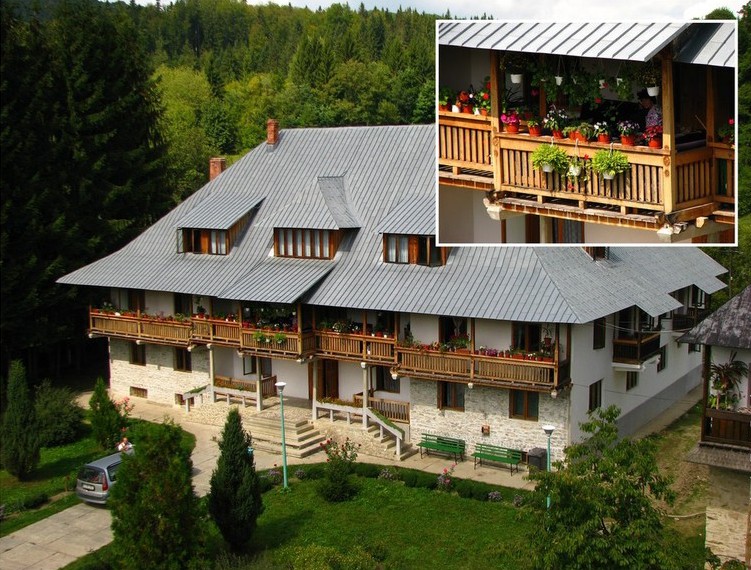
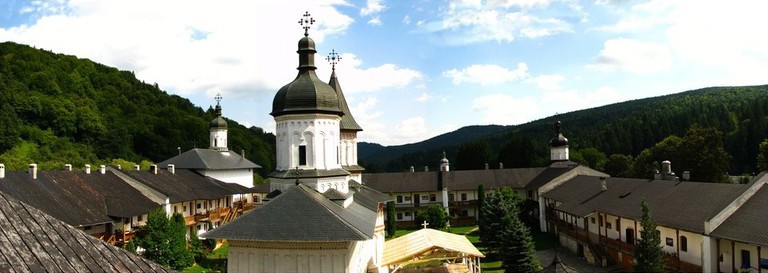
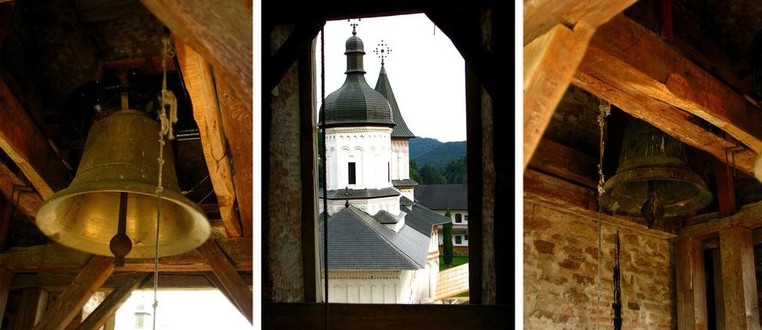
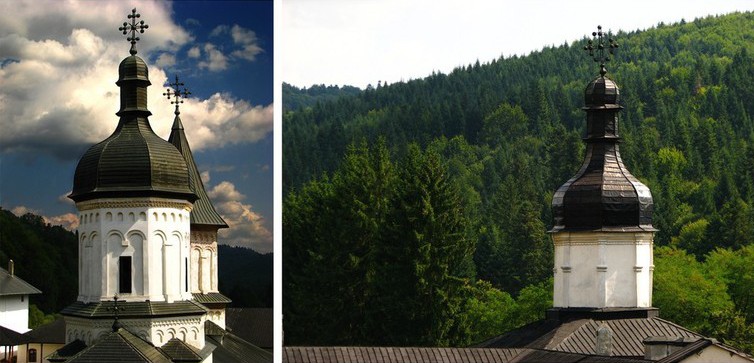

See all photos of Secu Monastery.
Sihăstria Monastery, has faithfully maintained the classical Moldavian style throughout its three centuries of existence and houses religious objects, liturgical vessels and a library of great historical and cultural value. The two were lifelong friends, and their tombs now lie side by side in the monastery cemetery, covered in flowers brought by pilgrims. Tel: 0233 251 896, 0233 251 897, Fax: 0233 251 978
Photos of Sihăstria Monastery
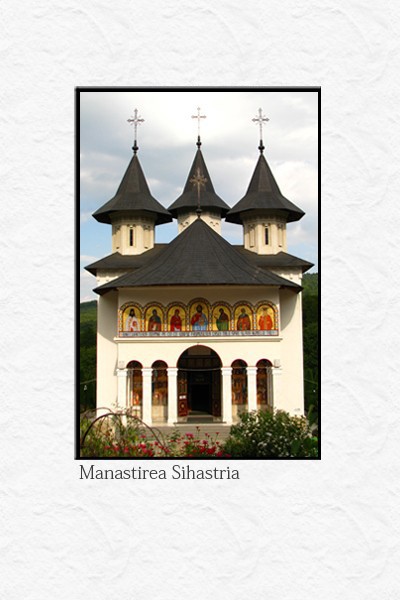
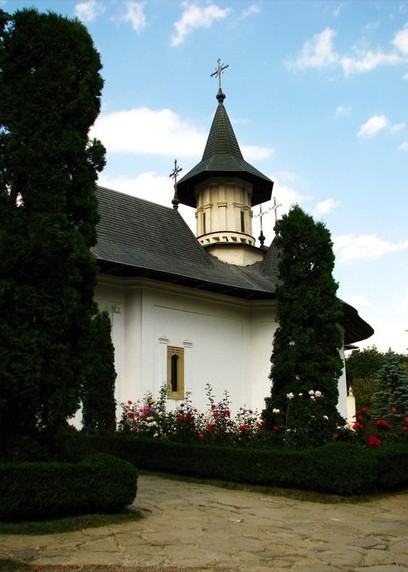
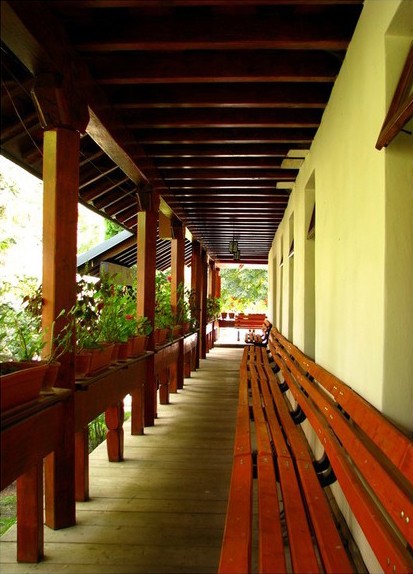
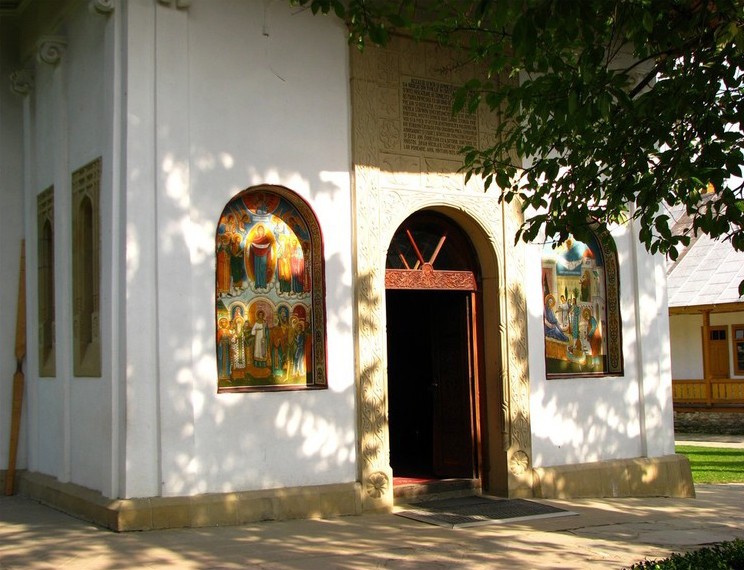
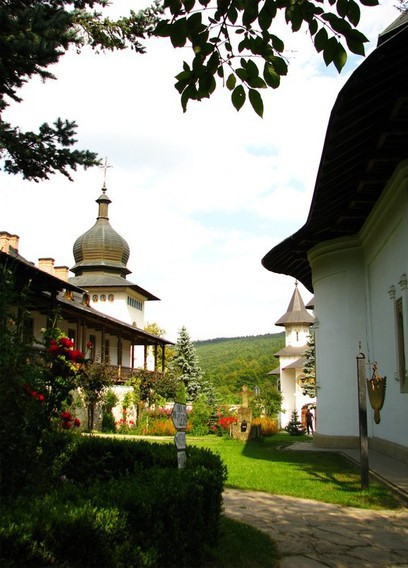

See all photos of Sihăstria Monastery.
Sihla Hermitage is situated 6 km from Sihăstria Monastery. On the northern side of Sihla Mountain, a secluded path climbs to Saint Teodora’s Cave. This is where she spent years in ascetic devotion, fasting and praying with many tears. Sihla Hermitage is said to have been built in 1725 to honour her life, and in 1991 a hermitage was founded in Codrii Pascanilor in her memory, with Saint Teodora as its patron. She was canonised on 7 August 1992 and is considered the most exquisite Spiritual Flower. On 7 August, the feast of Saint Teodora, many pilgrims arrive to pray and offer praise for all the saints and all the gifts received from them. From Sihla Hermitage, you can make pilgrimages to Sihastria and to Daniil Sihastru Hermitage.
Photos of Sihla Hermitage
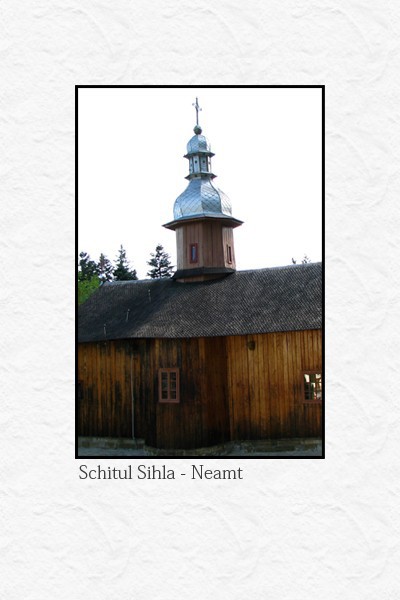
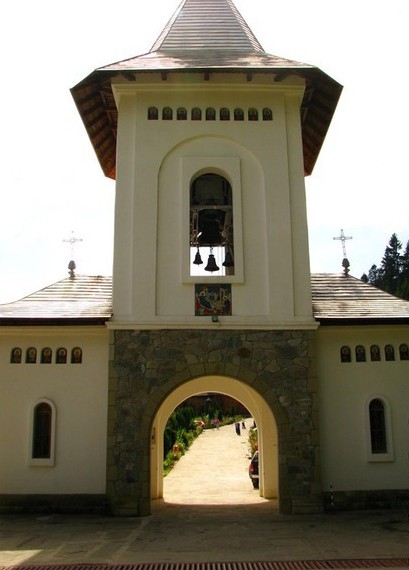
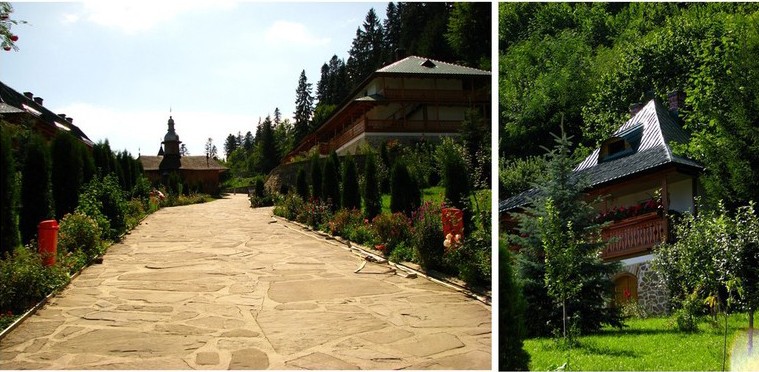
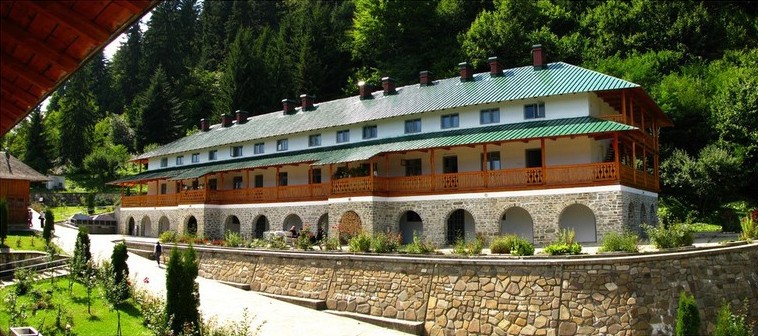
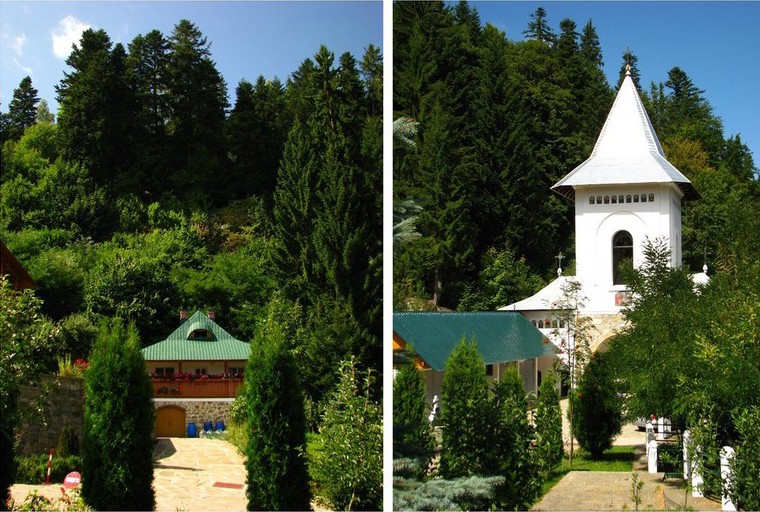

See all photos of Sihla Monastery.
Agapia Monastery is the only one of the monasteries in Moldavia and Romania whose name means “Christian love”, deriving from the Greek “agapis”. Painted by Nicolae Grigorescu in 1858, the monastery is a true architectural and artistic jewel among Moldavia’s monasteries, combining Byzantine and neoclassical features with Romanian art. Here you will find an impressive museum collection of medieval and religious art, and a library containing old books and manuscripts. From Agapia Monastery, you can travel to Agapia Veche Hermitage, a particularly beautiful place in the peace of the forest. Tel: 0233 244 736, 0233 244 618
Photos of Agapia Monastery
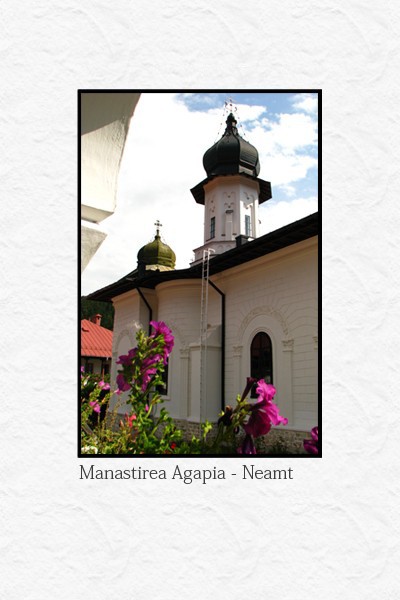
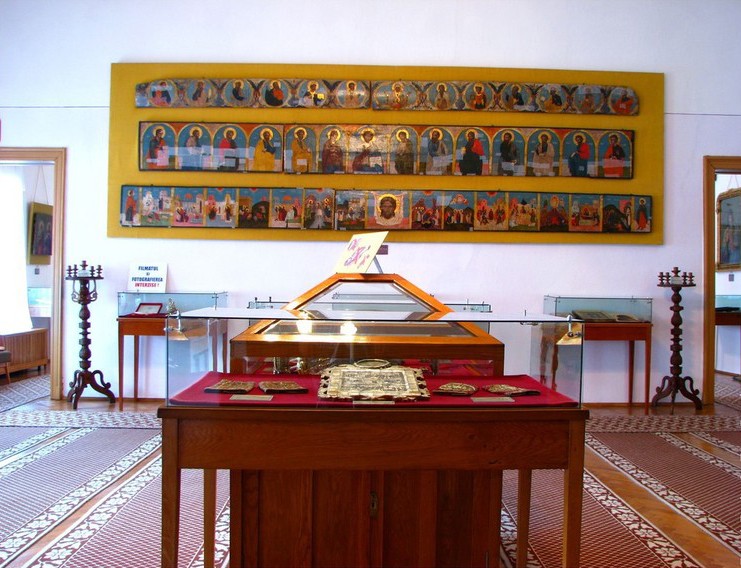
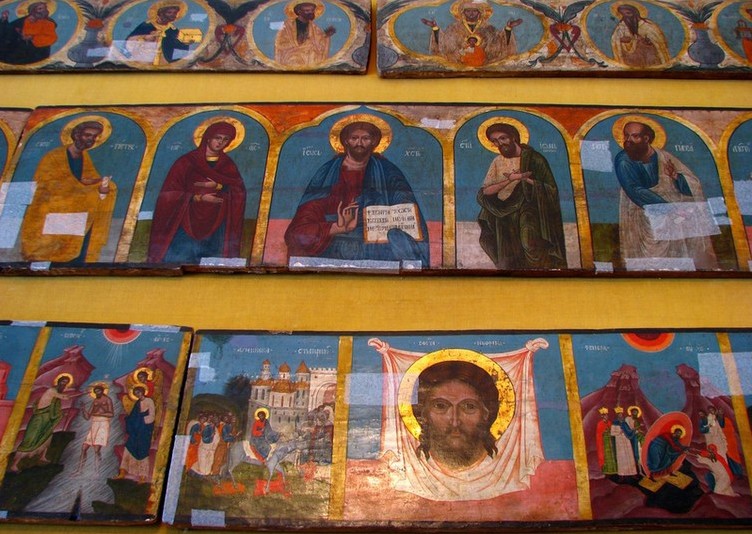
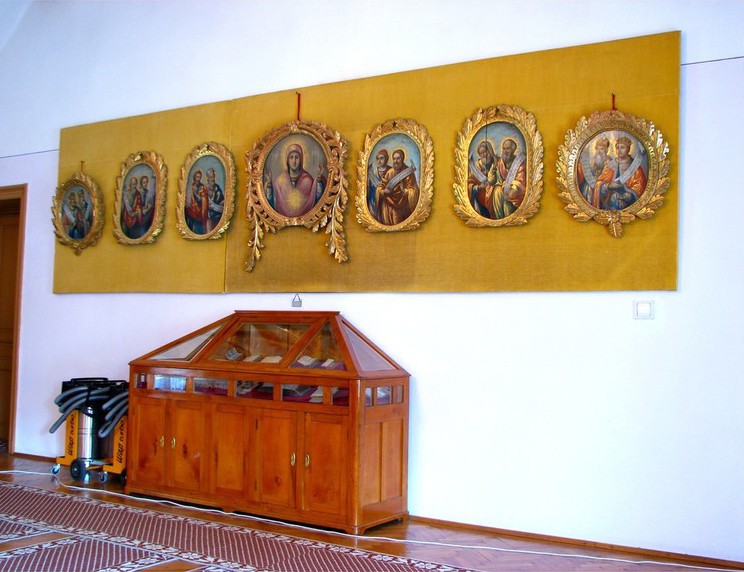
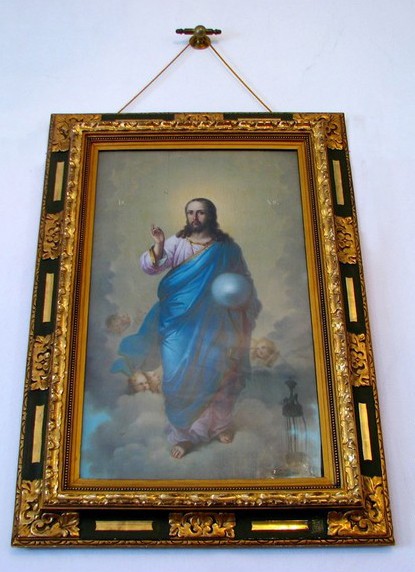

See all photos of Agapia Monastery.
Văratec Monastery was founded in 1785 by Mother Olimpiada. The monastic complex at Văratec includes the Dormition of the Mother of God Monastery, “Saint Ioan Botezatorul” Church – 19th century, beside which lies the tomb of Veronica Micle, and “Schimbarea la Fata” Church – 19th century. At Văratec Monastery, you can visit the collection of early religious art. Tel: 0233 416 333
Photos of Văratec Monastery
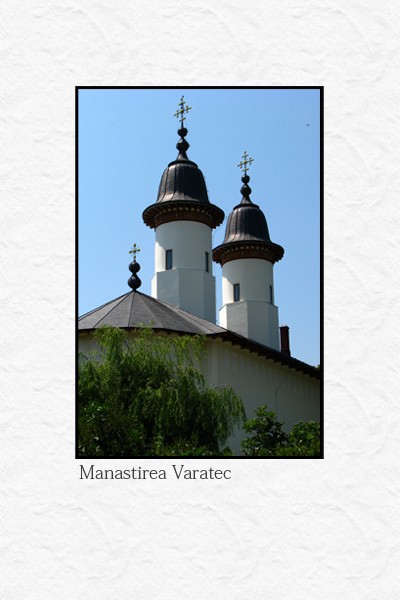
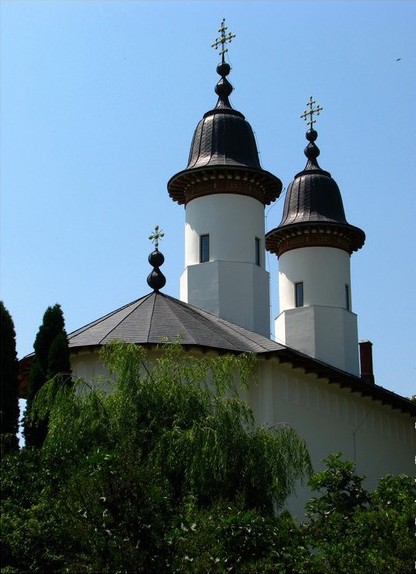
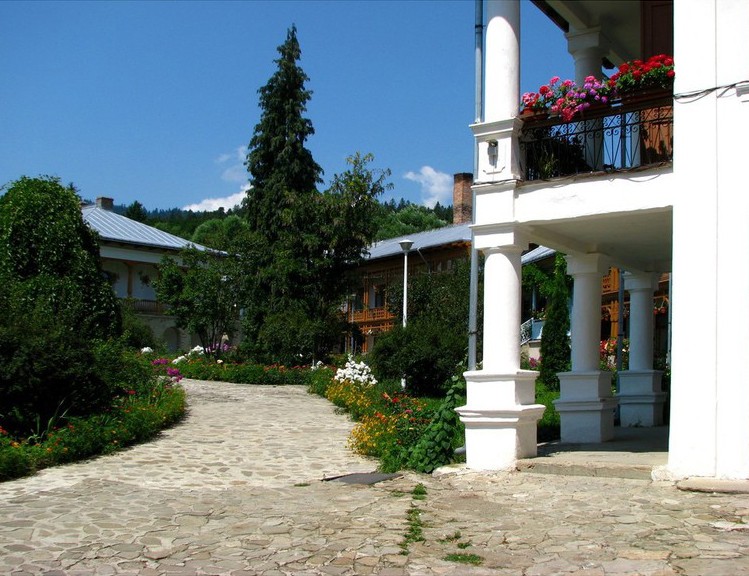
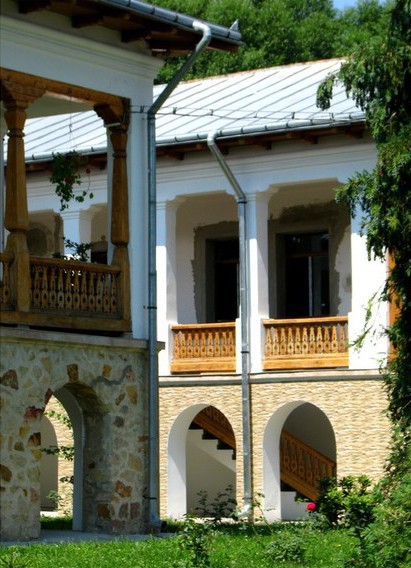
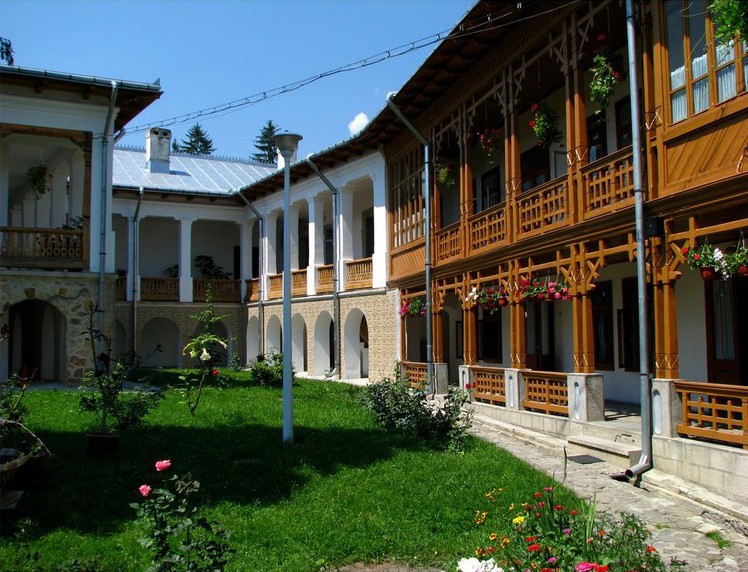

See all photos of Văratec Monastery.
Bistrița Monastery was built in 1406, has great historical and archaeological value, and is among the oldest monasteries in Moldavia. Inside Bistrița Monastery are the miracle-working icon of Saint Ana, a Byzantine work of great historical and spiritual value received as a gift from Emperor Manuel II Paleologul, and the tomb of Prince Alexander the Good. Father Iustin Parvu of Petru Voda Monastery, another peaceful place among Moldavia’s monasteries, lived at this monastery until 1990. Tel: 0233 241 091
Photos of Bistrița Monastery
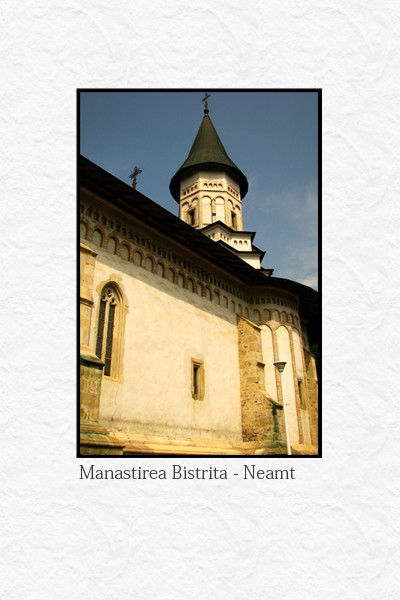
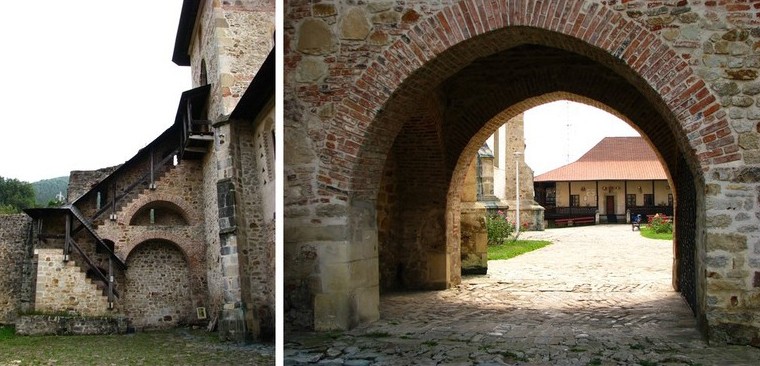
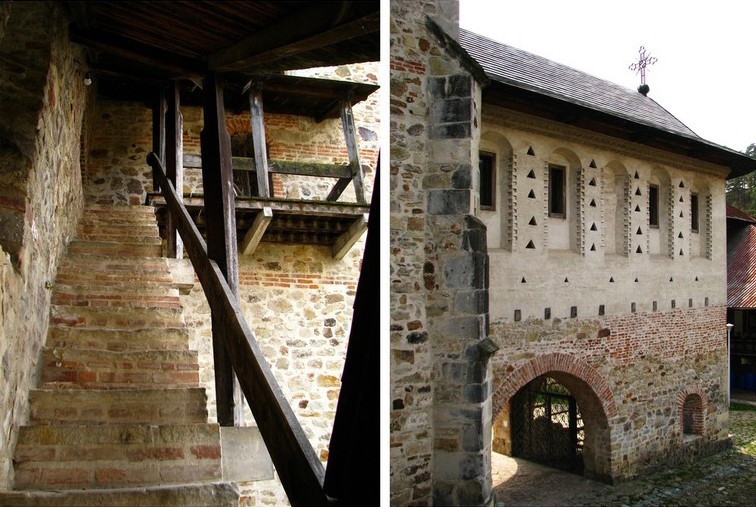
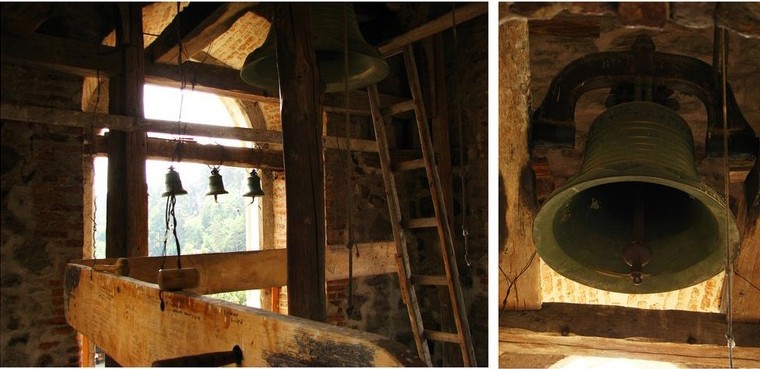
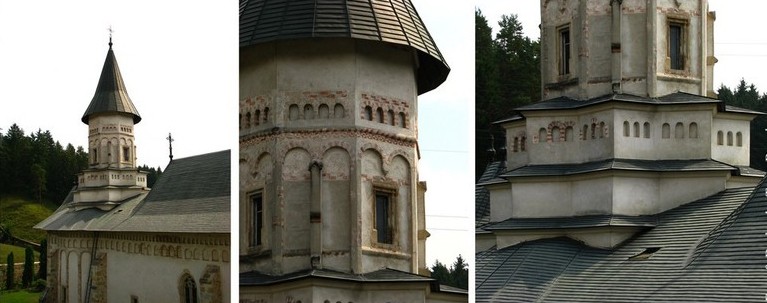

See all photos of Bistrița Monastery.
Pângărați Monastery was founded in 1560 by Prince Alexandru Lapusneanu. The old church at Pângărați has architecture unique among Moldavia’s monasteries, with two churches built one above the other within a single building. This unusual feature is revealed by the church’s impressive dimensions, which contrast with the low ceiling inside. You cannot help wondering what lies above. Tel: 0233 240 337, Fax: 0233 240 502
Photos of Pângărați Monastery
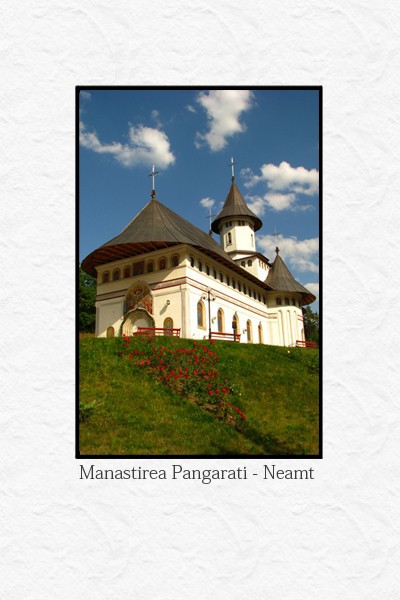
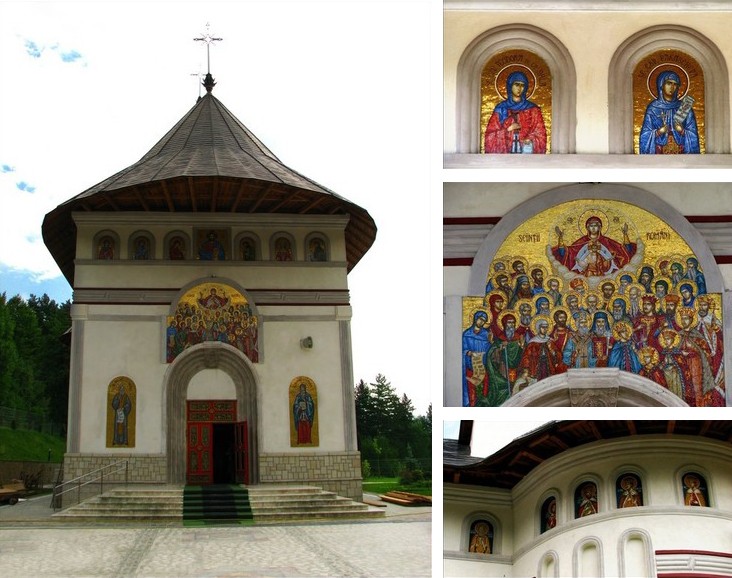
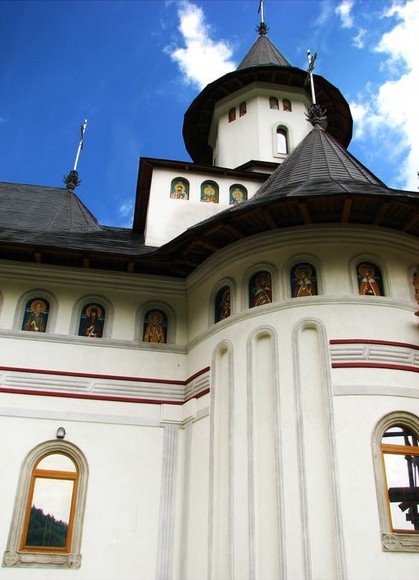
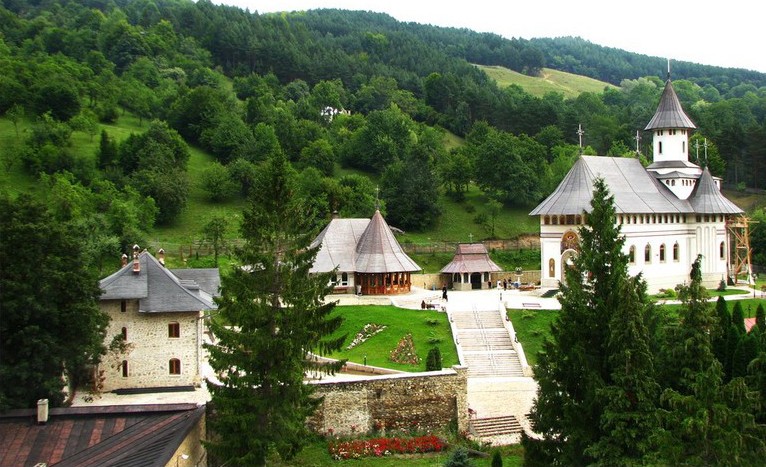
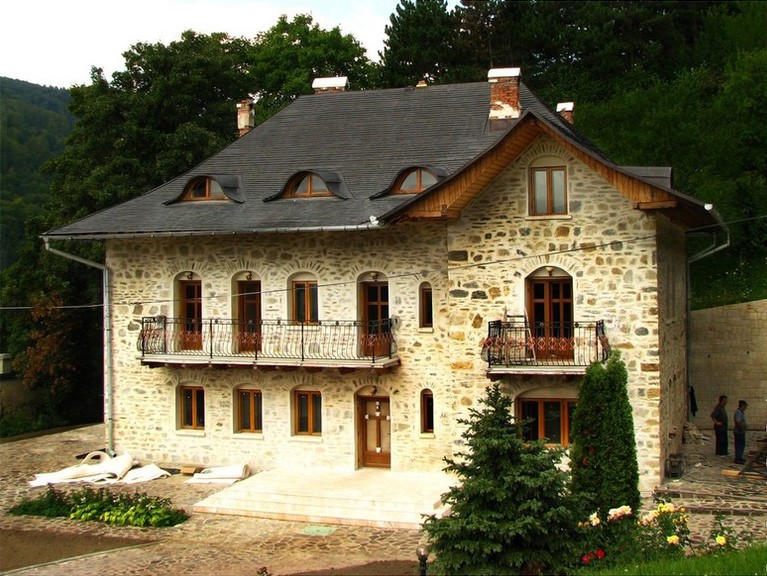


See all photos of Pângărați Monastery.
Durău Monastery was built on the site of a hermitage for nuns founded in the 17th century by one of Prince Vasile Lupu’s daughters, and was decorated with wax paintings using the encaustic technique by Nicolae Tonitza and his pupils – including Corneliu Baba. Tel: 0233 428 391
Visiting these old monasteries in Moldavia situated in Neamț County will give pilgrims and tourists the chance to understand and experience something of the spirituality of the Orthodox Church in Moldavia and, by extension, in Neamț County. Some of these monasteries are important for their age (Neamț and Bistrița), others, such as Pângărați, for their architecture, unique among Moldavia’s monasteries, Agapia for Grigorescu’s exceptional paintings, and Sihla for the life of Saint Teodora. Each of these monasteries has something to offer everyone who crosses its threshold. Visit these monasteries in Moldavia situated in Neamț and enjoy their heritage!
More on the same topic
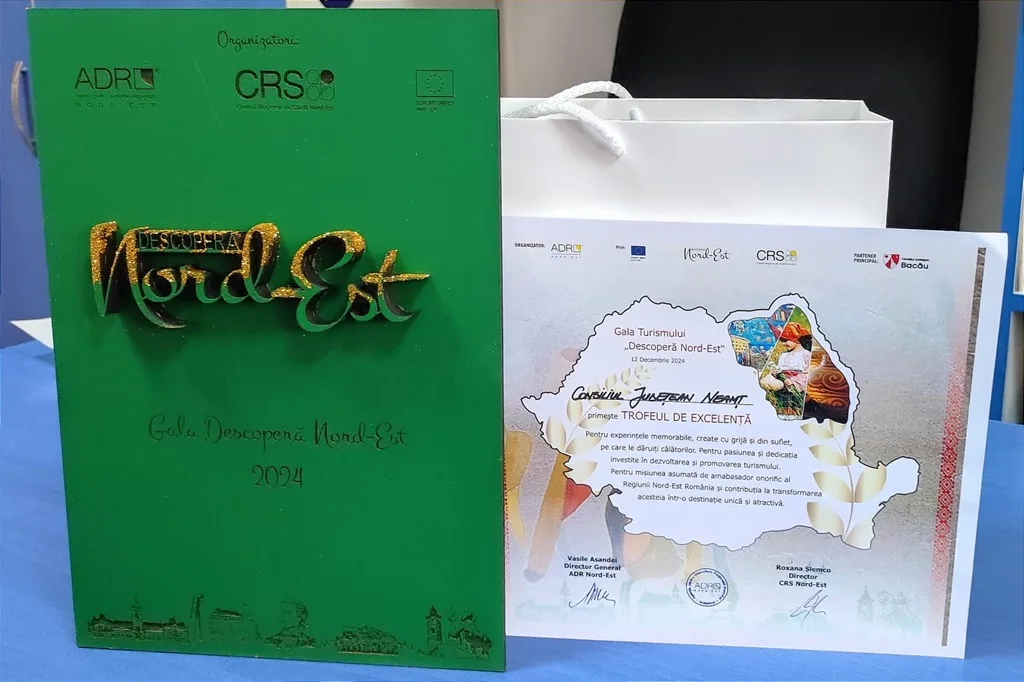
Neamț Awards at the Discover North-East Tourism Gala, 2024
The awards were presented at the 9th edition of the Discover North-East Tourism Gala on December 12, 2024: Newcomer – Award for new locations/attractions/tourist products or emerging tourist destinations: Zenzia Glamping Piatra-Neamț. Poem Rural Piatra-Neamț.
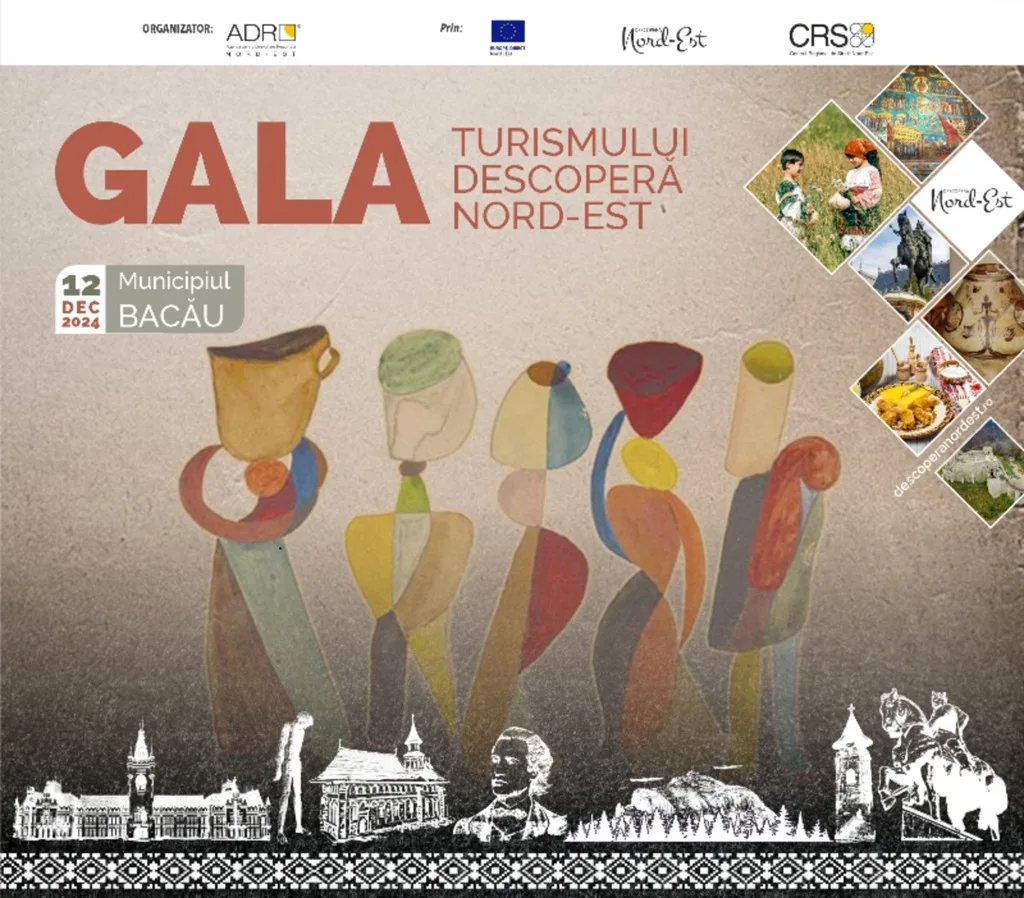
Excellence in Developing Tourism in Neamț at the 9th Edition
On December 12, 2024, we celebrate the tourism initiatives of Neamț County, alongside those from the North-East Region of Romania—a uniquely beautiful and rich area that deserves to be discovered by tourists.
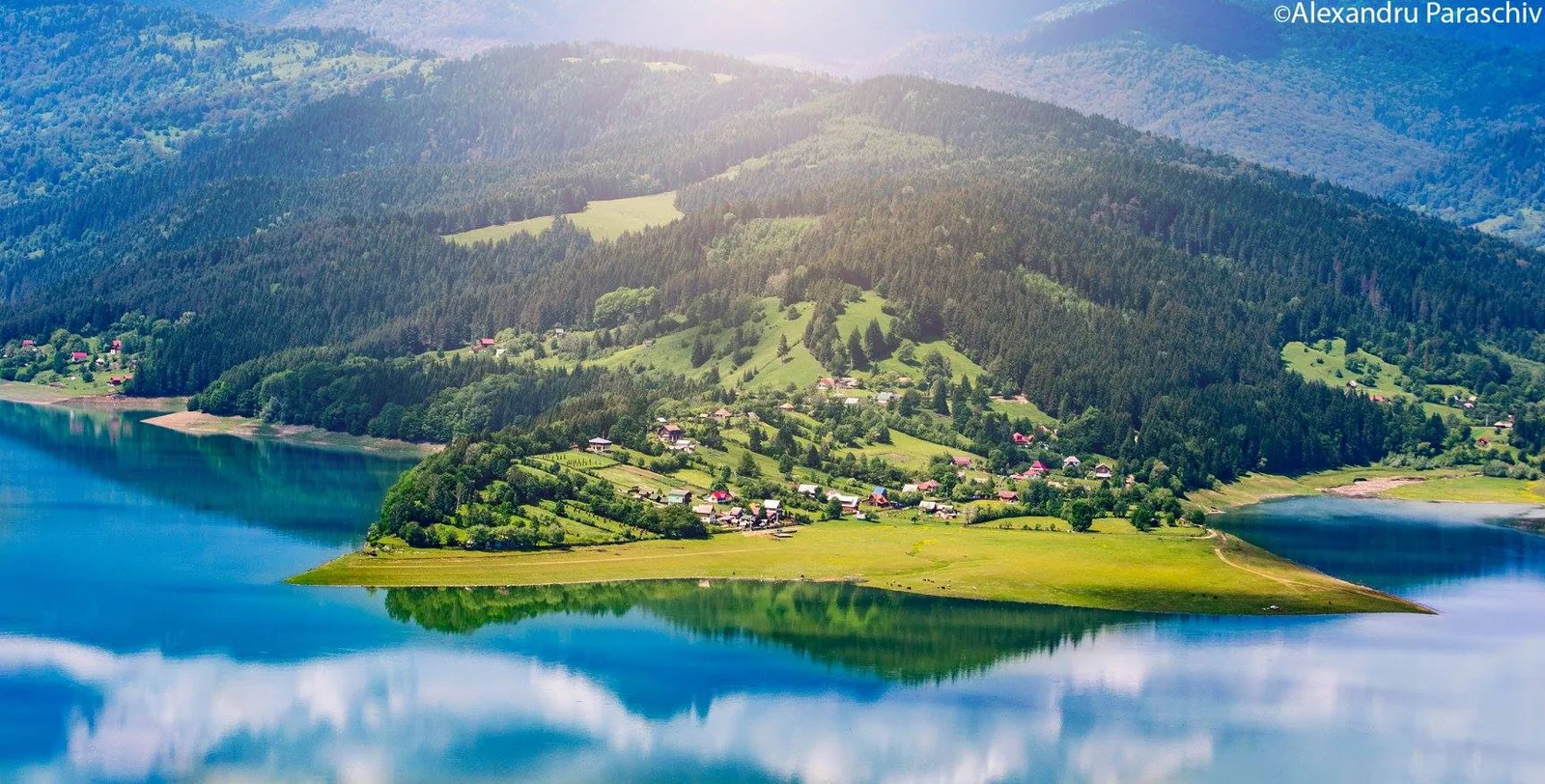
Nominations for Destination of the Year 2025
In the category Enchanted Realms – Geographical areas or localities with a rich treasure of nature, history and tradition our proposal is: The city of Bicaz and its surroundings.