Exhibition: A Frontline Painter – Aurel Băeșu (1896-1928). Portraits
Exhibition
A Frontline Painter – Aurel Băeșu (1896-1928). Portraits
On the 90th anniversary of his death, painter Aurel Băeșu returns to the attention of the public in Neamț County as a “combatant artist”, thanks to a museum project initiated by the Neamț County Museum Complex and collector Lucian Corneliu Agăleanu in collaboration with the National Museum of Art of Romania, the Cotroceni National Museum, the National Military Museum “King Ferdinand I”, the National Museum Complex “Moldova” Iași, the County Museum Complex “Iulian Antonescu” Bacău, the Ion Irimescu Art Museum Fălticeni and important private collectors.
The substantial representation of his work in the collection of the Piatra-Neamț Art Museum, and his status as a “mobilised” artist, made possible this exhibition dedicated to the centenary of the Great Union.
Constantin Prezan, commander of the General Staff of the Army, decided in the summer of 1917 to call up the majority of visual artists who were at that time refugees in Iași, after the southern part of the country was occupied by the troops of the Central Powers. By Circular Order No. 9,400 issued on 23 June 1917, Aurel Băeșu was called to the front alongside the sculptors Ion Iordănescu, Ion Jalea, Cornel Medrea, Oscar Han, Dimitrie Mățăuanu, Alexandru Călinescu, Alexandru Severin (Talpoșin) and G. Stănescu and the painters D. Stoica, Ion Theodorescu-Sion, Traian Cornescu, Alexandru Crețoiu, Emilian Lăzărescu, Tache Brăescu, Alexandru Poitevin-Scheletti, C. Petrescu-Dragoe, Remus Troteanu, Aurel Constantinescu, Ștefan Dimitrescu, Toma Tomescu, Andrei Niculescu, Grigore Negoșanu, Nicolae Mantu, Camil Ressu, Alexis Macedonsky, Nicolae Dărăscu, Petre Bulgăraș, G. Ionescu-Doru, Eftimie Hârlescu, Ion Mateescu, Otto Briese, Constantin Bacalu and Ignat Bednarik. The aim was to create a National Military Museum that would bring together works by Romanian artists inspired by the realities of war. Aurel Băeșu’s work from the front includes large oil compositions depicting battle scenes and moments from the lives of soldiers who took part in the Great War, but above all graphic works devoted to the human figure, “individual pencil portraits, remarkable testimonies to his skill as a graphic artist”. His period of military service coincides with his period of portraiture.
This is why the exhibition A Front-line Painter. Aurel Băeșu (1896-1928). Portraits, which will open on Wednesday, 1 August 2018, at 18:00, at the Piatra-Neamț Art Museum, in the Contemporary Art Hall, comprises over 100 paintings and graphic works that form “the overture of a great symphony, a symphony of man”. The works of the artist from Fălticeni will be discussed by Adrian-Silvan Ionescu, art historian and director of the George Oprescu Institute of Art History at the Romanian Academy, and Emil Nicolae, art critic.
The exhibition catalogue will also be launched on the same occasion. It contains four introductory studies, the over 100 works on display, and works from the collection of the National Military Museum “King Ferdinand I” that were not included in the final exhibition but complement the research into Aurel Băeșu’s work from the front.
The exhibition can be visited in the period 1 August-19 September 2018
Mihaela-Cristina Verzea
More on the same topic
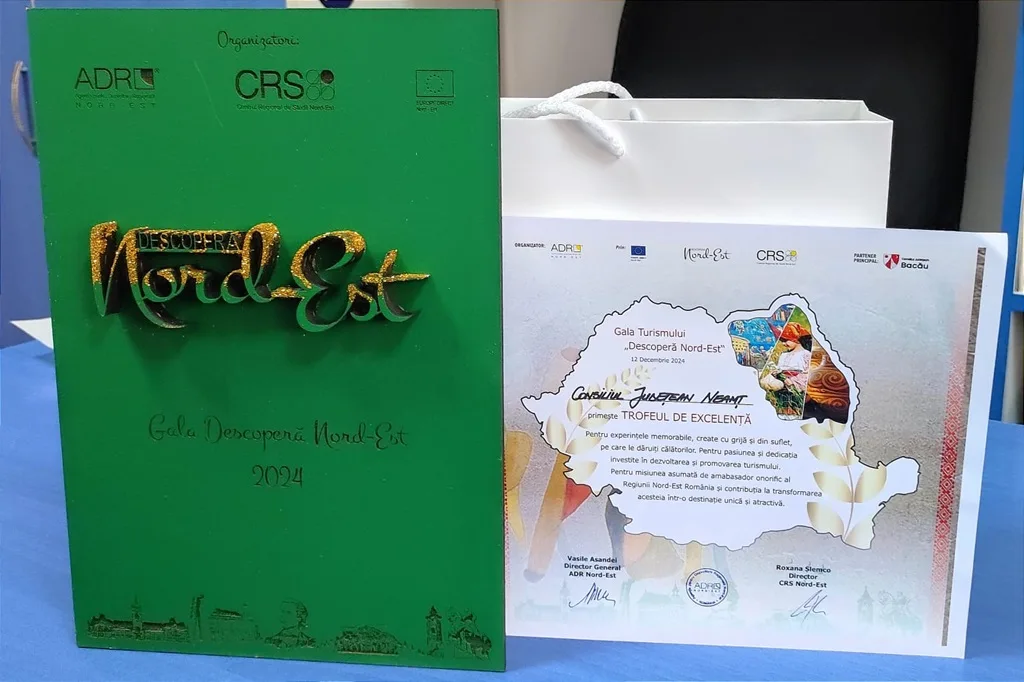
Neamț Awards at the Discover North-East Tourism Gala, 2024
The awards were presented at the 9th edition of the Discover North-East Tourism Gala on December 12, 2024: Newcomer – Award for new locations/attractions/tourist products or emerging tourist destinations: Zenzia Glamping Piatra-Neamț. Poem Rural Piatra-Neamț.
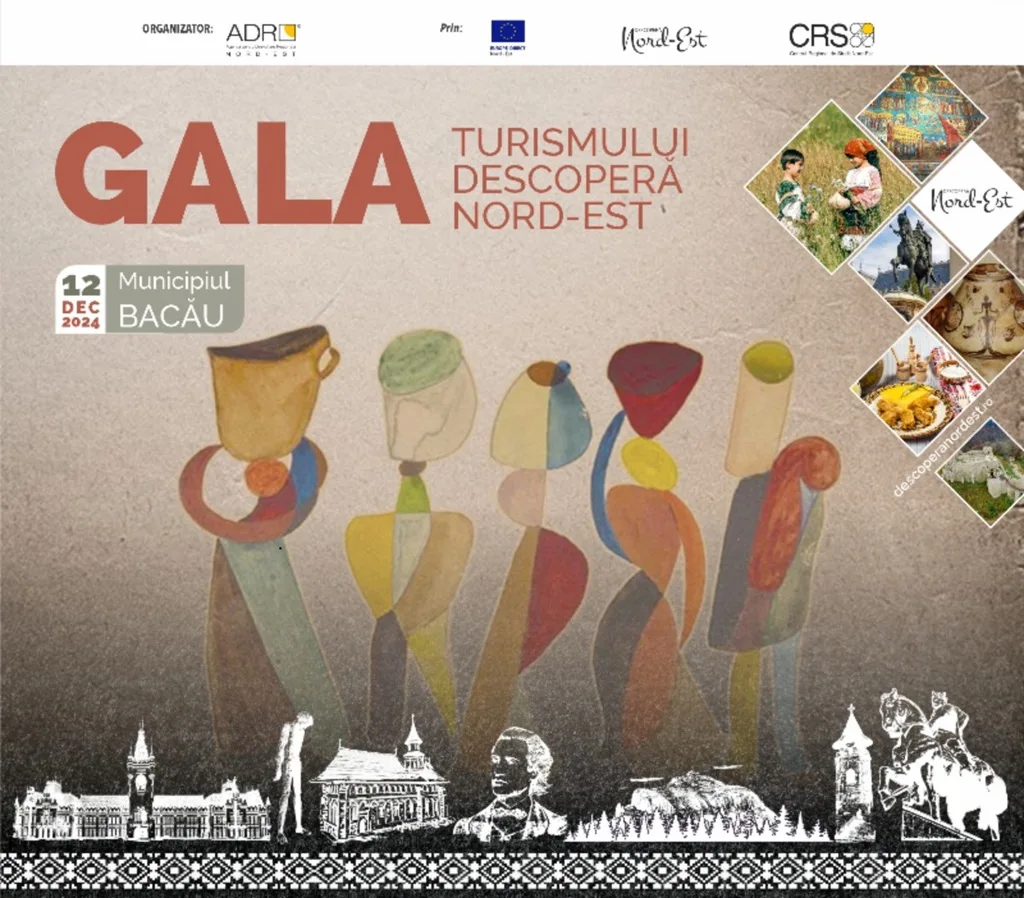
Excellence in Developing Tourism in Neamț at the 9th Edition
On December 12, 2024, we celebrate the tourism initiatives of Neamț County, alongside those from the North-East Region of Romania—a uniquely beautiful and rich area that deserves to be discovered by tourists.
Nominations for Destination of the Year 2025
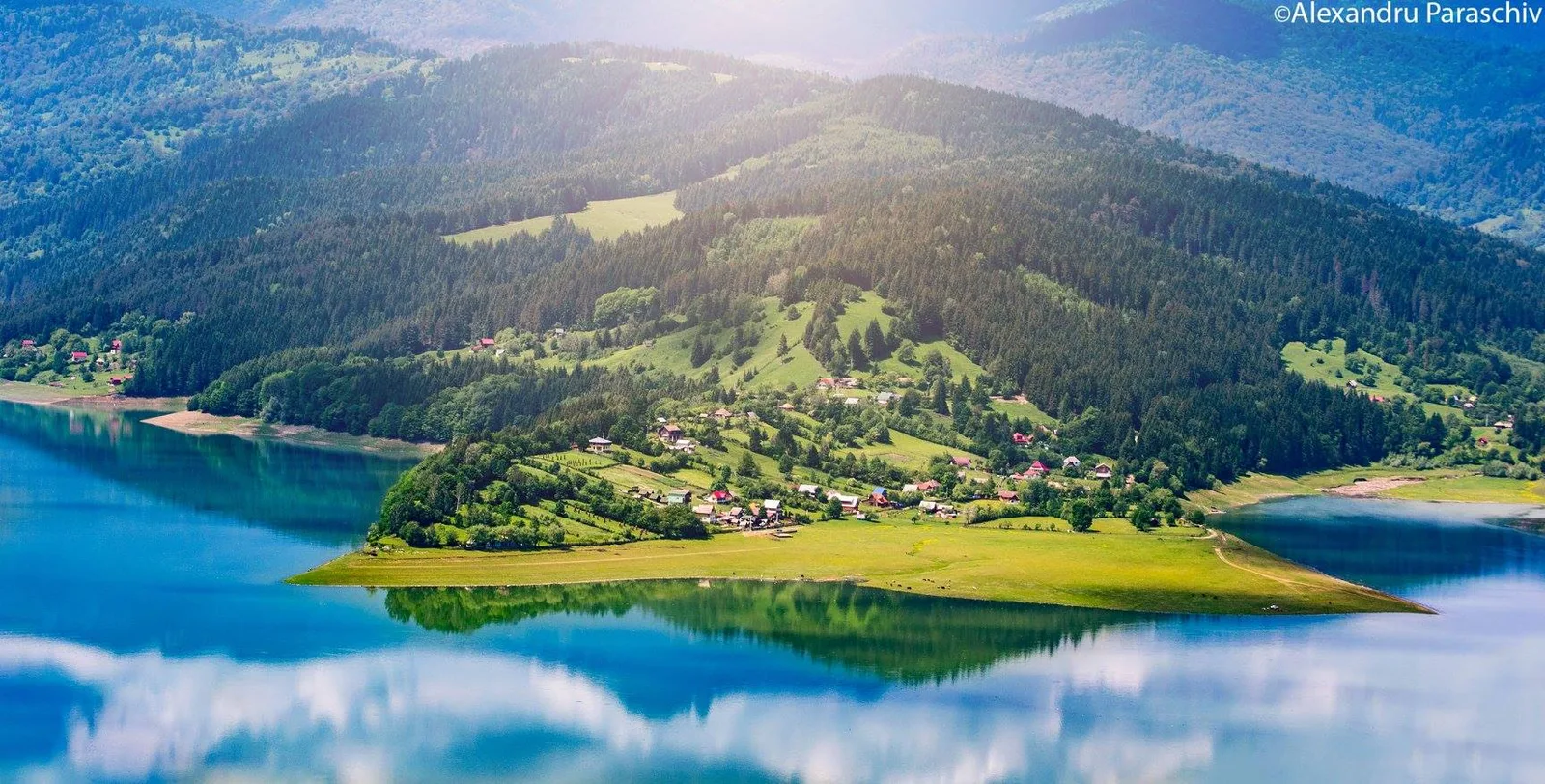
In the category Enchanted Realms – Geographical areas or localities with a rich treasure of nature, history and tradition our proposal is: The city of Bicaz and its surroundings.