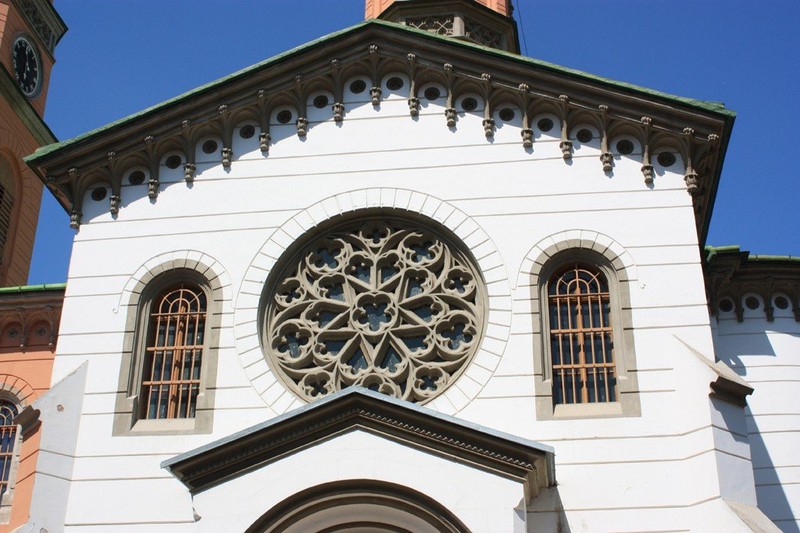
Armenian Church in Roman
Romania Tourism - Armenian Church Roman
Address: Veronica Micle Street, no. 13, Roman, Neamț county
Built: in 1609 by Agopsa (a representative of the Armenians)
Description:
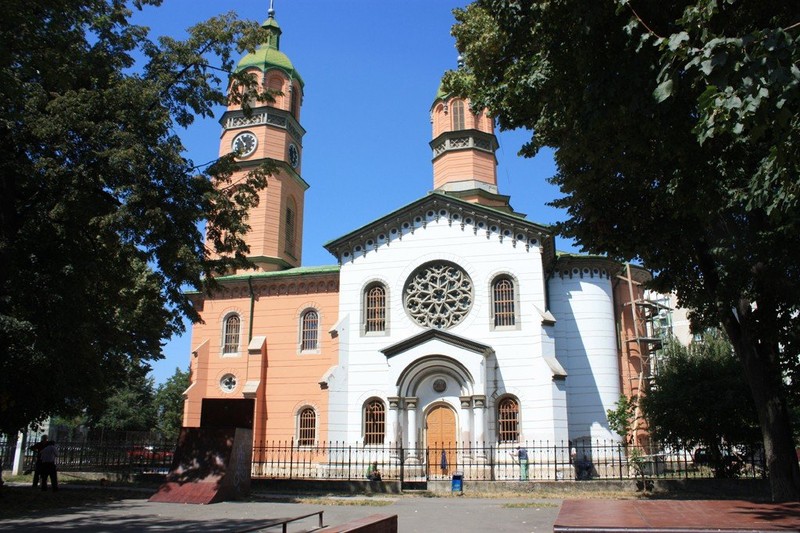
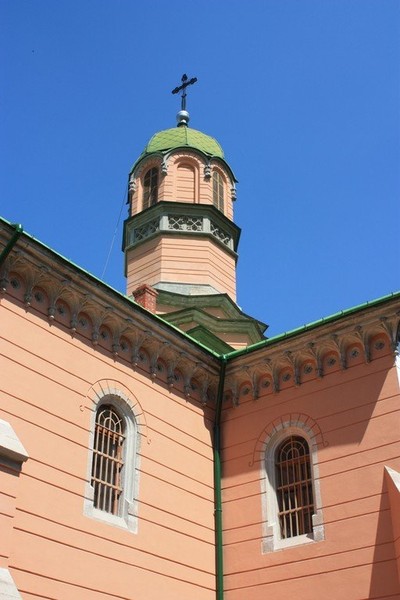
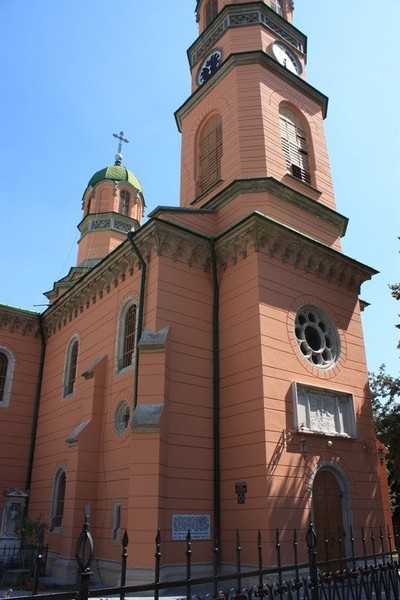
The Armenian Church in Roman was built on the site of an older church bought from the Saxons in 1355, and its distinctive architecture is striking in its beauty and elegance. Its cruciform plan, rectangular side apses, semicircular sanctuary apse, 19 windows and two towers with stone-carved friezes give the whole building an elegant, slender appearance.
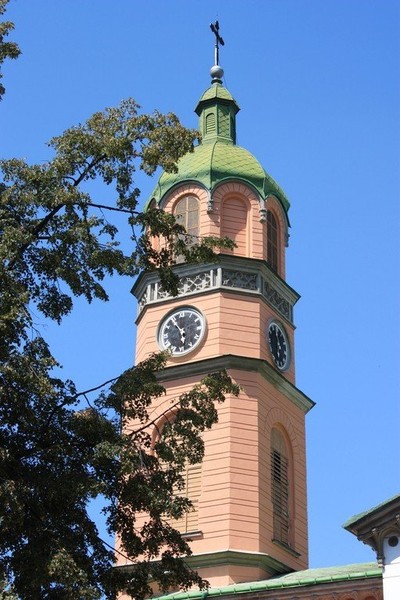
The church underwent renovation in 1830-1831, a period recorded in an inscription on its iconostasis. Major repairs were carried out in 1863-1868 under the direction of the architect Brandel de Daggendorf from Bavaria. During this work, the bell tower with its mechanical clock and the ancillary buildings were built, and the church's ship-shaped plan became cruciform, distinguished by decoration with Oriental influences.
The paintings on the iconostasis and the icons on the walls of the nave and narthex, which reflect the influence of Armenian art, were probably also created during this period. The oldest icon in the church whose origins are known dates from 1797, although there are also undated icons that may be much older.
The church closed when the Armenians left during the communist period, and after the 1977 earthquake it fell into serious disrepair. Following an agreement between the Diocese of Roman and the Armenian Archdiocese in Bucuresti, the church was transferred to the Diocese of Roman and restored in 1981 – 1985. In 1990, the church became a chapel for liturgical training at Saint Gheorghe Seminary, and in 1999 it became a parish church. Today, the “Pogorarea Sfantului Duh” parish has 1,200 families, and the church building is a popular attraction for tourists. Photo Album Click to view larger versions of the images
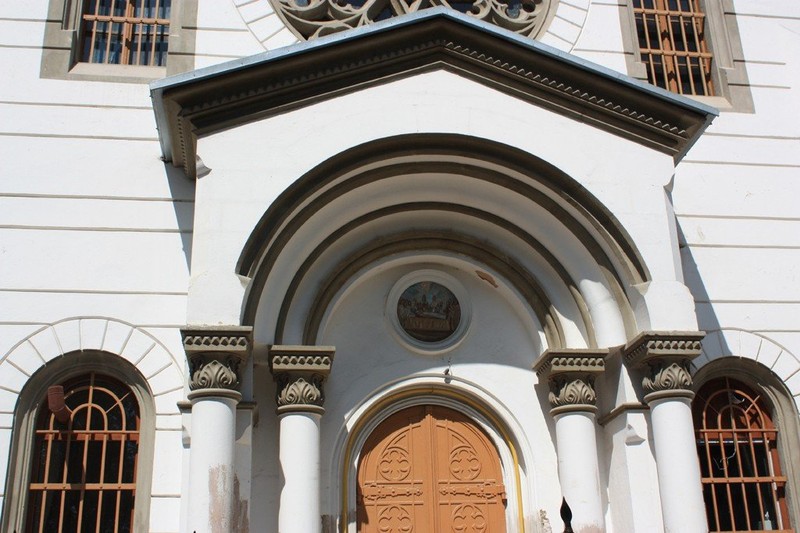
In the 19th century, a bell tower, several ancillary buildings and decorative features were added to the church.
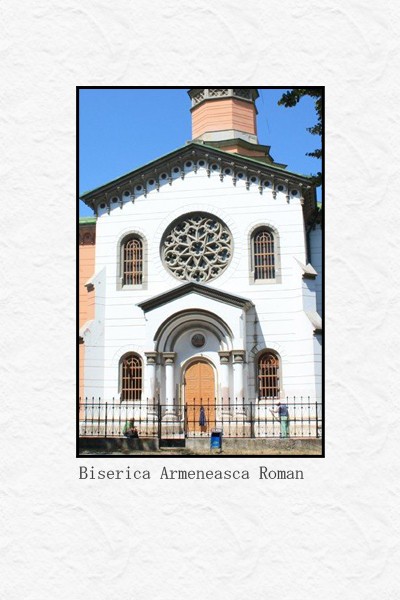
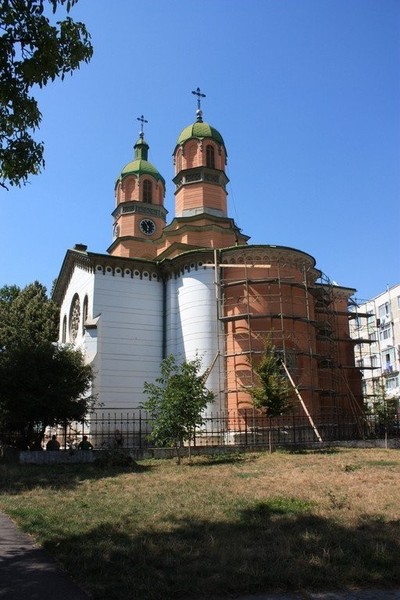
Click to view all photo albums
More on the same topic

Ethnographic museums, treasures of local history and traditions
Ethnographic museums are true treasures and expressions of love for traditions, folklore, and spirituality of the places, and so is the Ethnographic Museum Casa Bunicilor in the village of Mitocul Bălan, Crăcăoani commune.

Neamț receives five nominations across four categories in Destinația Anului
We have good news for everyone who loves Neamț County and all its beauty: it is among the finalists in the Destinația Anului 2024 competition, with five nominations across four categories: Piatra Neamț in the Inspiring Cities category.

The Story of the Seven Miraculous Icons of the Holy Virgin and Saint Anne from Neamț Land
Renowned not only for its beauty and historical significance but also called the “Jerusalem of Romanian Orthodoxy,” Neamț Monastery houses the miraculous icon of Virgin Mary with three hands…