The fortress that bowed to no one – Neamț Citadel
Neamț Citadel, an authentic medieval fortress in Neamț, is located at Arcașului Street, no.1, in Târgu Neamț and was built during the reign of Petru Mușat (1374-1391)
This visitor attraction in Neamț County is open daily from 09:00 to 19:00.
Cetatea Neamț, or Cetatea Neamțului, is a medieval fortress in Moldavia, near the town of Târgu Neamț and approximately 46 km from the town of Piatra Neamț. Its strategic position and its role in the major events that shaped this part of the country show that Neamț Citadel was one of the most heavily fortified strongholds of the medieval Moldavian state.
The name Neamț Citadel comes from “Neamț”, the name of the river flowing at the foot of the mountain, which also gave its name to the nearby town and monastery, and later to the county and the town of Piatra, which only became Piatra Neamț after the mid-19th century.
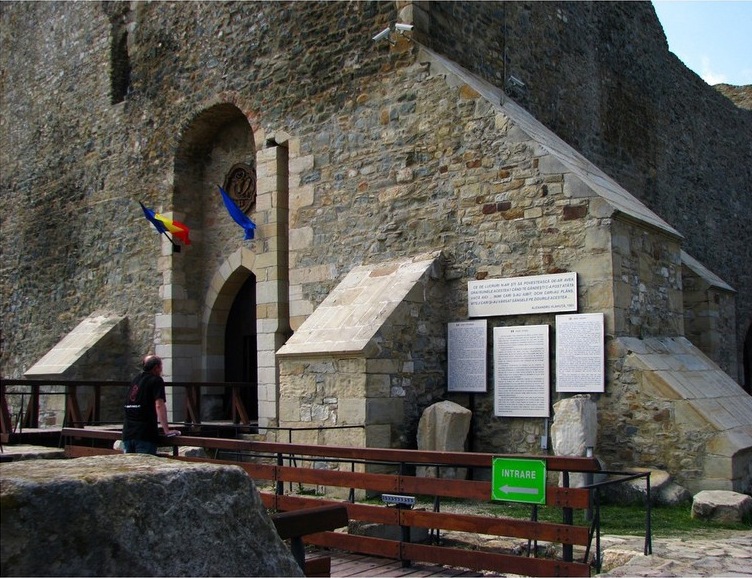
The entrance walls of Neamț Citadel, as this visitor attraction is known locally, tell the history of this Moldavian creation:
“Neamț Citadel was built during the reign of Petru Mușat (1375-1391), as the medieval state of Moldavia was being consolidated. The first documentary record dates from 1395, when the King of Hungary, Sigismund de Luxemburg, issued a chancery document, “Ante Castrum Nempch”, before being defeated by the troops of Ștefan I Mușat at Hândău.
Photos of Neamț Citadel
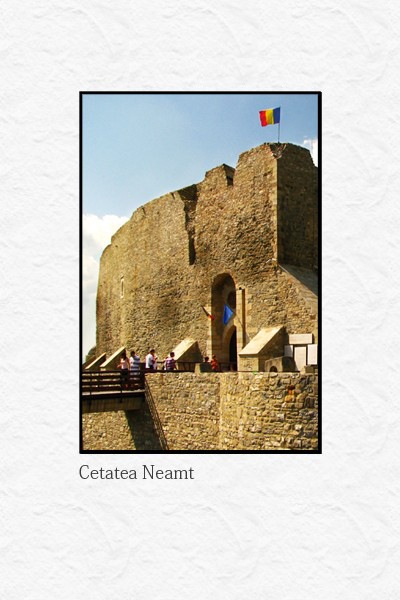
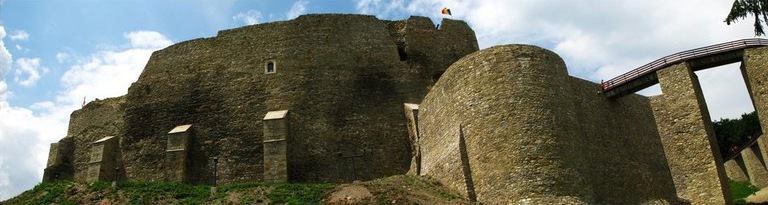
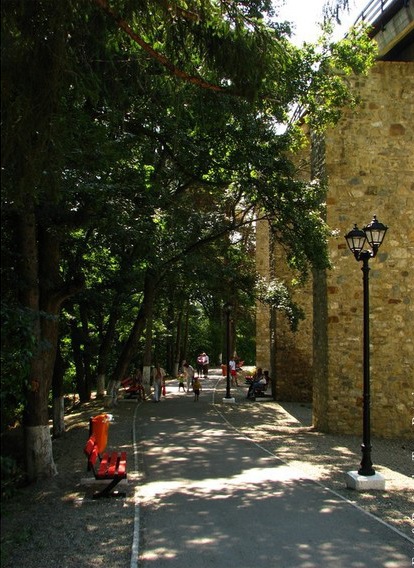
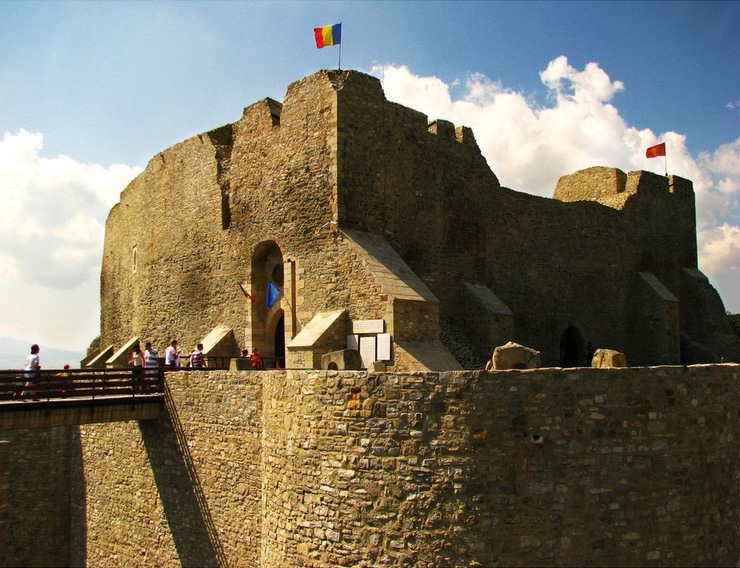
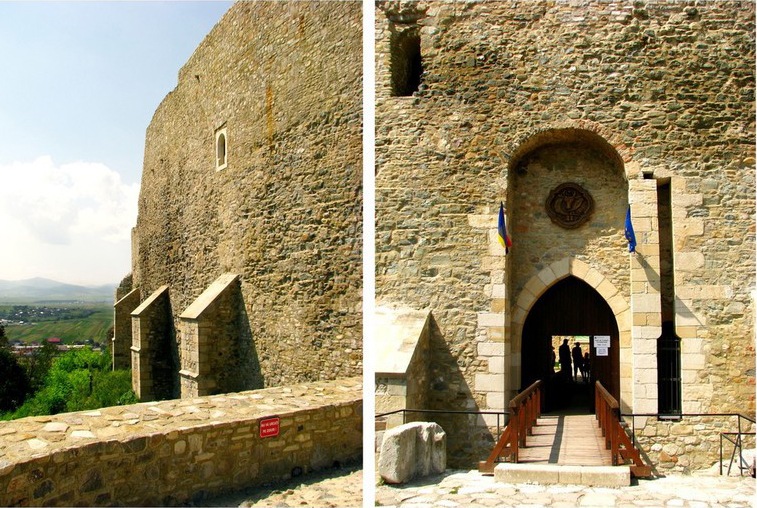
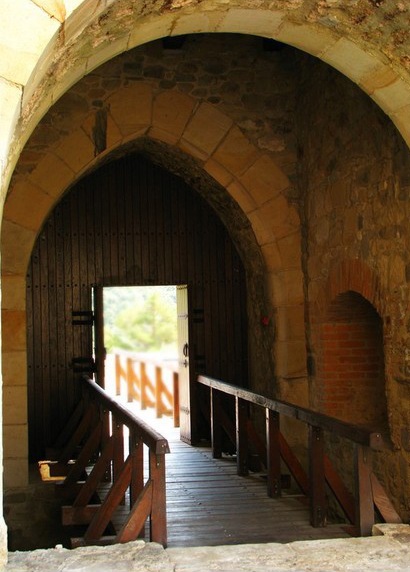
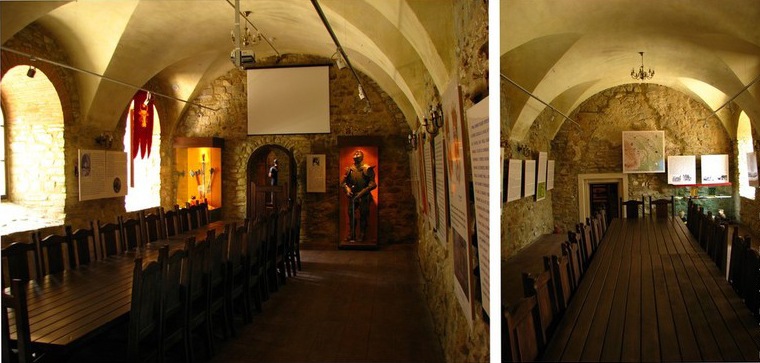
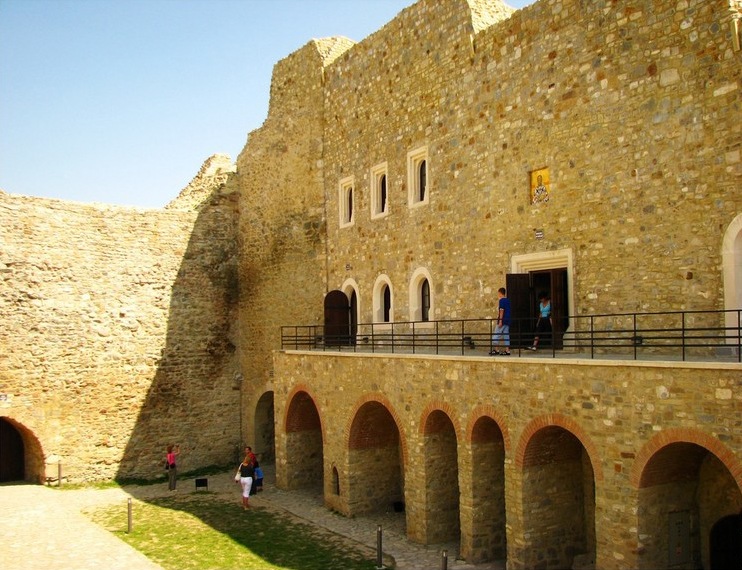
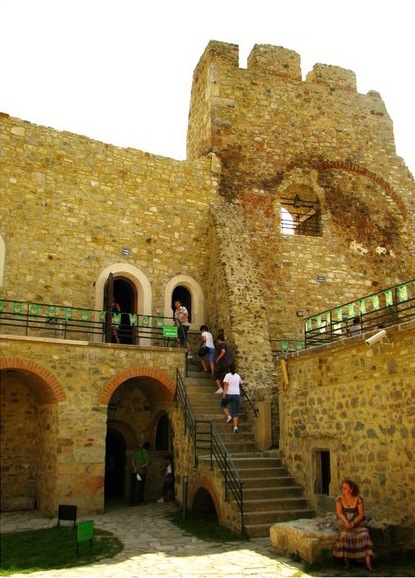
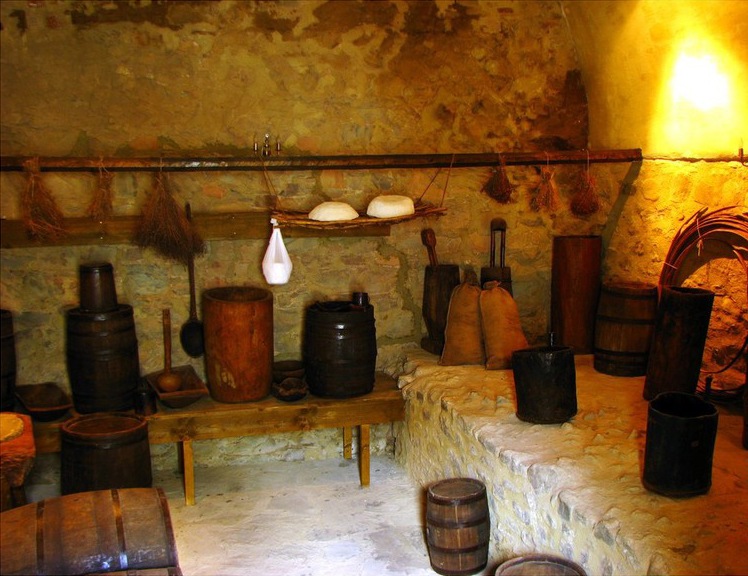
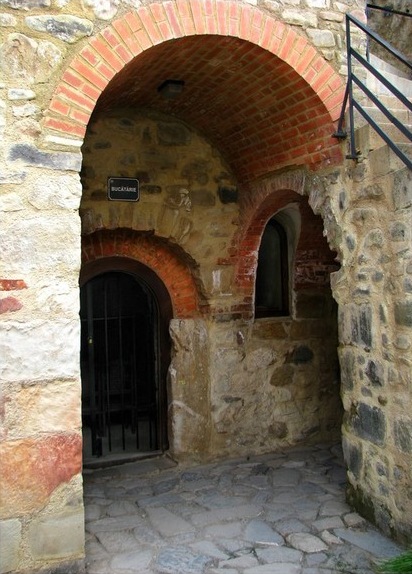
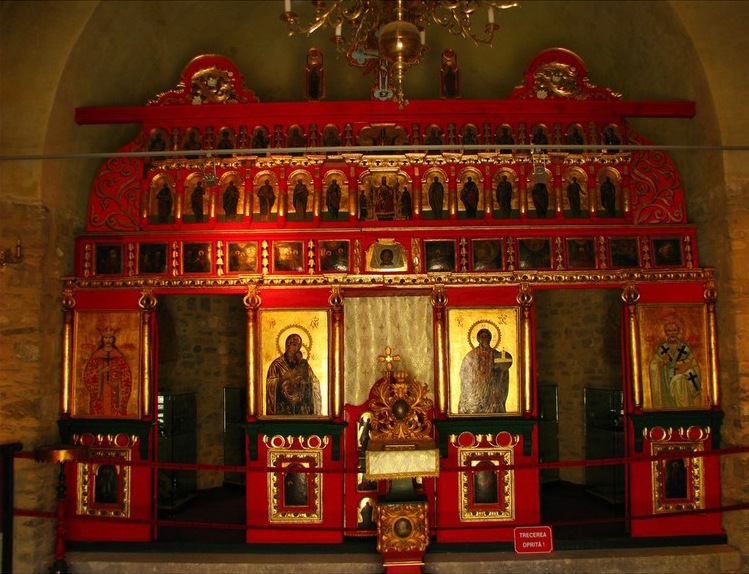
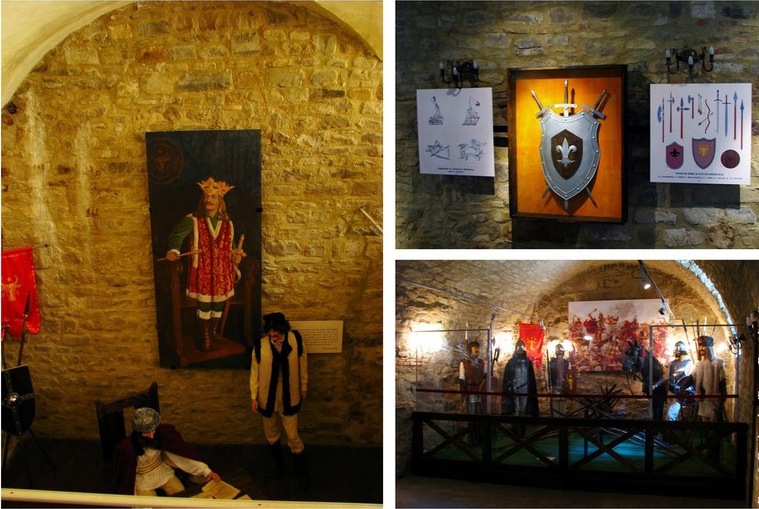
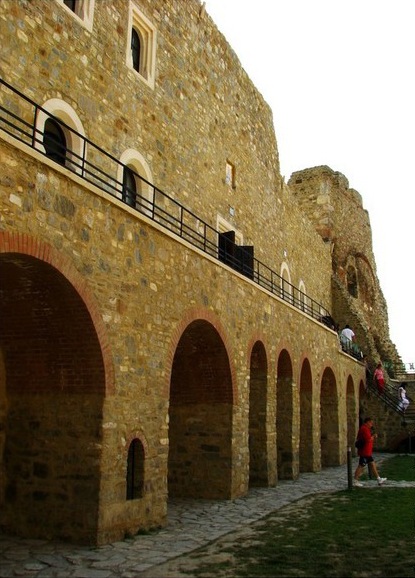
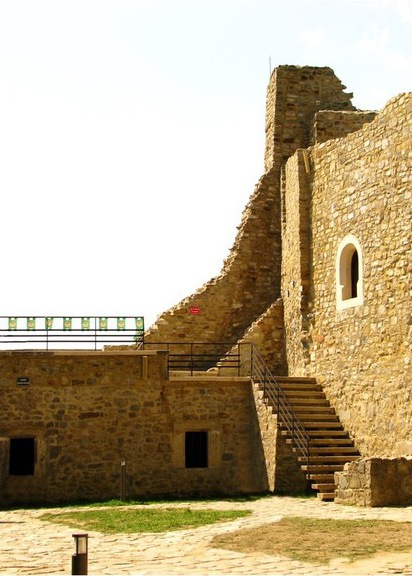
Click here to view all photo albums
The golden age of the medieval fortress at Neamț coincided with the reign of Stephen the Great (1457-1504), an exceptional organiser and military leader who understood the role of fortifications in strengthening the country’s defences, reinforced the fortresses inherited from his predecessors and built new ones, protecting the whole of Moldavia with a powerful defensive system.
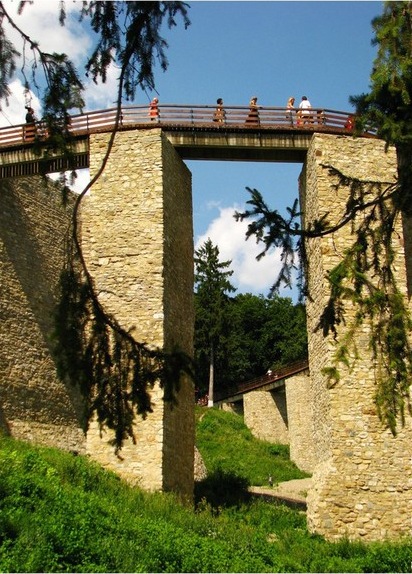
Work carried out during his reign included raising the fortress’s existing walls, erecting the four bastions of the outer courtyard and building the curved bridge supported by 11 stone pillars. With these defences strengthened, Neamț fortress withstood the siege by Mohamed II in 1476, following the battle of Valea Albă-Razboieni.
As Turkish domination tightened and military technology advanced, the role of Moldavian fortresses began to decline in the second half of the 16th century. Following the partial destruction of some buildings inside the fortress during the reign of Alexandru Lăpușneanu (1564) and the repairs ordered by Ieremia Movilă, Neamț Citadel opened its gates in 1600 to the armies of the man who achieved the first political union of all Romanians: Mihai Viteazul.
Converted into a monastery by Vasile Lupu (1646) and then partially destroyed by Dumitrașcu Cantacuzino in 1675, Neamț Citadel still had the strength to write another chapter of heroism in 1691, when a small group of frontier guards defended it against a siege by the Polish army led by King Ioan Sobietski. After the destruction ordered by Mihai Racoviță in 1717, Neamț Citadel lost all military importance.”
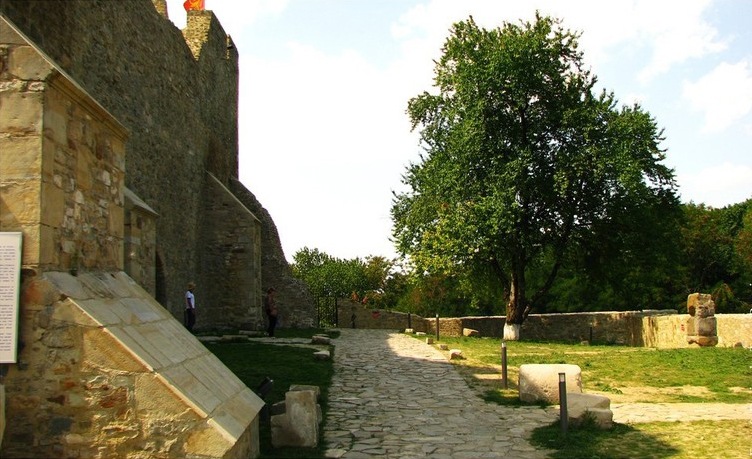
From 1718 onwards, Neamț Citadel, a historic site of particular importance to the town of Târgu Neamț and Neamț County, fell into disrepair and was damaged by the elements and by local residents who used stone from the fortress for building. In 1834, the Department of Internal Affairs of Moldavia prohibited the removal of stone from the fortress. In 1866, it was declared a historic monument, but work to strengthen its walls only began in 1968-1972, under the direction of architect Stefan Balș. In the absence of precise information, only a few terraces were built to allow visitors to explore this historic site safely, with the sole aim of conserving and maintaining the monument without reconstructing the missing sections.
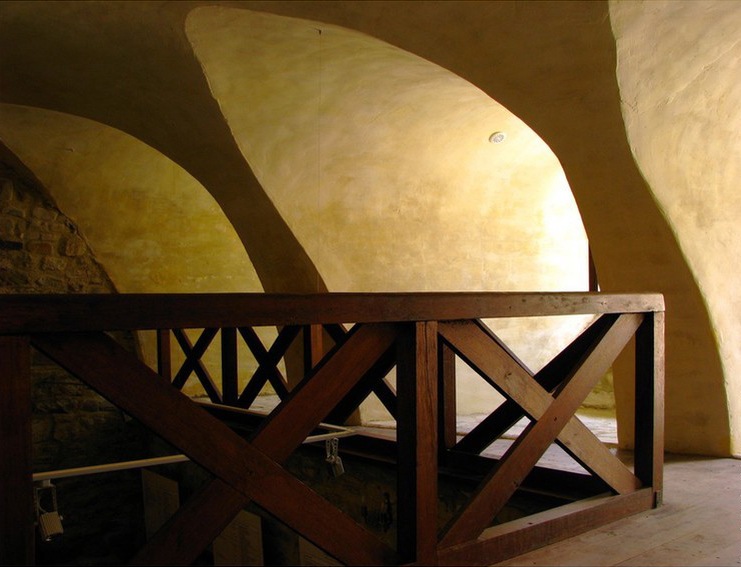
Restoration of the fortress continued after 1992 under the UNESCO programme for the restoration and renovation of historic monuments, with further work on the fortress and its walls. Between 2007 and 2009, Neamț Citadel was closed for rehabilitation and restructuring work funded by the European Union. After two years of hard work, the old fortress rose from its own ashes, allowing visitors to admire its various rooms, the old chapel, the kitchen, the mint and the bedrooms. The result is an outstanding historic site in the town of Târgu Neamț: the medieval fortress at Neamț, or Neamț Citadel, as local people call it.
More on the same topic

Neamț receives five nominations across four categories in Destinația Anului
We have good news for everyone who loves Neamț County and all its beauty: it is among the finalists in the Destinația Anului 2024 competition, with five nominations across four categories: Piatra Neamț in the Inspiring Cities category.

Military firefighters bring competition and lots of adrenaline to Târgu Neamț
Târgu Neamț is hosting the 3rd zonal stage of the professional emergency situation competitions, in which representative teams from several counties of the country will participate: Bacău, Botoșani, Iași, Neamț, and Suceava.
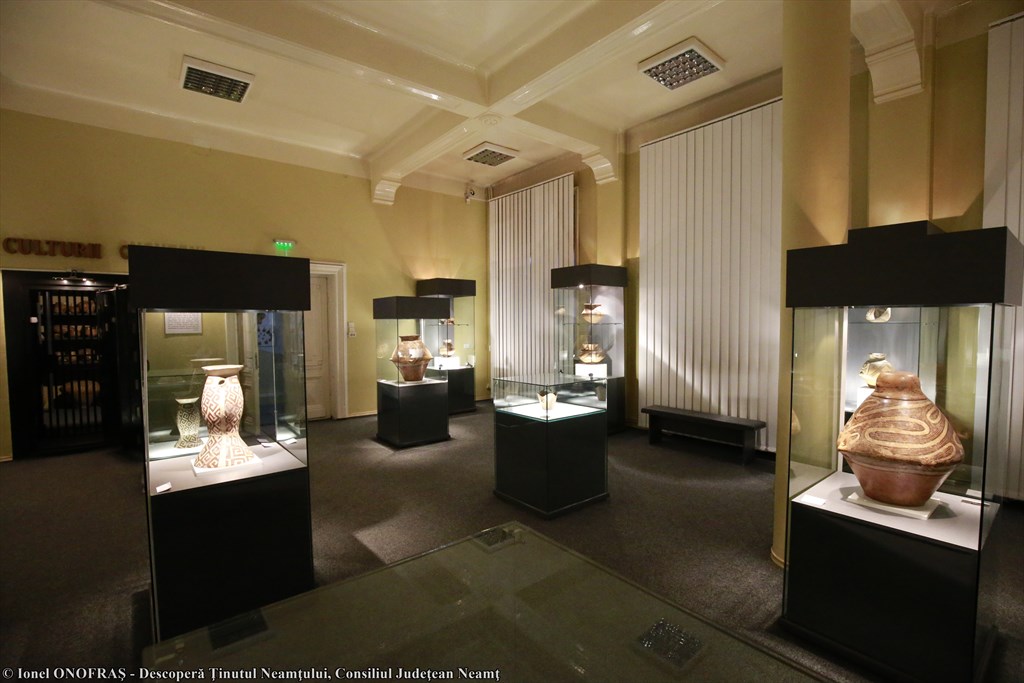
Discover, in Piatra Neamț, the most important Eneolitic art collection from the South-East of Europe
Photo Gallery: Nationally one of the kind, both history and art museum, it currently hosts the most spectacular artefacts, famous objects that belong to the Cucuteni–Trypillia Culture, which is in…