Bicaz Gorges – Claudiu OROS Photography
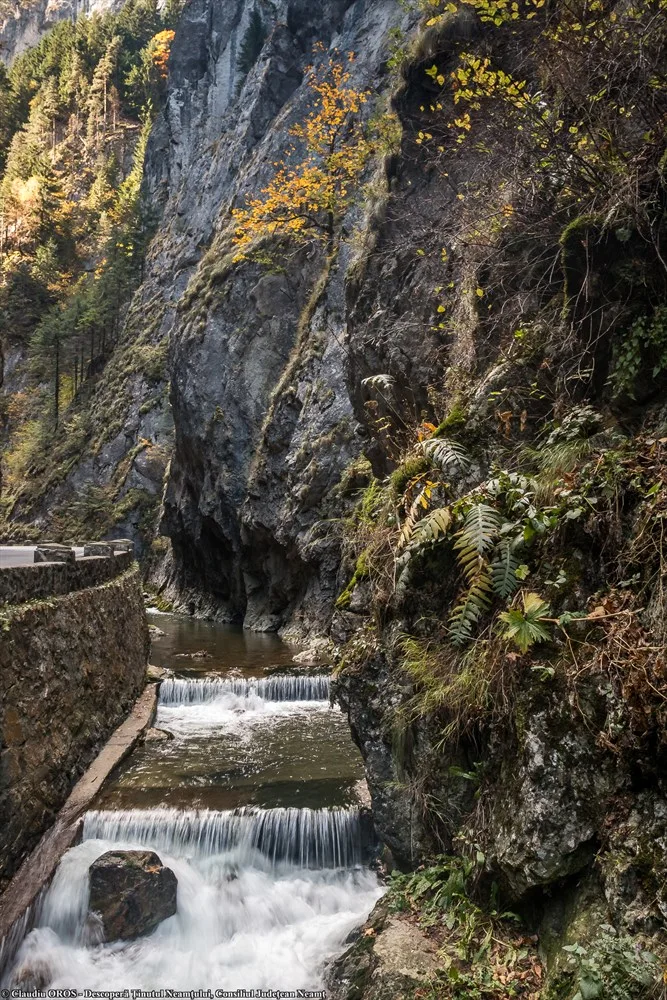
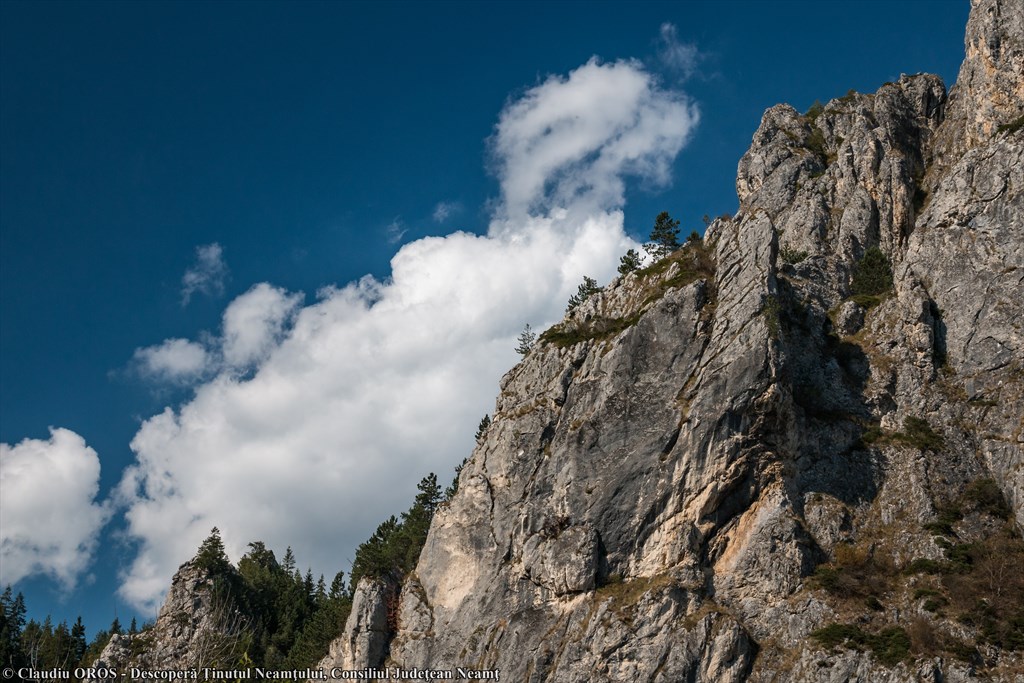
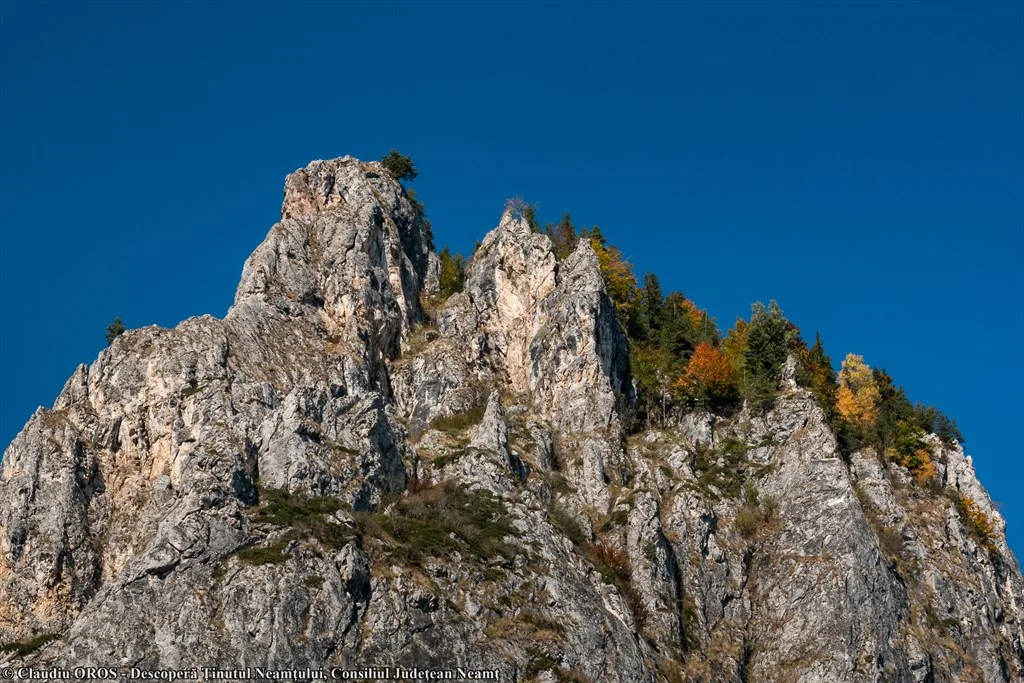
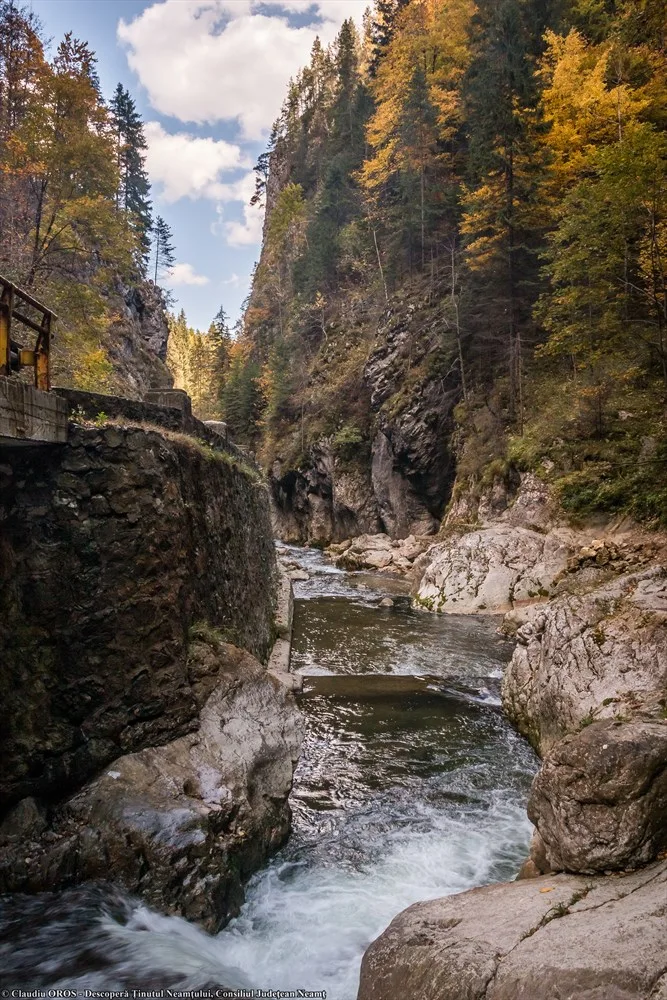
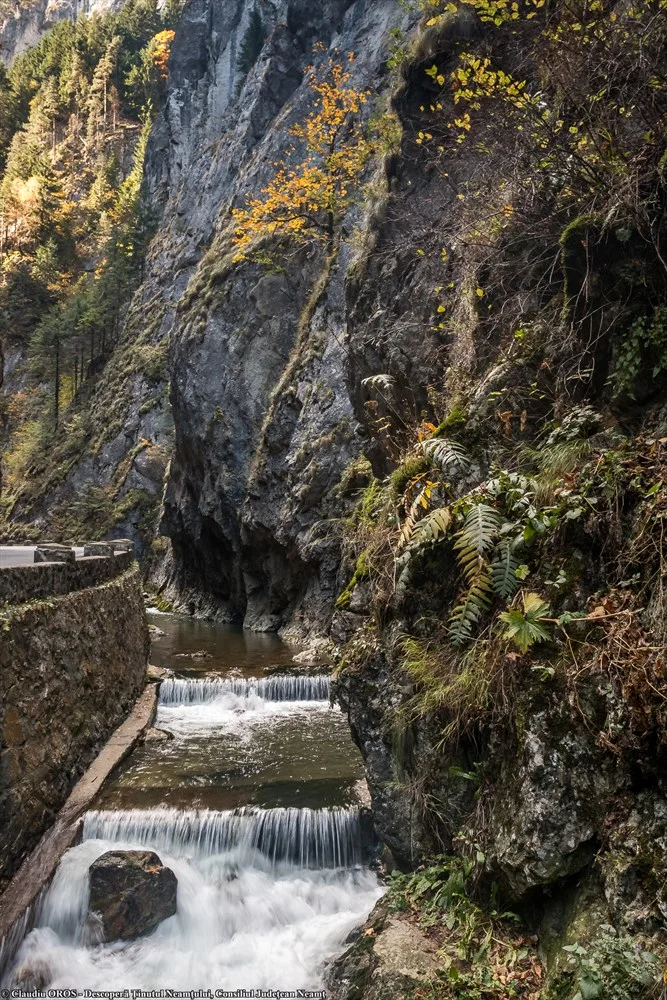
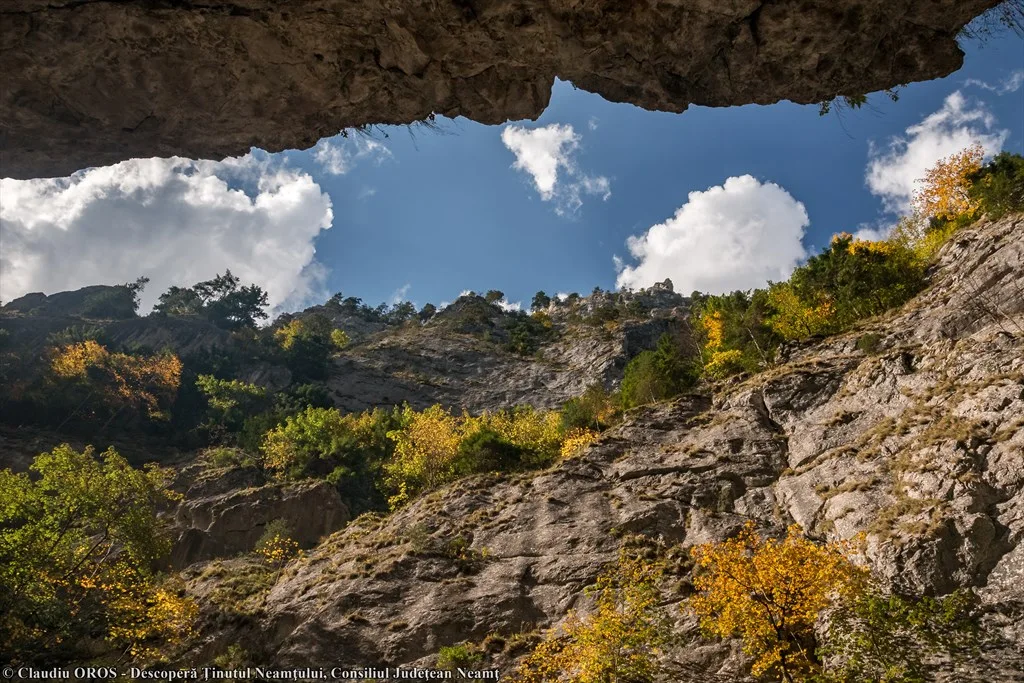
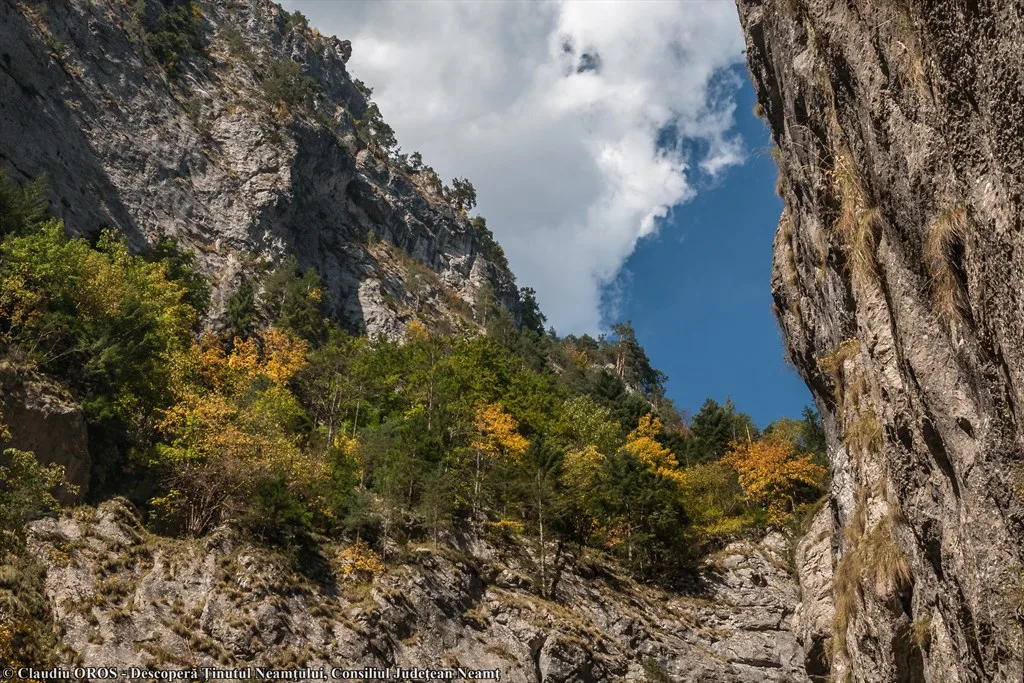
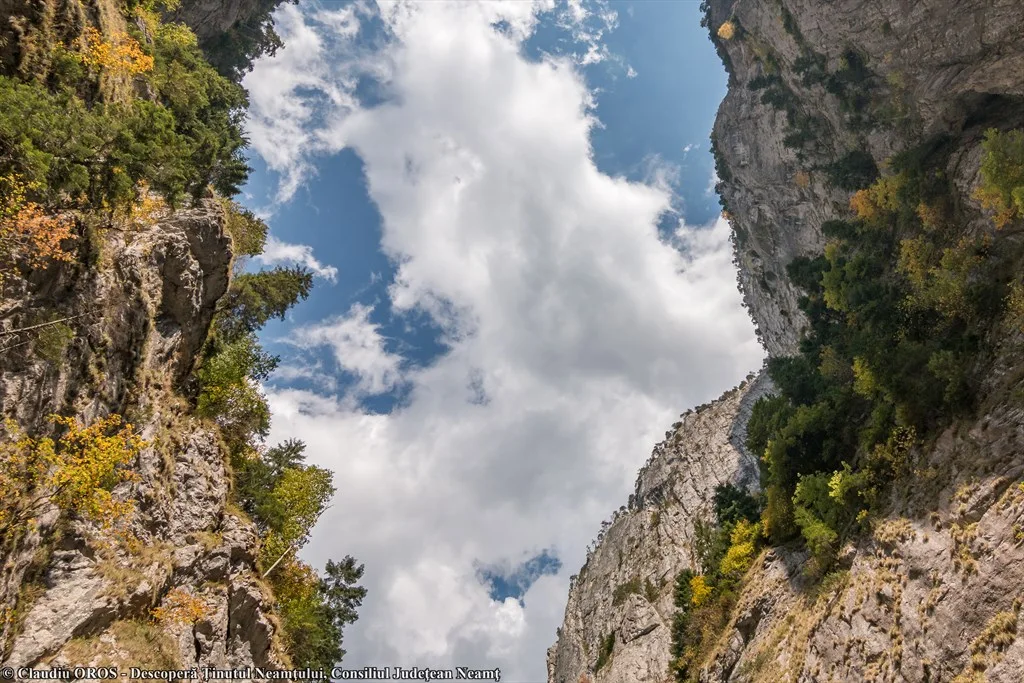
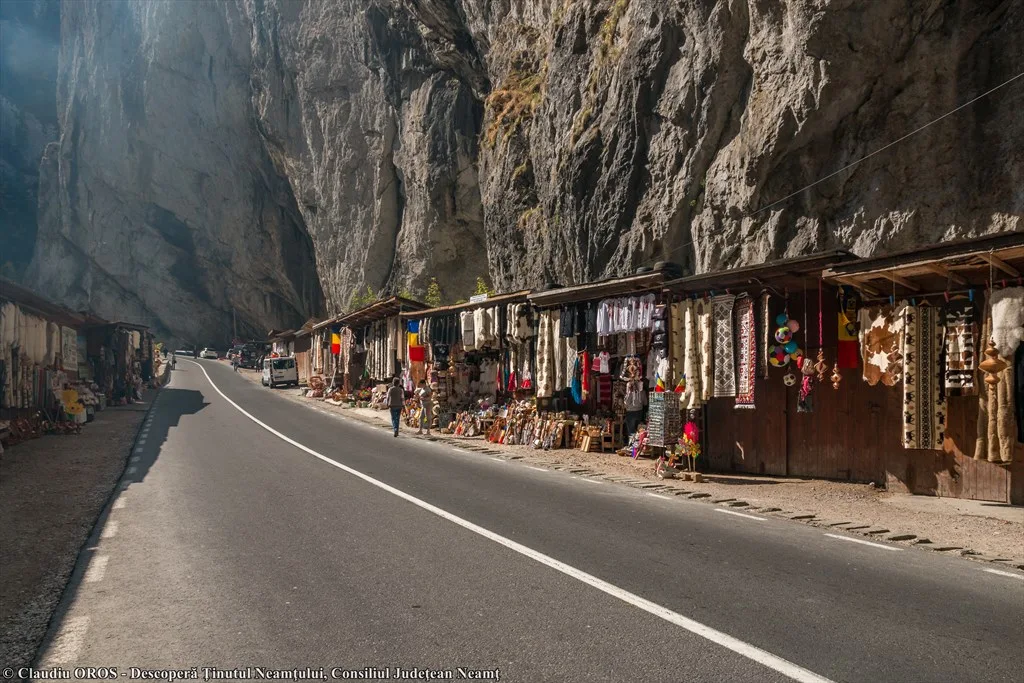
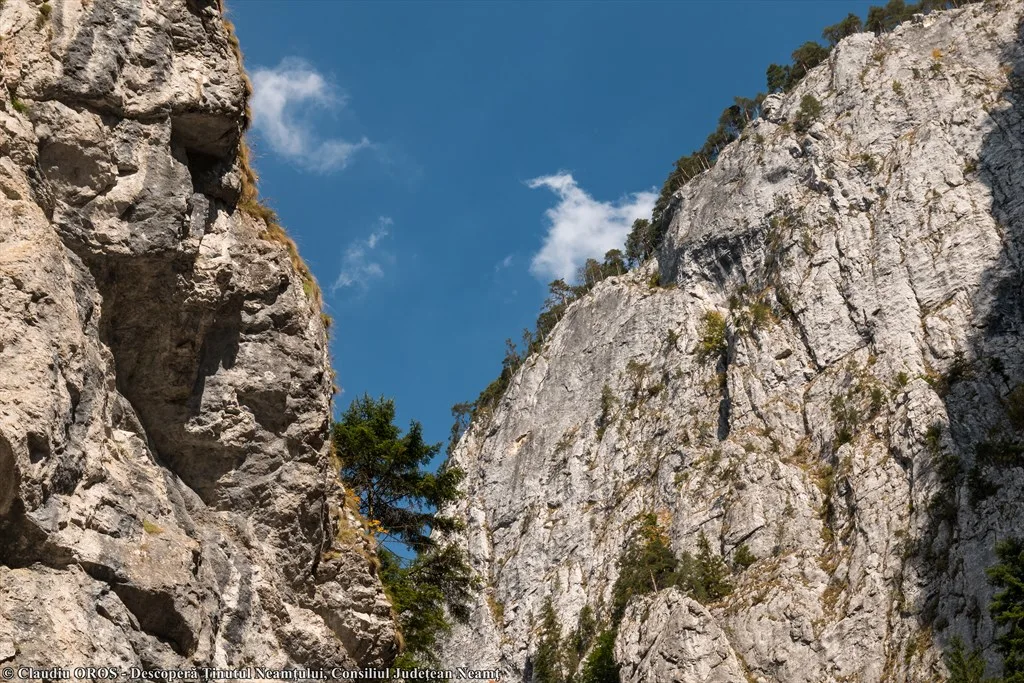
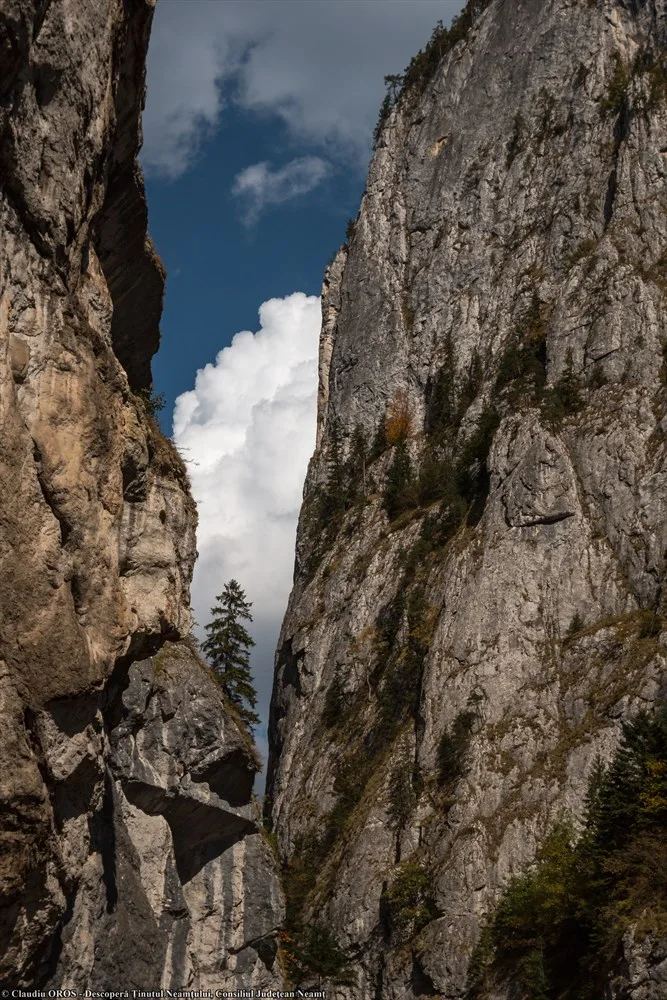
“The Stone Kingdom” of Bicaz Gorges is a particularly picturesque area in Neamț Land. Considered the most famous gorges in Romania and most spectacular limestone valleys in Europe, they are located in the central part of Hășmaș Mountains, in the eastern chain of the Romanian Carpathians.
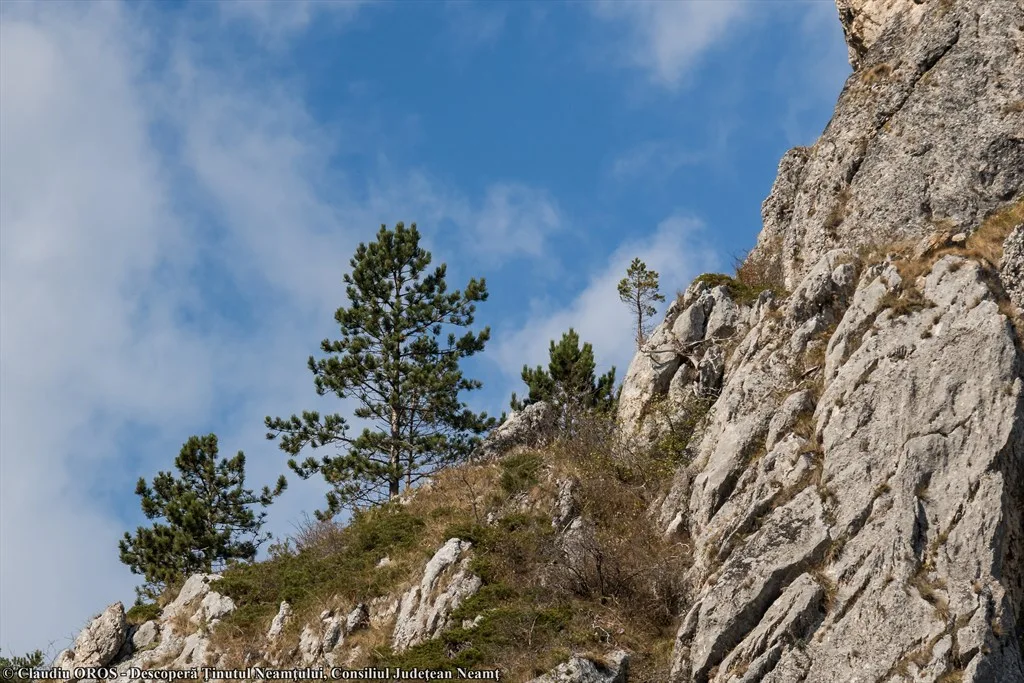
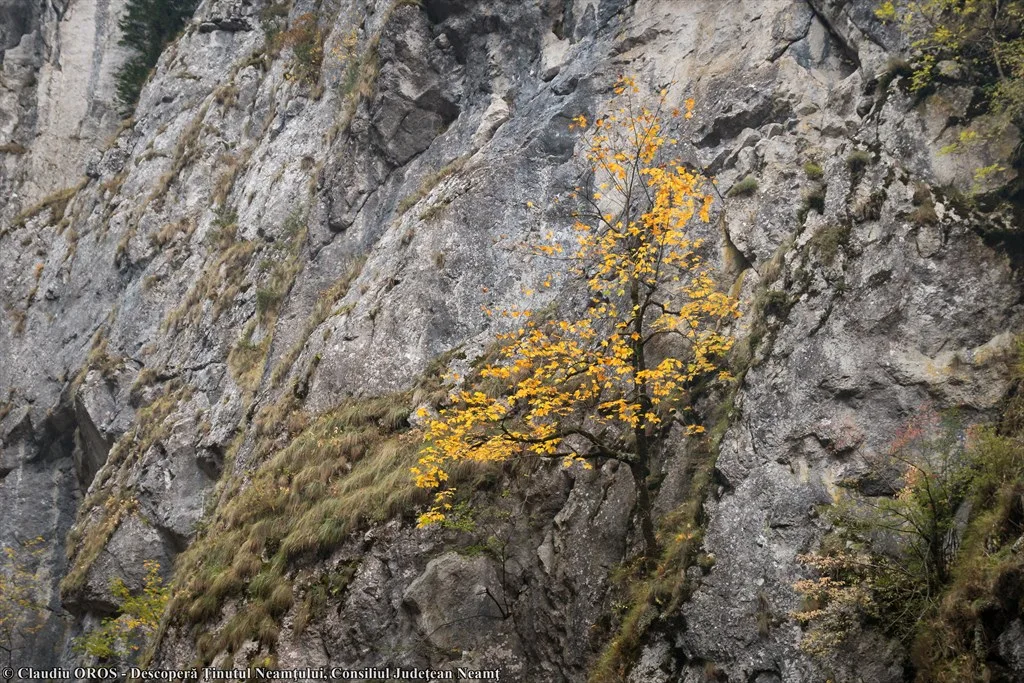
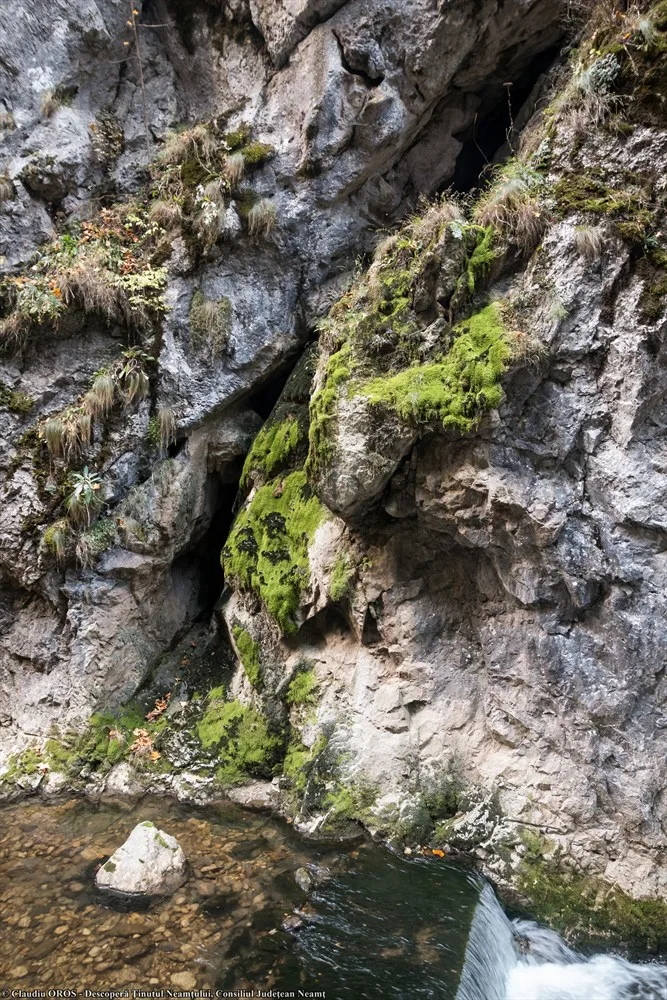
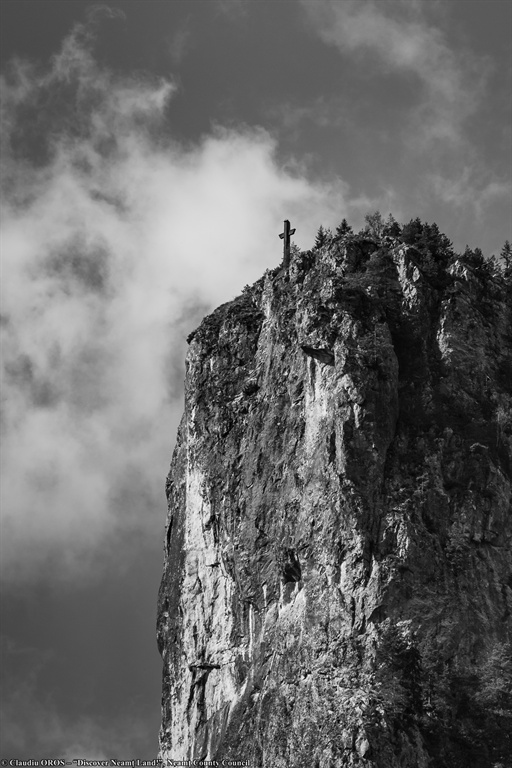
The protected area displays a fantastic view for any traveller passing by: giant stone walls, of over 300m high, crossed by the furious waters of Bicaz creek, make way for a serpentine road of rare beauty. Accompanied by the harsh voice of the wind, each stone giant has a story to tell: “The Altar Stone”, impressively and majestically guarding the road, recalls those times when the Dacians, Romanian’s ancestors, used to practice their worship rituals here, about 5000 years ago; “The “Hell’s Throat”, where the rocky massifs meet up in the sky, evokes memories of the harsh battles with the elements, which it had conquered, over the ages, while “The Guardian”, a straight wall that completes the apocalyptic landscape, is proud to tell about all the brave climbers who tried to escalate it, in the attempt to push their limits.
More on the same topic

Neamț receives five nominations across four categories in Destinația Anului
We have good news for everyone who loves Neamț County and all its beauty: it is among the finalists in the Destinația Anului 2024 competition, with five nominations across four categories: Piatra Neamț in the Inspiring Cities category.

Military firefighters bring competition and lots of adrenaline to Târgu Neamț
Târgu Neamț is hosting the 3rd zonal stage of the professional emergency situation competitions, in which representative teams from several counties of the country will participate: Bacău, Botoșani, Iași, Neamț, and Suceava.
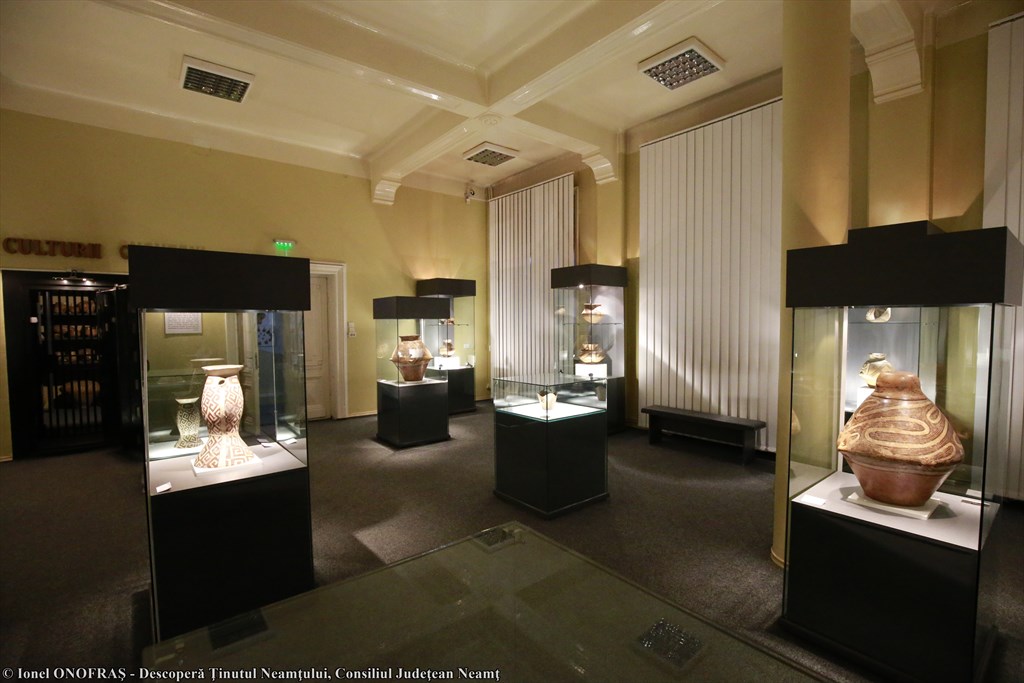
Discover, in Piatra Neamț, the most important Eneolitic art collection from the South-East of Europe
Photo Gallery: Nationally one of the kind, both history and art museum, it currently hosts the most spectacular artefacts, famous objects that belong to the Cucuteni–Trypillia Culture, which is in…