Father Cleopa Ilie’s Monastic Cell – a Place of Pilgrimage at Sihăstria Monastery
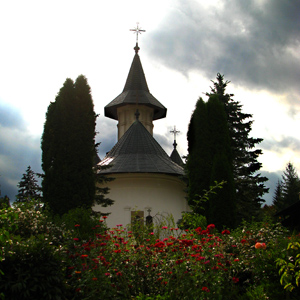
At Sihăstria Monastery is Father Cleopa’s monastic cell, which in recent years has become the most visited part of this place of worship.
This humble cell, from whose veranda Father Cleopa spoke lovingly to the hundreds of faithful who sought him out daily for spiritual strength and answers to their problems, has become a museum for pilgrims and an enduring image of a place of prayer.
The path to Father Cleopa Ilie’s monastic cell starts in front of the old church at Sihăstria Monastery and passes beneath the entrance bell tower. Here, a signpost points towards the hill behind the monastery, where “Father Cleopa Ilie’s prayer corner” and the cell that sheltered his ascetic labours for so many years are still preserved.
The cell preserves all the belongings the father left behind: icons, prayer books, his epitrachelion, prayer stool, prayer beads, slippers, clothes and much else. Today, all these things comfort the souls of the faithful, as objects used by saints are themselves known to bring comfort.
Set on the steep hill at Sihăstria Monastery, Father Cleopa Ilie’s monastic cell bears enduring witness to his life of hesychastic prayer and his love for people, and brings comfort to all who still cross its threshold.
Throughout his life, Father Cleopa proved a true spiritual guide to the hundreds of pilgrims, pupils and disciples who listened quietly from the nearby benches as he spoke from his cell’s veranda or beside the tree on the left.
Father Cleopa Ilie used to greet the faithful with his wonderful words, “May heaven swallow you up!”, and since he joined those laid to rest in the cemetery on the hill, his cell, the benches where pilgrims sat seeking spiritual comfort, and everything around them still echo with these words.
And if you have visited the cell where Father Cleopa Ilie lived and prayed, remember to stop at the cemetery at Sihăstria Monastery before you leave and light a candle at his tomb. His dear friend, Father Paisie Olaru, should not be forgotten either. The two were lifelong friends, and their tombs now lie side by side in the small cemetery at Sihăstria Monastery.
You can view images of Sihăstria Monastery or an introductory film about the monastery.
More on the same topic

Ethnographic museums, treasures of local history and traditions
Ethnographic museums are true treasures and expressions of love for traditions, folklore, and spirituality of the places, and so is the Ethnographic Museum Casa Bunicilor in the village of Mitocul Bălan, Crăcăoani commune.

The Story of the Seven Miraculous Icons of the Holy Virgin and Saint Anne from Neamț Land
Renowned not only for its beauty and historical significance but also called the “Jerusalem of Romanian Orthodoxy,” Neamț Monastery houses the miraculous icon of Virgin Mary with three hands…
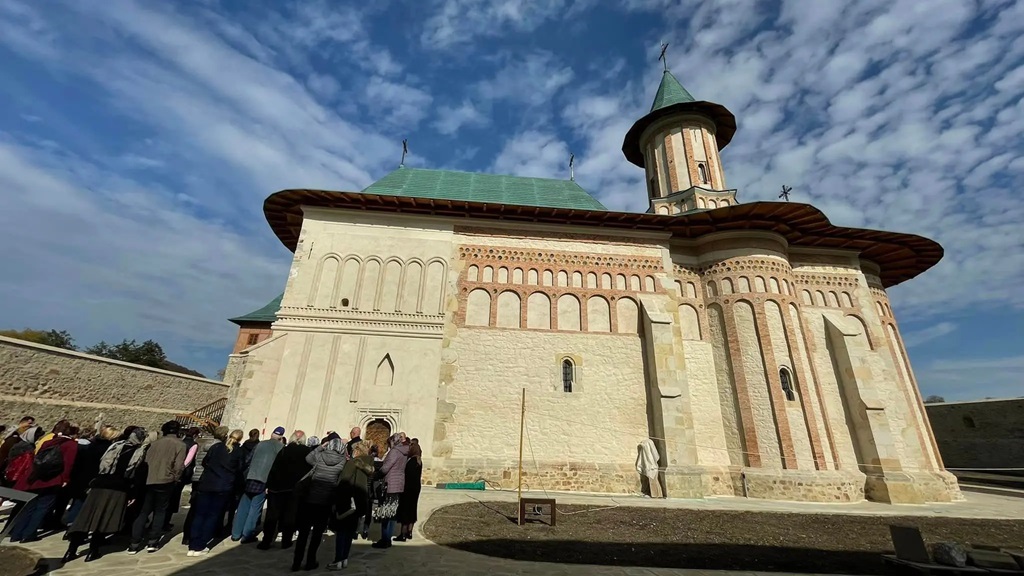
Tazlău Monastery Ensemble has been restored using European Regional Development Fund (ERDF)
After six years of hard work, the project of “reviving” one of the most prestigious establishments of Voivode Stephen the Great, in Tazlău commune, finally came to completion.