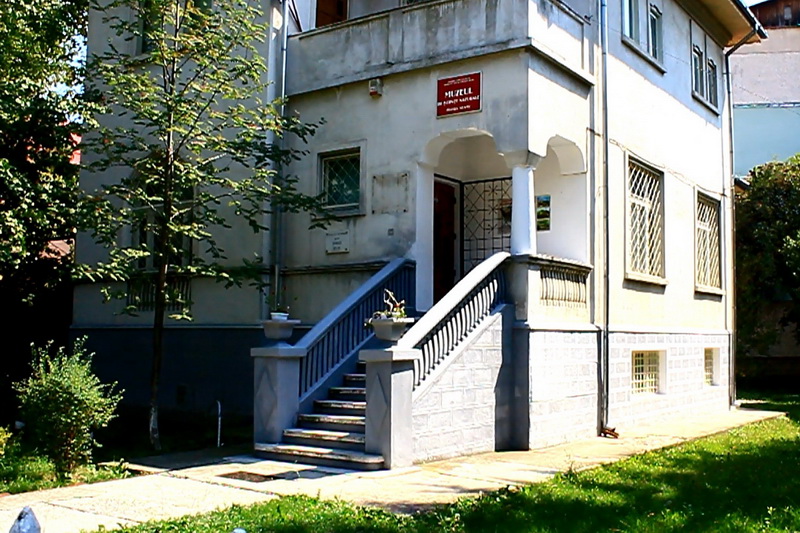
Natural Science Collections in Piatra Neamț
natural history museum_resize
The Neamț region, richly endowed by nature, has always provided scientists with interesting material for study and discovery. Consequently, distinguished geologists, paleontologists, geographers, botanists and zoologists have carried out comprehensive studies of these places, culminating in important scientific publications.
The museum draws on the results of this research and shares them with the public through its constantly updated permanent exhibition, as well as through temporary thematic exhibitions.
The permanent exhibition has a monographic character, reflecting the Neamț region from a geological, geomorphological, paleontological, floristic and faunistic perspective. The exhibition is organised into two major sections: the evolution of the terrestrial crust and the presentation of the county’s flora and fauna.
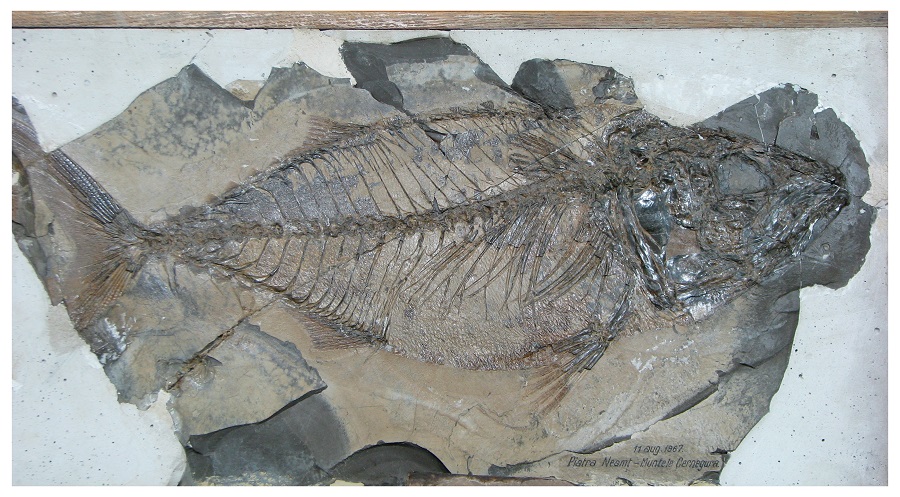
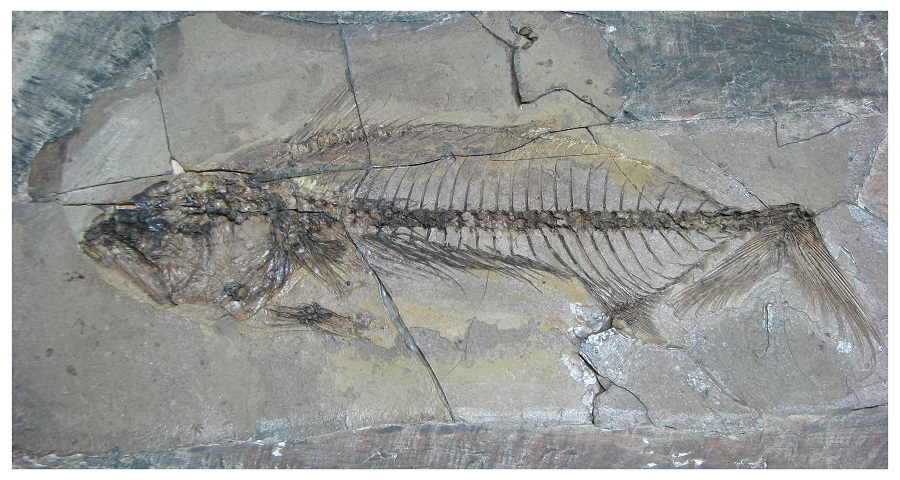
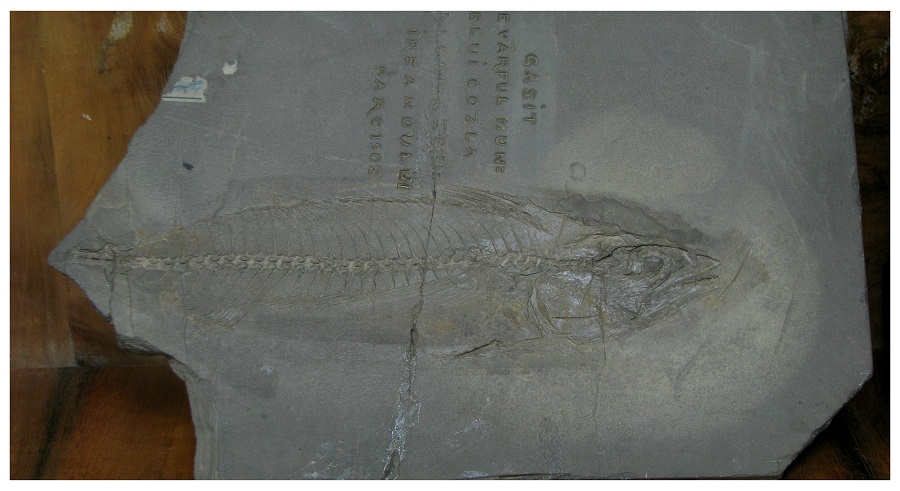
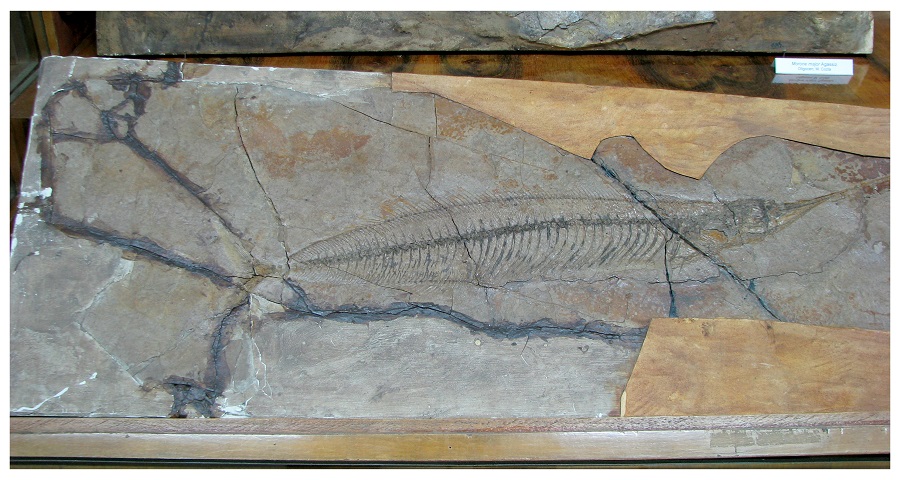
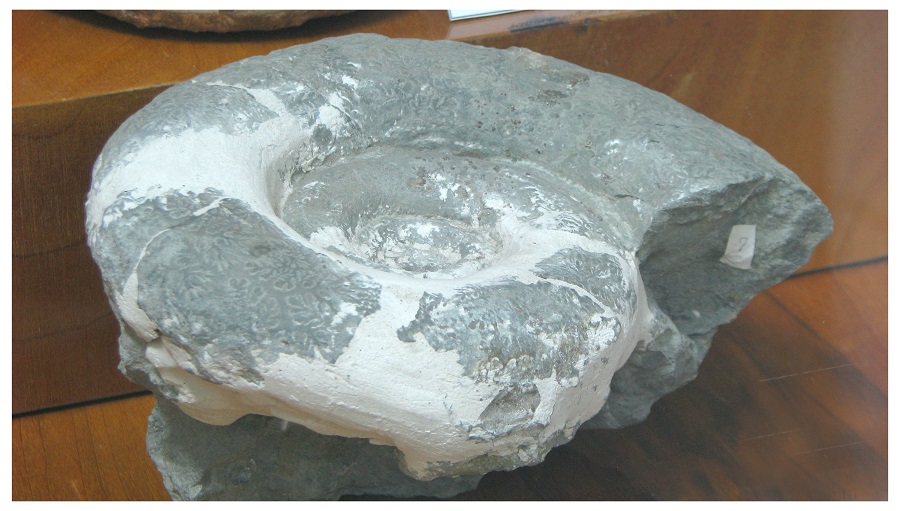
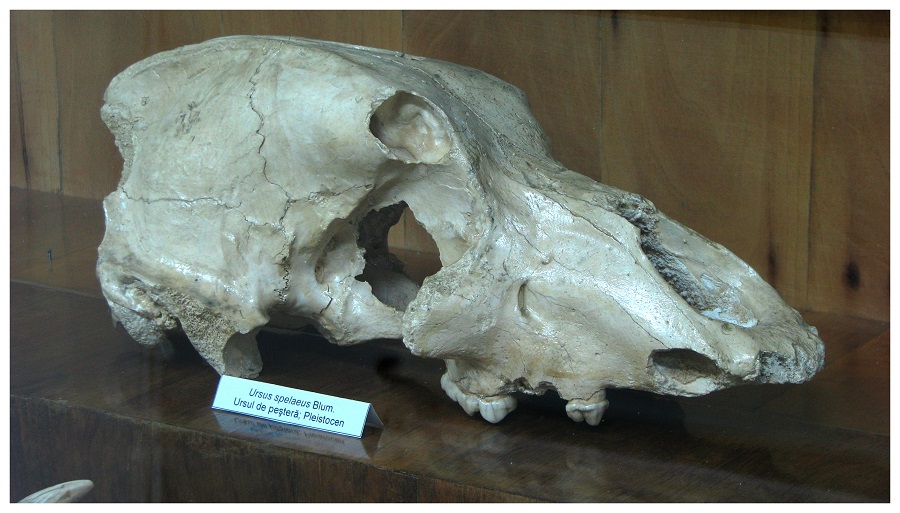
The palaeontology collection includes Mesozoic invertebrates (ammonites, belemnites etc.), Cenozoic invertebrates (bivalves, gastropods) and vertebrates represented mainly by Oligocene fossil fish. The latter constitute the most important and valuable scientific collection of this type in the country, joining renowned collections in the museums of Moscow, Wroclaw, Brno, Vienna and Paris.
The fossil fish fauna, discovered as early as the 19th century in the Oligocene formations (formed 36–31 million years ago) in Neamț County, is of particular importance for establishing phylogenetic and biogeographic relationships between the Oligocene-Miocene fauna of the Paratethys and the present-day fauna of the Atlantic Ocean and the Indo-Pacific region.
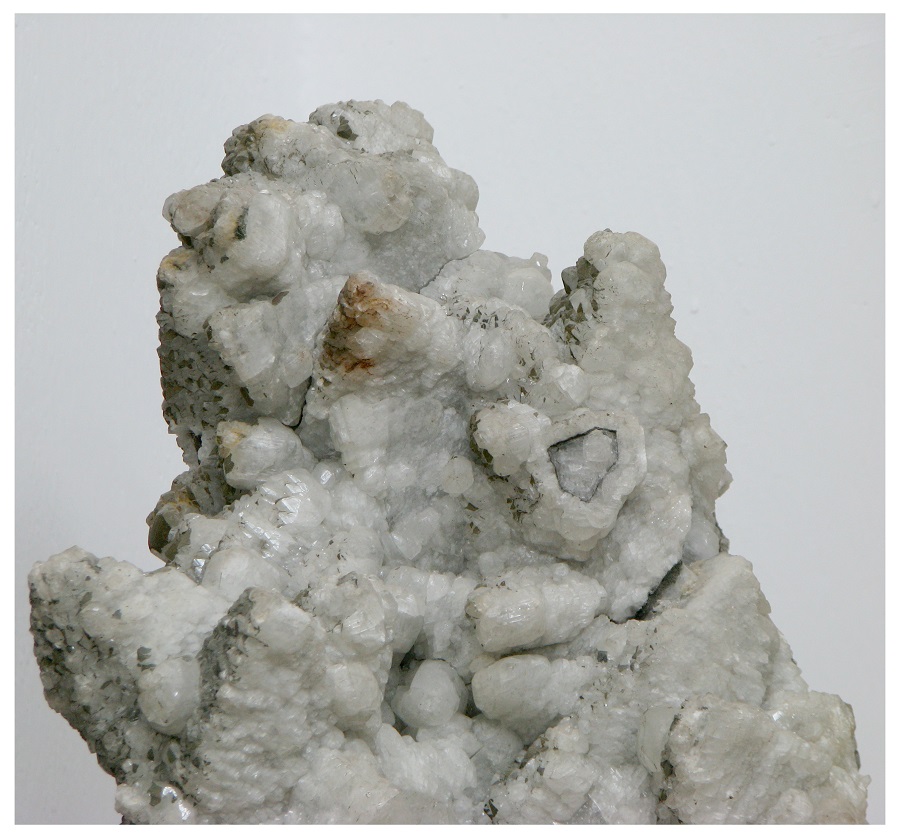
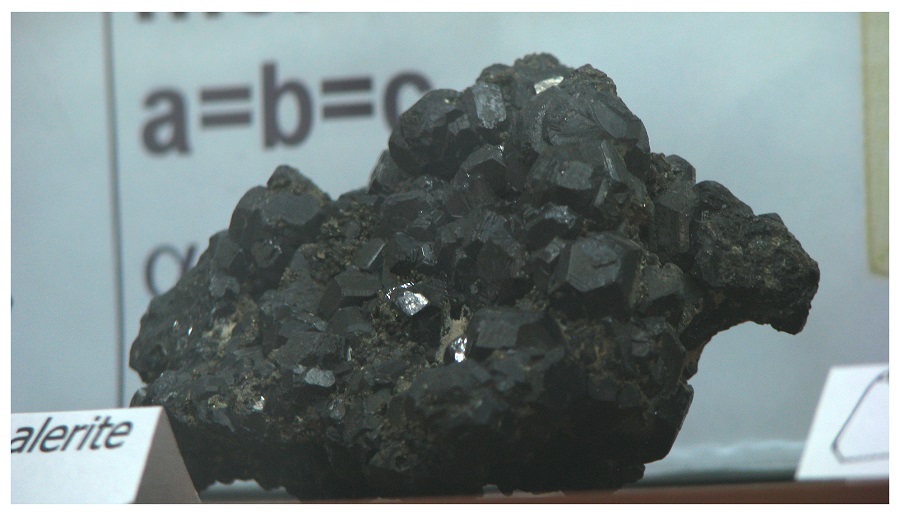
The minerals held by the museum in Piatra Neamț delight visitors with the beauty of their crystals and their rich iridescence; many of the exhibited pieces are the so-called “mine flowers”.
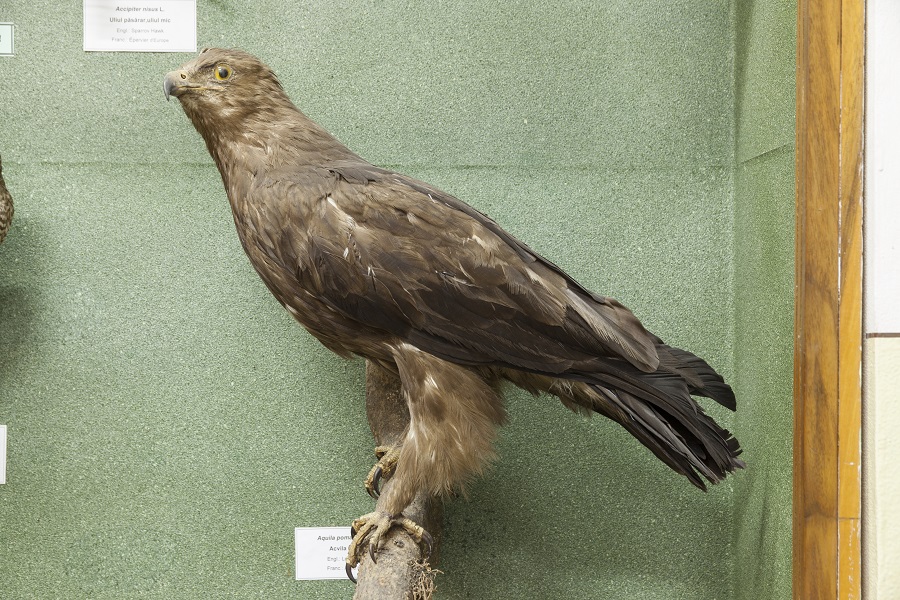
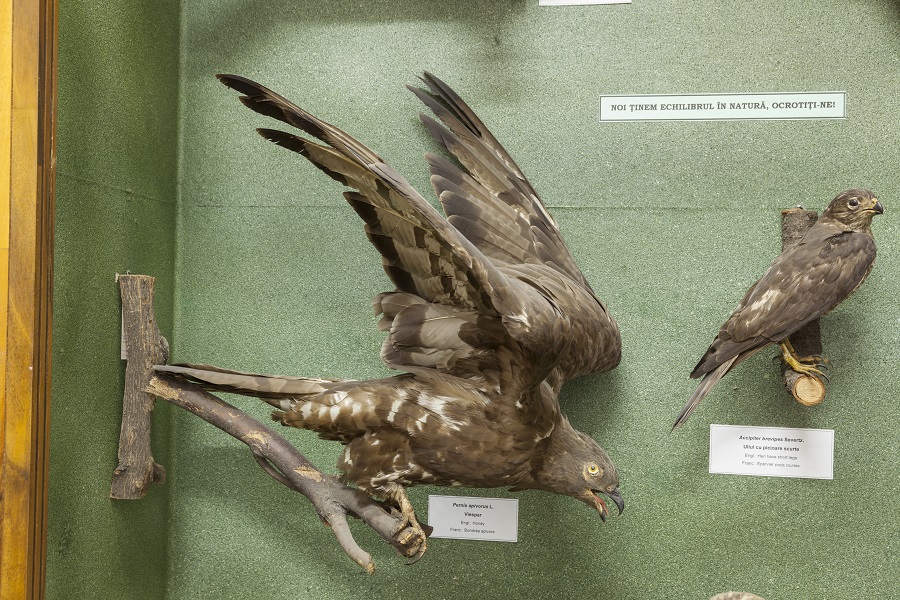
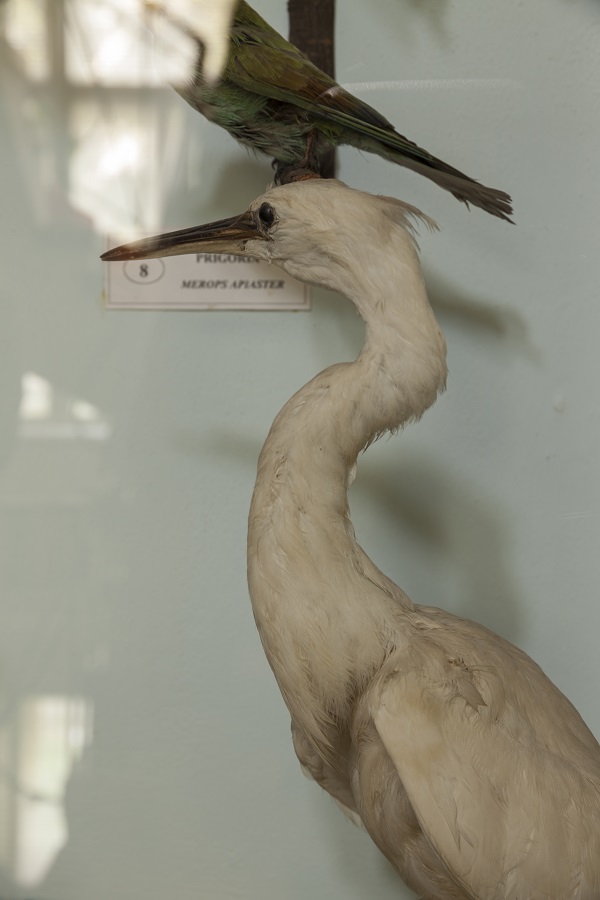
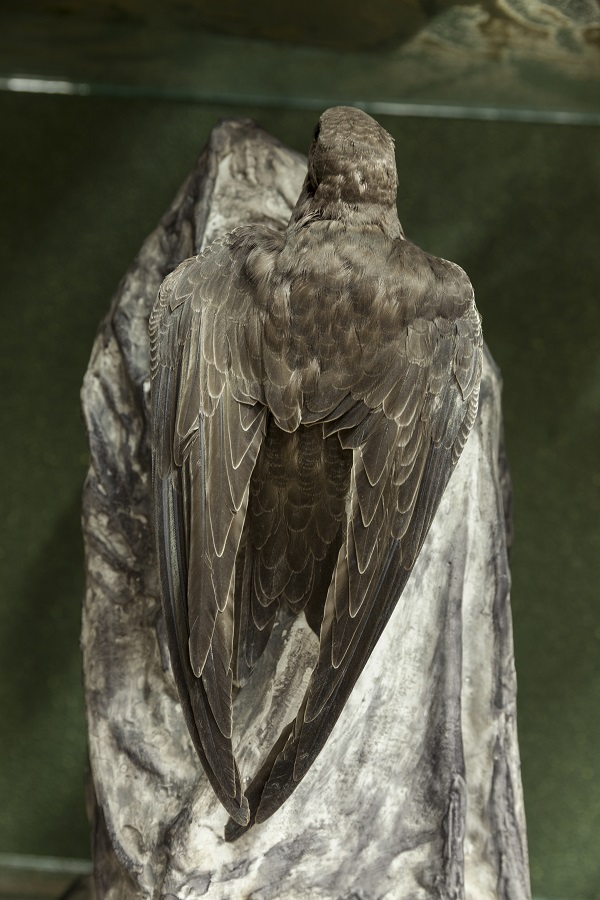
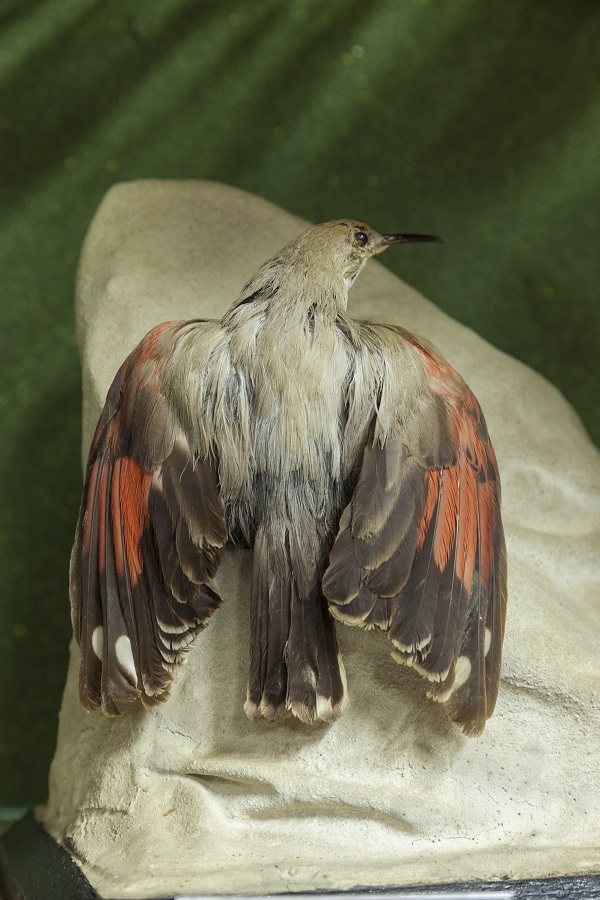
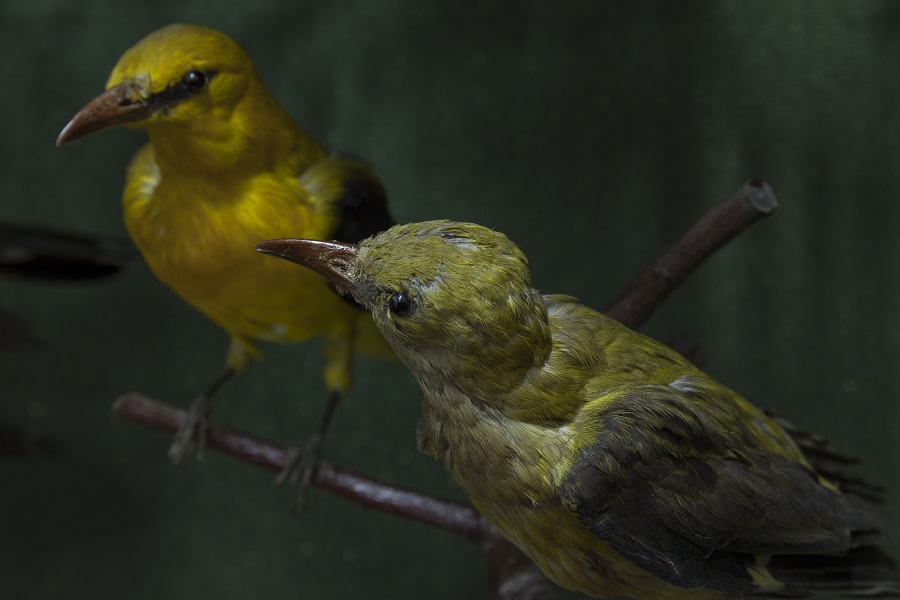
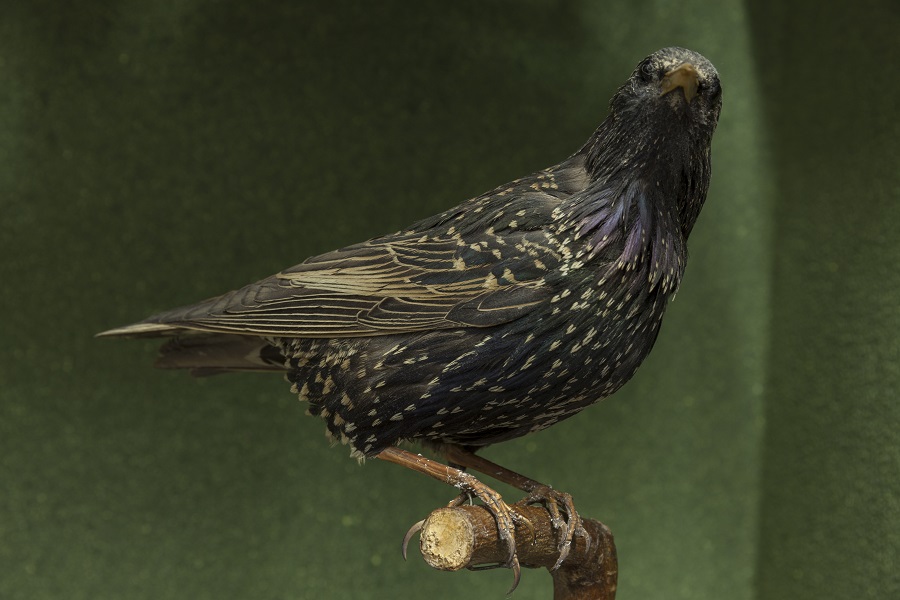
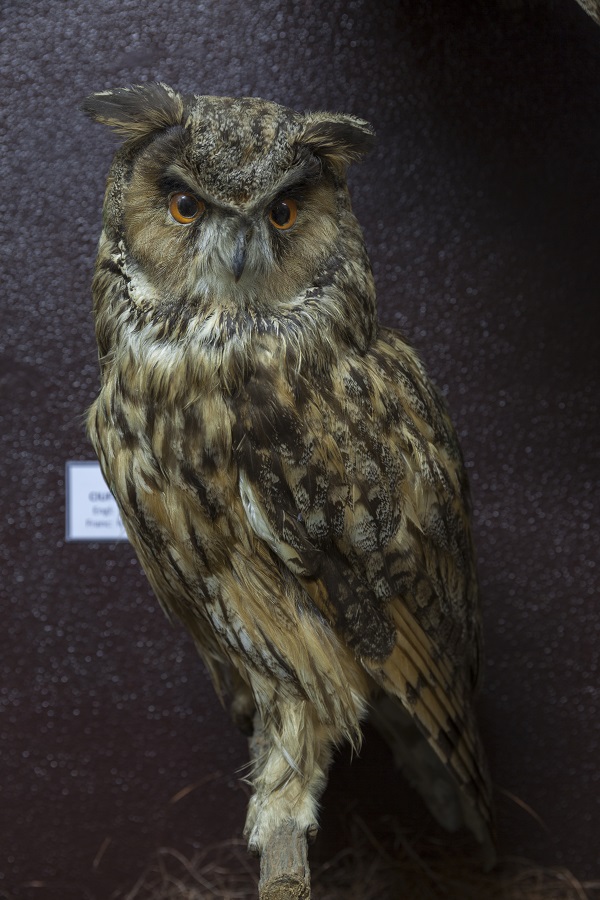
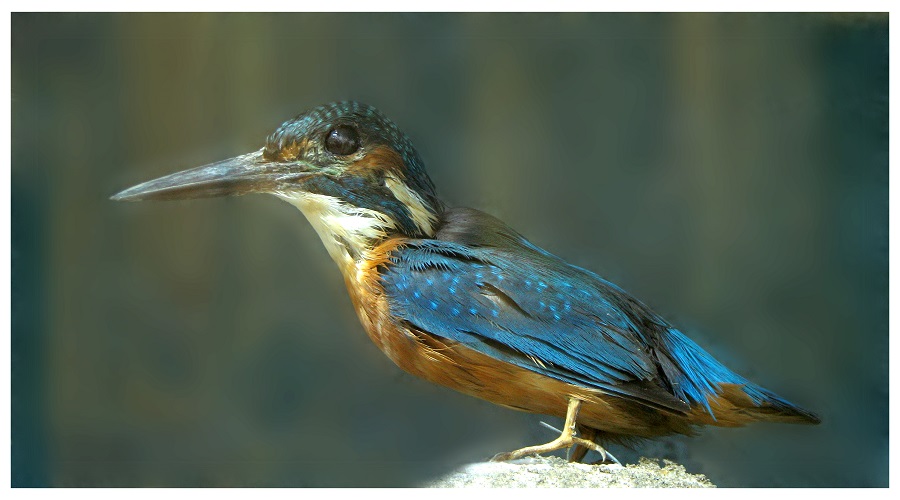
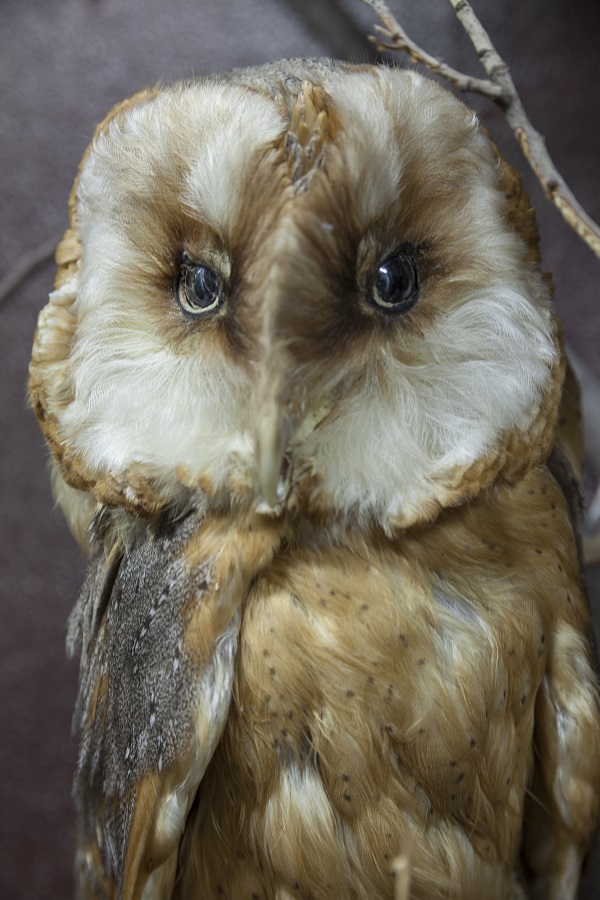
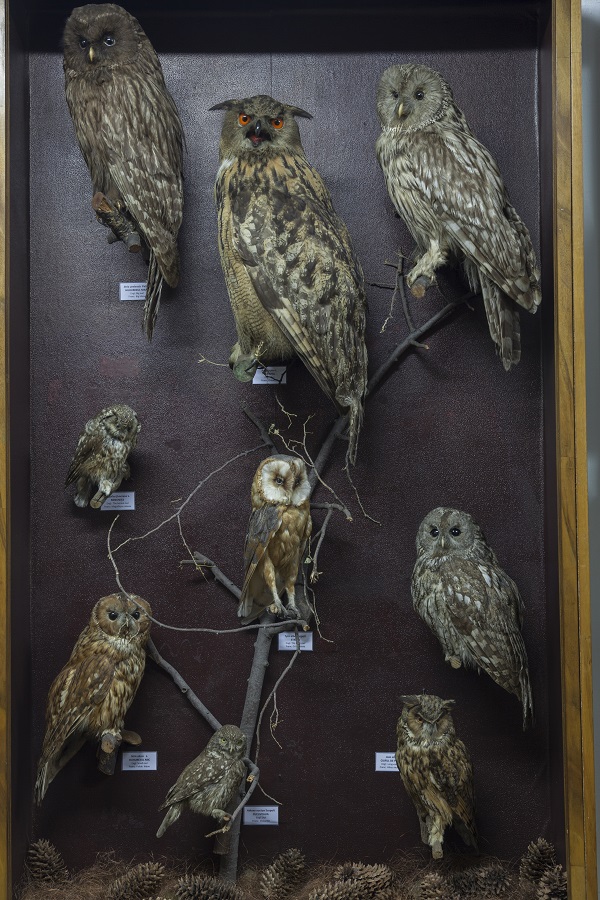
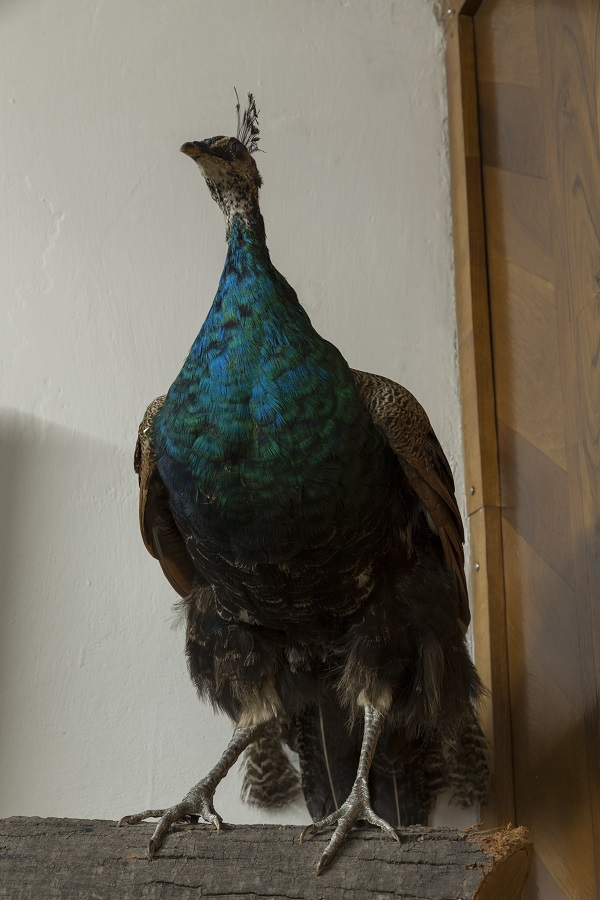
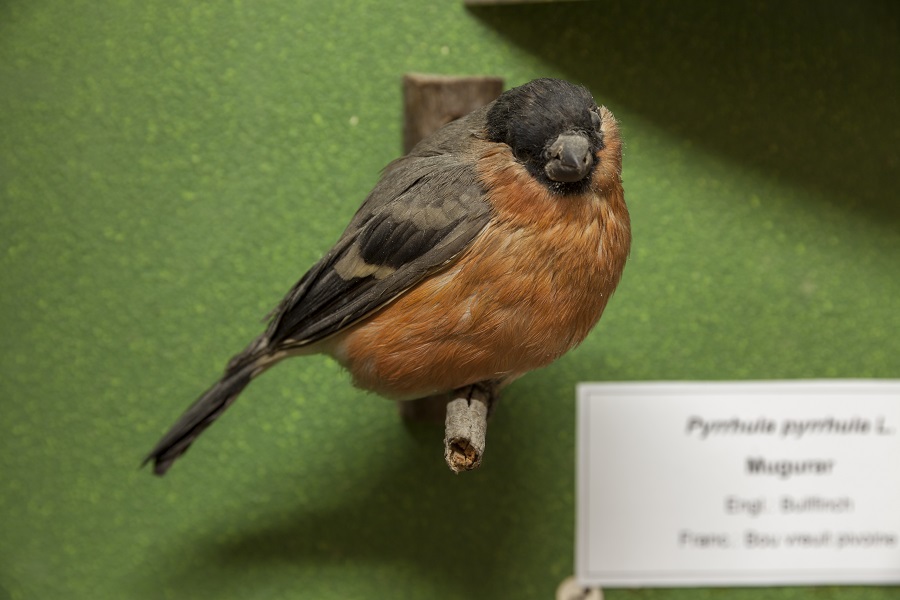
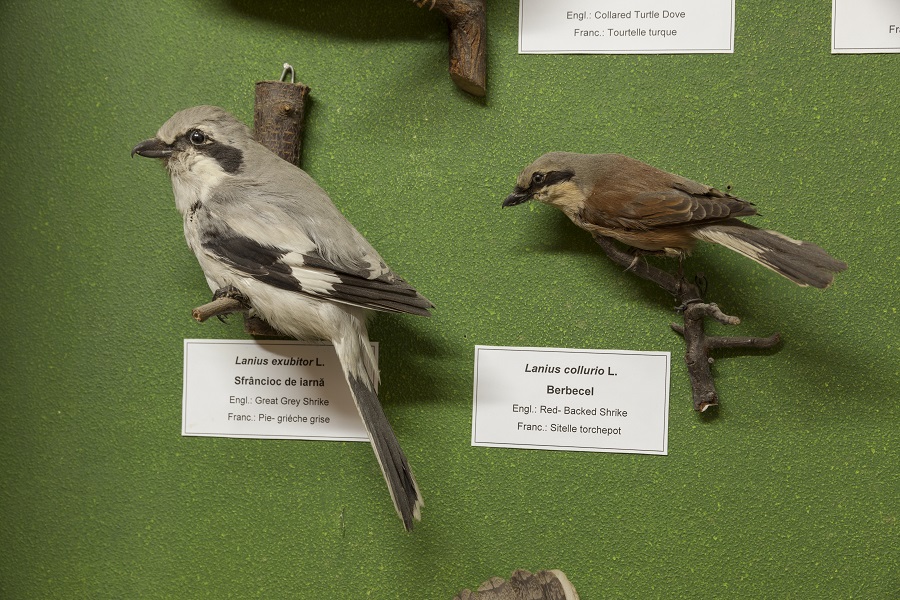
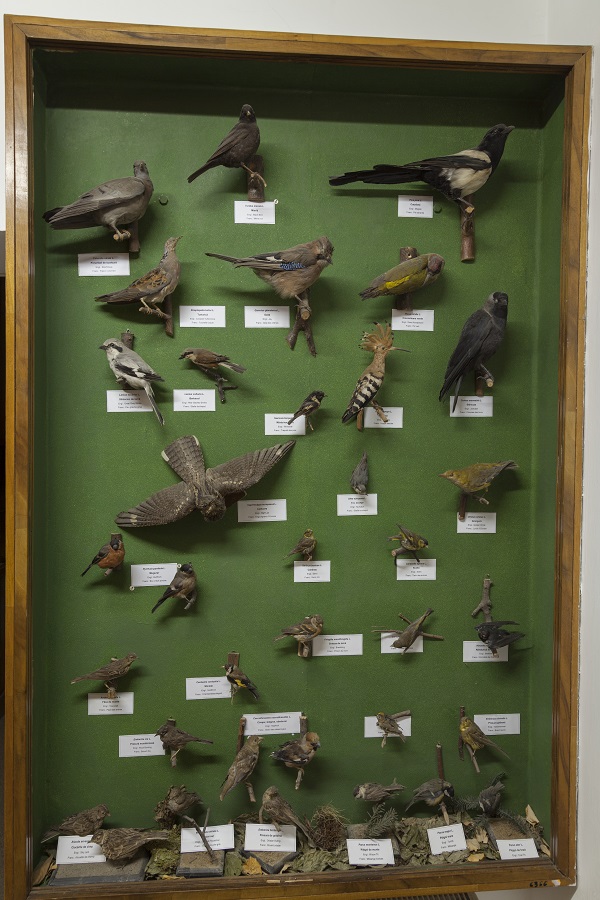
The second exhibition section presents the county’s flora, vegetation and fauna through dioramas, displays of biological groups and display cases. The most important ecosystems are represented: forests, meadows, caves and agroecosystems. The displays also show seasonal features and include spectacular dioramas depicting scenes from Ceahlău National Park and Cheile Șugăului. The value of the dioramas and displays of biological groups is enhanced by the exclusive use of natural materials, protected by specific conservation techniques.
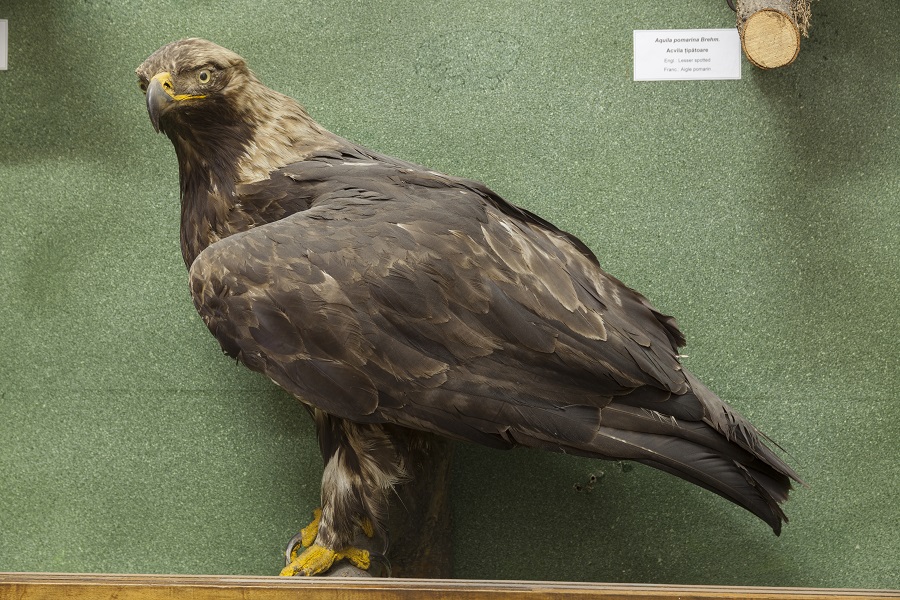
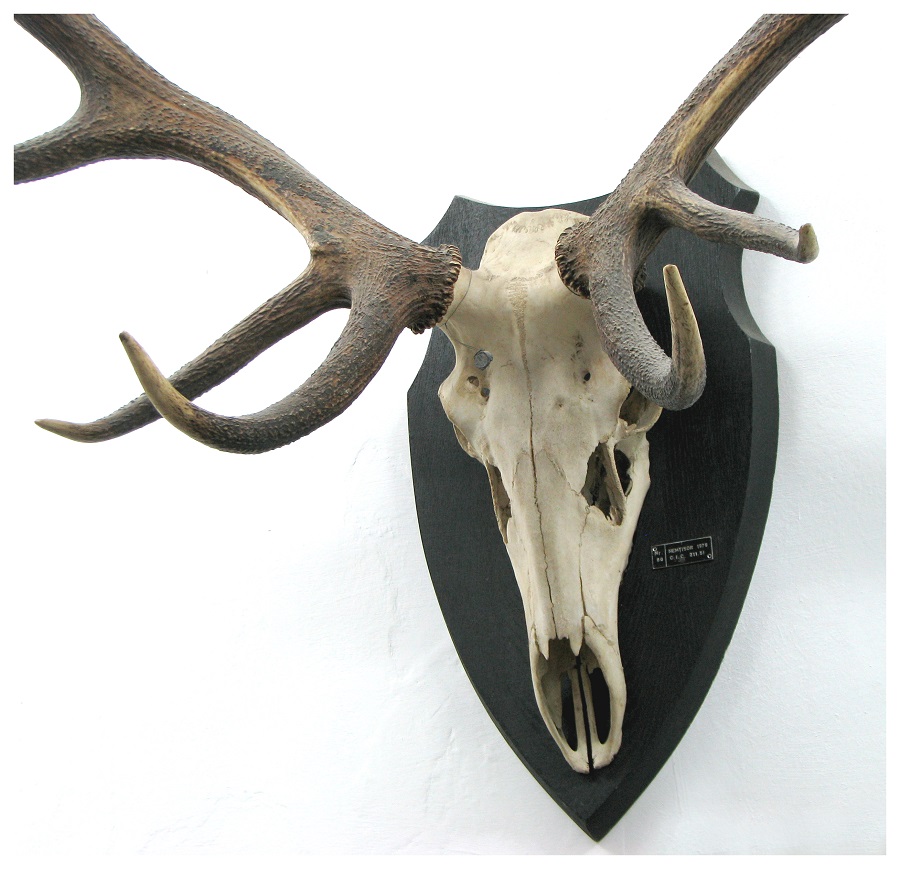
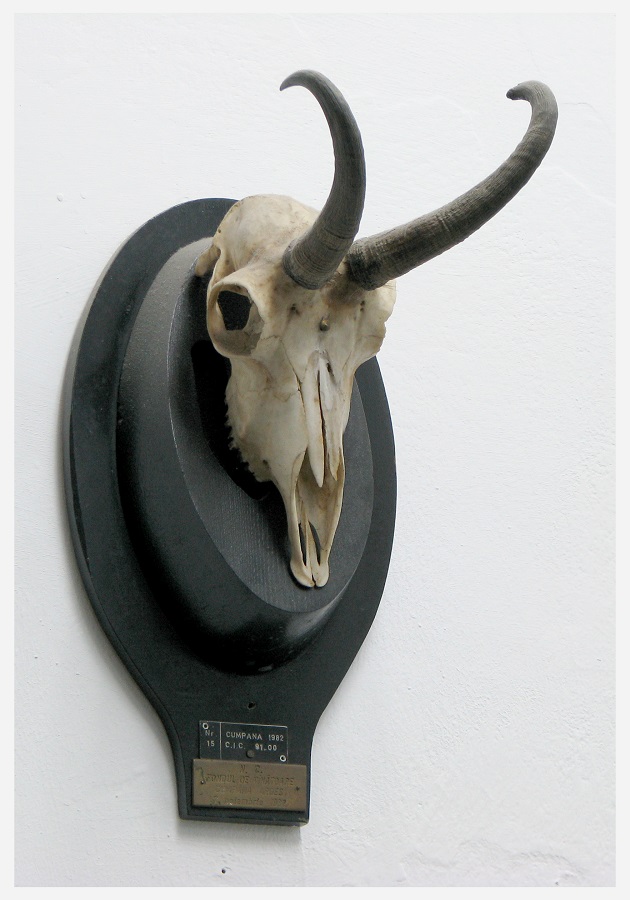
The final exhibition hall includes rare animals, trophies of species protected by law and a map showing nature reserves and natural monuments in Neamț County.
Photo album:
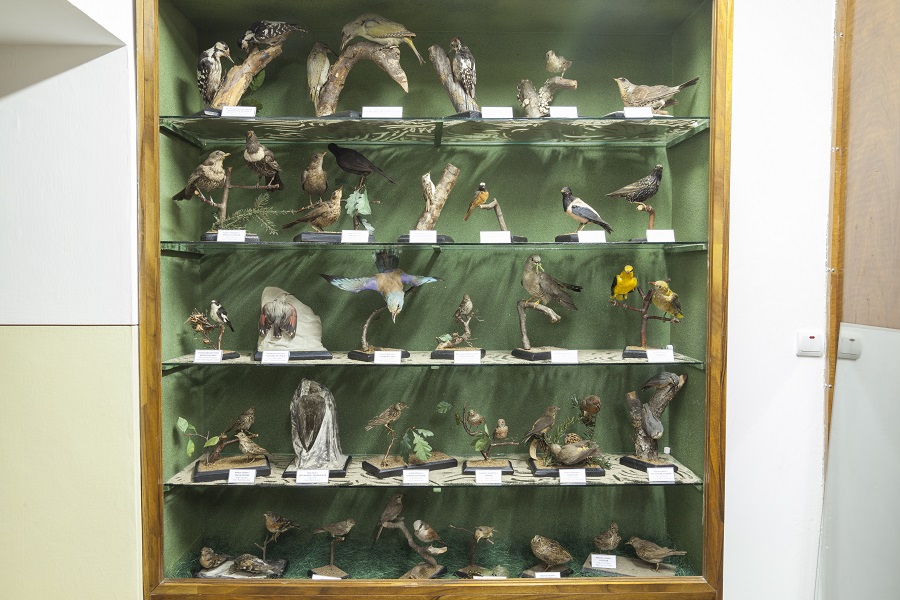
It forms a section devoted to environmental protection, a major issue worldwide today.
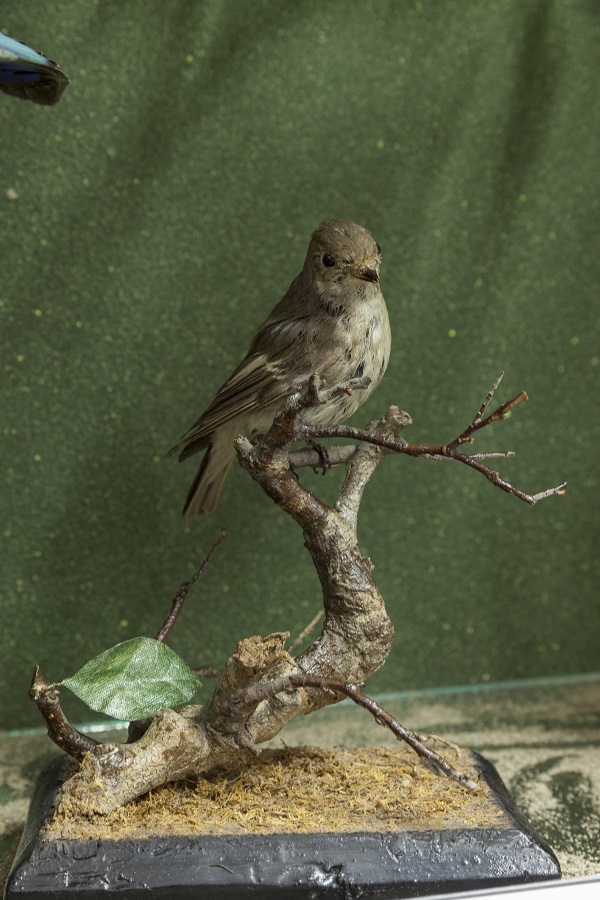
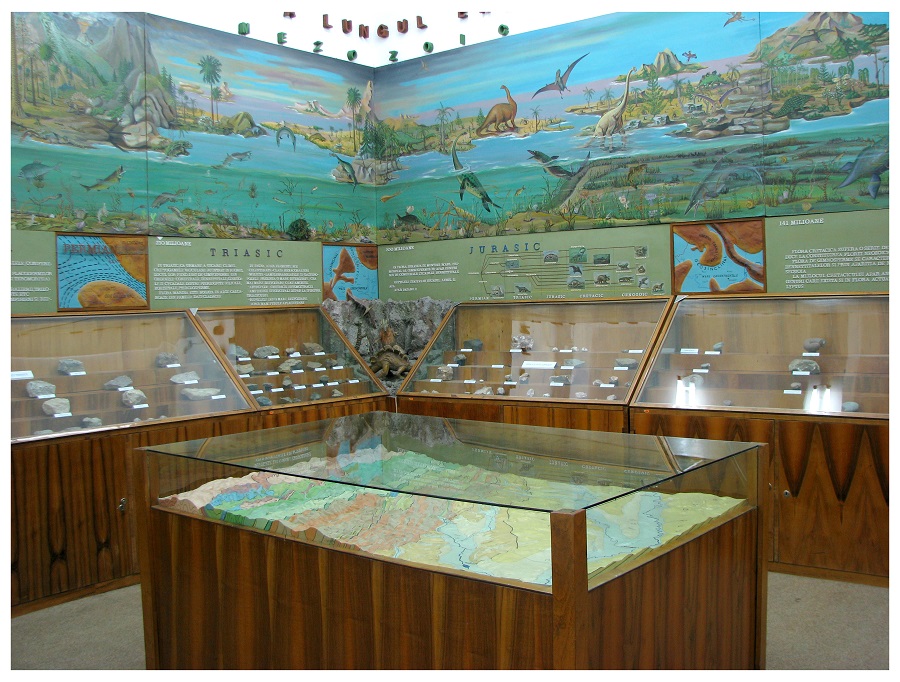
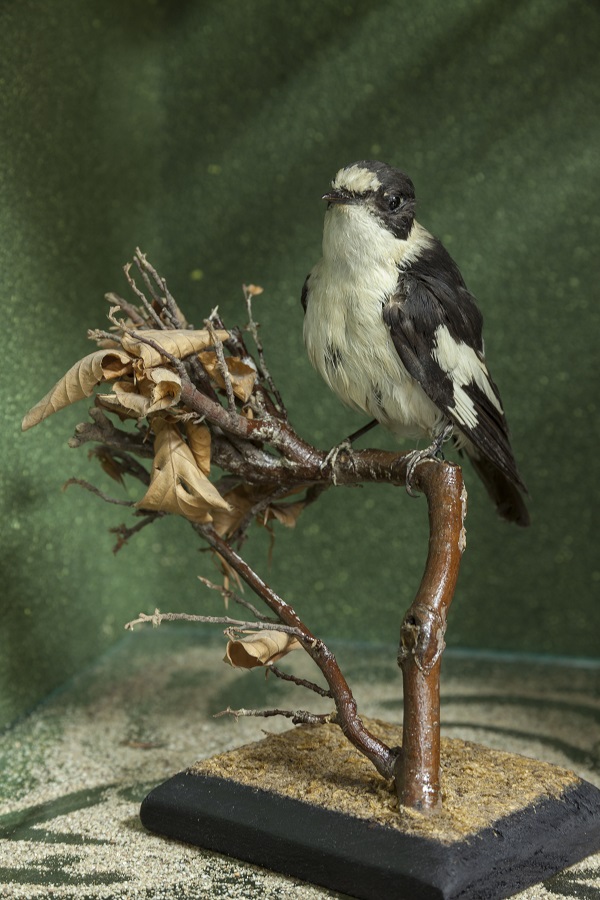
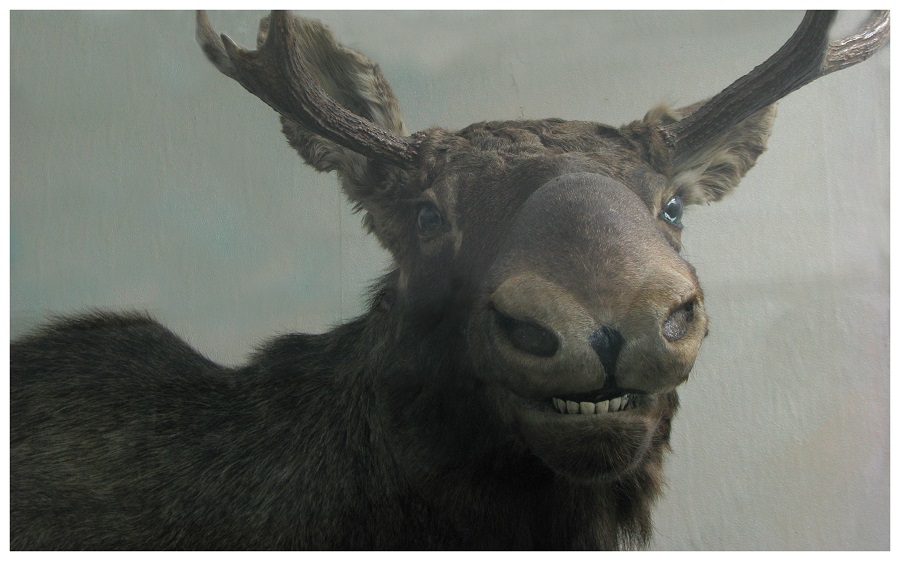
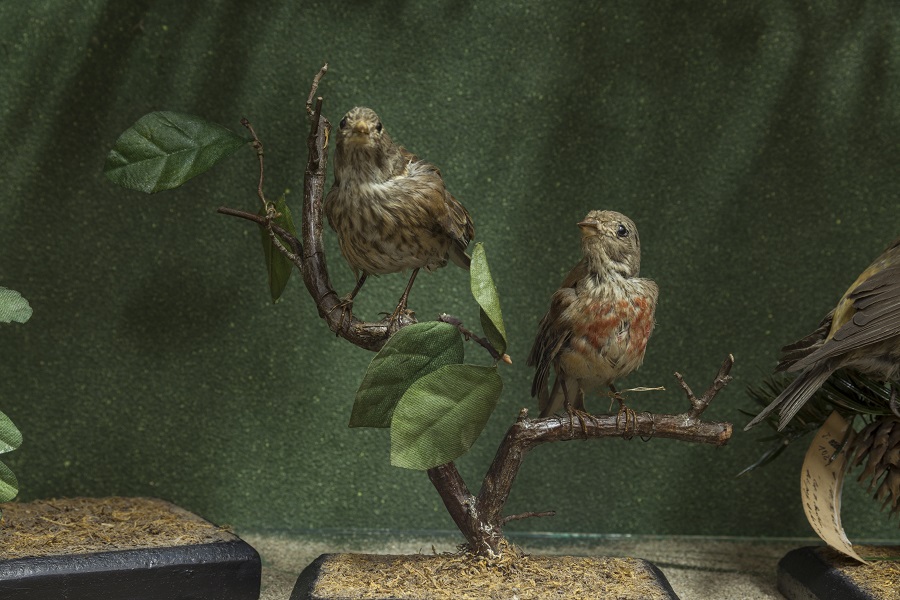
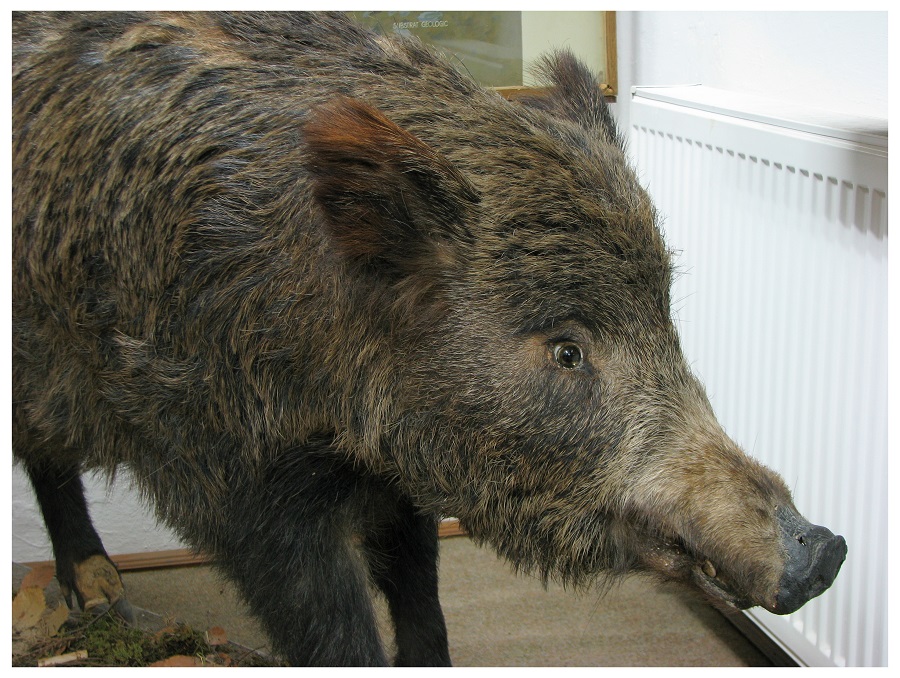
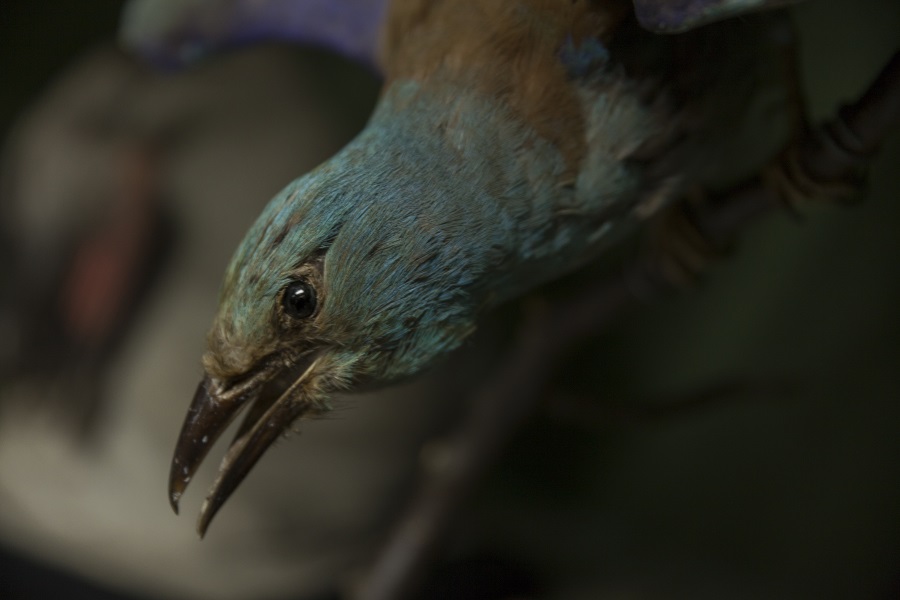
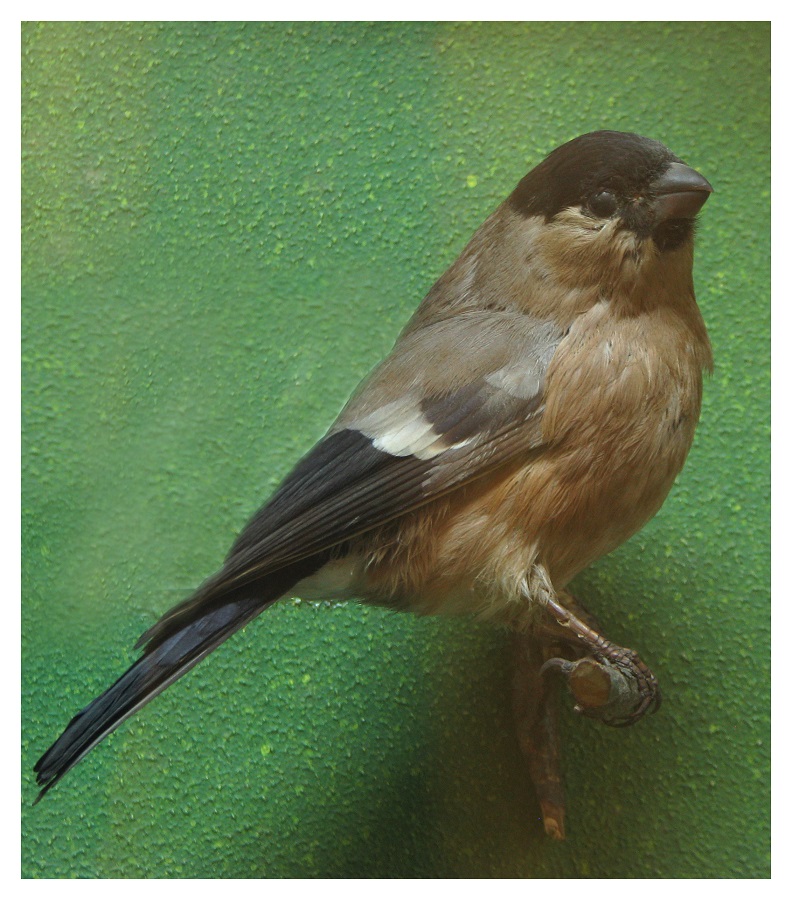
Video:
More on the same topic

Neamț receives five nominations across four categories in Destinația Anului
We have good news for everyone who loves Neamț County and all its beauty: it is among the finalists in the Destinația Anului 2024 competition, with five nominations across four categories: Piatra Neamț in the Inspiring Cities category.

Military firefighters bring competition and lots of adrenaline to Târgu Neamț
Târgu Neamț is hosting the 3rd zonal stage of the professional emergency situation competitions, in which representative teams from several counties of the country will participate: Bacău, Botoșani, Iași, Neamț, and Suceava.
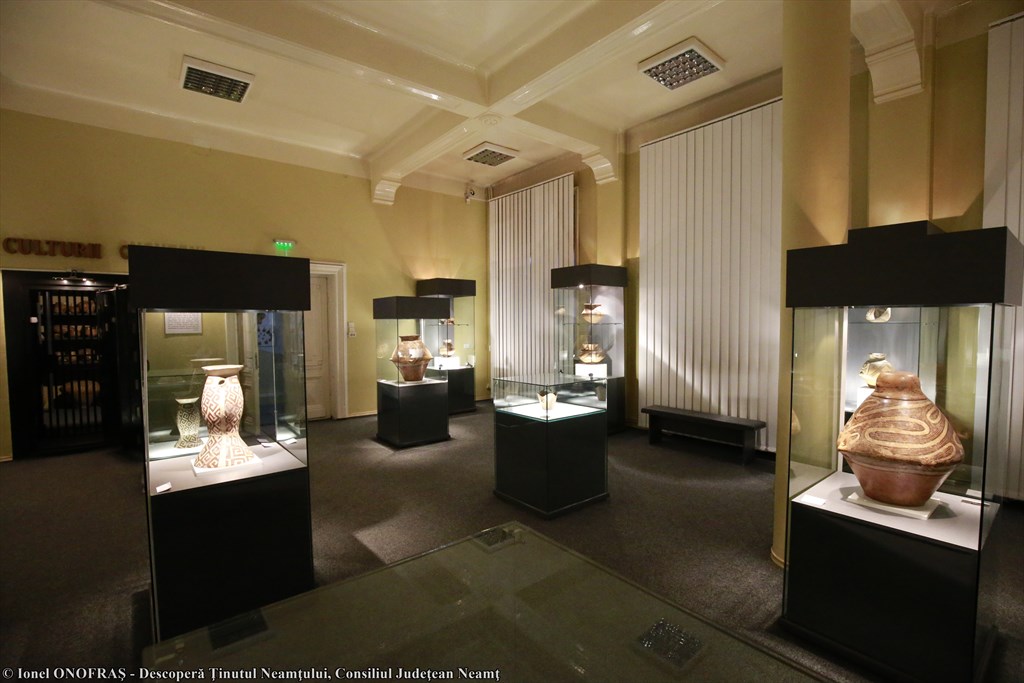
Discover, in Piatra Neamț, the most important Eneolitic art collection from the South-East of Europe
Photo Gallery: Nationally one of the kind, both history and art museum, it currently hosts the most spectacular artefacts, famous objects that belong to the Cucuteni–Trypillia Culture, which is in…