Dragobete in Neamț County: Customs and Traditions
On 24 February, we celebrate Lovers’ Day, or Dragobete, according to the traditional folk calendar. On this date, the Orthodox Church celebrates the Finding of the Head of Saint John the Baptist, a feast also popularly known as Cap de primăvară (Beginning of Spring).
Inherited from the ancient Dacians, among whom Dragobete was a matchmaker and godfather to animals, he was transformed by Romanians into the protector of love, so that those who meet on Dragobete will enjoy a love that lasts throughout the year.
Dragobete was the son of Baba Dochia and was regarded as a mythological deity, the patron of young lovers, comparable to Eros and Cupidon, the gods of love of the ancient Greeks and Romans. In the past, this celebration marked the beginning of spring, the day when nature awakens, bears emerge from their dens, birds seek nesting places and people, too, were expected to share in nature’s joy.
In Neamț County, as early as the XVIII–XIX centuries, the day’s events followed a set ritual. On the morning of 24 February, young people dressed in festive clothes would meet in the village centre or in front of the church and set off in groups, singing as they headed towards the forest in search of snowdrops and other plants believed to have miraculous powers.
Girls would gather squills and sweet violets, keeping them beside their icons and later using them in various love spells. To remain beautiful and always be loved, young women and girls would traditionally collect and melt snow on Dragobete. The resulting water was kept throughout the year for washing their hair.
Dragobete was also regarded as the patron of good cheer. Young people would therefore celebrate in people’s homes, observing strict moral standards, while girls would accuse one another of secretly casting spells to attract lovers.
Vows of love were also exchanged, with Dragobete often marking the beginning of future relationships. Tradition holds that those who took part in this celebration would be spared illness throughout the year, and that Dragobete helps householders enjoy a prosperous year. On Dragobete, birds would also begin to pair up and seek nesting places.
Today, the Dragobete festival is considered the Romanian equivalent of Valentine’s Day. Unlike the gentle Saint Valentin of Catholic tradition, Dragobete is a handsome, restless and impetuous man. In days gone by, on 24 February, villages rang with the merriment of young people and the saying: Dragobete kisses the girls, recalling the Dragobete who once stirred special feelings in the young.
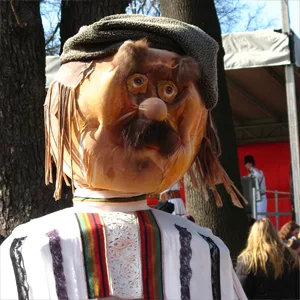
More on the same topic
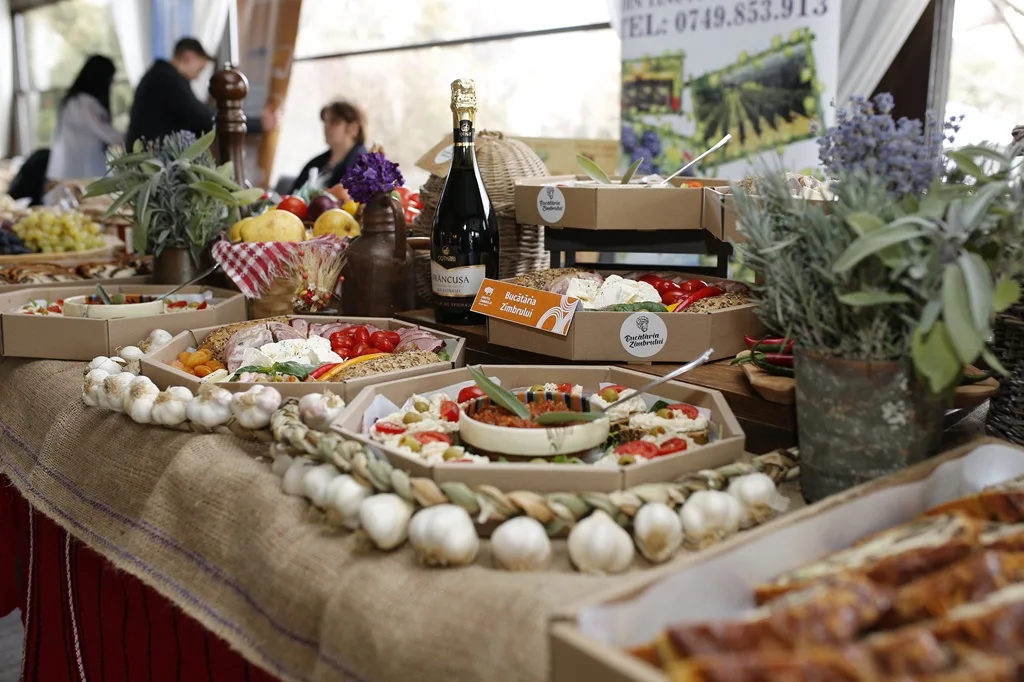
Attractive Romania presents “Neamțul în Bucate”
The culinary story of Neamț County invites travelers on a fantastic journey, a tour of its four picturesque regions, filled with tales and flavors that combine tradition, ecotourism and fresh, delicious dishes.
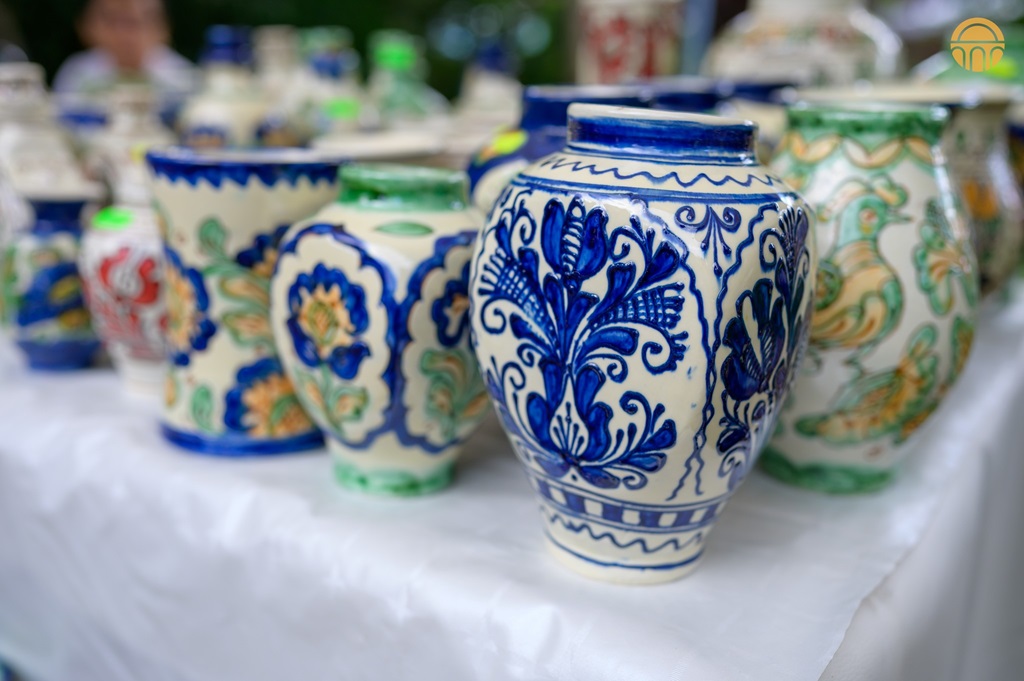
Craft Fair for the Feast of the Assumption in Piatra-Neamț
This weekend, local residents and tourists will be able to enjoy folk art and objects crafted with great talent and flair by traditional craftspeople from ten counties, who will come to keep local…
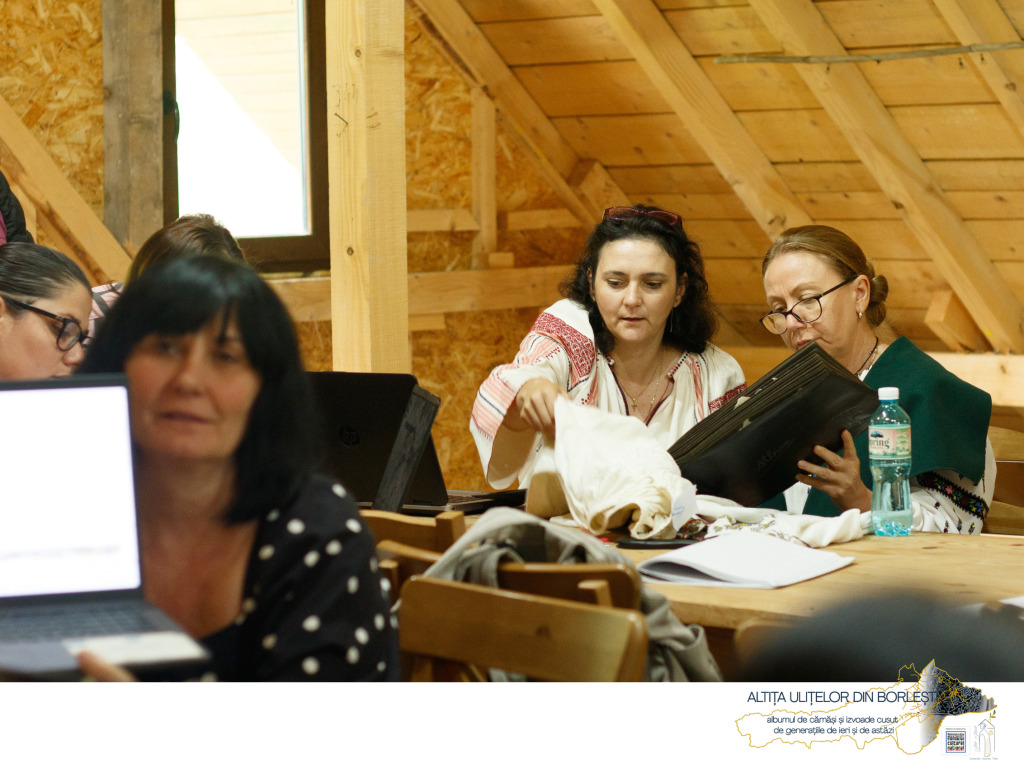
” Altița ulițelor din Borlești” at the AFCN Awards
At the ninth edition, the AFCN (National Cultural Fund Administration – NCFA) Awards has nominated “Altița ulițelor din Borlești” in the Activation of Intangible Cultural Heritage Category.