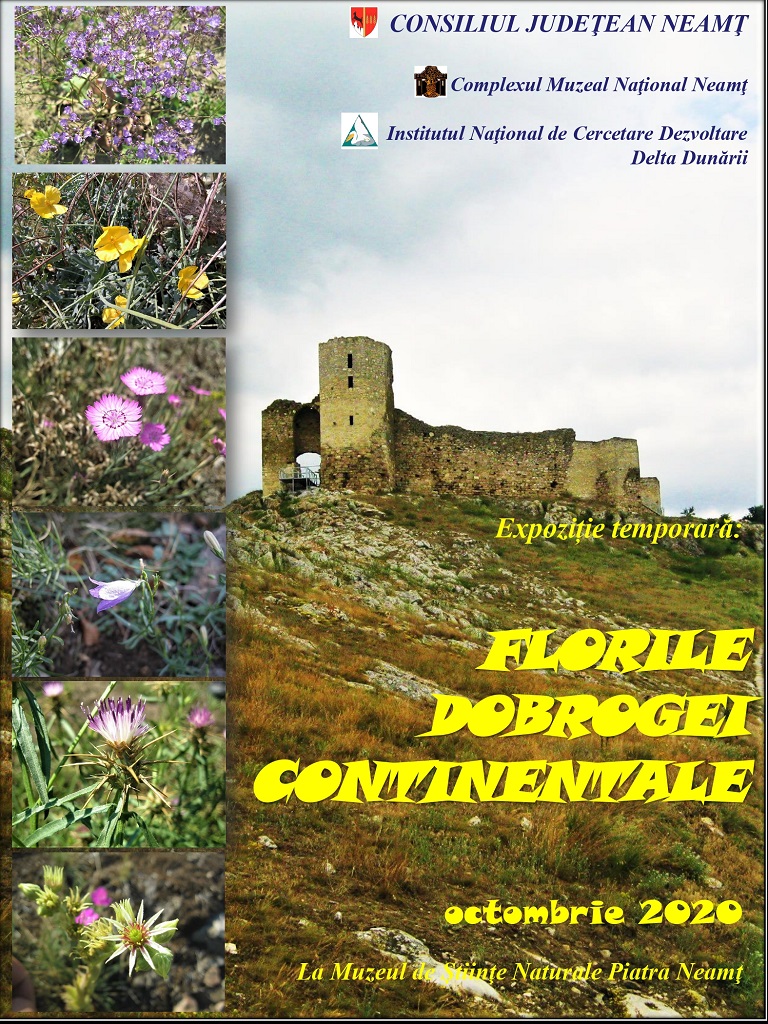
The “Continental Dobrogea Flowers” exhibition at the Natural Sciences Museum Piatra Neamț
The Natural Sciences Museum Piatra Neamț is organising, in October 2020, a temporary exhibition dedicated to natural monuments of the Dobrogea area, focusing on the flora of Dobrogea. Visiting hours are Tuesday to Sunday, between 9:00-17:00.
The exhibition title “Florile Dobrogei Continentale” fully describes the exhibition’s content, directly reflecting aspects of the flora of Dobrogea. The proposed title establishes the exhibition’s theme. The central idea is a visual journey through room 4 of the Natural Sciences Museum Piatra Neamț, where visitors can discover rare plant species from the Dobrogea steppe area and become aware of what the future holds for these protected species if necessary conservation measures are not taken.
The flora of Dobrogea comprises approximately 2,000 vascular plant species, of which 200 taxa are rare even at the European level, with a number of species being endemic.
The exhibition aims to popularise science (by reviewing the importance of certain plant species from the Dobrogea area) among pupils, teachers, students, families and the general public (as a recreational and informative opportunity for them).
Through the displayed illustrations, we aim to raise visitors’ awareness of the conservation of rare plant species and encourage them to recognise the need to protect these plants (action is needed to save these threatened species, and the exhibition conveys an optimistic message in this regard).
The concept and exhibition design aim to be as clear and visually suggestive as possible.
The exhibition presents the Dobrogea flora in an inventive way, viewed from the perspective of field experiences and excursions, activities carried out over time to research these scientific objectives.
The flora of Dobrogea faithfully reflects the region’s plateau landscape, dotted with numerous very arid hills. This is the driest region in Romania.
The flora of Dobrogea consists mainly of xerophytic plants. These species prefer arid areas and tolerate drought very well. Alongside the typical Dobrogean steppe, made up of numerous grass species (including steppe fescue and feather grass), with natural steppe grasslands dominated by species of the genera Festuca spp. and Stipa spp., the region also has forest-steppe, represented by forests of Turkey oak and other oaks, including Quercus cerris, Quercus pubescens and Q. frainetto, alongside which grows the eastern hornbeam, Carpinus orintalis.
This steppe and forest-steppe vegetation currently occupies small areas in Dobrogea, the natural vegetation having been largely replaced by agricultural crops.
Visitors will be able to see an extensive photographic collection offering scientific information and interesting facts about the various protected plant species of Dobrogea. This visual material is complemented by numerous herbarium specimens of rare species from different genera, including: Convolvulus (sand bindweed), Eryngium (sea holly), Glaucium (yellow horned poppy), Achillea (Dobrogean yarrow), Asperula (white woodruff), Centaurea (cornflower), Campanula (Dobrogean bellflower), Dianthus (rock pink), Juncus (rush), Limonium (sea lavender), Stipa (feather grass), Veronica (speedwell), Tanacetum (tansy), Inula (elecampane, locally called “Christ’s eyes”), Sideritis (ironwort), Teucrium (germander), Euphorbia (spurge), Thymus (Dobrogean thyme), Allium (wild garlic), Echinops (globe thistle), Carpinus (eastern hornbeam), Xeranthemum (everlasting) etc.
In addition to photographs of scientific interest showing rare plants encountered during field trips, specimens collected by the organisers in collaboration with partner institutions are also on display. Both the specimens and the images/photographs exhibited are original. Alongside the herbarium specimens and photographs, specialist books/volumes and articles with both colour and black-and-white illustrations are displayed to enrich the exhibition and make it more complete.
The exhibition conveys a visual message to the visitor, raising awareness of the importance and richness of the species characteristic of steppe ecosystems (through images it presents a factual situation that reflects the critical state of these lowland ecosystems).
The present exhibition project is the result of a collaboration between Neamț National Museum Complex – the Natural Sciences Museum Piatra Neamț and the National Research and Development Institute of the Danube Delta, said museologist Emilian Pricop.
More on the same topic
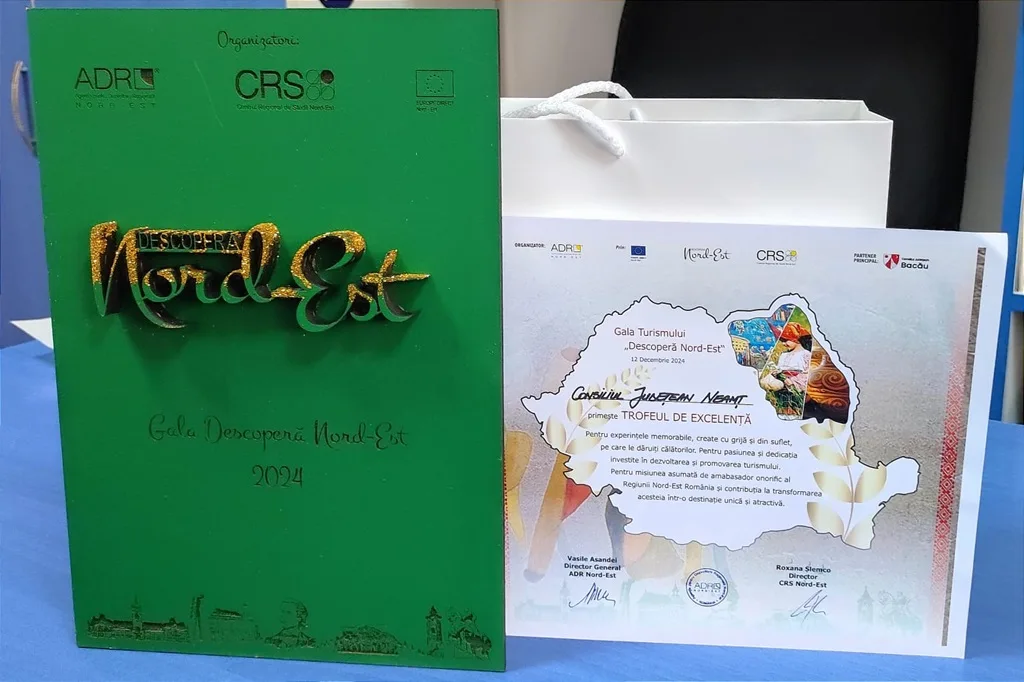
Neamț Awards at the Discover North-East Tourism Gala, 2024
The awards were presented at the 9th edition of the Discover North-East Tourism Gala on December 12, 2024: Newcomer – Award for new locations/attractions/tourist products or emerging tourist destinations: Zenzia Glamping Piatra-Neamț. Poem Rural Piatra-Neamț.
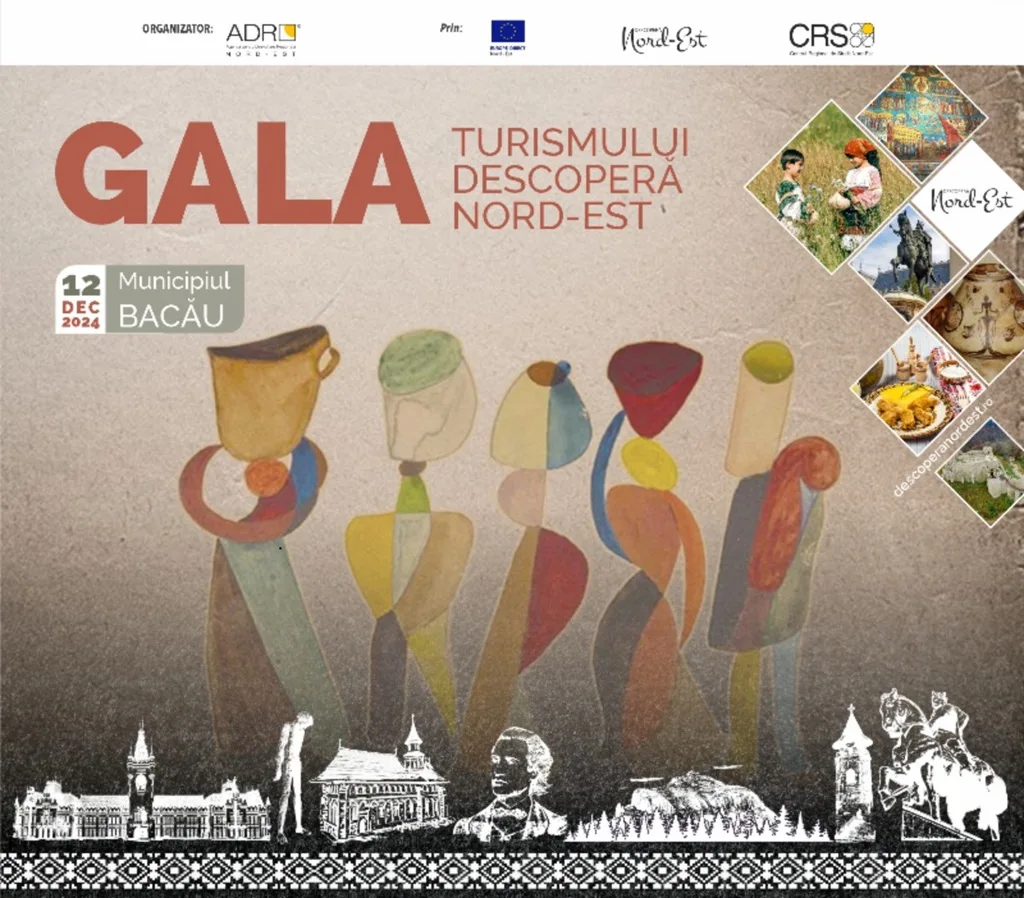
Excellence in Developing Tourism in Neamț at the 9th Edition
On December 12, 2024, we celebrate the tourism initiatives of Neamț County, alongside those from the North-East Region of Romania—a uniquely beautiful and rich area that deserves to be discovered by tourists.
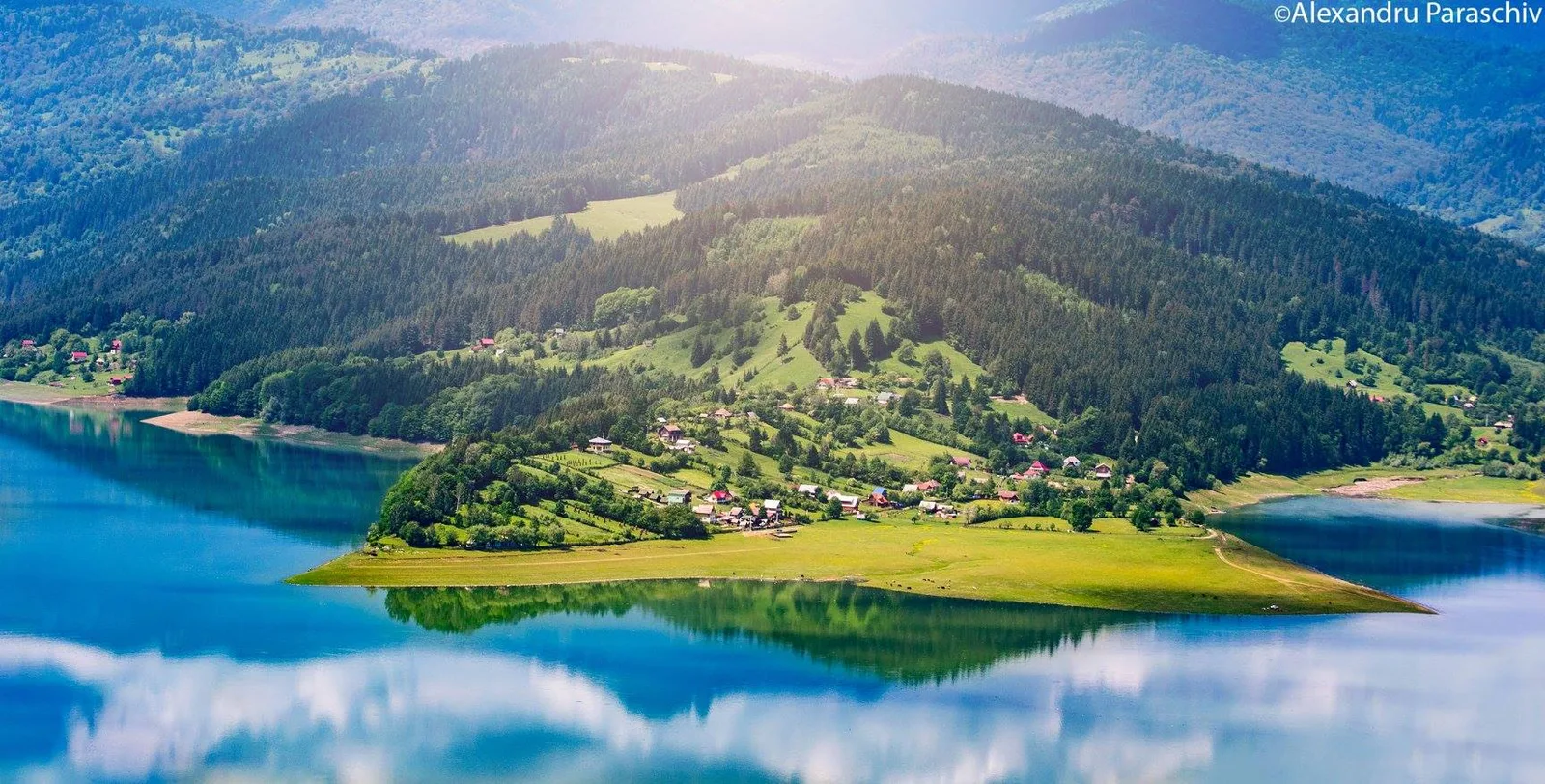
Nominations for Destination of the Year 2025
In the category Enchanted Realms – Geographical areas or localities with a rich treasure of nature, history and tradition our proposal is: The city of Bicaz and its surroundings.