Neamț County: Travel Guide
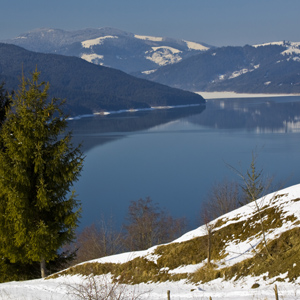
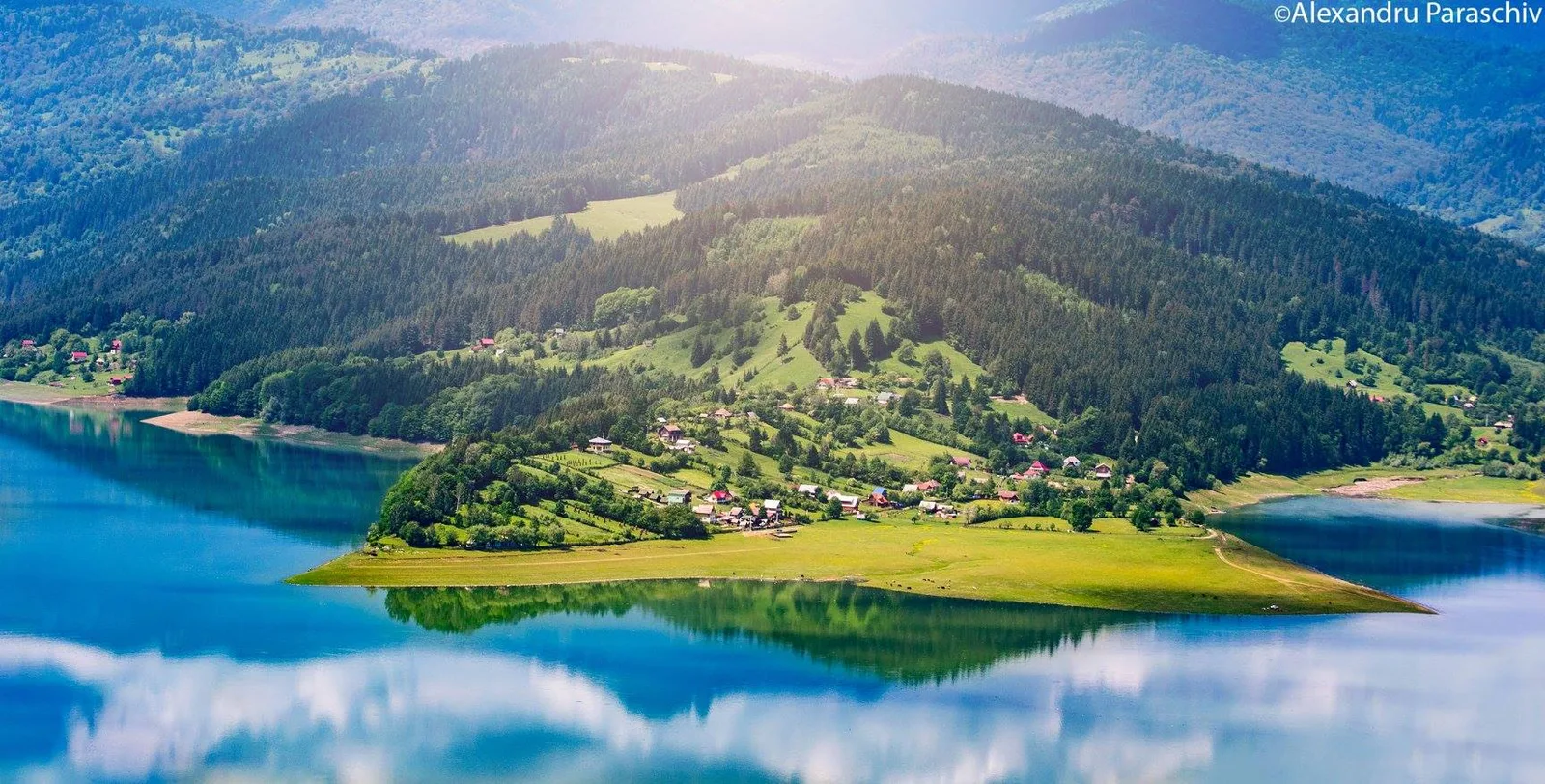
Neamț County is watched over by white ridges and tall fir trees, with gentle hills at the foot of Roman and towering peaks surrounding the town of Piatra Neamț. Here, the mountains, lake waters and hills gather in silence, as though they have come together to guard this area of unique natural beauty.
The town of Bicaz, below the vast waters of the Bistrița, and the town of Târgu Neamț, which preserves the medieval fortress of Stephen the Great, also offer visitors important evidence of the history, culture and riches of these places.
Episodes from the history and beauty of these Moldavian lands were skilfully captured on paper by great Romanian writers such as Alexandru Vlahuță, Ion Creangă, Mihai Eminescu, Mihail Sadoveanu, Calistrat Hogaș and the philosopher Vasile Conta. Alongside them, great Romanian painters such as Nicolae Grigorescu, Nicolae Tonitza, Alexandru Baesu, Lascar Vorel, Iulia Hălăucescu and Victor Brauner immortalised in oils on canvas the valleys, waters and heights that intertwine along the Bistrița and Siret valleys, the mountain landscapes and the beauty of the places of worship.
This travel guide to Neamț County contains concise information about the monasteries of Neamț, museums and memorial houses, medieval fortresses, traditional craftspeople, parks and nature reserves, and leisure activities.
See also the travel guide to Mount Ceahlău, the travel guide to the Izvorul Muntelui area and the travel guide to the town of Piatra Neamț.
Monasteries in Neamț County
Neamț County is the region with the oldest and greatest number of monasteries in Moldavia, considered true centres of medieval culture. Particularly remarkable is Neamț Monastery, the oldest monastery in Moldavia, also known as the “Jerusalem of Romanian Orthodoxy”. Visitors can explore its rich museum treasury and the oldest monastic library, which contributed to the development of medieval Romanian culture and art.
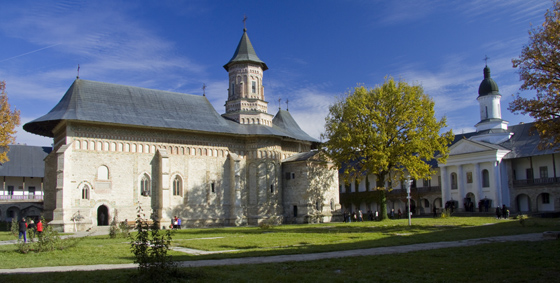
Agapia Monastery is adorned with timeless depictions of saints painted by Nicolae Grigorescu between 1858 – 1861 and holds an impressive museum collection of medieval and religious art, as well as a library of old books and manuscripts.
Secu Monastery has stood for over 500 years and houses an impressive museum collection of ecclesiastical objects, the Cipriota icon and the tomb of its founder, Nestor Ureche.
Sihăstria Monastery, with three centuries of history, houses a collection and a library of great historical and cultural value and is known for its spiritual fathers, Father Cleopa and Father Paisie Olaru.
Văratec Monastery, situated in the monastic village of Văratec, holds a collection of historic ecclesiastical art and is the resting place of Veronica Micle.
Bistrița Monastery, of great historical and archaeological value, preserves the miracle-working Saint Ana icon and the tomb of Prince Alexander the Good and is among the oldest monasteries in Moldavia.
Father Iustin Pârvu of Petru Vodă Monastery lived at this monastery until 1990; Petru Vodă is another peaceful monastery in Moldavia.
Pângărați Monastery dates from 1560 and has an architectural design unique among Moldavia’s monasteries, with two churches built one above the other in the same building.
Durău Monastery, built by one of the daughters of Prince Vasile Lupu, was decorated with wax paintings using the encaustic technique by Nicolae Tonitza and his pupils – including Corneliu Baba.
Visiting these old monasteries in Moldavia in Neamț County gives pilgrims and tourists the chance to understand and experience something of the spirituality of the Orthodox Church in Moldavia and, by extension, in Neamț County.
Museums and Memorial Houses
In Neamț County, visitors can find objects in the history, art, natural history and ethnographic museums that tell the story of the past and present of Neamț County, and of the customs and traditions of the people who lived in this region.
In the history museums in Neamț County, visitors will find evidence of life in these places, where the origins of the first inhabitants are lost in the mists of time. Traces of the Cucuteni civilisation have been discovered in Neamț County. This is where Stephen the Great built monasteries and the renowned medieval fortress Neamț Citadel. Visit these sites and take an imaginary journey into the lives of the first people to inhabit these places, discover their artistic creations and broaden your knowledge in the museums of Neamț County.
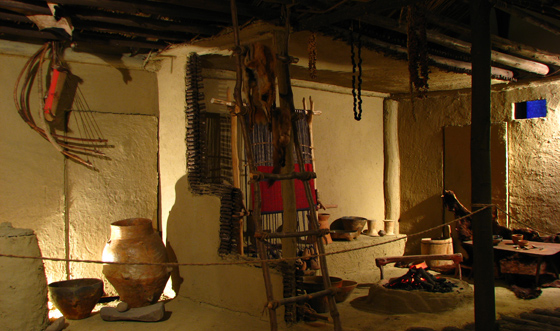
The Museum of History and Ethnography in Târgu Neamț offers an overview of the rich medieval history of the town of Târgu Neamț, as well as the traditional crafts of the Neamț Depression, from spinning and weaving to processing agricultural produce, woodworking, metalworking and pottery.
The Museum of History and Ethnography in Bicaz is devoted to the history of the Bistrița Valley and is arranged across three separate spaces, alongside which 102 paintings donated to the town by the painter Iulia Hălăucesu are displayed.
The Museum of History and Archaeology in Piatra Neamț, founded by the priest Constantin Mătasă, displays cultural objects classified in the Treasure category of the national cultural heritage, tracing the development of human communities in this region from the Upper Palaeolithic to the present day.
The Cucuteni Eneolithic Art Museum in Piatra Neamț is the first Cucuteni museum in Romania and displays around 300 objects from the Precucuteni and Cucuteni cultures, classified in the “treasure” category of the national cultural heritage.
The History Museum in Roman occupies 15 rooms and houses an impressive number of objects dating from the Palaeolithic to the First World War.
In the art museums in Neamț County, visitors can admire an impressive collection of artworks distinguished by their quality and craftsmanship.
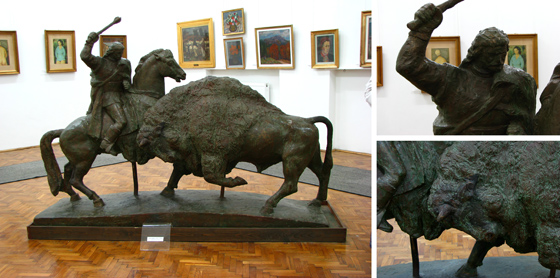
The Art Museum in Piatra Neamț offers a broad overview of the development of the visual arts (painting, graphic art, sculpture and tapestry) created by Romanian artists in the late 19th century and throughout the 20th century.
The Art Museum in Roman displays paintings, graphic works and sculptures showcasing Romanian art by artists connected in one way or another with the Roman area: Maria Ciurdea Steurer, Iosif Steurer, Stavru Tarasov, Jean Cosmovici, Constantin Isachie and Nicu Enea.
The “Iulia Hălăucescu” Art Museum in Tarcău, opened in the building that once housed the “former teacher’s school” in Tarcău, displays almost 120 artworks, as well as personal belongings of Iulia Hălăucescu, the artist known as the “lady of Romanian watercolour”.
The Monastery Collection at Agapia Monastery is dedicated to the great painter Nicolae Grigorescu and displays the painter’s 29 original works created during the period when he also painted the interior of Agapia Monastery.
Neamț County is home to the places where great Romanian writers and cultural figures grew up and lived. Countless stories have been written about this spectacular region, captivating children and adults of all ages over the centuries.
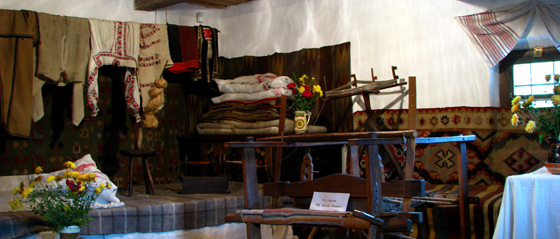
The “Calistrat Hogaș” Memorial House in Piatra Neamț, opened in the house where the writer Calistrat Hogaș lived, has a distinctive architectural style and displays family documents, manuscripts, original furniture and the writer’s personal belongings.
The “Ion Creangă” Memorial House in Humulești, Neamț, is the house where Nică a lui Ștefan a Petrei was born and grew up. The house was built in 1830 by the storyteller’s grandfather. Here we find the oven and the chimney post, with the dangling string and tassels that the cats played with, described by the storyteller in “Amintiri din copilărie”, as well as the clay-coated hearth ledge that the writer held on to when he took his first steps.
The “Veronica Micle” Memorial House in Târgu Neamț is the house much loved by the poet Veronica Micle and displays objects and documents relating to the life and literary work of the muse of our national poet, Mihai Eminescu.
The “Alexandru Vlahuță” Memorial House in Agapia commune, Neamț, is the house where the writer Alexandru Vlahuță was born and grew up, and where an attempt has been made to recreate the atmosphere of the period in which he lived.
The Visarion Puiu Memorial House and Mihail Sadoveanu Museum in the village of Mănăstirea Neamț is where the writer Mihail Sadoveanu spent his twilight years. The exhibition preserves the atmosphere of the period and includes furniture, the piano, the samurai sword, an ivory chess set, documents, personal belongings, photographs and portraits of the writer and his parents.
The “I. I. Mironescu” Memorial House in Tazlău, Neamț, is the house where the doctor and writer I. I.
Parks and Nature Reserves
The unbridled forces of nature have created a true open-air museum in the Neamț County area, whose exhibits are the unique, intriguing and spectacular landscapes that form its protected parks and nature reserves. These fascinating landscapes include numerous attractions that can be visited.
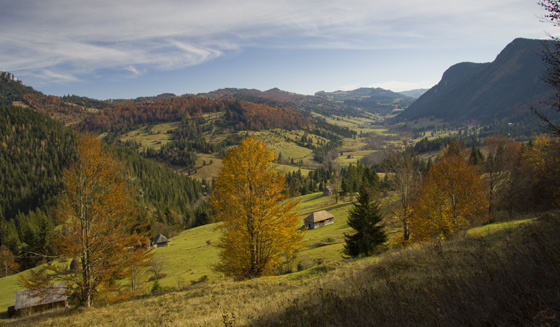
Ceahlău National Park, the leading tourist attraction in the Eastern Carpathians, covers an area of 7,742.5 ha and includes three protected areas: the “Ocolasul Mare” Scientific Reserve, the “Polița cu Crini” Botanical Nature Reserve and the “Duruitoarea Waterfall” and “Avenul Mare” Natural Monuments, where over 1,100 species of flowers and 90 species of birds and animals are protected. Every year, thousands of tourists follow the mountain trails on Mount Ceahlău.
Bicaz Gorge – Hășmaș National Park with the following attractions: Sugăului Gorge Nature Reserve, Laposului Gorge, Munticelu Cave, Tunnel Cave or Mud Cave and Bicăjelului Gorge.
Vânători-Neamț Natural Park aims to protect and conserve the European bison population and includes the following nature reserves: Codrii de Aramă, the Pădurea de argint Forest, the “Dragoș Vodă”
In Neamț County, the following lakes have been designated Special Protection Areas for birds: Bâtca Doamnei Lake, Vaduri Lake and Pângărați Lake. These lakes are an important link in preserving biodiversity and natural habitats throughout the eastern part of the European continent.
Another nature reserve in Neamț is Cuiejdel Lake. It is the largest naturally dammed lake in Romania, with exceptionally beautiful scenery that reflects its uniqueness and importance.
Fortresses
Fortresses and boyars’ manor houses are historic monuments that bear witness to the former grandeur of Neamț County, such as the impressive Neamț Citadel – a particularly important and spectacular medieval historic site in the town of Târgu Neamț, especially following its renovation and restoration.
Traditional Craftspeople
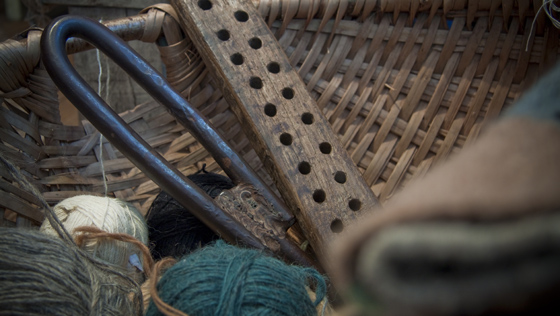
Folk traditions in the Neamț County area live on through the skill and dedication of traditional craftspeople. They create authentic works of traditional folk art that have served the needs of Romanian peasants over time and have now become decorative objects.
Leisure
The gondola lift and ski slope, together with the “Peste Vale” Tourism and Leisure Complex in Piatra Neamț, offer visitors enjoyable ways to spend their leisure time. There are also leisure activities on Izvorul Muntelui Lake near Bicaz.
We invite you to visit Neamț County, see the monasteries, museums, memorial houses and Neamț Citadel, follow the mountain trails and admire the natural beauty of this remarkable place.
More on the same topic
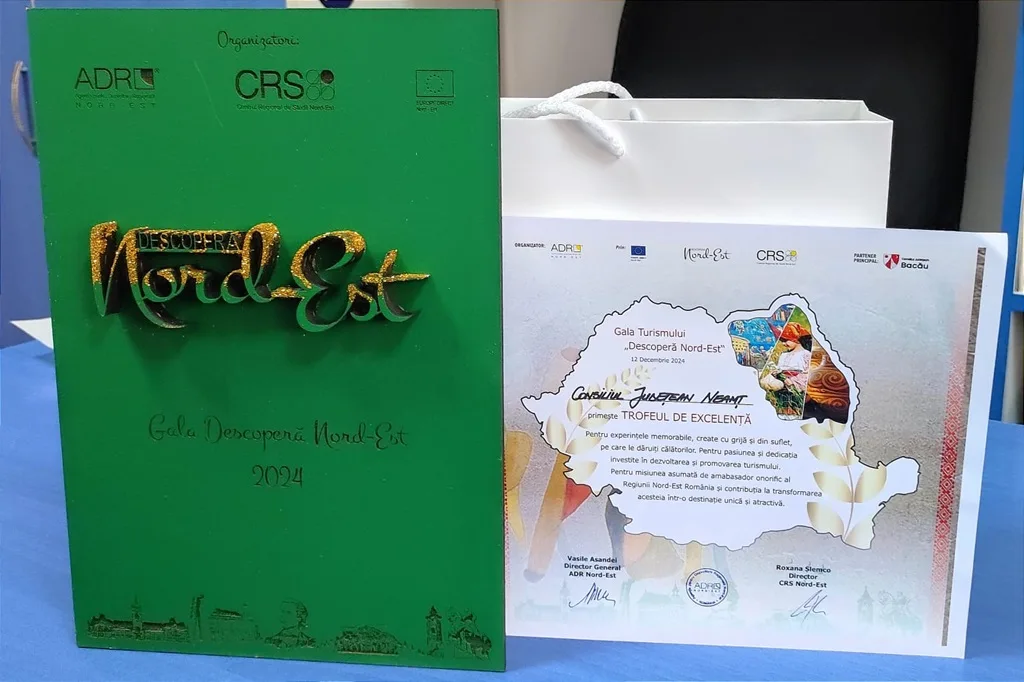
Neamț Awards at the Discover North-East Tourism Gala, 2024
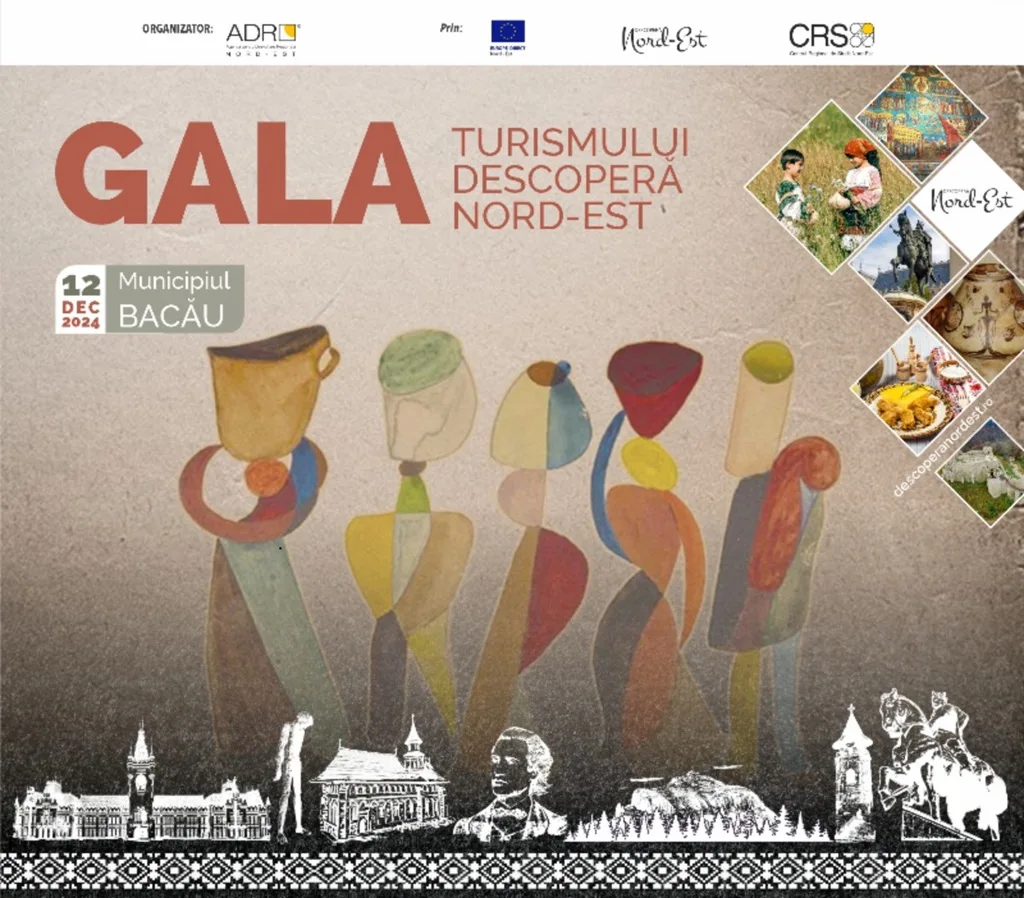
The awards were presented at the 9th edition of the Discover North-East Tourism Gala on December 12, 2024: Newcomer – Award for new locations/attractions/tourist products or emerging tourist destinations: Zenzia Glamping Piatra-Neamț. Poem Rural Piatra-Neamț.
Excellence in Developing Tourism in Neamț at the 9th Edition
On December 12, 2024, we celebrate the tourism initiatives of Neamț County, alongside those from the North-East Region of Romania—a uniquely beautiful and rich area that deserves to be discovered by tourists.
Nominations for Destination of the Year 2025
In the category Enchanted Realms – Geographical areas or localities with a rich treasure of nature, history and tradition our proposal is: The city of Bicaz and its surroundings.