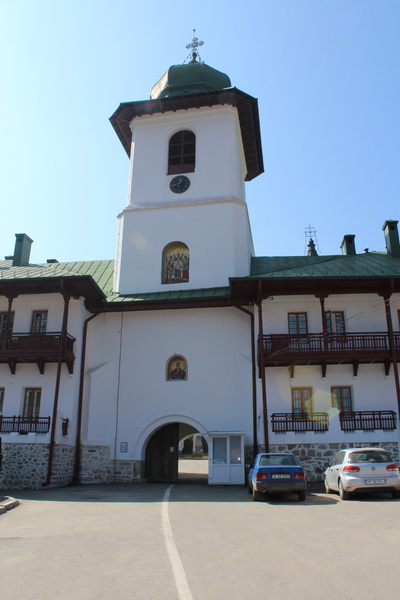
Peace and splendor. Agapia Monastery – a place of rest for souls
In the place where faith blends with kindness and sanctity meets generosity, God dwells among people. Here, time passes more slowly, yet it passes cleansing your soul of daily burdens, and you truly seem to hear the ancient call towards highly prized virtues.
This place is the old Agapia Monastery, standing unshaken like an eagle guarding its lofty territory inherited from ancestors. When the soul is in need of guidance, when times are turbulent and clarity and lucidity are required, you can come here. The gate is always open.
Here, at Agapia Monastery, the monastic community lives independently and manages its own household, and the nuns who live here embody some of the finest virtues. The surrounding area, as well as the monastery, took the name Agapia from the monk Agapie, who in the 14th century built a wooden church in this part of Neamț.
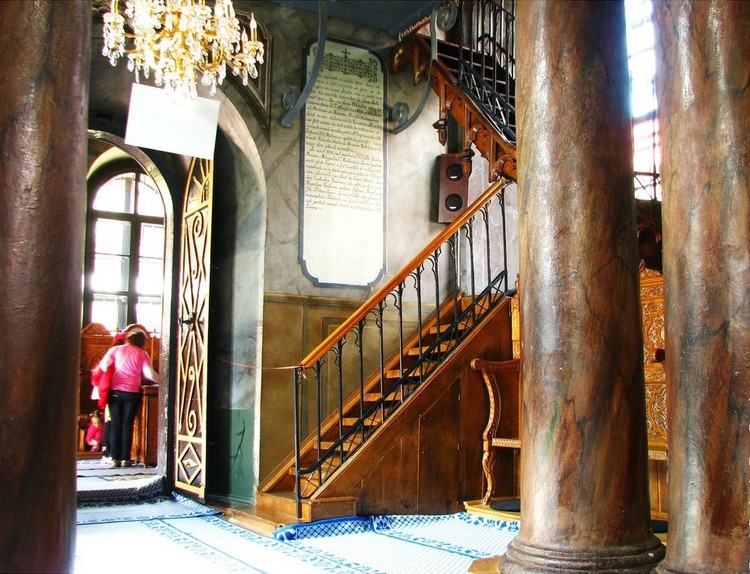
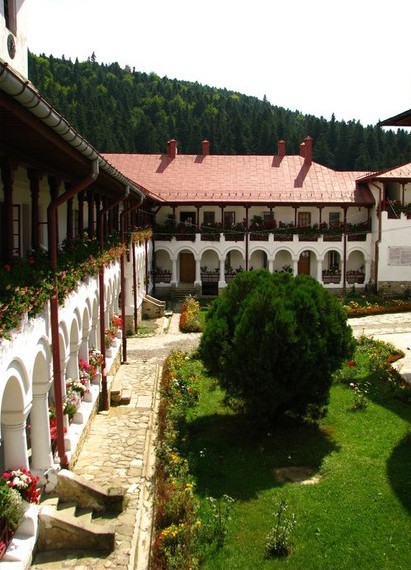
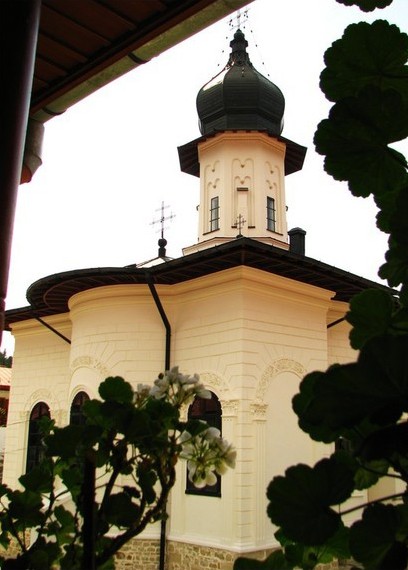
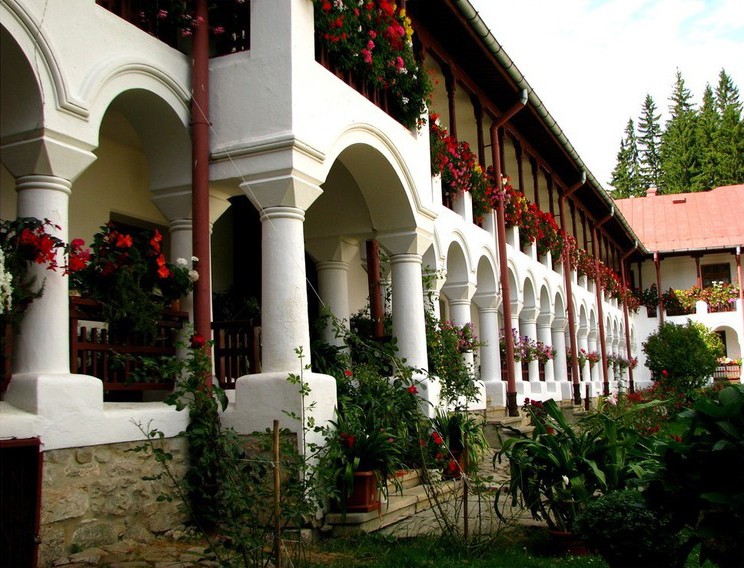
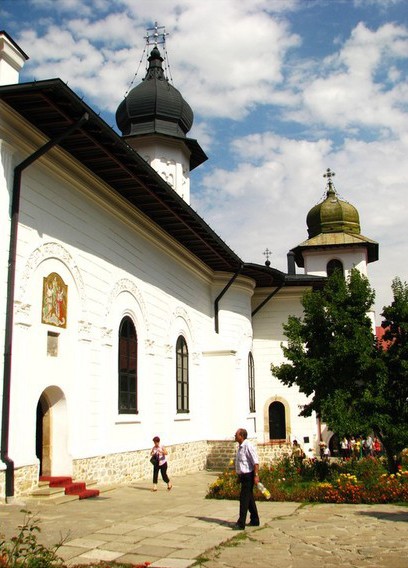
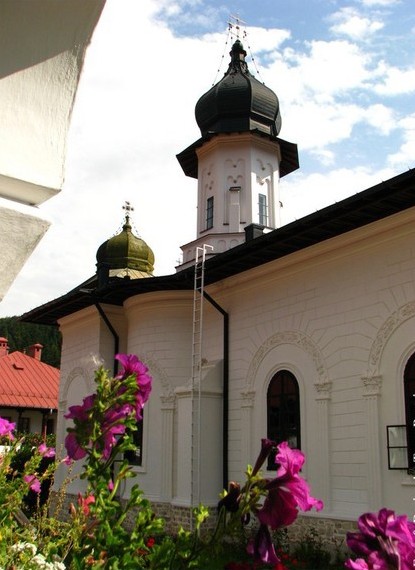
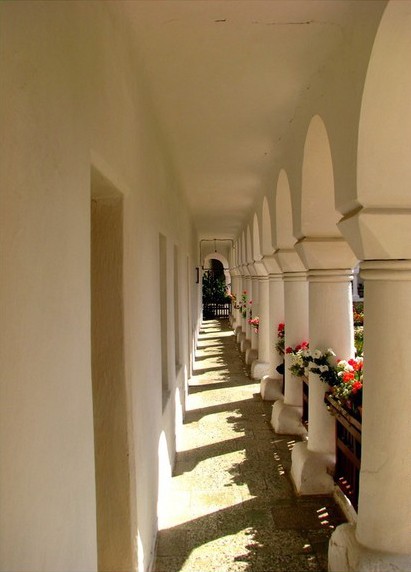
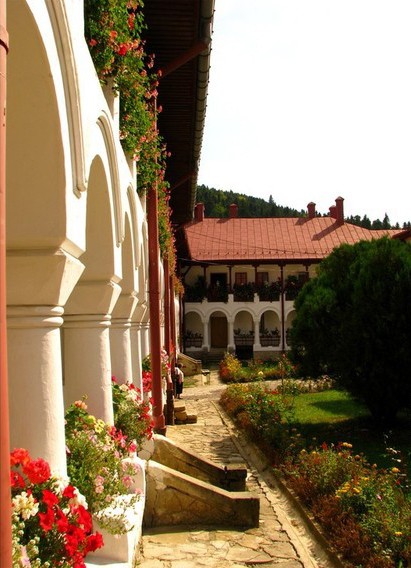
Designed by architect Ionasc Ctisi, the church within Agapia Monastery was built of stone and brick, following a trefoil plan with a tower over the nave, between 16 October 1642 and 3 September 1644, during the reign of Prince Vasile Lupu and at the expense of Hetman Gavriil and his wife Liliana. Between 1644 and 1647 the cells forming the monastery enclosure were constructed, along with the bell tower to the east, a massive granite structure.
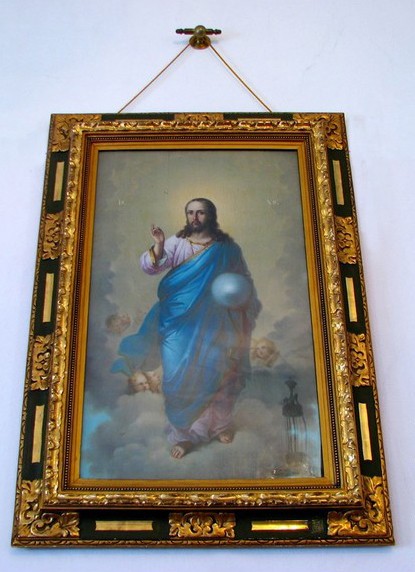
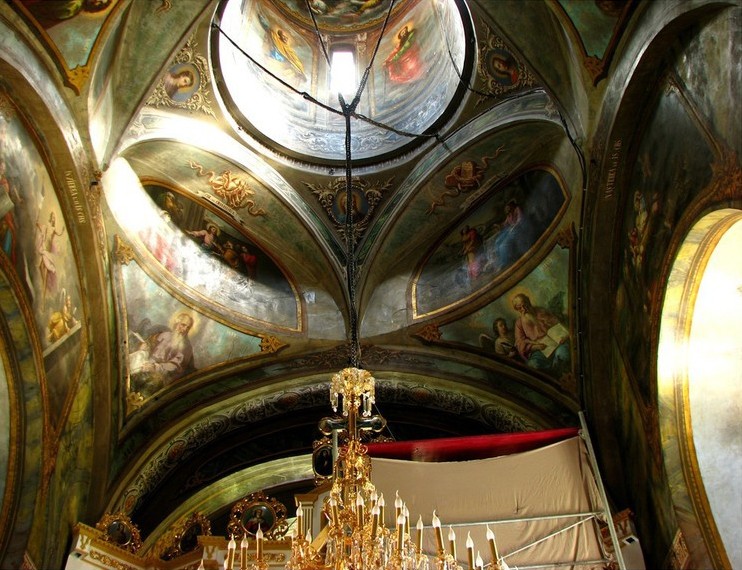
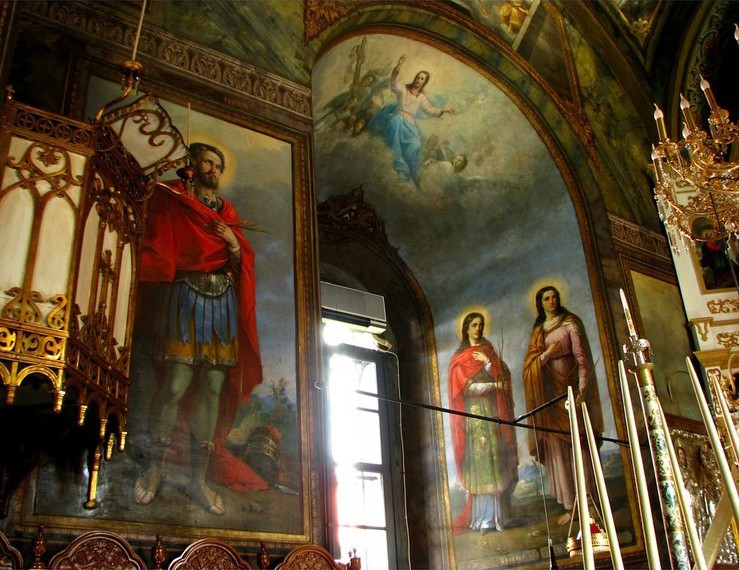
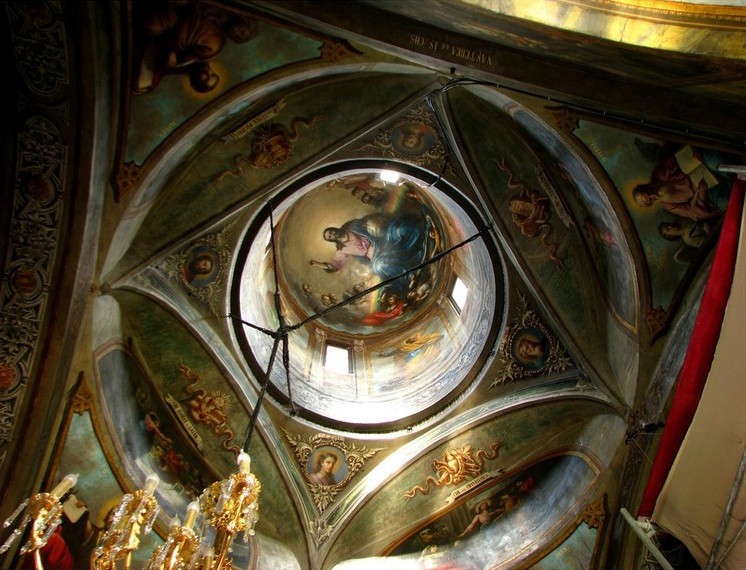
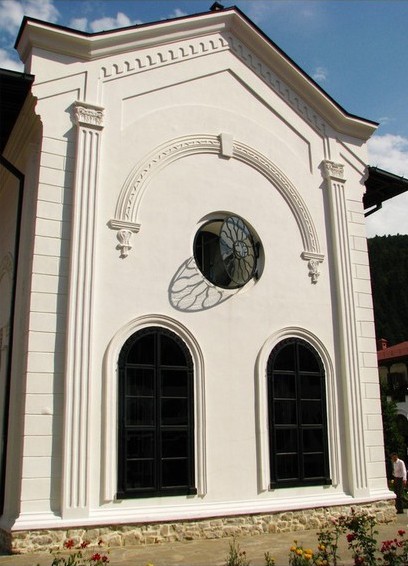
A genuine architectural jewel that blends Byzantine features with neoclassical style and Romanian art, the monastery was painted by Nicolae Grigorescu in 1858. The paintings at Agapia Monastery have particular artistic value because they are imbued with a strong sense of realism, authenticity and life. Grigorescu’s masterwork consists of three paintings: the portrait of Saint George on the altar door, the Entry into Jerusalem and the Mother of God with Jesus in her arms. Christ Pantocrator is painted in the dome over the nave, enthroned on a rainbow that highlights the Romanian tricolour.
The paintings of the Apostles Peter, Andrew, Paul and John on the dome’s cylindrical drum, between four windows, use thick oil paint and confident lines.
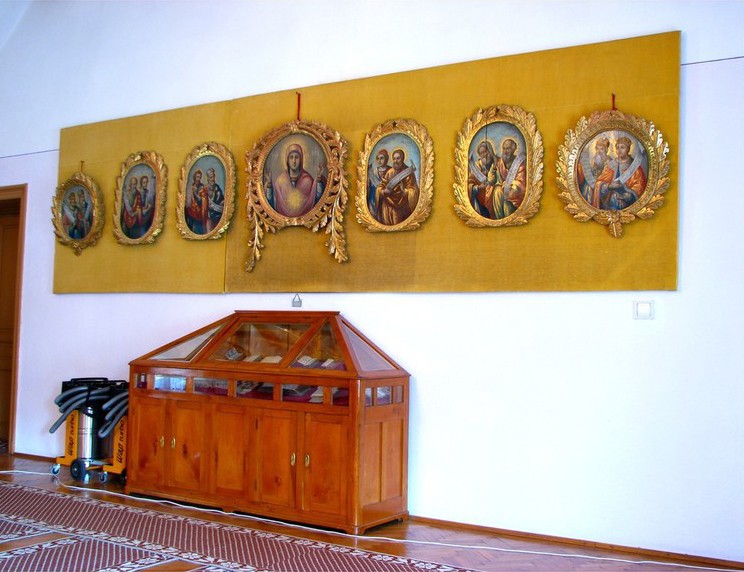
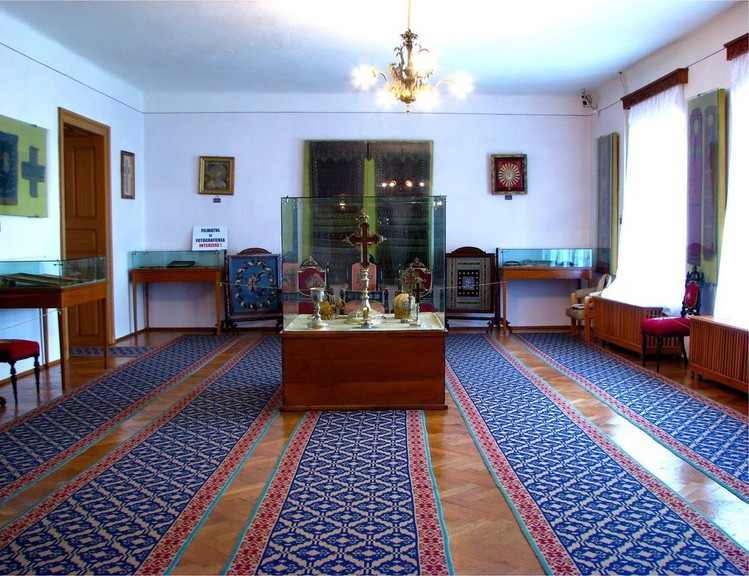
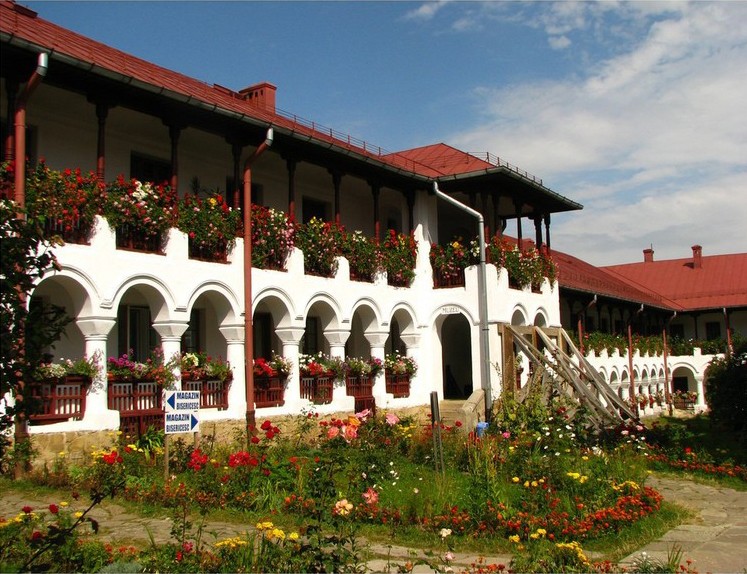
In the holy Agapia Monastery we find an impressive museum collection of medieval and religious art as well as a library that holds old books and manuscripts, and the memorial house Alexandru Vlahuță is located behind the monastery and can be visited at any time. The monastic village is especially picturesque in every season. In summer the houses are full of colourful flowers and in winter the lanes of Agapia are covered with snow, giving the place an archaic feel.
Photos from Agapia Monastery
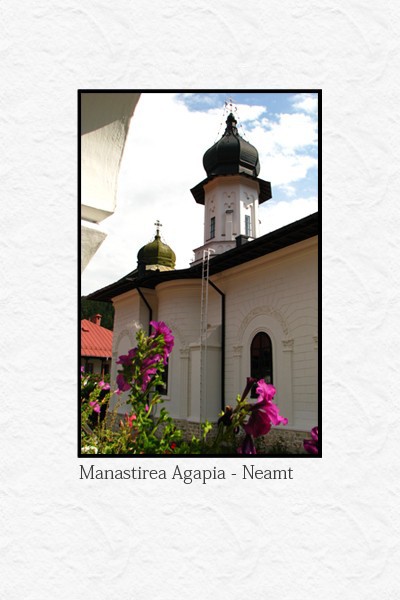
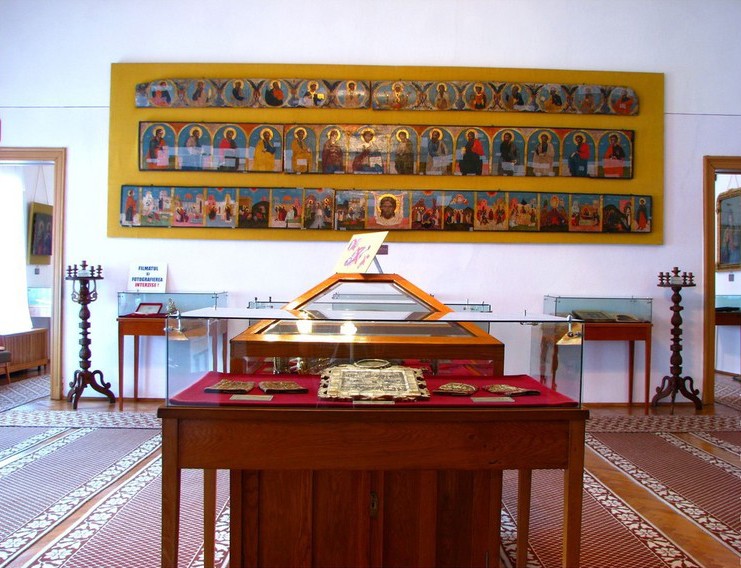
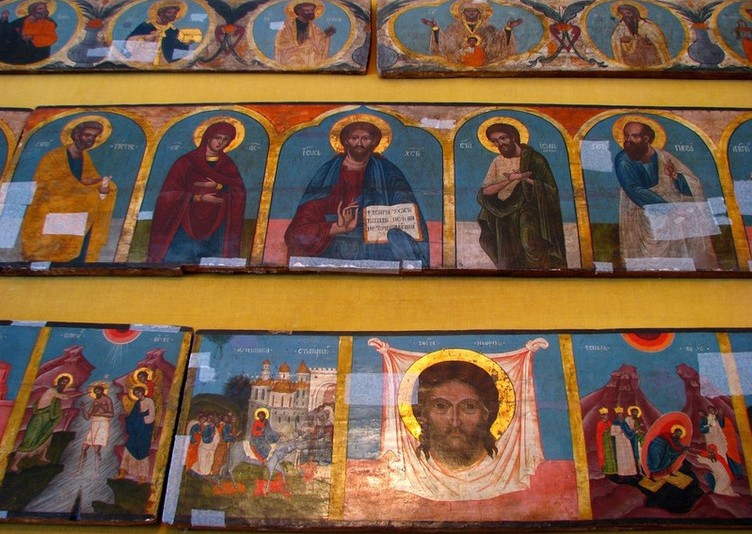
Click here to see all albums
More on the same topic

Ethnographic museums, treasures of local history and traditions
Ethnographic museums are true treasures and expressions of love for traditions, folklore, and spirituality of the places, and so is the Ethnographic Museum Casa Bunicilor in the village of Mitocul Bălan, Crăcăoani commune.

Neamț receives five nominations across four categories in Destinația Anului
We have good news for everyone who loves Neamț County and all its beauty: it is among the finalists in the Destinația Anului 2024 competition, with five nominations across four categories: Piatra Neamț in the Inspiring Cities category.

The Story of the Seven Miraculous Icons of the Holy Virgin and Saint Anne from Neamț Land
Renowned not only for its beauty and historical significance but also called the “Jerusalem of Romanian Orthodoxy,” Neamț Monastery houses the miraculous icon of Virgin Mary with three hands…