The Light of the Resurrection at the monasteries of Neamț
The Light of the Resurrection at the monasteries of Neamț
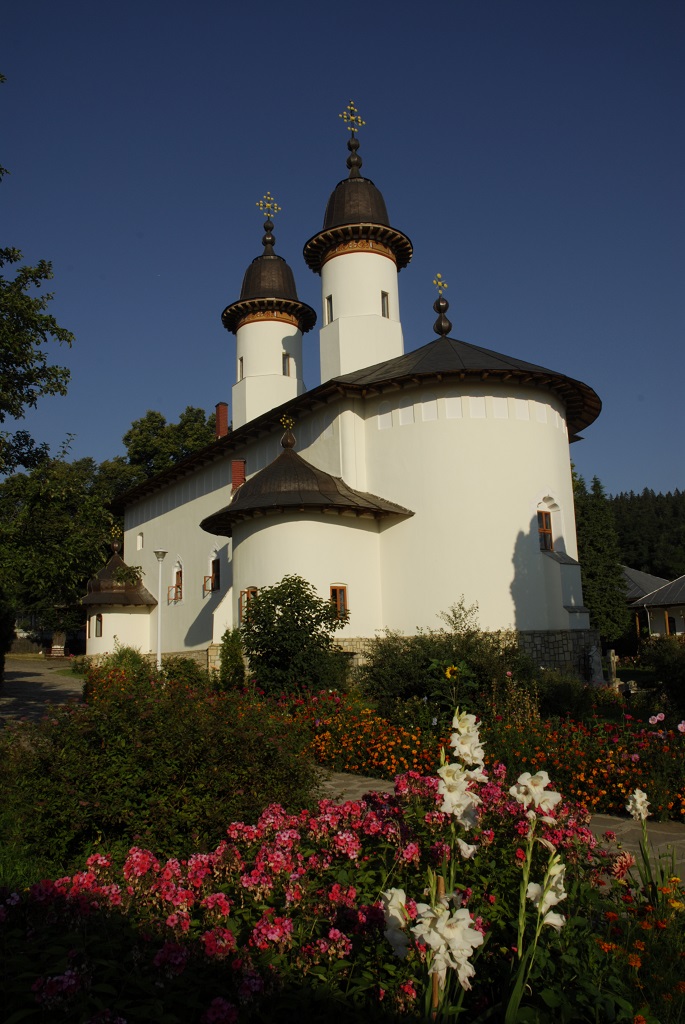
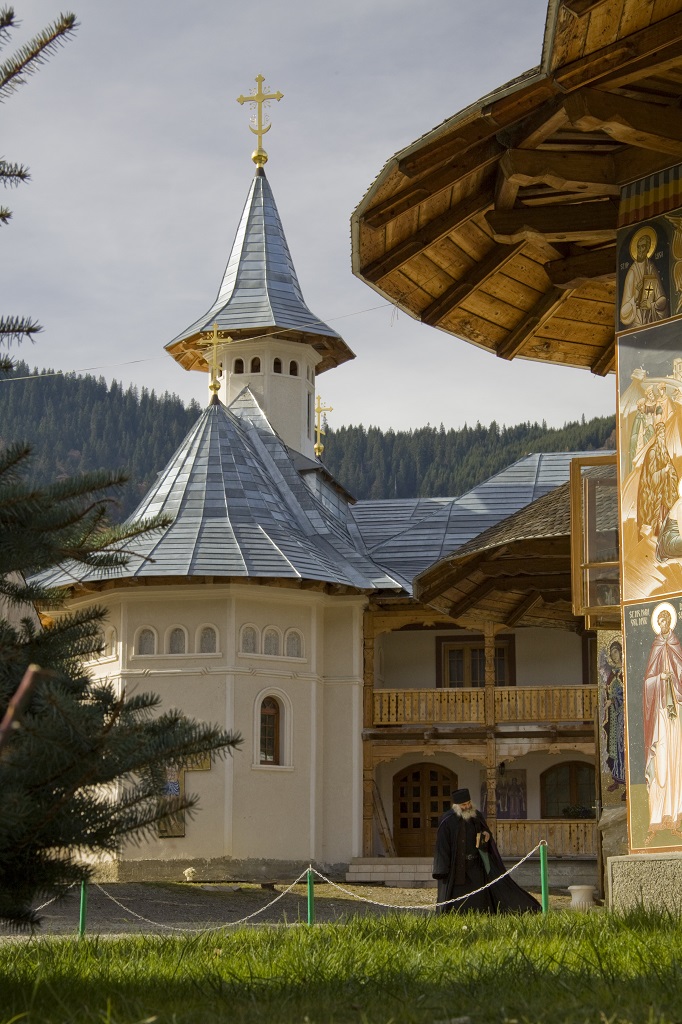
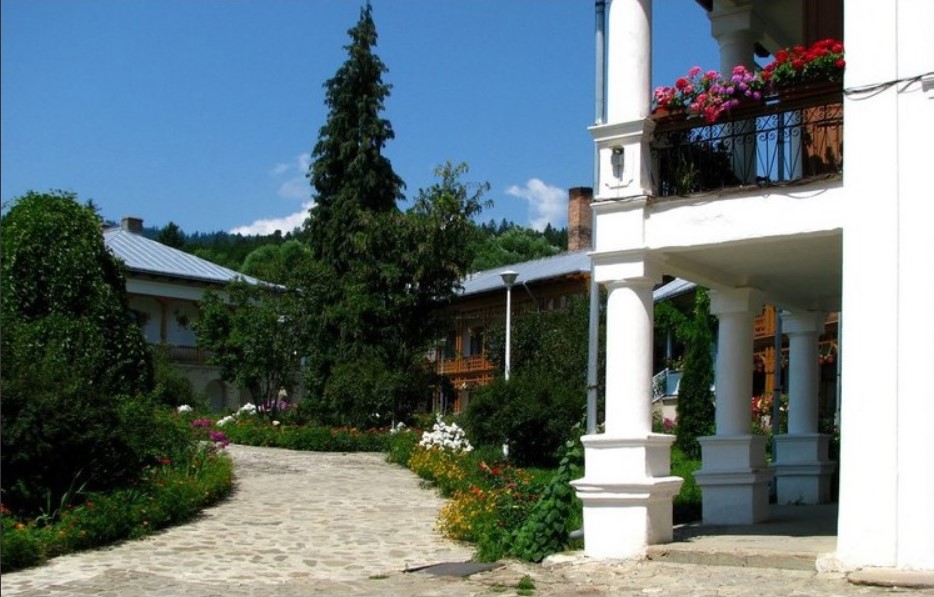
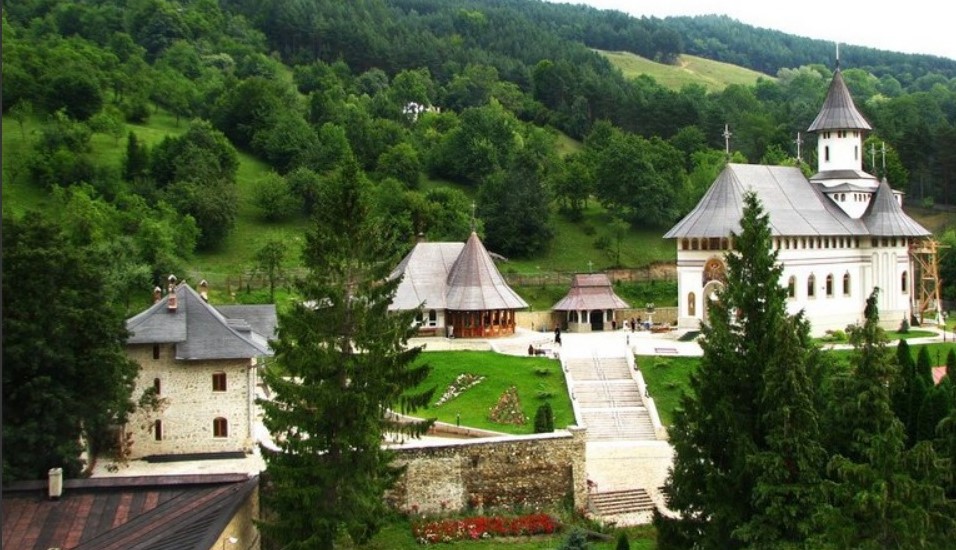
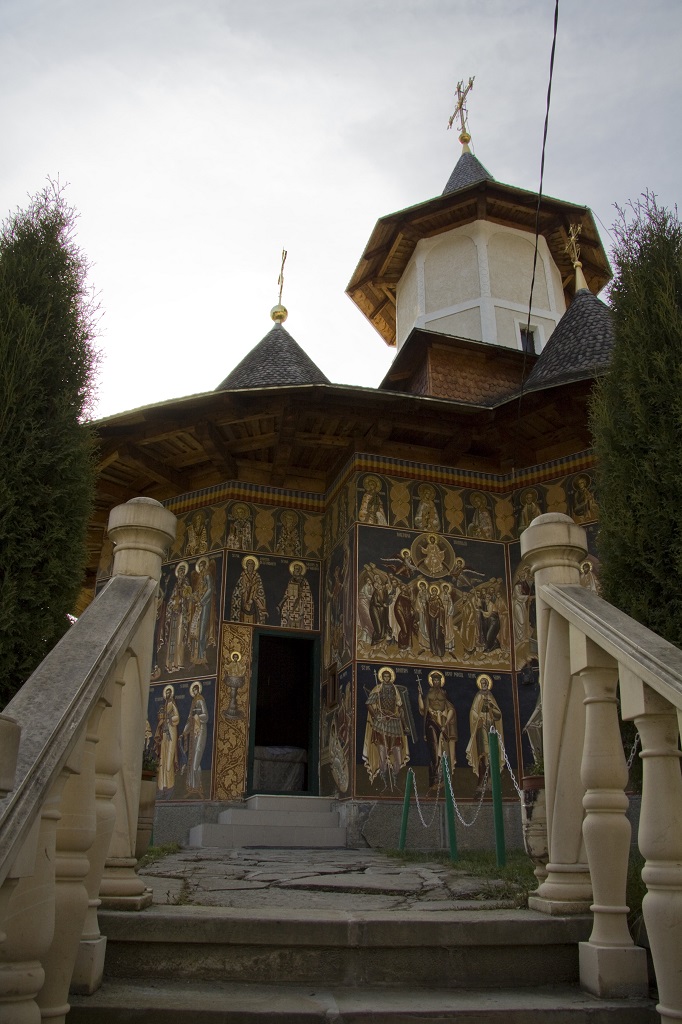
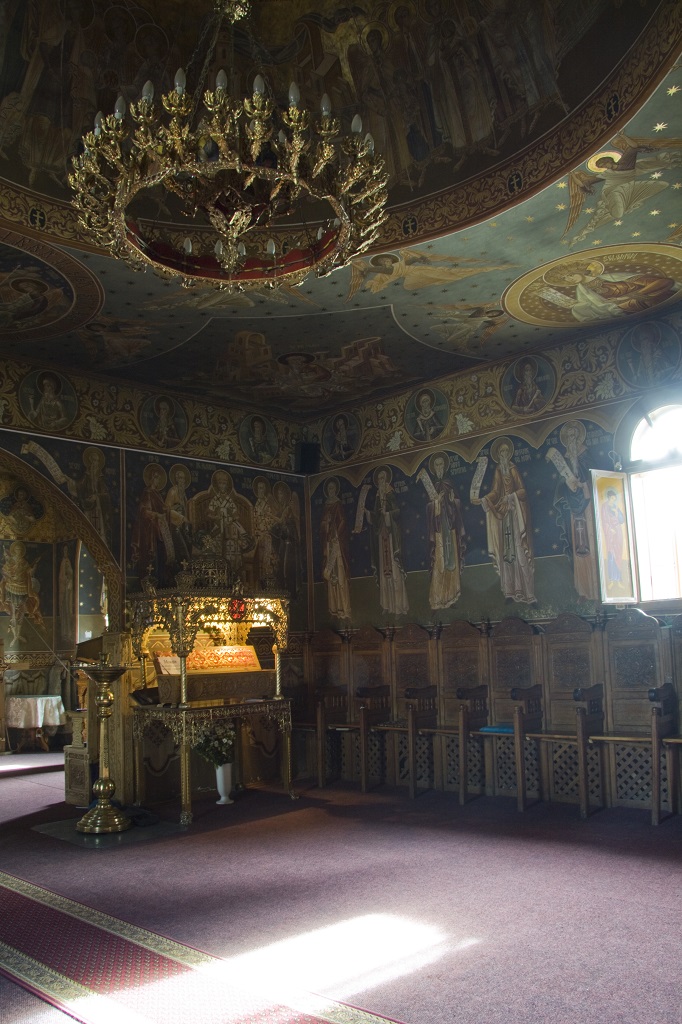
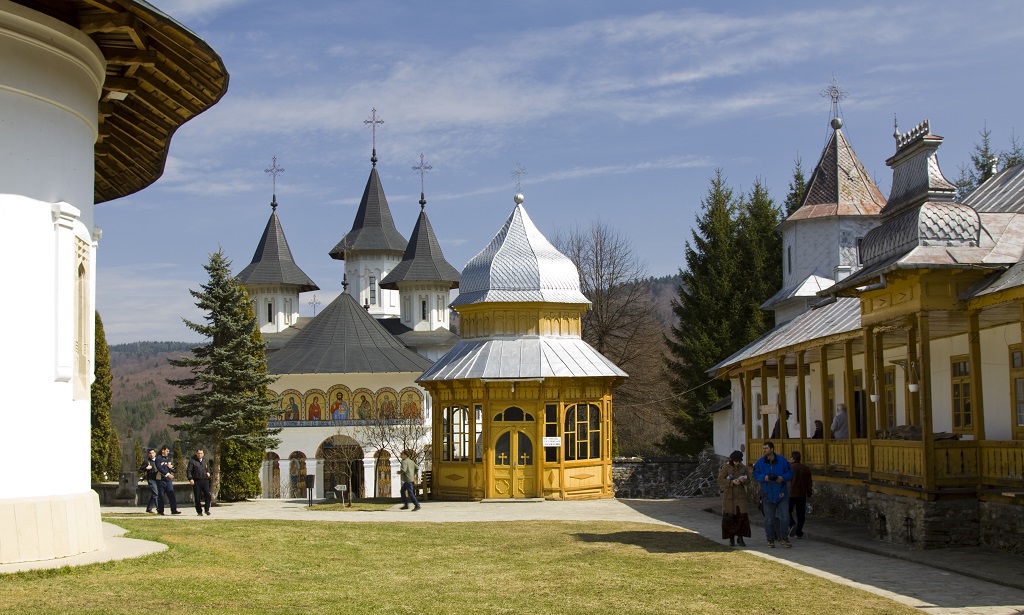
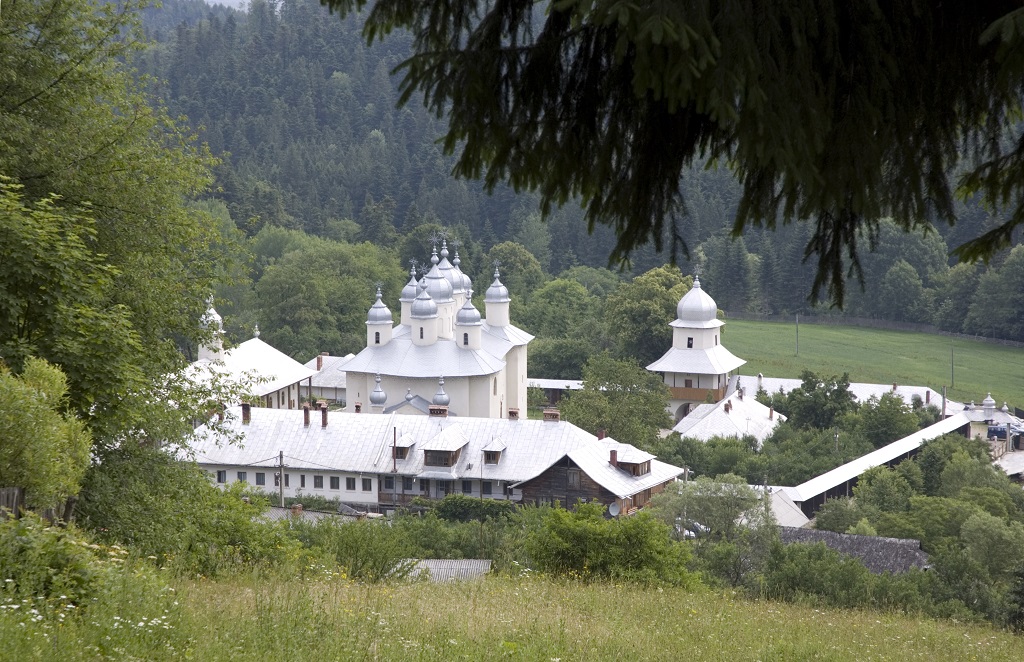
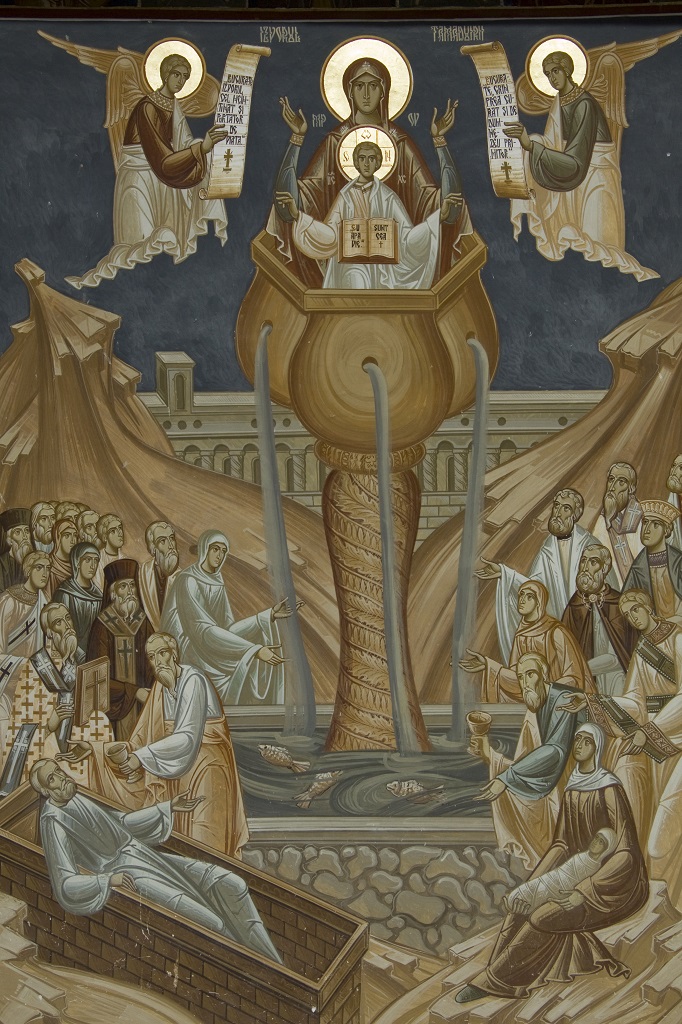
The Easter traditions and customs of Moldavia, together with the beauty of the renowned monasteries of Neamț, true centres of faith and spiritual life, make the feast of the Lord's Resurrection a unique spiritual experience that brings thousands of pilgrims together year after year.
Many say that here, in these holy places, the joy of the Resurrection is felt differently, more intensely and more deeply, as a profound peace and fulfilment that words cannot describe.
Easter, Christianity's oldest and most important feast, brought the world the hope of salvation and eternal life. Through His supreme sacrifice, Iisus Hristos embodies absolute love for humanity, and as Saint Iustin Popovici said, “the whole history of Christianity is nothing other than the history of a single, unique miracle, the miracle of Christ's Resurrection, which continues unceasingly in the hearts of Christians day after day, year after year, century after century, until the Second Coming.”
Delicious sweet loaves filled with plenty of walnuts are also a staple of traditional Romanian tables at Easter.
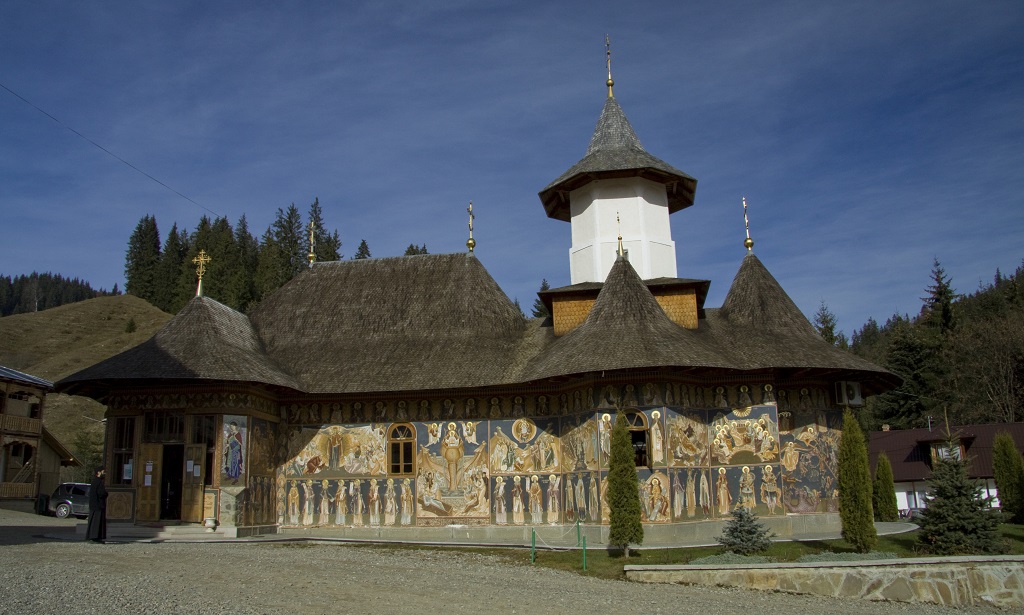
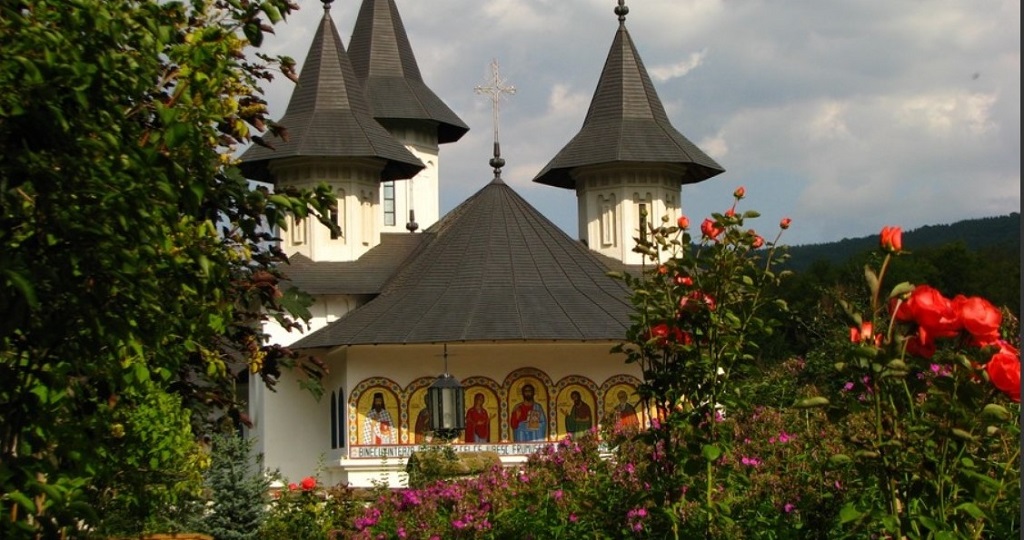
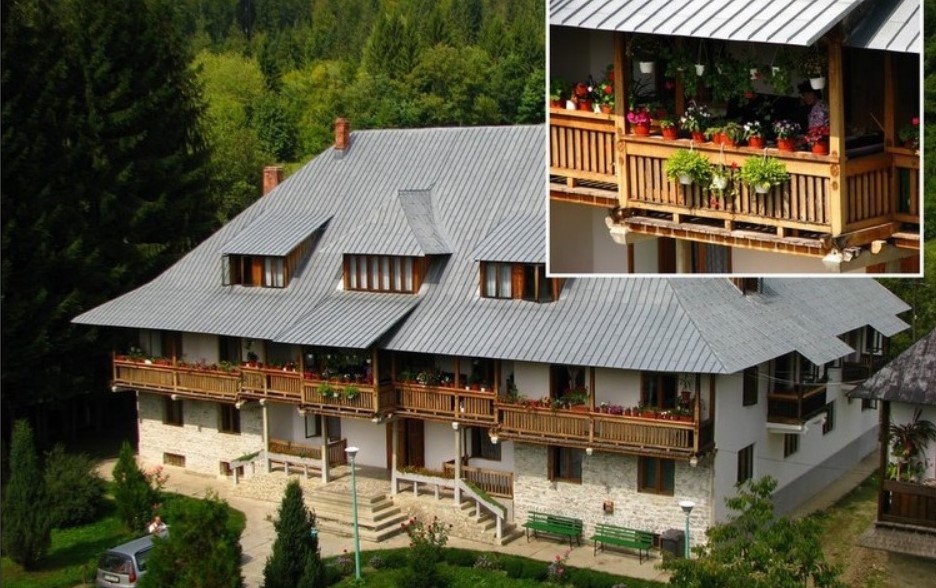
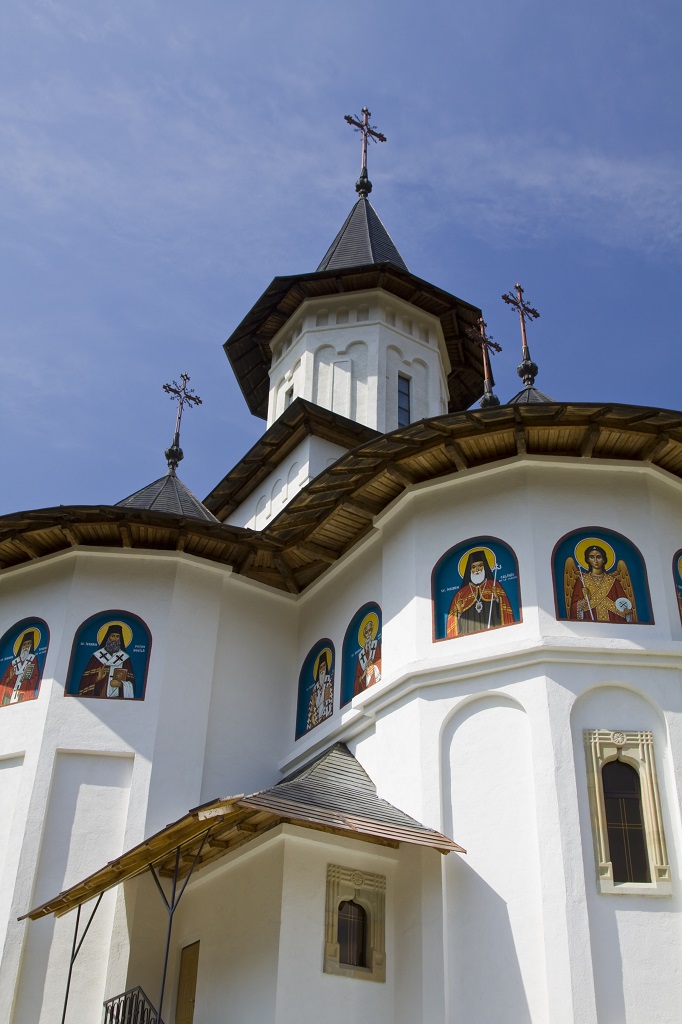
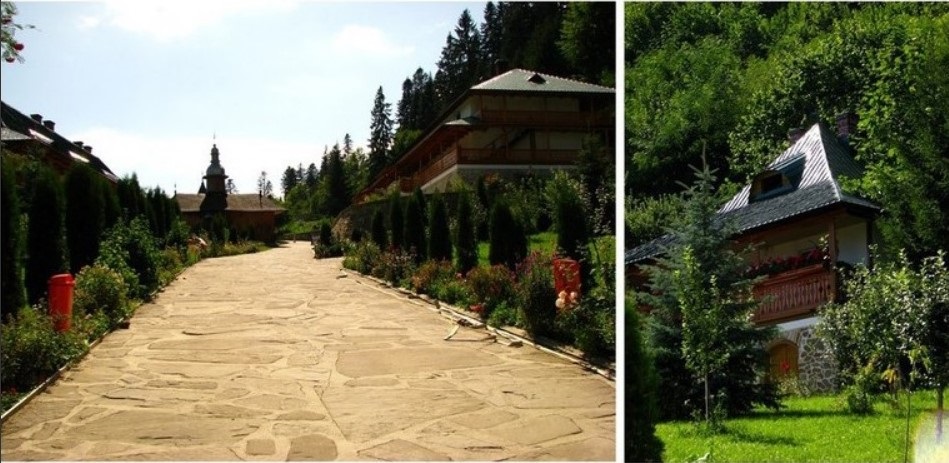
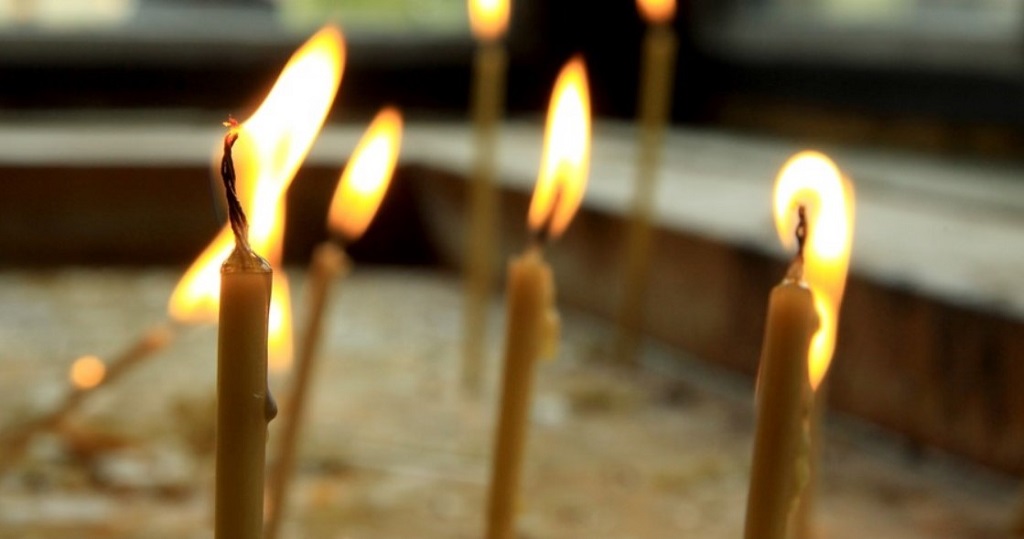
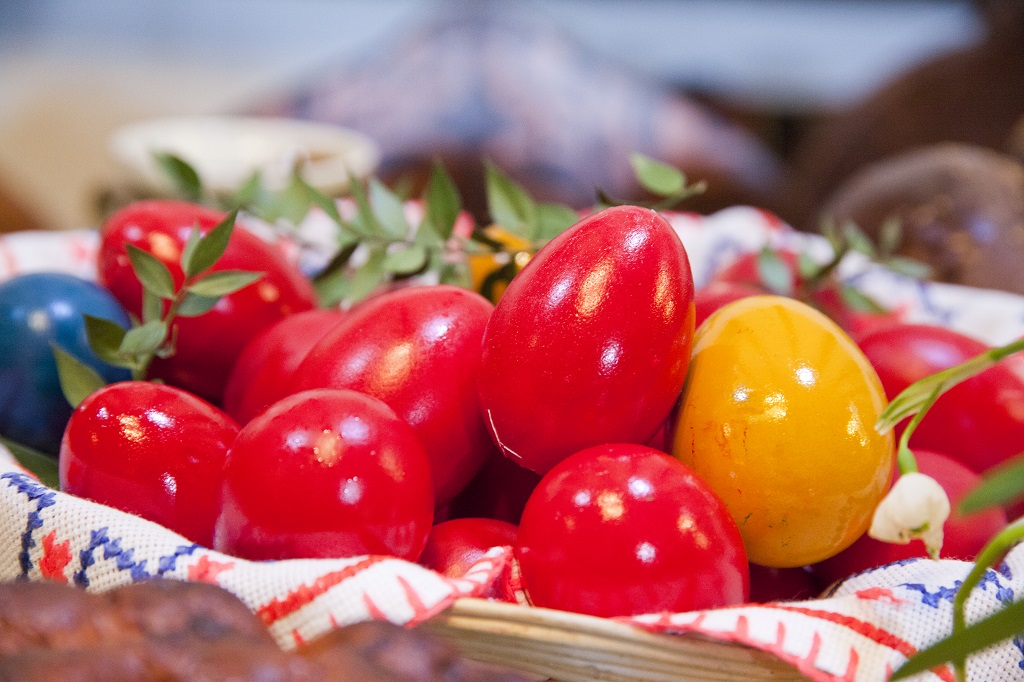
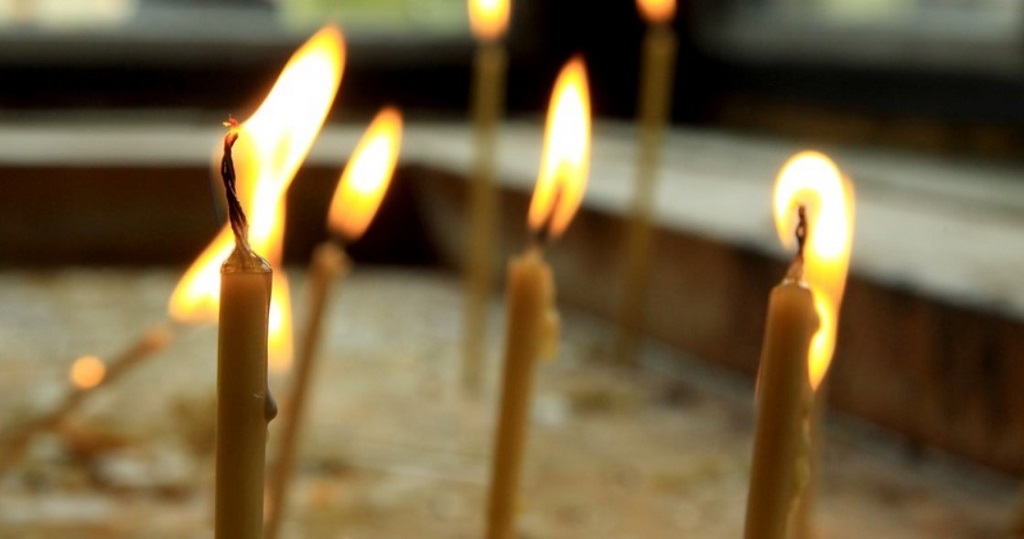
In Neamț, after the Resurrection service, the region becomes a magical scene filled with little lights: following an ancestral custom, people visit cemeteries and place candles on graves to share the Light with those who have passed away, then return home carrying the light of the Resurrection in their hands. The candles from this holy night are carefully kept throughout the year and lit only when great hardship strikes. The ritual of washing the face and hands with red eggs and coins on Easter Sunday is also faithfully observed; later, at the traditional meal of Easter foods, the first custom is to tap Easter eggs together.
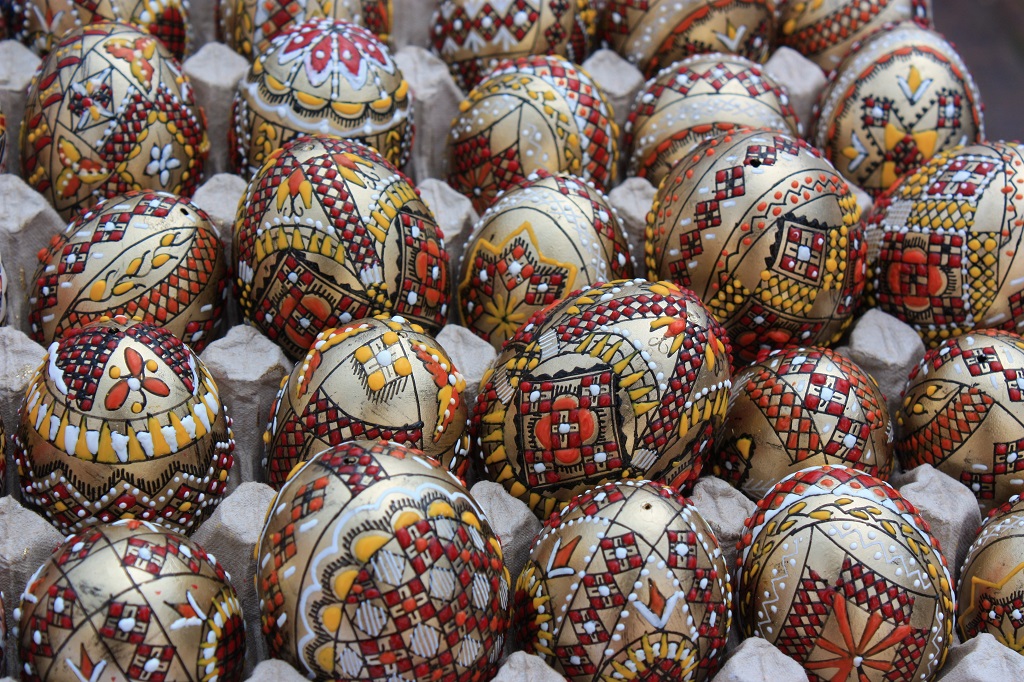
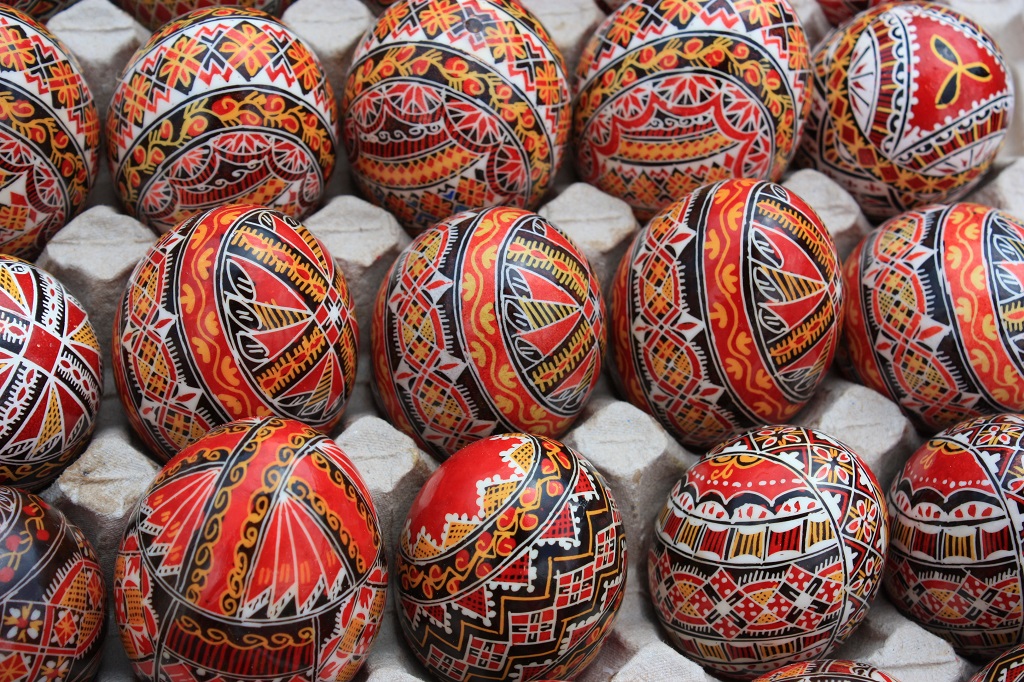
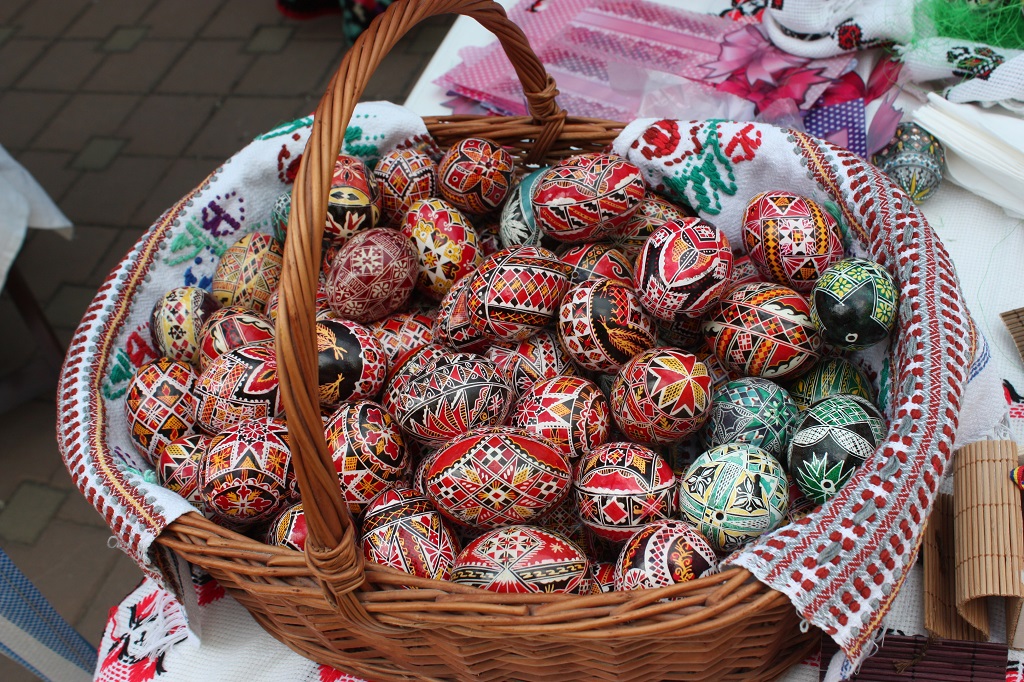
Baked on Maundy Thursday or Holy Saturday, the Easter bread made with wheat flour and cheese is the most significant baked dish, shaped either round or square, like the tomb in which the Saviour was laid. This Easter bread is also baked on Saint Gheorghe's Day, Ascension Day or Pentecost. After these days, however, it is not made again until the following Easter.
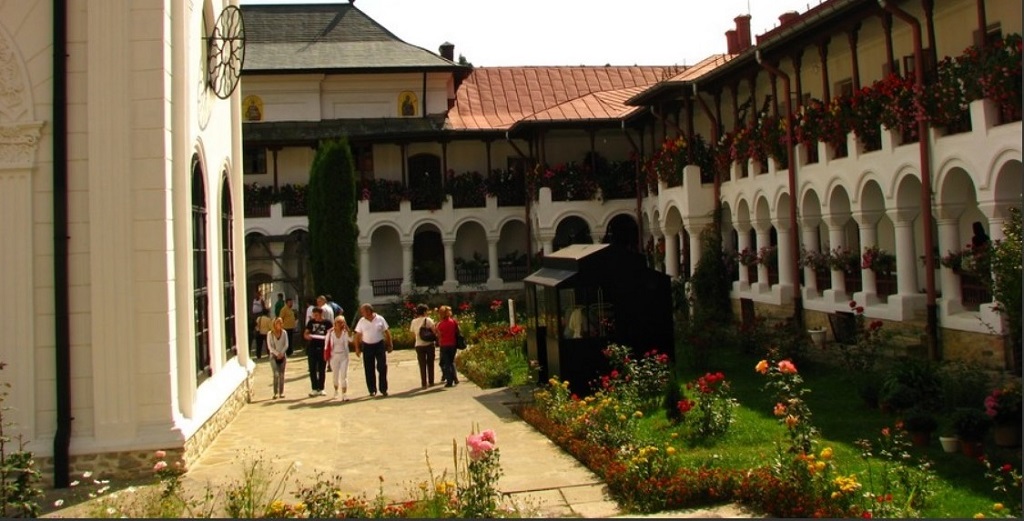
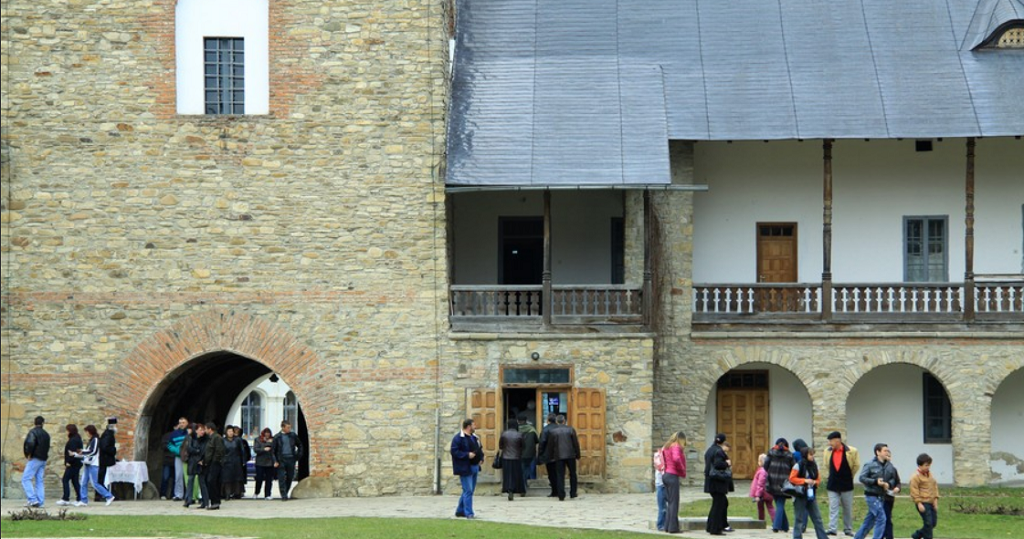
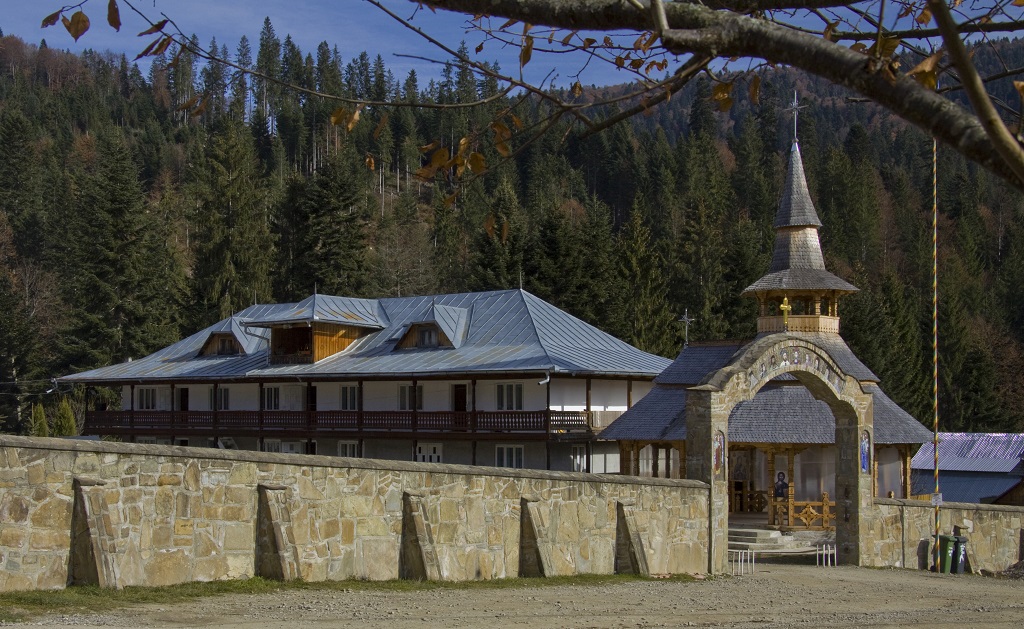
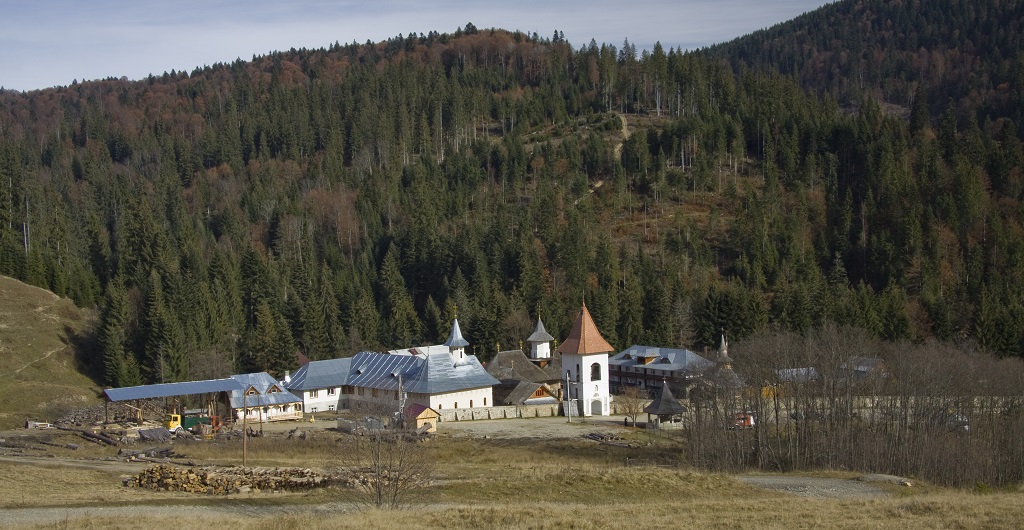
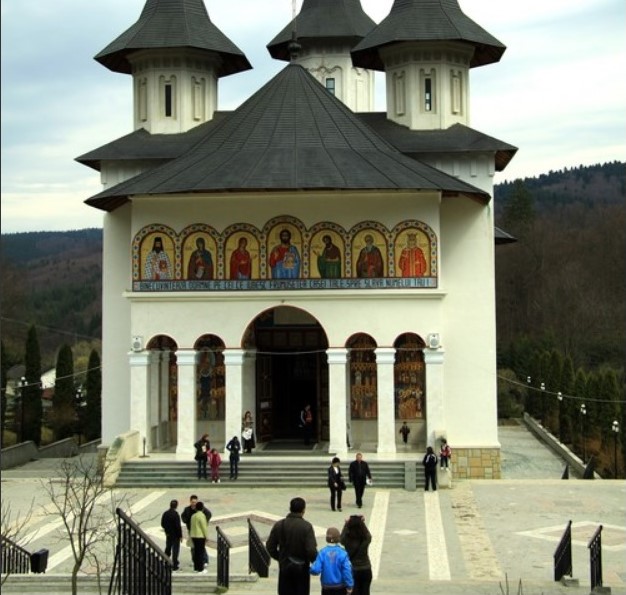
Whichever holy place you choose to receive the Light of the Resurrection, whether you visit Neamț Monastery, the oldest monastic settlement, also known as the “Jerusalem of Romanian Orthodoxy”, Sihăstria Monastery, where some of the country's greatest spiritual fathers lived, or the monasteries of Agapia, Văratec, Petru Vodă, Pângărați and many other holy places, churches and hermitages, what matters is that you truly believe in the words of Christ the Saviour: “I am the Resurrection and the Life; whoever believes in Me, even if they die, will live. And whoever lives and believes in Me will never die.”
More on the same topic
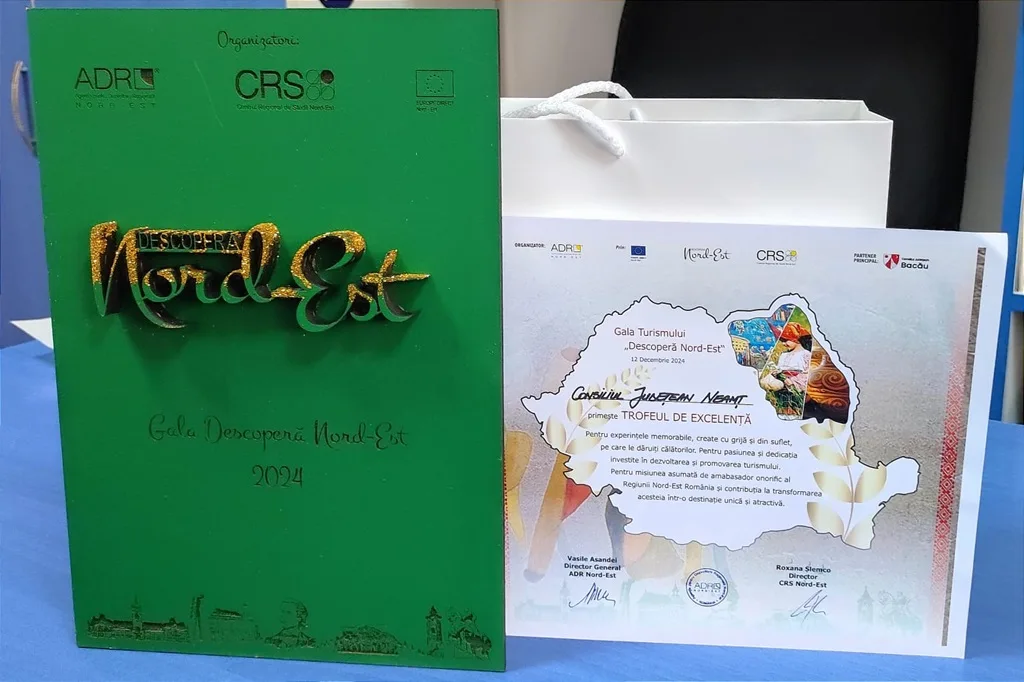
Neamț Awards at the Discover North-East Tourism Gala, 2024
The awards were presented at the 9th edition of the Discover North-East Tourism Gala on December 12, 2024: Newcomer – Award for new locations/attractions/tourist products or emerging tourist destinations: Zenzia Glamping Piatra-Neamț. Poem Rural Piatra-Neamț.
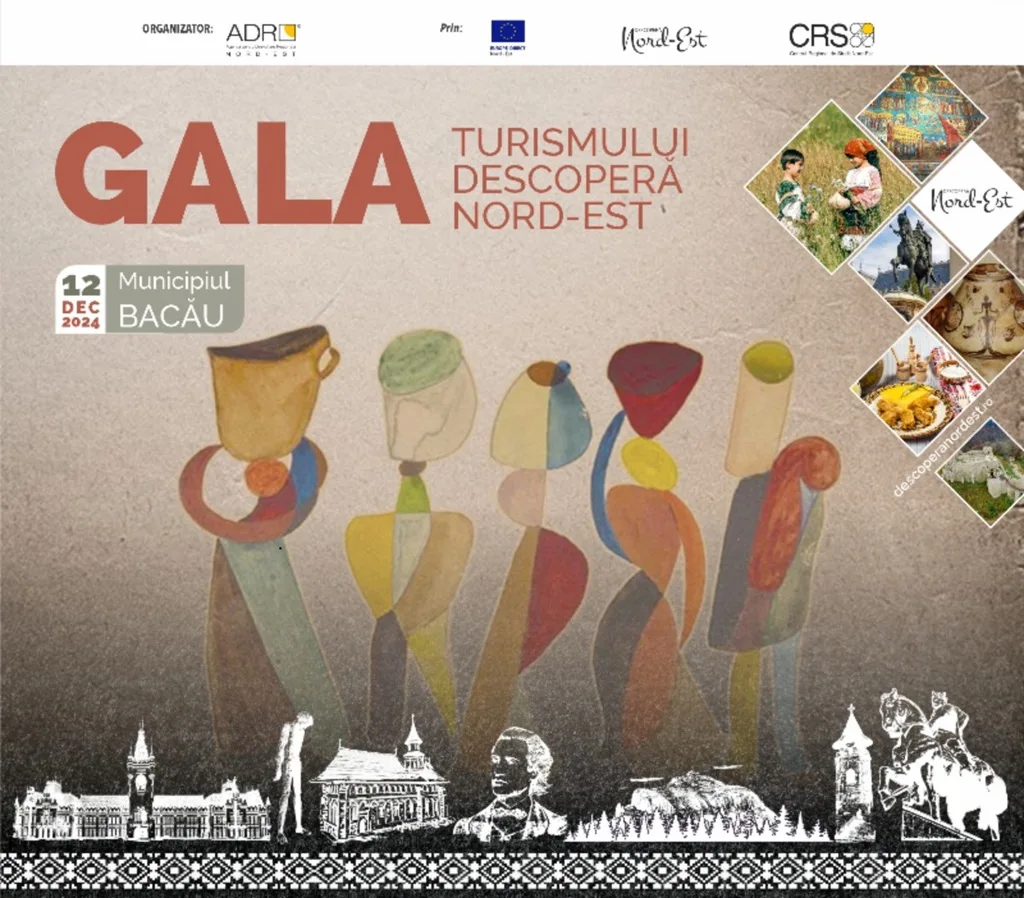
Excellence in Developing Tourism in Neamț at the 9th Edition
On December 12, 2024, we celebrate the tourism initiatives of Neamț County, alongside those from the North-East Region of Romania—a uniquely beautiful and rich area that deserves to be discovered by tourists.
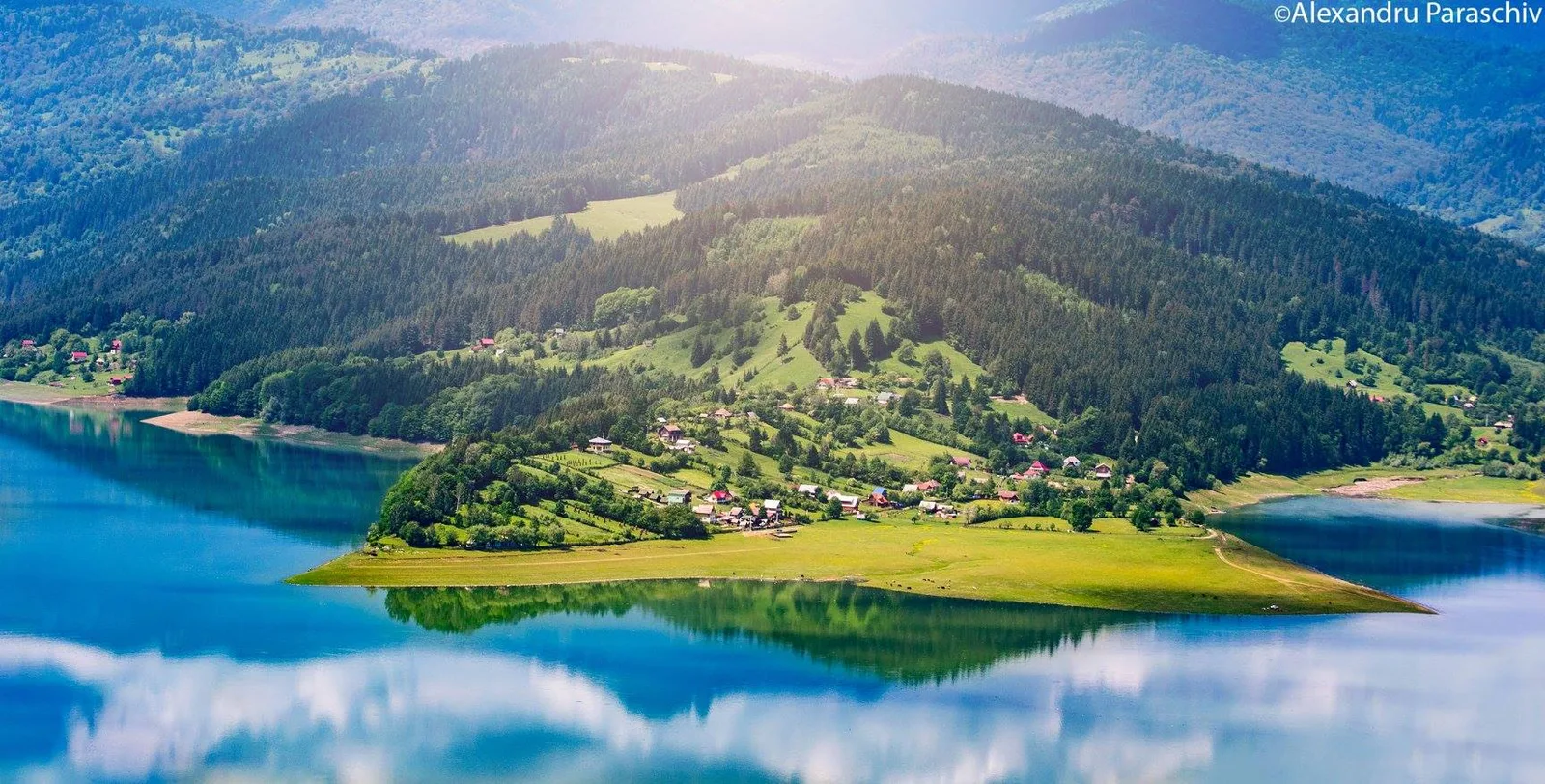
Nominations for Destination of the Year 2025
In the category Enchanted Realms – Geographical areas or localities with a rich treasure of nature, history and tradition our proposal is: The city of Bicaz and its surroundings.