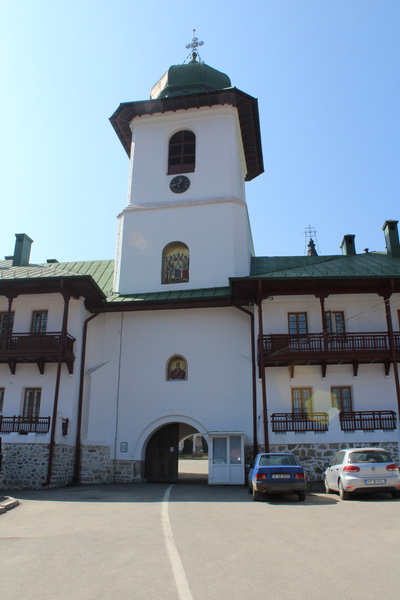
Agapia Monastery. Faith and Spiritual Peace
In the place where faith meets kindness and holiness joins generosity, God dwells among people. Here time passes more slowly but cleanses your soul of daily burdens, and you can truly hear the ancient call to highly prized virtues.
This place is the old Agapia Monastery, standing steadfast like an eagle proudly defending the territory inherited from its ancestors. When the soul is in need of guidance, when times are turbulent and clarity and lucidity are required, you can come here. The gate is always open.
Here, at Agapia Monastery, the monastic community lives and manages its own affairs, and the nuns uphold the finest virtues. The surrounding area, as well as the monastery, took the name Agapia from the monk Agapie, who in the 14th century built a small wooden church in this part of Neamț.
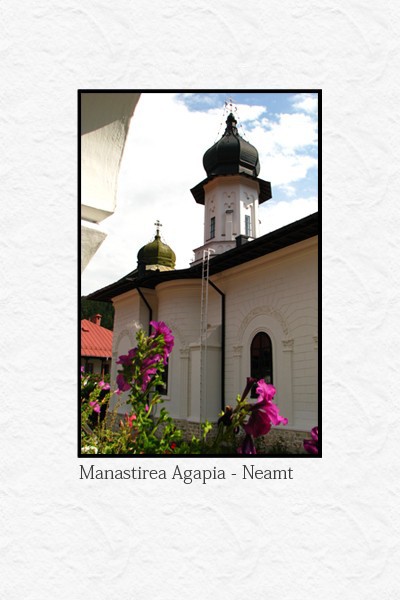
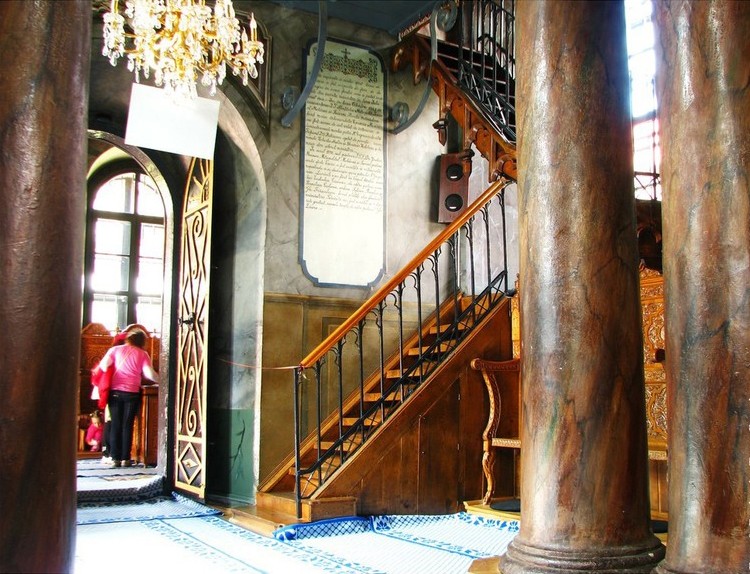
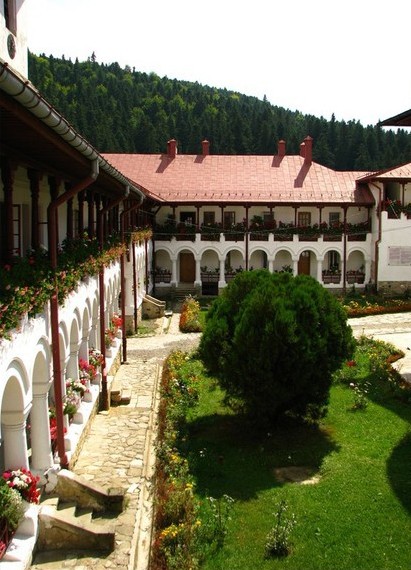
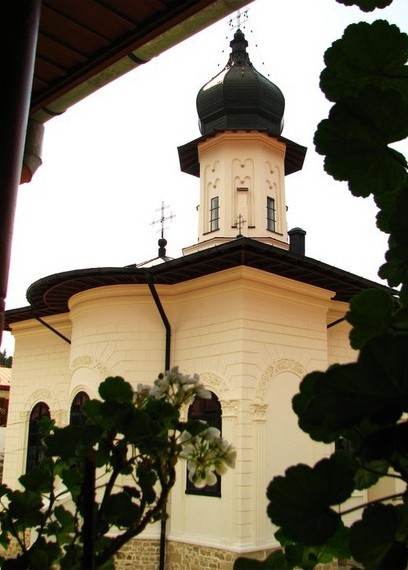
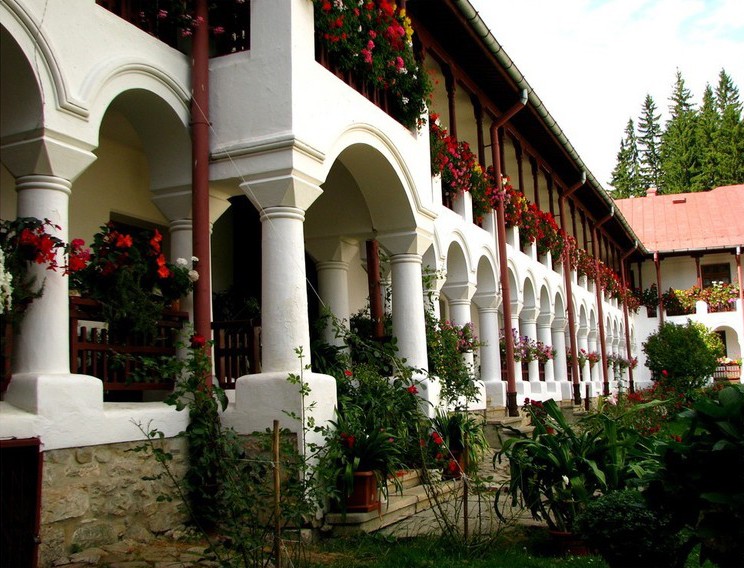
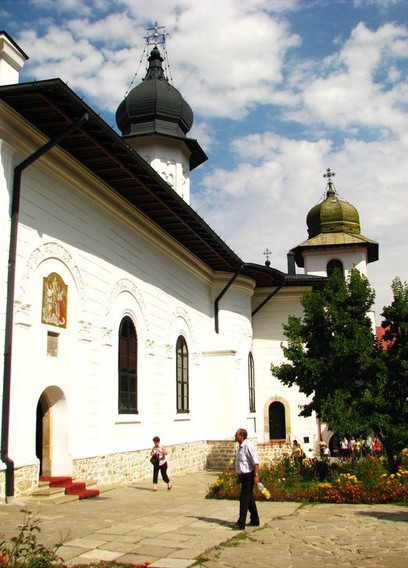
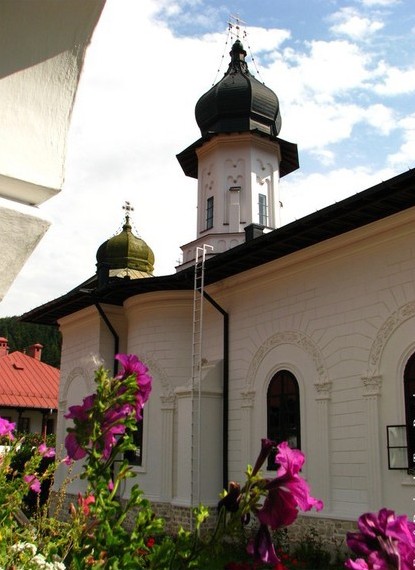
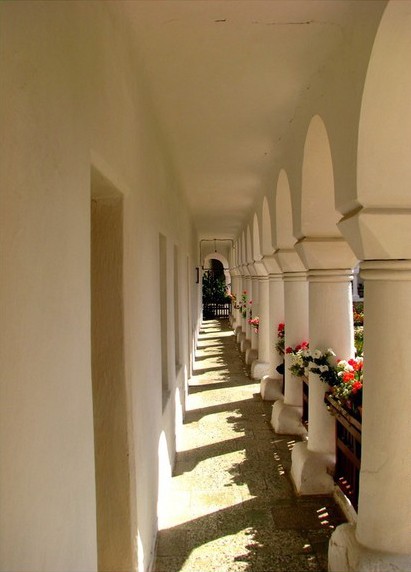
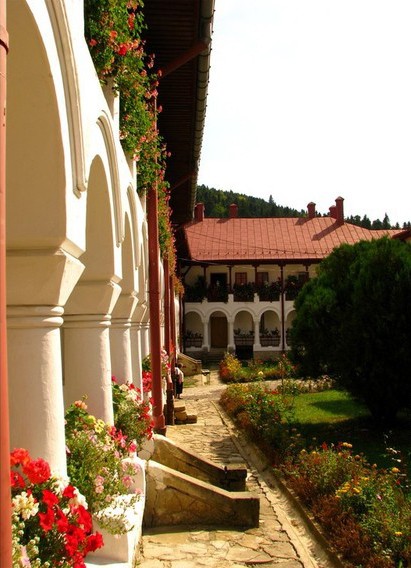
Designed by architect Ionasc Ctisi, the church within Agapia Monastery was built of stone and brick, on a trefoil plan with a tower over the naos, between 16 October 1642 and 3 September 1644, during the reign of Prince Vasile Lupu and at the expense of Hatman Gavriil and his wife Liliana. Between 1644 and 1647, the cells forming the monastery enclosure were constructed, along with the bell tower to the east, a massive granite structure.
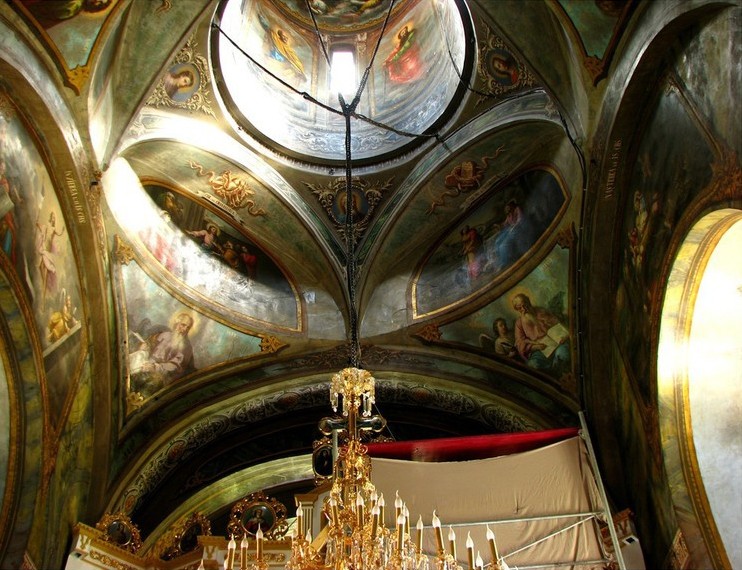
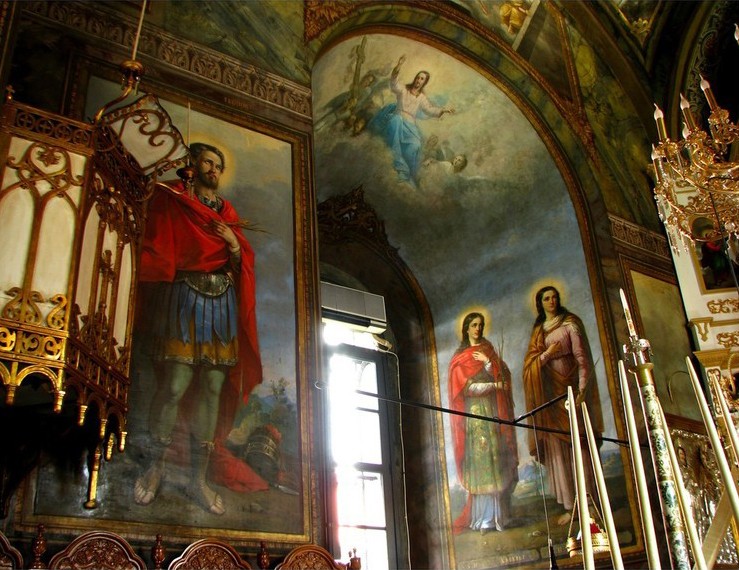
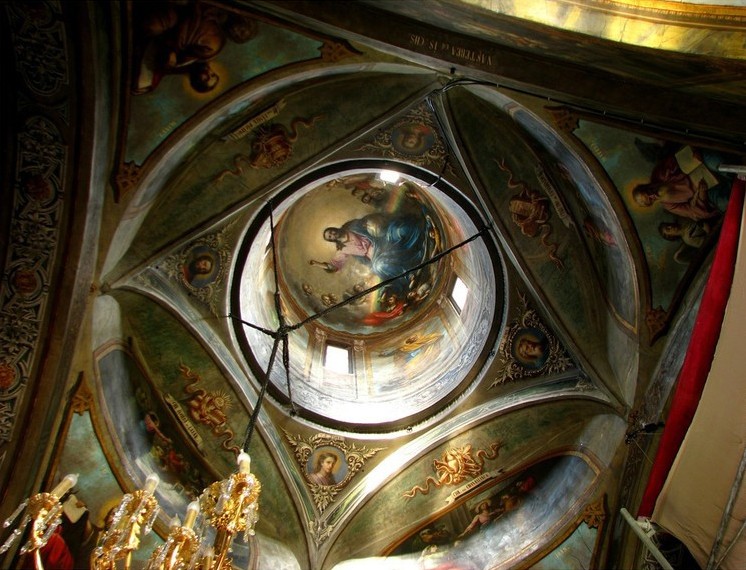
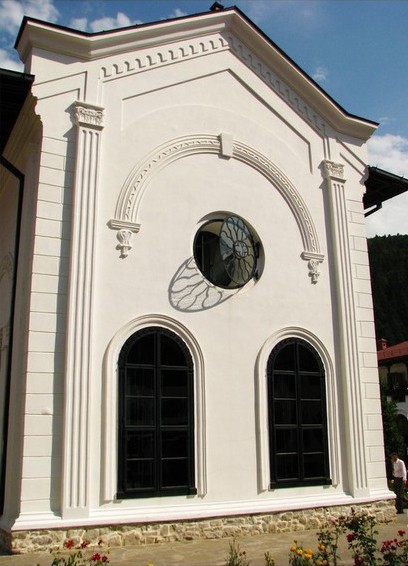
A genuine architectural jewel that blends Byzantine features with neoclassical style and Romanian art, the monastery was painted by Nicolae Grigorescu in 1858. The paintings at Agapia Monastery have particular artistic value, being dominated by a strong realist spirit, authenticity and vitality. Grigorescu’s masterpiece consists of three paintings: the portrait of Saint George on the altar door, the Entry into Jerusalem and the Mother of God with Jesus in Her Arms. Jesus Pantocrator is depicted in the dome of the naos vault, enthroned on a rainbow that highlights the Romanian tricolour. The paintings of the Apostles Peter, Andrew, Paul and John on the drum of the dome, between four windows, are executed using thick oil paint and confident lines.
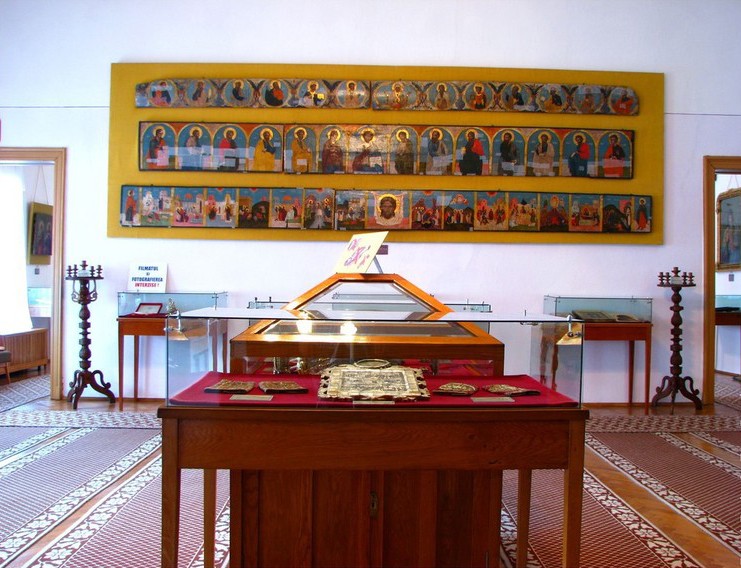
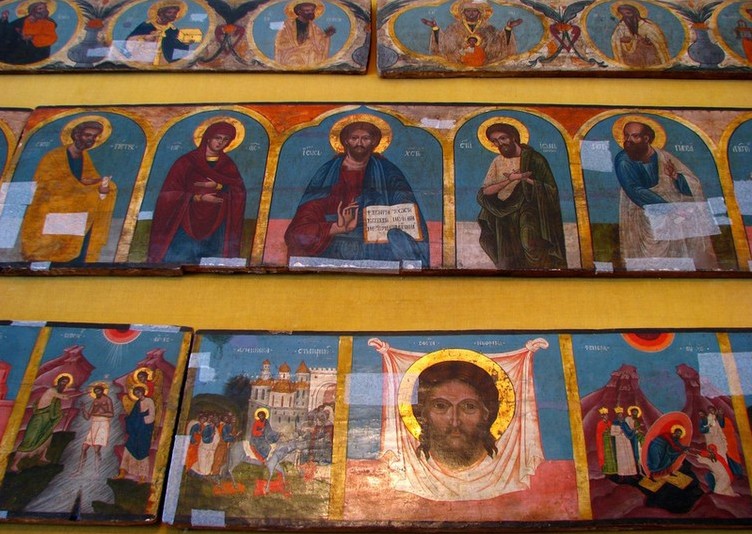
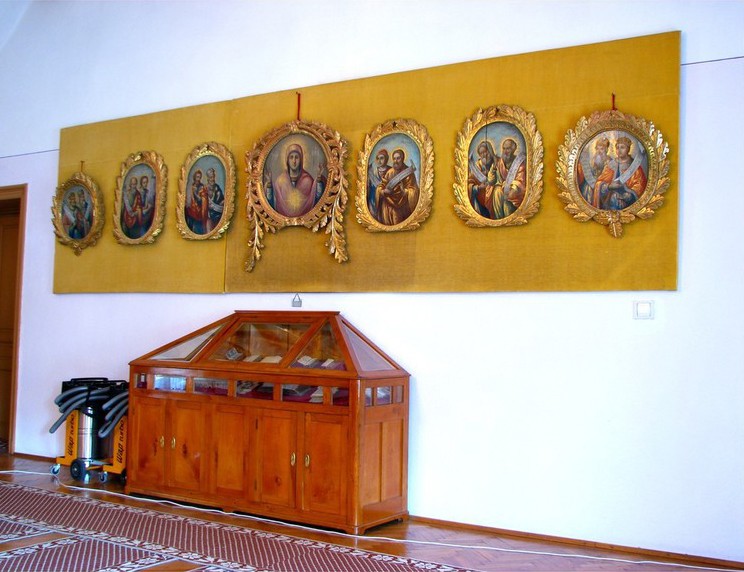
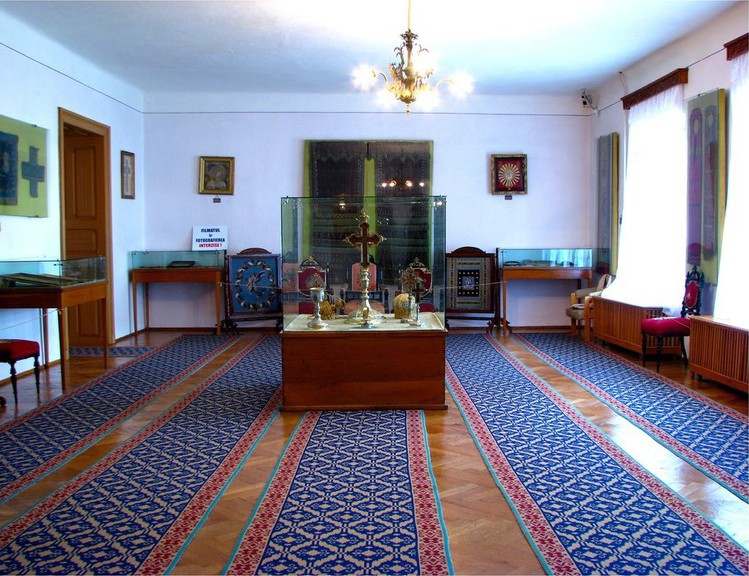
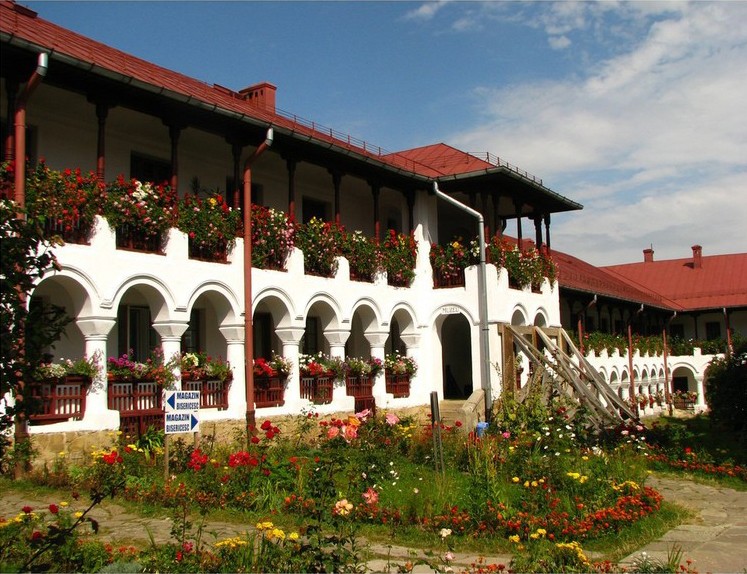
At the holy Monastery Agapia we find an impressive museum collection of medieval and religious art as well as a library containing old books and manuscripts, and the memorial house Alexandru Vlahuță is located behind the monastery and can be visited at any time. The monastic village is especially picturesque in every season. In summer the houses are full of colourful flowers and in winter the lanes of Agapia are covered with snow, giving the place an archaic feel.
Photos from Agapia Monastery
Click here to see all albums
More on the same topic

Ethnographic museums, treasures of local history and traditions
Ethnographic museums are true treasures and expressions of love for traditions, folklore, and spirituality of the places, and so is the Ethnographic Museum Casa Bunicilor in the village of Mitocul Bălan, Crăcăoani commune.

Neamț receives five nominations across four categories in Destinația Anului
We have good news for everyone who loves Neamț County and all its beauty: it is among the finalists in the Destinația Anului 2024 competition, with five nominations across four categories: Piatra Neamț in the Inspiring Cities category.

The Story of the Seven Miraculous Icons of the Holy Virgin and Saint Anne from Neamț Land
Renowned not only for its beauty and historical significance but also called the “Jerusalem of Romanian Orthodoxy,” Neamț Monastery houses the miraculous icon of Virgin Mary with three hands…