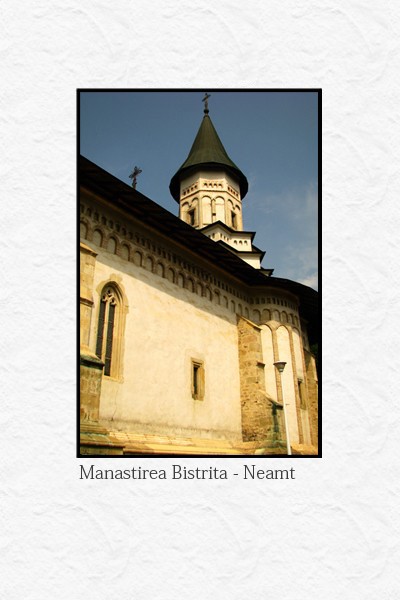
Bistrița Monastery – Neamț County
Bistrița Monastery in Neamț County lies in Alexandru cel Bun commune, in the village of Bistrița, 8 kilometres west of the town of Piatra Neamț, on the DN 15 road from Piatra Neamț to Bicaz. Founded by Alexander the Good, the monastery has endured for more than six centuries, sheltered by the surrounding forests and weathering the hardships and trials of history. The monastic settlement at Bistrița – Neamț County has great historical and archaeological value and, alongside Neamț Monastery, is among the oldest foundations established by voivodes in Moldavia, preserving princely remains and the memory of unforgettable events in the history and spiritual life of the Romanian people. Monastery address: Bistrița village, Alexandru cel Bun commune, Neamț county Tel: 0233241091 Patronal feasts of Bistrița Monastery in Neamț County: “Dormition of the Mother of God” 15 August and the Life-Giving Spring Year of construction: 1406, by Prince Alexander the Good
Bistrița Monastery – a brief history
The origins of Bistrița Monastery in Neamț County date back to the late 14th century, during the reign of Petru Musat, when a small wooden church was built here through the efforts of the hieromonk Pafnutie. In 1402, Prince Alexander the Good built a stone church on the site of the wooden church, 30 m long, with a narthex, burial chamber, nave and sanctuary. At that time, the prince also endowed Bistrița Monastery with numerous villages and estates. Alongside the Neamț hermitage, Bistrița Monastery is one of the oldest monasteries in Neamț County.
Photos of Bistrița Monastery
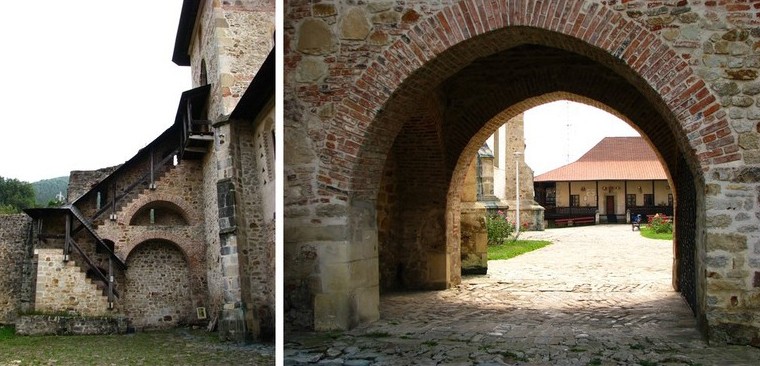
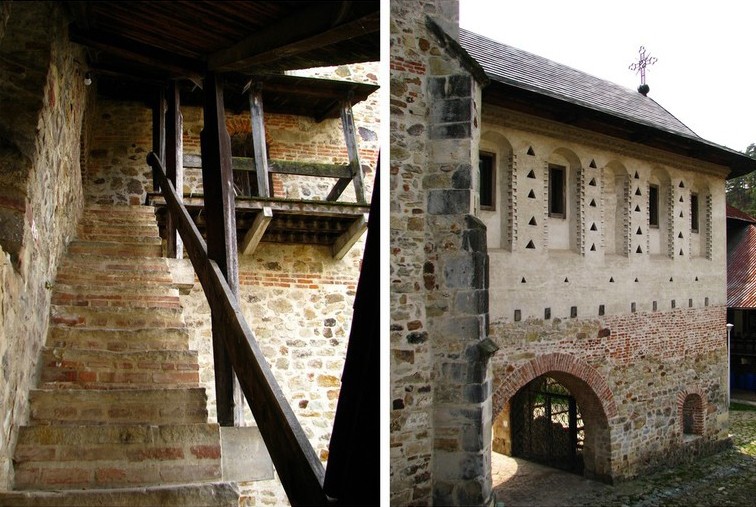
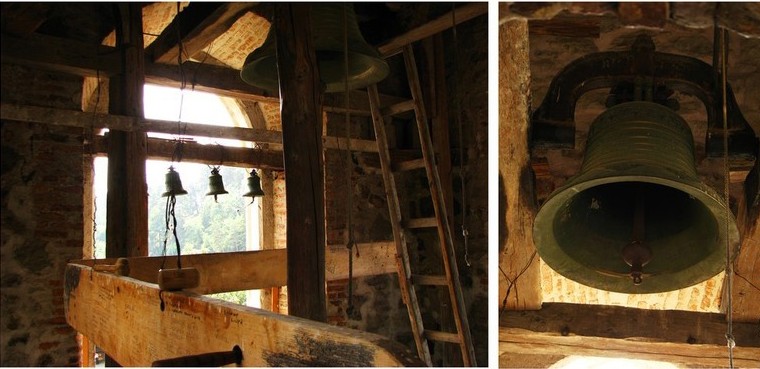
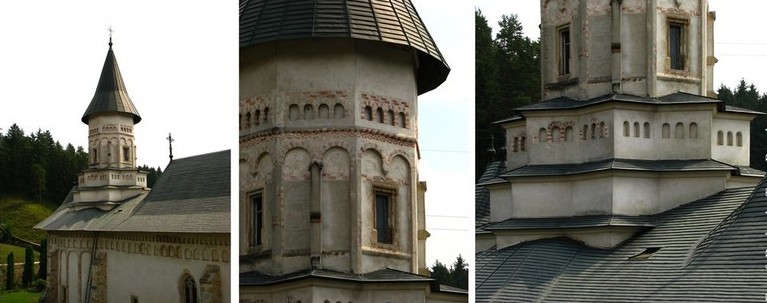
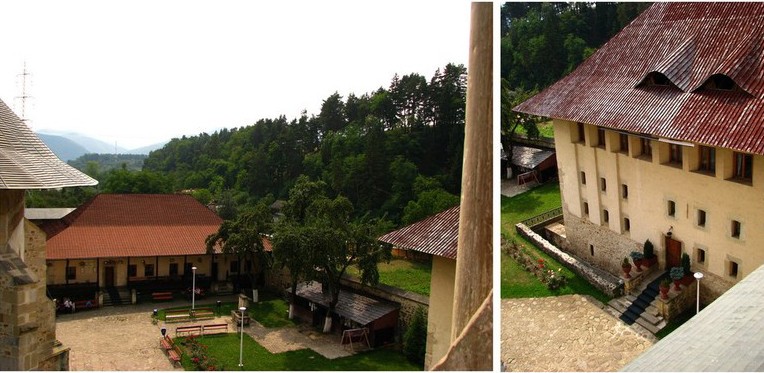
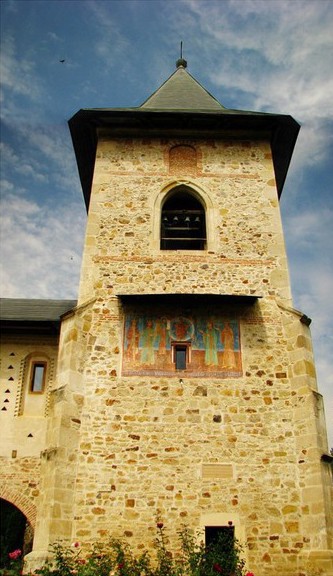
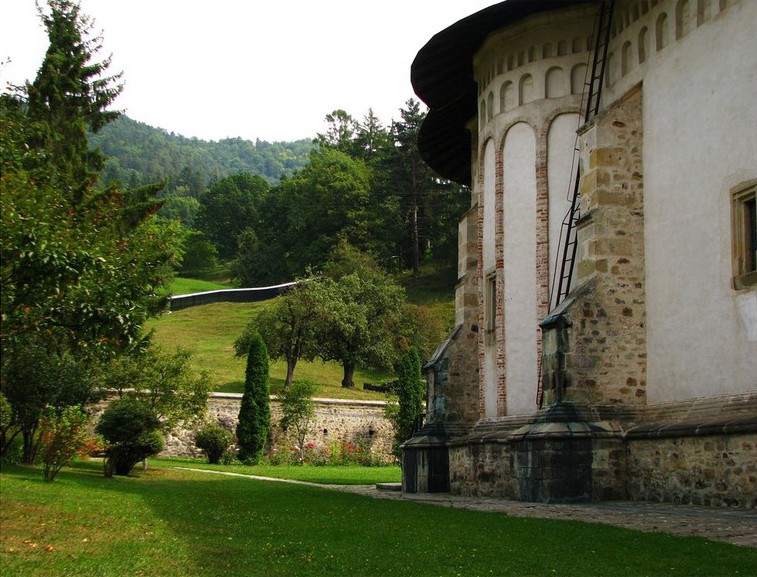
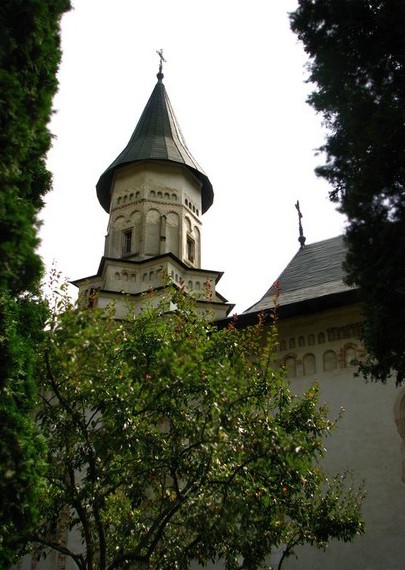
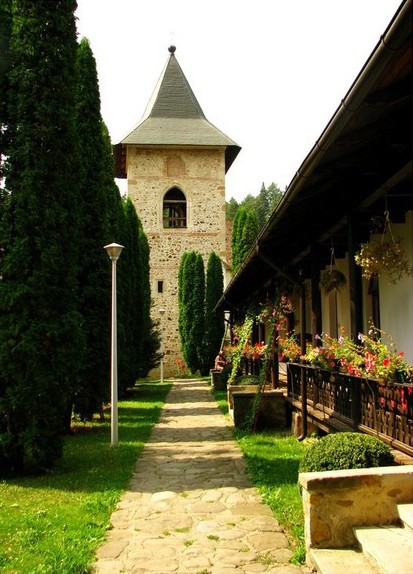
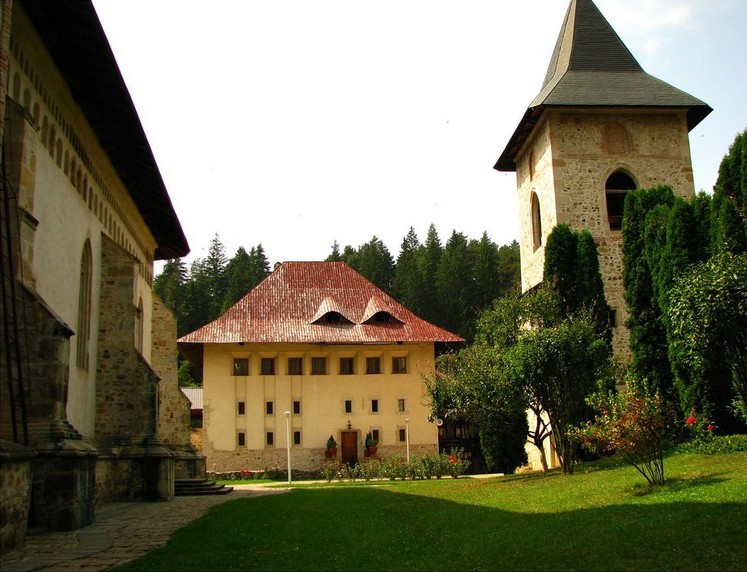
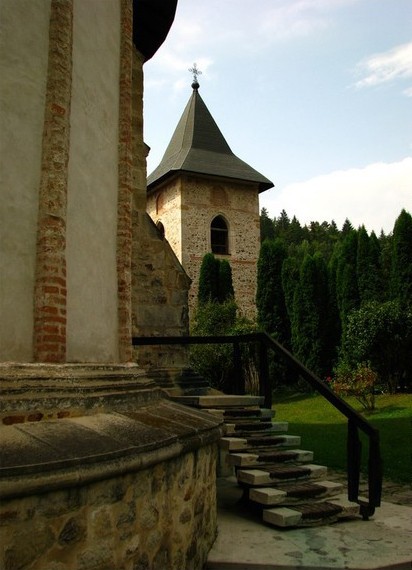
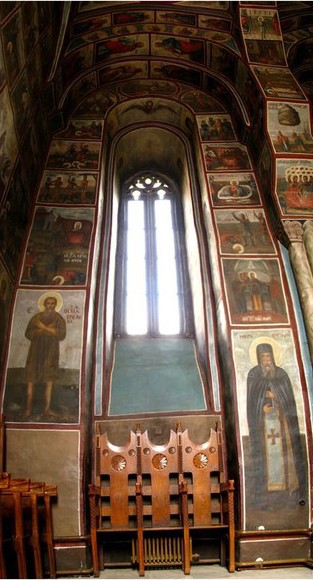
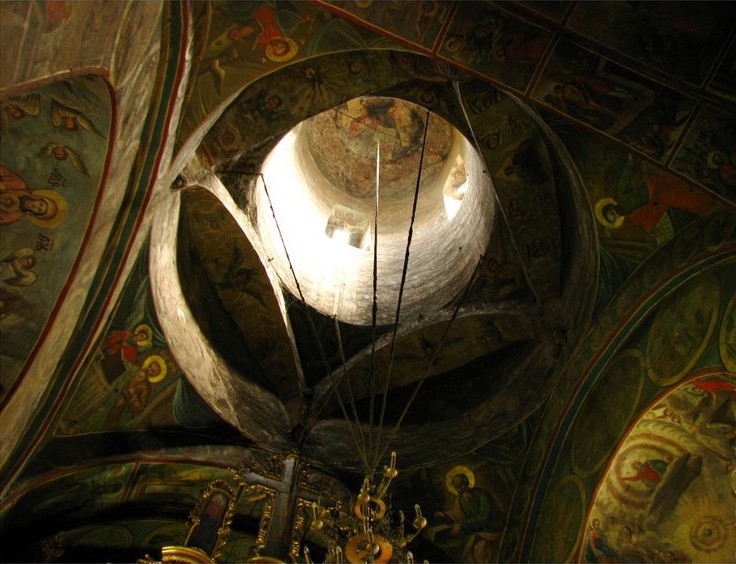
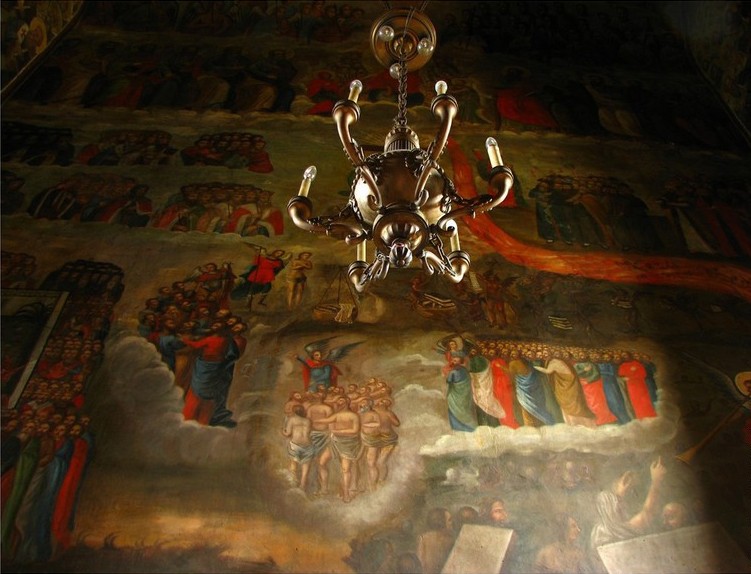
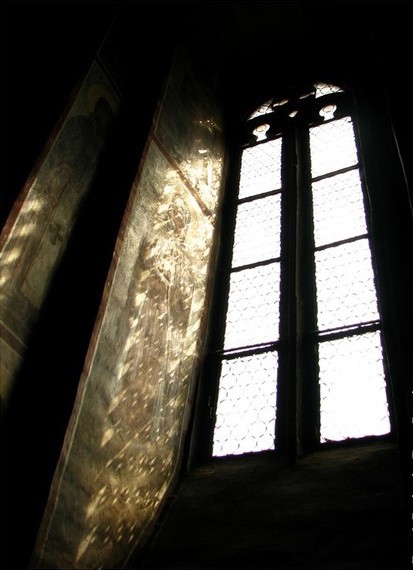
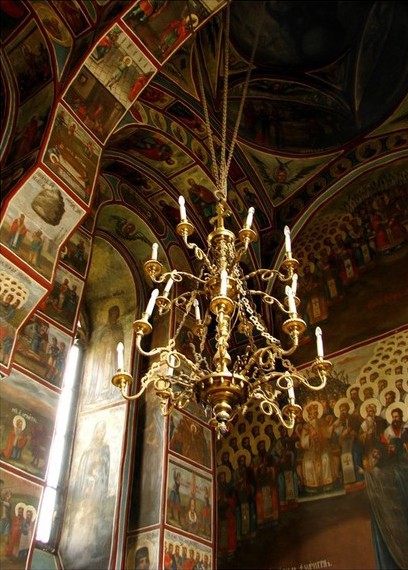
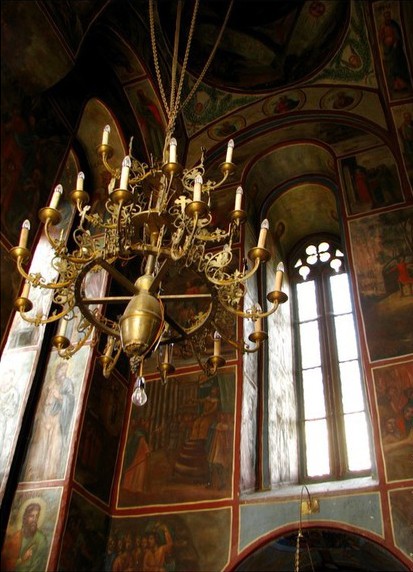
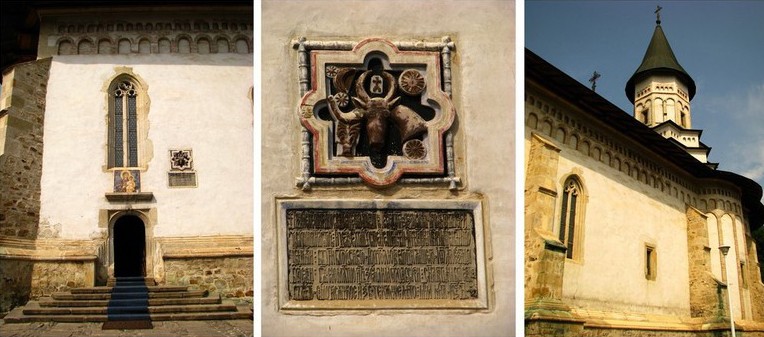
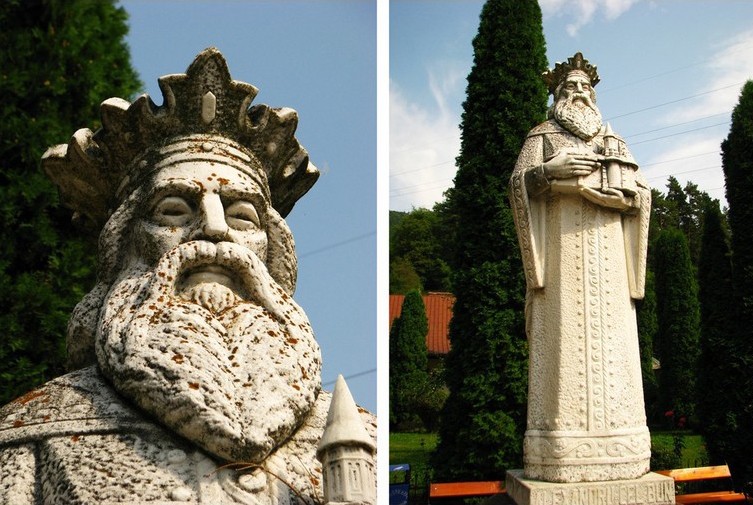
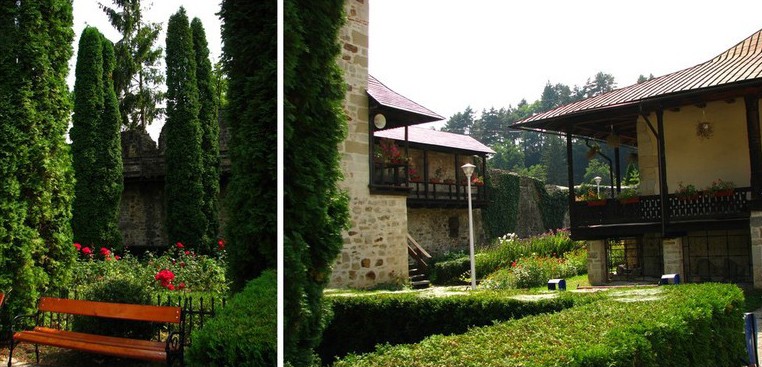
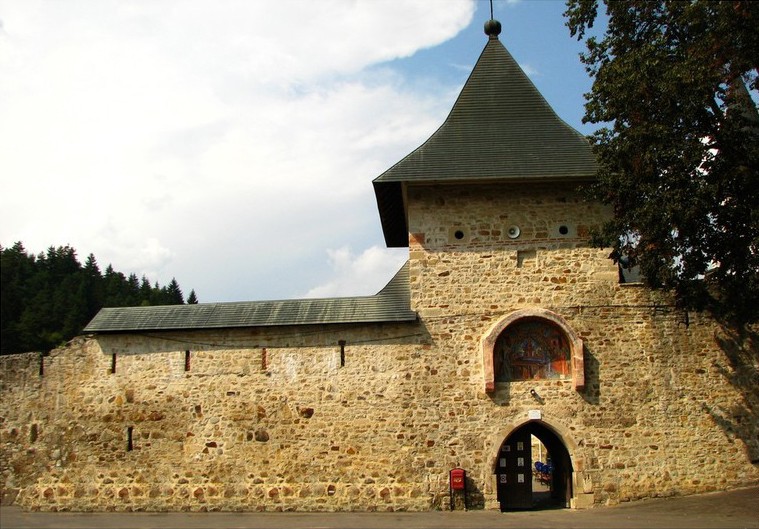
Click here to view all photo albums
In 1418, Lady Ana (Neacsa) was buried at Bistrița Monastery, and in 1432, Prince Alexander the Good was laid to rest beside her. In 1498, Ștefan cel Mare built an imposing bell tower with a chapel, joining the ranks of the monastery's founders. The next founder was Petru Musat, who rebuilt the holy Bistrița Monastery in Neamț County from its foundations between 1541-1546.
In 1677, Lady Safta, wife of Voivode Gheorghe Stefan, placed the monastery under the authority of the Holy Places – the Patriarchate of Jerusalem, beginning a long period of outside control during which most of its heritage was lost. Like the other monasteries in Neamț, Bistrița Monastery was affected by the events of 1821, when its buildings suffered fire damage, the founders' tombs were desecrated, and numerous manuscripts, embroideries and religious objects were looted. Measures introduced by Prince Alexandru Ioan Cuza led to the departure of the Greek monks from this place of worship, and from 1863, Bistrița Monastery entered a period of revival, once again becoming the centre of culture and Orthodox life it had been in the past.
In 1932, the founders' remains were exhumed and reinterred on the northern side of the burial chamber beneath two stone vaults. A similar ceremony took place at the end of 1982, when the white marble statue of Alexander the Good was also blessed.
Between 1967 – 1977 and then 1979-1984, restoration work took place at Bistrița Monastery on the princely palace, the two abbots' houses, the school of Petru Rareș, the enclosure walls and the monastic cells within the Bistrița monastic complex. Near Bistrița stands the monastery founded by Alexandru Lapusneanu in 1560 – Pângărați Monastery (known for its architecture, unique in Romania, with two churches built one above the other).
Bistrița Monastery in Neamț – adornments and treasures
Bistrița Monastery preserves the Icon of Saint Ana, a Byzantine work of great historical and spiritual value, and the miracle-working icon given to Prince Alexander the Good in 1407 by Emperor Manuel II Paleologul
In addition to the tombs of Prince Alexander the Good and his wife, Lady Ana, the south-eastern part of Bistrița Monastery contains the tomb of Ivascu Golescu, High Steward of Tara Romaneasca, who died on 20 December 1584, while the tomb of the chronicler Grigore Ureche lies in the north-eastern part. The princely necropolis at Bistrița Monastery also contains the grave of Alexandrel, the first of Stephen the Great's sons, laid to rest here in 1494, and the beautifully decorated tombstone of Lady Maria, wife of Stefan Lacusta, who died on 31 July 1542. Archaeologists have also discovered a bishop's tomb, believed to be that of Iosif Musat, the first metropolitan of the autocephalous Church of Moldavia and a close relative of Alexander the Good.
A school of scribes existed at Bistrița in the 16th-19th centuries, where the renowned scribes and miniaturists Paisie and Gavriil Uric were trained. Two of the fundamental works of our early literature were also written here – Pomelnicul, begun in 1407 and added to until the 19th century, and Letopisetul, covering the period 1359-1506 and later continued at Putna Monastery.
The museum of Bistrița Monastery, established as early as 1932, contains period coins, icons from the 16th-18th centuries, sculptures and frescoes discovered during archaeological investigations, fragments of princely garments and other objects from the voivodes' necropolis.
At the entrance to the monastic settlement at Bistrița, visitors can admire a bell weighing approximately 800 kg, decorated with a Slavonic inscription and a beautiful coat of arms of Moldavia in the style of old Western heraldic emblems, given to Bistrița Monastery by Prince Stephen the Great in 1494. The well-known Father Iustin Parvu of Petru Voda Monastery also lived at Bistrița Monastery until 1990. Nearby, you can also visit Bisericani Monastery (its name comes from the Romanian word “bisericosi”, meaning “devout”, which described the first monks) and Pângărați Monastery (famous for the unique architecture of its old church).
More on the same topic

Ethnographic museums, treasures of local history and traditions
Ethnographic museums are true treasures and expressions of love for traditions, folklore, and spirituality of the places, and so is the Ethnographic Museum Casa Bunicilor in the village of Mitocul Bălan, Crăcăoani commune.

Neamț receives five nominations across four categories in Destinația Anului
We have good news for everyone who loves Neamț County and all its beauty: it is among the finalists in the Destinația Anului 2024 competition, with five nominations across four categories: Piatra Neamț in the Inspiring Cities category.

The Story of the Seven Miraculous Icons of the Holy Virgin and Saint Anne from Neamț Land
Renowned not only for its beauty and historical significance but also called the “Jerusalem of Romanian Orthodoxy,” Neamț Monastery houses the miraculous icon of Virgin Mary with three hands…