Buhalnița Monastery
IMG_4072_resize
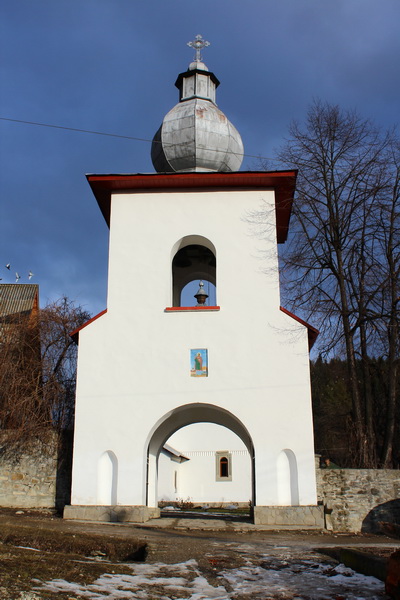
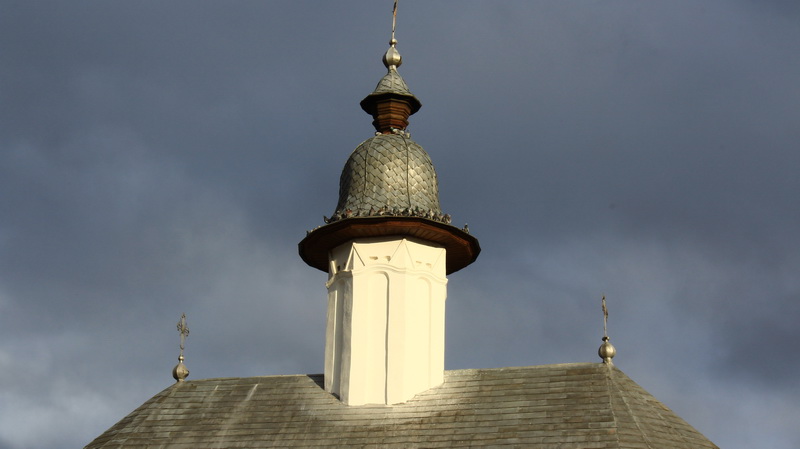
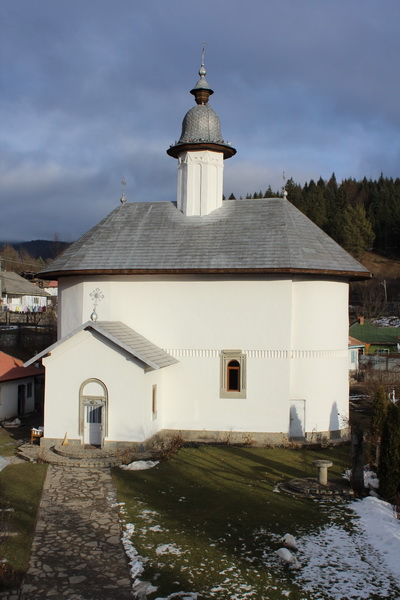
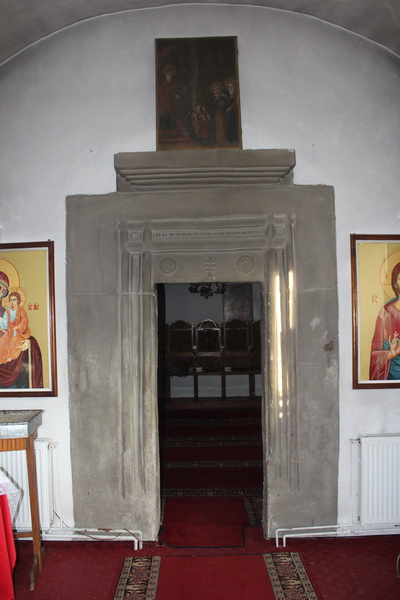
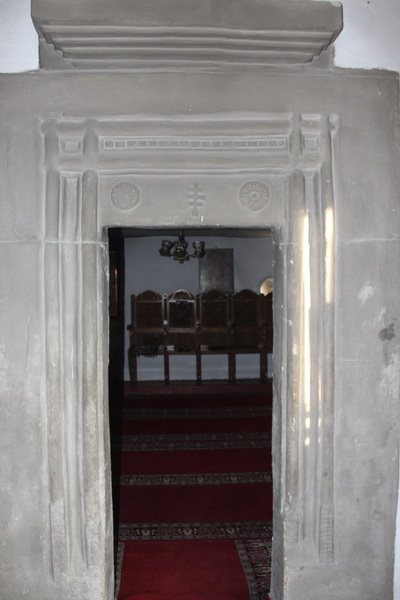
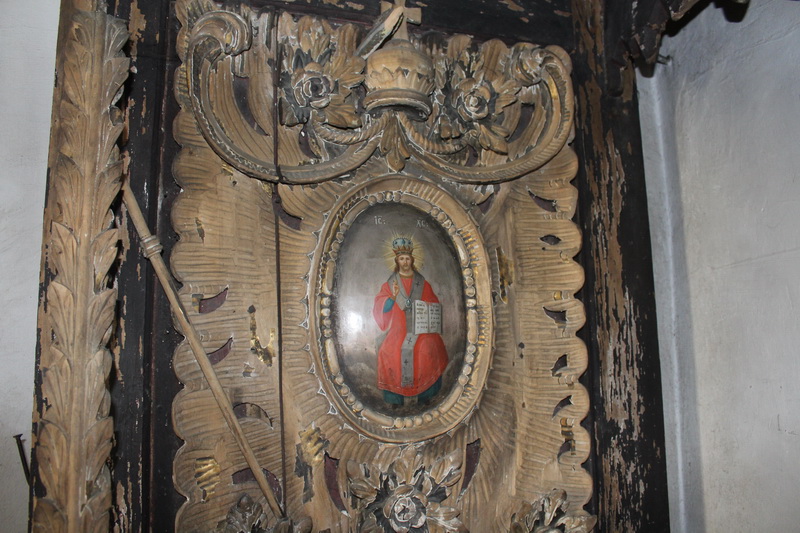
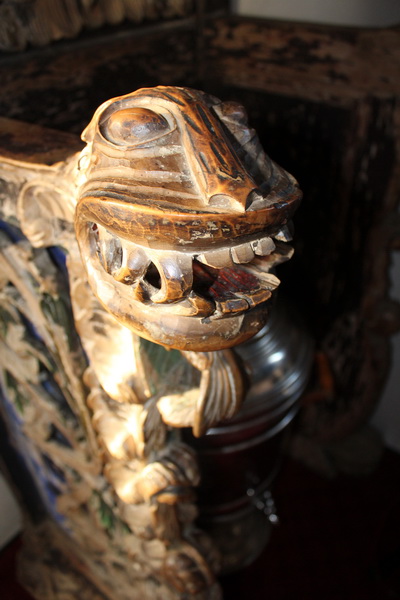
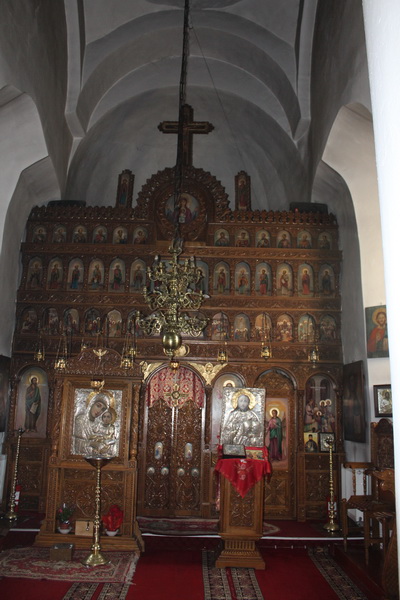
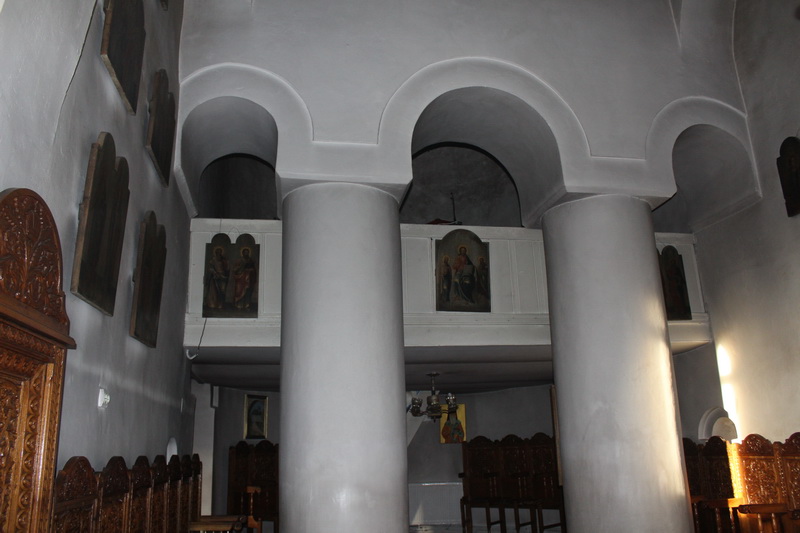
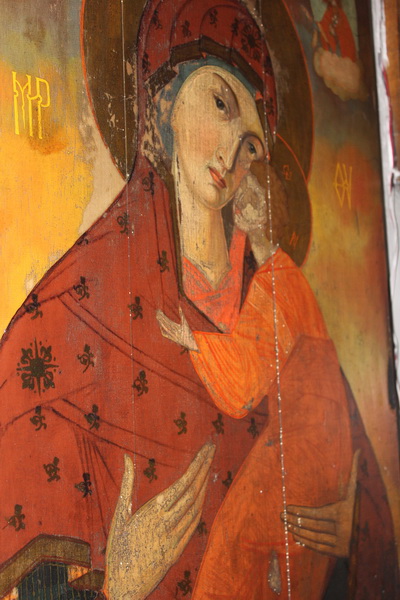
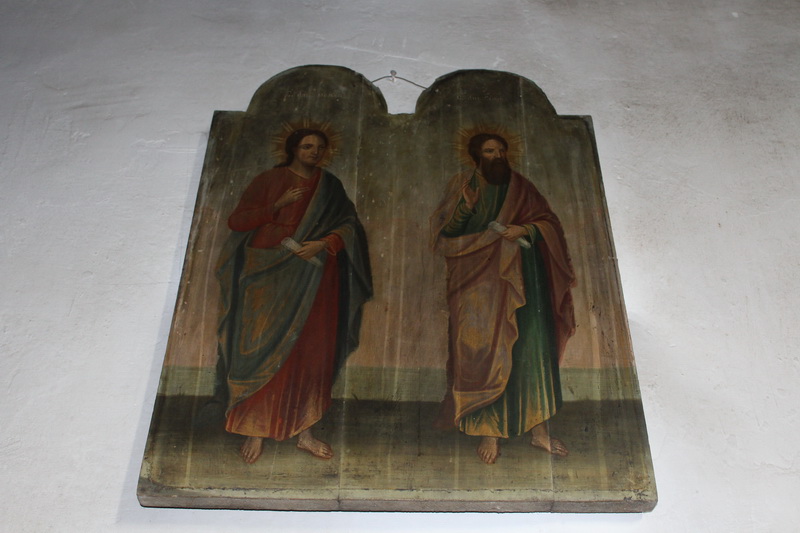
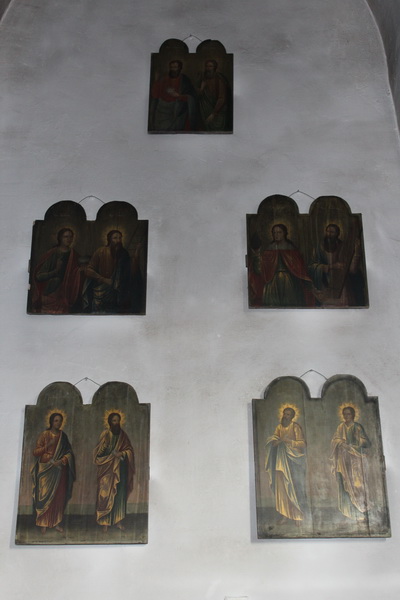
Buhalnița Monastery stands in the commune of Hangu, about 50 km from the city of Piatra Neamț, on DN 15, beyond the town of Bicaz towards Vatra Dornei. A place of worship, Buhalnița Monastery has two patronal feasts: the Entry into the Church of the Mother of God and Saint John the New of Suceava. It was founded by Prince Miron Barnovschi (1626 -1629 and 1633). An earlier place of worship is documented from 1458; it was built by Stephen the Great and donated to Neamț Monastery. It was probably in an advanced state of disrepair when Miron Barnovschi, out of devotion to the monks of Sihăstria Buhalniței, built the new masonry church in 1627. After 1640, Prince Vasile Lupu (1634 -1653) endowed the monastery with extensive estates, mills and fishponds, making it one of the most prosperous monastic settlements in Moldavia. From 1715, the monastic community faced a difficult period, as the prince of Moldavia, Nicolae Mavrocorat (1709 – 1710 and 1711 – 1716), placed the monastery and all its income under the Patriarchate of Alexandria (Egypt). The situation changed in 1863, when secularisation took place during the reign of Alexandru Ioan Cuza and the monastery became a parish church. Under the secularisation law, a primary school for local children also operated here from 1865. In 1958, because of the construction of the hydroelectric power station, dam and reservoir at Bicaz, the church was dismantled and moved to its present location on a mountainside, in what is now the village of Buhalnița in Neamț County. As its founder had no time to attend to its decoration, the monastery remained white, both outside and inside. In time, an iconostasis with very beautiful, expressive icons was brought from Egypt. These icons survive today alongside choir stalls dating from 1600, carved with animal motifs by the priest Grigore and regarded as unique works of art. Some wooden pieces from the original furnishings have also survived and can be admired, including the bishop's choir stall, inlaid with animal motifs inspired by the masks used in the folk theatre of Bistrița Valley. The church is unique in Moldavia in having its tower positioned exactly halfway along the roof and an architectural form shaped like a goose egg. The entrance doorway retains its original stone surround, decorated with mouldings that intersect at the corners, and is unique in Romanian church architecture. Regarded as a source of support for the Christian East, afflicted by Islamic conquest, the monastery was one of the few foundations placed under another ecclesiastical authority that both sent gifts to the East and received them. The Greek abbots brought the church's iconostasis from Egypt, and its animal motifs and plants characteristic of the Nile Delta make it unique in the country.
More on the same topic

Ethnographic museums, treasures of local history and traditions
Ethnographic museums are true treasures and expressions of love for traditions, folklore, and spirituality of the places, and so is the Ethnographic Museum Casa Bunicilor in the village of Mitocul Bălan, Crăcăoani commune.

Neamț receives five nominations across four categories in Destinația Anului
We have good news for everyone who loves Neamț County and all its beauty: it is among the finalists in the Destinația Anului 2024 competition, with five nominations across four categories: Piatra Neamț in the Inspiring Cities category.

The Story of the Seven Miraculous Icons of the Holy Virgin and Saint Anne from Neamț Land
Renowned not only for its beauty and historical significance but also called the “Jerusalem of Romanian Orthodoxy,” Neamț Monastery houses the miraculous icon of Virgin Mary with three hands…