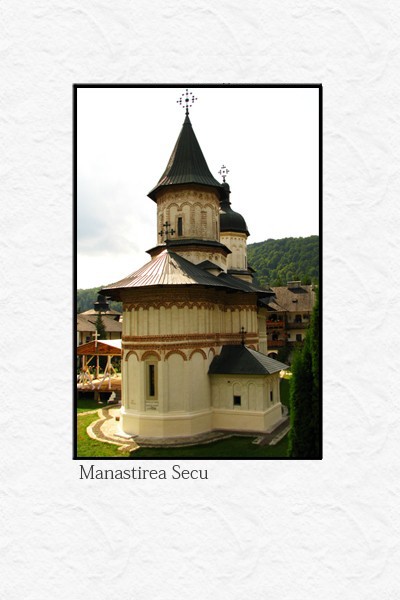
Secu Monastery – Neamț County
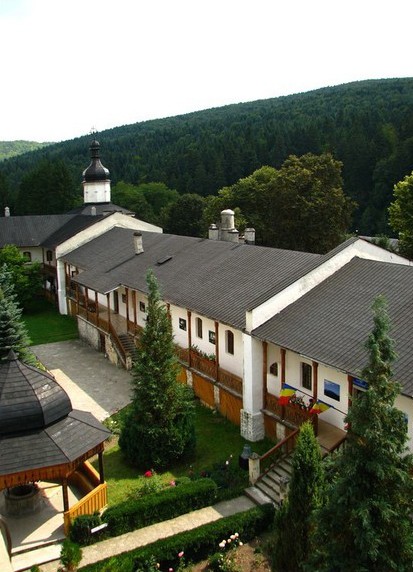
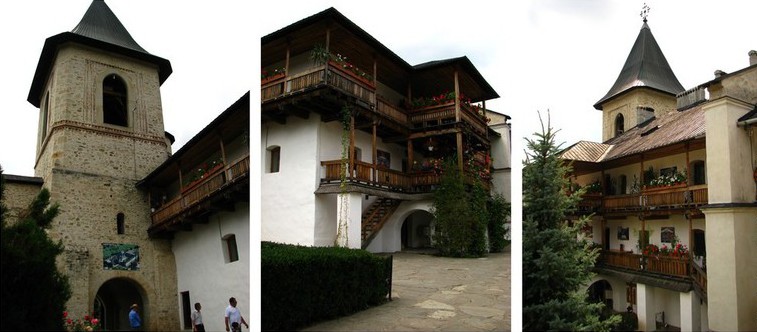
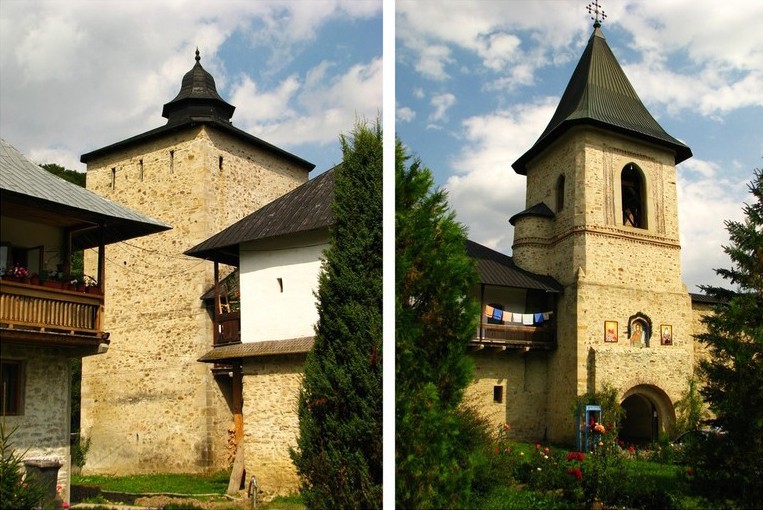
Secu Monastery in Neamț County is situated 22 km from the town of Târgu Neamț and 4 km from the Târgu Neamț – Pipirig road. Set beside Secu Stream and at the foot of Mount Vasan, this monastic establishment resembles a medieval fortress, with thick walls, defensive towers and spires rising like giant spears. Secu Monastery is close to Neamț Monastery, the oldest monastery in Neamț County, and Sihastria Monastery, known to pilgrims for Father Ilie Cleopa.
Year of construction: 1602, built by the vornic Nestor Ureche, father of the chronicler Grigore Ureche Address: Vanatori commune, Neamț County, postcode 617500 Tel: 0233251862 Secu Monastery's patronal feast: “The Beheading of Saint John the Baptist” (29 August) Web: http://secu.mmb.ro/
A brief history of Secu Monastery
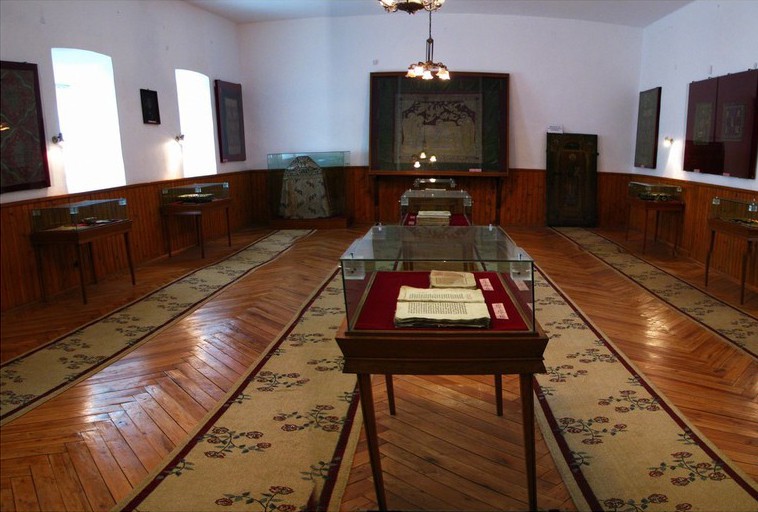
Secu Monastery is a monastic settlement that has stood for over 500 years and is one of the oldest monasteries in Neamț. The first hermitage was built in 1530, and Prince Petru Rareș (1527-1546) built the church of Zosima Hermitage on the site of the monastery's present cemetery church. The buildings that now make up the Secu monastery complex were built by the high official Nestor Ureche, beginning in 1602. Pilgrims can visit the monastery museum, known as the Collection of Ecclesiastical Objects, at Secu Monastery.
The Secu monastery complex also contains two chapels that pilgrims can visit: the “Dormition of the Mother of God” Chapel and the “Saint Nicolae” Chapel. The “Dormition of the Mother of God” Chapel also houses reliquaries containing the remains of two renowned spiritual fathers, the schema-hieromonks Vichentie Malau and Antim Gaina
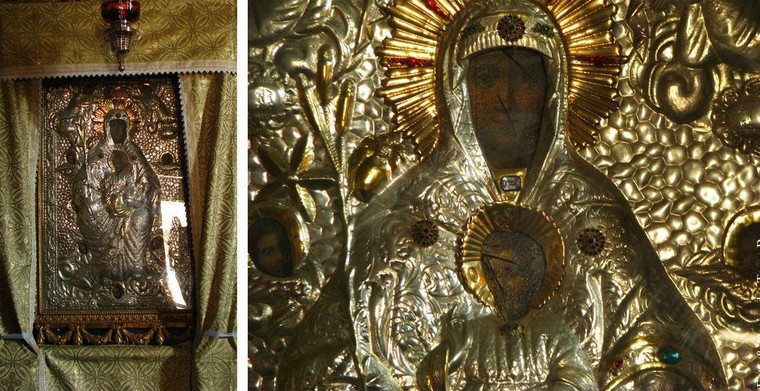
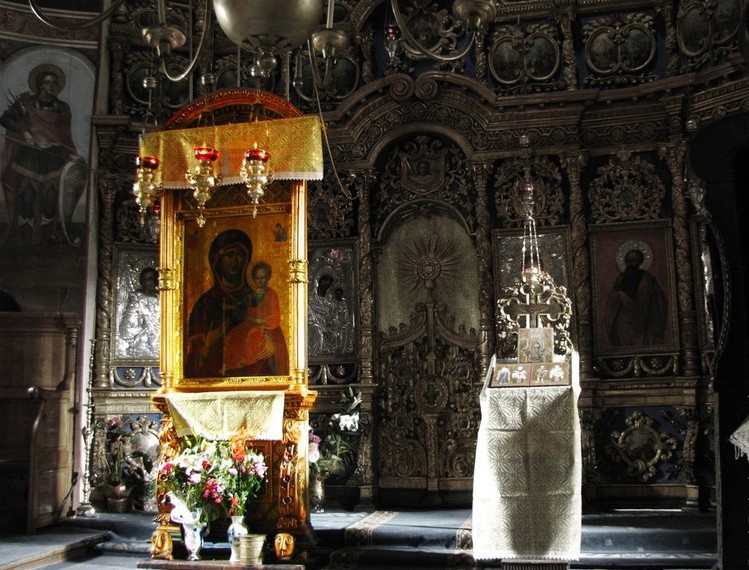
The most treasured icon at Secu Monastery is the Icon of the Mother of God in the main church, presented in 1647 by Prince Vasile Lupu as a mark of his deep esteem for Metropolitan Varlaam. The icon was brought from the island of Cyprus and is known as the Cipriota Icon from Secu Monastery.
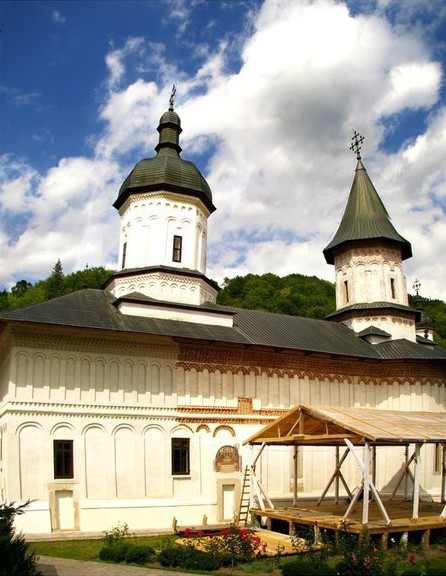
The church of Secu Monastery was built in stone in 1602, in the shape of a rectangular fortress. Standing within the walls, it is dedicated to the “Beheading of Saint John the Baptist”, whose patronal feast is celebrated every year on 29 August. In 1821, Secu Monastery was the site of the final battle between the Eterists and the Turks, which the Turks won, burning and destroying much of the monastery. That year, Nun Olimpiada from Văratec also took refuge at Secu, fleeing those who plundered Văratec Monastery. After the fire of 1821, the blocks of monastic cells within the complex were rebuilt, as was the “Saint Nicolae” Chapel, from its foundations.
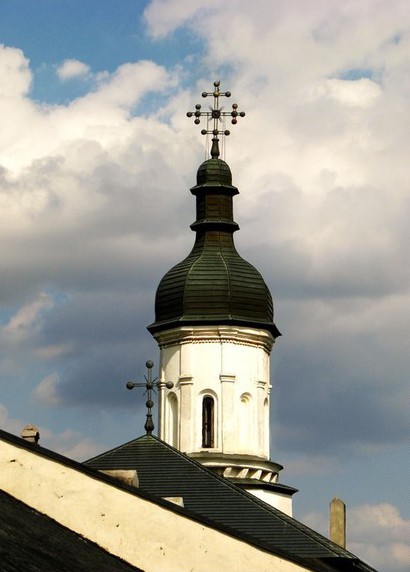
In 1832, a masonry church on stone foundations was built on the site of Zosima's small wooden church, founded by Veniamin Costache and dedicated to the “Nativity of Saint John the Baptist”, with a rich collection of heritage objects. The church at Secu Monastery is a substantial building with a trefoil plan and an open polygonal tower, retaining the characteristics of churches founded by Moldavian voivodes in the 17th century, with some alterations to its exterior architecture. In 1850, the church interior was painted, and the nave's iconostasis was remade in limewood, carved in the Baroque style and gilded.
Photos of Secu Monastery
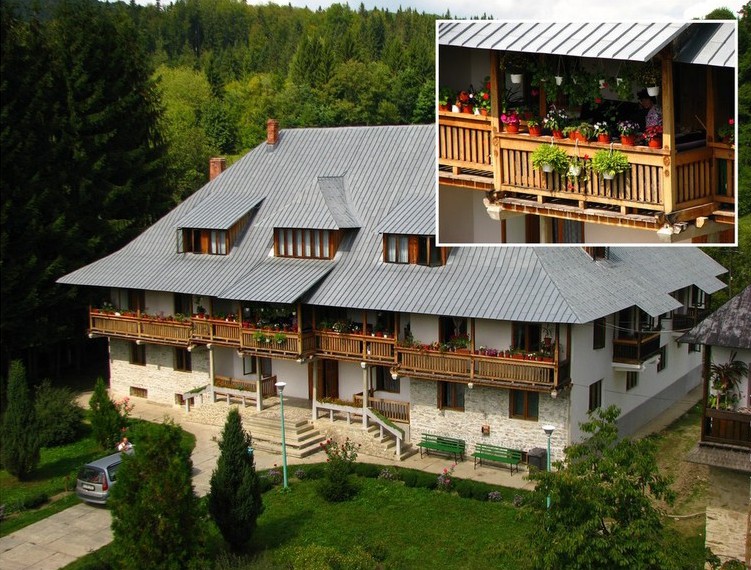
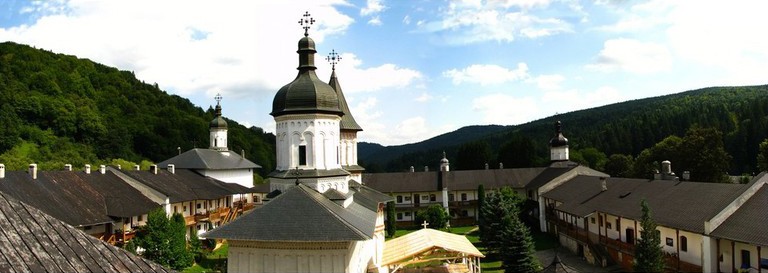
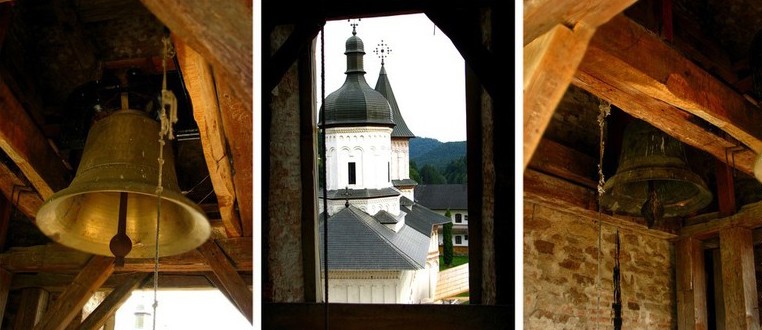
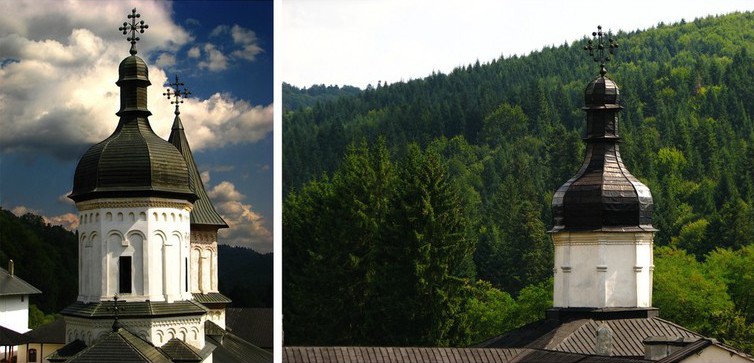
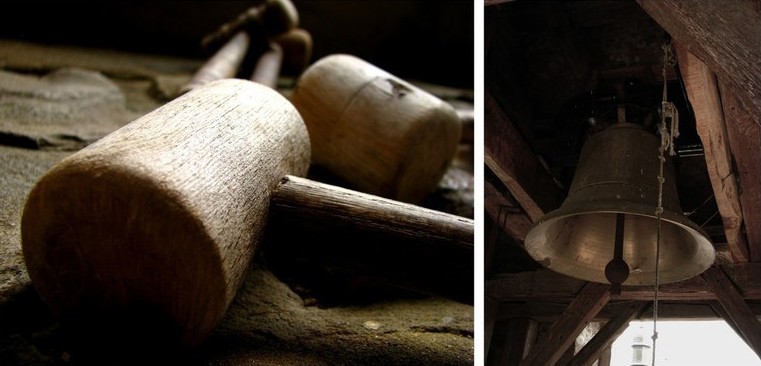
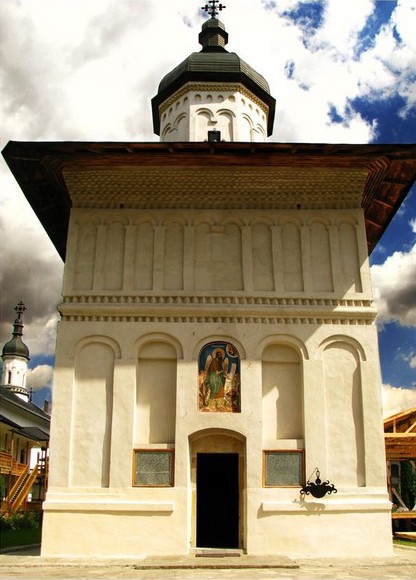
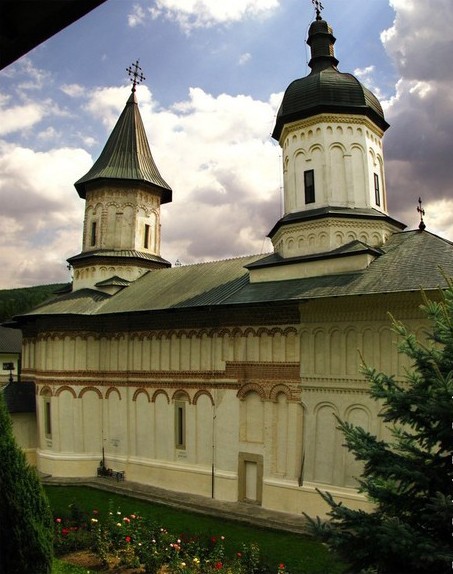
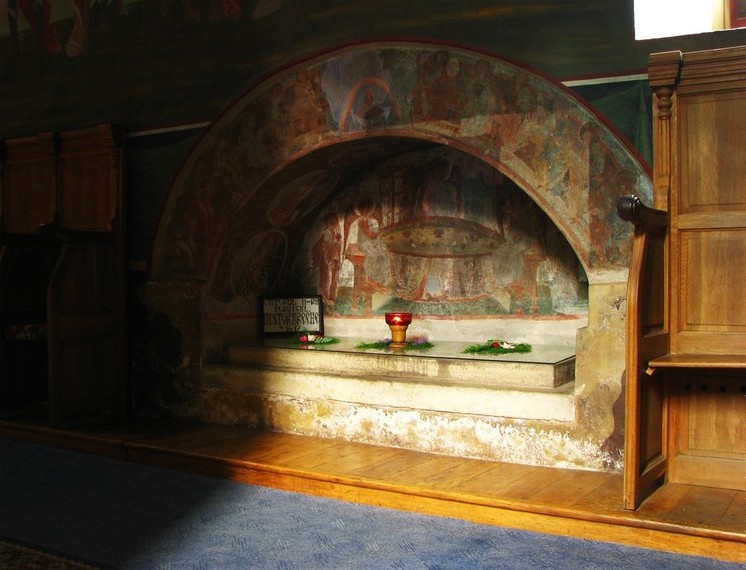
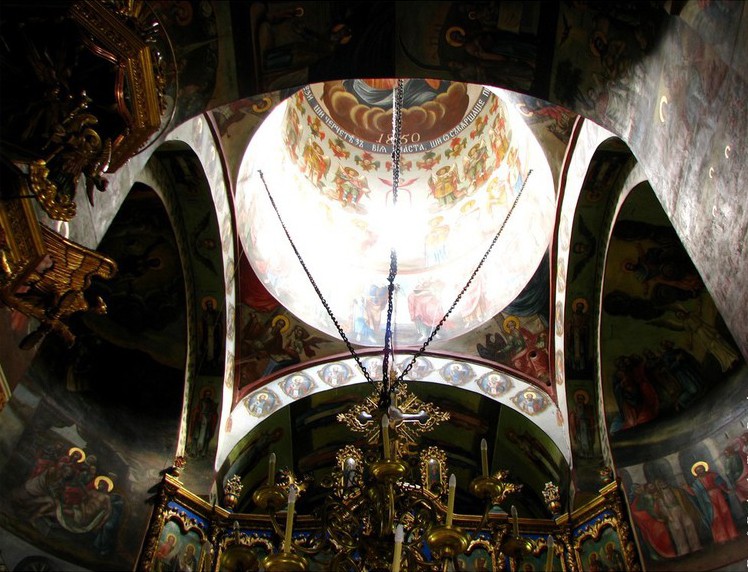
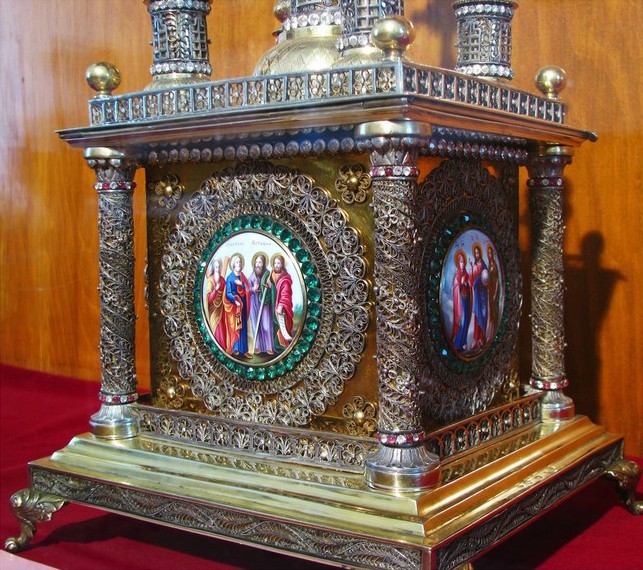
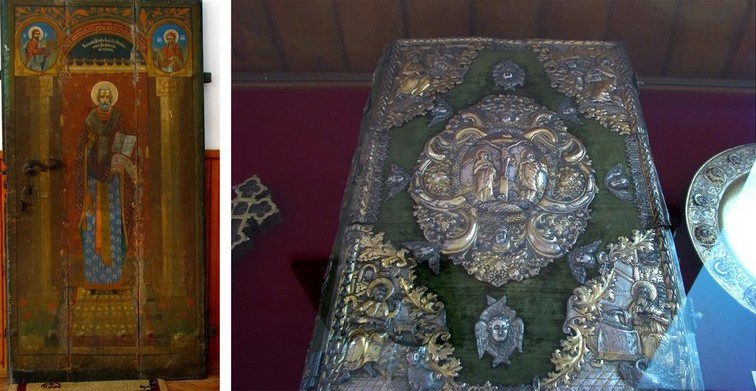
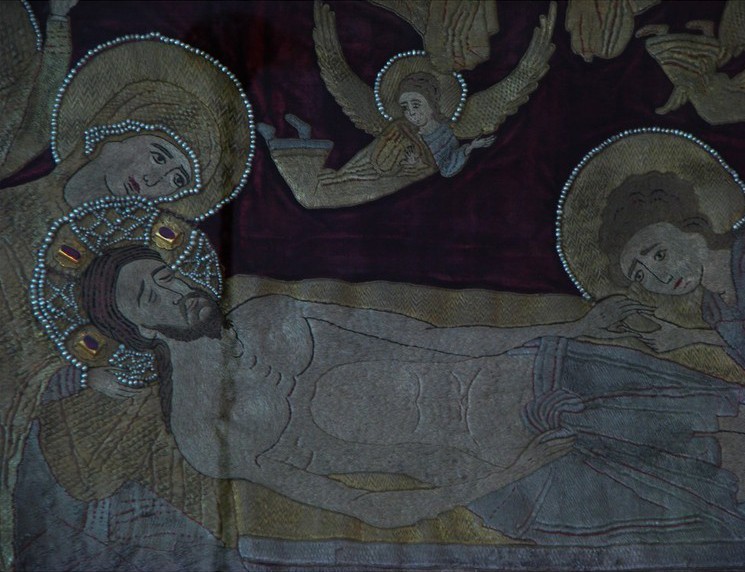
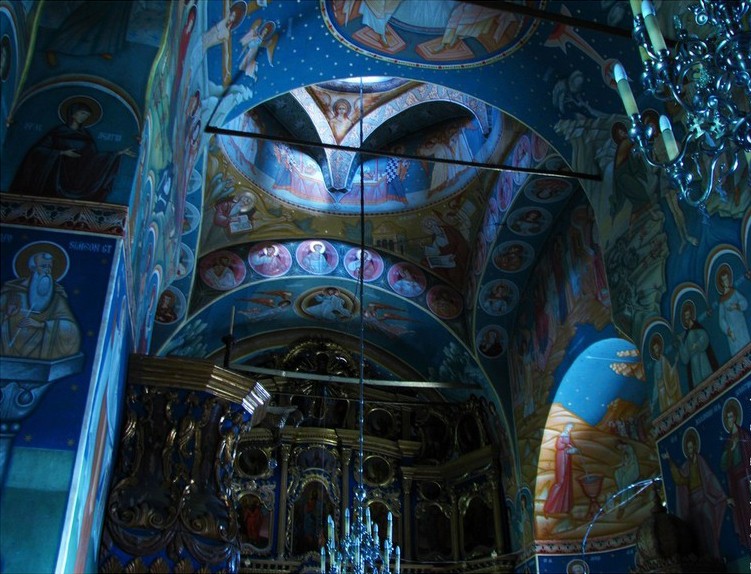
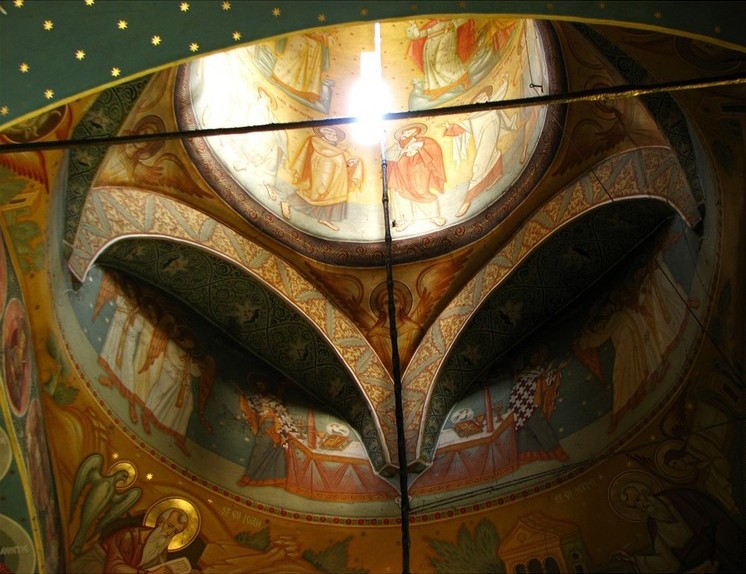
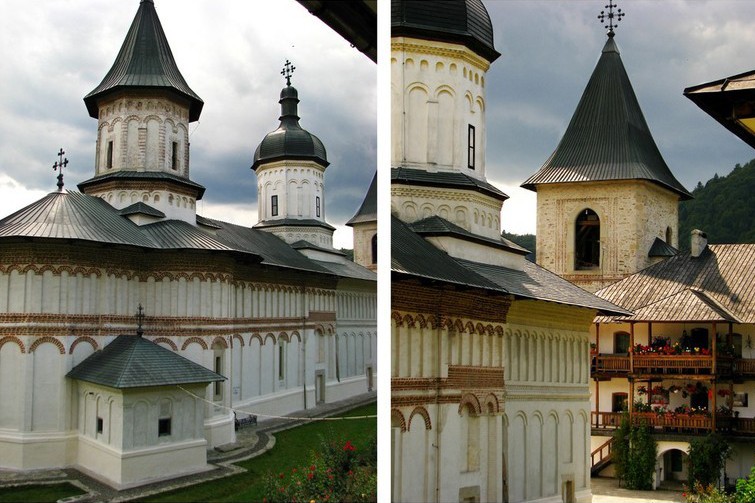
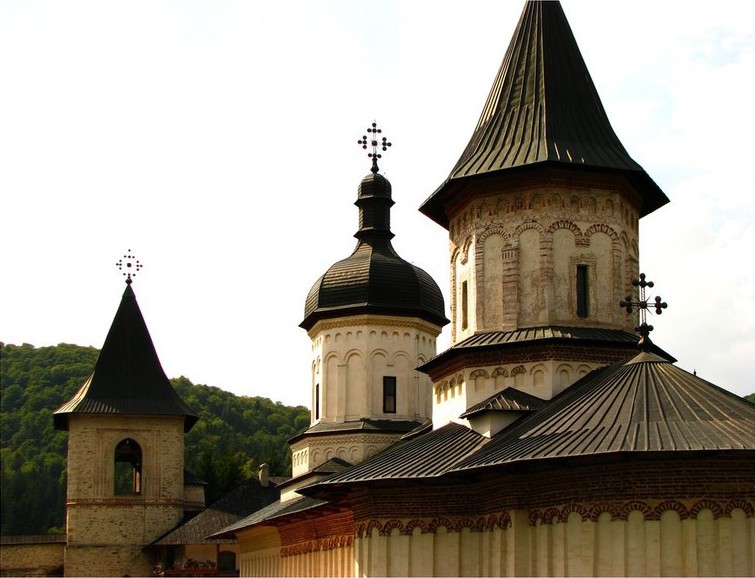
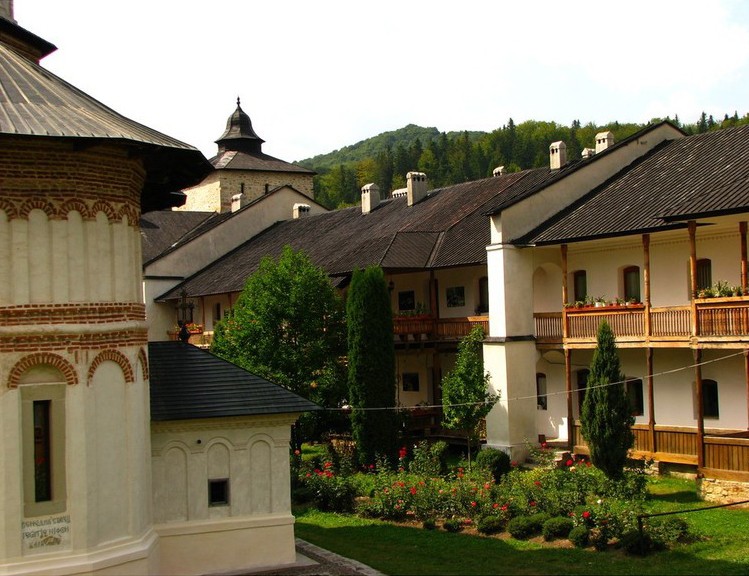
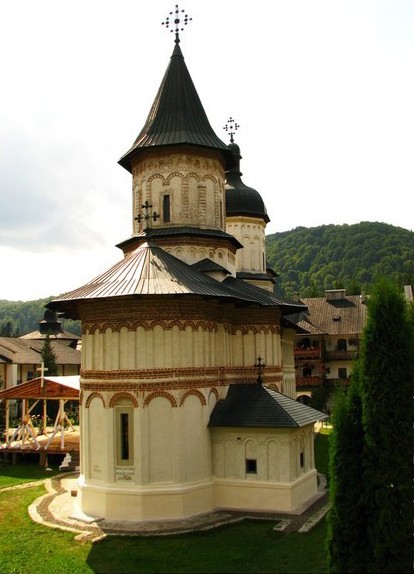
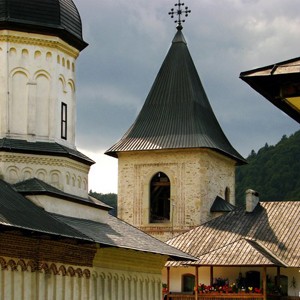
Inside, the church at Secu follows the trefoil plan of the earliest Moldavian churches: porch, narthex, burial chamber, nave, sanctuary and prothesis. There are two small niches in the walls of the burial chamber. The niche on the right contains the tomb of the founder, Nestor Ureche, while the one on the left contains that of his wife, Mitrofana. A niche by the south façade contains the tomb of Metropolitan Bishop Varlaam. Around the church are the tombs of various senior clergy of the Moldavian Church.
Secu Monastery incorporates Wallachian influences into its Moldavian form and is representative of Moldavian architecture of the late 16th and early 17th centuries. Father Iustin Parvu, founder of Petru Voda Monastery, left Secu Monastery. On the way from Secu towards Sihastria, a forest road branches off and leads after 8 km to Sihla Monastery (known to pilgrims for the cave where Saint Teodora lived for almost 40 years).
More on the same topic

Ethnographic museums, treasures of local history and traditions
Ethnographic museums are true treasures and expressions of love for traditions, folklore, and spirituality of the places, and so is the Ethnographic Museum Casa Bunicilor in the village of Mitocul Bălan, Crăcăoani commune.

Neamț receives five nominations across four categories in Destinația Anului
We have good news for everyone who loves Neamț County and all its beauty: it is among the finalists in the Destinația Anului 2024 competition, with five nominations across four categories: Piatra Neamț in the Inspiring Cities category.

The Story of the Seven Miraculous Icons of the Holy Virgin and Saint Anne from Neamț Land
Renowned not only for its beauty and historical significance but also called the “Jerusalem of Romanian Orthodoxy,” Neamț Monastery houses the miraculous icon of Virgin Mary with three hands…