Historic traces in Neamt County
Neamt County has its name from an old Teutonic knight settlement in the year 1200. These knights are also responsible for the initial building of Neamt Fortress.
Neamt County is compared to a mountain nest that was often used during history as a retreat place during times of war. This is also the place where many monks seek refuge in the surrounding mountains and where many monasteries were built.
In this region ruler Stefan cel Mare enforced Neamt Fortress, built the Royal Court form Piatra Neamt (Curtea Domneasca) and many religious settlements. Neamt County is also the place where traces of the Cucuteni civilization were uncovered and Dacian fortresses. All these findings are testimonies of the old historic origins of people in these parts.
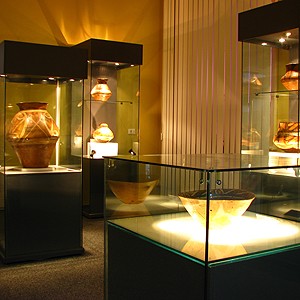
Traces of history can be seen in the museums from Neamt County: the History and Archeology Museum from Piatra Neamt, the Cucuteni Museum from Piatra Neamt, the History and Ethnography Museum from Bicaz, the History Museum from Roman and the History and Ethnography Museum from Targu Neamt.
We invite you to visit these locations and witness a glimpse of our history.
More on the same topic

Neamț receives five nominations across four categories in Destinația Anului
We have good news for everyone who loves Neamț County and all its beauty: it is among the finalists in the Destinația Anului 2024 competition, with five nominations across four categories: Piatra Neamț in the Inspiring Cities category.

Military firefighters bring competition and lots of adrenaline to Târgu Neamț
Târgu Neamț is hosting the 3rd zonal stage of the professional emergency situation competitions, in which representative teams from several counties of the country will participate: Bacău, Botoșani, Iași, Neamț, and Suceava.
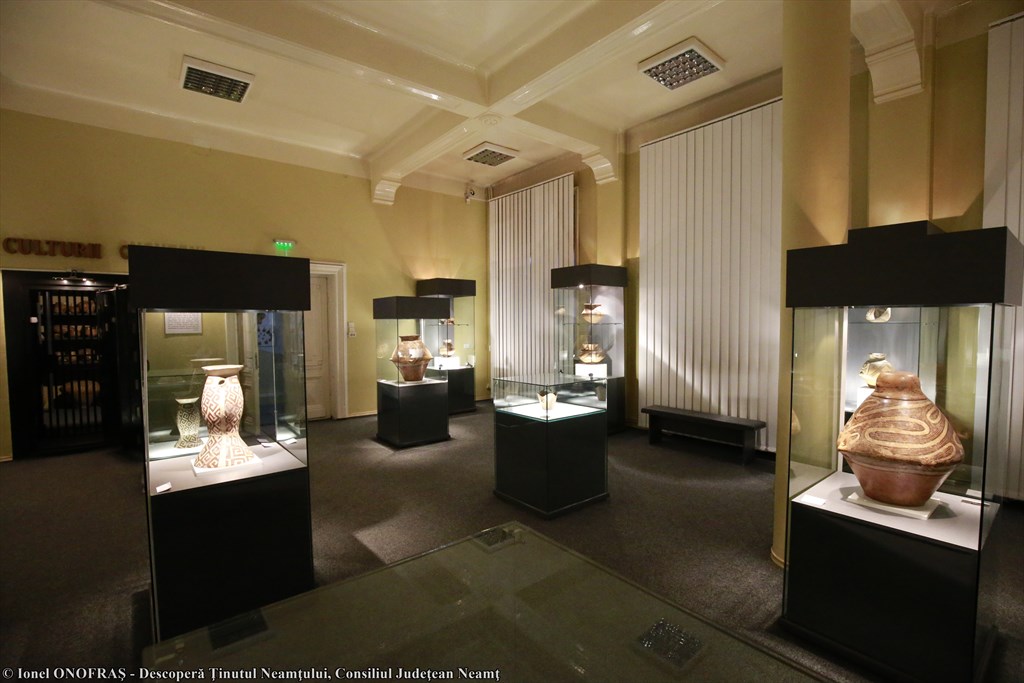
Discover, in Piatra Neamț, the most important Eneolitic art collection from the South-East of Europe
Photo Gallery: Nationally one of the kind, both history and art museum, it currently hosts the most spectacular artefacts, famous objects that belong to the Cucuteni–Trypillia Culture, which is in…