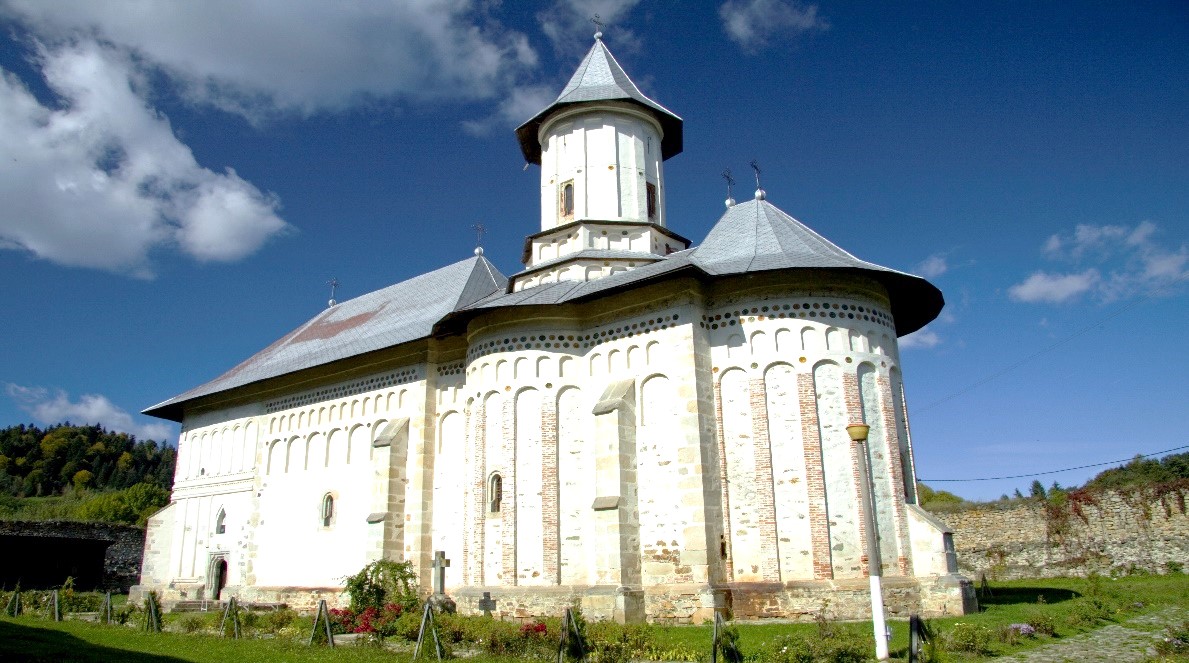
Historical Traces of Ștefan cel Mare in Romania and the Republic of Moldova
In the footsteps of Voivode Stephen the Great and Holy
18 localities in our country and 9 in the Republic of Moldova are included in the “Voivode Stephen the Great and Holy” cultural tourism route, which offers a range of tourist sites to visit.
Stephen the Great, the most important ruler of Moldavia and a prominent figure in Romanian history, distinguished himself as a statesman, diplomat, strategist and military leader for 47 years, from 1457 to 1504. Throughout this period, the ruler founded a large number of places of worship, erected in memory of those who fell in battle and as thanks for the victories achieved.
The route’s sites in Romania take you through the counties of Suceava, Botoșani, Iași, Neamț, Vaslui and Bacău, and the full route presentation can be accessed at: https://stephenthegreat.travel/
In Neamț, you can discover evidence of the voivode’s character and his entire legacy of historical, architectural and religious significance by visiting the route’s sites, beginning with Tazlău Monastery. Founded in 1497 by Stephen the Great on the site of a wooden church built by Alexander the Good, the monastery is a true fortress, surrounded by walls with battlements and defensive towers and decorated with glazed ceramics and exposed brickwork.
The next stop on the Stephen the Great Route in Neamț is the Princely Court and Church in the city of Piatra Neamț. The site fully illustrates the beauty of the Moldavian architectural style of the period. Stephen the Great's Tower, which measures 19 m in height, was built in 1499 and is also a treasured symbol of the city. The Princely Church “St. John the Baptist” houses several valuable objects, including icons and sacred books that are hundreds of years old.
Photo gallery:
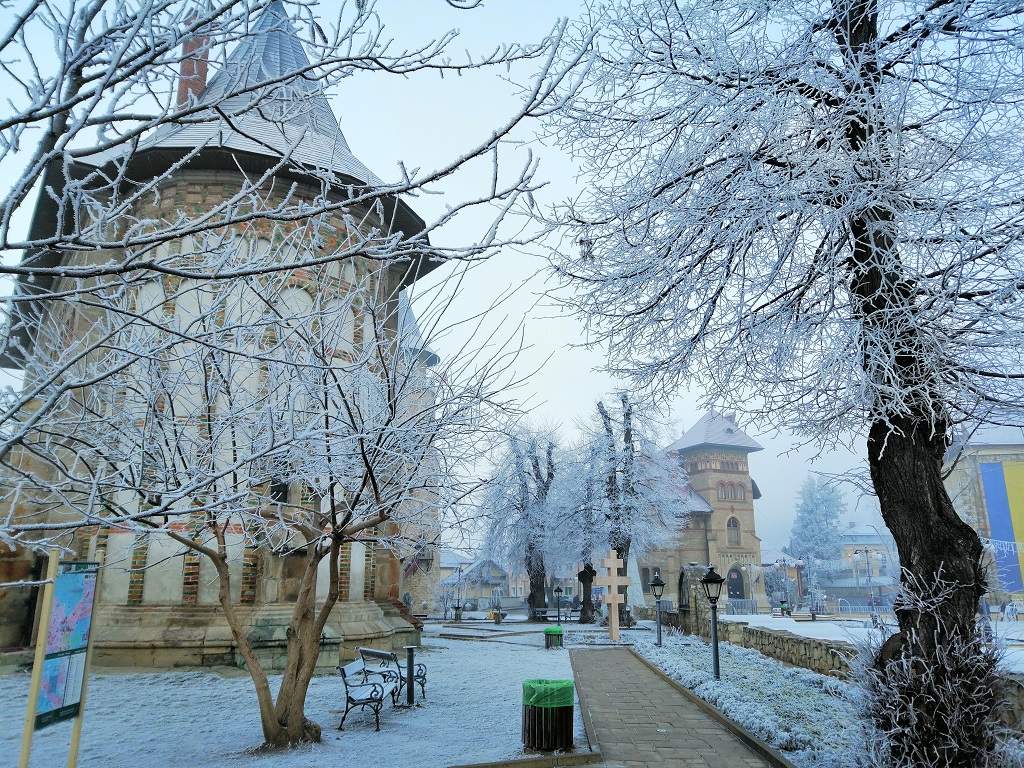
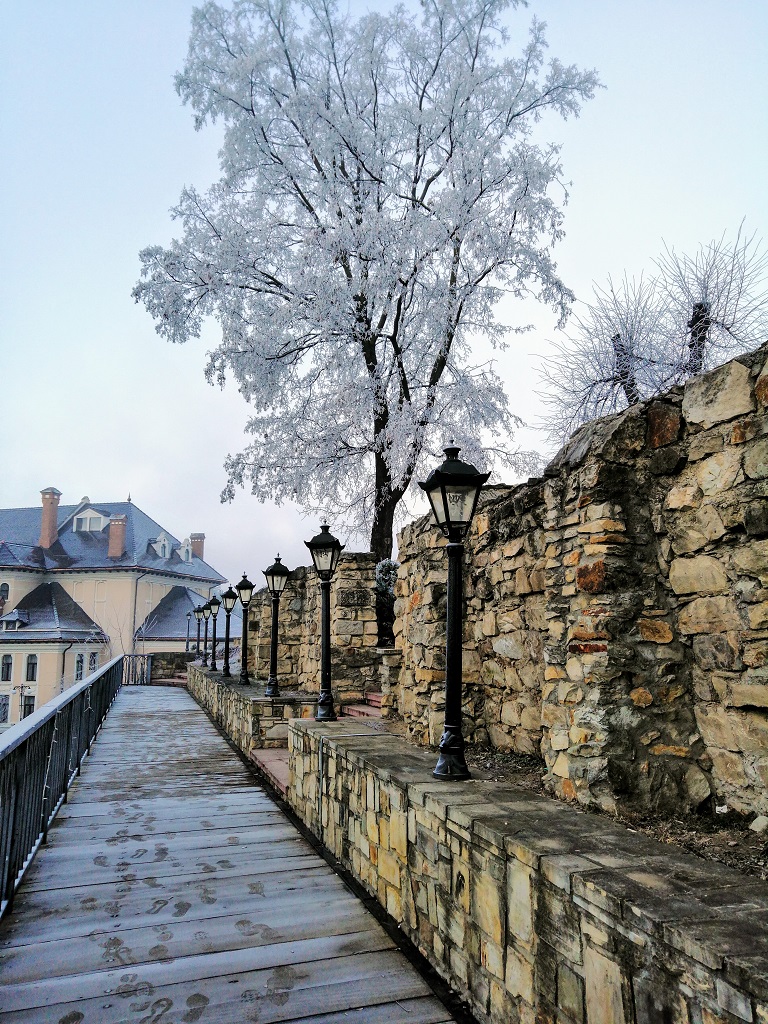
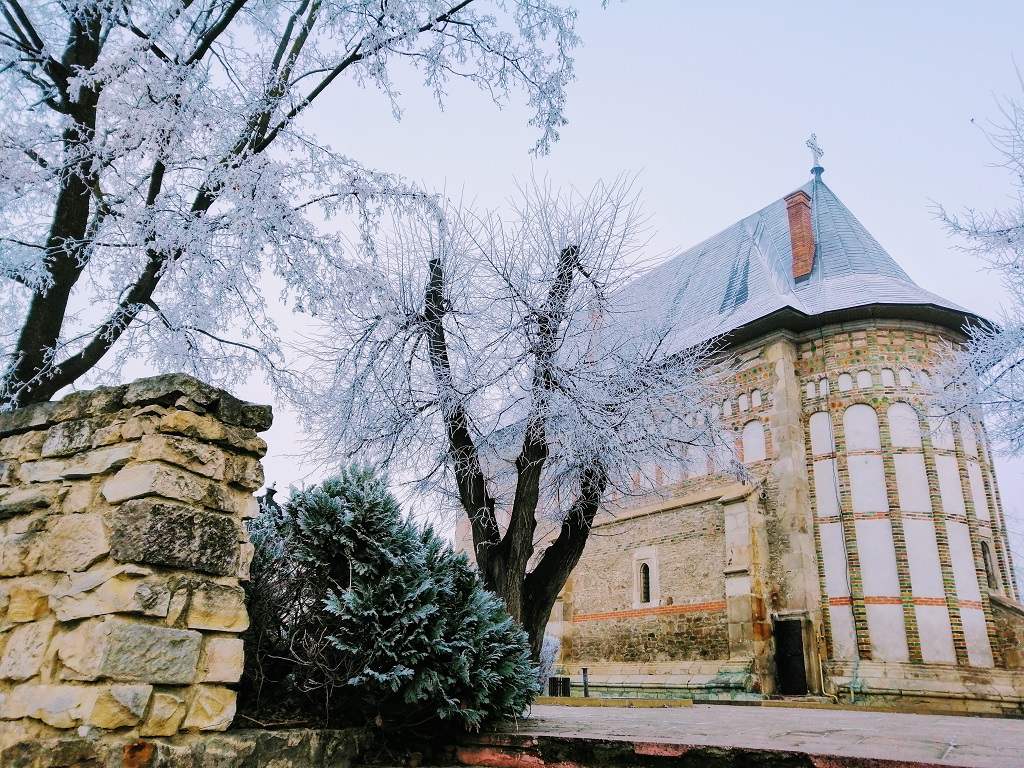
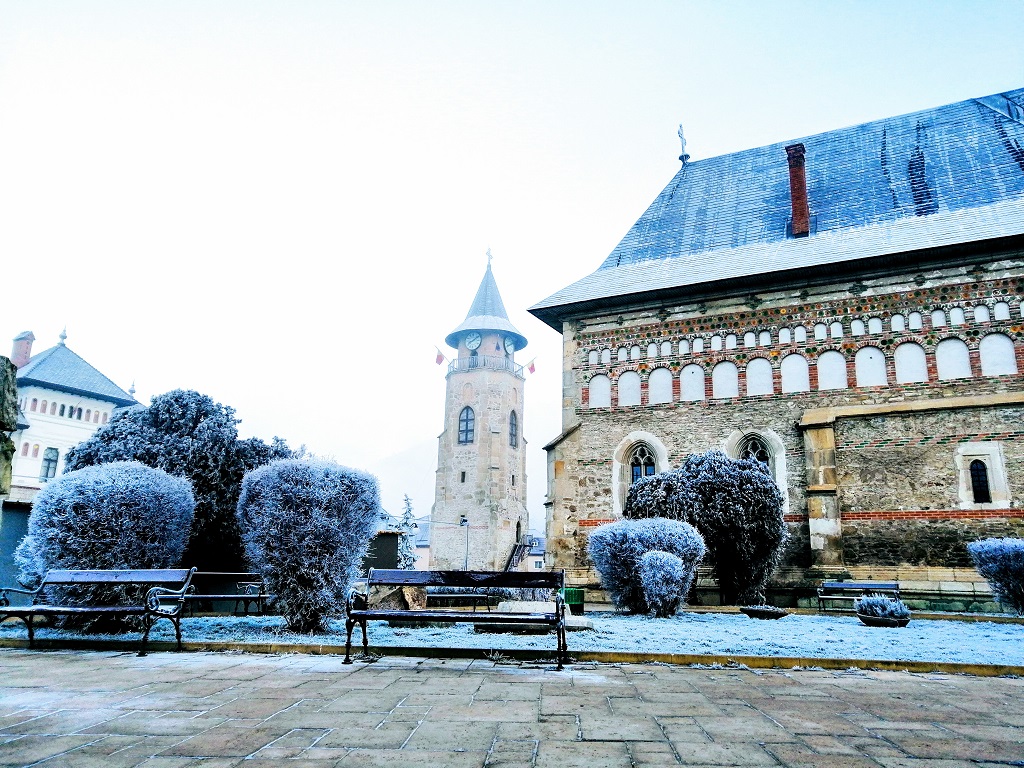
Photo gallery: Princely Court, December 2018
Photo credit: Mihail Oprescu
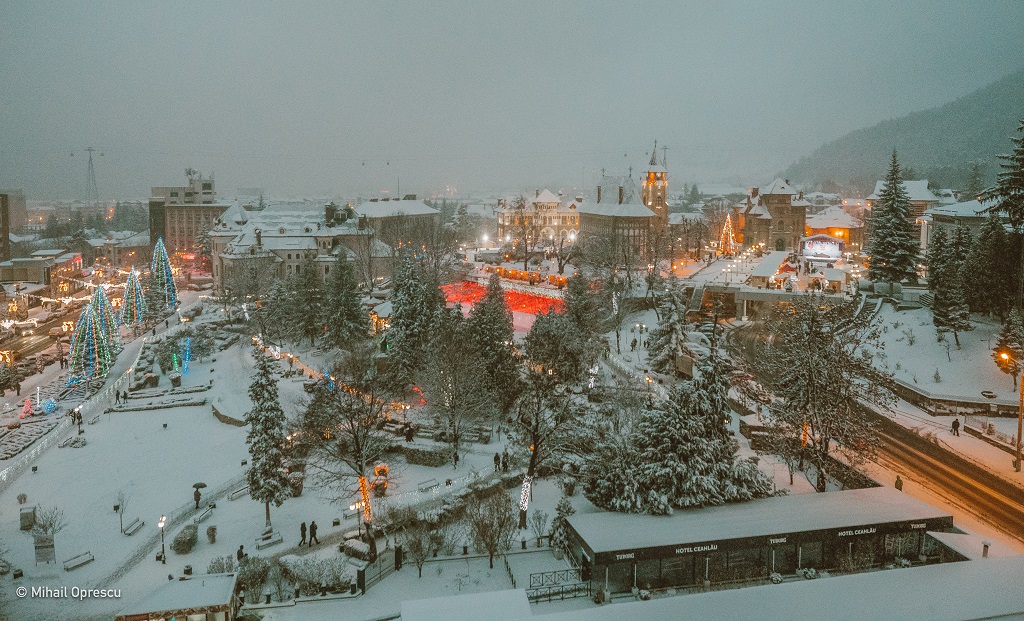
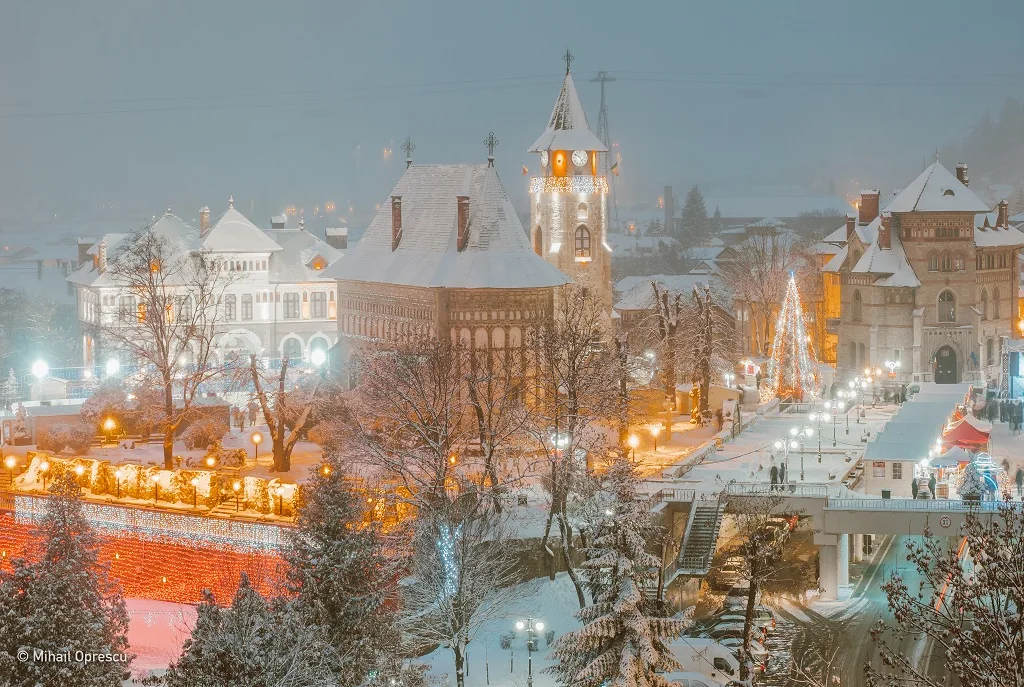
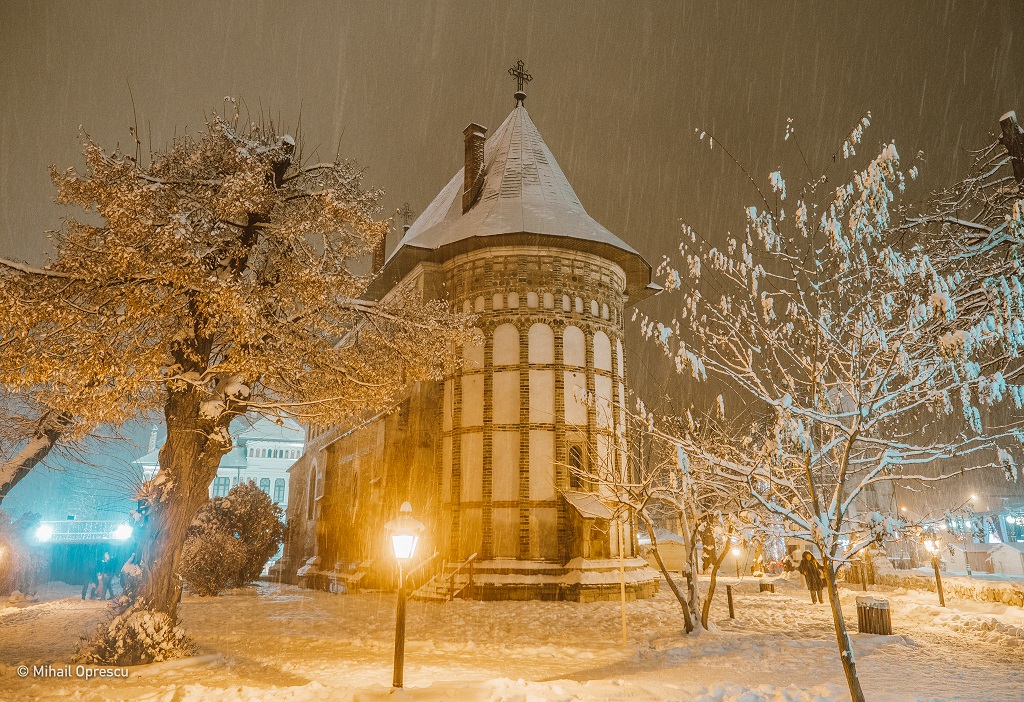
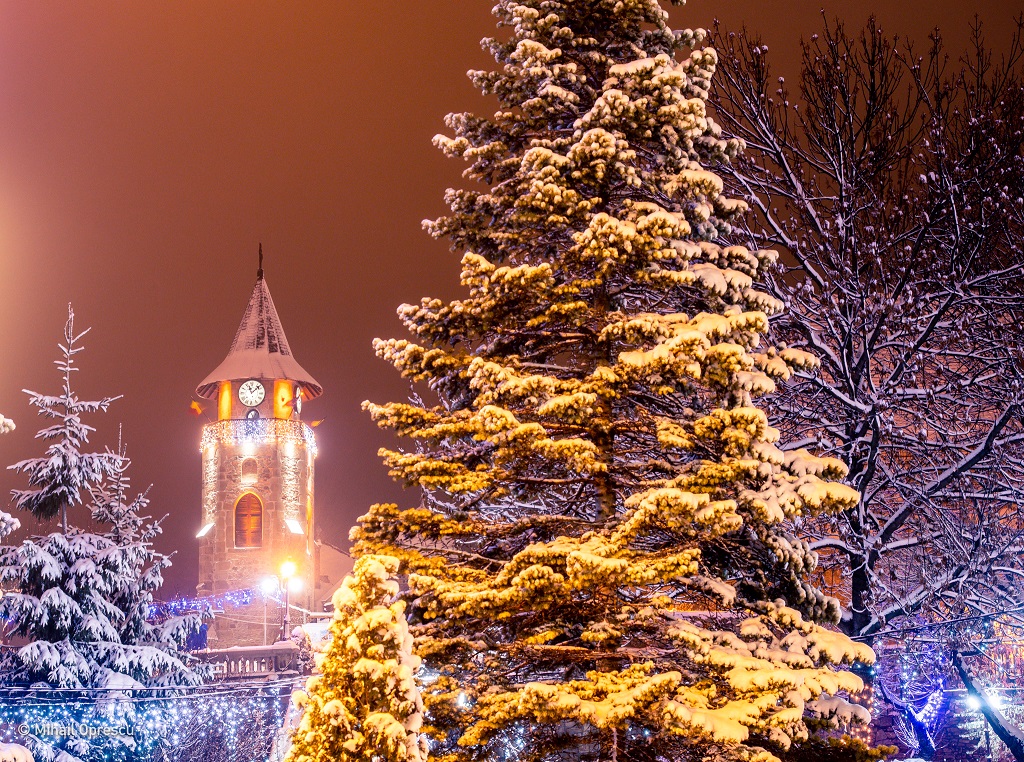
Also within the Princely Court in Piatra Neamț, you can visit the Art Museum, which holds a large number of works by Neamț artists, and the Ethnography Museum, whose picturesque architecture reflects peasant dwellings in the Bistrița Valley. Here, tourists are also invariably impressed by a visit to the Eneolithic Art Museum “Cucuteni”, which offers the richest and most varied collection in Romania and Europe of the “Precucuteni-Cucuteni” culture, which developed between 3,600 and 2,600 BC. The museum displays approximately 800 items of inestimable value, most classified as national treasures.
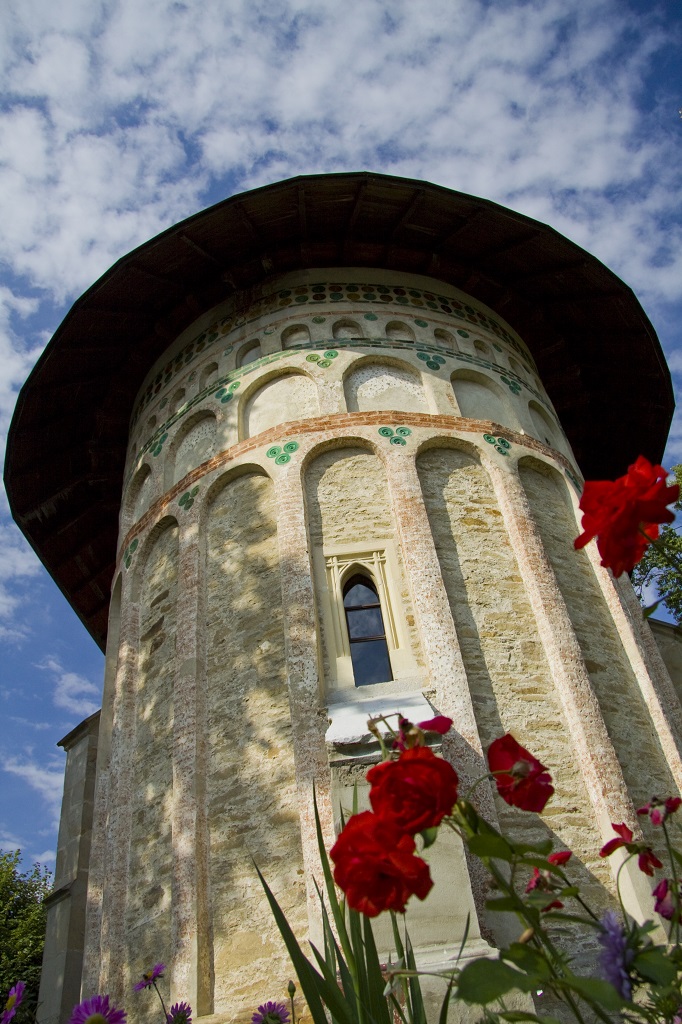
The Stephen the Great Route continues with Războieni Monastery, founded by the voivode in 1496. Erected in honour of the Moldavian soldiers who fell in the battle against the Turks at Valea Albă (1476), the monastery is unique among Stephen the Great’s church foundations: it serves as a mausoleum housing the remains of the fallen soldiers beneath the floor slabs of the sanctuary and narthex. The inscription on the south wall of the Church of the Holy Archangels Michael and Gabriel describes Moldavia’s defeat in the war for country and faith.
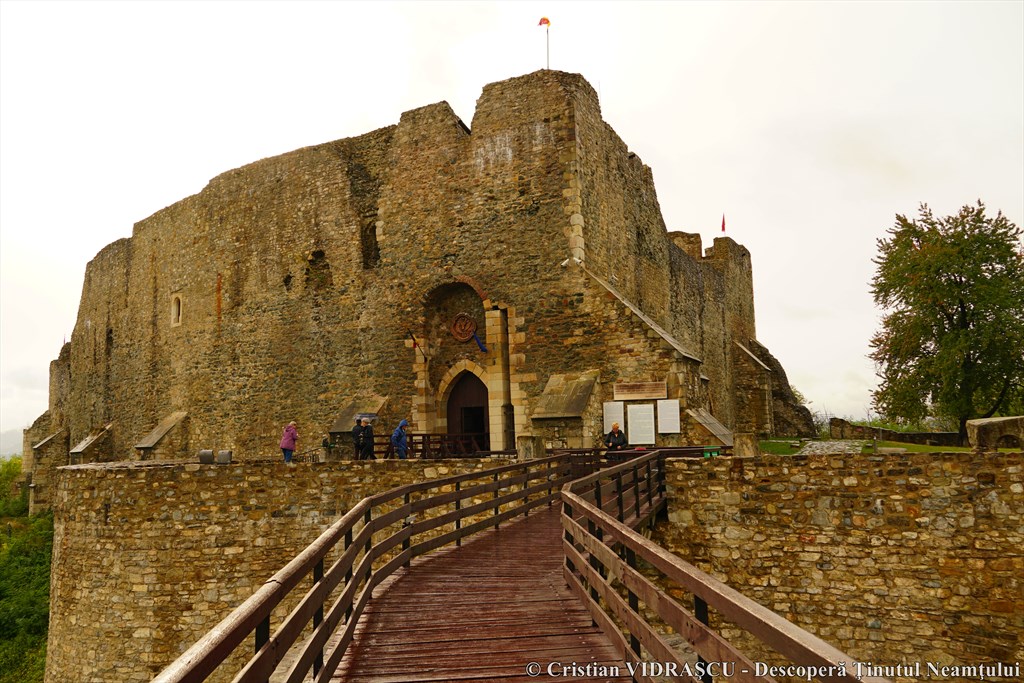
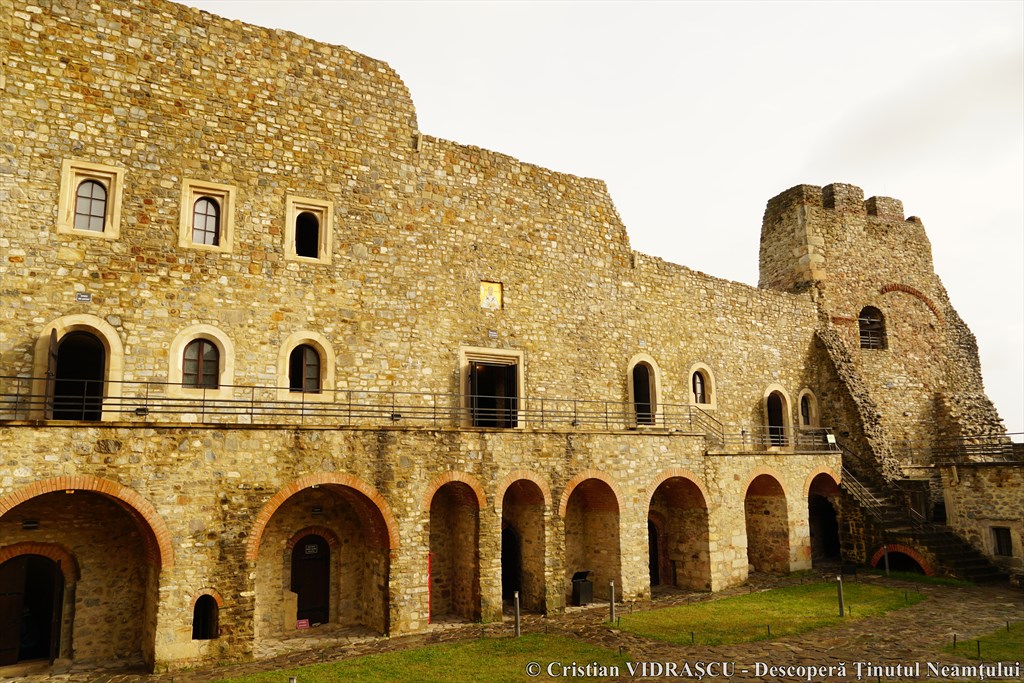
Continuing along the route, you will reach Neamț Citadel, a medieval monument of exceptional value and an emblem of Neamț. Watching over the valleys of the Moldova and Siret rivers, the Citadel bears magnificent witness to the turbulent history of the medieval Moldavian state.
Photo gallery:
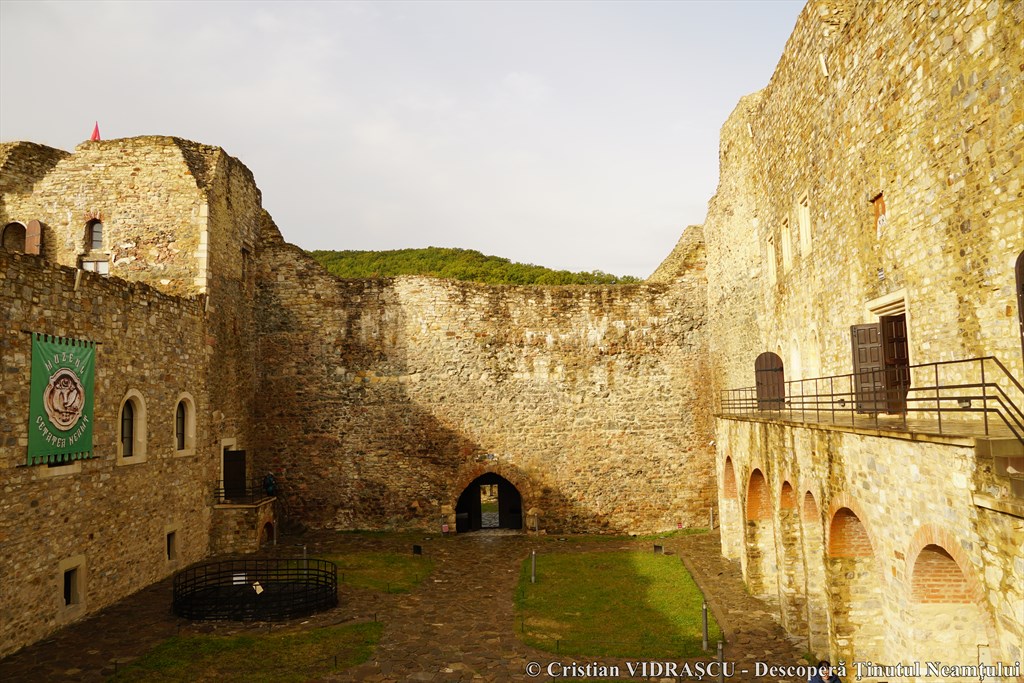
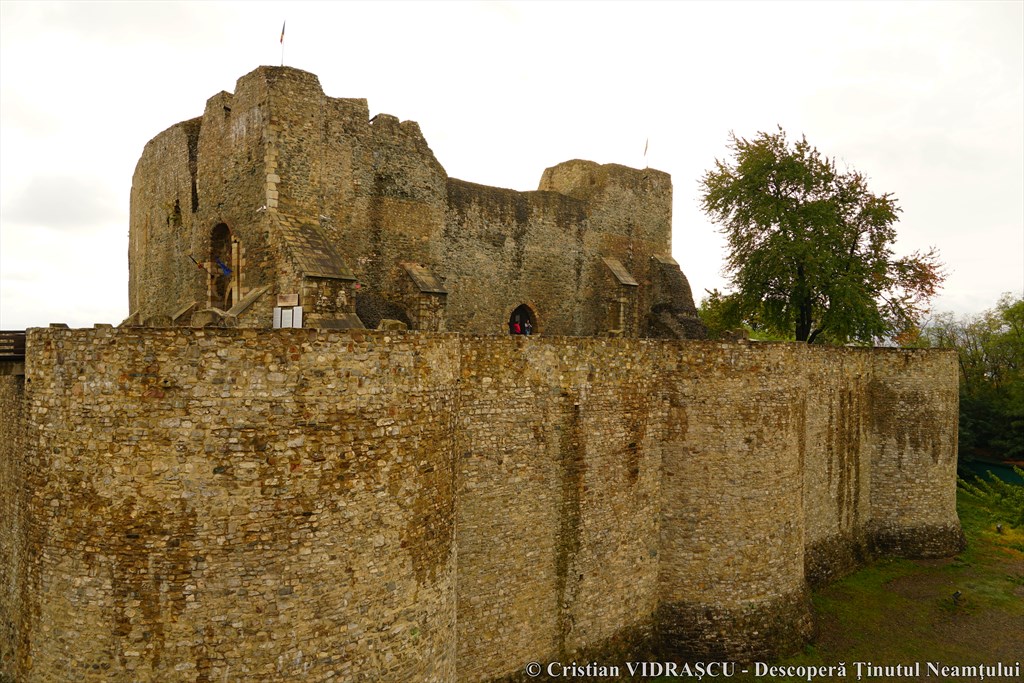
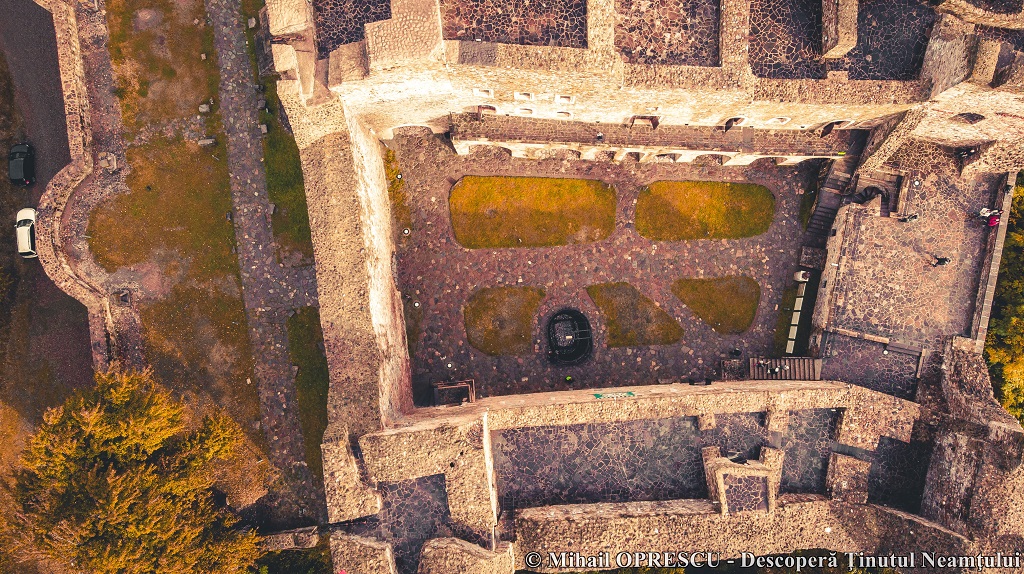
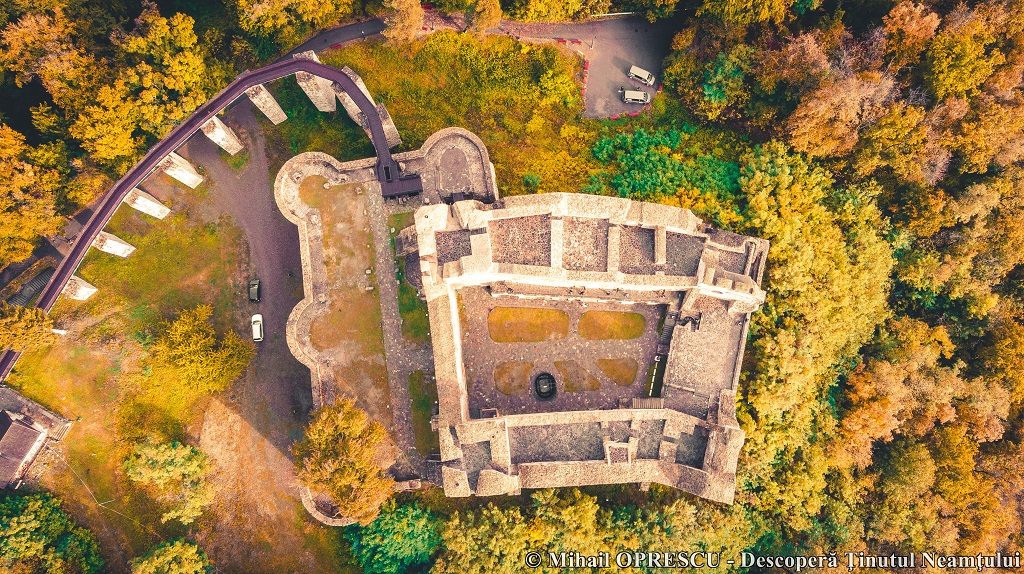
The final visit on the itinerary is to Neamț Monastery, also called the Jerusalem of Romanian Orthodoxy, situated in the valley of the Nemțișor stream, in a glade enveloped by a holy silence, surrounded by the forested heights of the Neamț mountains. The monastery’s main church was built by Stephen the Great after the 1471 earthquake and was consecrated after the victory at Codrii Cosminului. Today the monastery impresses with its architecture, as well as its rich museum collections, icons and other objects of exceptional historical, artistic and religious value. The monastery also holds the oldest monastic library in the country, with over 18,000 volumes.
Photo gallery:
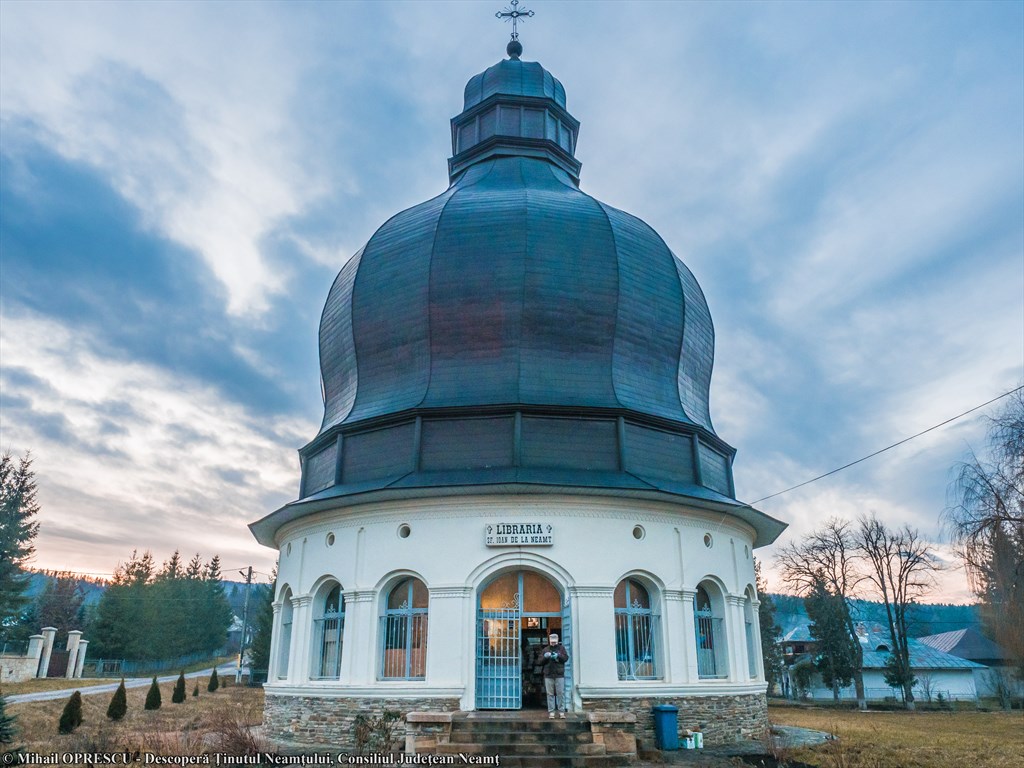
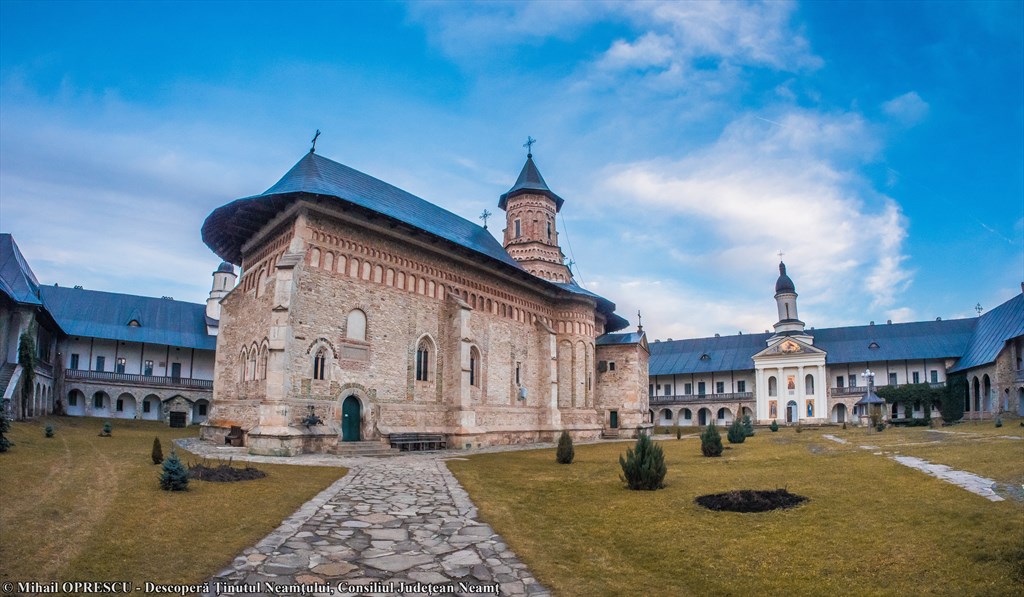
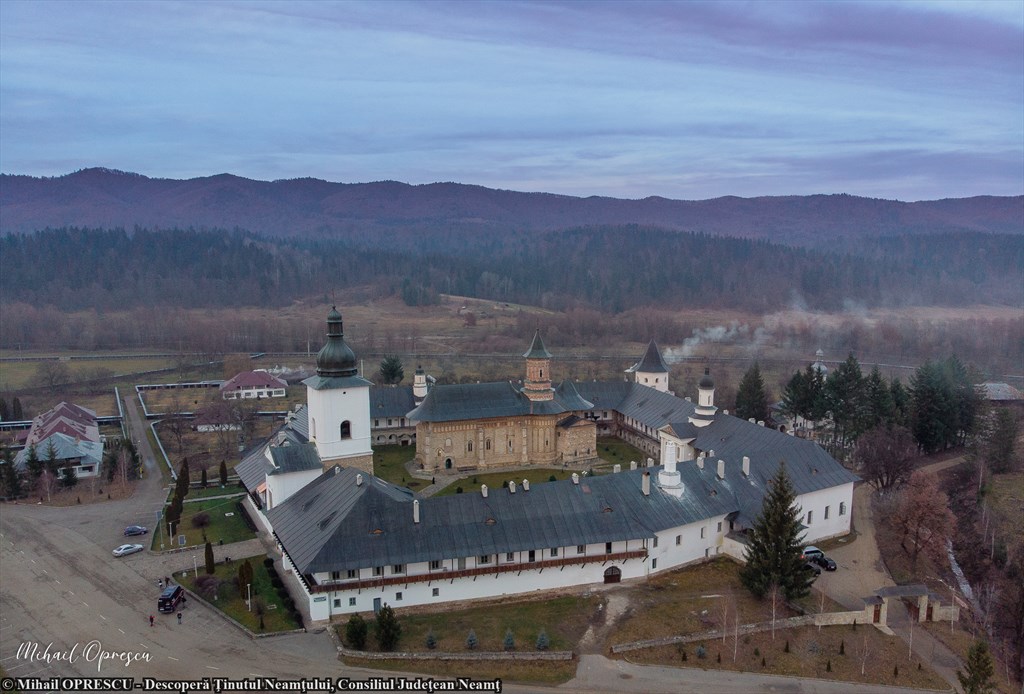
More details about the Medieval Heritage Route – Traces of Stephen the Great in Neamț County can be found on our website at the address below:
https://neamt.tesseramo.com/media/01M4EH1V5FJ4GPYB7DKT7FEXYH.pdf
Here you will also find recommendations for other sites and attractions to visit, events to attend and leisure activities to enjoy during your visit to Neamț County. This fairytale land offers landscapes, legendary places and a rich history, as well as profound spiritual experiences at its monasteries set amid nature.
More on the same topic
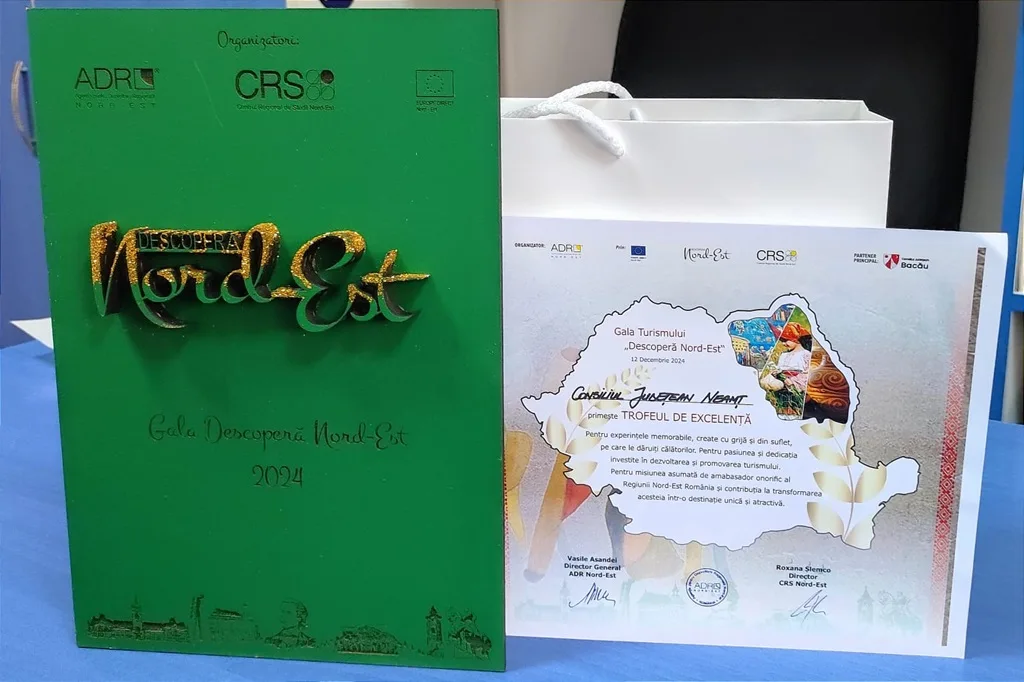
Neamț Awards at the Discover North-East Tourism Gala, 2024
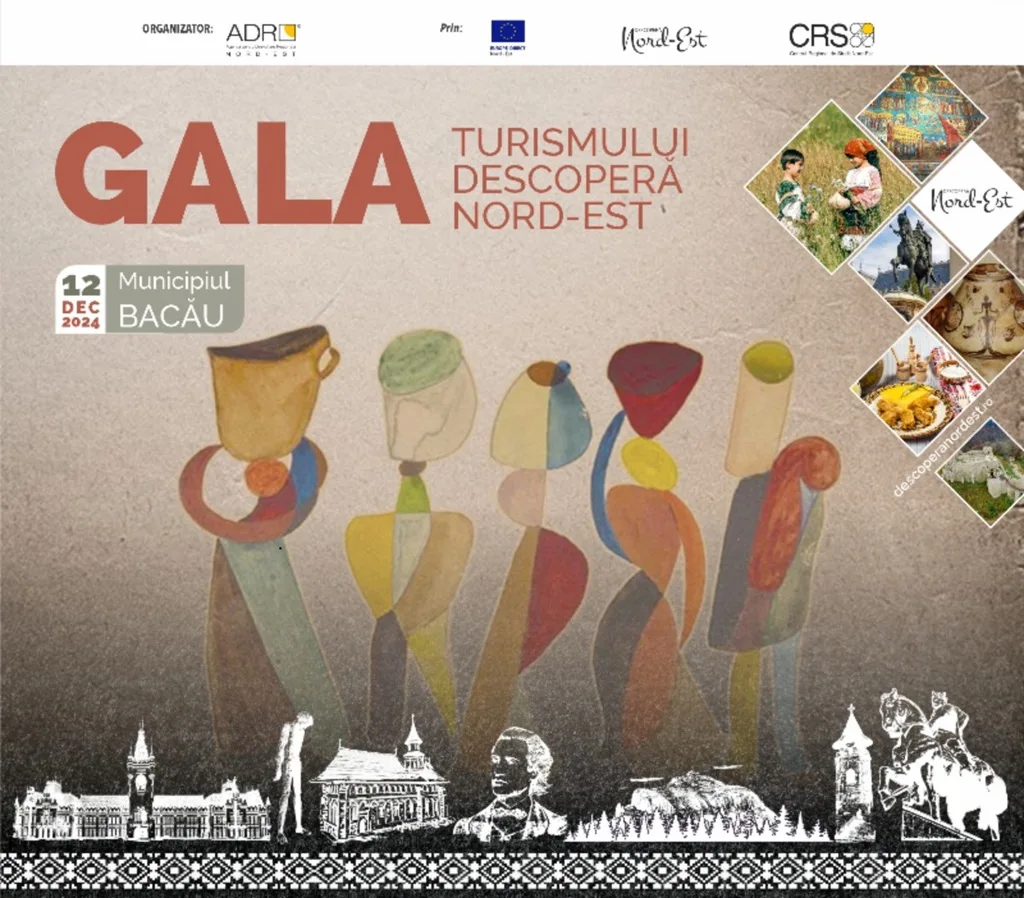
The awards were presented at the 9th edition of the Discover North-East Tourism Gala on December 12, 2024: Newcomer – Award for new locations/attractions/tourist products or emerging tourist destinations: Zenzia Glamping Piatra-Neamț. Poem Rural Piatra-Neamț.
Excellence in Developing Tourism in Neamț at the 9th Edition
On December 12, 2024, we celebrate the tourism initiatives of Neamț County, alongside those from the North-East Region of Romania—a uniquely beautiful and rich area that deserves to be discovered by tourists.
Nominations for Destination of the Year 2025
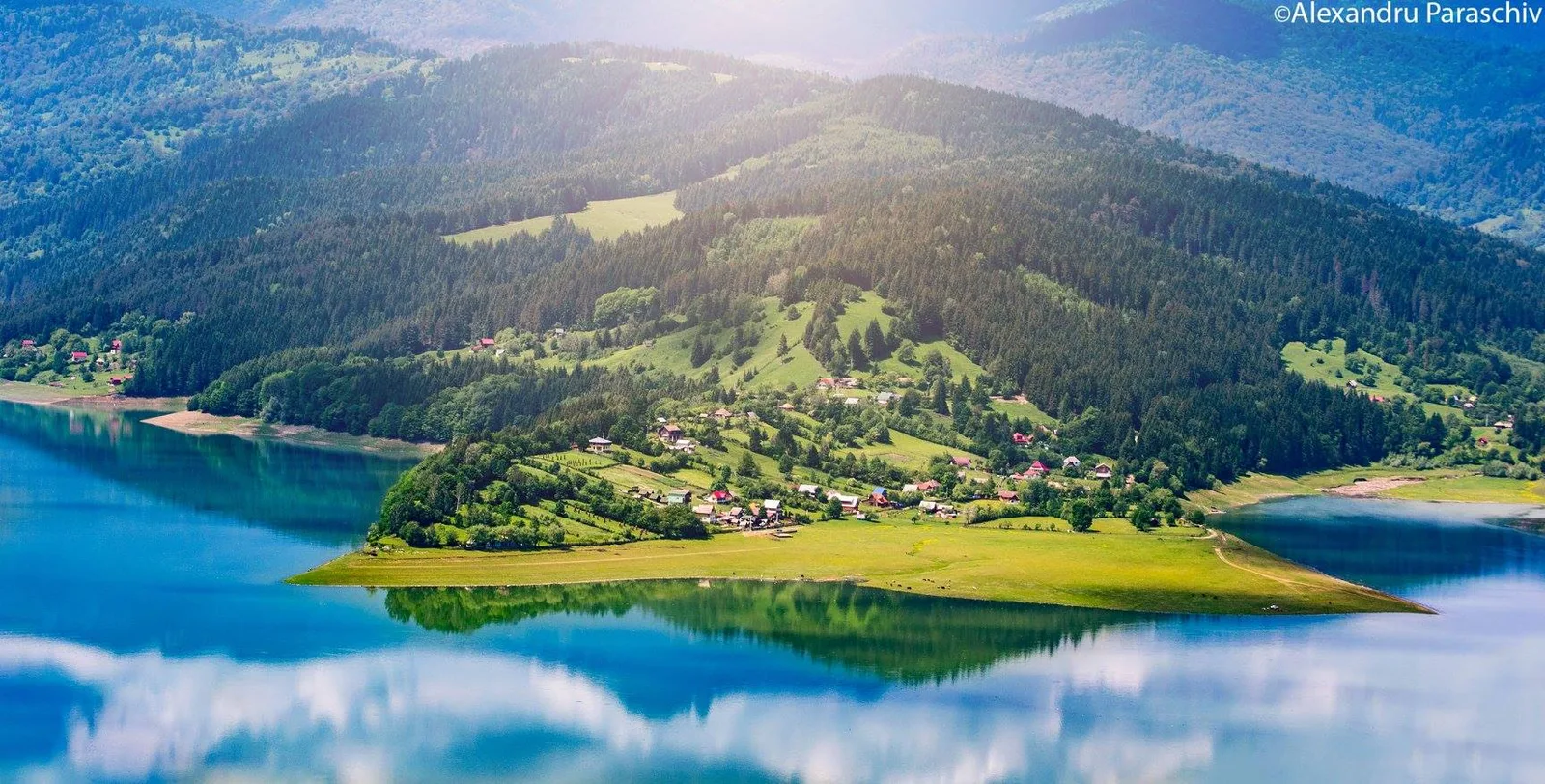
In the category Enchanted Realms – Geographical areas or localities with a rich treasure of nature, history and tradition our proposal is: The city of Bicaz and its surroundings.