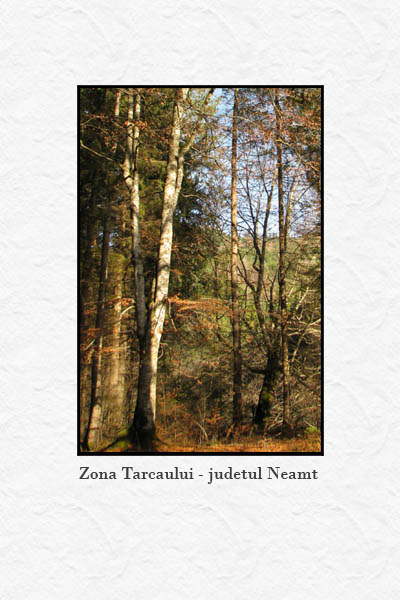
Tarcaului Mountains – Neamț County
Overview: The Tarcaului Mountains are less well known and less visited by tourists precisely because they lie between the Ceahlău massif, known as the “Olympus of Moldavia”, and the impressive Bicaz Gorge. Seemingly overshadowed by the fame of these two great natural landmarks, these places are more often encountered in the works of great Romanian writers, whose descriptions preserve their charm and beauty for eternity. Only by exploring the walking trails throughout the mountains, following the valleys and high ridges, can you admire their grandeur, the forest's mysterious, cool shade and the sparkle of cold, fast-flowing mountain waters. In this way, you can discover local customs and understand the people who live here, see the enchanting landscapes they enjoy throughout their lives, breathe the same bracing mountain air and experience a little of what mountain life means.
Location: The Tarcău Mountains form part of the central group of the Eastern Carpathians and extend across two counties, in the south-west of Neamț County and the north-west of Bacau County, with a length of 65 km, an average width of 40 km and an area of approximately 1,810 km. They are bounded to the north by the Bicazului Valley, to the west by the Damucului Valley and Valea Rece, to the south by the Trotusului Valley and to the east by the Bistrița and Tazlău depressions. The Tarcău Mountains consist of Cretaceous and Palaeogene rocks, and all five thrust sheets identified in the flysch of the Eastern Carpathians occur in this mountain region.
Access: Access points in Neamț County: the locality of Piatra Neamț, Tarcău railway station, Viisoara commune, Pângărați commune, Tarcău commune, the town of Bicaz, Tasca commune, Bicazu Ardelean, Bicaz-Chei commune, Dămuc commune, Roznov commune, Borlești commune, Tazlău commune.
Climate: The Tarcău Mountains fall within the climatic zone of medium-altitude mountains and have a more pronounced continental climate, with harsher winters and short, colder springs. The most favourable weather for tourism comes in summer, during August and September, when days are clear, temperatures are high and rainfall is low, and in winter, during December and January, when abundant snow provides ideal conditions for winter sports.
Rivers: In this area, surface watercourses account for 70-80% of the water and groundwater for 20-30%. The most important rivers flowing through the Tarcaului Mountains are: Bistrița, Bicaz, Tarcău, Trotus and Asaul.
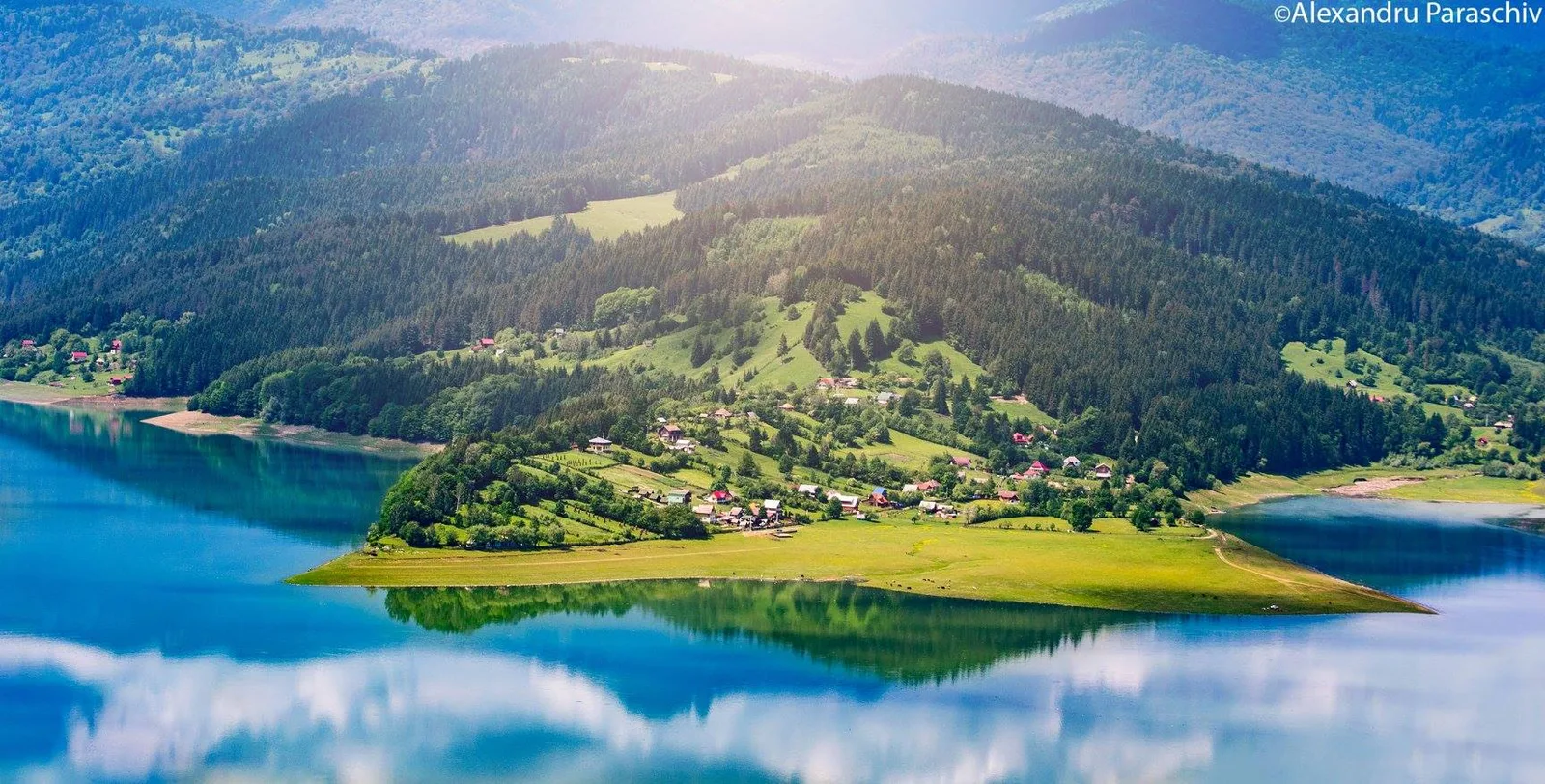
Lakes: Of the eight artificial reservoirs in the Bistritei Valley, only three are of greater importance; they lie between the defile at Straja and Piatra Neamț and are fed by waters from the north-eastern part of the Tarcău Mountains. Vaduri Lake is fed by natural watercourses from Secu, Vaduri and Pangaracior, Pângărați Lake by natural watercourses from Oantu and Pângărați, and Bâtca Doamnei Lake by natural watercourses from Agarcia, Bâtca Doamnei, Valea Mica and Sarata.
Nature reserves in the Tarcău Mountains:
Gosman Forest Reserve in Tarcău commune
The trout farm in Tarcău commune
The dendrological park in Roznov commune
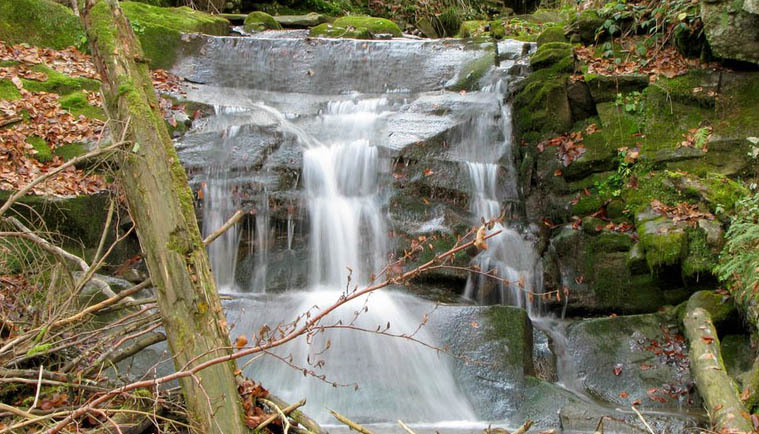
Bolovanis Waterfall in Tarcău commune
The Ianus rapids and waterfall in the village of Cazaci, Tarcău commune
Photo Album Click to view larger versions of the images
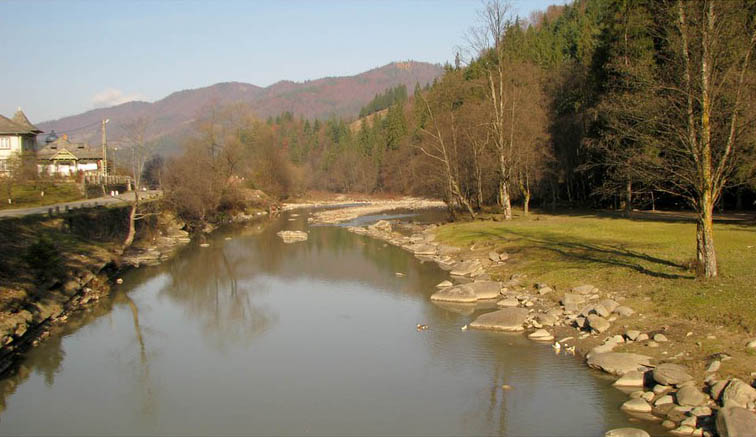
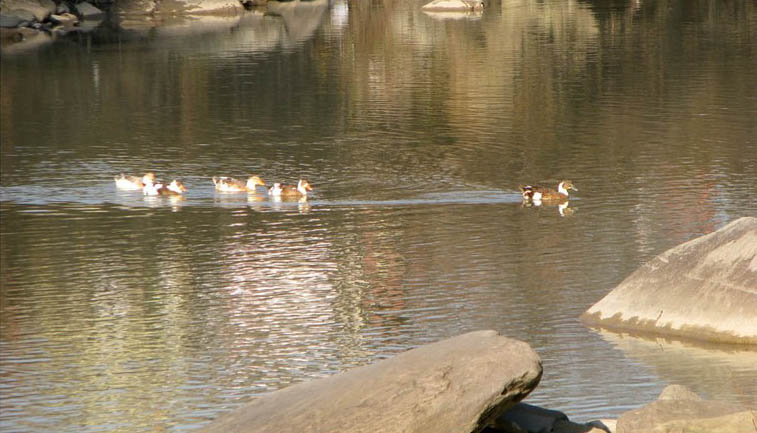
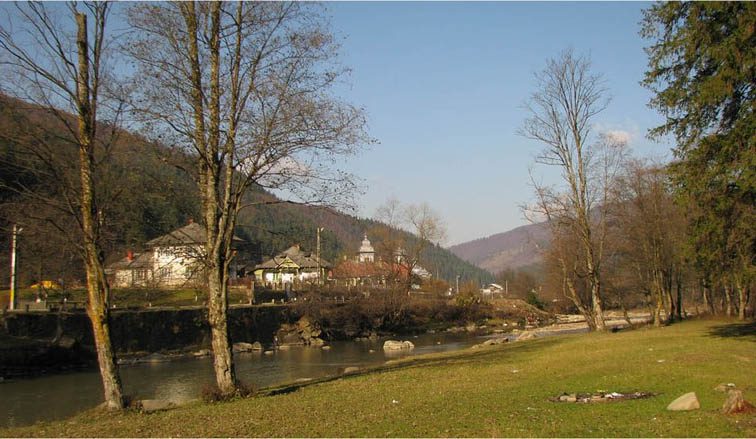
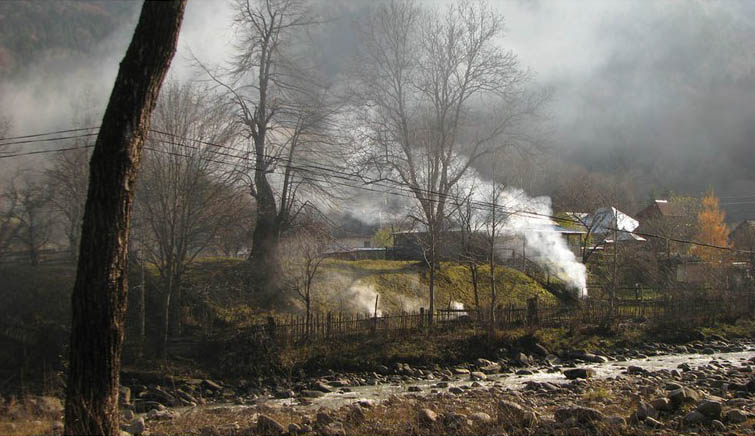
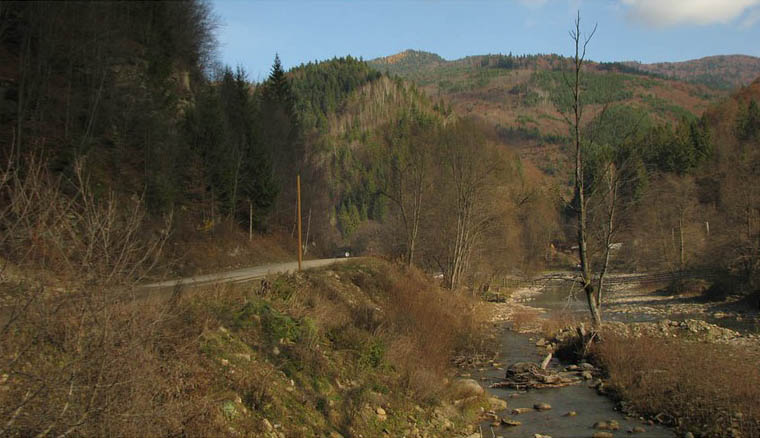
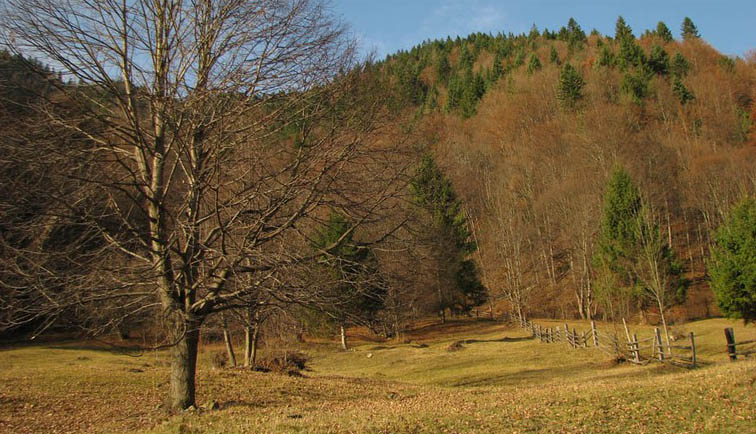
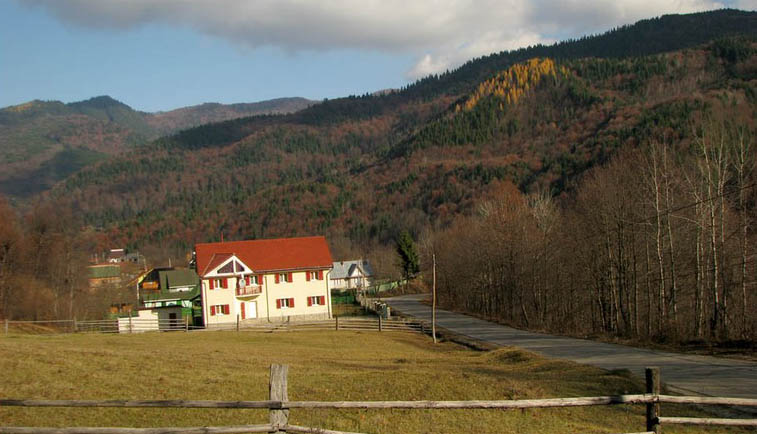
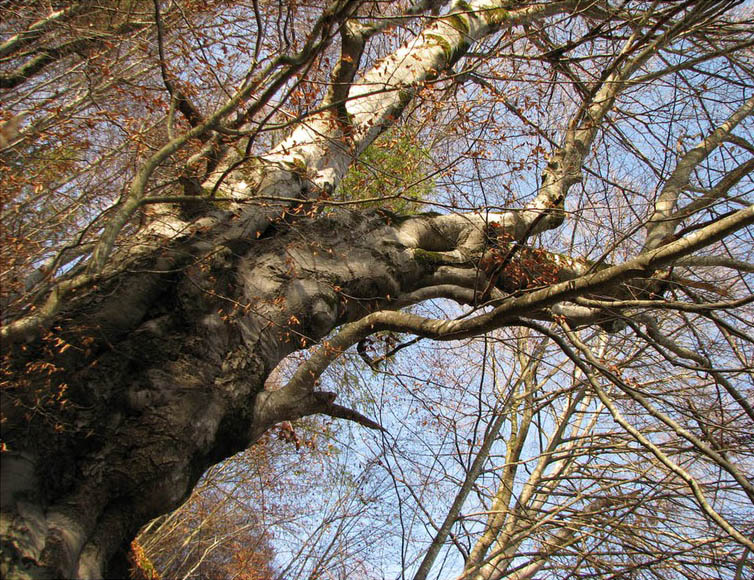
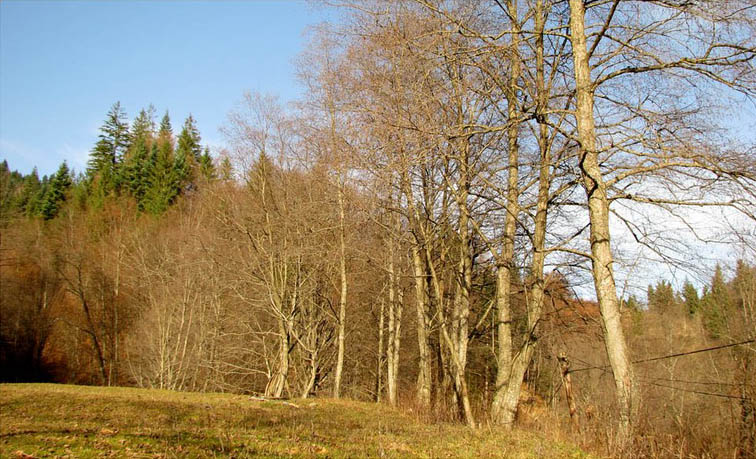
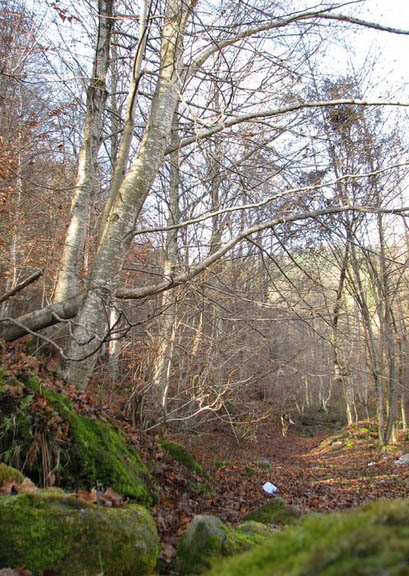
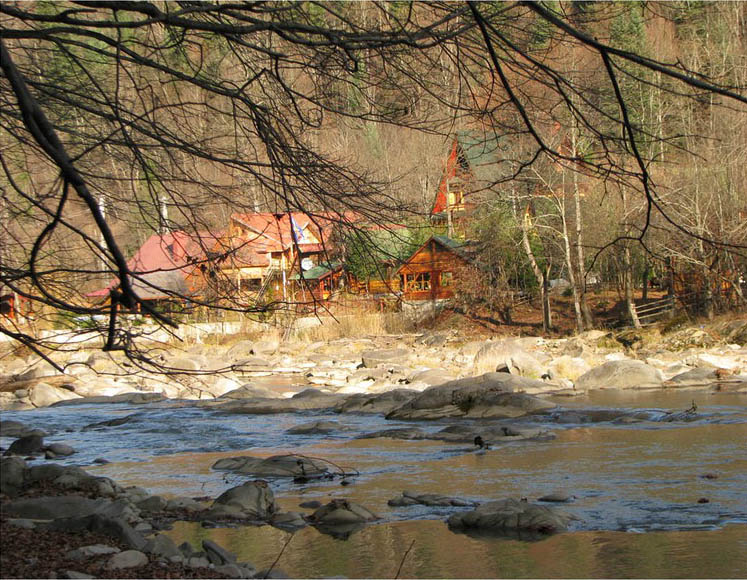
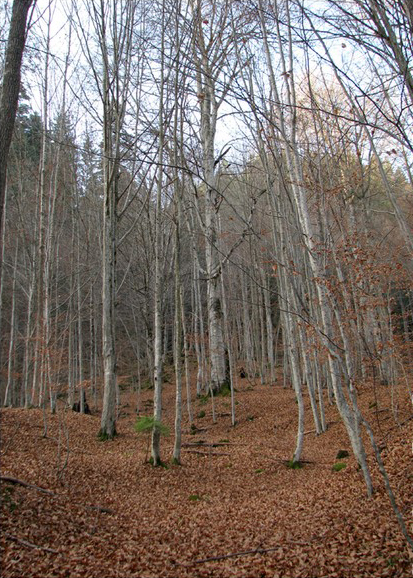
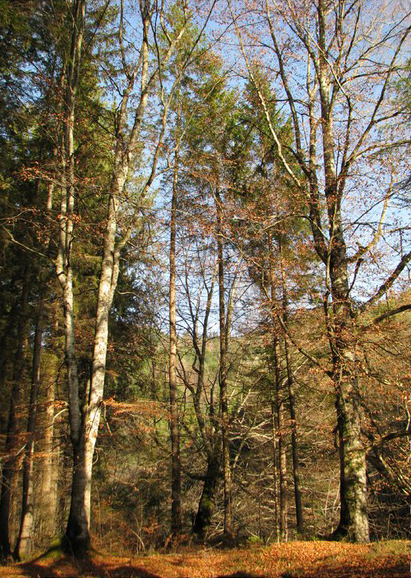
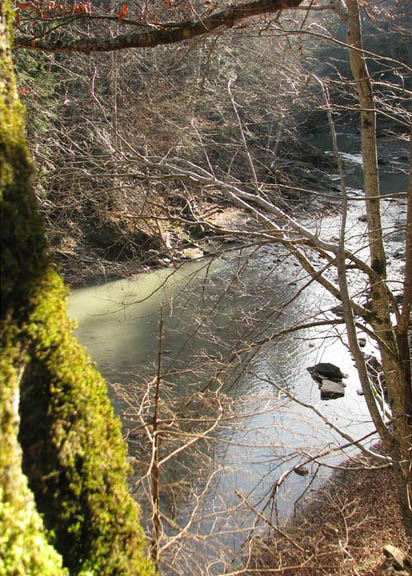
Click to view all photo albums
More on the same topic
Nominations for Destination of the Year 2025
In the category Enchanted Realms – Geographical areas or localities with a rich treasure of nature, history and tradition our proposal is: The city of Bicaz and its surroundings.

Attractive Romania presents “Neamțul în Bucate”
The culinary story of Neamț County invites travelers on a fantastic journey, a tour of its four picturesque regions, filled with tales and flavors that combine tradition, ecotourism and fresh, delicious dishes.
Mountain Villages, Picturesque Areas in Neamț
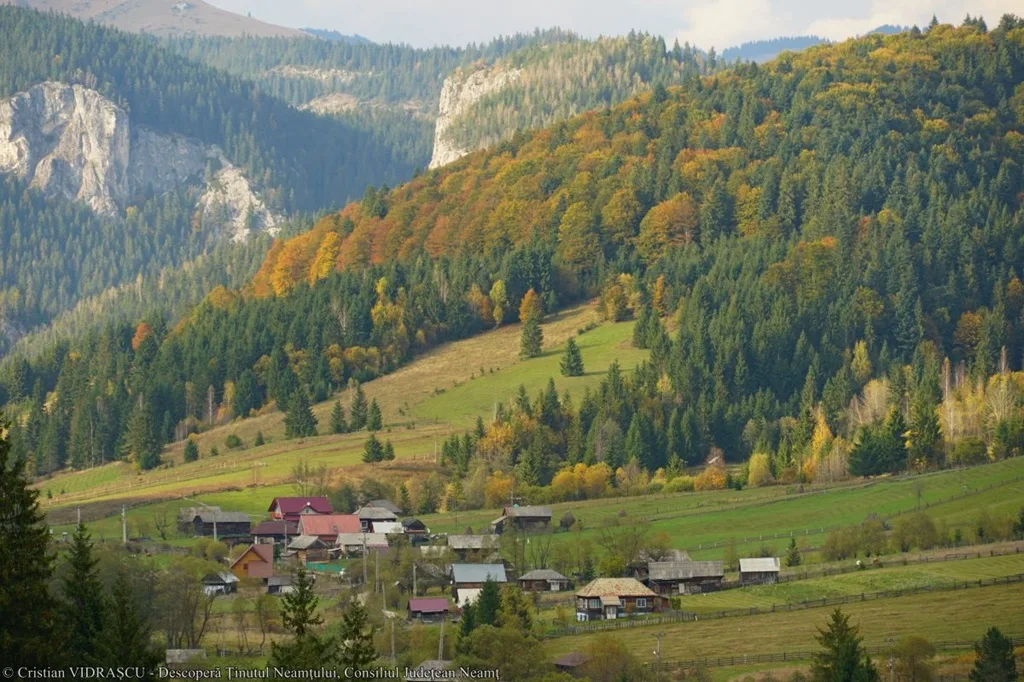
Tourists can now orient themselves better in a particularly beautiful area of Neamț, where the landscapes take your breath away.