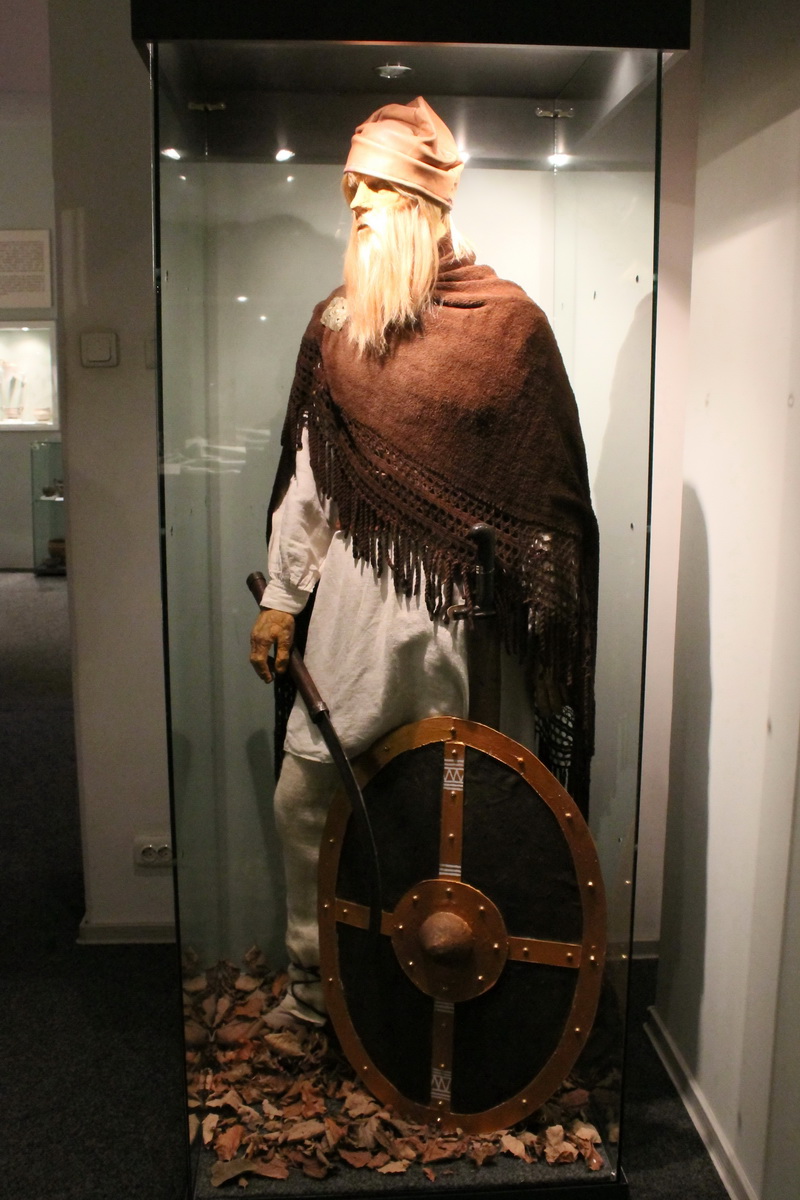
Museum of History and Archaeology in Piatra Neamt, temporary exhibition “Dacians from Moldavia confluence with Siret”
In archeology, the term culture refers to both aspects of the material and the spiritual, in their entirety: settlements, houses, tools, weapons, pottery, ornaments, burial rites, religious rituals, artistic events.
It is undeniable that in Europe century BC, apart from the Romanian state and Dacians were an important nation in Europe, which had reached their physical development, social and political high level, so it is natural that the two cultures have been influencing each other. Ancient writer Dio Chrysostom said: “Getae are wiser than almost all of barbaric and like the Romans“.
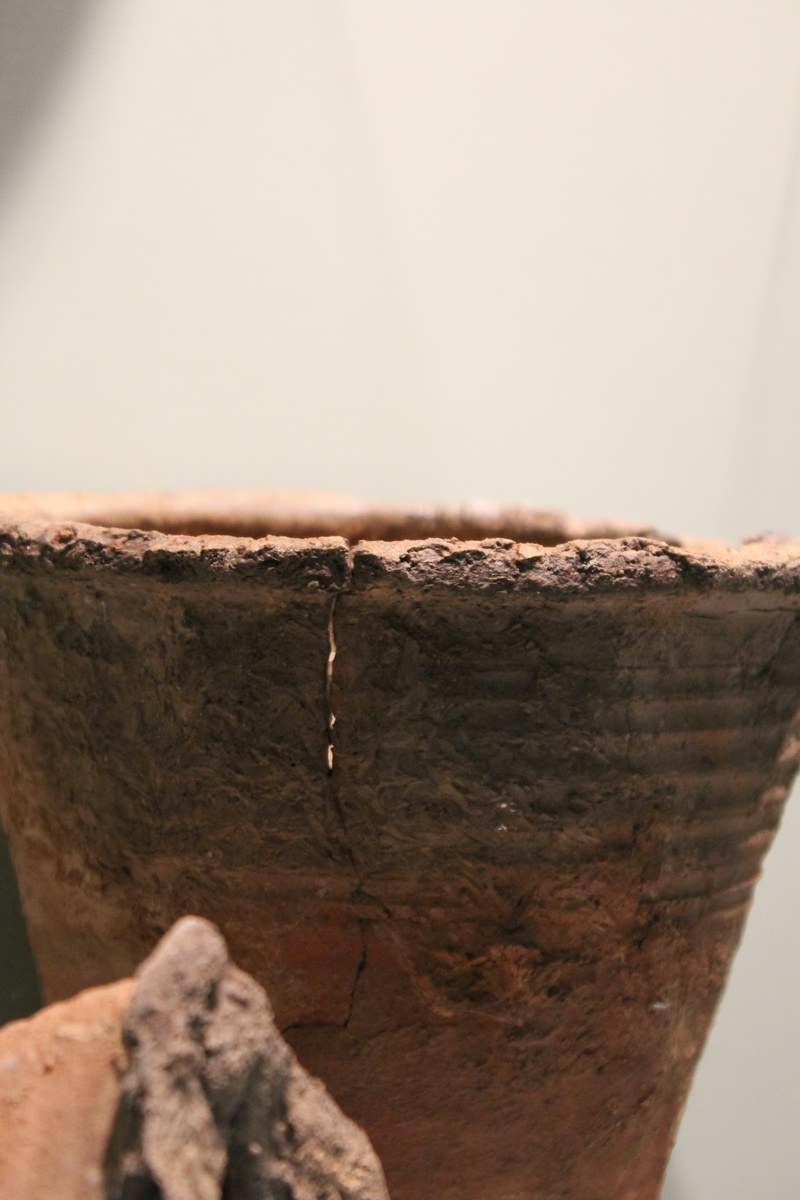
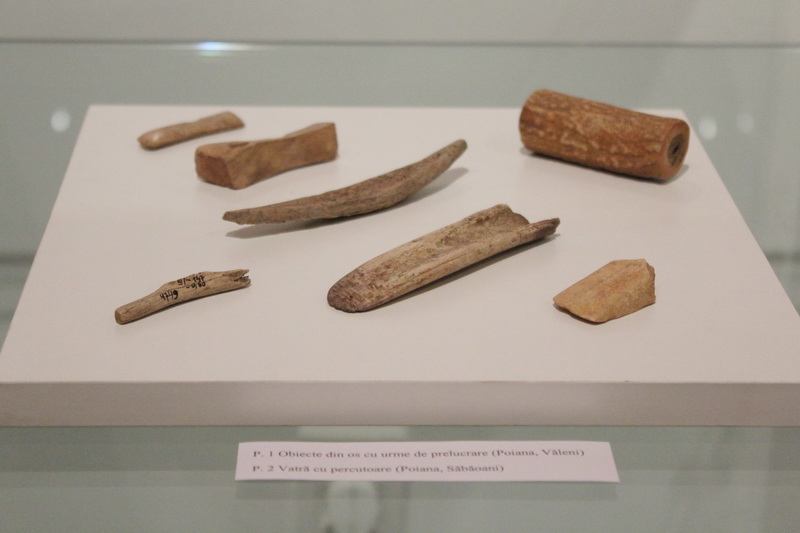
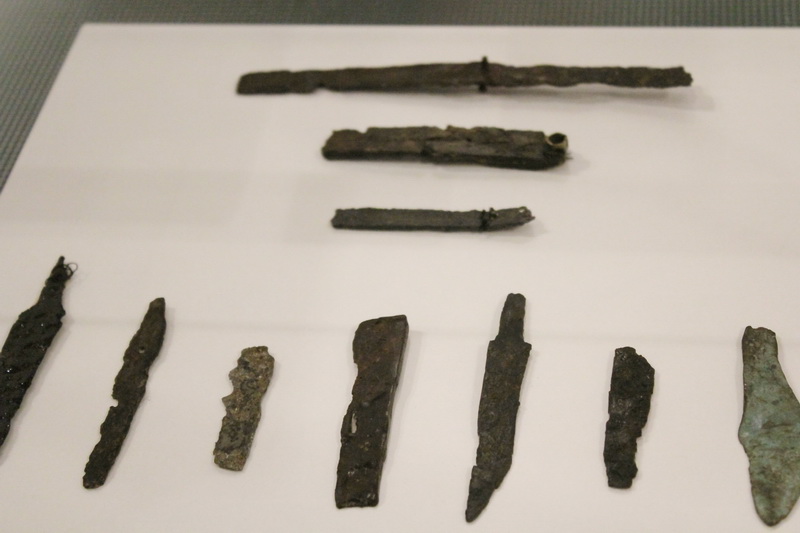
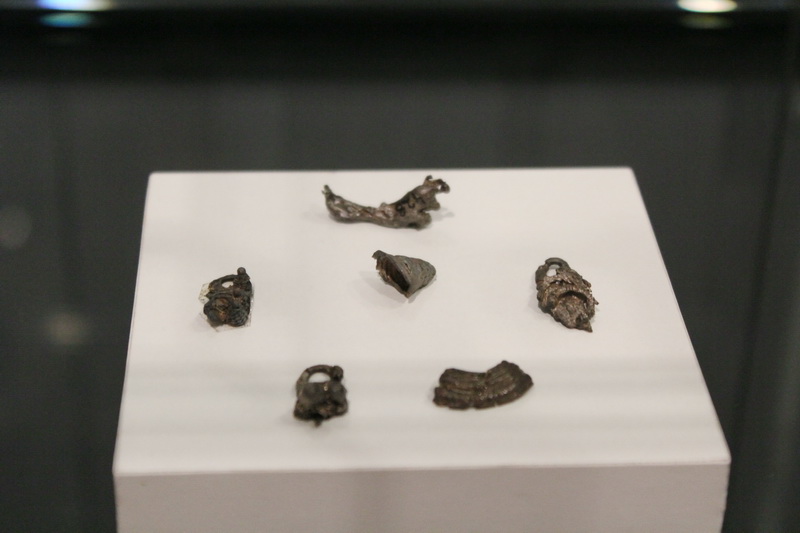
In the period 20 June to 31 August 2014, the Museum of History and Archaeology Piatra Neamt hosts exhibition Dacians from Moldavia confluence with Siret. The exhibition aims at realization of a new archaeological material from settlements inventories and dacian cemeteries from roman era (sec. II-III) by Moldova and Siret rivers. Of particular archaeological sites of this period were selected objects from excavations at Gabăra – Moldoveni, Văleni, Poiana – Dulcești, Butnărești, Aldești, Izvoare – Bahna, David – Văleni, Săbăoani și Roșiori – Dulcești, from Neamț County.
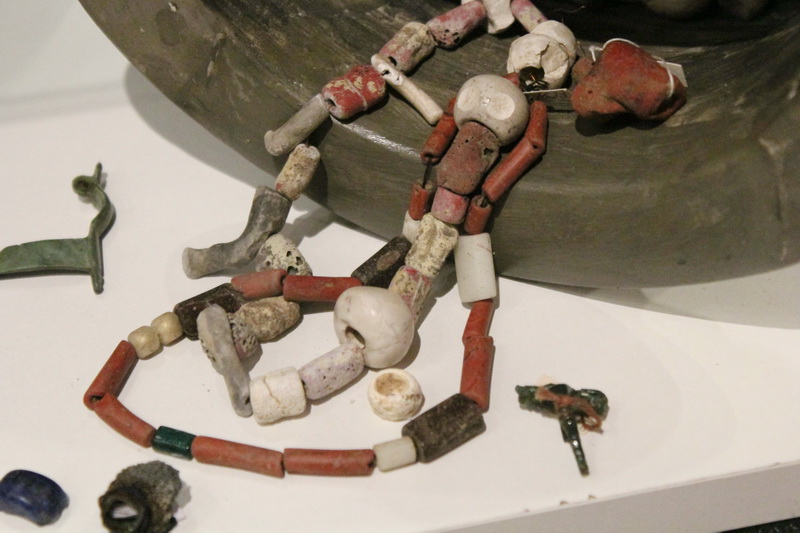
Trough the objects exposed we meet everyday life and spiritual life of the free Dacians who lived on these lands and whose basic occupations were agriculture, livestock, fishing, hunting, pottery, spinning and weaving. We observe that the Dacians were not satisfied taking some elements of material culture from other nations. They have adopted, transformed and often enriched their creations merging them into a forging civilization deeply traditional and original. Cât privește ritul și ritualul funerar dacii liberi practicau și incinerarea și înhumarea cu depunerea de obiecte pe lângă defuncți. As the funeral rite and ritual free Dacians practiced incineration and burial filing besides objects of deceased persons. Among the objects found in the tombs, we find exhibited in this unique exhibition fibulae, brooches, buckles, pendants, coins, rings, earrings, bracelets and especially clay beads, bone or glass, rounded, tubular, spherical in a variety of colors: white, green, red, blue.
Using a diverse and modern presentation, complementary materials and definite scientific information, the exhibition at the Museum of History and Archaeology in Piatra Neamt is among the outstanding achievements of Romanian museology in decades.
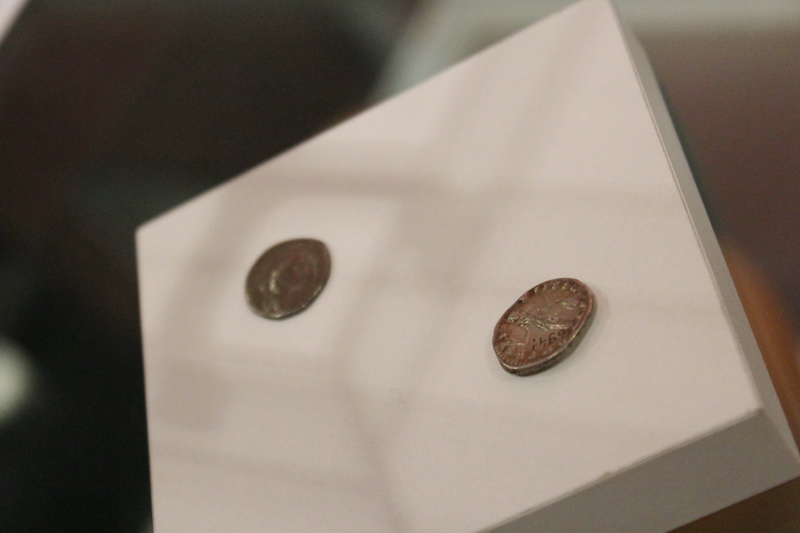
Geto-Dacian culture is an original synthesis which has its roots planted in rural and indigenous belief.
More on the same topic

Neamț receives five nominations across four categories in Destinația Anului
We have good news for everyone who loves Neamț County and all its beauty: it is among the finalists in the Destinația Anului 2024 competition, with five nominations across four categories: Piatra Neamț in the Inspiring Cities category.

Military firefighters bring competition and lots of adrenaline to Târgu Neamț
Târgu Neamț is hosting the 3rd zonal stage of the professional emergency situation competitions, in which representative teams from several counties of the country will participate: Bacău, Botoșani, Iași, Neamț, and Suceava.
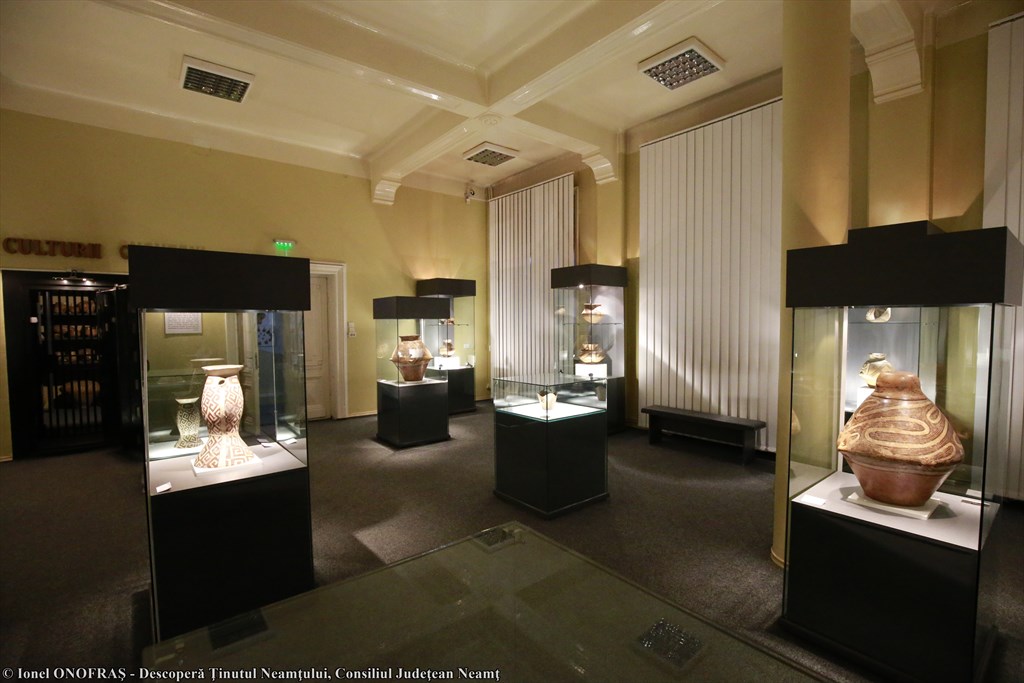
Discover, in Piatra Neamț, the most important Eneolitic art collection from the South-East of Europe
Photo Gallery: Nationally one of the kind, both history and art museum, it currently hosts the most spectacular artefacts, famous objects that belong to the Cucuteni–Trypillia Culture, which is in…