Nicolae Grigorescu’s paintings at Agapia Monastery
Agapia Monastery
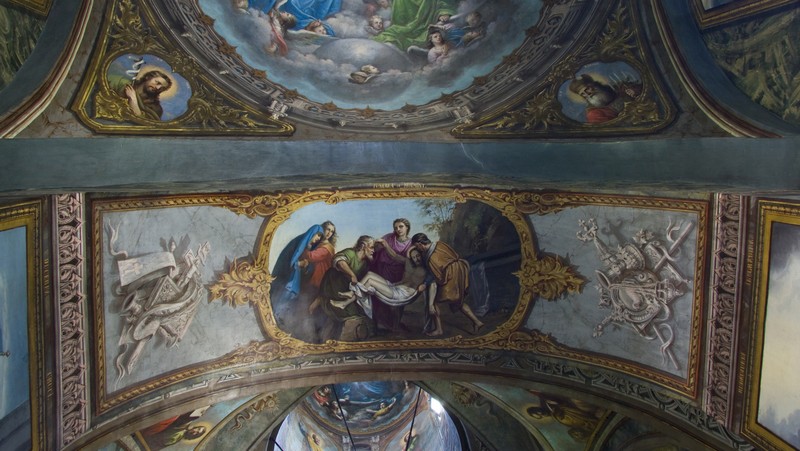
Agapia Monastery is adorned for posterity with saints painted by Nicolae Grigorescu between 1858 and 1861. The abbess of Agapia Monastery, Tavefta Ursache, commissioned the artist to paint the church interior. She had seen a large icon of the Mother of God painted by Grigorescu, which can still be found in the monastery museum, and was convinced of his talent.
Although he was only 20 when he began painting the church interior, Nicolae Grigorescu used his skill and talent to create an enduring work of great value at Agapia, in which his artistic genius successfully combined Byzantine tradition with the neoclassical style and Romanian folk art.
For his portraits of saints, Grigorescu used priests serving at the monastery, nuns, peasants, children and various people passing through Agapia Monastery as models. In this way, he painted the icons on the iconostasis, the paintings and the mural compositions in a realistic manner, depicting life with great precision and artistic skill.
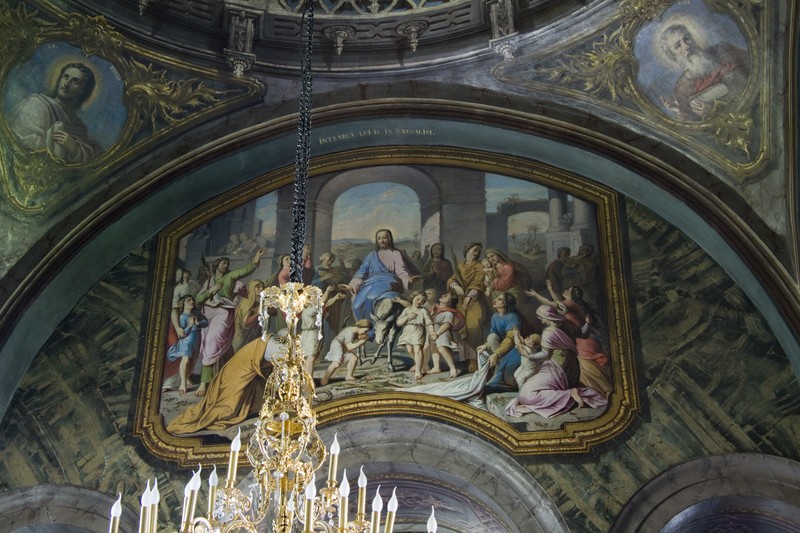
The faces and colours are vivid, and the movements are graceful, human and dynamic.
Photographs of the paintings at Agapia Monastery
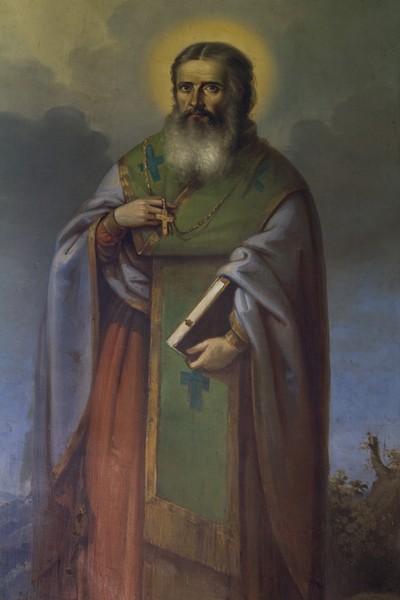
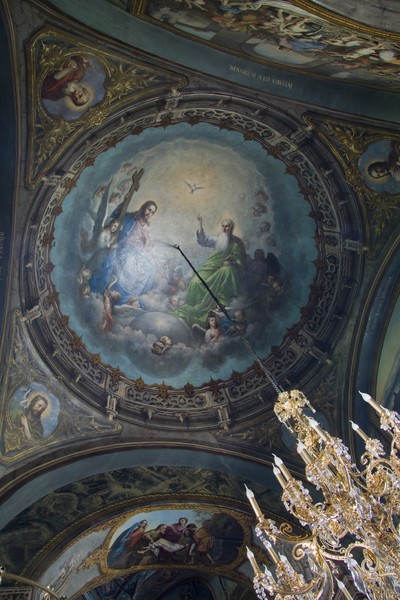
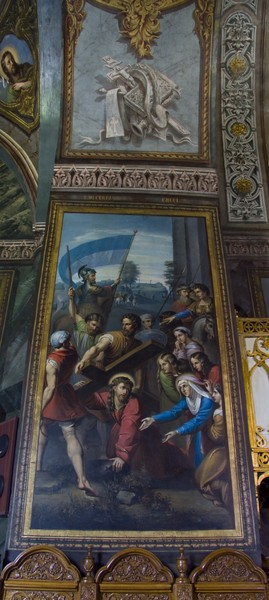
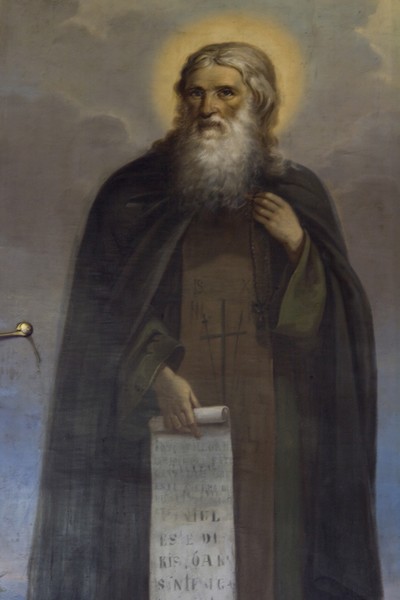
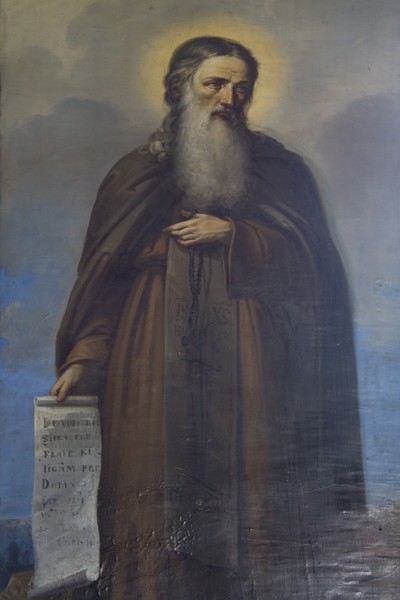
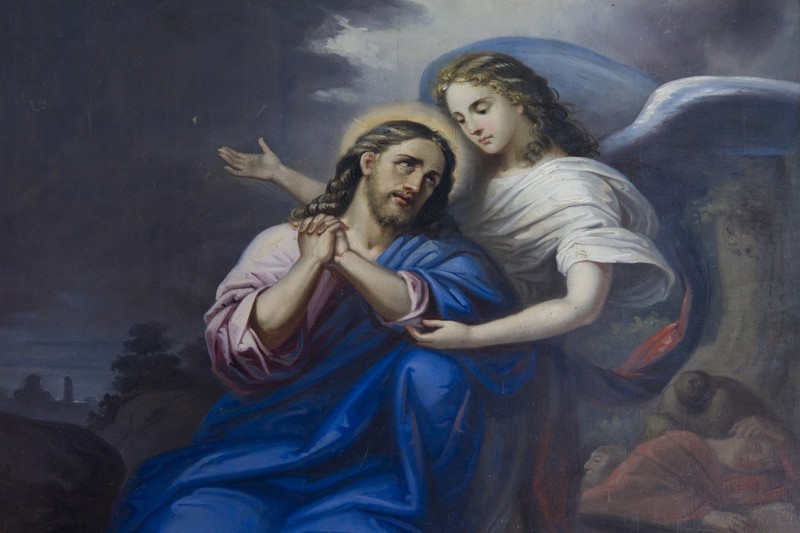
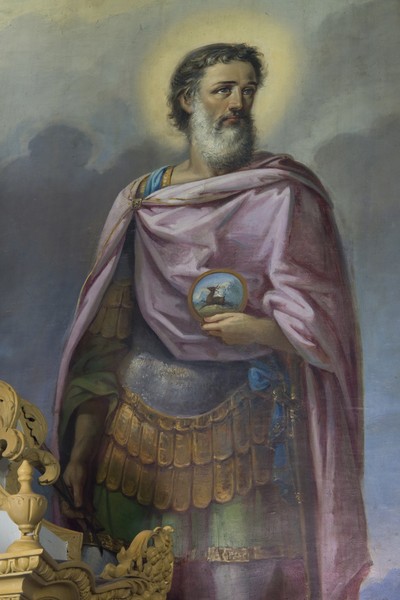
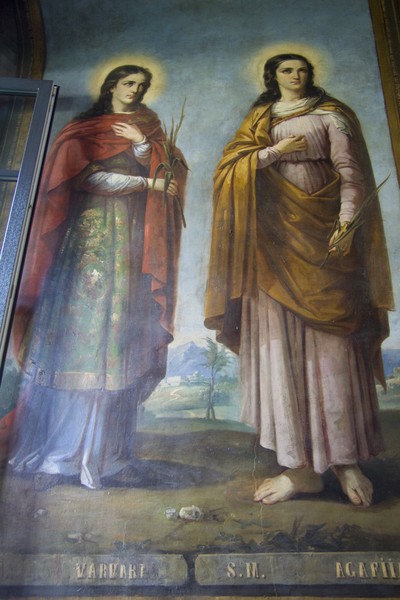
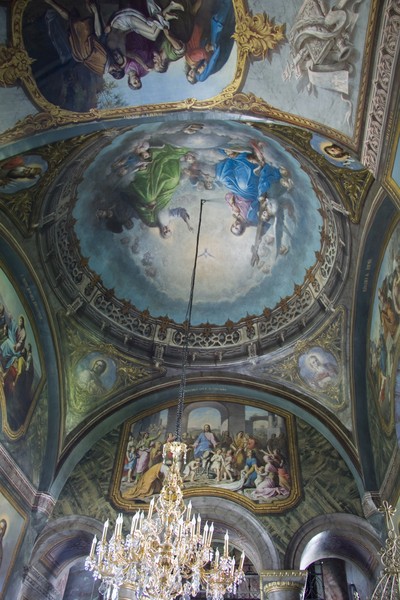
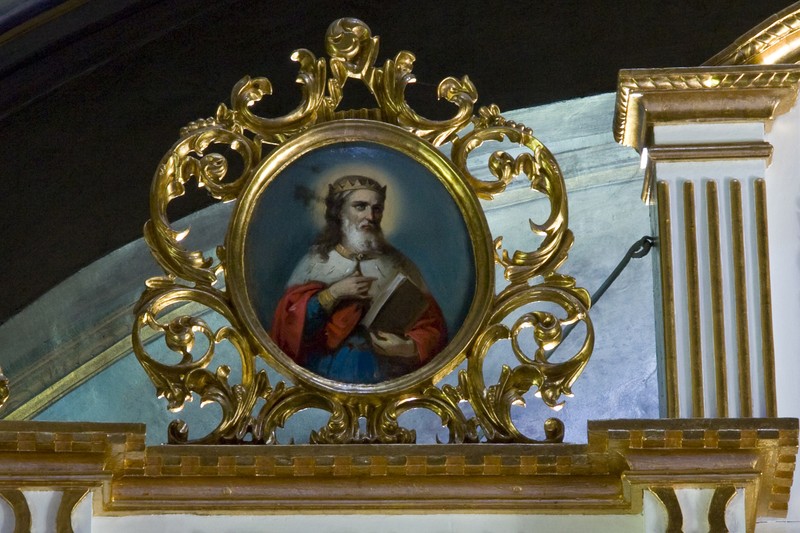
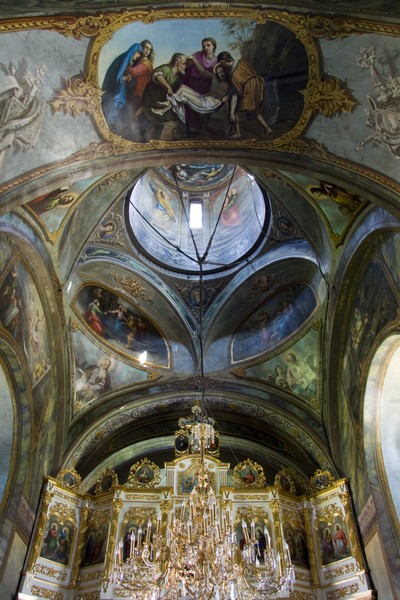
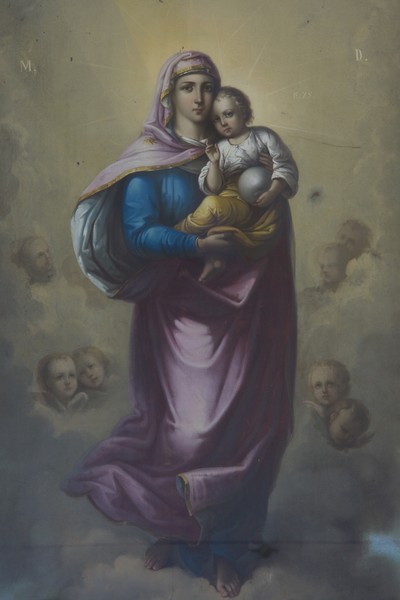
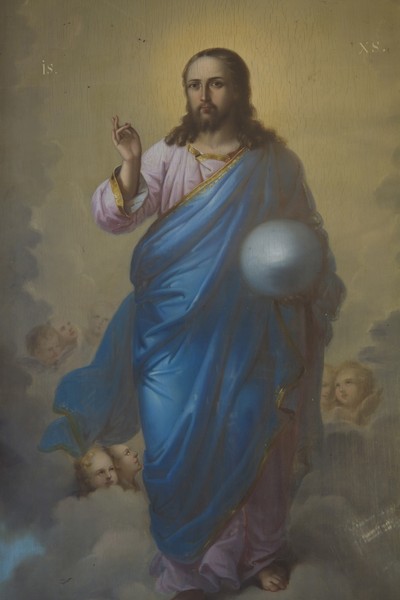
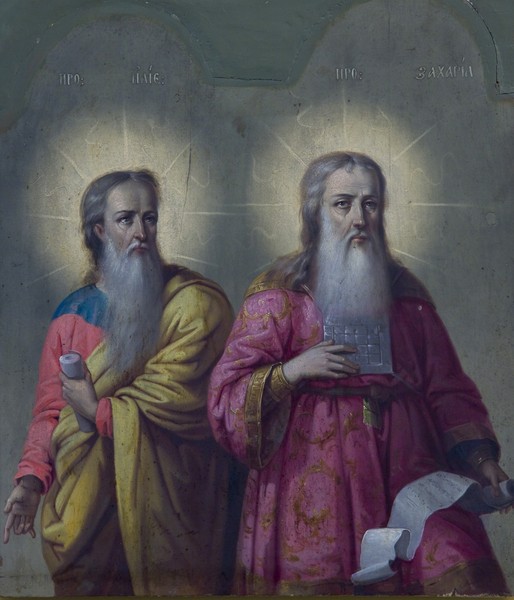
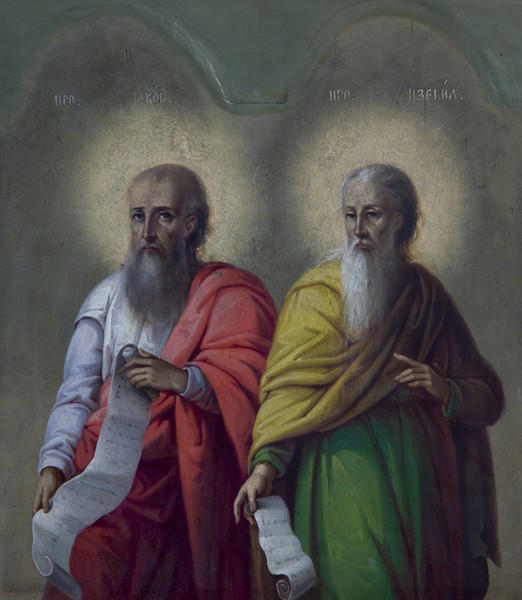
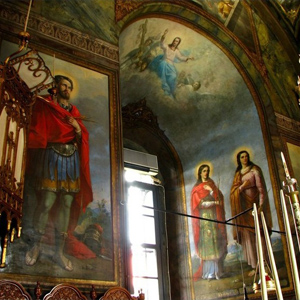
Inside the church, we can admire several original compositions that show how Grigorescu sought to establish a new, personal vision, creating at Agapia “a Romanian style of religious painting”, including: The Way of the Cross, Prayer in the Garden of Gethsemane, The Entombment of the Saviour, The Last Supper, Tobias Abandoned by the Angel, The Saviour’s Entry into Jerusalem, the Holy Virgin Mary with the Infant Jesus, The Cross with the Crucified Saviour, etc. Among the icons of the major prophets, the youthful, graceful face of the prophet Daniel stands out: the painter immortalised his own youthful features here, leaving us an anonymous self-portrait.
Of all the paintings at Agapia Monastery, the work with the greatest artistic value is the Icon of the Mother of God with the Child in Her Arms. Using a peasant woman from the village of Filioara as his model, the painter succeeds in giving the Mother of God a Romanian face, with the features and bearing of a peasant mother from Moldavia.
More on the same topic

Ethnographic museums, treasures of local history and traditions
Ethnographic museums are true treasures and expressions of love for traditions, folklore, and spirituality of the places, and so is the Ethnographic Museum Casa Bunicilor in the village of Mitocul Bălan, Crăcăoani commune.

Neamț receives five nominations across four categories in Destinația Anului
We have good news for everyone who loves Neamț County and all its beauty: it is among the finalists in the Destinația Anului 2024 competition, with five nominations across four categories: Piatra Neamț in the Inspiring Cities category.

The Story of the Seven Miraculous Icons of the Holy Virgin and Saint Anne from Neamț Land
Renowned not only for its beauty and historical significance but also called the “Jerusalem of Romanian Orthodoxy,” Neamț Monastery houses the miraculous icon of Virgin Mary with three hands…