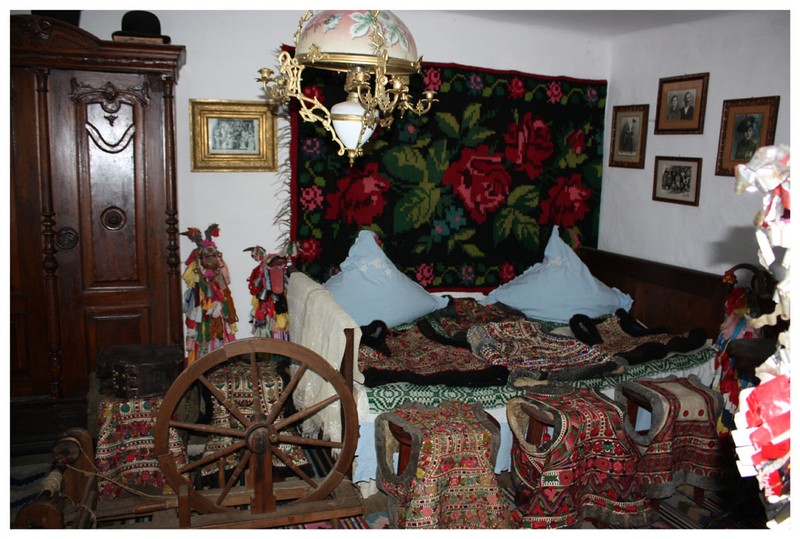
The Town of Târgu Neamț – Neamț County
The town of Târgu Neamț - Surroundings
Location: The town of Târgu Neamț lies in the north of Neamț County, at an altitude of 365 m, on the terrace of the Ozana River, at the entrance to the Neamtului Depression. The town is surrounded by hills and ridges belonging to the Moldavian Subcarpathians: Plesu Ridge (a foothill ridge of 913 m) to the north, the hills of Movilelor (440 m), Humulești (410 m) and Ocea to the south (400), and Boistea Hill (582 m), which closes off the Ozana valley to the east.
Getting there:
by road
DN 15 B – from Cristesti-Poiana Largului DN 15 C – from Piatra Neamț – Falticeni E 85 – passes approximately 15 km from the town of Tg Neamț, through Cristesti and Falticeni
by air
– Salcea – Suceava Airport (65 km from Tg Neamț) – has scheduled flights to Bucuresti and Timisoara – Iasi International Airport – has scheduled flights to Viena, Budapesta, Bucuresti, Constanta and Timisoara – Bacau International Airport – has scheduled flights to cities in Italy (Bologna, Milano, Roma, Torino), Bucuresti and Timisoara.
by rail
– trains departing from Târgu Neamț connect to the Bucuresti-Suceava main line via the Târgu Neamț – Pașcani railway line
Administrative headquarters:
Mayor: Mr Decebal Arnautu The town’s patronal feast: the Christian feast of “Nativity of the Mother of God” address: 62 Ștefan cel Mare Street, Tg Neamț, Neamț County, postcode 615200 Tel: 0233790245, 0233790305 Fax: 0233790508 Email: tgnt@primariatgneamt.ro Web: www.primariatgneamt.ro
The town of Târgu Neamț – description
The town of Târgu Neamț is one of the oldest inhabited settlements in Moldavia, dating back to the Neolithic and Bronze Age. The town first appears in written records in the late 1300s in Letopisetul Novgorodului, during the reign of Petru Voda, when Neamț Citadel was also built. The town underwent a period of economic decline in the 17th and 18th centuries, particularly as Mihail Racovita destroyed Neamț Citadel during this period at the Turks’ request.
The town of Târgu Neamț began to recover in the 19th century with the arrival of Jews and Transylvanians. In 1863, A. I. Cuza’s reforms to secularise monastic property allowed the town of Târgu Neamț to become independent of the rule and ownership of Neamț Monastery. During the communist period, the authorities showed little interest in the town of Târgu Neamț, preventing it from regaining the prosperity it had enjoyed in the interwar and pre-war periods.
After the revolution of 1989, an initial period of decline and reorganisation followed, before the town began moving towards renewed development and prosperity. Today, the town of Târgu Neamț has approximately 21,000 inhabitants, and tourism is its main activity and source of income.
The vegetation around Târgu Neamț consists of forests, meadows, floodplain vegetation and vegetation characteristic of slopes with degraded land. The wildlife is typical of the sub-Carpathian area near the town and includes the following species: roe deer, wild boar, martens, foxes, hares and bears, which rarely descend from the mountains to extend their range into the sub-Carpathian hills.
Photos of Târgu Neamț
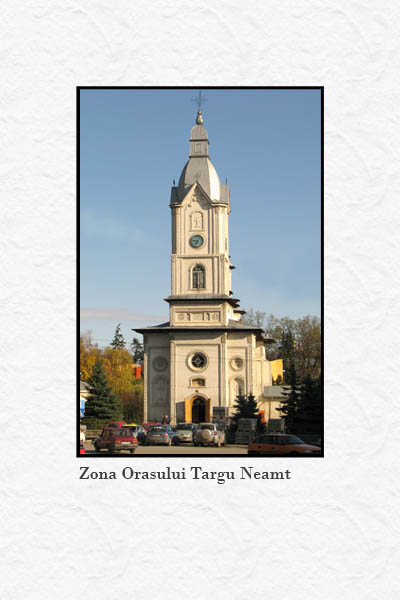
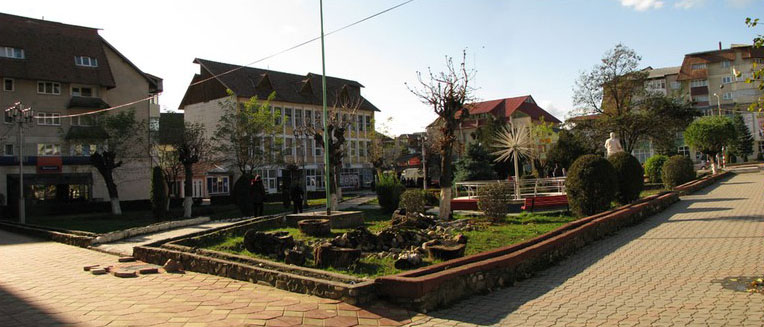
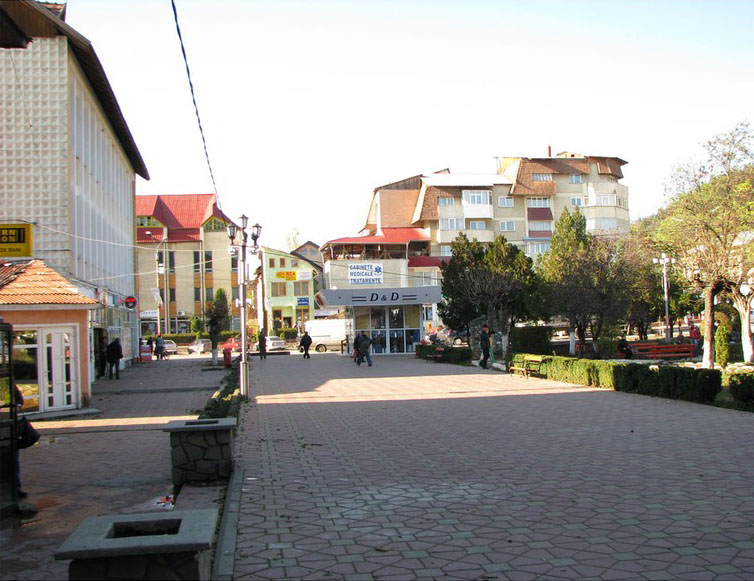
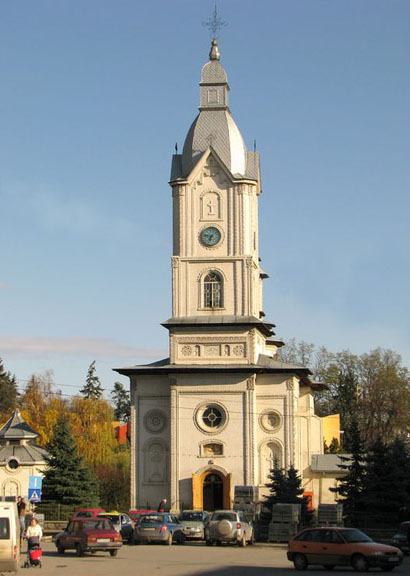
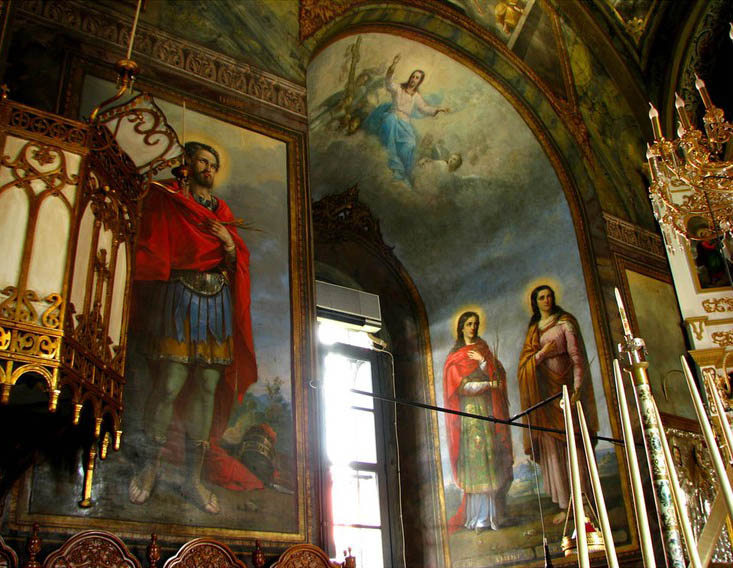
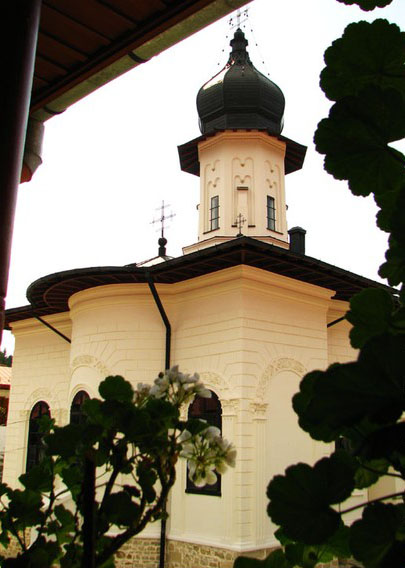
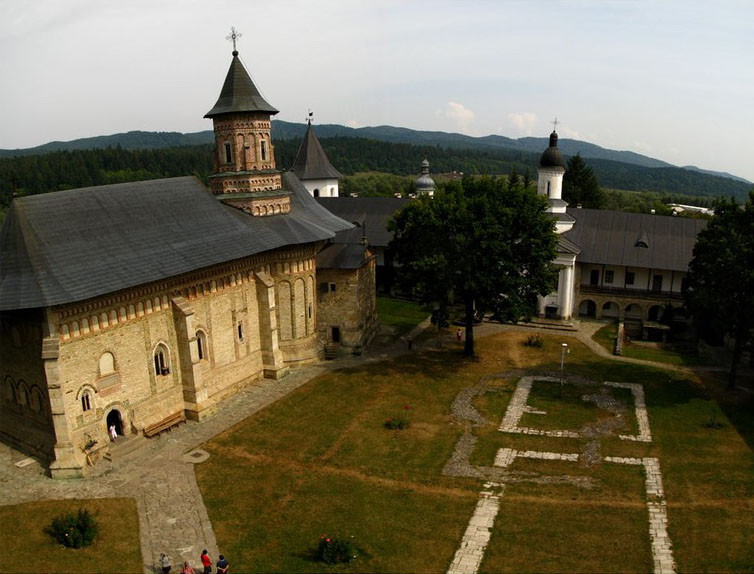
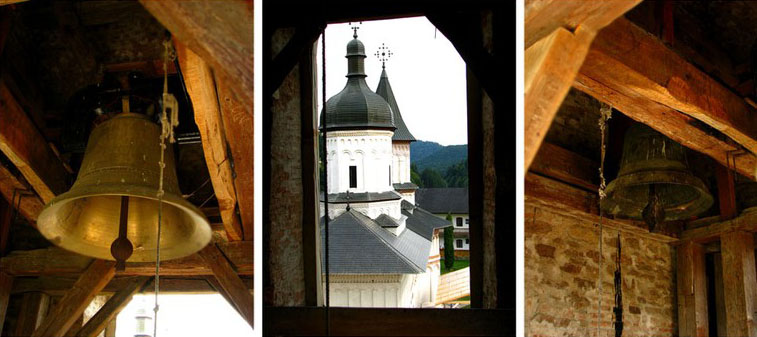
Click to view all photo albums
Visitor attractions in or near the town of Târgu Neamț include: – Târgu Neamț History and Ethnography Museum – the museum occupies the former Școala Domnească building in Târgu Neamț, where the writer Ion Creangă studied, and houses valuable pottery collections from the Cucuteni, Precucuteni and Starcevo-Cris cultures. In the museum courtyard, the “Tara lui Creanga” park brings visitors into the world of the writer's childhood, with characters recalling episodes from “Amintiri din copilarie” and stories such as “Punguta cu doi bani”, “Capra cu trei iezi” and the tale of the lazy man from “Prostia omeneasca”.
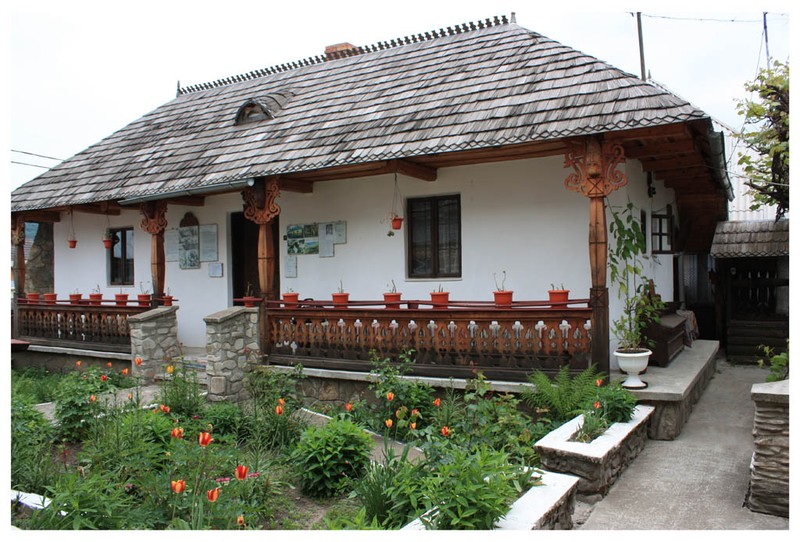
– “Neculai Popa” Museum Târpești – Neamț – The museum was founded in the seventies at the homestead of folk artist Neculai Popa and is now one of the most beautiful and interesting museums in Moldavia.
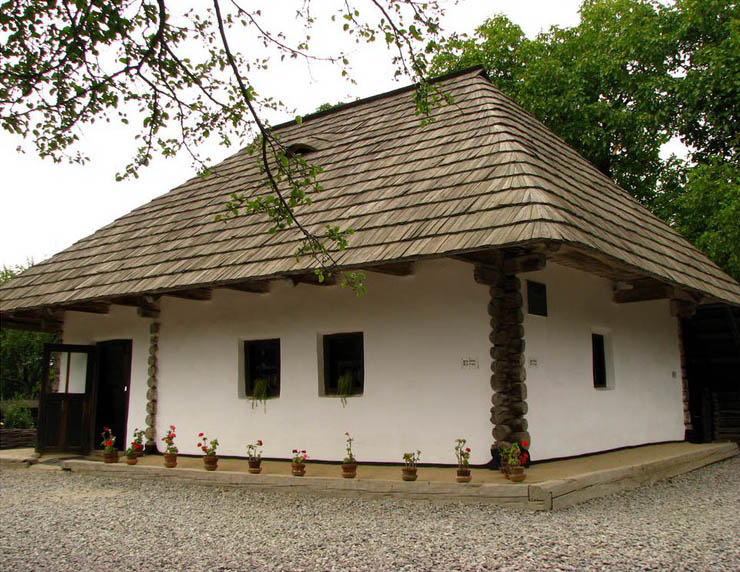
– “Ion Creangă” Memorial House – located in Humulești, near the banks of the Ozana, the house is one of the most visited memorial museums in Neamț County and a typical example of vernacular architecture that has remained unchanged for 150 years.
– “Veronica Micle” Memorial House – this is the house where Veronica Micle often came to stay during her lifetime. The museum's permanent exhibition is devoted to the life and literary work of the muse of our national poet, Mihai Eminescu, displaying objects and documents that belonged to her.
– “Visarion Puiu” Memorial House, “Mihail Sadoveanu” Museum – located in Vanatori commune, this is the house where the writer Mihail Sadoveanu spent his twilight years. The museum combines the emotional, historical and literary significance of Sadoveanu's legacy with the building's distinctive architecture, inspired by old buildings in the area.
– “Alexandru Vlahuță” Memorial House – situated in the monastery village in Agapia commune, this is where the writer Alexandru Vlahuță was born and spent his childhood.
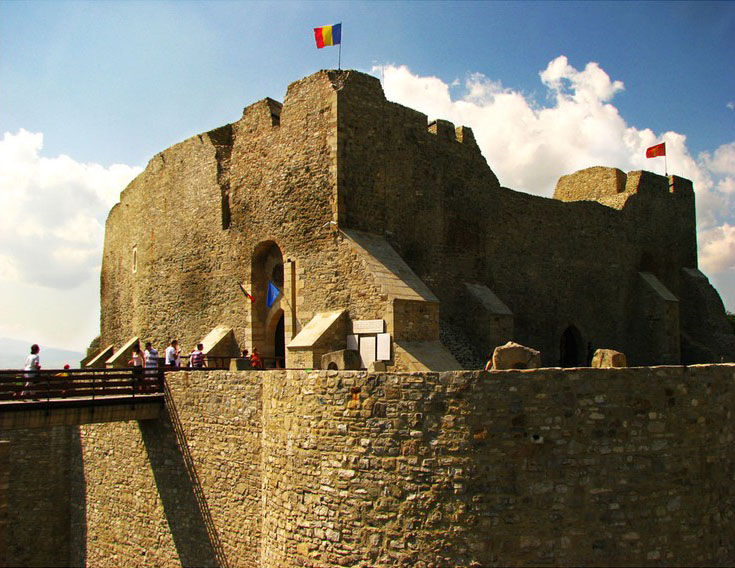
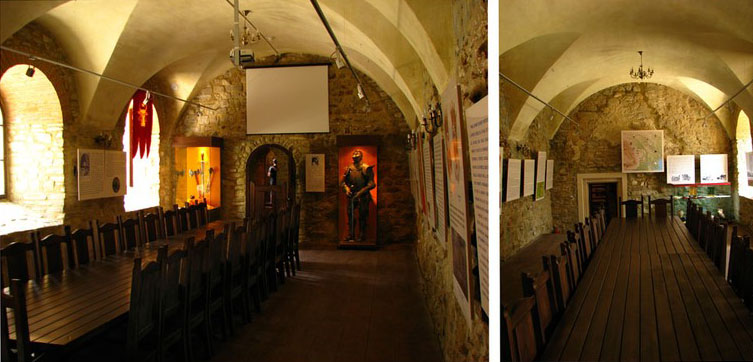
– Neamț Citadel – built during the reign of Petru I Musat (1375 – 1391) and strengthened by Stephen the Great (1457-1504), the fortress was the main fortification defending Suceava, the capital of medieval Moldavia, from the south during the Middle Ages. Following the destruction ordered by Mihai Racovita in 1717, Neamț Citadel lost all military importance and fell into ruin.
– Heroes' Monument (Plesu Ridge) – erected in 1938-1939 in honour of the soldiers of the first Romanian mountain infantry battalion, formed in Târgu Neamț, who fell during the First World War. The monument was inaugurated in the presence of King Carol al II-lea and Prime Minister Armand Calinescu.
– Baile Oglinzi Resort – renowned during the interwar period, the resort went through a period of decline until autumn 1998, when it reopened with modernised facilities and a treatment centre offering warm baths, paraffin wraps, galvanic baths, magnetodiaflux therapy, dynamic current therapy, ultrasound, massage and therapeutic exercise. The resort offers facilities for treating respiratory conditions and asthenic neuroses, for convalescence or for an enjoyable, restorative holiday.
– Bălțătești Spa and Medical Rehabilitation Resort – the resort has 500 places, and its treatment centre includes 75 treatment rooms (electrophysiotherapy, NaCl baths, mud wraps, herbal baths, paraffin treatments, massage, sauna and a hydrotherapy exercise pool).
– “Dragoș Vodă” Bison and Carpathian Wildlife Reserve – one of the 4 bison reserves in our country, it is ranked among Europe's largest reserves dedicated exclusively to bison.
– “Codrii de arama” – covers an area of 10.2 ha and consists mainly of centuries-old sessile oaks.
– “Padurea de argint” – covers approximately 2.4 ha and consists of a 200-year-old stand of birch trees.
– Dumbrava Stallion Depot – “Herghelia Mariei Sale” – is situated 10 km from Târgu Neamț on the site of the princely stables of Stephen the Great, overseen by the master of the horse Manole Jder, as described in Sadoveanu's novel.
Orthodox monasteries near the town of Târgu Neamț:
– Agapia Monastery – here you can admire Nicolae Grigorescu's paintings inside the monastery church
– Văratec Monastery – this is the site of Veronica Micle's tomb
– Neamț Monastery – this is home to the largest and oldest monastery library in Moldavia
– Secu Monastery – this is the site of the tomb of Metropolitan Bishop Varlaam al Moldovei
– Sihastrie Monastery – this is the site of Father Cleopa's tomb
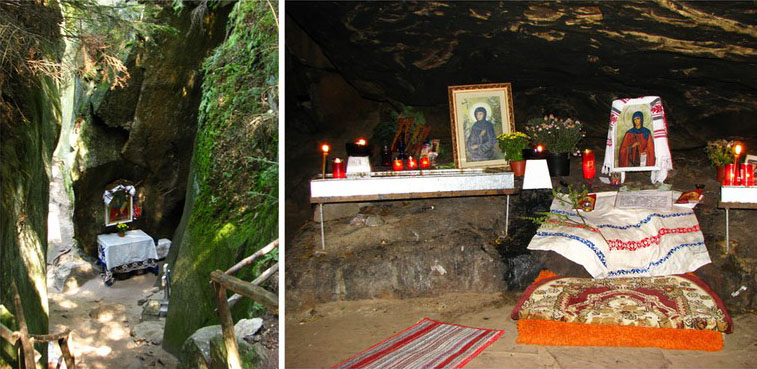
– Sihla Hermitage – from here, a secluded path leads up to Saint Teodora Cave, where she spent years in ascetic devotion, fasting and praying through many tears.
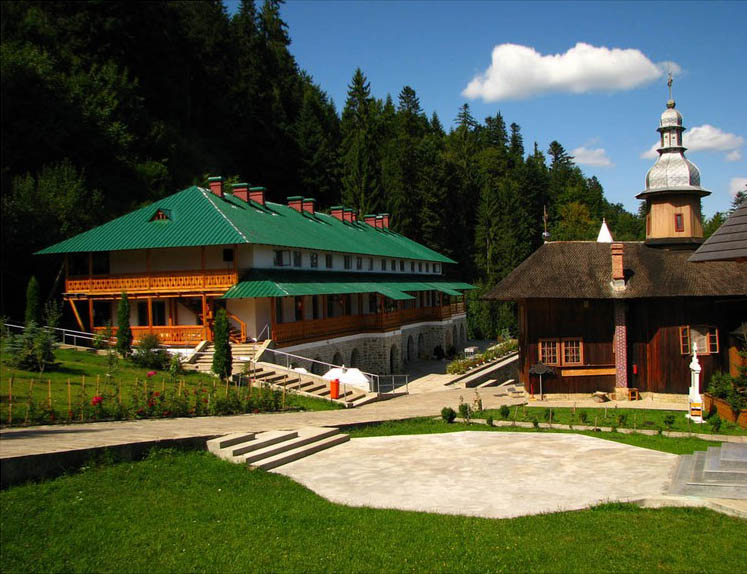
– Horaița Monastery – has a unique architectural style, combining elements of Romano-Byzantine architecture with Russian influences
Accommodation:
The town of Tg Neamț and the villages it administers offer a wide range of accommodation options.
More on the same topic
Nominations for Destination of the Year 2025
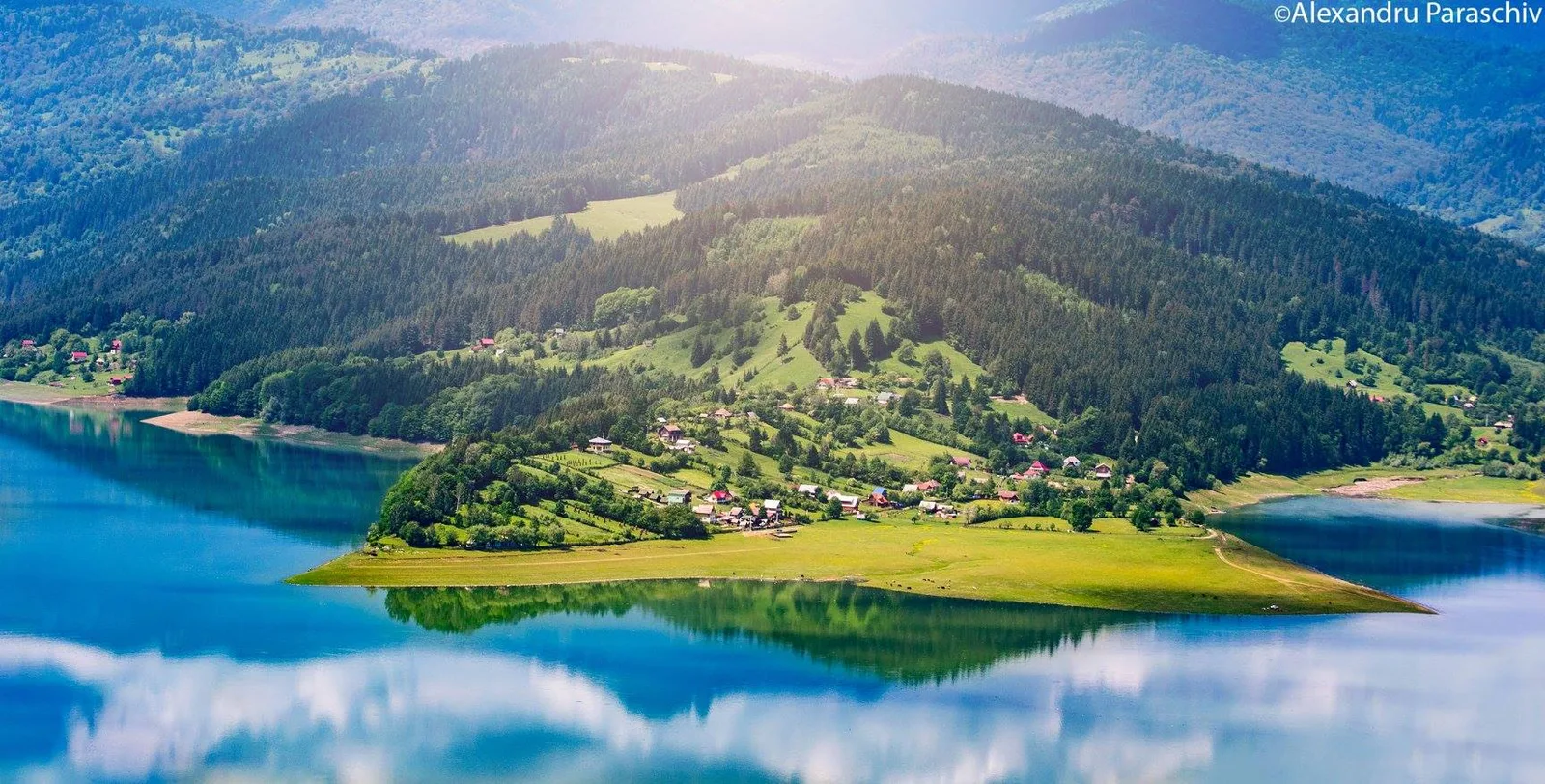
In the category Enchanted Realms – Geographical areas or localities with a rich treasure of nature, history and tradition our proposal is: The city of Bicaz and its surroundings.
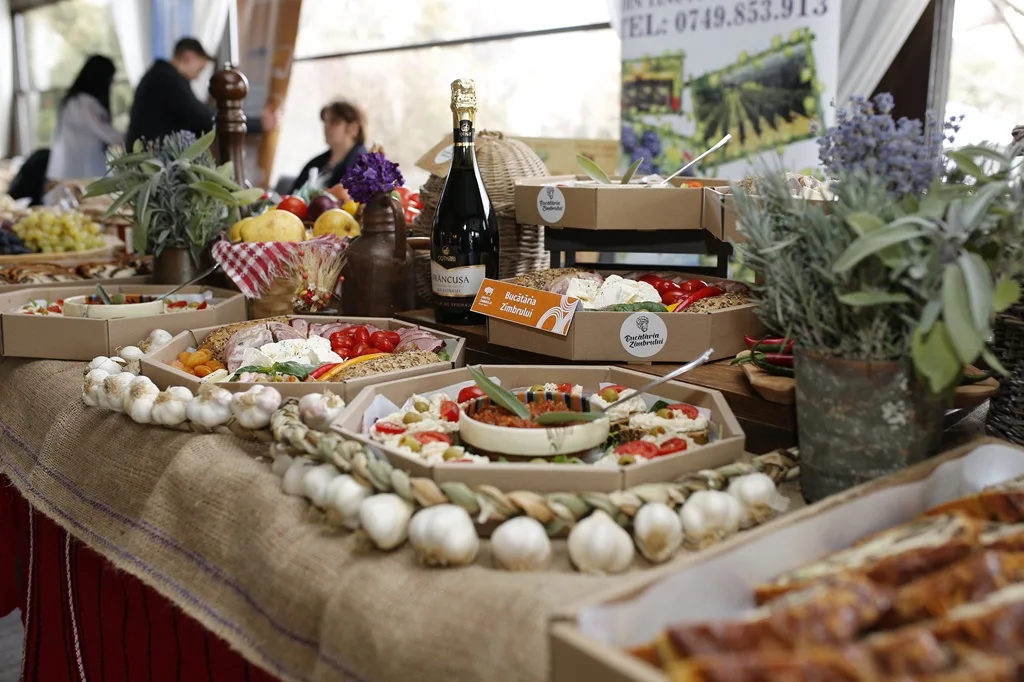
Attractive Romania presents “Neamțul în Bucate”
The culinary story of Neamț County invites travelers on a fantastic journey, a tour of its four picturesque regions, filled with tales and flavors that combine tradition, ecotourism and fresh, delicious dishes.
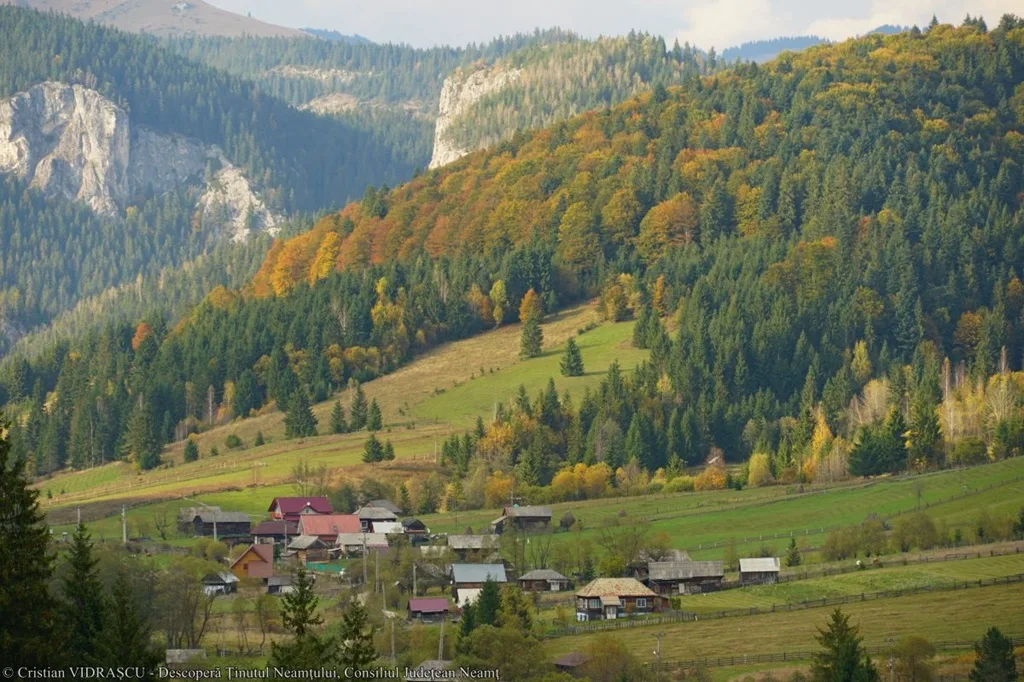
Mountain Villages, Picturesque Areas in Neamț
Tourists can now orient themselves better in a particularly beautiful area of Neamț, where the landscapes take your breath away.