Four Local Gastronomic Points in Neamț, a first step towards developing rural tourism
Rural establishments that make use of locally produced primary ingredients to prepare and serve food and drinks based on recipes specific to the area, directly to a maximum of 12 consumers at a time, Local Gastronomic Points offer a way to make the most of rural primary production and develop rural tourism and the local economy.
By creating new market opportunities for farmers on rural homesteads through the promotion and sale of food products with greater added value close to where they are produced, in line with the objectives of the European “Farm to Fork” strategy, Local Gastronomic Points play an important role in rediscovering rural dishes, turning the dining space on a rural homestead into a place of shared experience and authenticity conveyed through food.
Work on the regulatory framework for Local Gastronomic Points began with the Ivan Patzaichin – Mila 23 Association in 2016, with support from the National Sanitary Veterinary and Food Safety Authority (ANSVSA) and the Ministry of Agriculture and Rural Development. Based on a public consultation process, the initiative sought to make it easier for rural households to undertake economic activities that would be profitable while also strengthening the identity of their area through food, and complying with hygiene and food safety standards.
There are currently 245 Local Gastronomic Points across the country, four of them in Neamț, with three in Bicazu Ardelean commune and one in Horia commune.
This is a beginning for Neamț that could, over time, become a firm reference point for local communities in promoting local culinary traditions and developing rural tourism and agritourism.
This healthy, slowly cooked food, accompanied by all the wonder of the authentic rural setting in which it is served, has thus returned to the tables of visitors to Romania’s villages. It could form the basis of a national food tourism strategy while also creating significant economic opportunities for rural residents on low incomes, reducing unemployment, creating jobs and, in turn, stable incomes, and helping young people remain in rural areas.
A Local Gastronomic Point can operate on the existing premises of a private home, agricultural farm, fish farm, sheepfold, apiary, winery, fishing shelter, hunting ground, game farm, hunting complex, mushroom and berry collection centre, game collection centre, forestry district office, monastery or farm guesthouse, as well as in other buildings and facilities in a rural locality where one or more activities related to primary agricultural production, fishing, hunting, harvesting or collecting non-timber forest products take place.

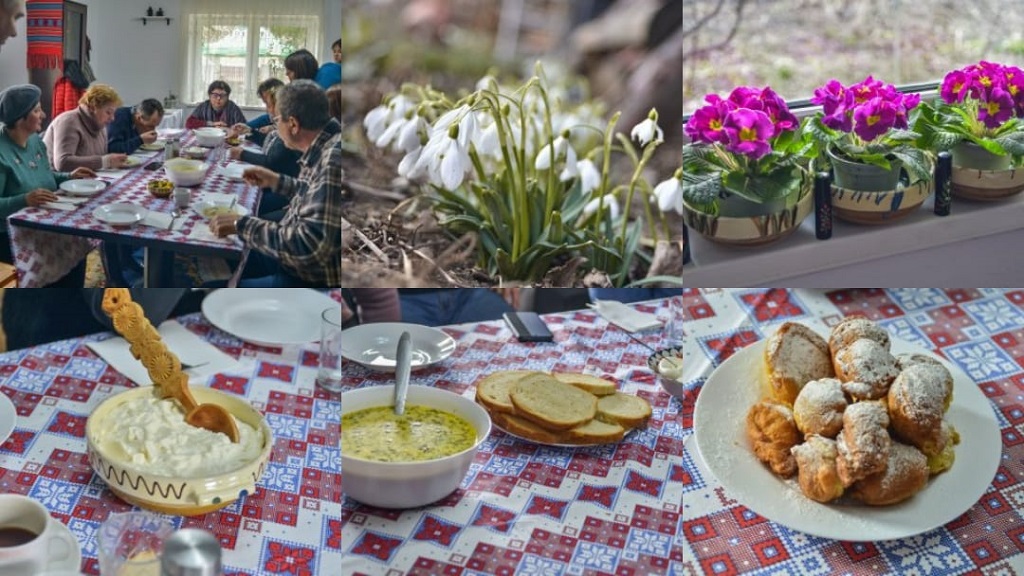
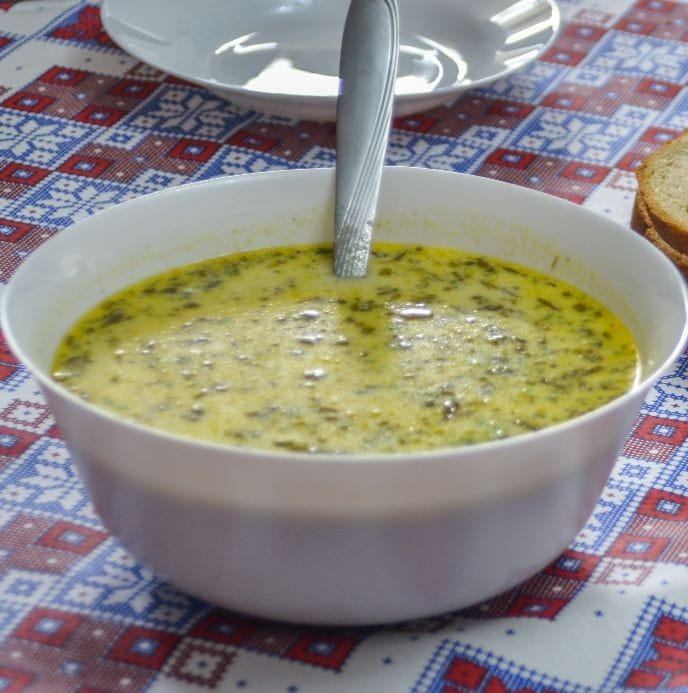
The Cozma family from Bicazu Ardelean, Neamț, told us that they applied for certification for their Local Gastronomic Point at the end of last year and have since been welcoming tourists and local people with dishes cooked to local recipes, using 100% organic produce from their own homestead. To make themselves easy to find for visitors to the Bicazu Ardelean area, the Cozma family have a Facebook page, Bucate Tradiționale Bicazu Ardelean PGL, and a telephone number, 0745.668.674, where guests can agree on the menu and their arrival time.
To increase the value of primary production and accelerate rural development, including rural services, the Ministry of Agriculture and Rural Development, through the National Agency for the Mountain Area, provides free vocational training courses for people wishing to establish a Local Gastronomic Point. The certificate awarded on completion of this vocational training programme demonstrates the knowledge required to register the specific activities of a Local Gastronomic Point with the National Trade Register Office under CAEN code 5610-Restaurants (Local Gastronomic Point).
The Ministry of Agriculture and Rural Development undertakes to identify market measures to support Local Gastronomic Points by establishing them and providing the equipment they need to operate, and supports their development through targeted information, promotion and dissemination activities online, using media websites, mobile applications and any other means of mass communication, coordination and regulation.
The project’s initiators highlight the importance of rural tourism, particularly food tourism, as a means of strengthening cohesion and narrowing the gap between rural and urban areas by creating a model of social interaction centred on the traditional culinary practices of each area, a phenomenon growing rapidly across Europe.
Local Gastronomic Points play an important role in increasing and diversifying sources of income and are essential to the development of rural communities in Romania, particularly in mountain areas. In the European Union, active tourism and rural tourism are important sectors of the tourism industry. In Romania, where rapid social change affects the rural economy and a high proportion of the population depends on agriculture, active and rural tourism can help diversify the rural economy.
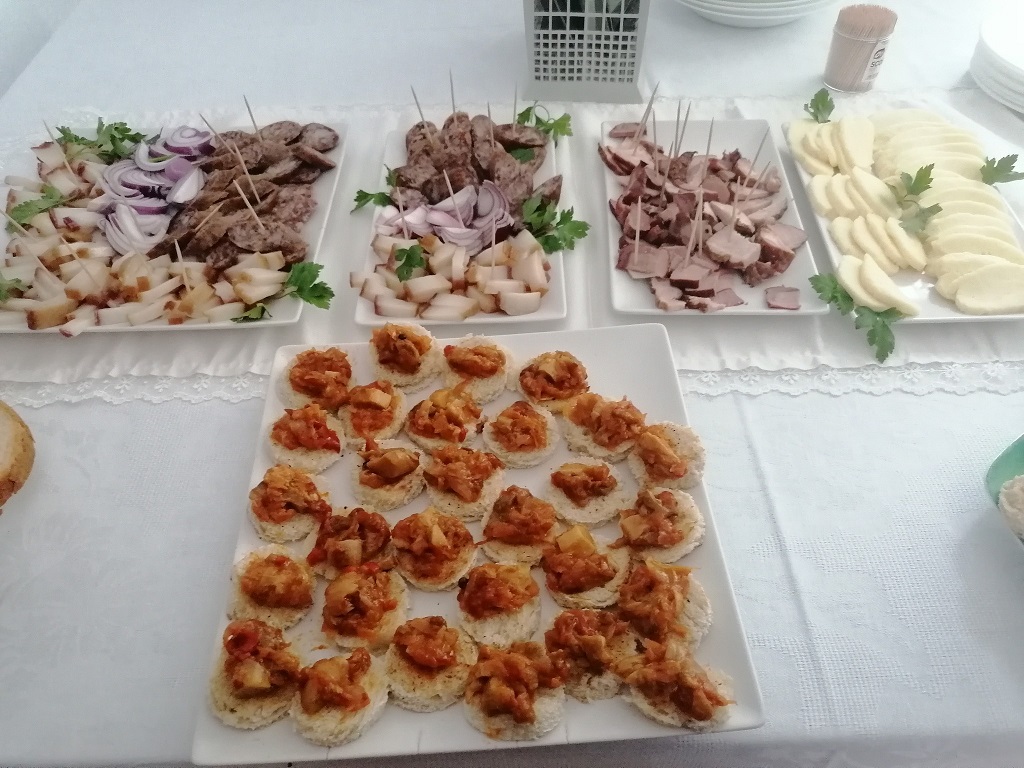
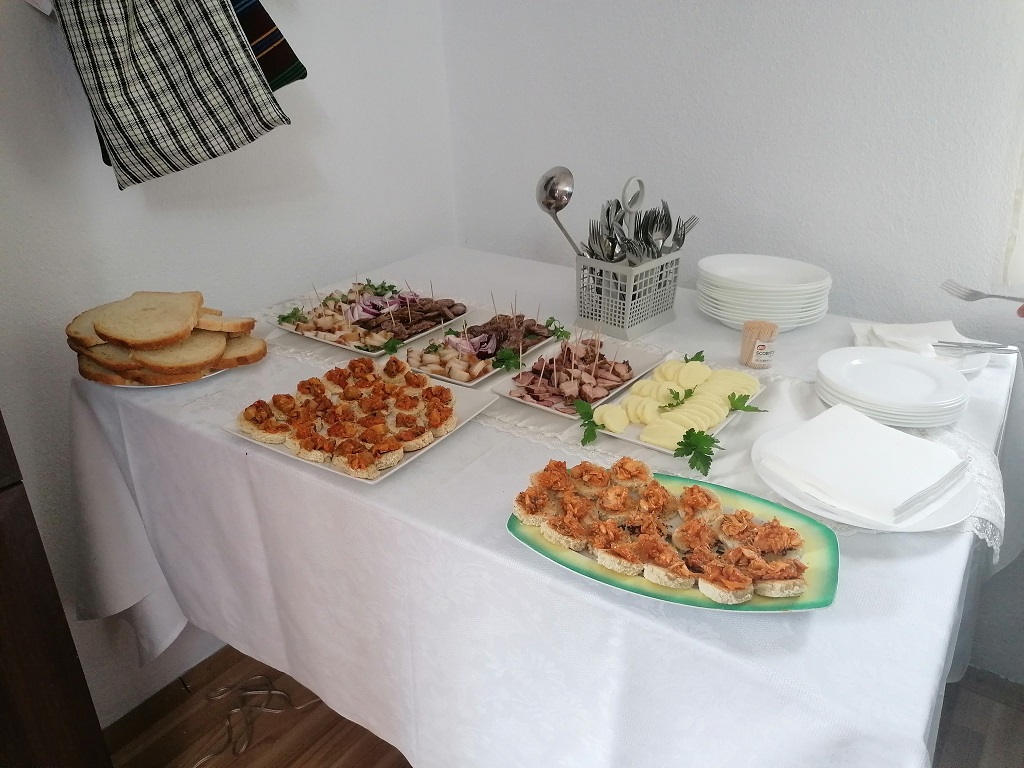
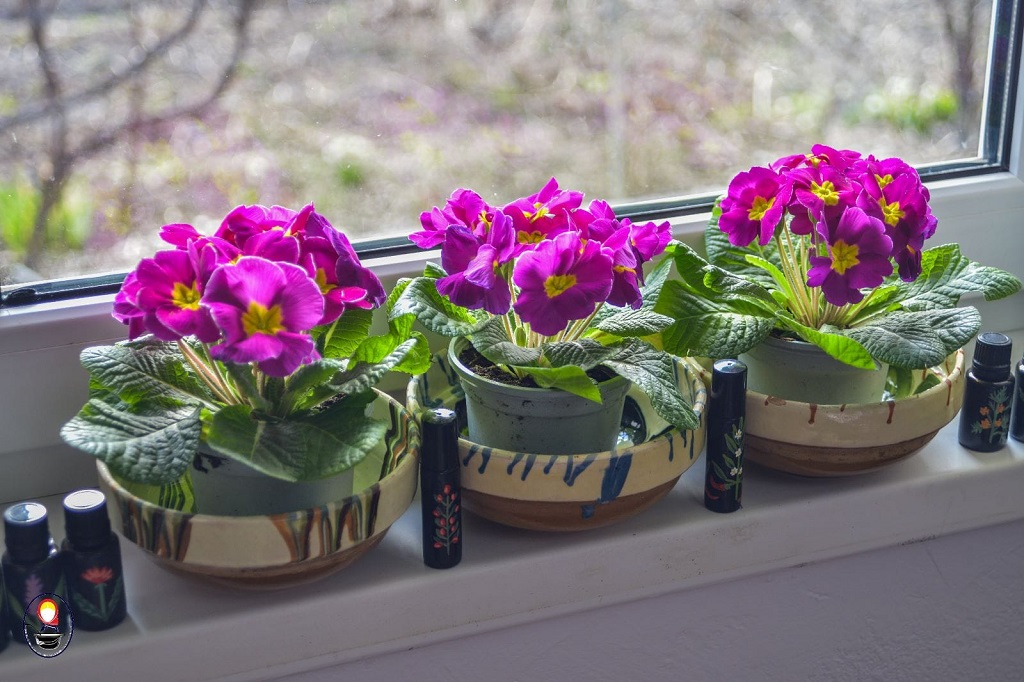
Photo gallery: Bucate Tradiționale Bicazu Ardelean PGL

More on the same topic
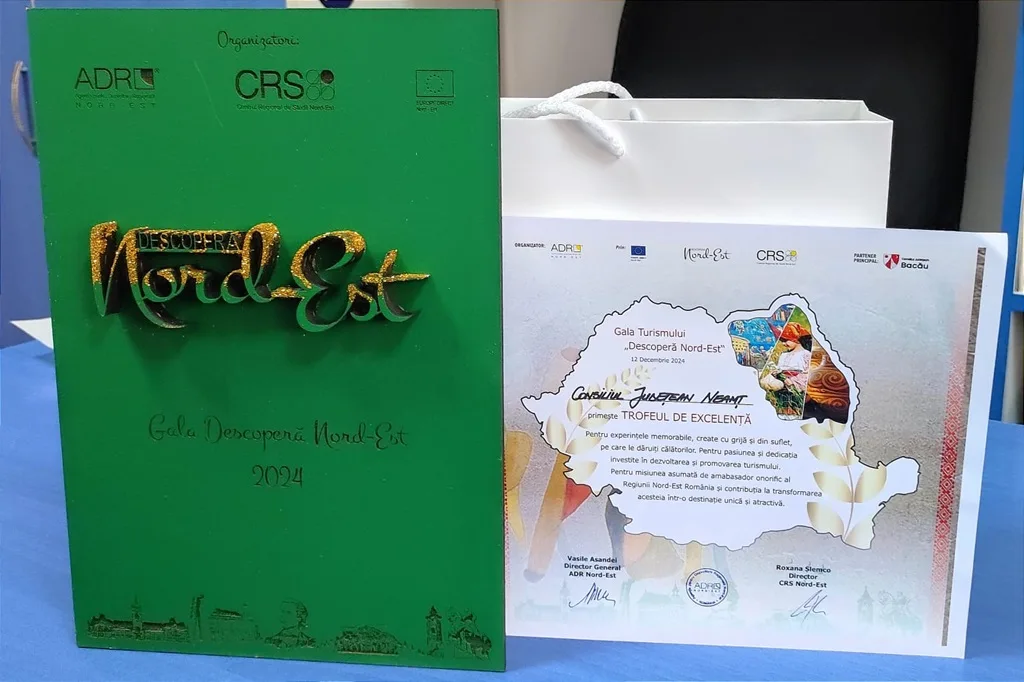
Neamț Awards at the Discover North-East Tourism Gala, 2024
The awards were presented at the 9th edition of the Discover North-East Tourism Gala on December 12, 2024: Newcomer – Award for new locations/attractions/tourist products or emerging tourist destinations: Zenzia Glamping Piatra-Neamț. Poem Rural Piatra-Neamț.
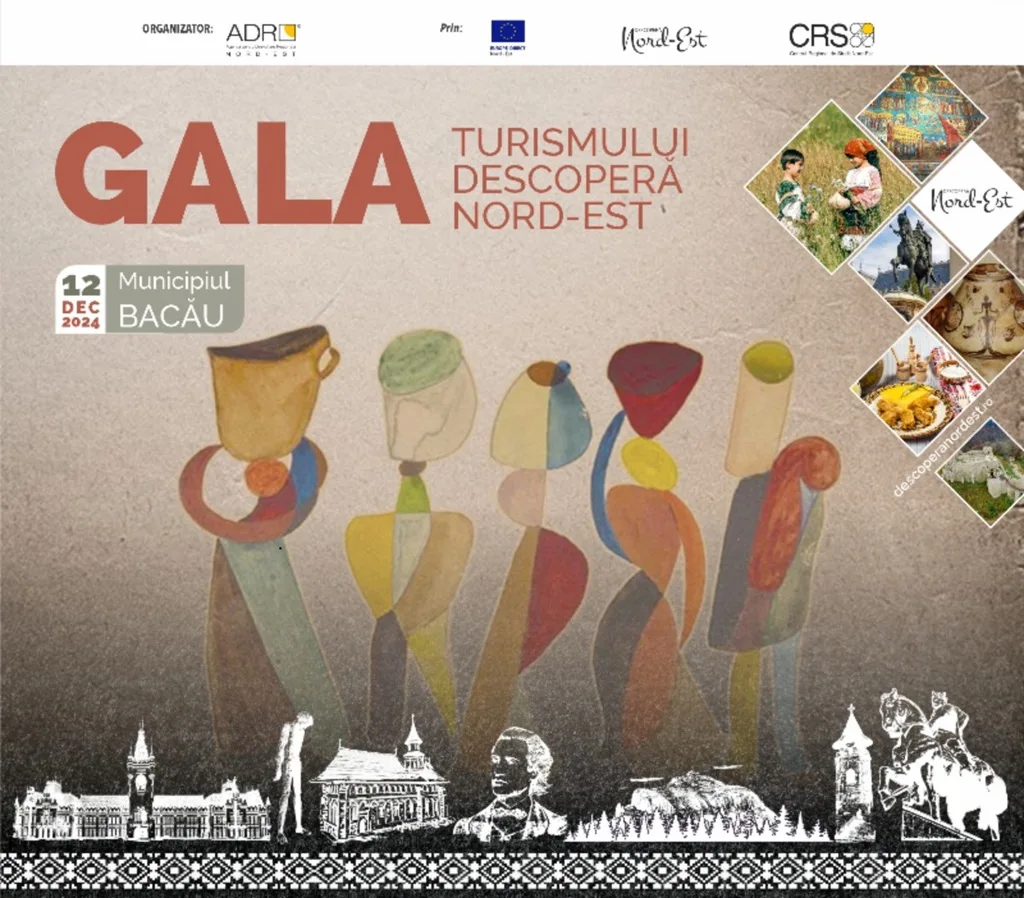
Excellence in Developing Tourism in Neamț at the 9th Edition
On December 12, 2024, we celebrate the tourism initiatives of Neamț County, alongside those from the North-East Region of Romania—a uniquely beautiful and rich area that deserves to be discovered by tourists.

Nominations for Destination of the Year 2025
In the category Enchanted Realms – Geographical areas or localities with a rich treasure of nature, history and tradition our proposal is: The city of Bicaz and its surroundings.