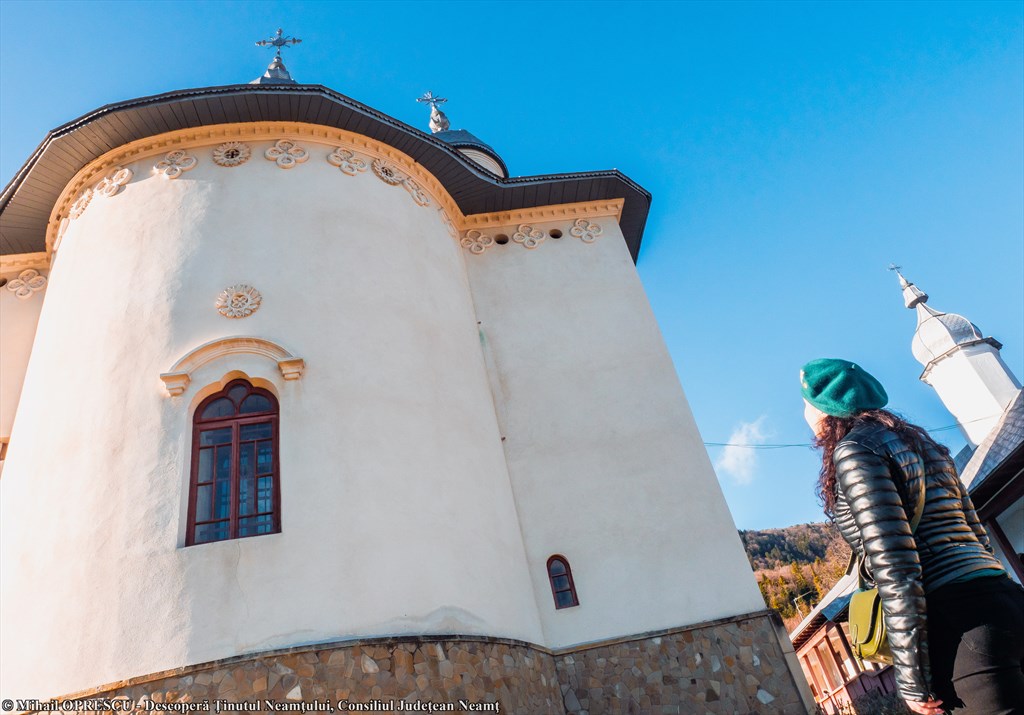
Pilgrim in Neamț
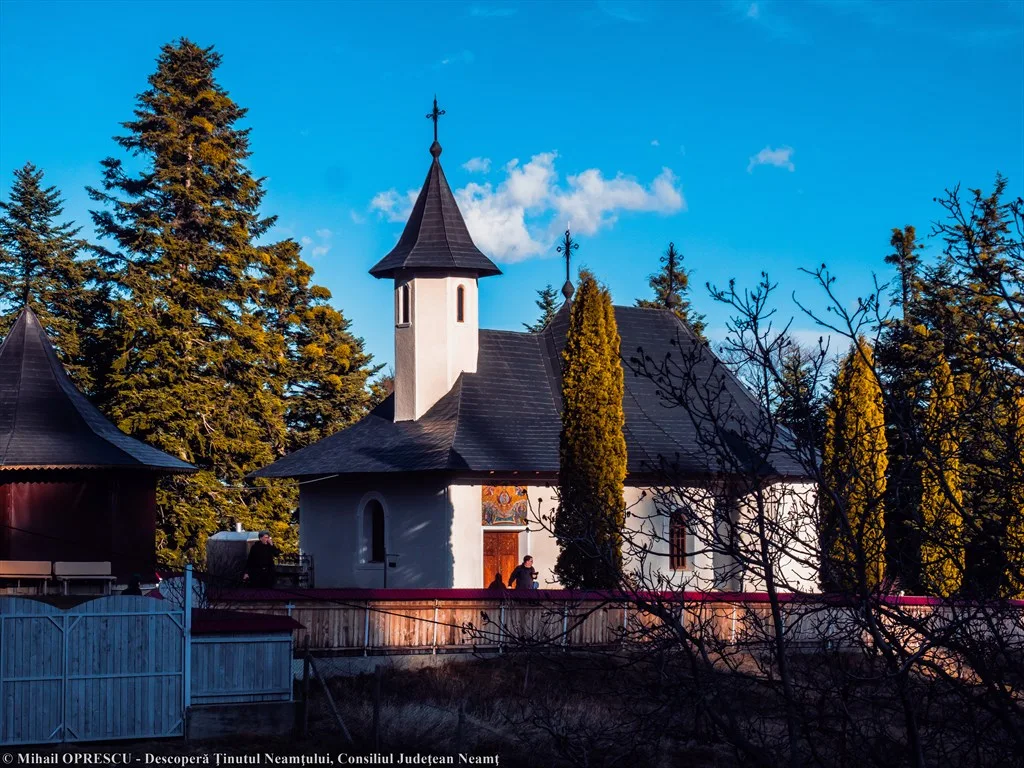
Wherever you go through Neamț, you discover places of worship, history and spiritual life, meant to soothe your soul and mind burdened with worries and suffering. In Neamț, you encounter at every turn values engraved in stone and recorded in chroniclers’ writings.
A tourist visiting the monasteries wants to discover the intimate character of each place and experience the ineffable carefully hidden for centuries within its places of worship.
Photo gallery Neamț Monastery:
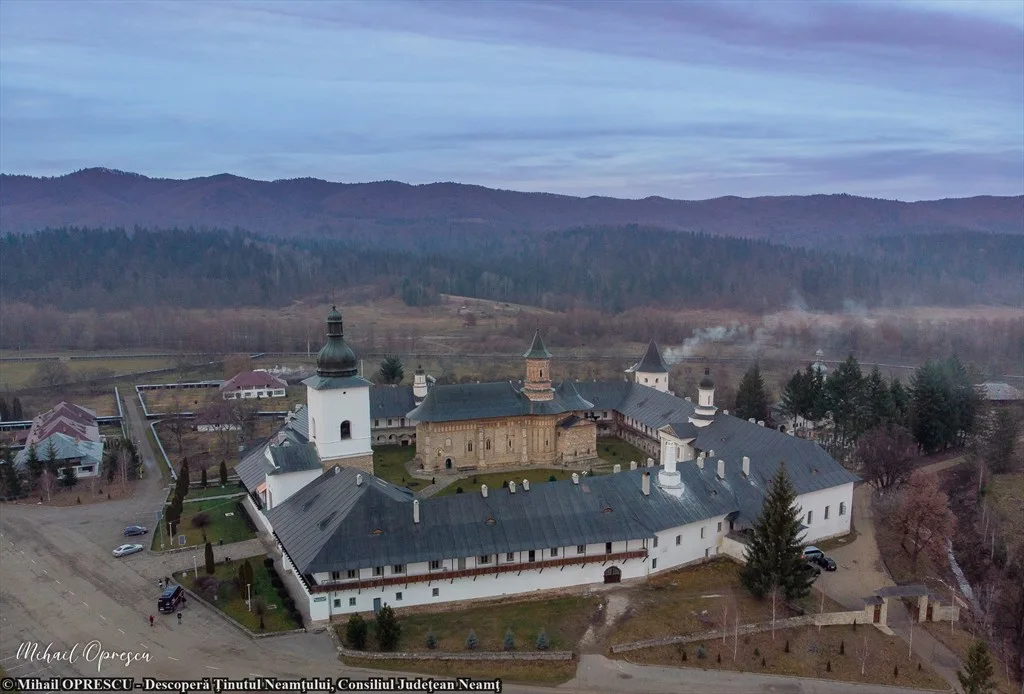
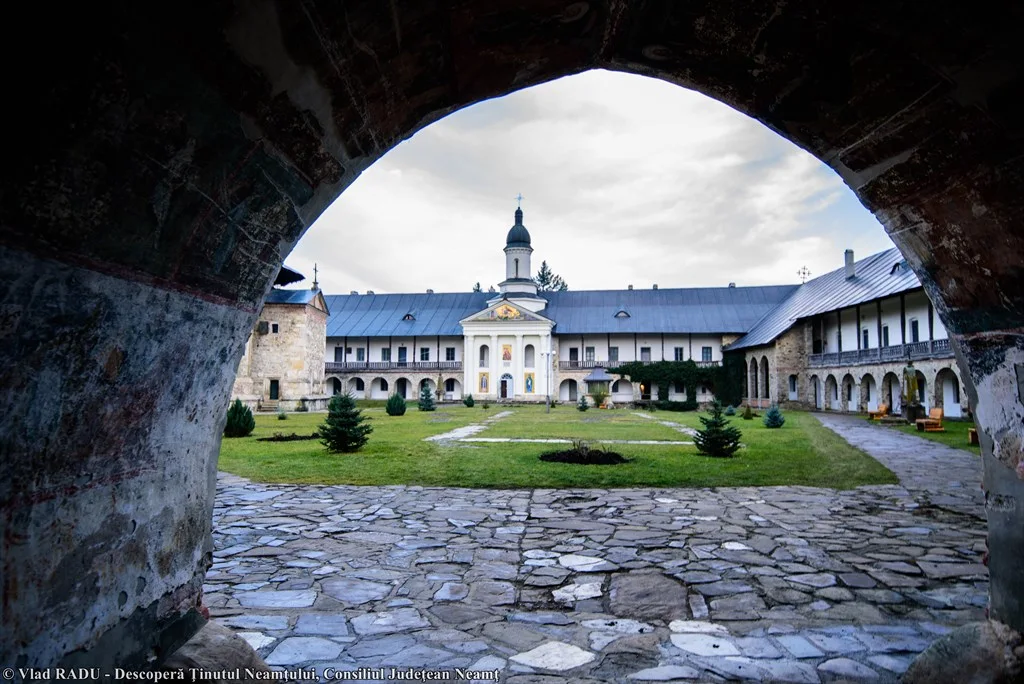
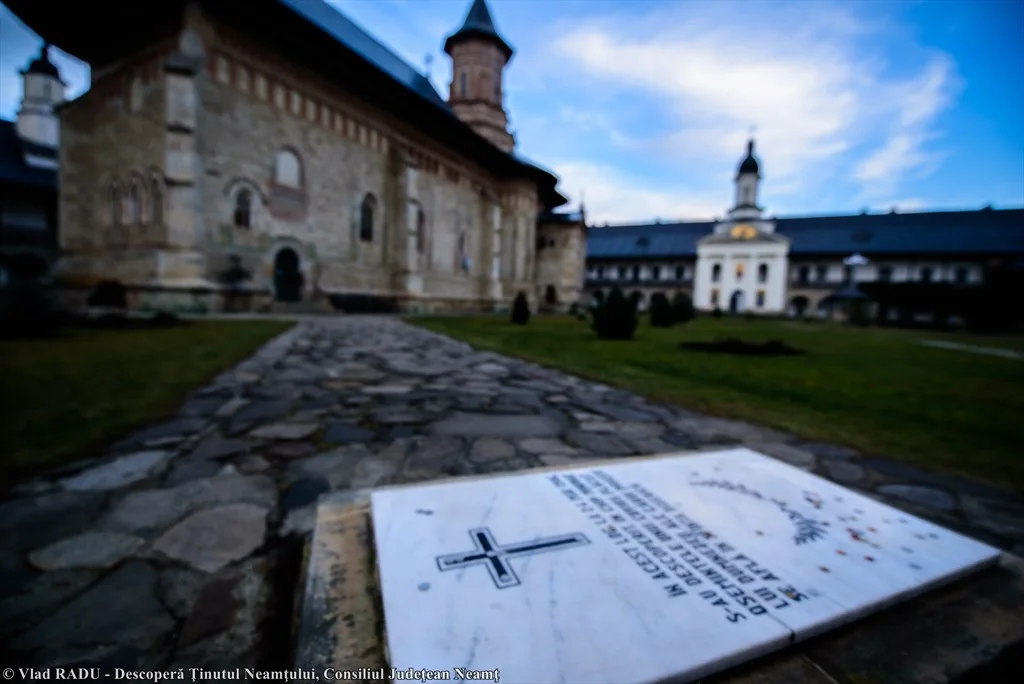
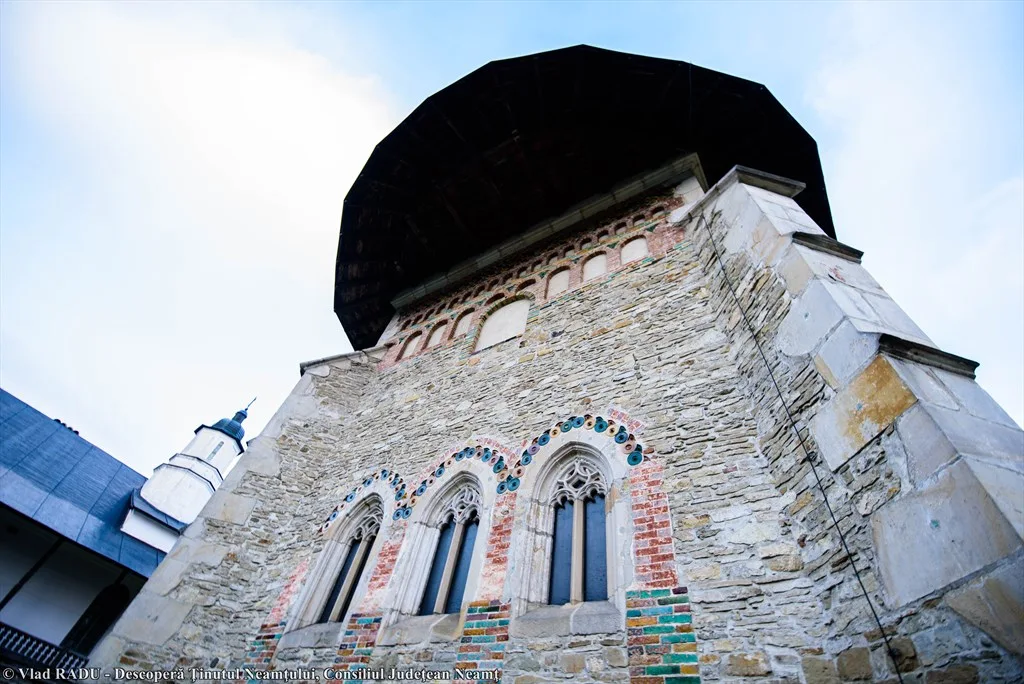
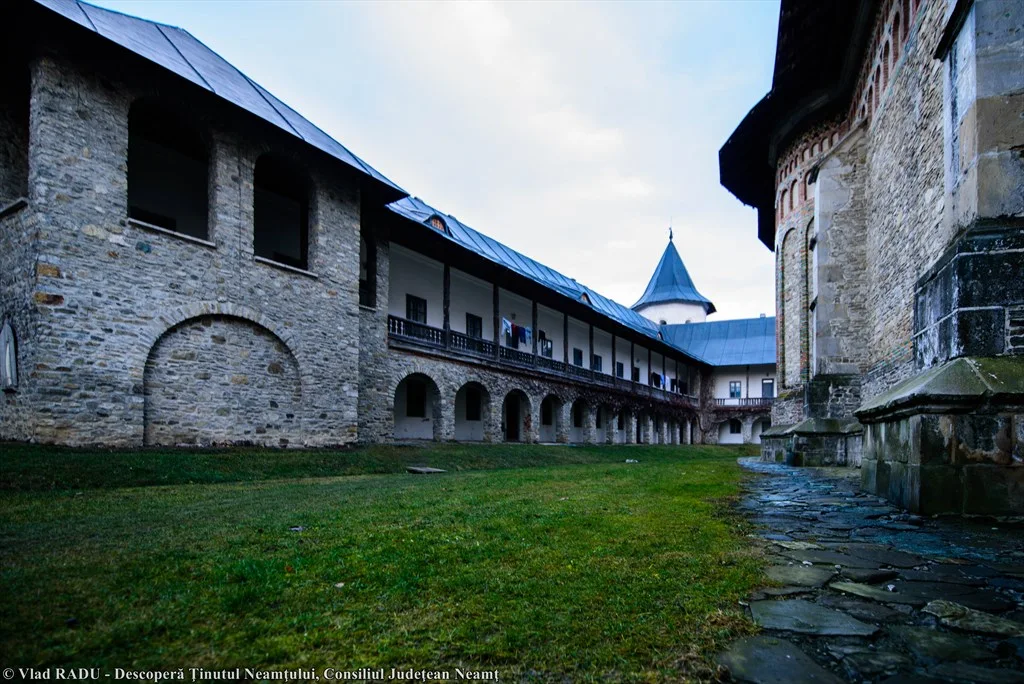
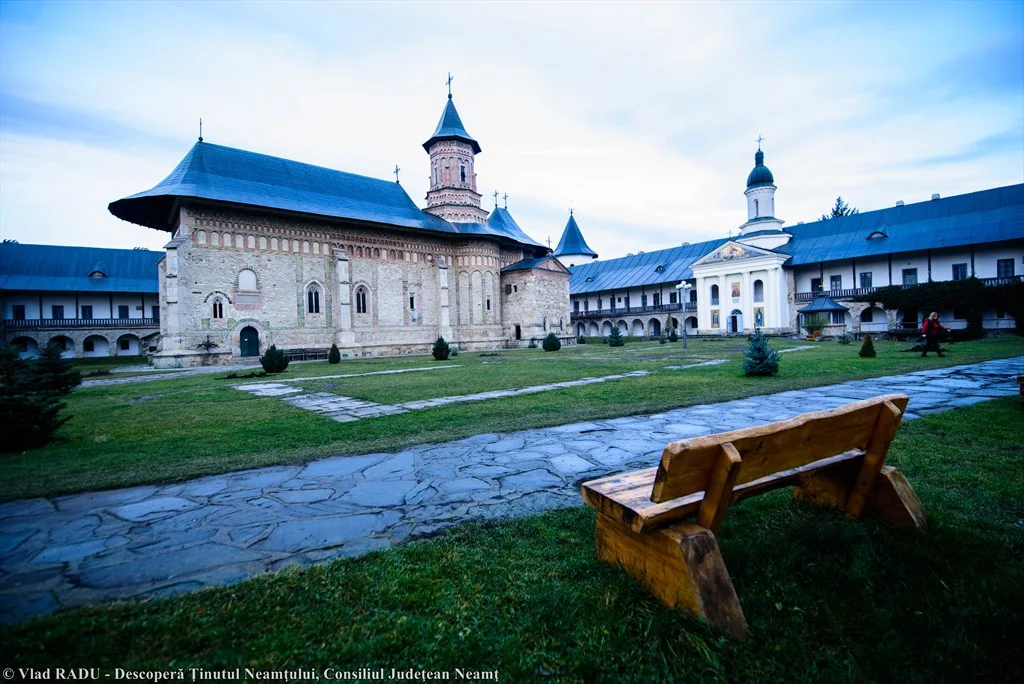
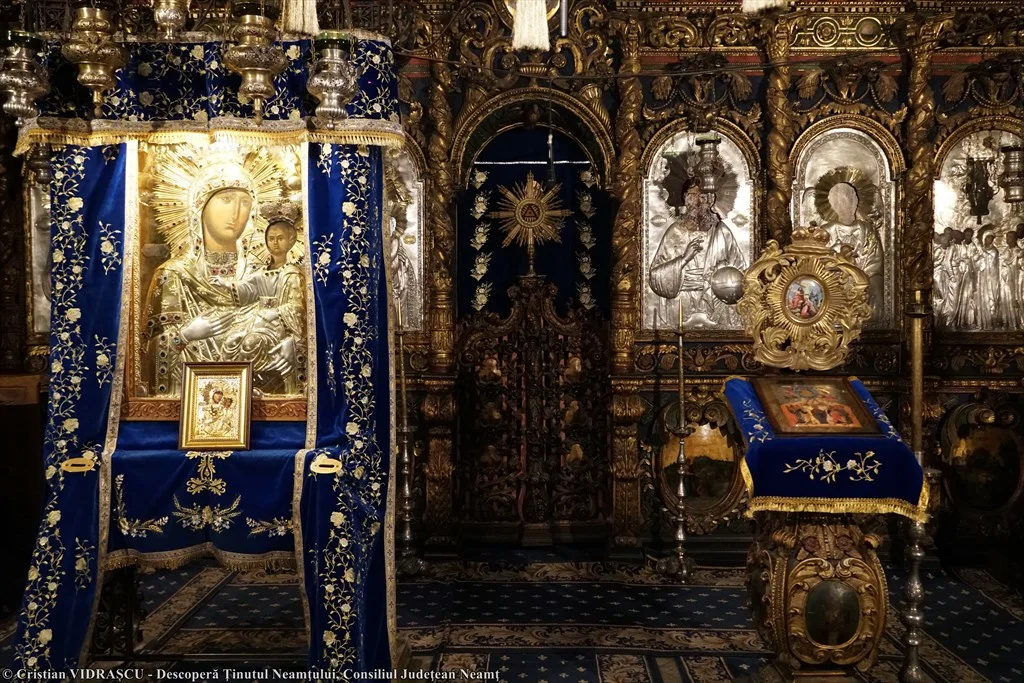
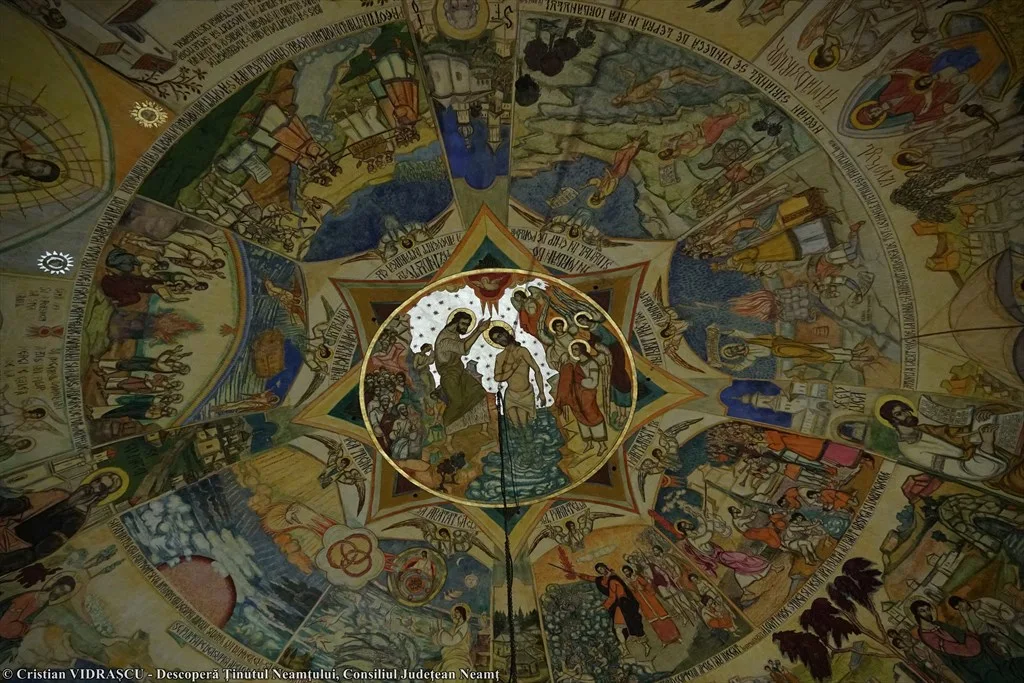
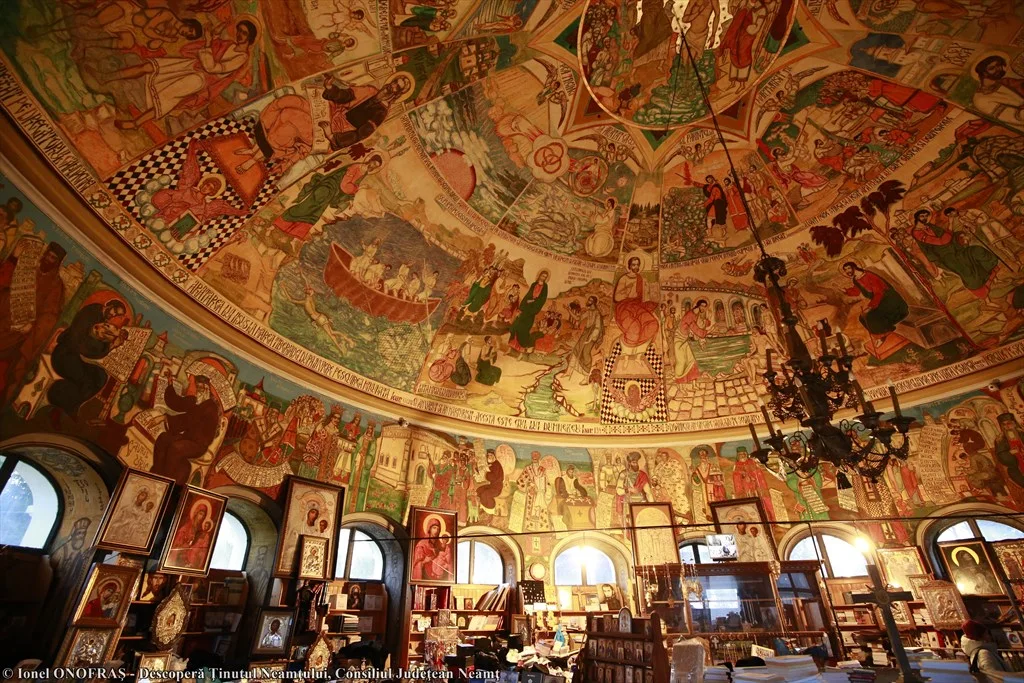
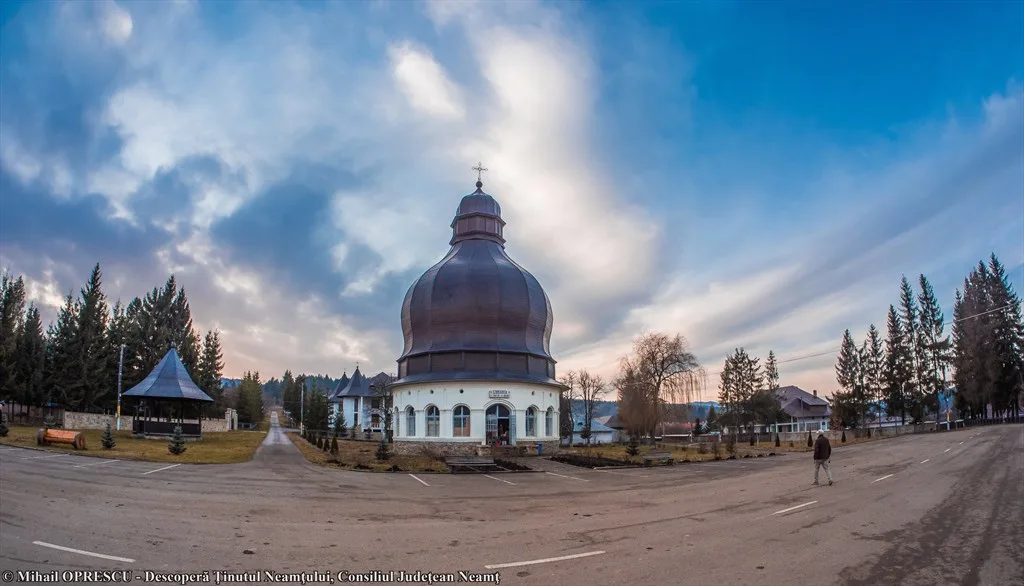
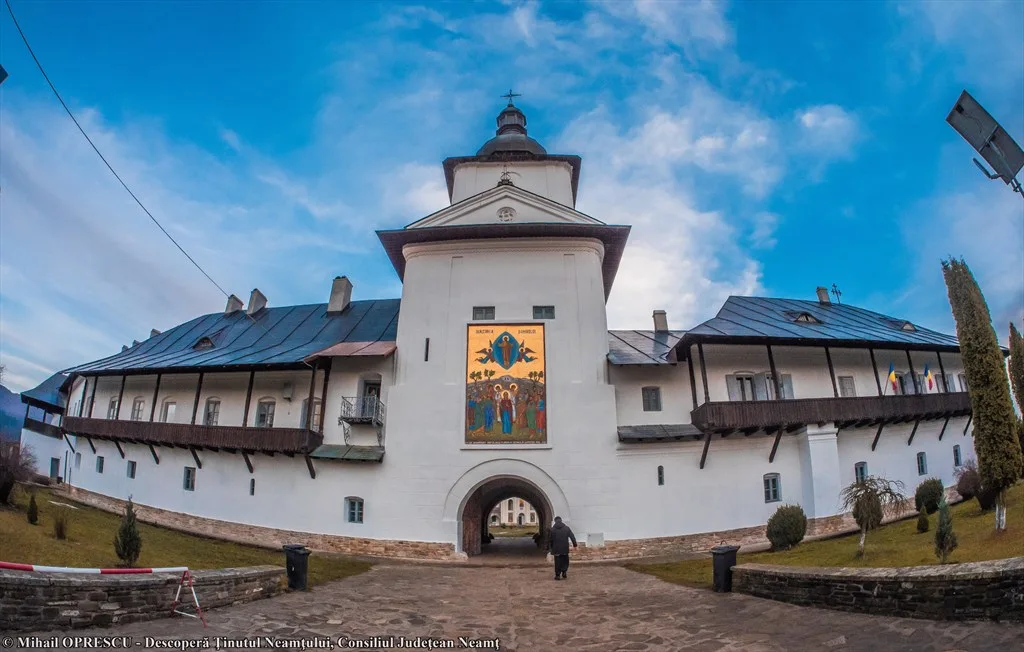
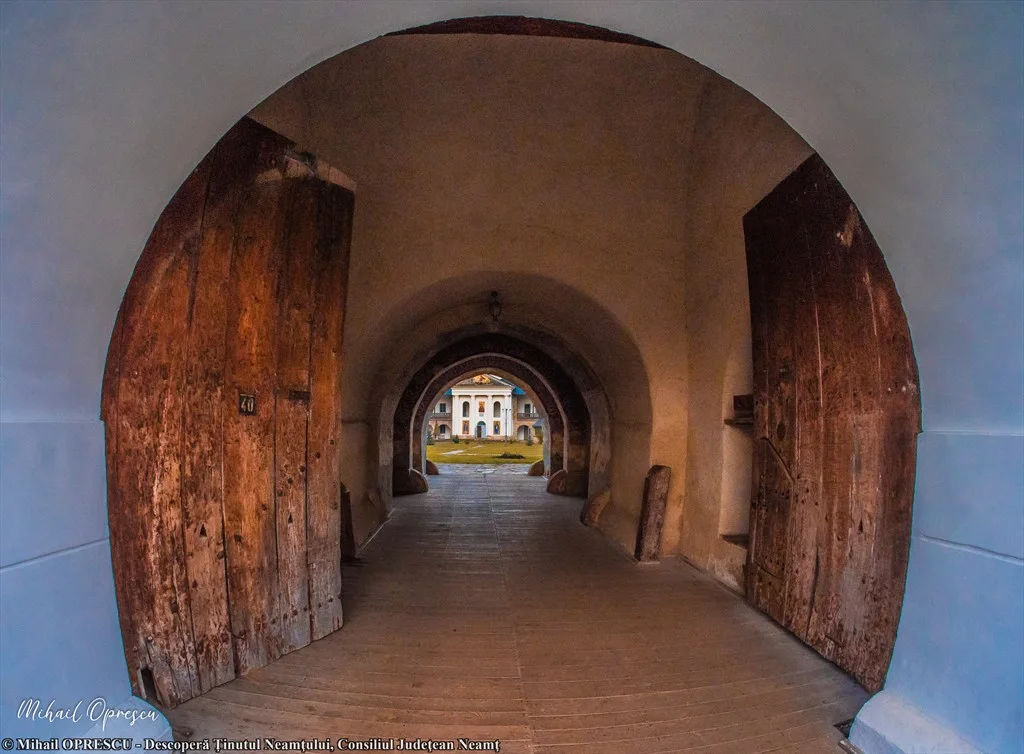
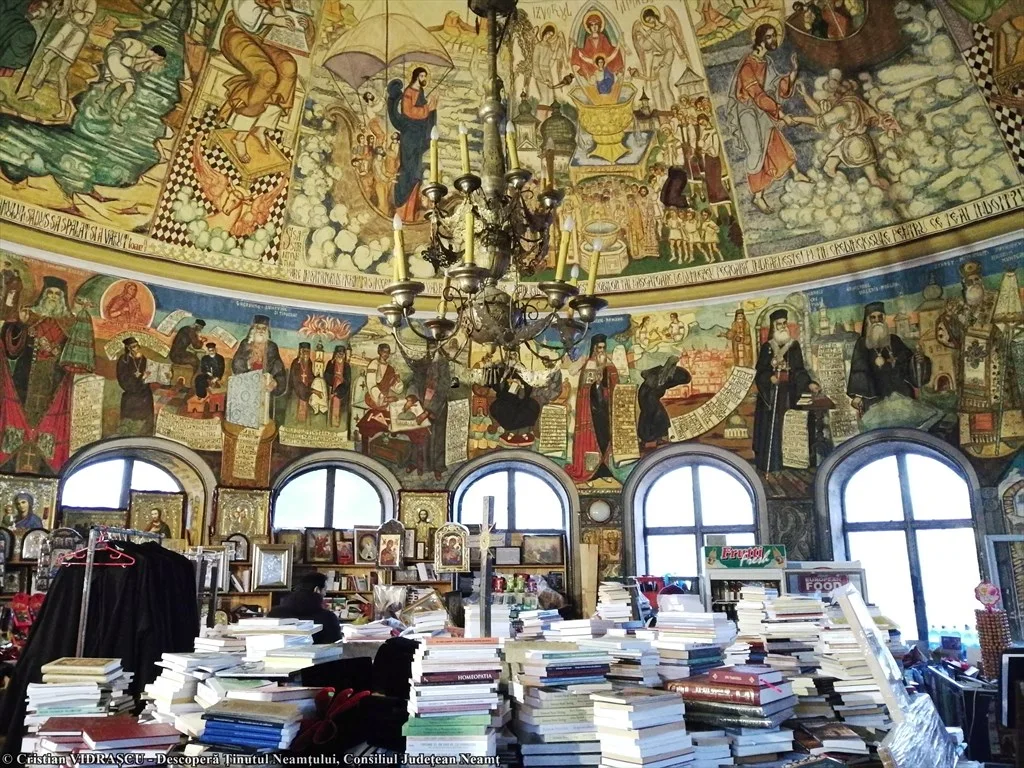
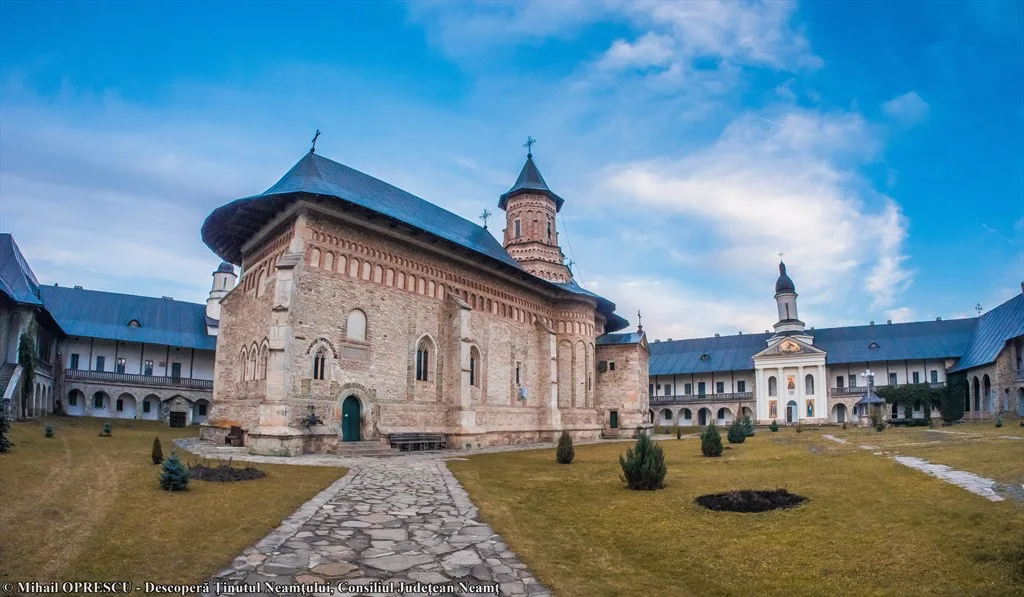
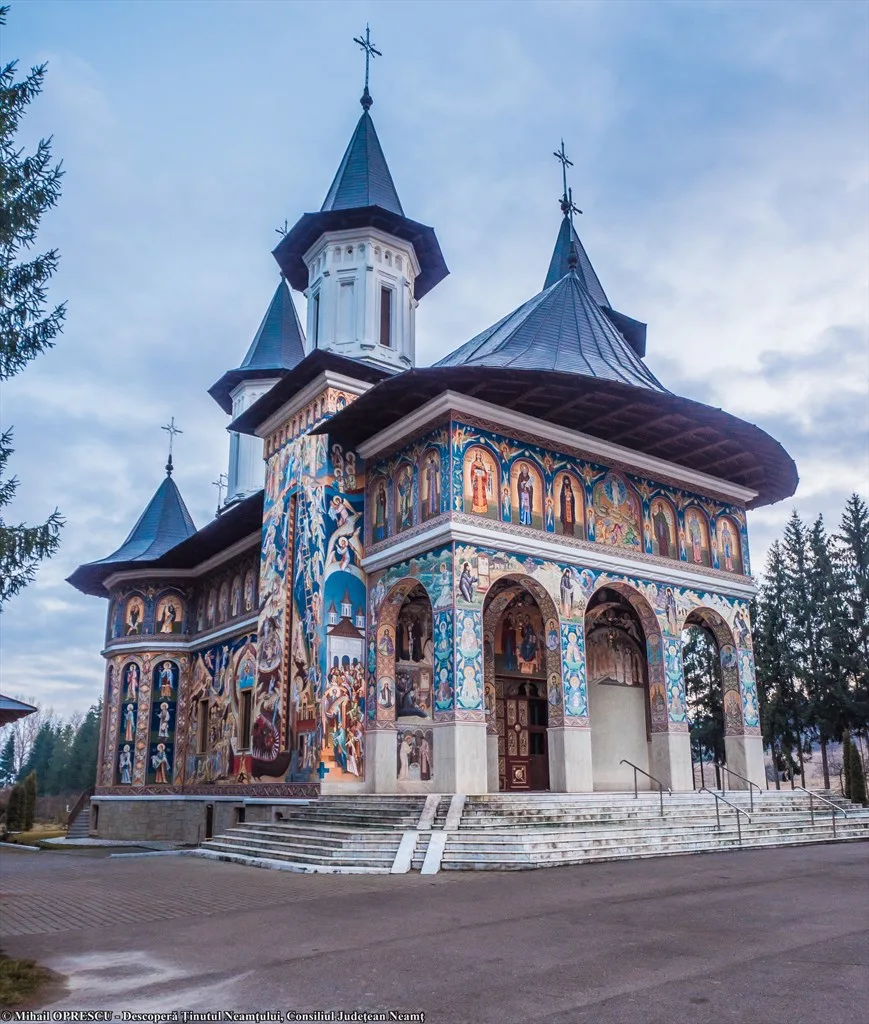
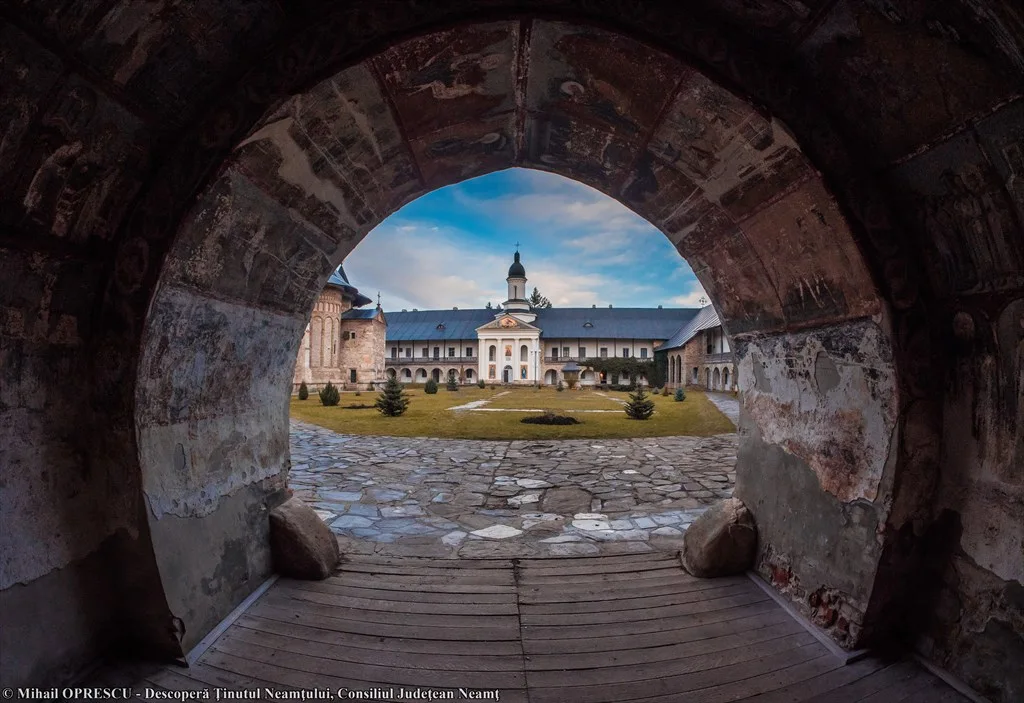
First documented in 1210 and declared the oldest and most significant monastic settlement in Moldavia, also called “the Jerusalem of Romanian Orthodoxy”, Neamț Monastery is the result of successive foundations in the 14th-15th centuries by the rulers Petru Mușat, Alexandru cel Bun and Stephen the Great.
The monastic complex includes the church, a museum and a library dating from the late 14th century, which in 1862 held over 12,000 volumes documenting important medieval historical, theological, cultural and artistic events.
In the great church, the most beautiful of those erected by Stephen the Great, there is also a miracle-working icon of the Mother of God, painted in the year 665 in Israel.
Photo gallery Horaița Monastery:
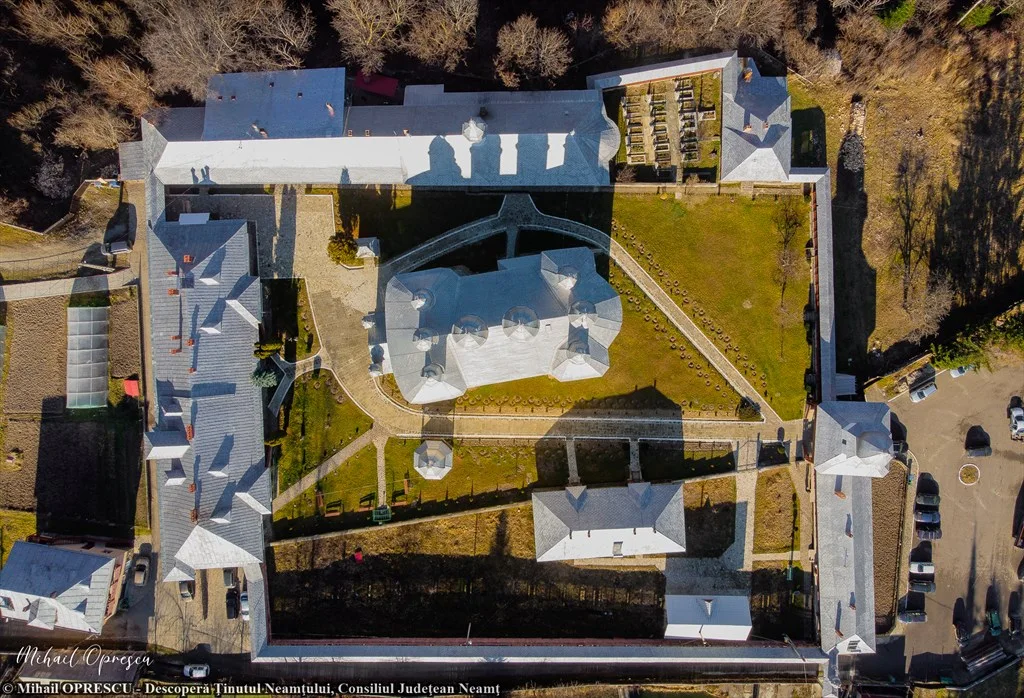
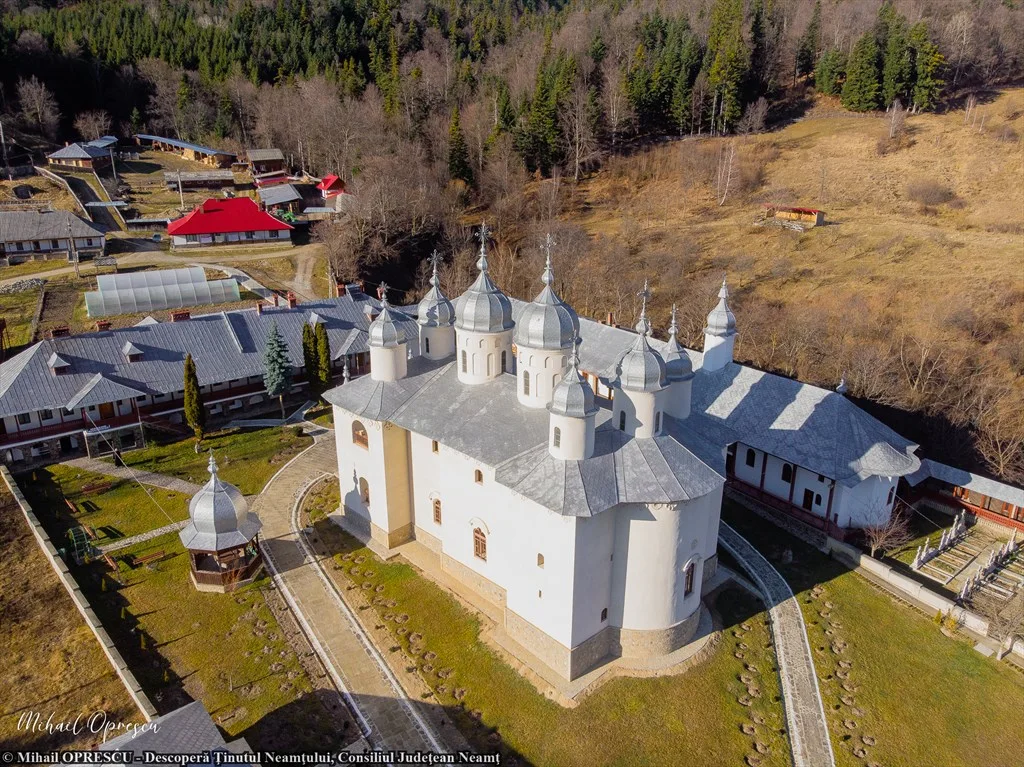
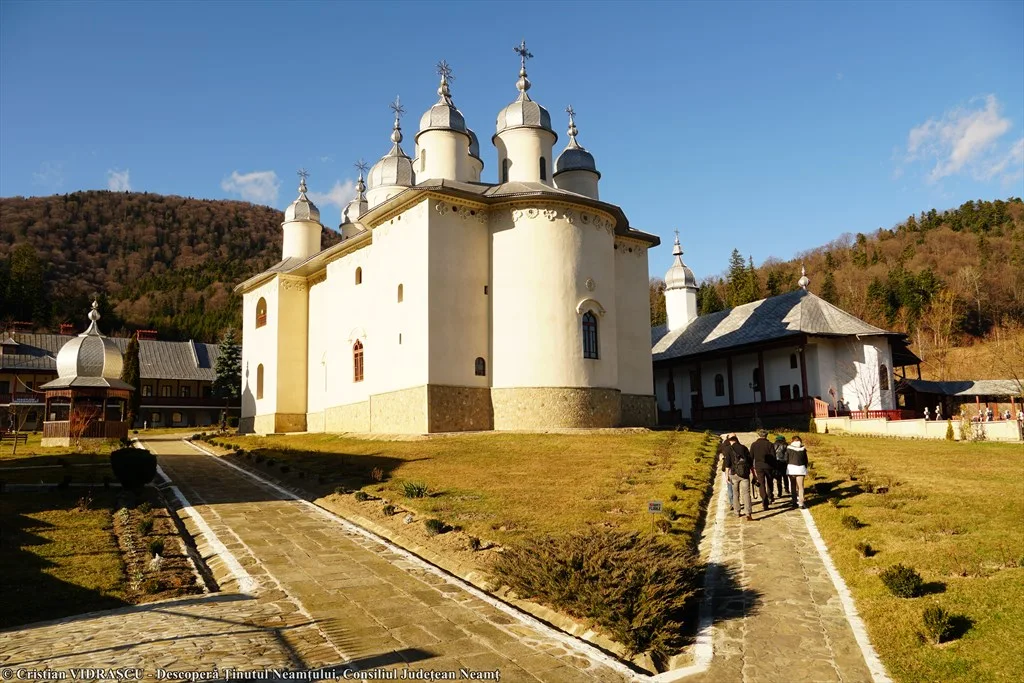
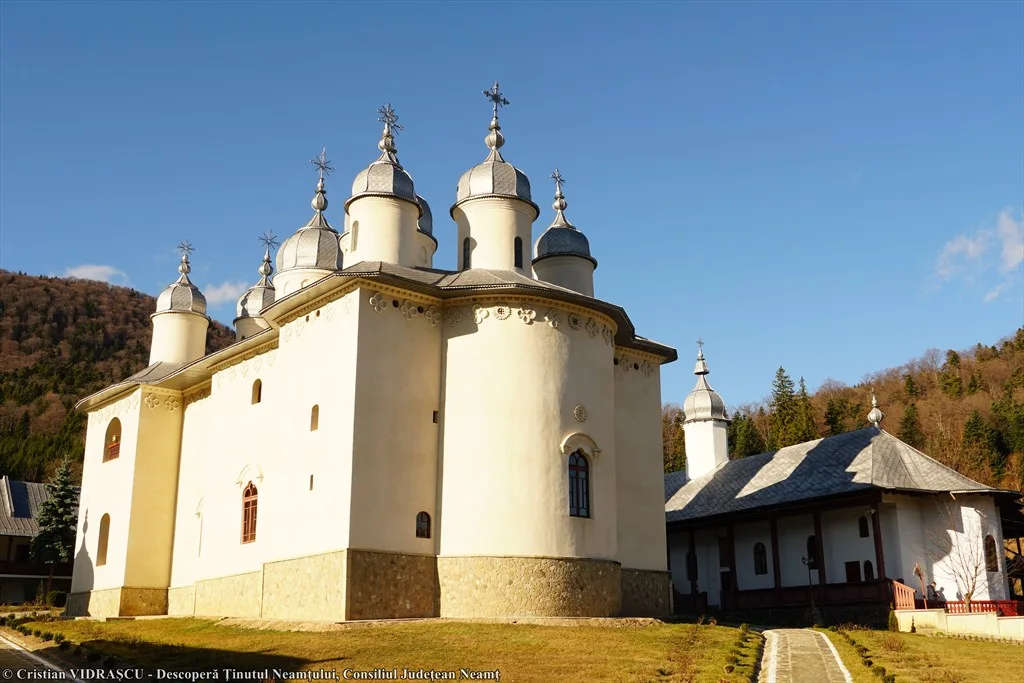
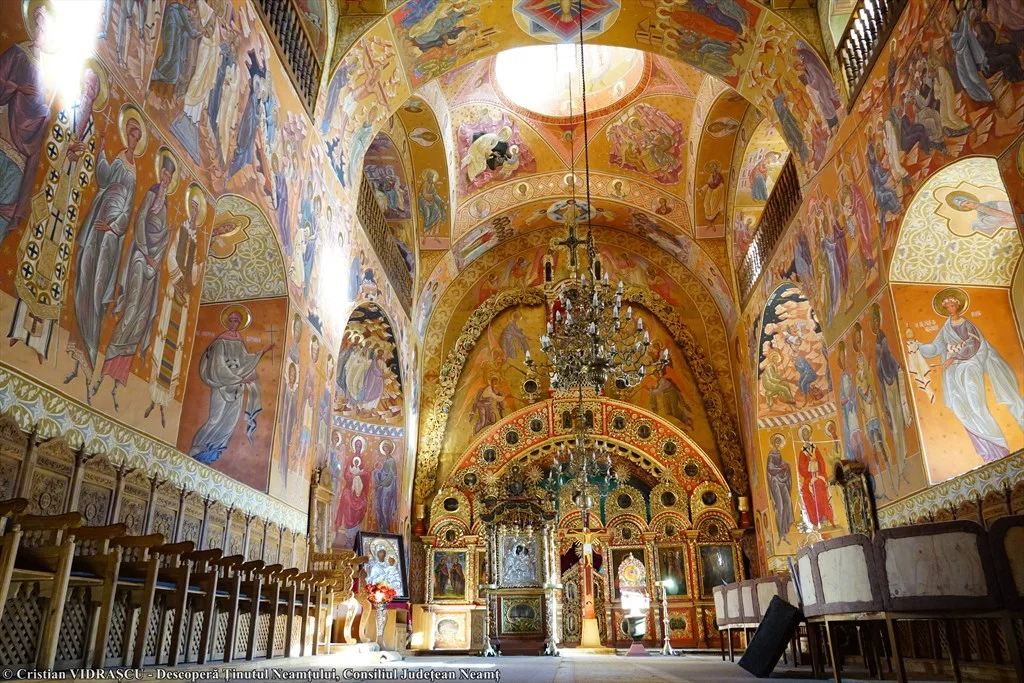
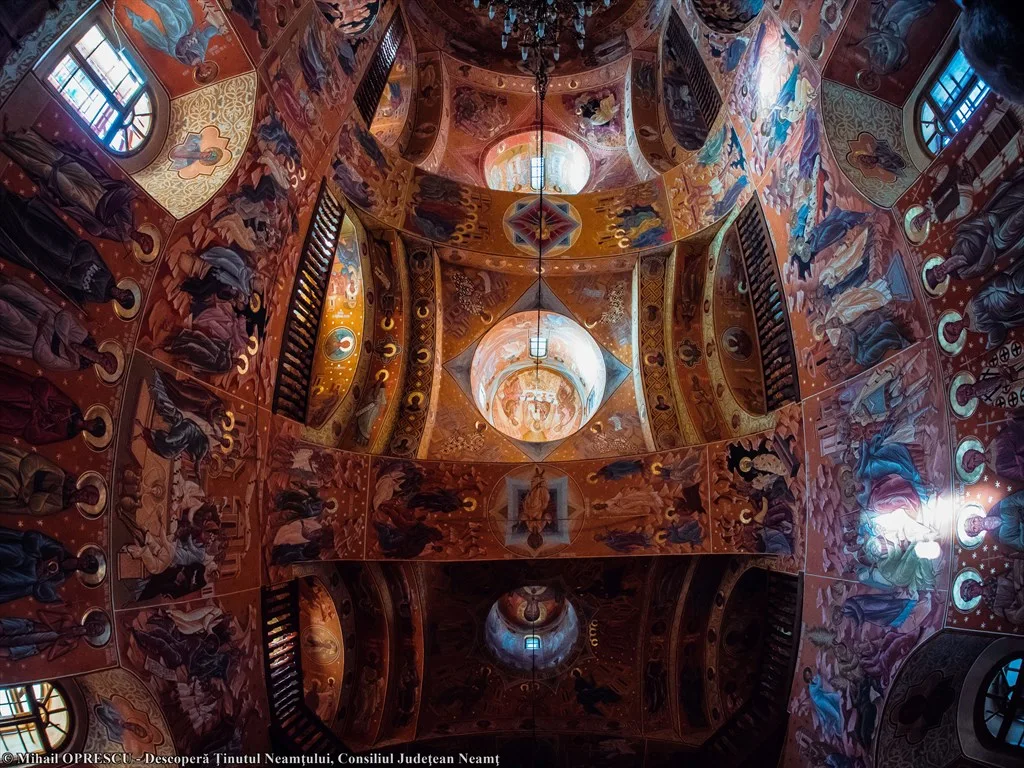
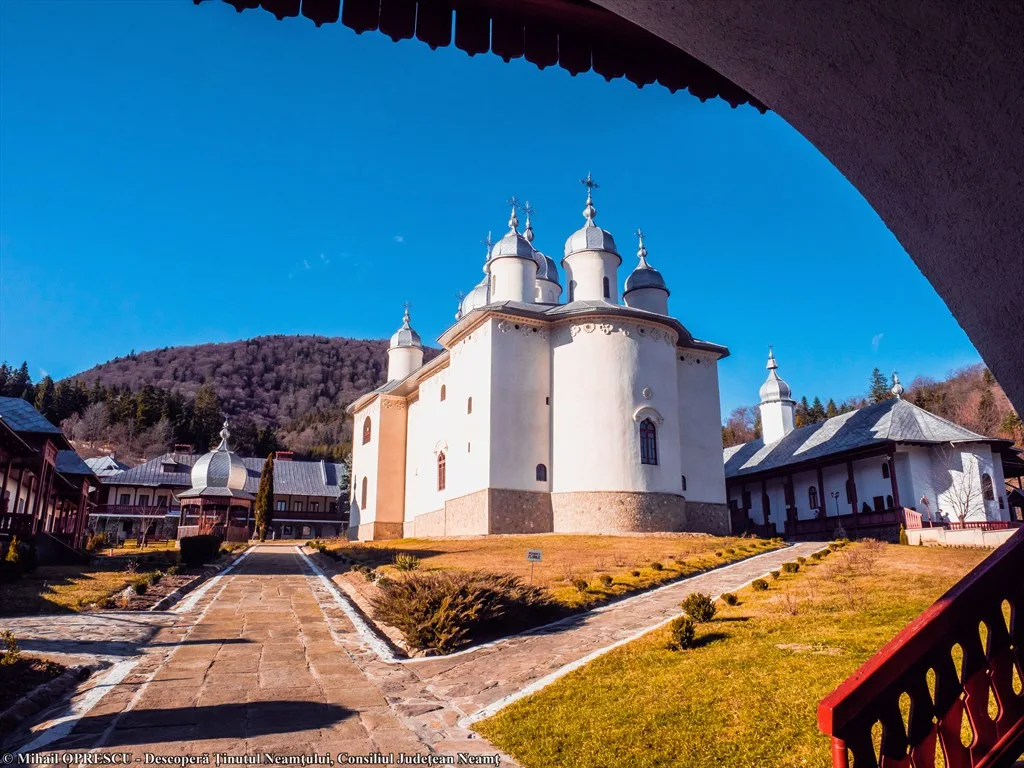
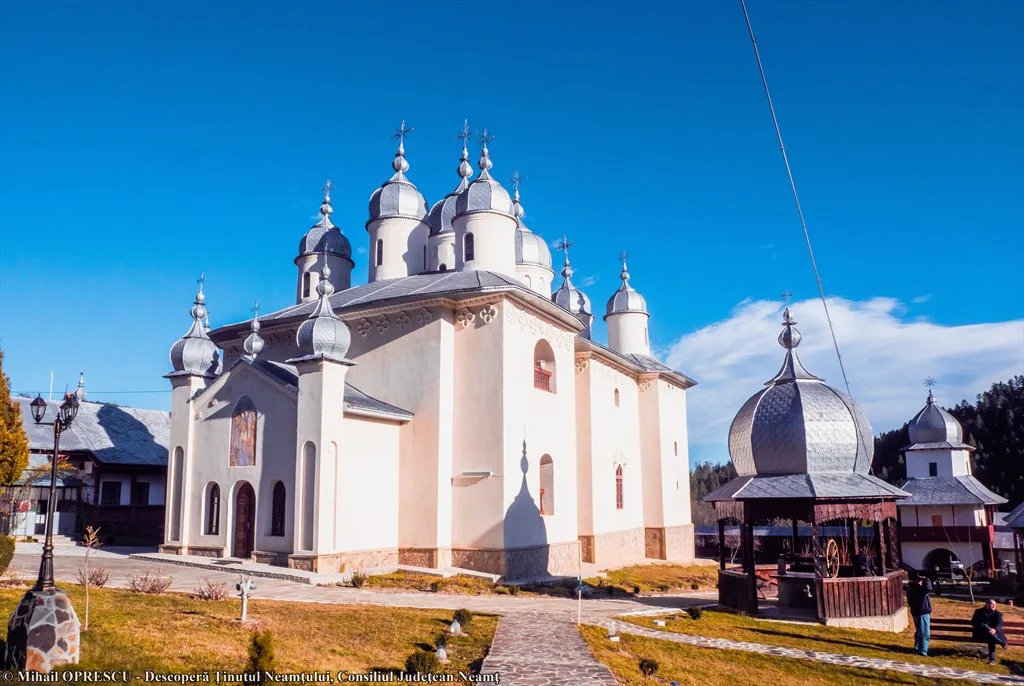
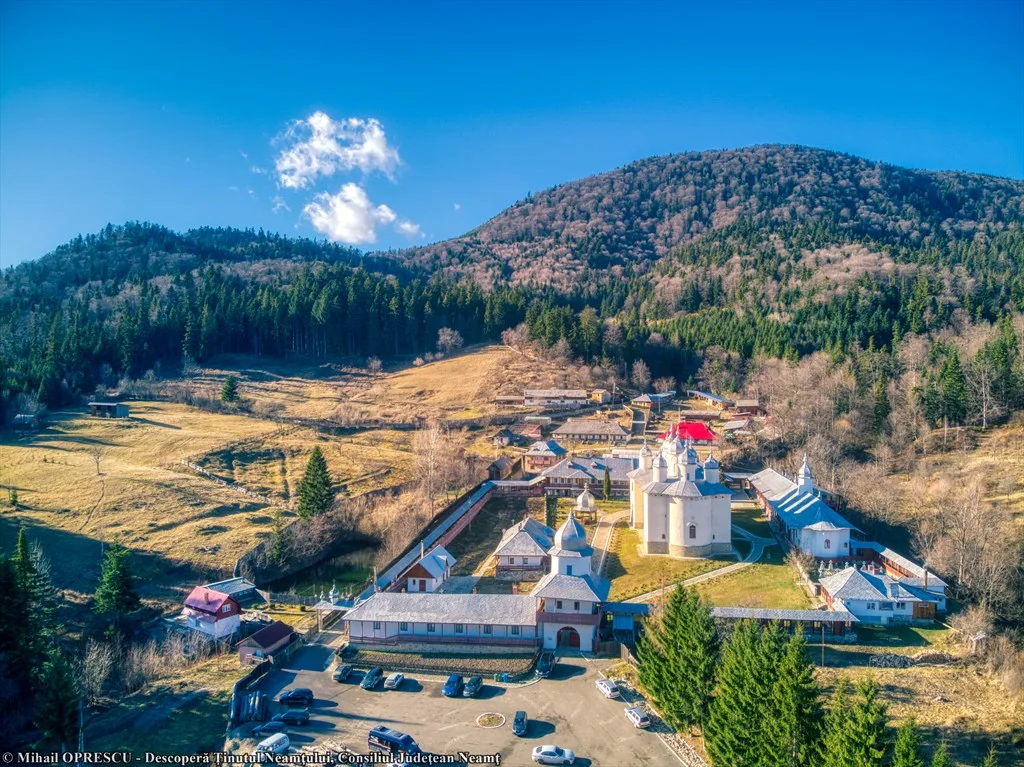
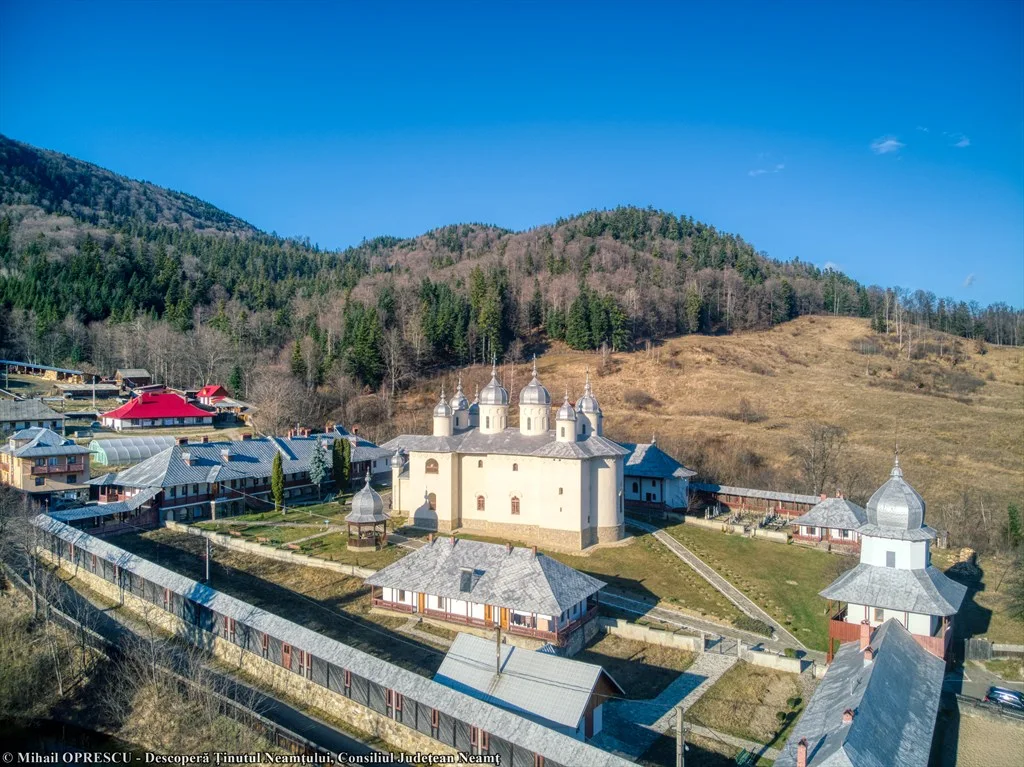
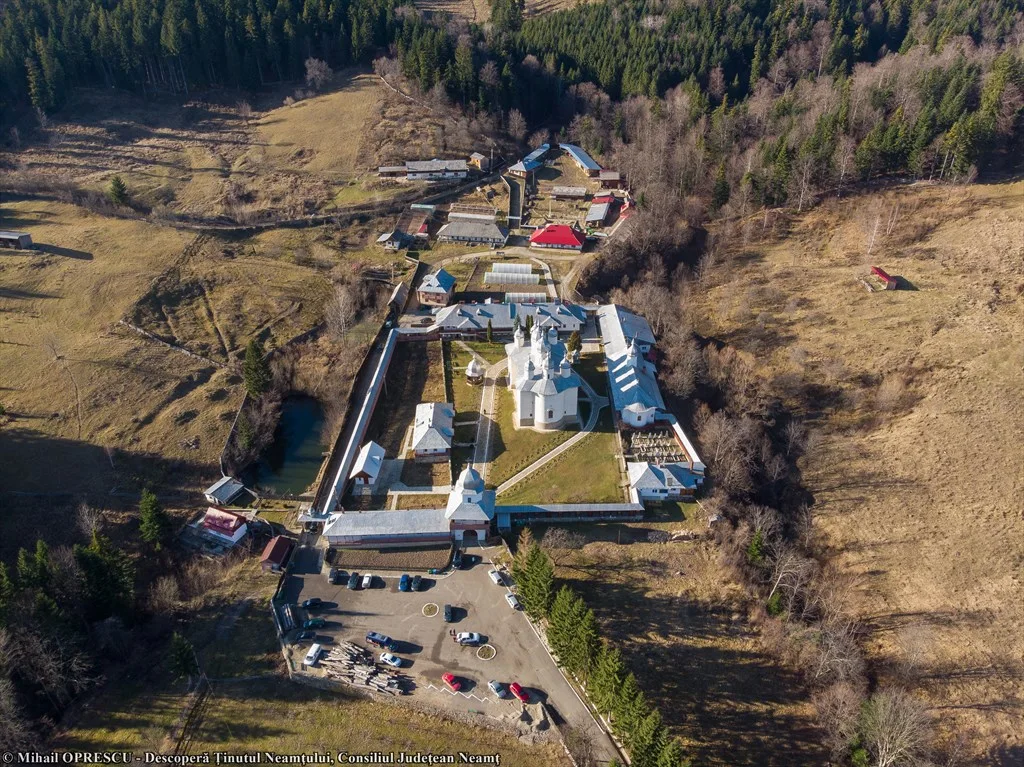
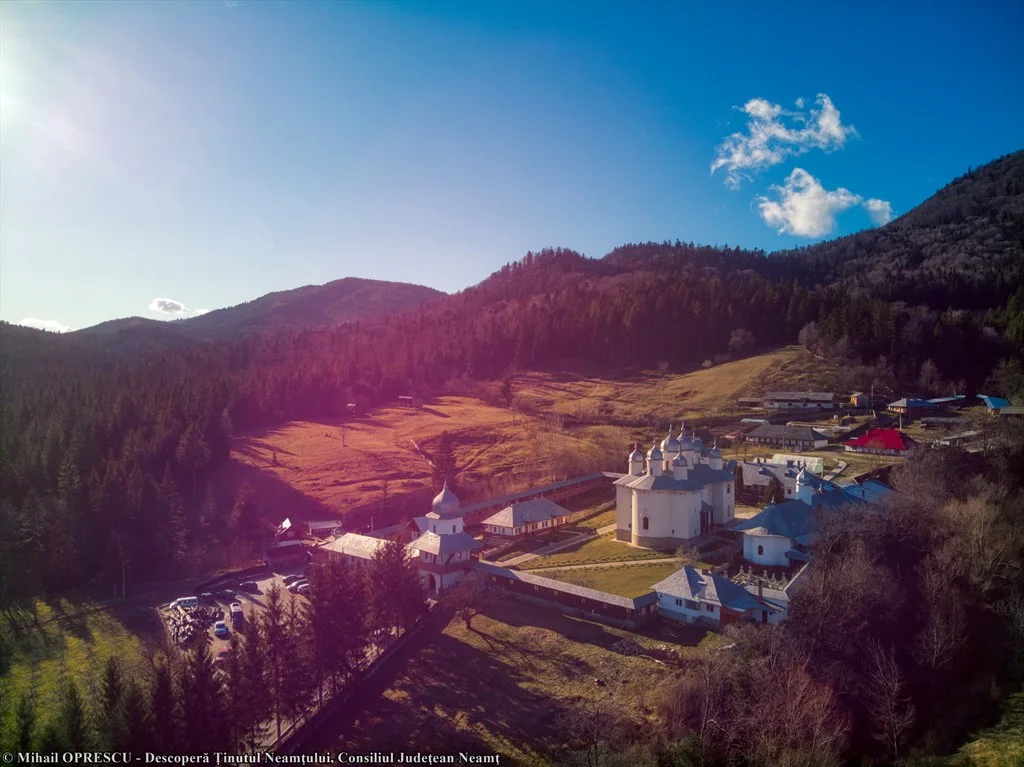
The place of worship at Horaița is mentioned in 1428 in a document issued by the Chancery of Alexander the Good and has an interesting history.
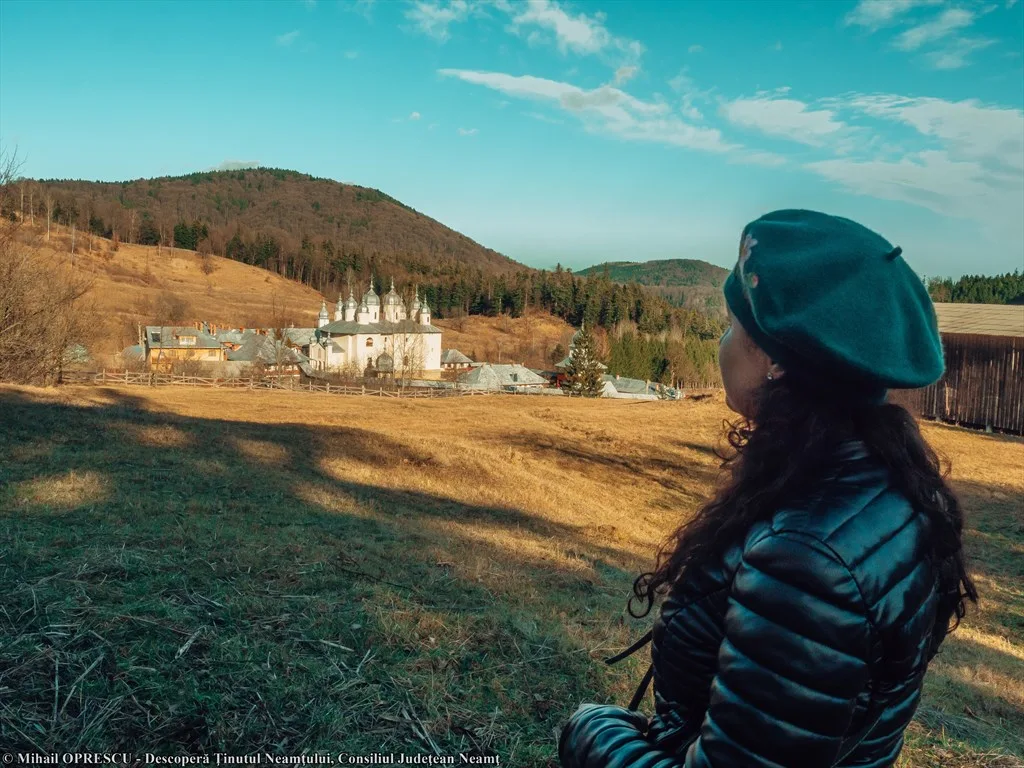
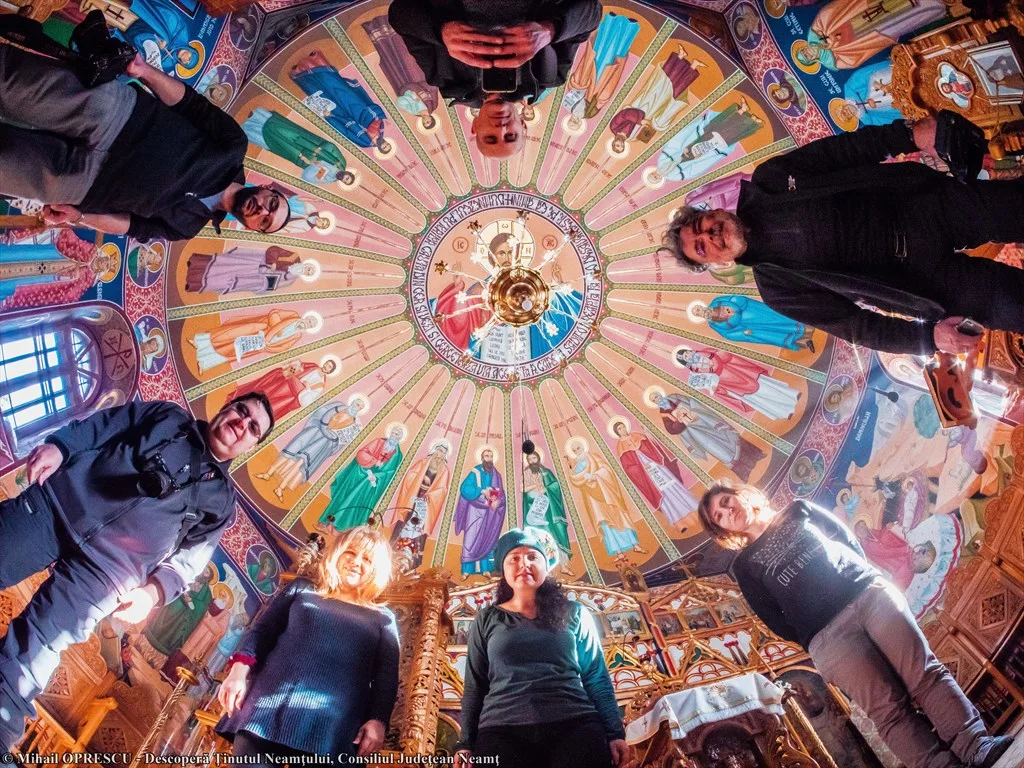
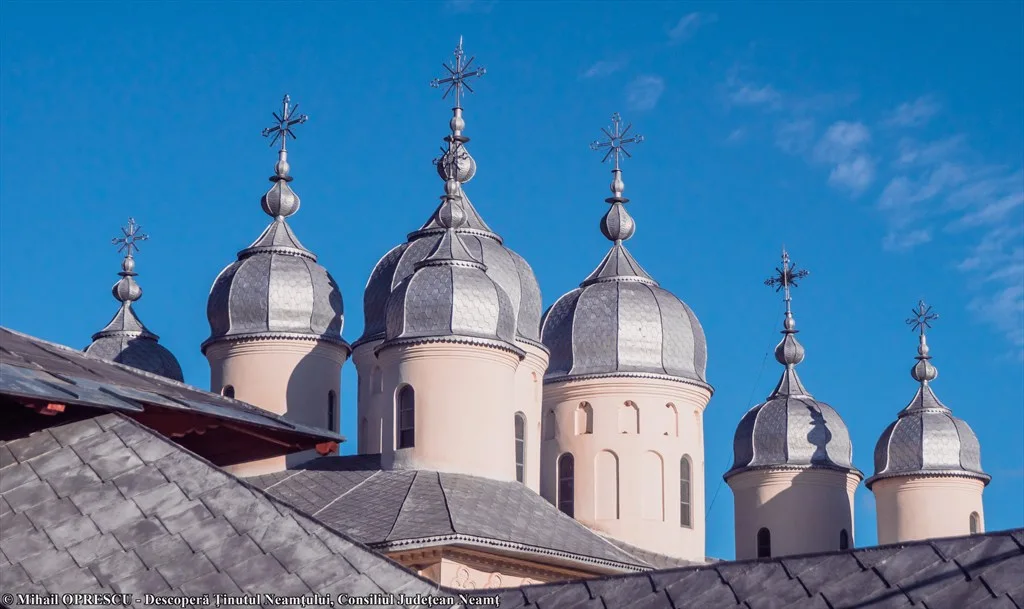
The church within the monastery grounds is an imposing building with thick walls and eight domes reminiscent of Russian churches, while its interior, painted by the renowned artist Mihai Chiuaru, surprises visitors with its proportions and exceptional architectural features. The church houses several well-preserved treasures, including the miracle-working icon of the Mother of God, painted in the 19th century and also known as “Izbăvitoarea de secetă” or “Maica Domnului de la Horaița”, which is carried in procession every year to Horăicioara Hermitage, near the monastery, on the feast of the Life-Giving Spring.
Horaicioara Hermitage photo gallery:
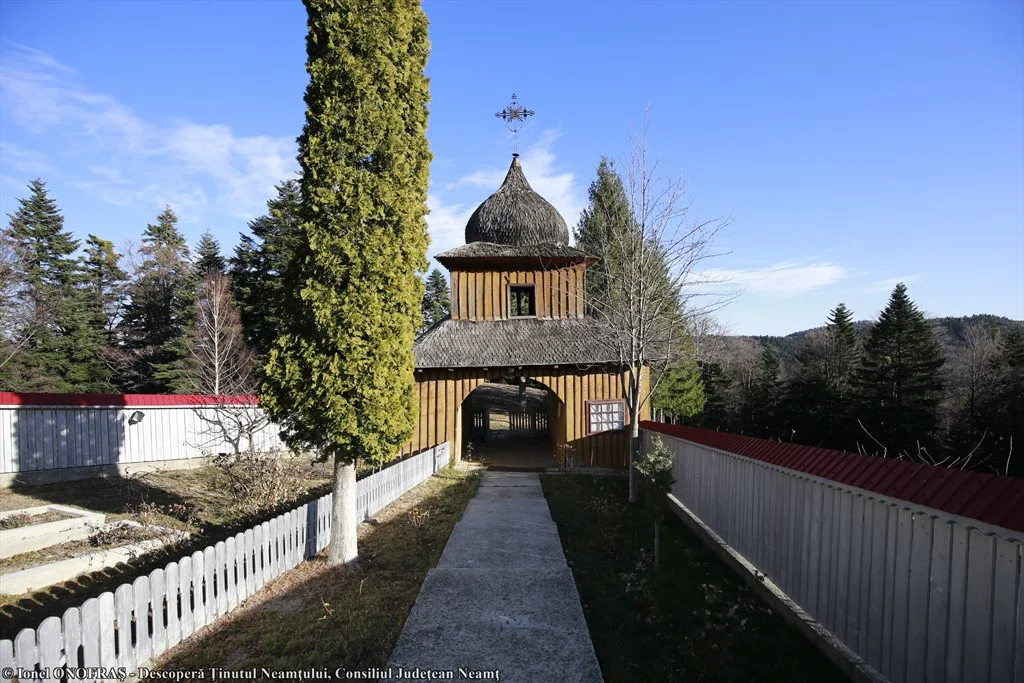
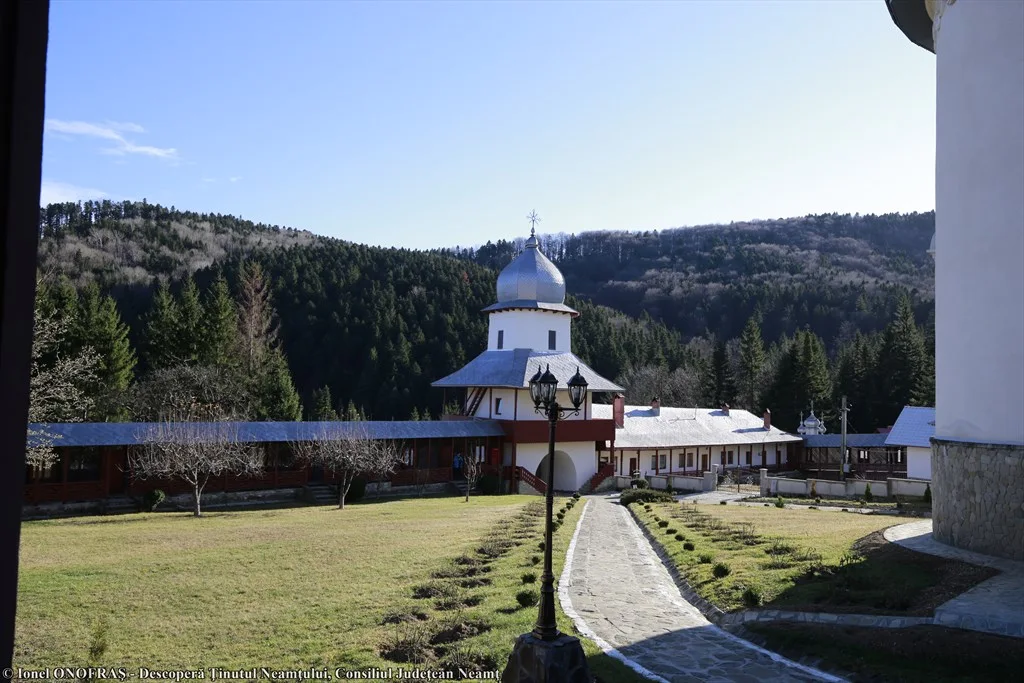
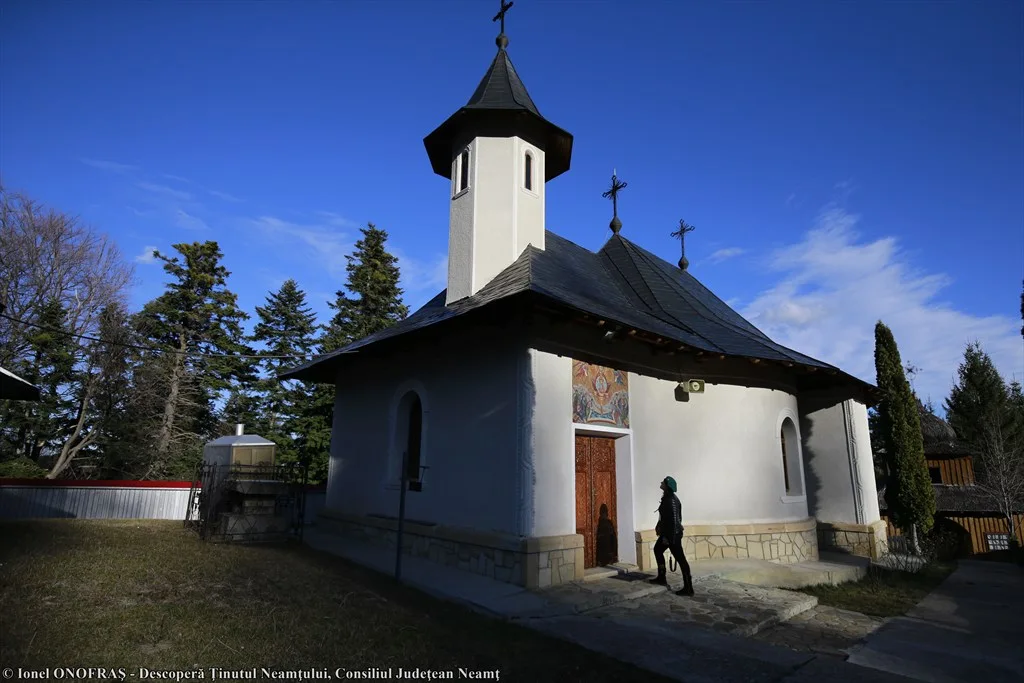
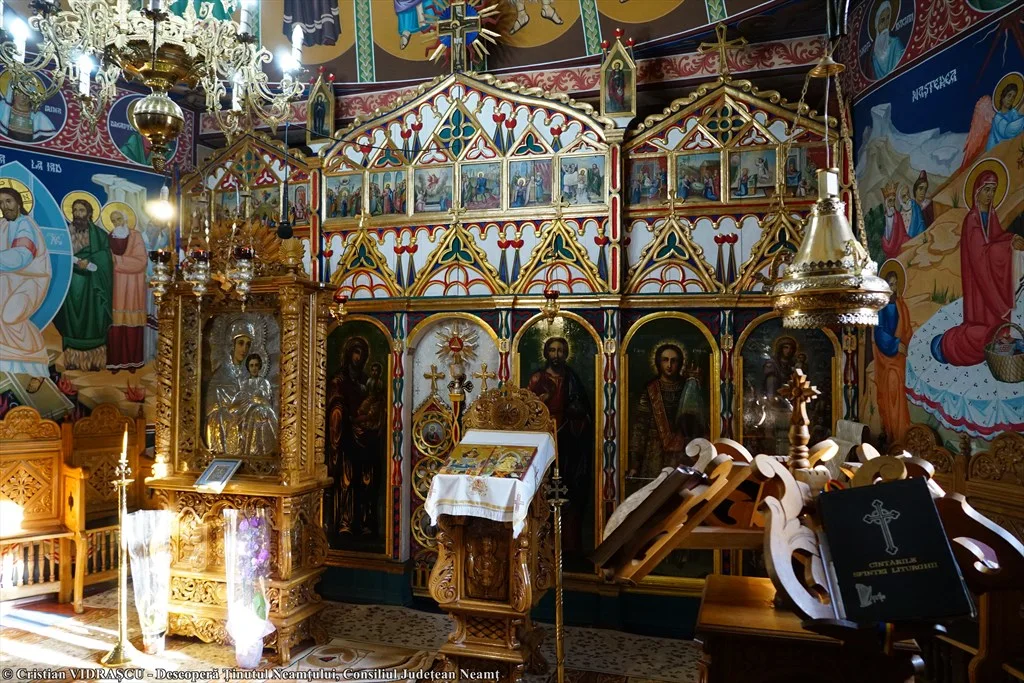
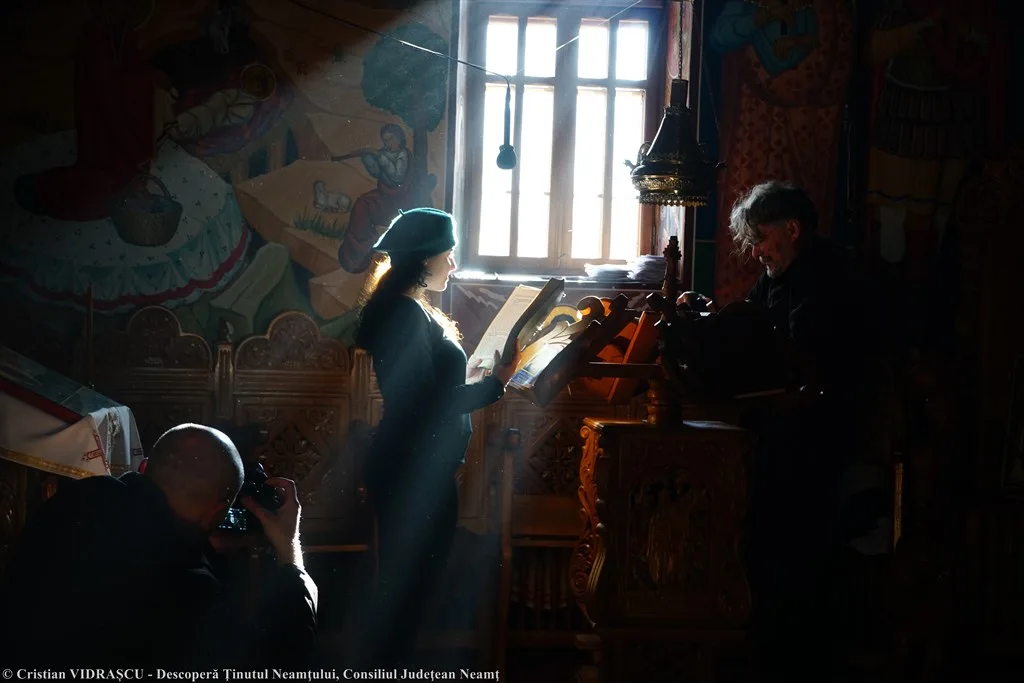
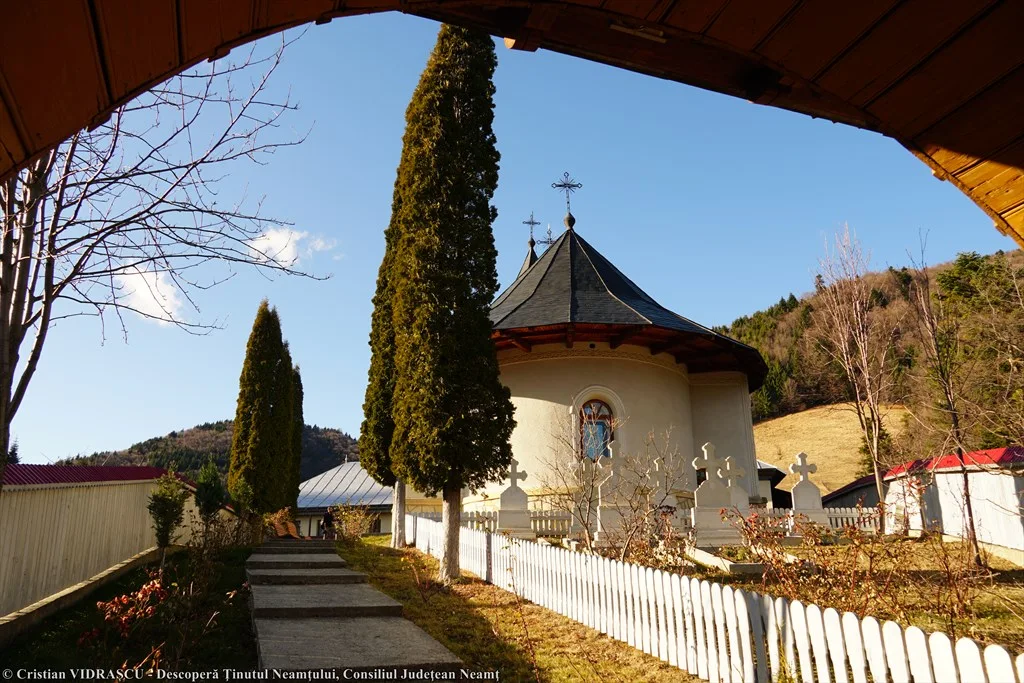
Located only a few hundred metres away, on an uphill road, the Horăicioara hermitage—or Old Horaița—lies in a particularly picturesque setting at an altitude of 900 metres and dates from 1466. Later, in 1480, the first wooden church dedicated to the Annunciation was erected on the order of Voivode Saint Stephen the Great. After more than 400 years, a stone church was built at the hermitage in 1868, housing a miraculous icon of the Mother of God. One of the miracles is the appearance of a spring right next to the church, which locals and the hermitage’s monks say is renowned for its curative properties.
You will hear about the charming and spiritual places in Neamț and a “monastery route” in the enchanting stories told by the locals and by great Romanian authors who have written about these lands. Gheorghe Asachi, Alexandru Vlahuță, Nicolae Iorga, Mihai Eminescu, Ion Creangă, Calistrat Hogaș and Mihail Sadoveanu are just a few Romanian writers who have left testimonies of their journeys through the Neamț region for eternity.
In “Descrierea Moldovei”, Dimitrie Cantemir leaves posterity an interesting testimony that reveals the importance attached by the rulers of Moldavia to the construction of churches and monasteries: “For in Moldavia it has become customary, when someone among the Lords or the boyars builds a monastery, then he shares his entire wealth equally between his children and the monastery, so that whatever portion goes to each child, the same he gives to the monastery.”
Thus, through this testimony, we can recognise that all the Moldavian rulers have left enduring traces in the Neamț region.
The picturesque surroundings in which the monastic settlements lie, with the grandeur of buildings that have withstood the test of time and a constant aura of faith, call you to Neamț; they reveal beauty, spiritual joy and everything a traveller may seek at some point in life when arriving at sacred places, sites of faith, civilisation, Romanian culture and tradition. The history of each monastery is a fragment of the region’s past and offers a genuine immersion into an imagined tunnel of time.
Stepping into these sacred places, you enter the mystery of faith and explore your inner self; you rediscover yourself, gather your strength and renew your resolve to move forward, to be better, more forgiving, more grateful and more confident.
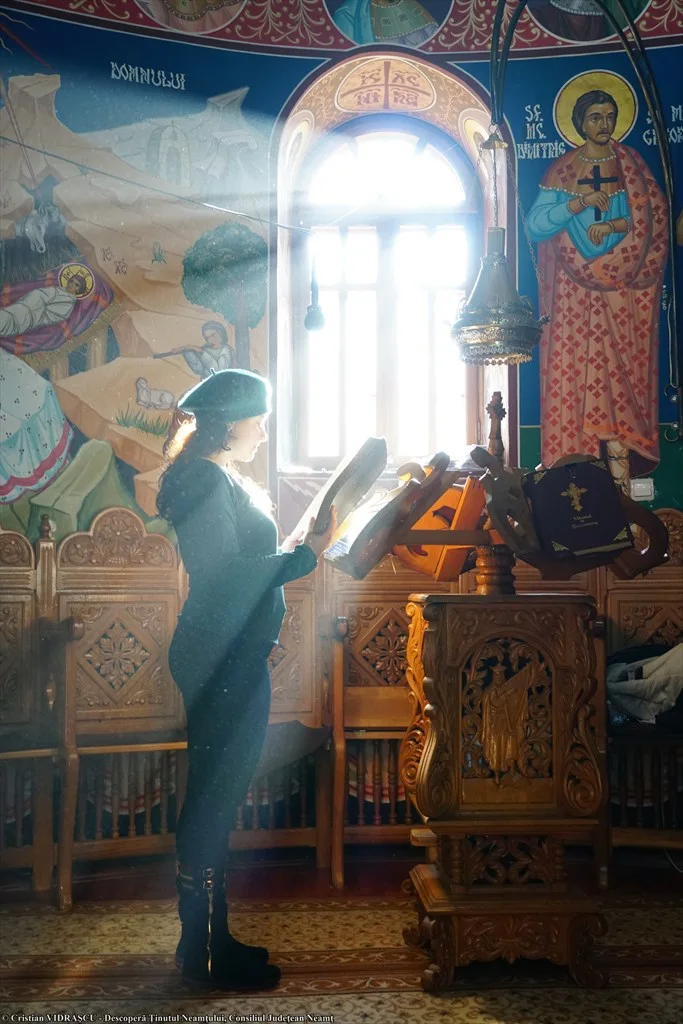
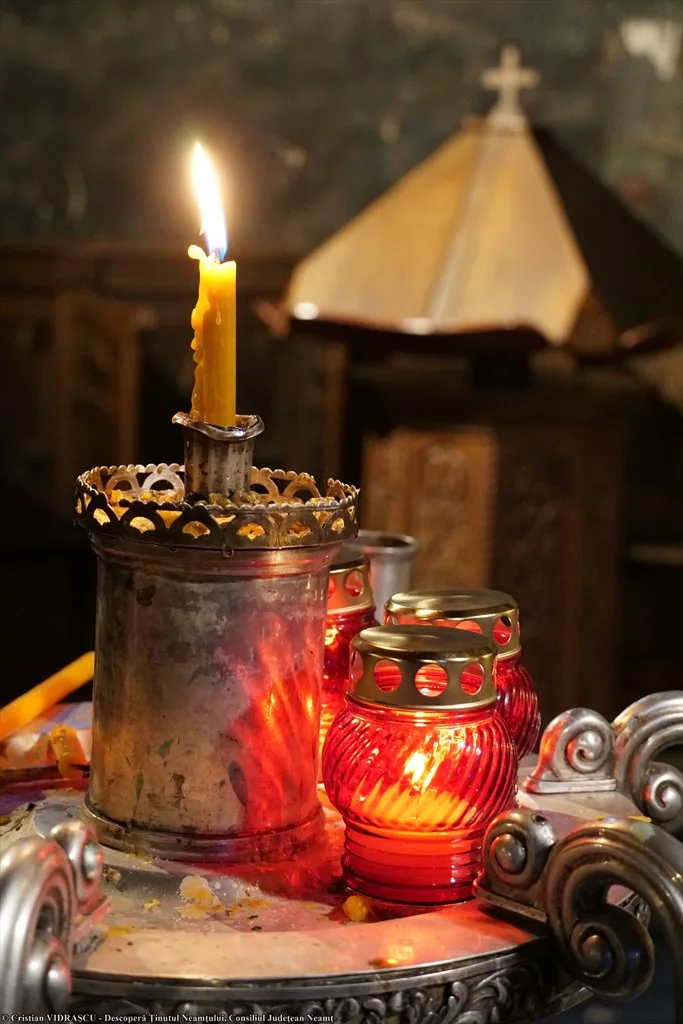
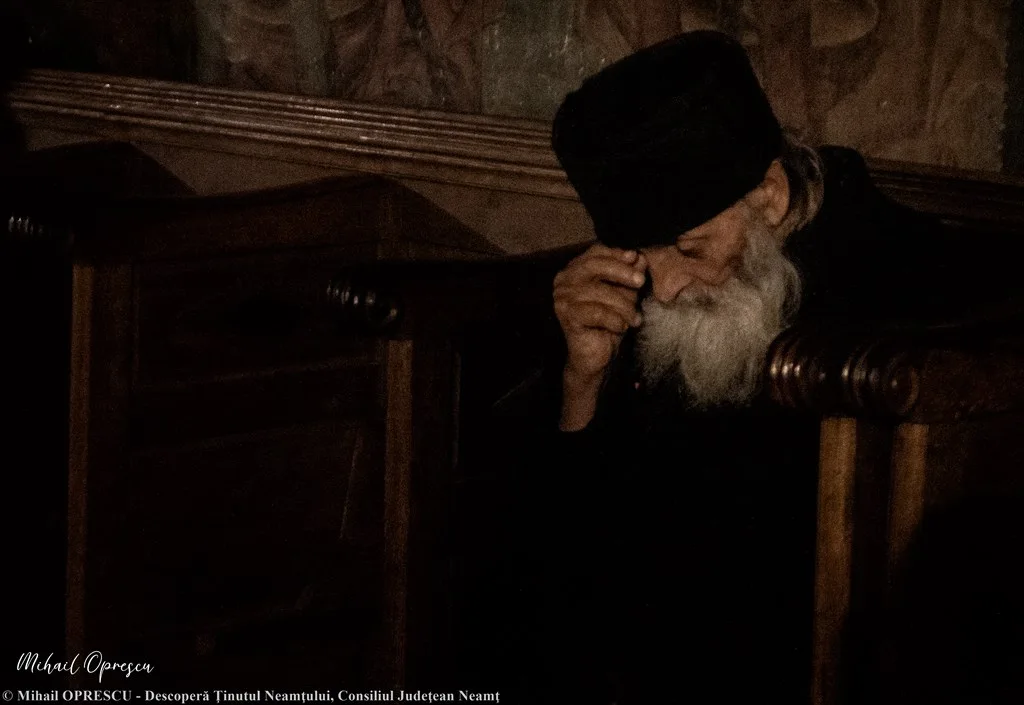
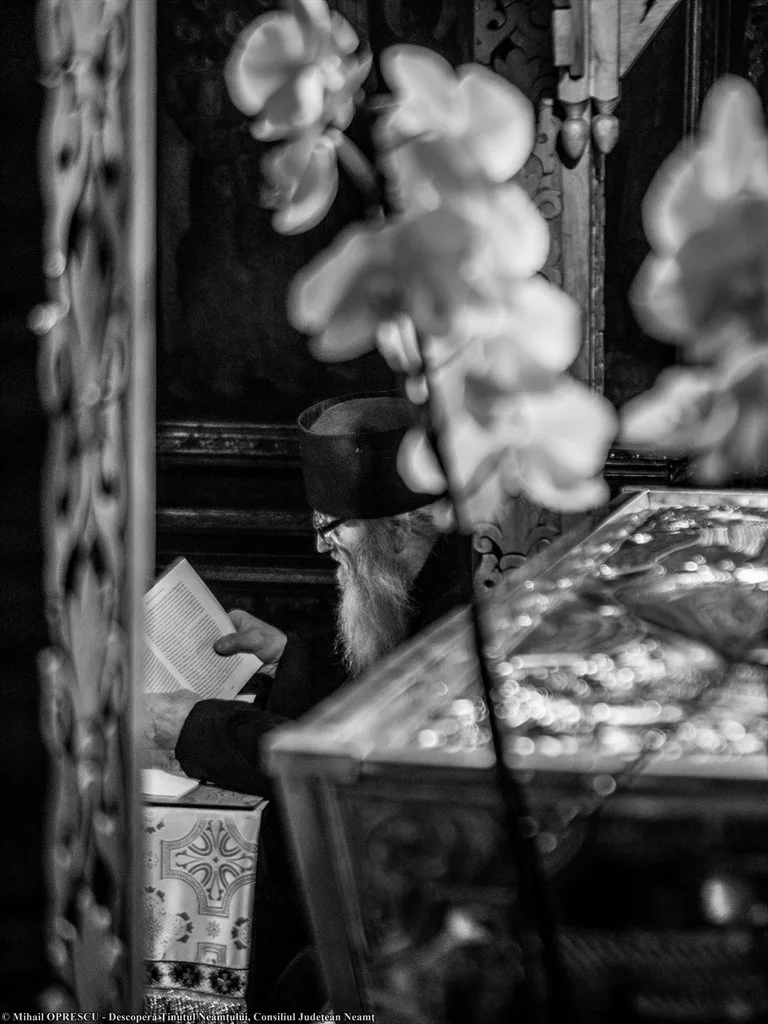
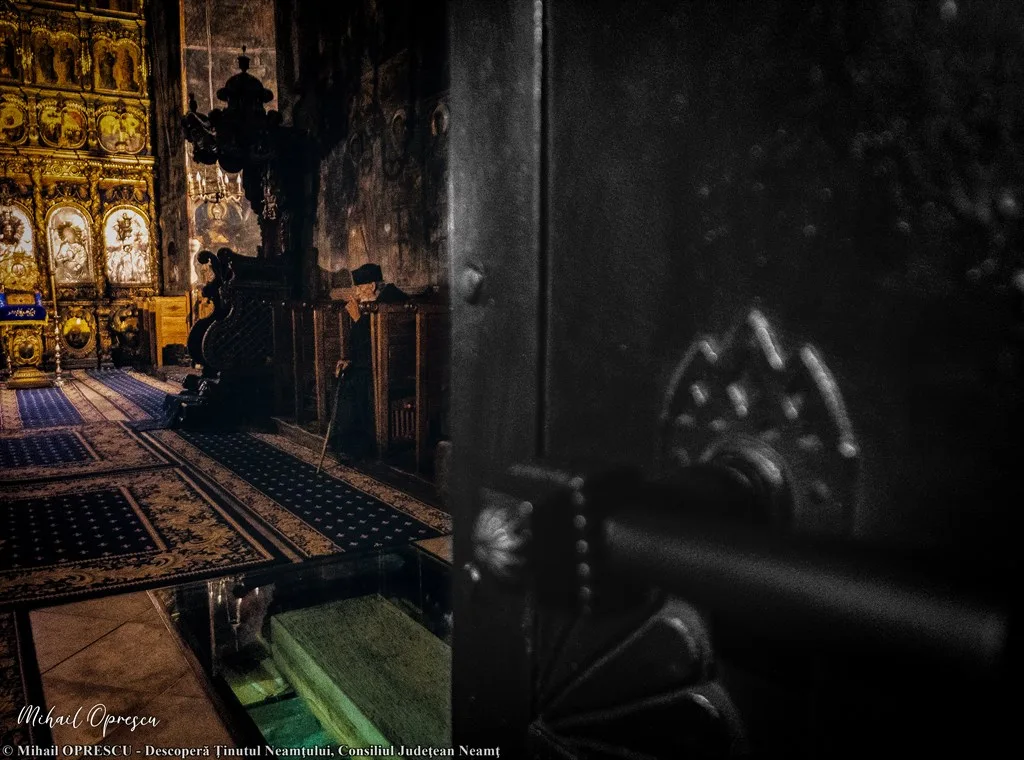
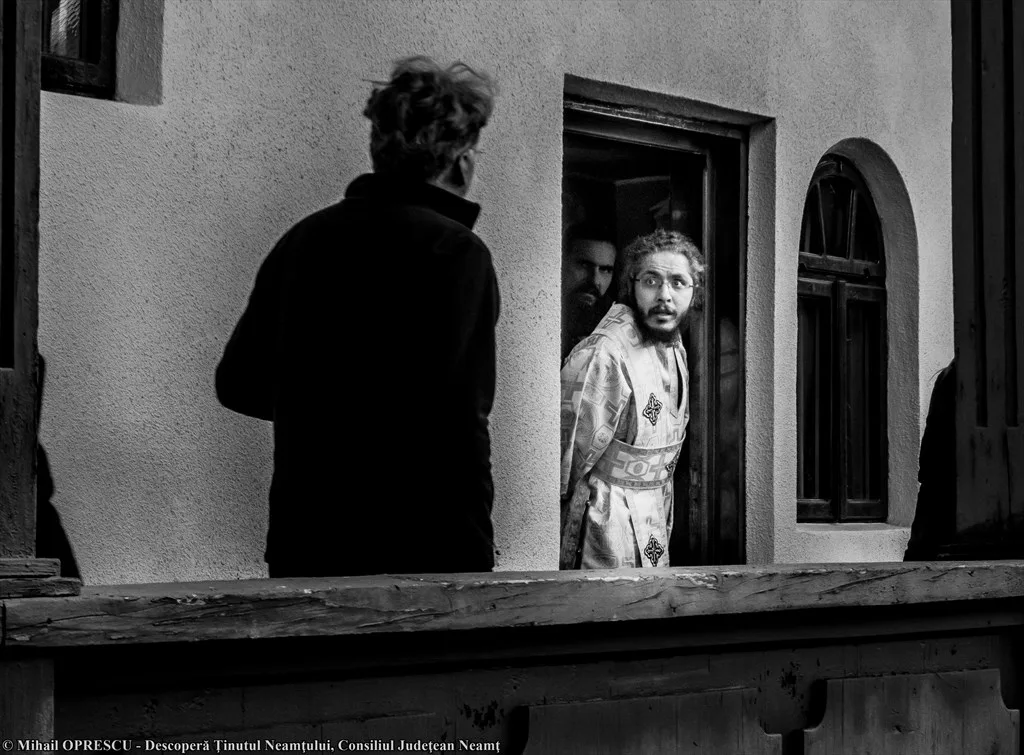
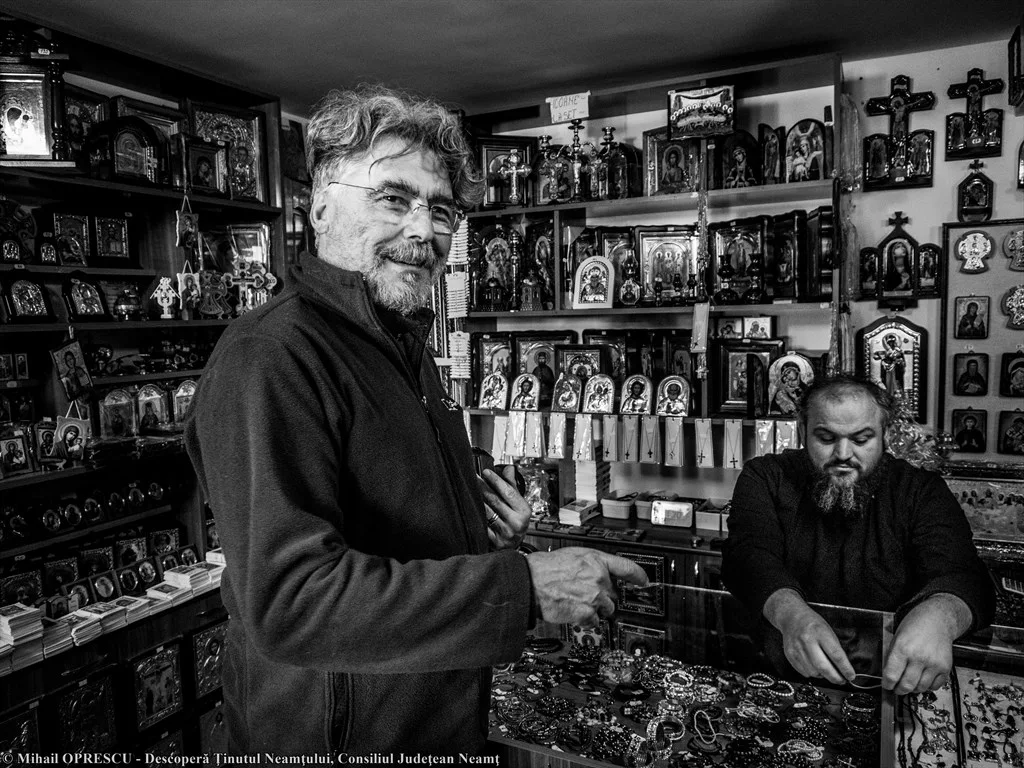
Photo gallery:
More on the same topic
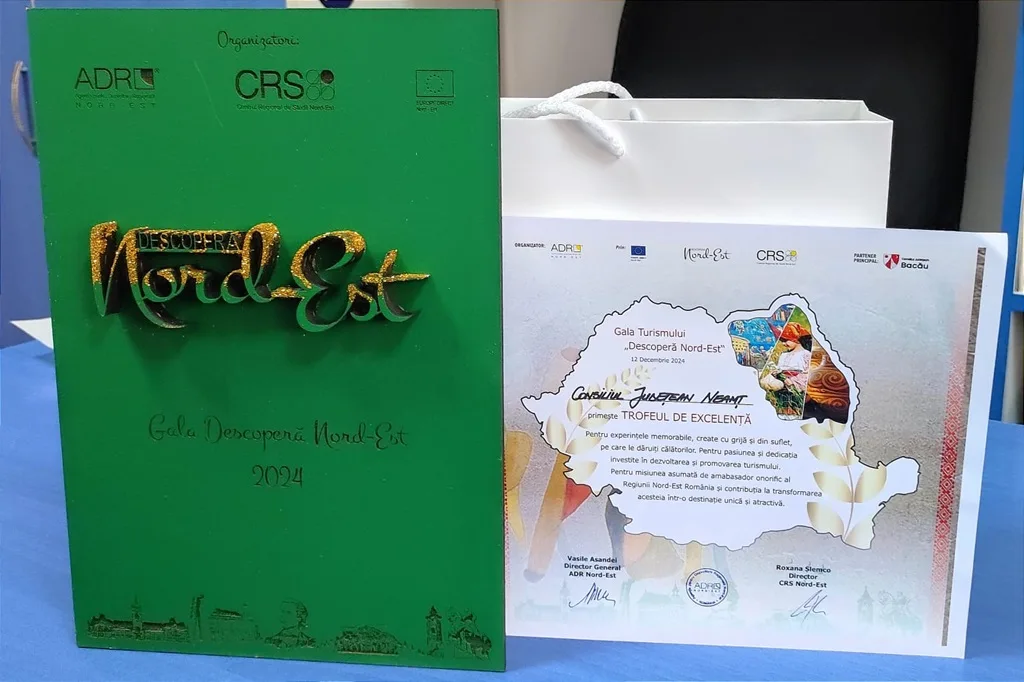
Neamț Awards at the Discover North-East Tourism Gala, 2024
The awards were presented at the 9th edition of the Discover North-East Tourism Gala on December 12, 2024: Newcomer – Award for new locations/attractions/tourist products or emerging tourist destinations: Zenzia Glamping Piatra-Neamț. Poem Rural Piatra-Neamț.
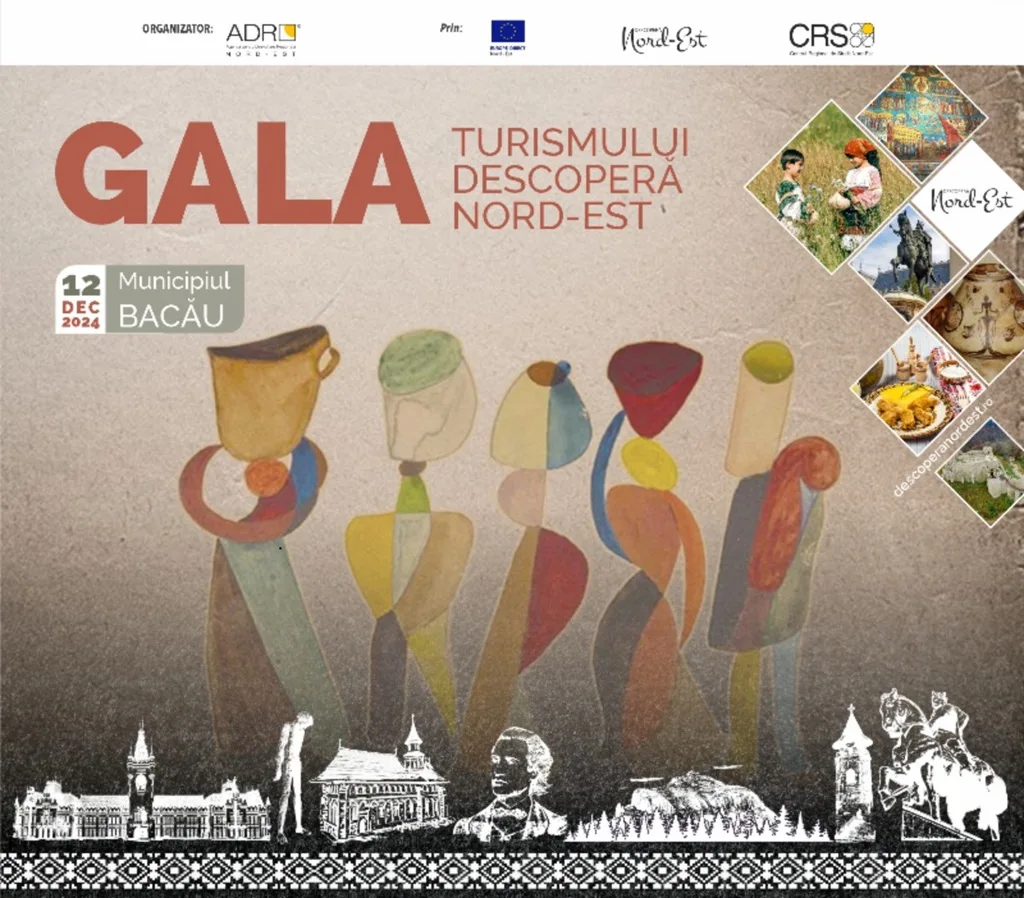
Excellence in Developing Tourism in Neamț at the 9th Edition
On December 12, 2024, we celebrate the tourism initiatives of Neamț County, alongside those from the North-East Region of Romania—a uniquely beautiful and rich area that deserves to be discovered by tourists.
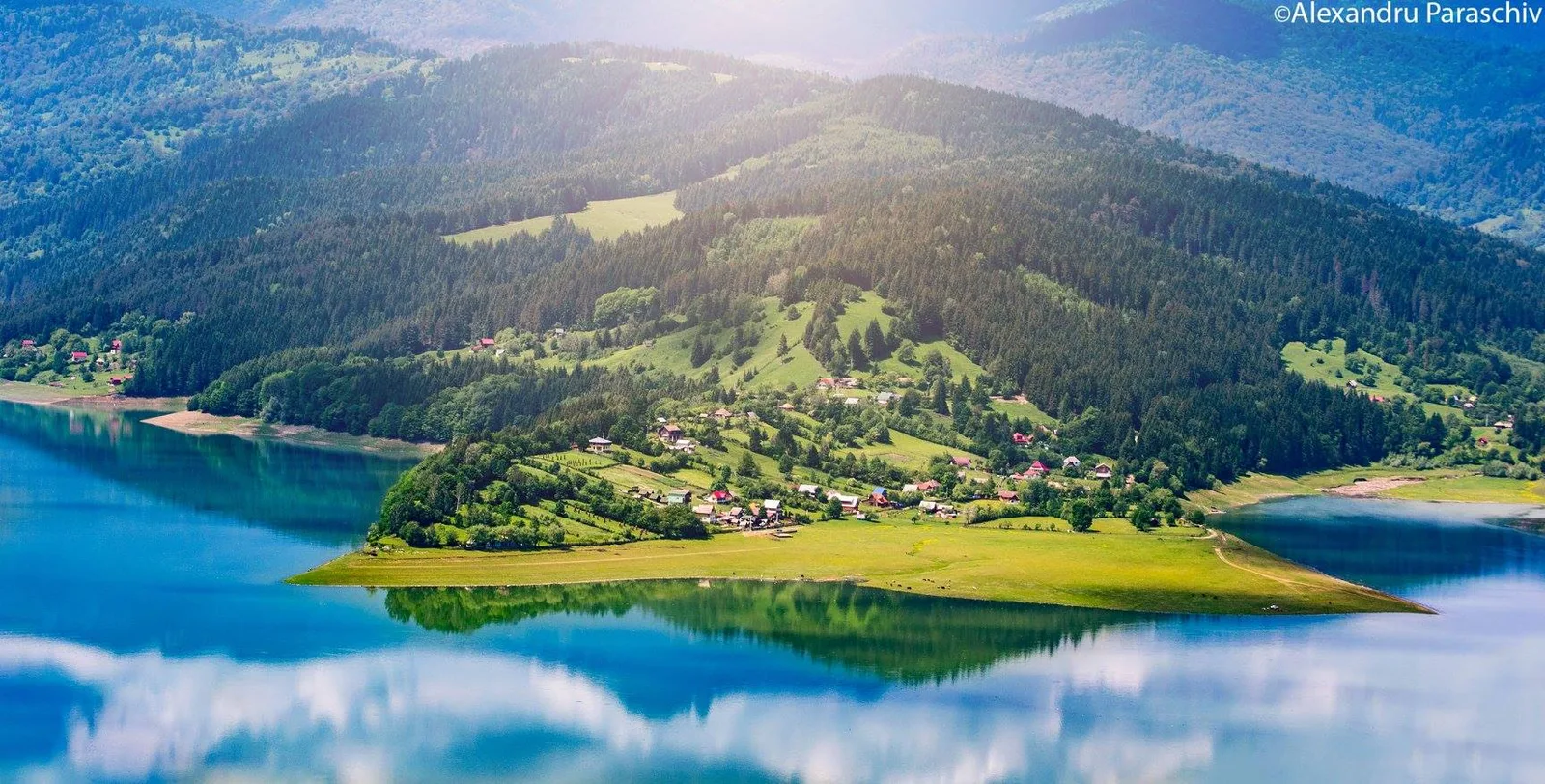
Nominations for Destination of the Year 2025
In the category Enchanted Realms – Geographical areas or localities with a rich treasure of nature, history and tradition our proposal is: The city of Bicaz and its surroundings.