Pilgrims at the monasteries of Neamț
Every year, Orthodox Easter draws increasing numbers of pilgrims to the monasteries of the Neamț region, where they come to prepare spiritually for the night of the Lord’s Resurrection. The Easter fast preceding the Lord’s Resurrection is the longest and strictest of the Orthodox Church’s four extended fasting periods, lasts 40 days and is also known as Great Lent.
During this period, the monasteries in Neamț County are visited particularly by those seeking to regain their peace of mind in the tranquil surroundings of these monastic establishments. Many monasteries offer pilgrims accommodation, meals and a place for prayer and spiritual contemplation, while those who wish can sleep in the monastic cells and share meals with the nuns or monks.
Set in beautiful natural surroundings, with captivating scenery and profound tranquillity, the monasteries in Neamț County welcome pilgrims into an atmosphere of humility and prayer. Here is some information about the best-known monasteries in Neamț, where you can find spiritual solace as a pilgrim while discovering some of the beauty of Neamț County.
Neamț Monastery is the oldest and most important monastery in Moldavia, also known as “Ierusalimul Ortodoxiei Române”. It houses the Lidianca Icon of the Mother of God, the oldest monastic library, with 18,000 volumes, and an impressive museum collection.
Secu Monastery is a monastic establishment representative of Moldavian architecture and houses the Cipriota icon. It also holds the tomb of its founder, Nestor Ureche, and an impressive museum collection of ecclesiastical objects.
Sihăstria Monastery houses ecclesiastical objects, liturgical vessels and a library of great historical and cultural value. The tombs of Father Cleopa and Father Paisie Olaru are also here. Sihla Hermitage lies to the north, with Saint Teodora Cave nearby.
Agapia Monastery is an architectural and visual gem, with paintings by Nicolae Grigorescu. It also houses an impressive museum collection of medieval and religious art, and a library containing old books and manuscripts.
At Văratec Monastery, you can visit the collection of historic ecclesiastical art and the tomb of the poet Veronica Micle, situated in the churchyard of the monastic village. Bistrița Monastery has great historical and archaeological value and is among the oldest monasteries in Moldavia. It houses the miracle-working Icon of Saint Ana and the tomb of Prince Alexandru cel Bun.
Petru Vodă Monastery is known for Father Iustin Pârvu and is another peaceful retreat among the monasteries in Neamț. Pângărați Monastery has a unique architectural design, with two churches built one above the other in a single building. Durău Monastery was decorated with wax paintings using the encaustic technique by Nicolae Tonitza and his pupils, including Corneliu Baba.
Visiting these old monasteries in Neamț County during this period gives pilgrims and tourists a chance to understand and experience something of the spirituality of the Orthodox Church in Moldavia, and consequently in Neamț County.
More on the same topic

Ethnographic museums, treasures of local history and traditions
Ethnographic museums are true treasures and expressions of love for traditions, folklore, and spirituality of the places, and so is the Ethnographic Museum Casa Bunicilor in the village of Mitocul Bălan, Crăcăoani commune.

The Story of the Seven Miraculous Icons of the Holy Virgin and Saint Anne from Neamț Land
Renowned not only for its beauty and historical significance but also called the “Jerusalem of Romanian Orthodoxy,” Neamț Monastery houses the miraculous icon of Virgin Mary with three hands…
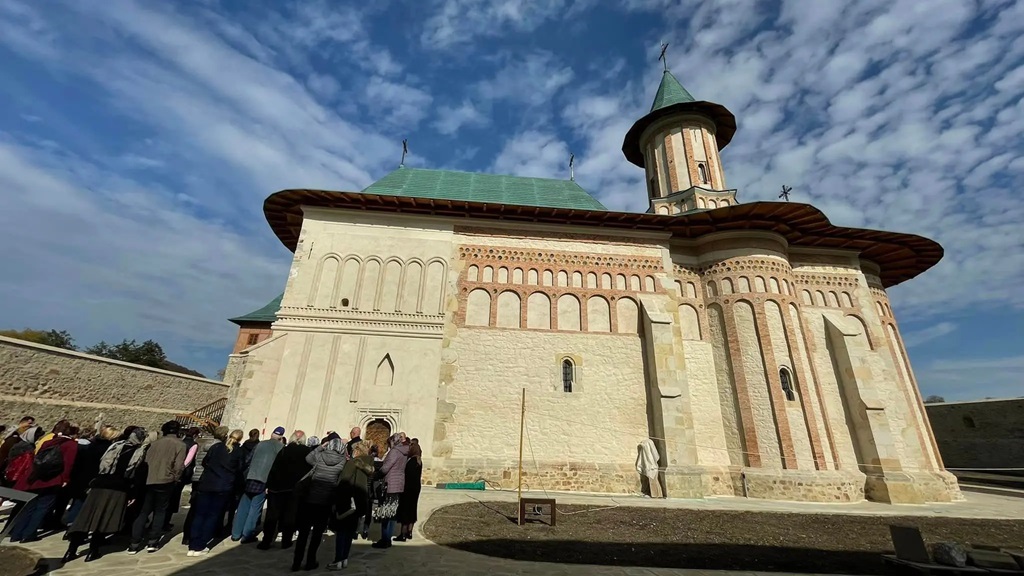
Tazlău Monastery Ensemble has been restored using European Regional Development Fund (ERDF)
After six years of hard work, the project of “reviving” one of the most prestigious establishments of Voivode Stephen the Great, in Tazlău commune, finally came to completion.