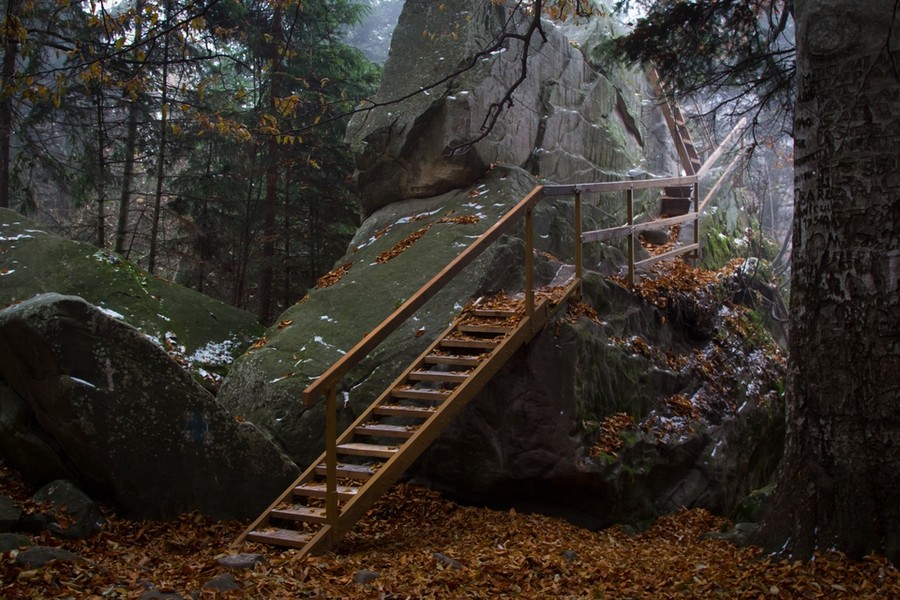
Cave of Venerable Saint Teodora de la Sihla
St Teodora Sihla Cave 2011
The Cave of Saint Teodora de la Sihla lies in the wild forests of the Neamț region, in Vânători commune, near the monasteries of Neamț, Secu and Sihăstria. The cave can be reached both by car and on foot, along the marked trails in Vântori Nature Park. The first driving route starts in Piatra Neamț, passes Agapia Monastery and then climbs through the forest along a forest road towards Sihla Hermitage. The second route starts in Târgu Neamț, passes Neamț Monastery and Secu Monastery and continues to Sihăstria Monastery, from where a forest road and a side path lead towards the ridge of the hill, where the Cave of Saint Teodora de la Sihla is located.
Visited daily by many of the faithful, the cave is where Teodora, the daughter of an official named Joldea Armasul, lived as a hermit for more than 60 years. Set in an area where some places remain untouched by human footsteps even today, this cave was where the saint spent her nights praying more than sleeping. Her holy relics were also found here.
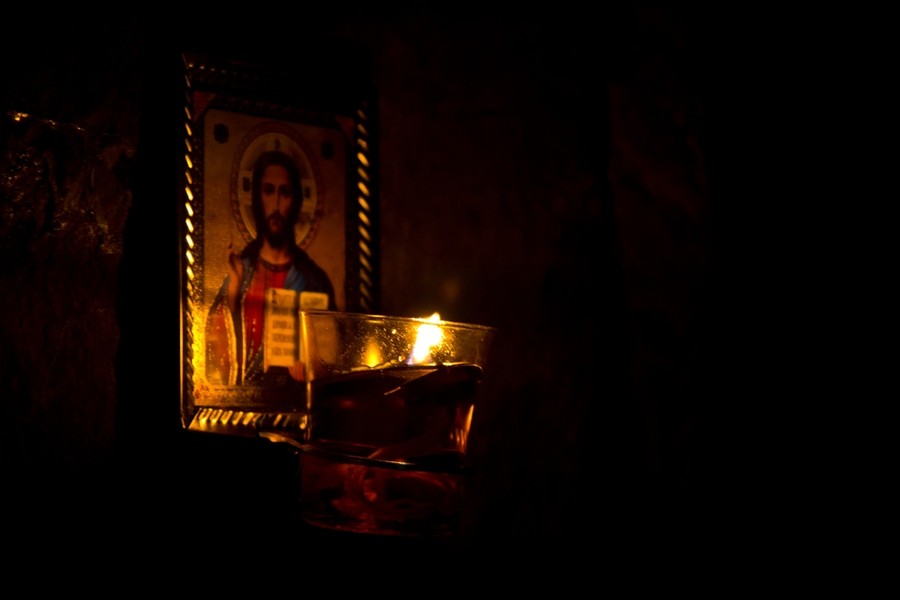
Today, her holy relics are at Lavra Pecerska in Kiev, alongside the holy relics of more than a hundred other saints.
St Teodora Sihla Cave 2011, Neamț County
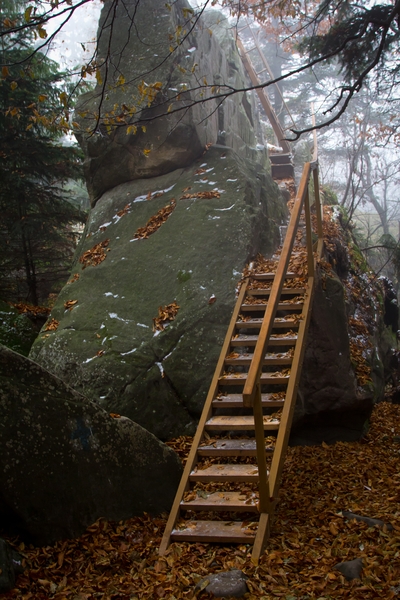
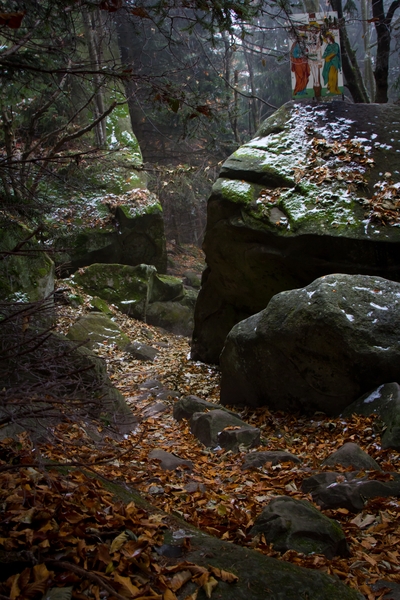
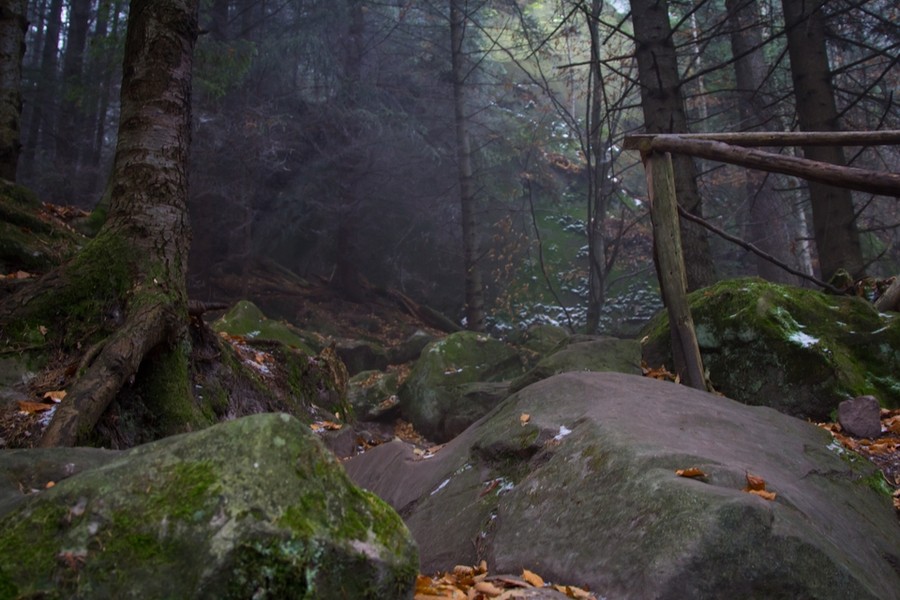
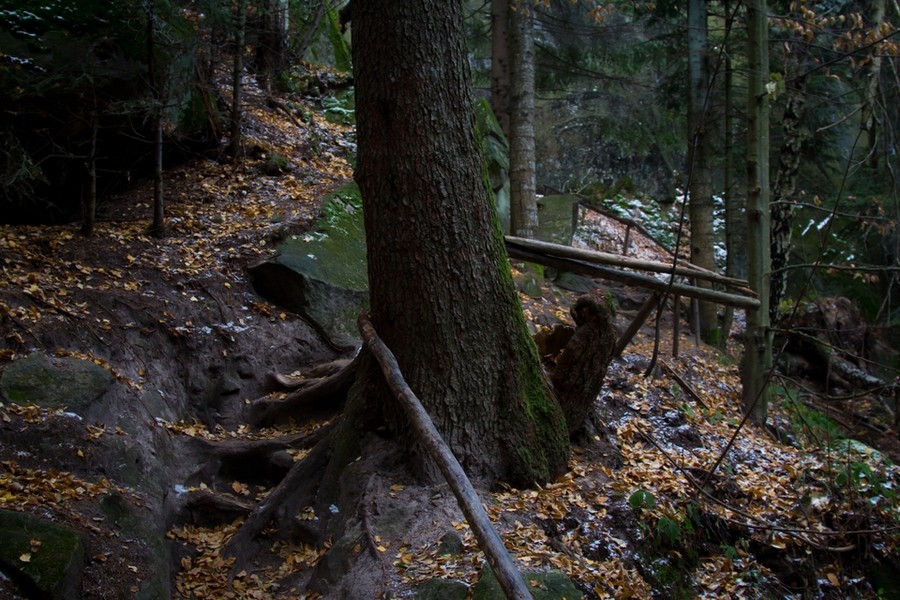
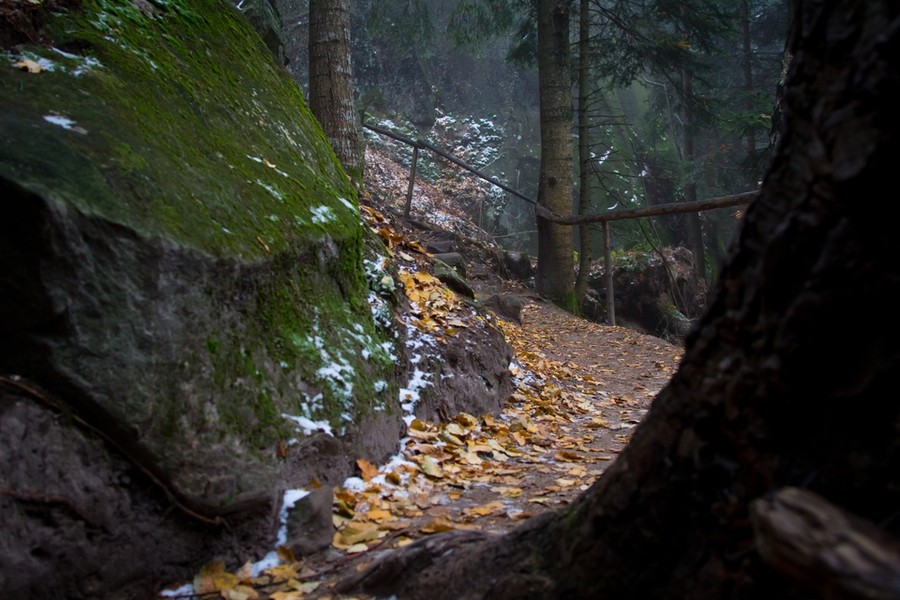
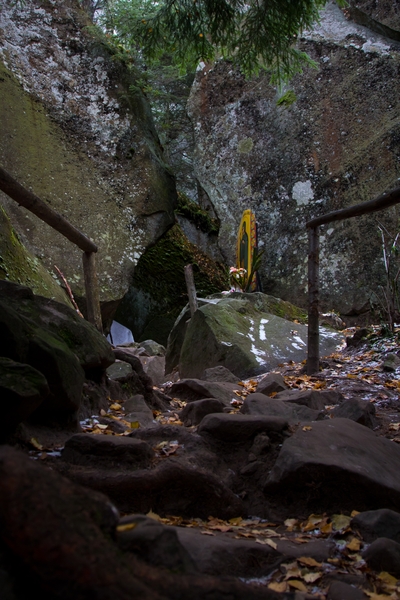
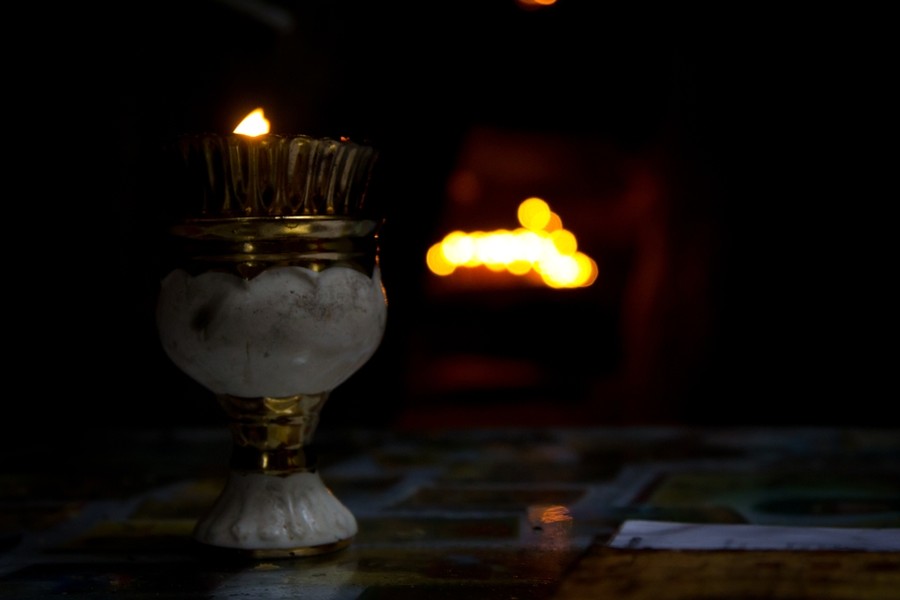
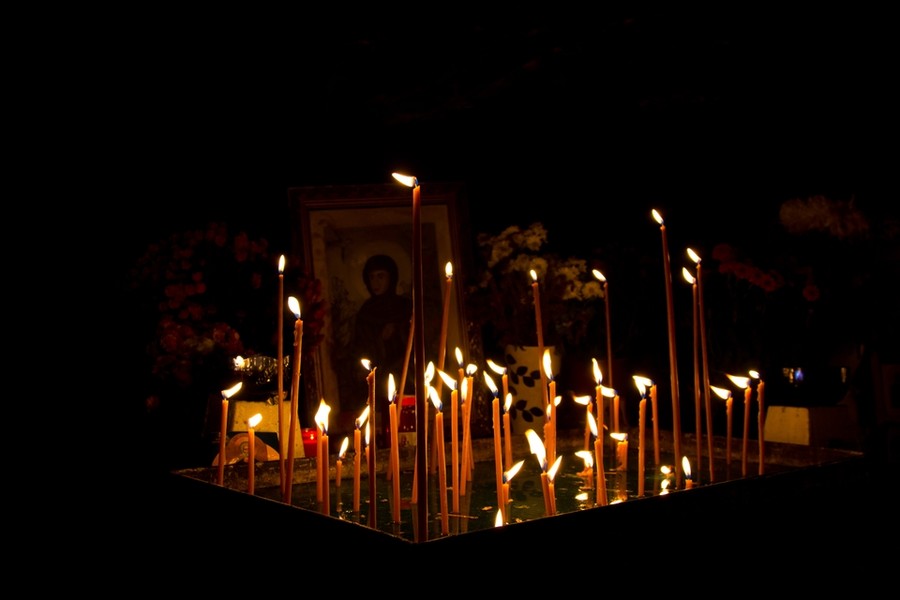
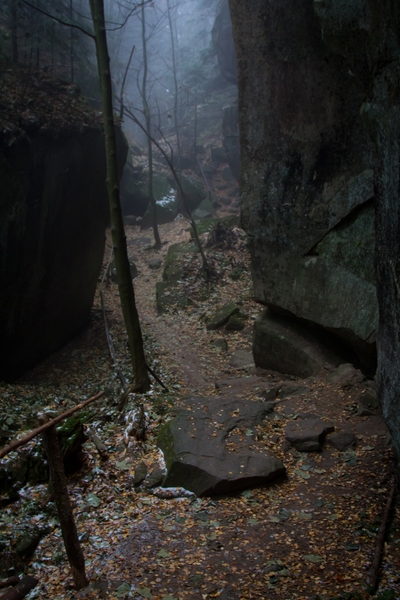
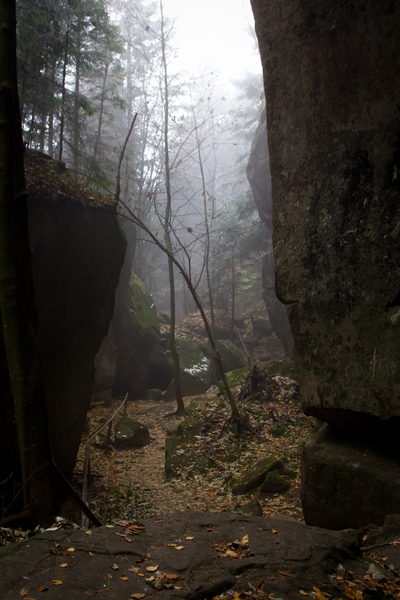
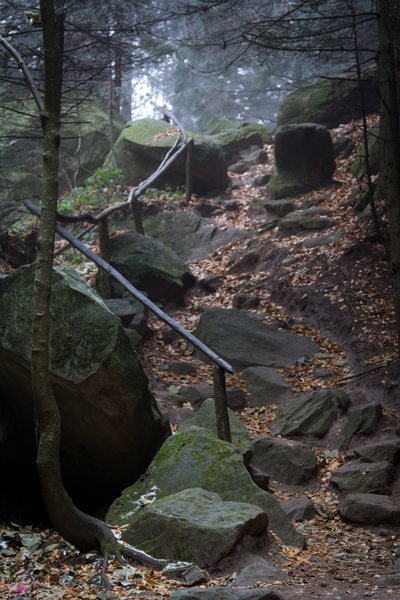
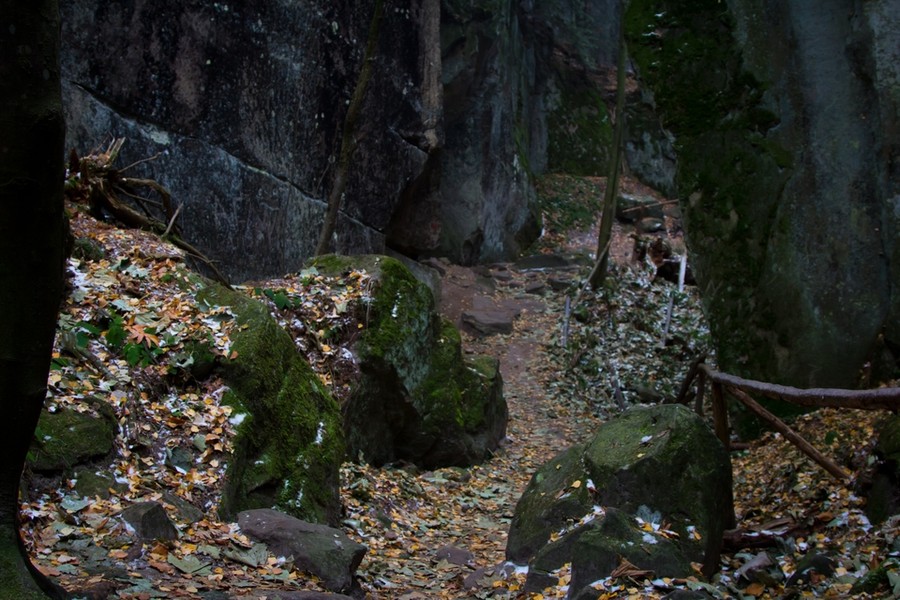
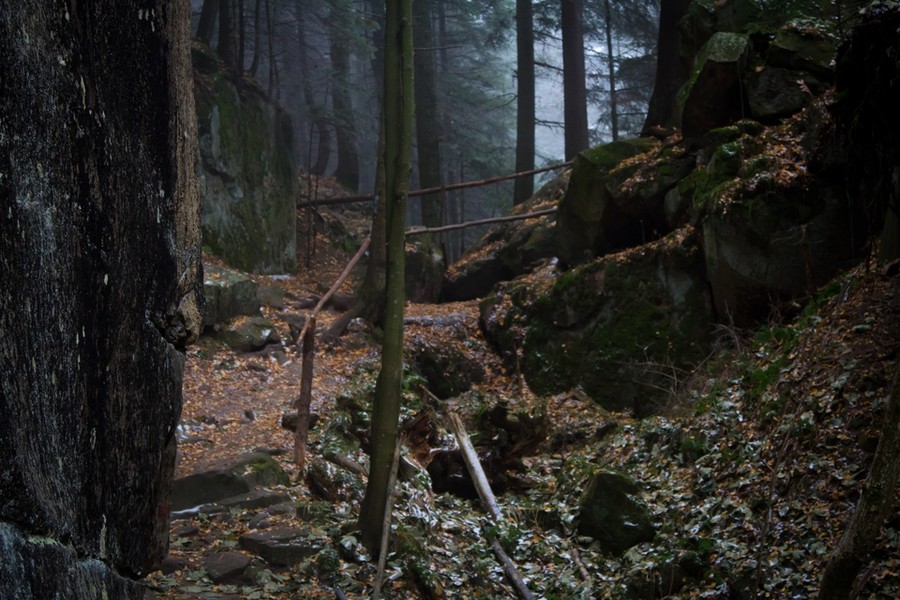
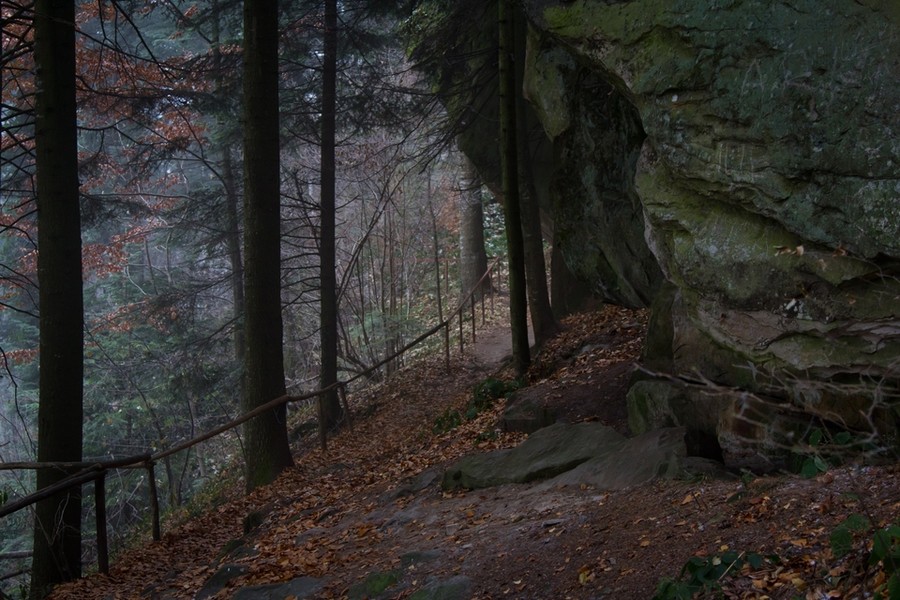
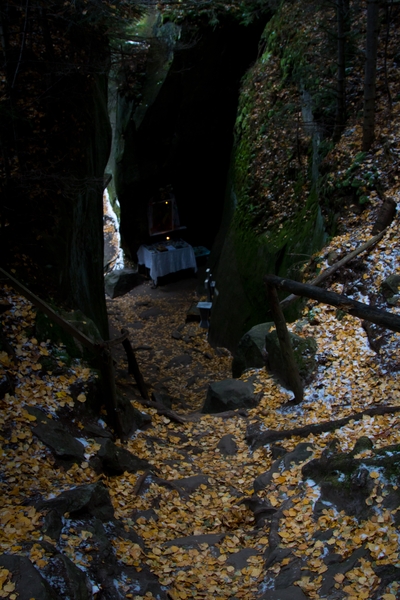
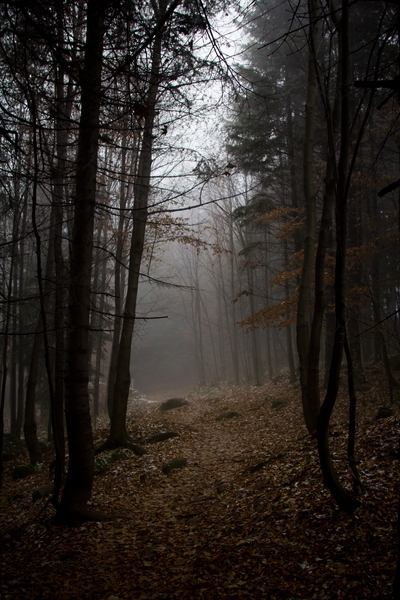
Two paths lead to the cave: the first heads towards the little church beneath Sihla Rock, whose patronal feast is the Transfiguration, and from there towards the hermitage, while the second heads towards the road linking Sihăstria Monastery to Sihla Hermitage. On the left of the stone-paved path leading towards the road stands a tall, pointed rock concealing a natural “basin”. Here, Saint Teodora collected water for drinking and washing.
The holy relics of Venerable Teodora remained in Sihla Cave for more than 100 years, and Sihla Hermitage grew up around them. Saint Teodora de la Sihla was canonised on 7 August 1992, and her icon depicts her holding a parchment bearing the words: “With all my heart I longed for You, Lord, and in seeking You, I found You, and my weary soul rested in Your love.”
More on the same topic

Ethnographic museums, treasures of local history and traditions
Ethnographic museums are true treasures and expressions of love for traditions, folklore, and spirituality of the places, and so is the Ethnographic Museum Casa Bunicilor in the village of Mitocul Bălan, Crăcăoani commune.

Neamț receives five nominations across four categories in Destinația Anului
We have good news for everyone who loves Neamț County and all its beauty: it is among the finalists in the Destinația Anului 2024 competition, with five nominations across four categories: Piatra Neamț in the Inspiring Cities category.

The Story of the Seven Miraculous Icons of the Holy Virgin and Saint Anne from Neamț Land
Renowned not only for its beauty and historical significance but also called the “Jerusalem of Romanian Orthodoxy,” Neamț Monastery houses the miraculous icon of Virgin Mary with three hands…