Promoting Neamț among young people too
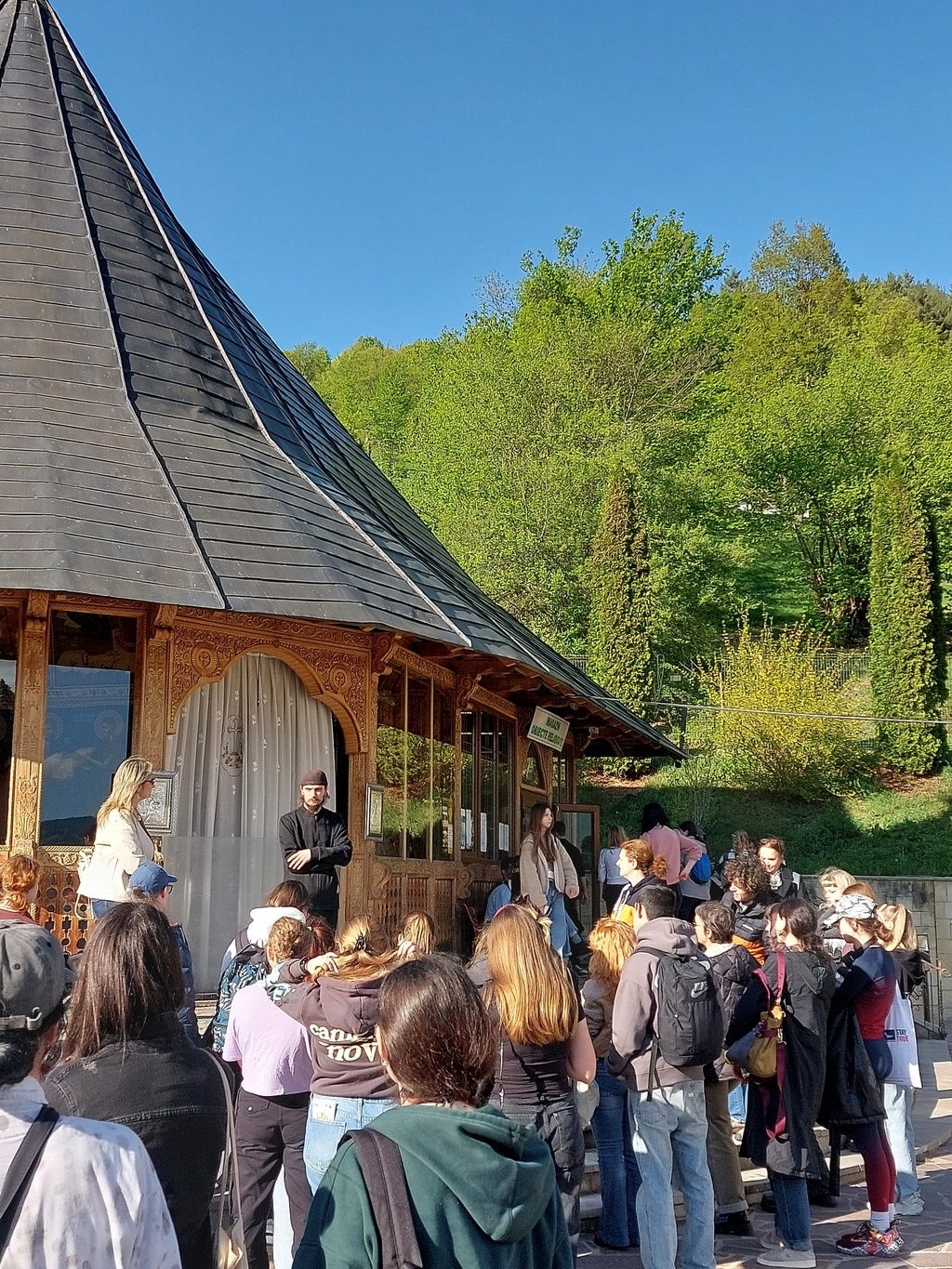
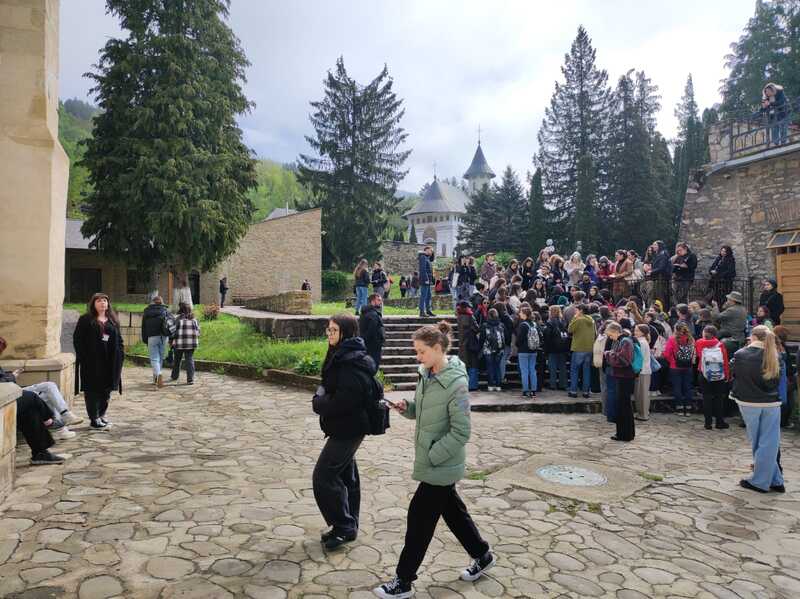
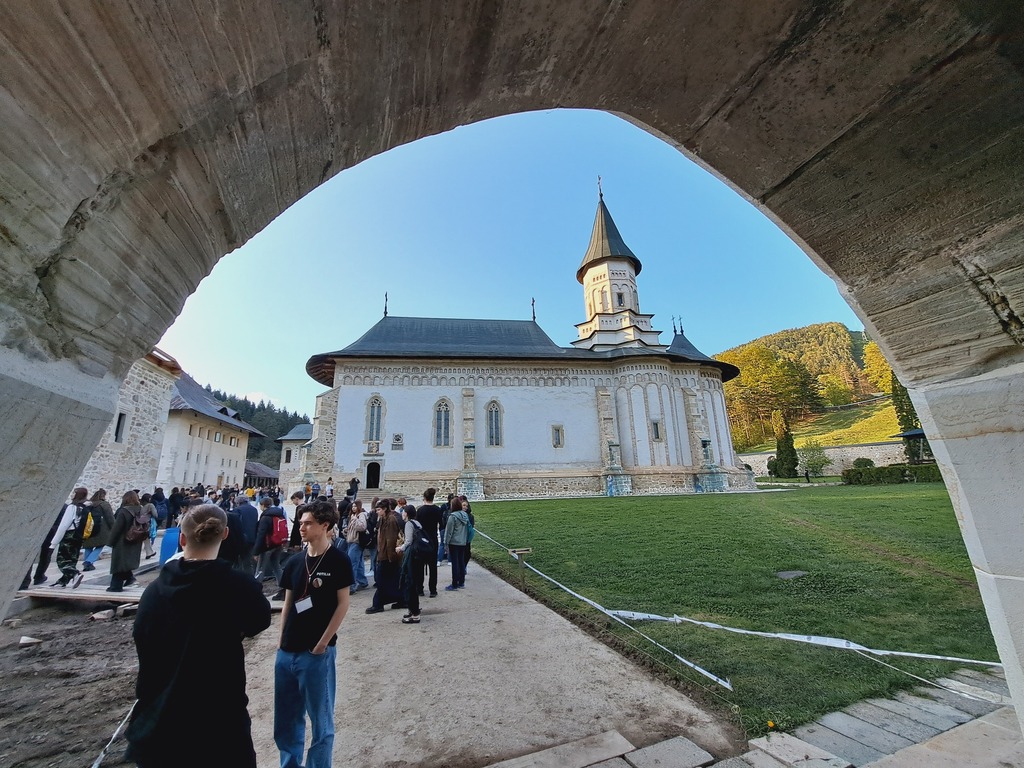
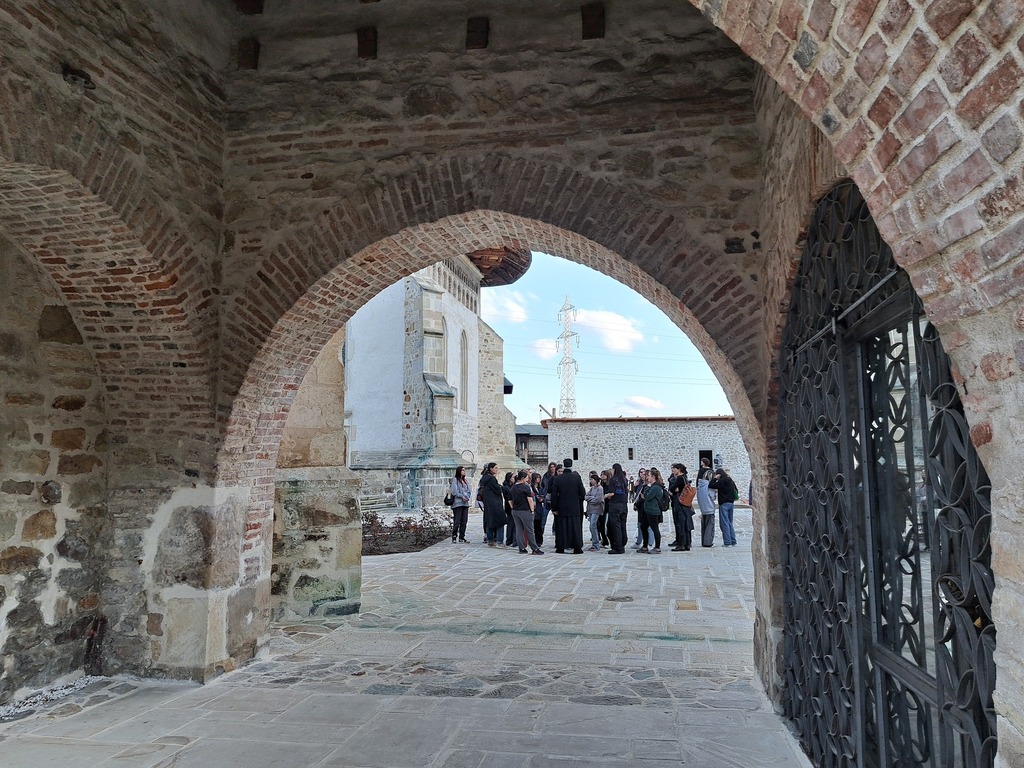
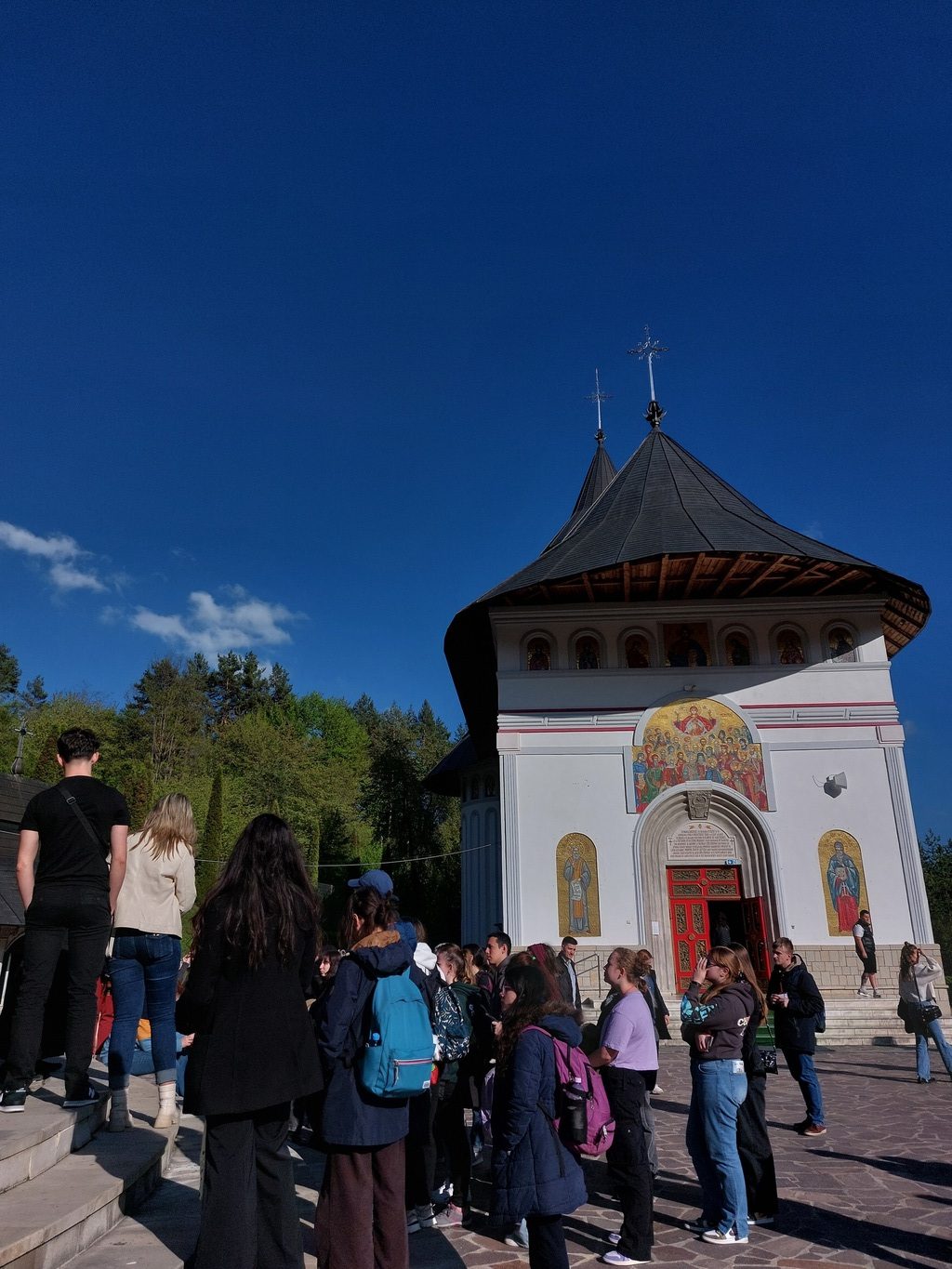
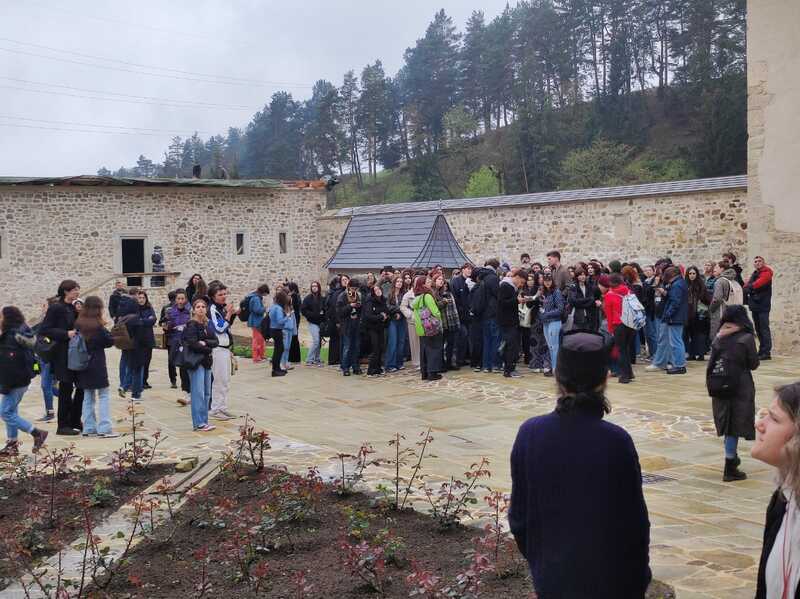
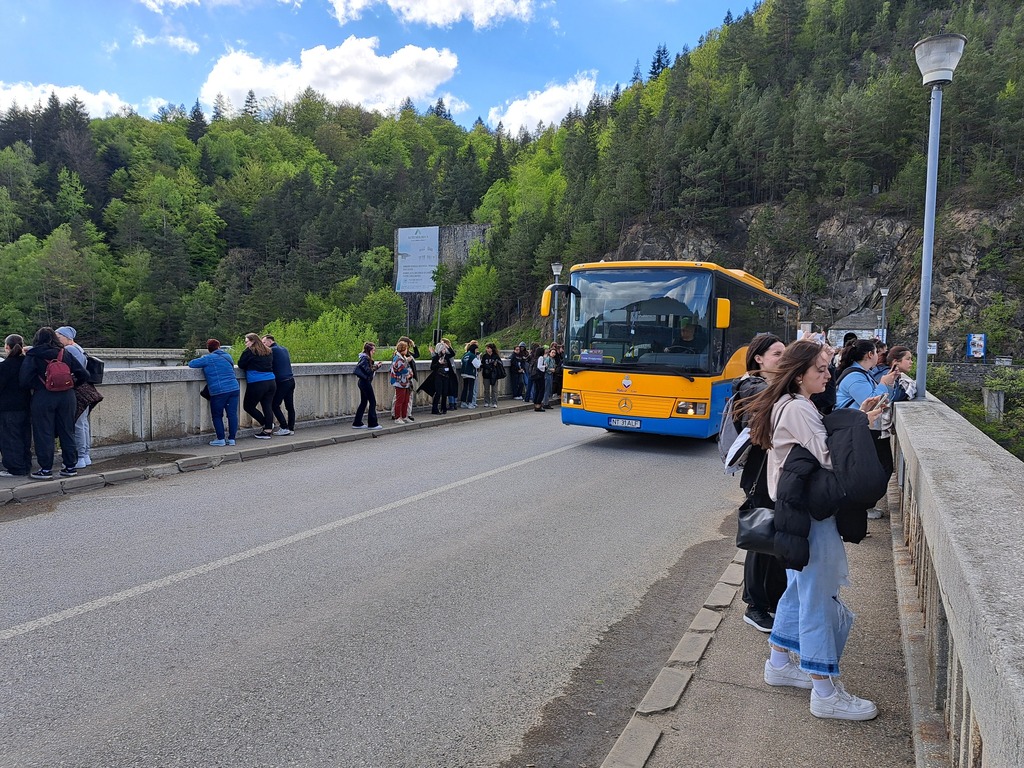
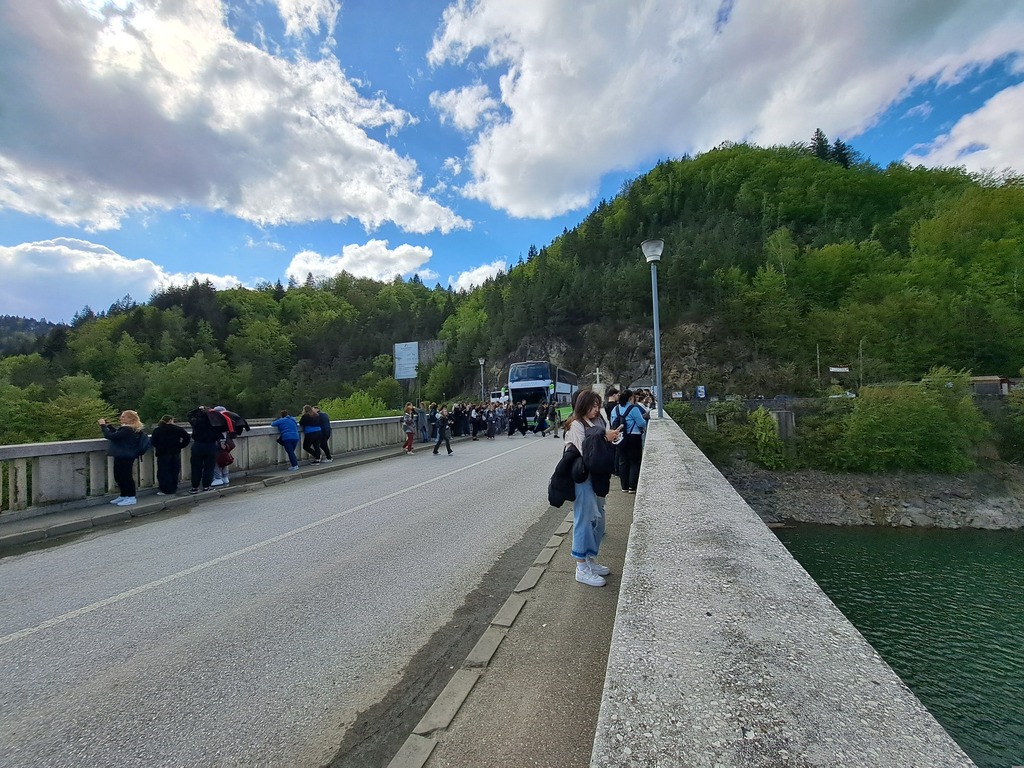
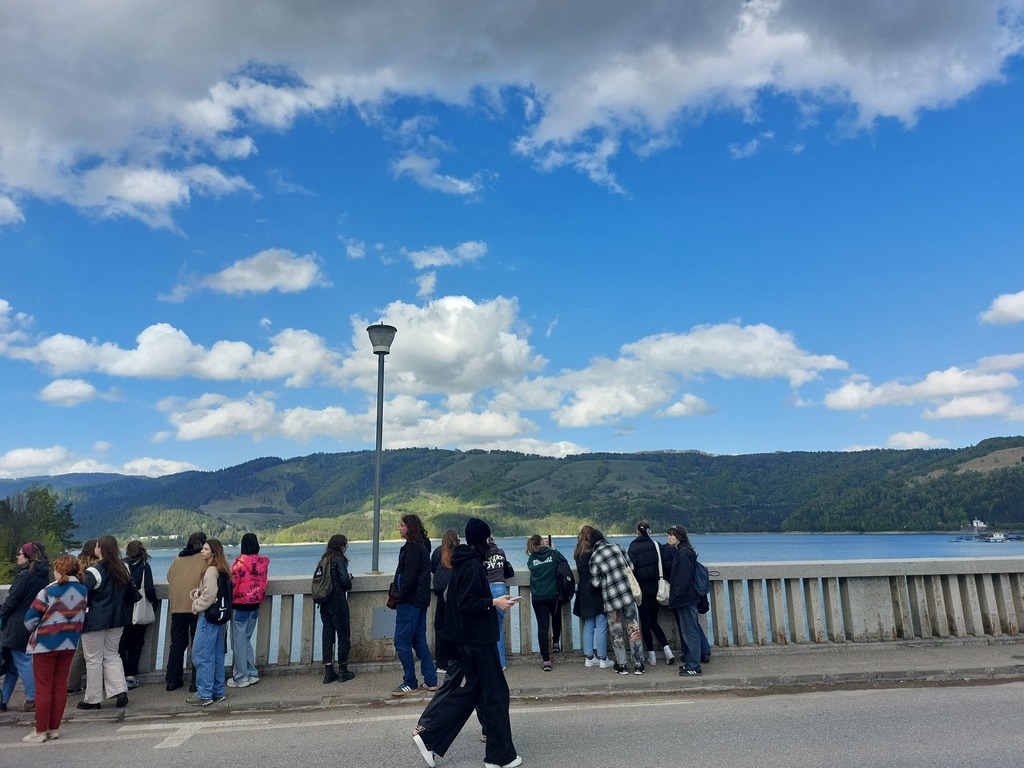
As host of the National Olympiad in Visual Arts, Architecture and Art History, Neamț County was explored last week by over 500 pupils, teachers and members of the National Assessment Committee. They enjoyed an excursion to cultural, spiritual and historical sites along the route Piatra Neamț – Bistrița – Pângărați – Bicaz – the dam at Bicaz.
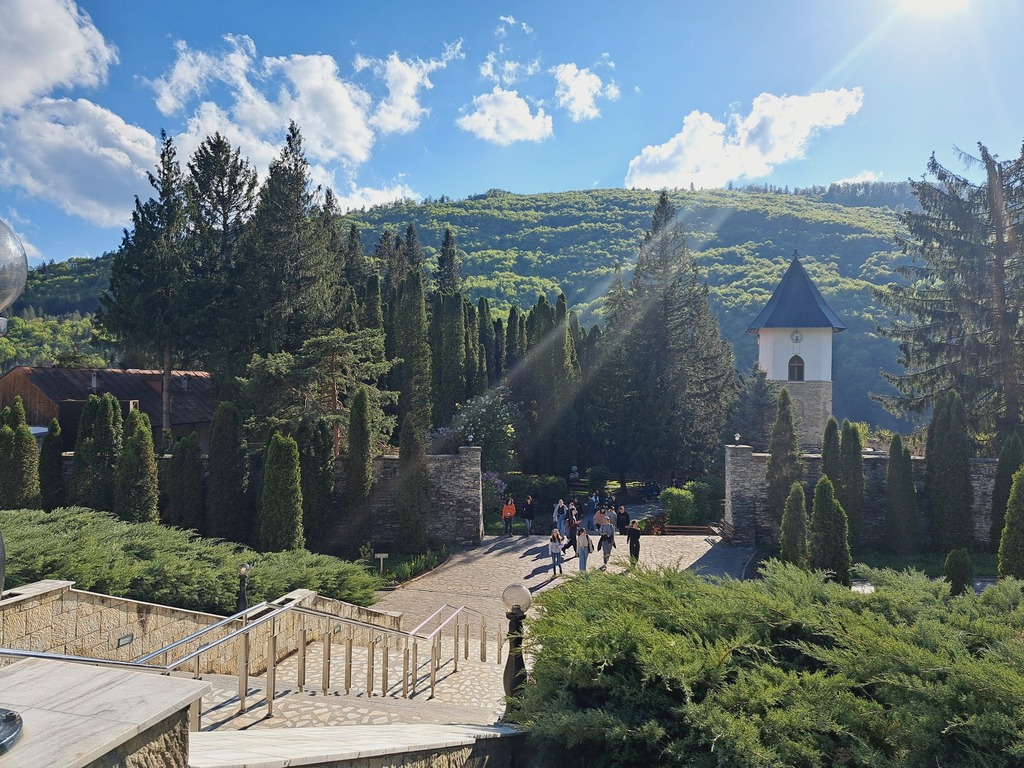
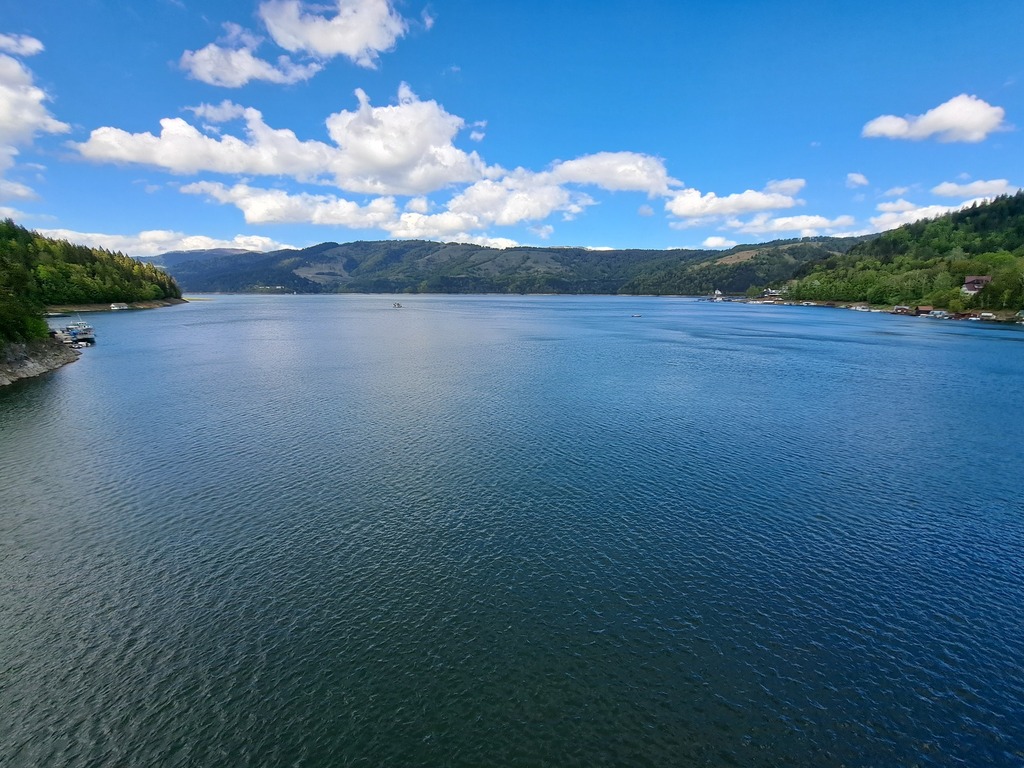
All the participants were delighted by the natural beauty they discovered during the trip, the historical and spiritual significance of the two monasteries along the route, Bistrița and Pângărați, the grandeur and beauty of Mount Ceahlău seen from Izvorul Muntelui, the “sea between the mountains”, and the imposing dam at Bicaz.
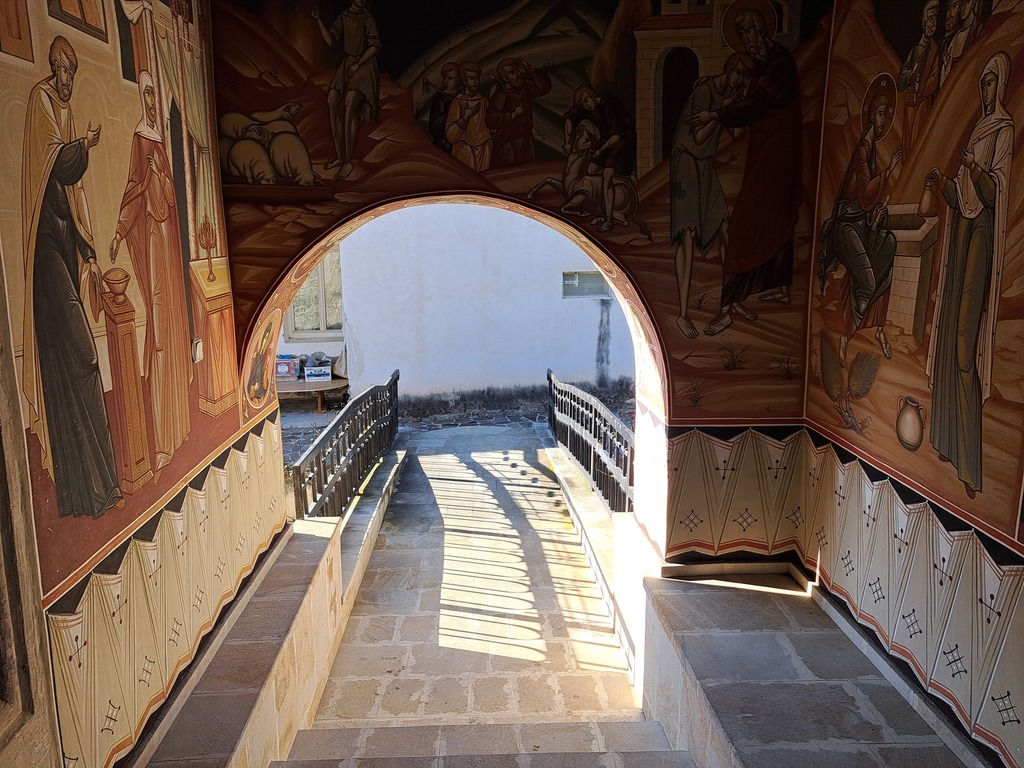
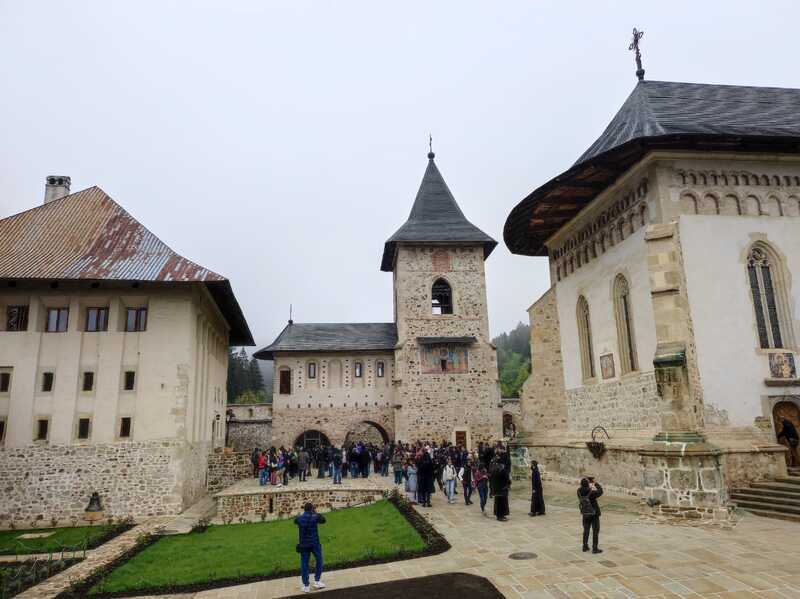
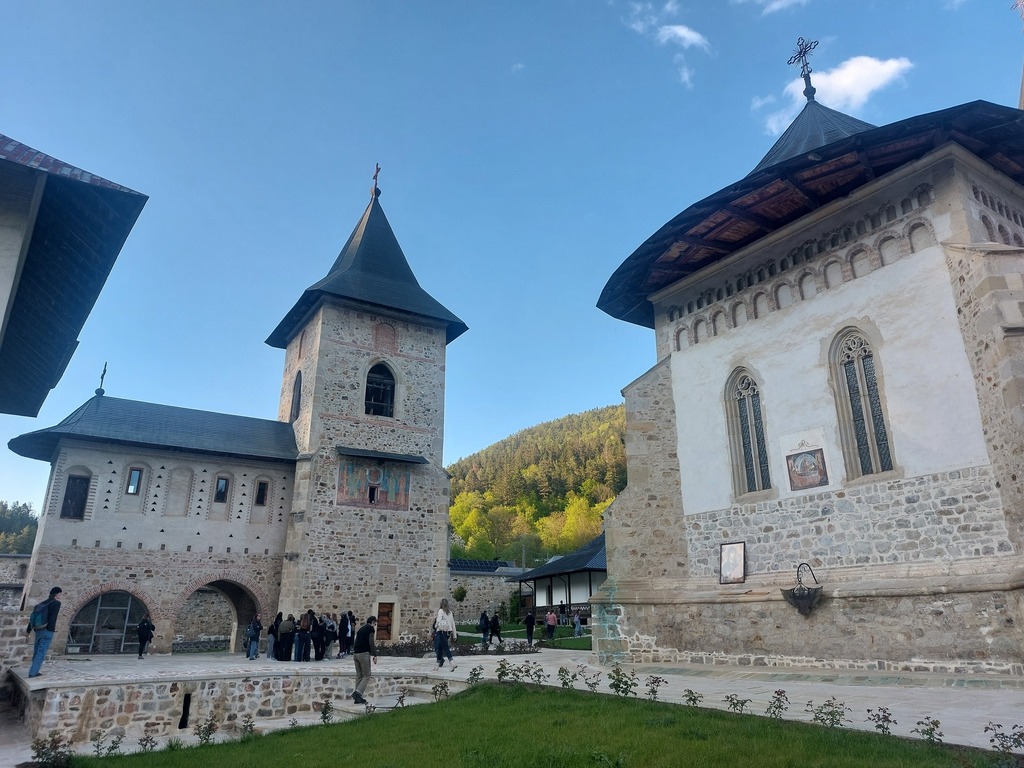
Bistrița Monastery – whose patronal feast is the Dormition of the Mother of God – is among the oldest monasteries founded by voivodes in Romania. Its first founder is considered to be Petru I Musat, Prince of Moldavia (1375 – 1391), who founded a wooden hermitage here. Alexander the Good, Prince of Moldavia (1400 – 1432), is regarded as the true founder of Bistrița Monastery; in 1402, he built an imposing stone church here, a veritable Mușatin cathedral. Built in the classical Moldavian style, this place of worship was considered at the time to be on a par with Neamț Monastery. In 1418, Lady Ana was buried beneath the slab in the church’s burial chamber, and Alexander the Good was also brought here on 1 January 1432. In 1498, Ștefan cel Mare joined the monastery’s founders by building an imposing bell tower with a chapel. Petru Rareș (1527 – 1538 and 1541 -1546) was another founder of Bistrița Monastery, but the work he began was continued and completed by his son-in-law, Alexandru Lăpușneanu (1552 – 1561 and 1564 -1568), who thus joined the founders of this renowned centre of Romanian faith and culture. The church he built contains the tomb attributed to the chronicler Grigore Ureche and, as the inscription on the gravestone indicates, the grave of Alexandrel, the first of Stephen the Great’s sons, who was laid to rest here in 1494.
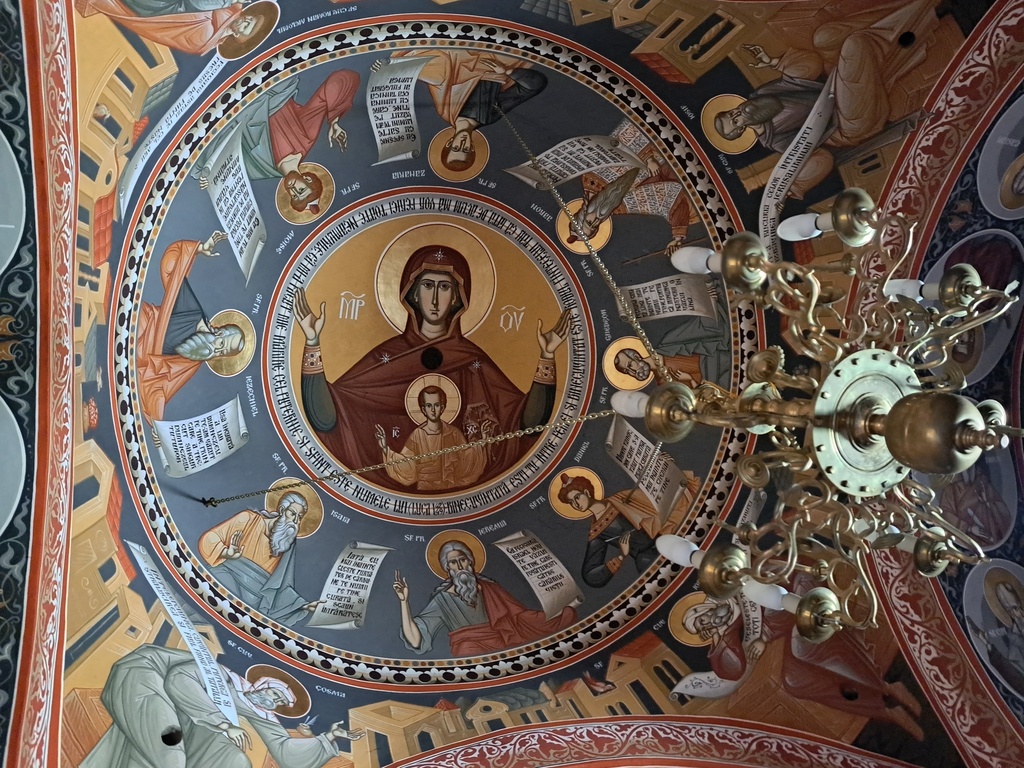
Bistrița Monastery preserves the Icon of Saint Ana, a Byzantine work of great historical and spiritual value, and the miracle-working icon given to Prince Alexander the Good in 1407 by Emperor Manuel II Paleologul.
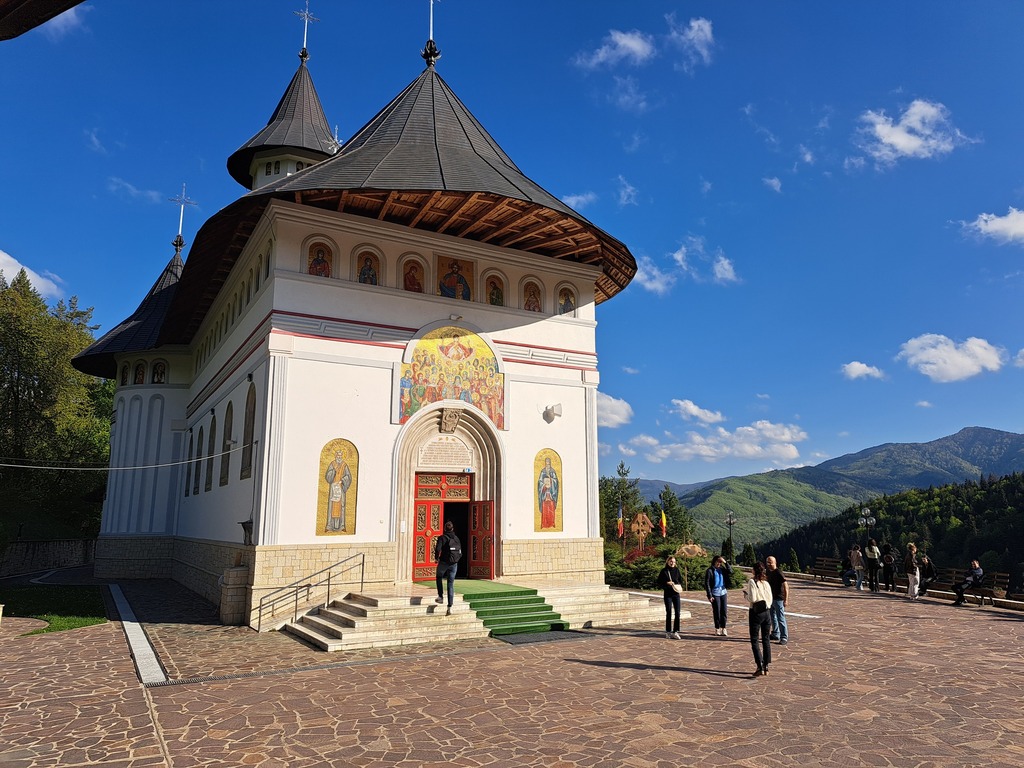
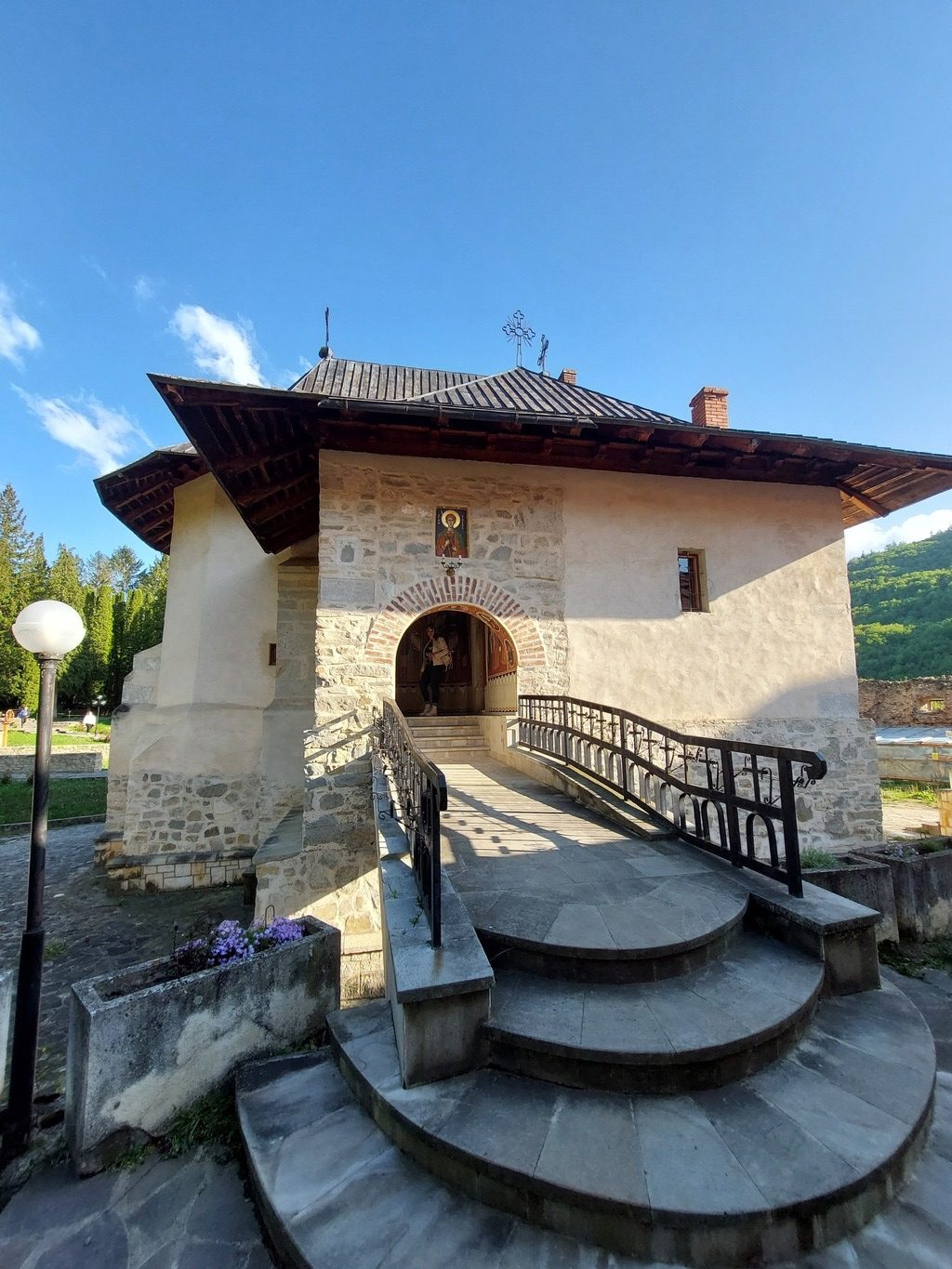
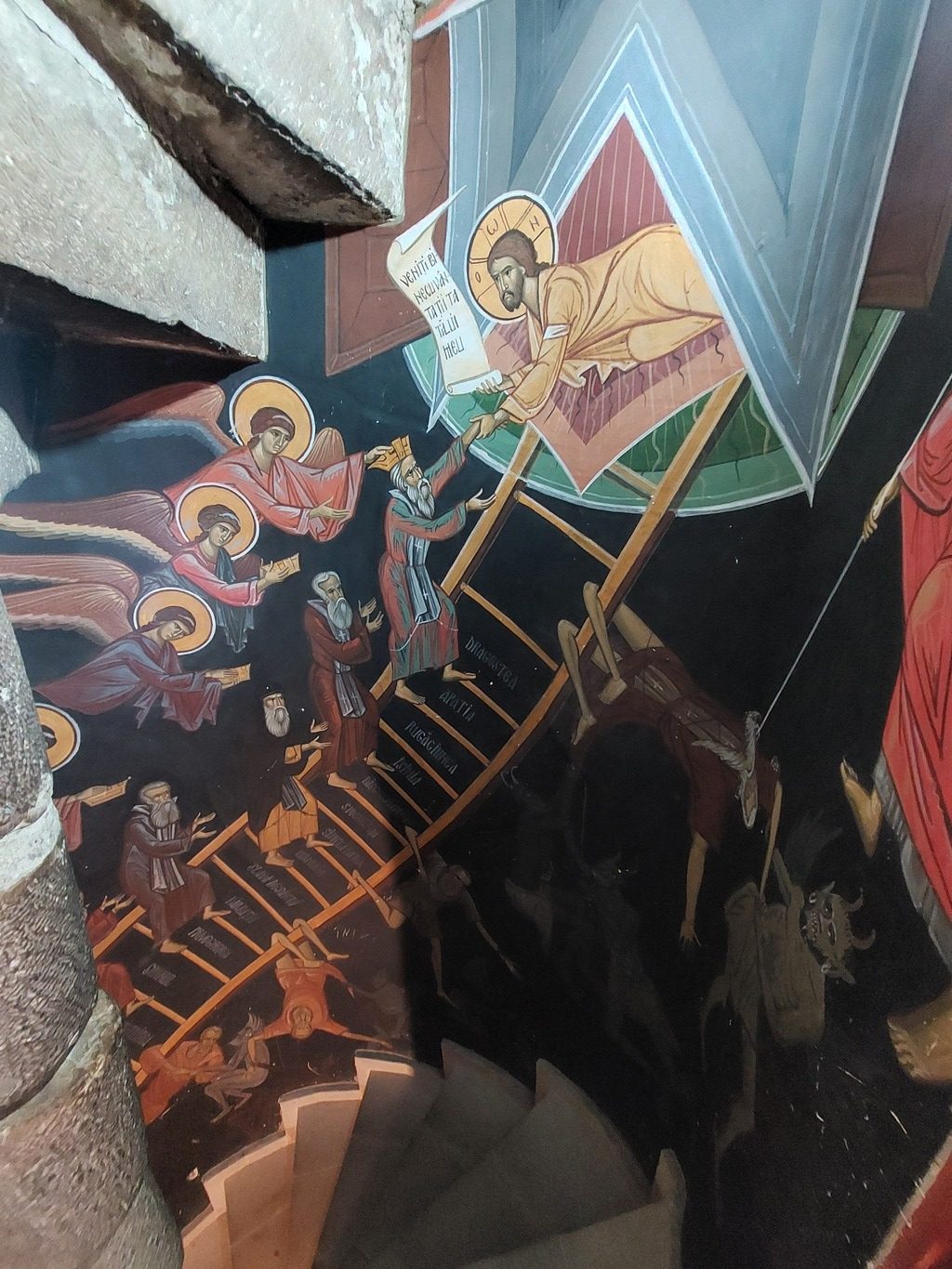
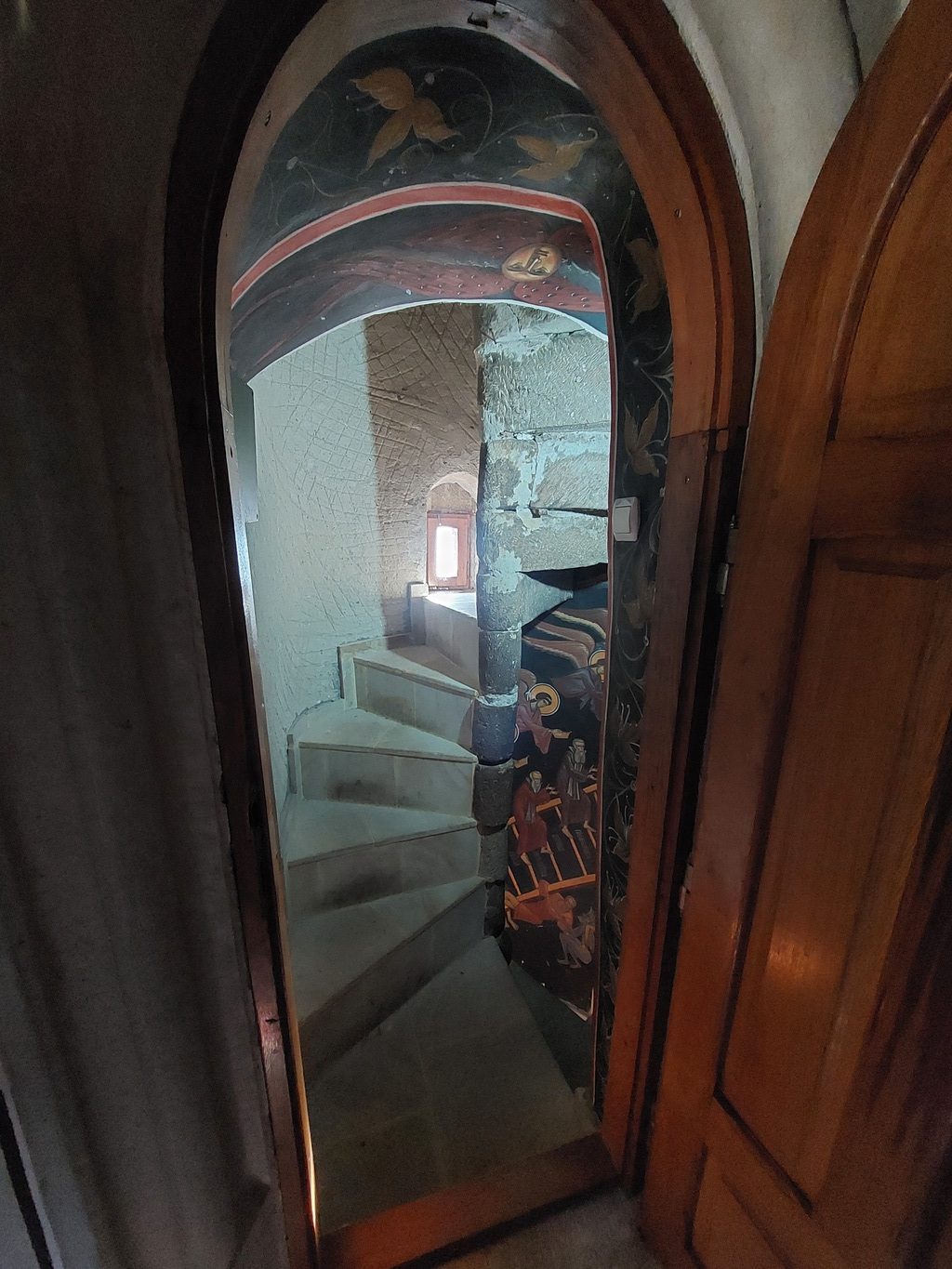
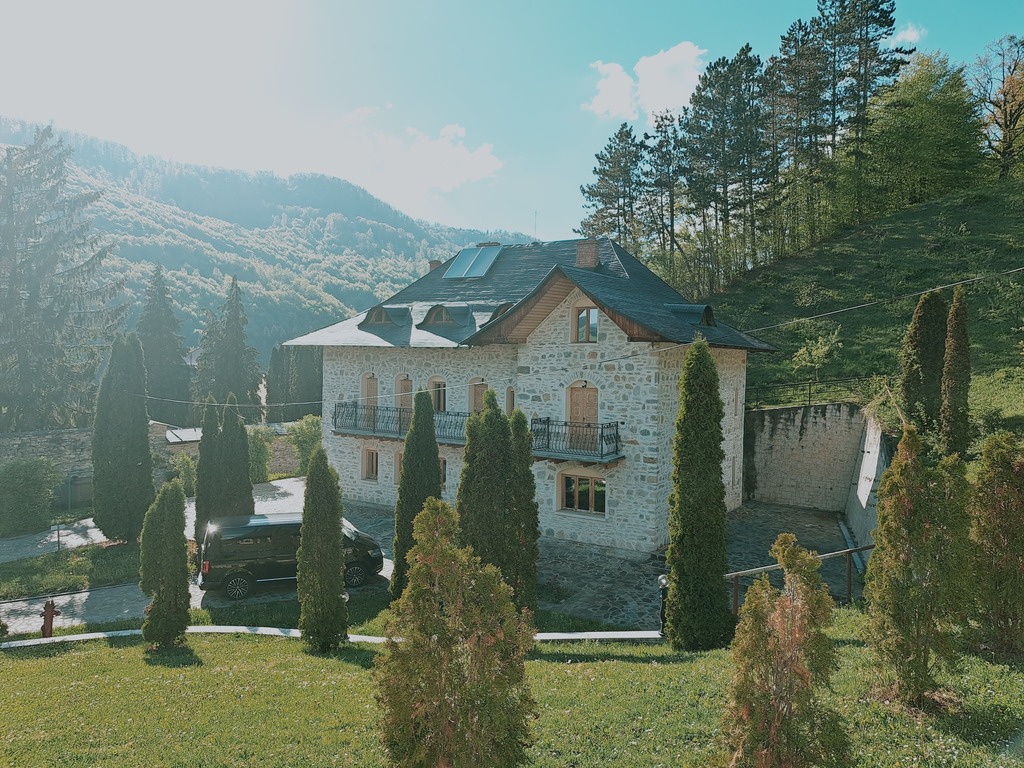
Pângărați Monastery dates back to the 15th century, to 1460, when the Venerable Simeon Sihastru, one of Stephen the Great’s advisers, built the first wooden church. It was later set on fire by the Turks in 1476, and the monks hid in the mountains, where they remained until the war ended. Almost 250 years later, in 1806, Abbot Macarie converted the concealed chamber beneath the church founded by Lăpușneanu into another church, this time dedicated to the Holy Apostles Petru and Pavel. The monastery church therefore has an architectural design unique among the country’s monastic establishments: the massive stone building houses two churches, one above the other, with separate entrances and different patronal feasts. Inside, the two churches are connected by a very narrow, steep spiral stone staircase, while the distinctive scale of the exterior contrasts with the confined interior.
From 1996, Father Abbot Teofil Lefter began building a remarkable and imposing new church on the nearby hill, further enriching the monastic complex, an important centre of Orthodox Christian spirituality and culture. Here, three centuries – the 15th, 17th and 21st – blend beautifully, making this a fascinating complex with an architectural design unique among Romania’s monasteries.
The route took the young people towards the largest reservoir on Romania’s inland rivers, with over one billion cubic metres of water held back by a concrete giant. Construction of the Bicaz dam took 10 years (1950-1960)
Over 15,000 people, including specialists, workers and political prisoners, worked on building the dam, while over 18,000 people had to move their homes from the site now occupied by Izvorul Muntelui Lake. In total, 22 villages in the Bistrița Valley were relocated before the construction of the stone giant, whose height of 127 metres makes it the third-highest dam in the country and the ninth-highest in Europe.
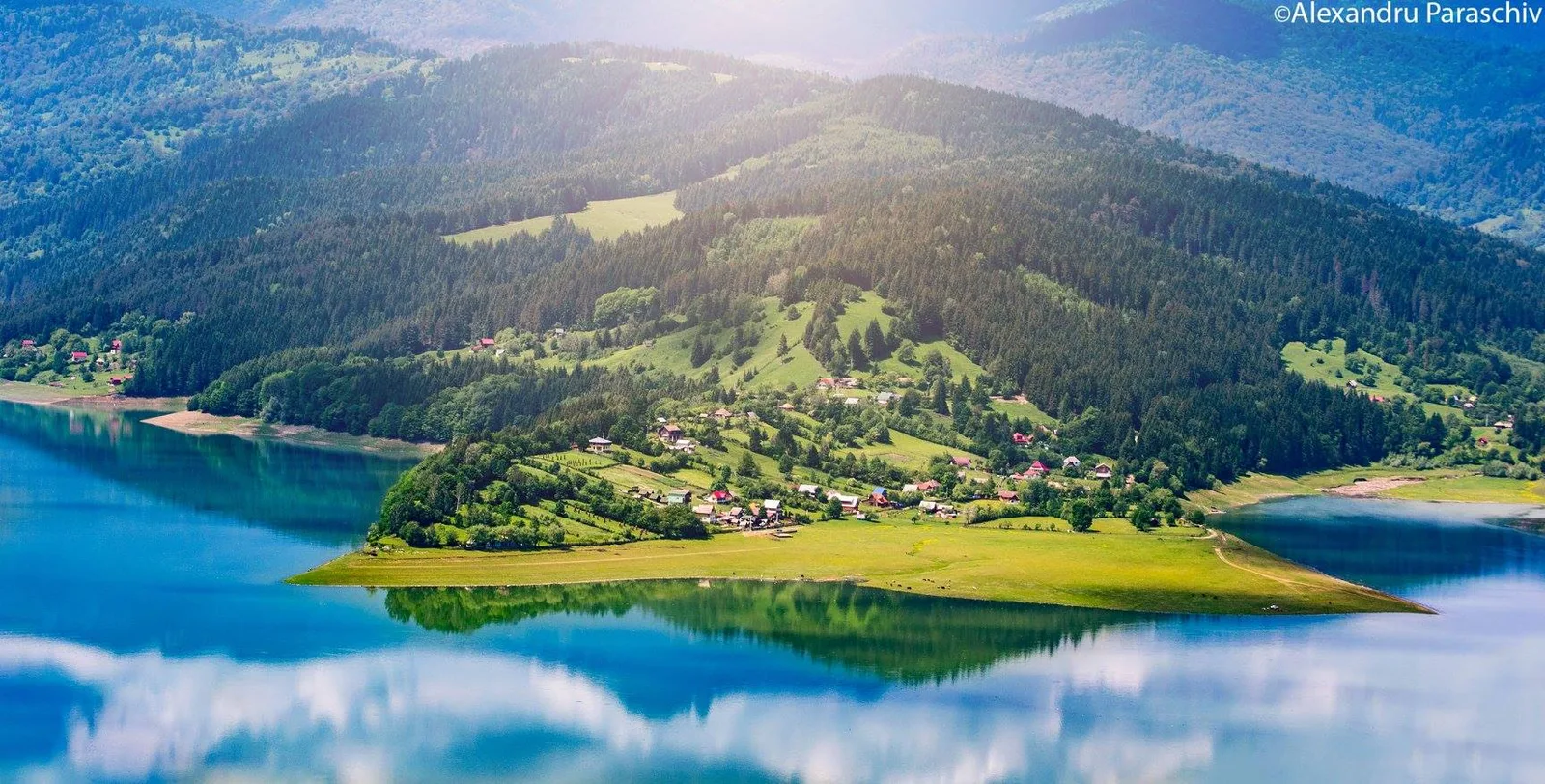
On the lake, you can take a trip by kayak, boat, motorboat or pedalo, or aboard Reșița, the oldest passenger boat in Bicaz harbour, while the stretch from the Poiana Largului Viaduct to Bicaz harbour offers 35 km of water and mountains.
The lake captivates you with its grandeur, the dreamlike scenery surrounding it, the reflection of the Ceahlău Massif in its waters on clear days, the particularly picturesque Baicului area, and Poiana Largului and the viaduct at Poiana Teiului – all part of the beauty of Neamț.
In summer, tours of the lake by canoe and kayak are organised, and Bicaz Kayak Fest, a major event on Bicaz Lake, takes place annually.

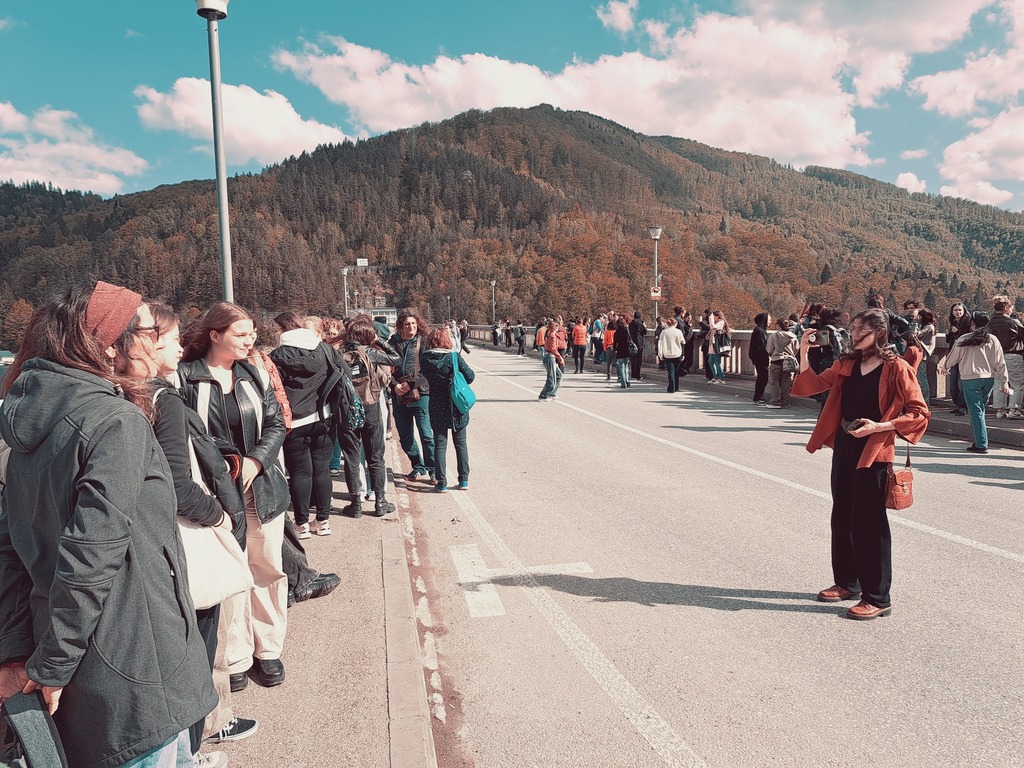
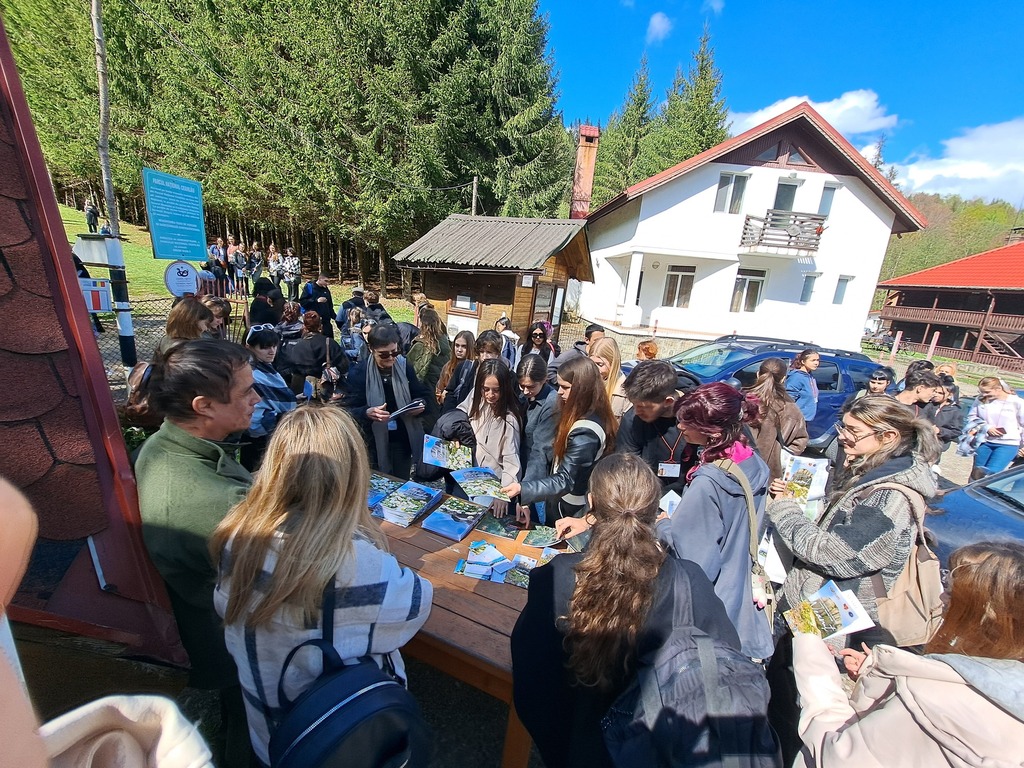

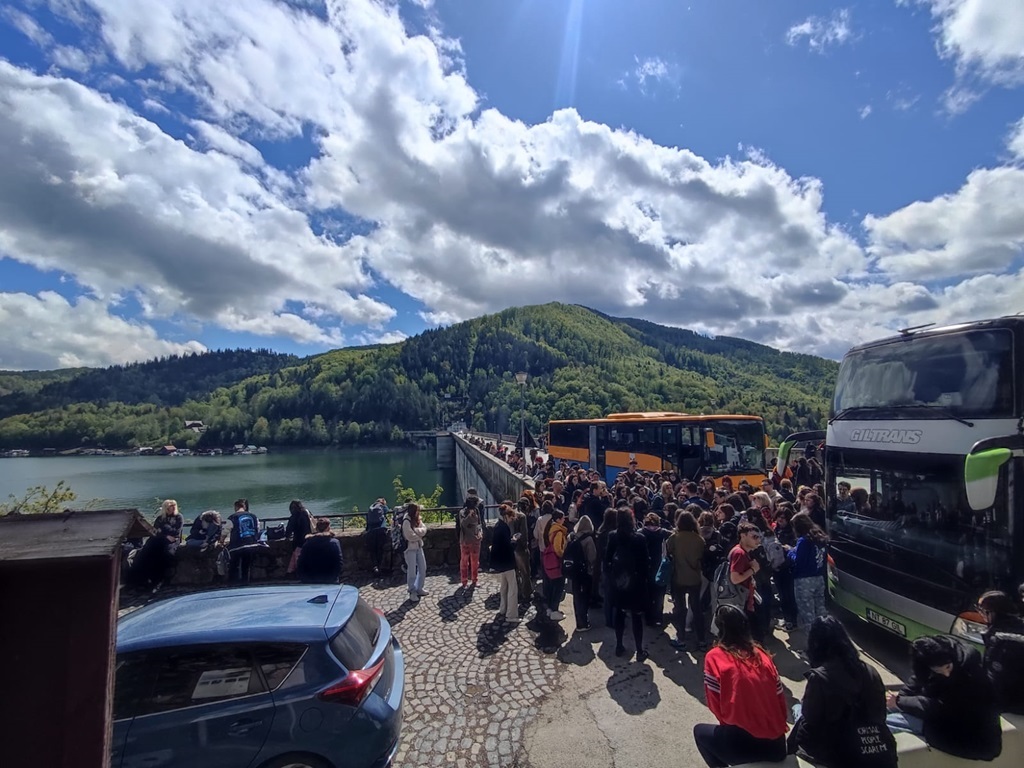
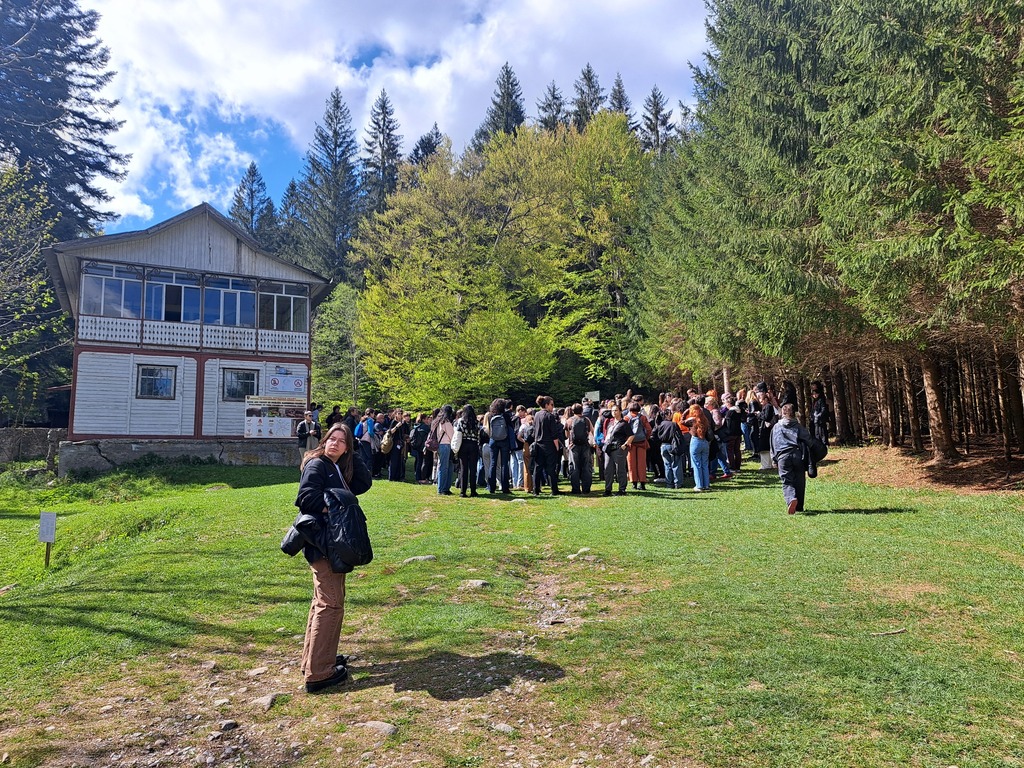
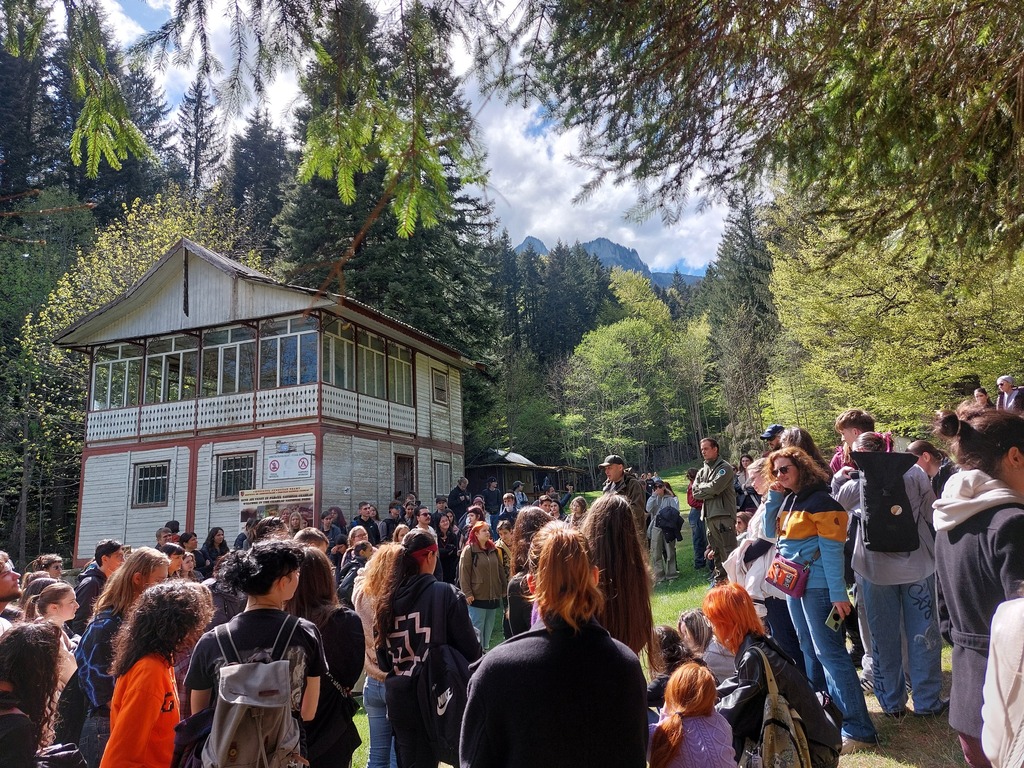
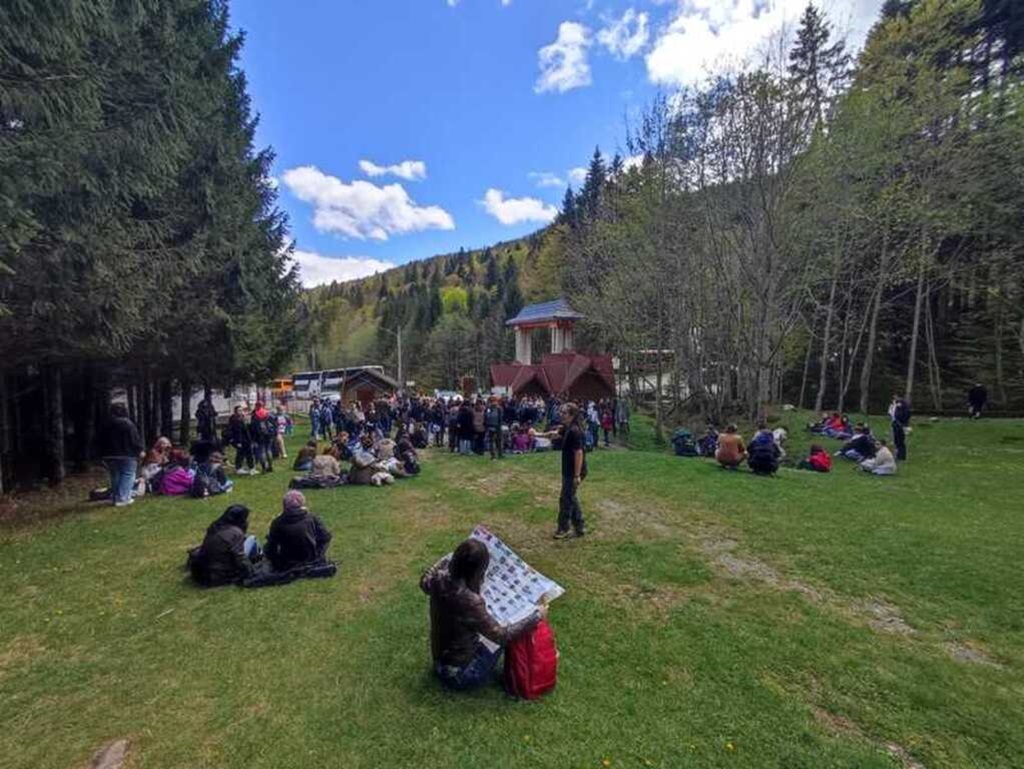
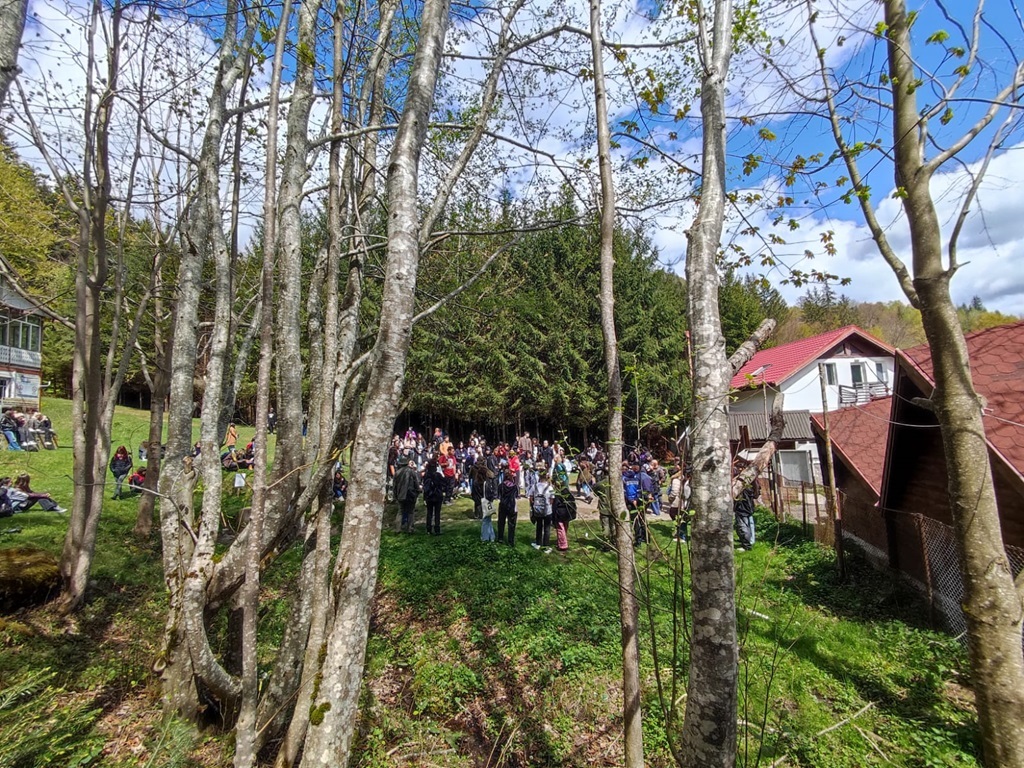
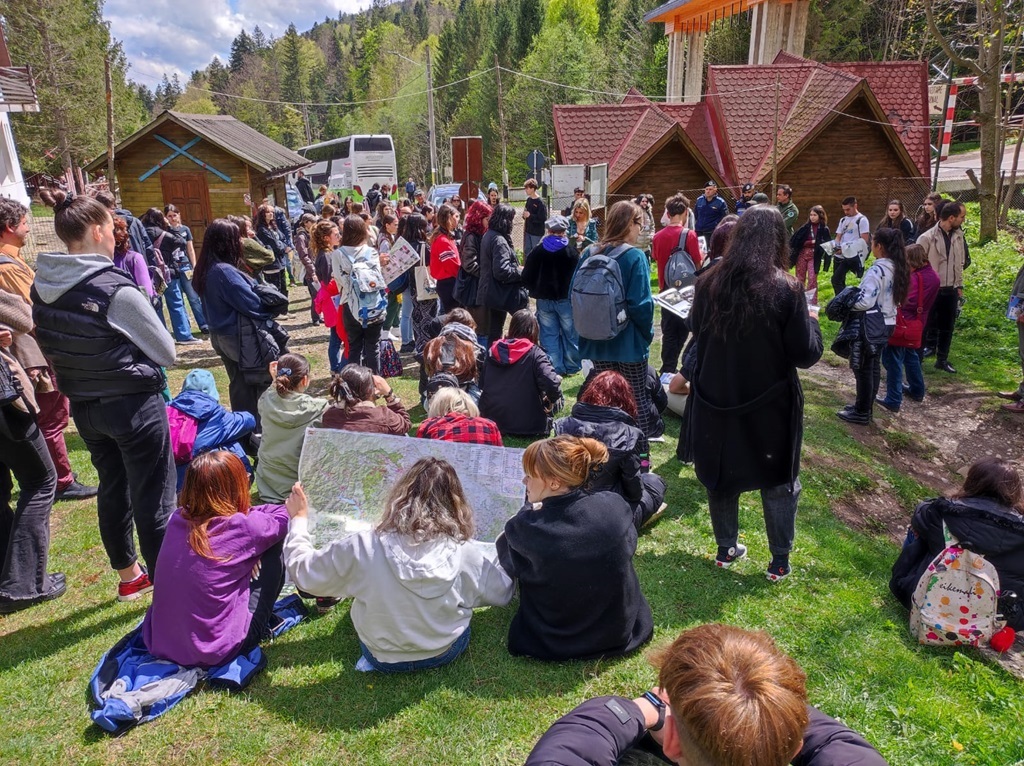
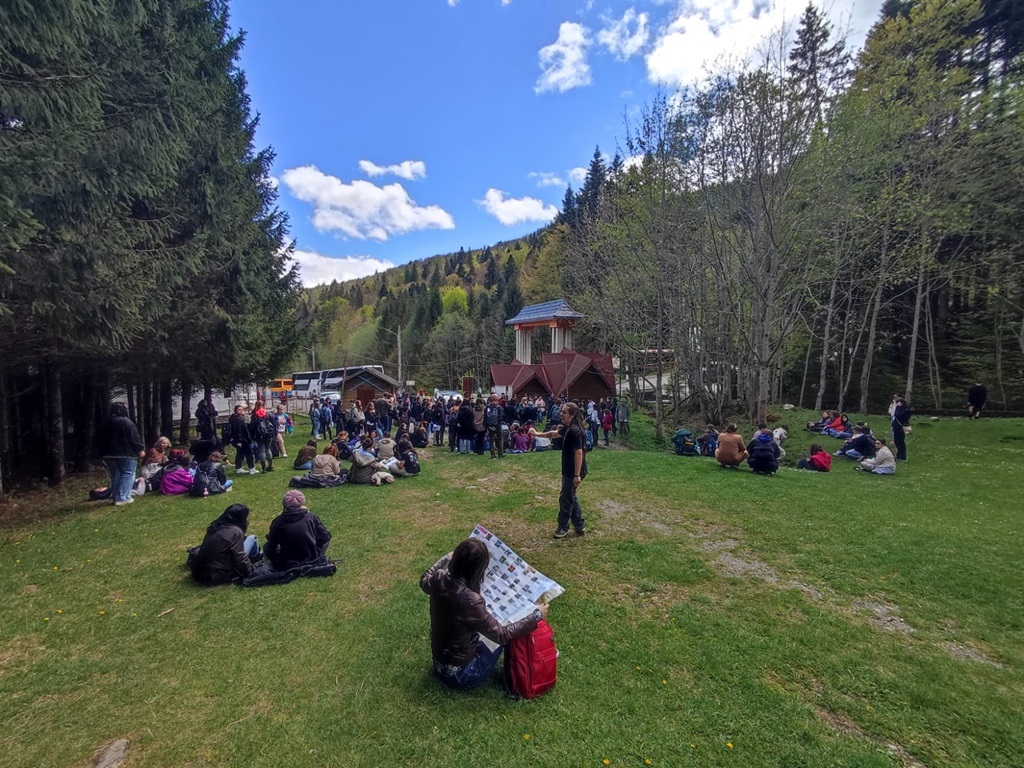
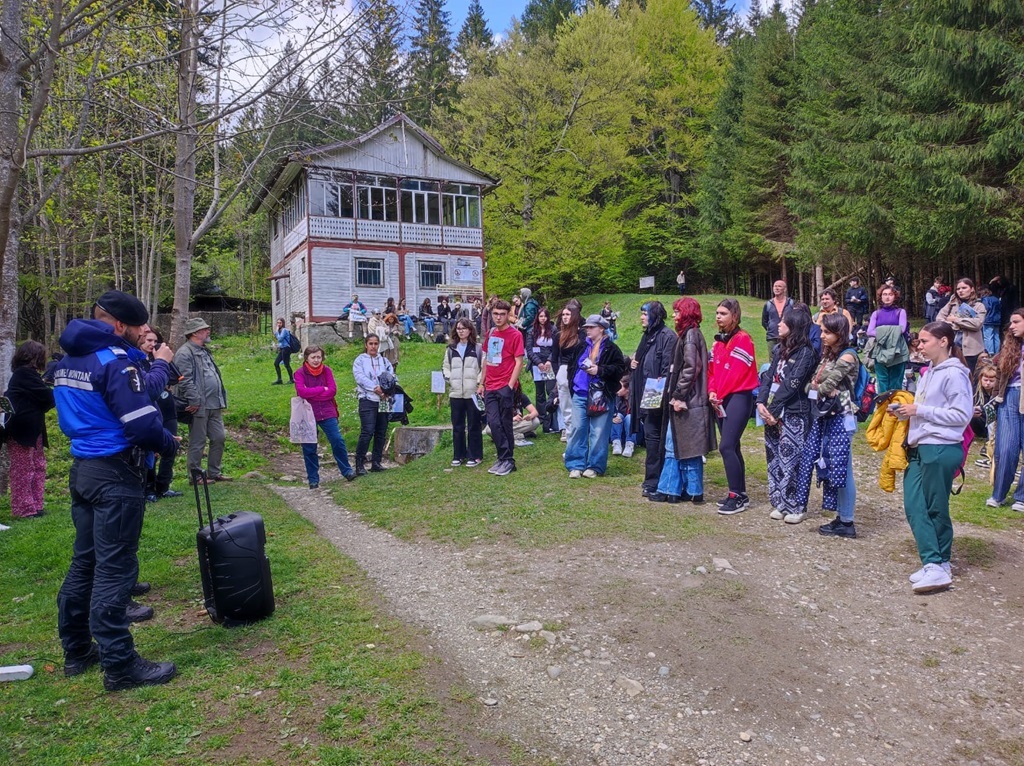
Another excursion for secondary school pupils will take place on 9 May 2024. During those days, our county will also host the Orthodox Religion Olympiad, and 285 pupils, 45 teachers and 35 members of the National Assessment Committee will set off along the route Piatra Neamț – Agapia – Humulești – Târgu Neamț – Neamț Citadel – Vânători-Neamț Natural Park – Neamț Monastery.
By organising and funding these excursions for outstanding young people from across the country, Neamț County Council helps realise our county’s cultural, historical and tourism potential, promoting this exceptionally rich, beautiful and treasured region.
More on the same topic
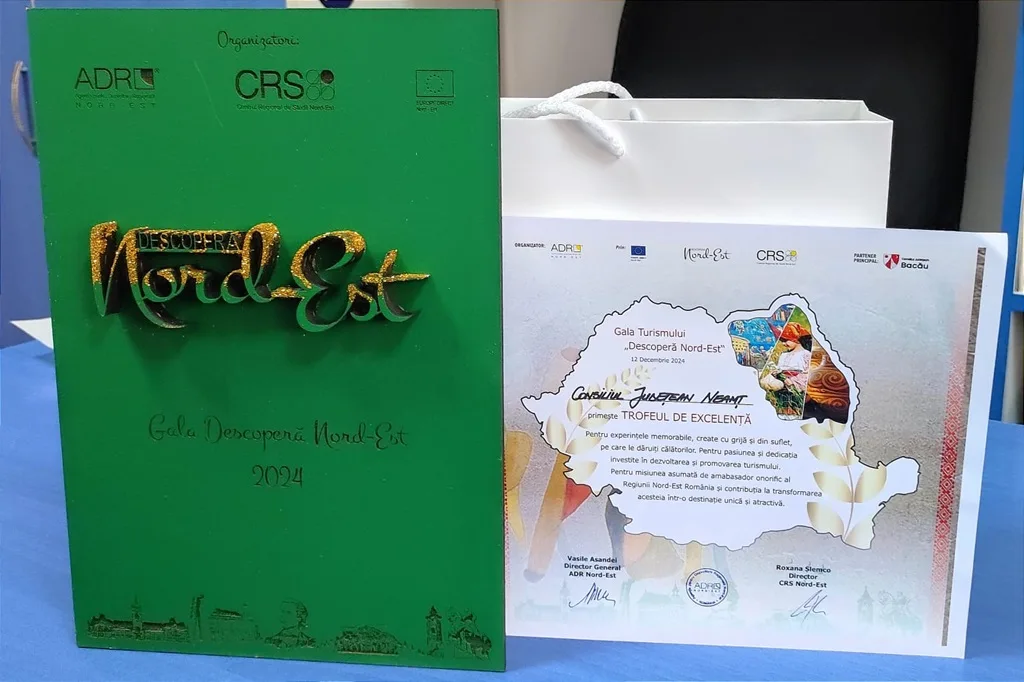
Neamț Awards at the Discover North-East Tourism Gala, 2024
The awards were presented at the 9th edition of the Discover North-East Tourism Gala on December 12, 2024: Newcomer – Award for new locations/attractions/tourist products or emerging tourist destinations: Zenzia Glamping Piatra-Neamț. Poem Rural Piatra-Neamț.
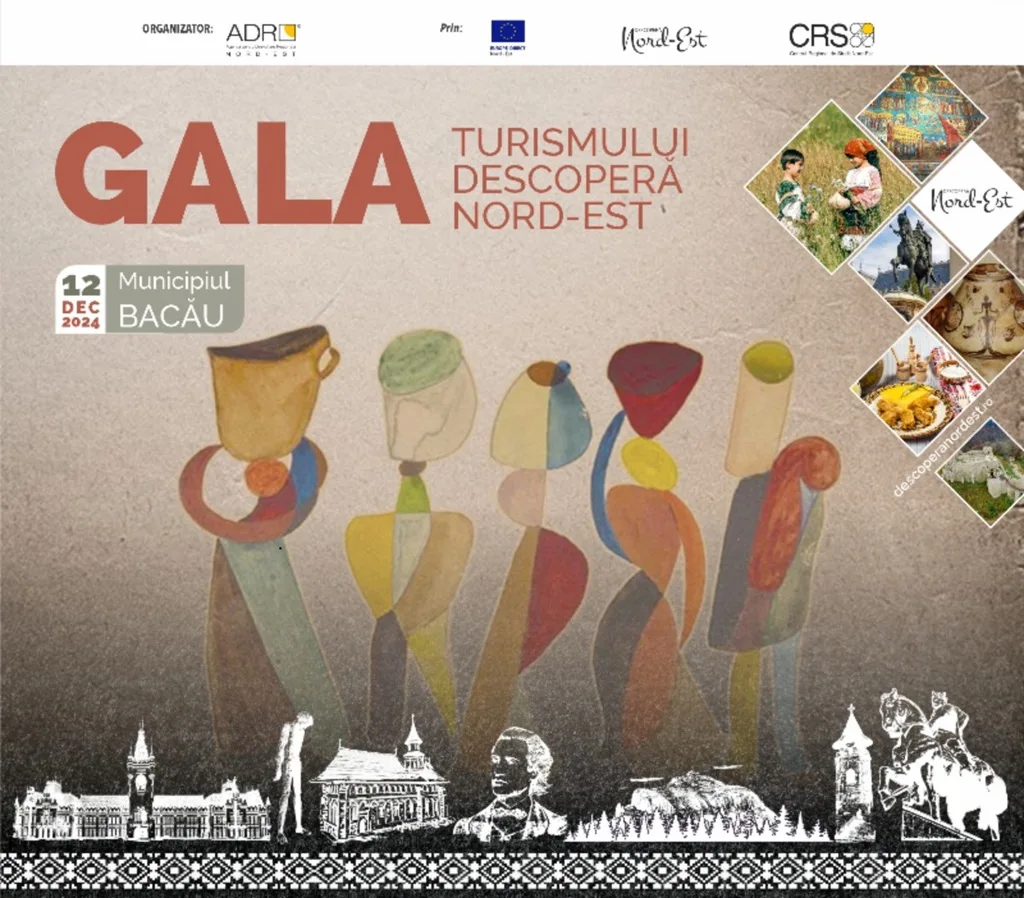
Excellence in Developing Tourism in Neamț at the 9th Edition
On December 12, 2024, we celebrate the tourism initiatives of Neamț County, alongside those from the North-East Region of Romania—a uniquely beautiful and rich area that deserves to be discovered by tourists.
Nominations for Destination of the Year 2025
In the category Enchanted Realms – Geographical areas or localities with a rich treasure of nature, history and tradition our proposal is: The city of Bicaz and its surroundings.