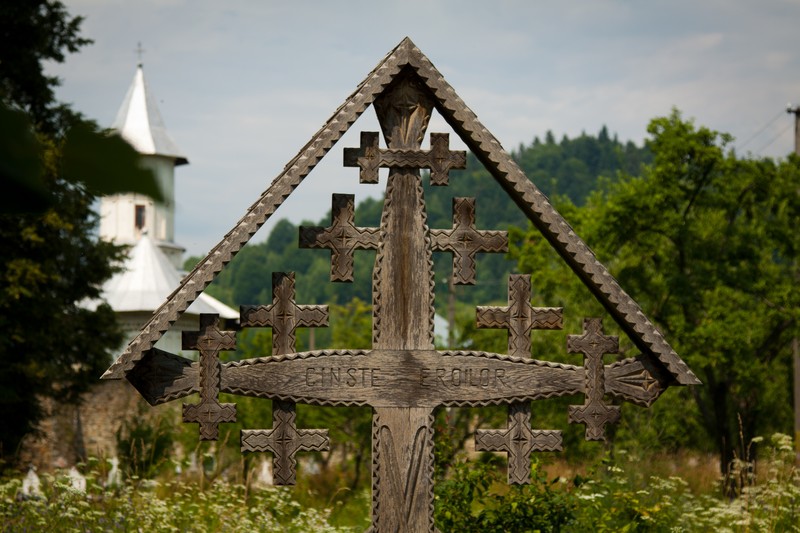
Ethnographic landmarks in the Tazlău area
The Tazlău area
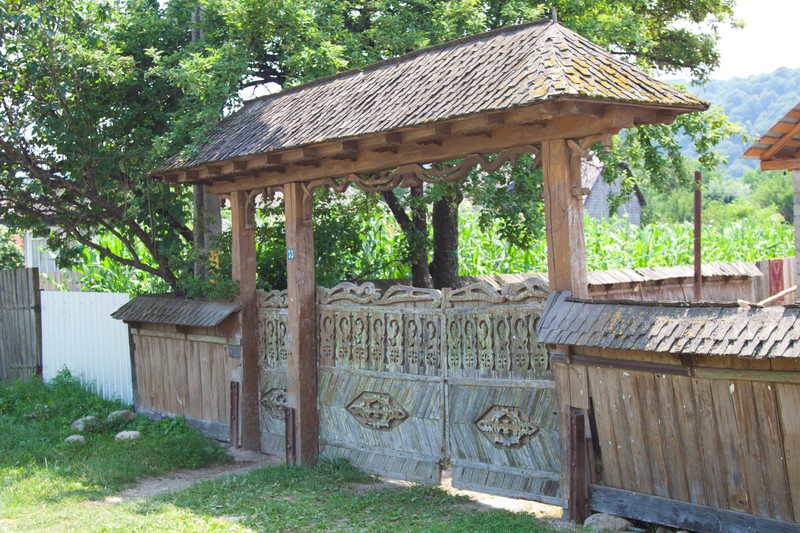
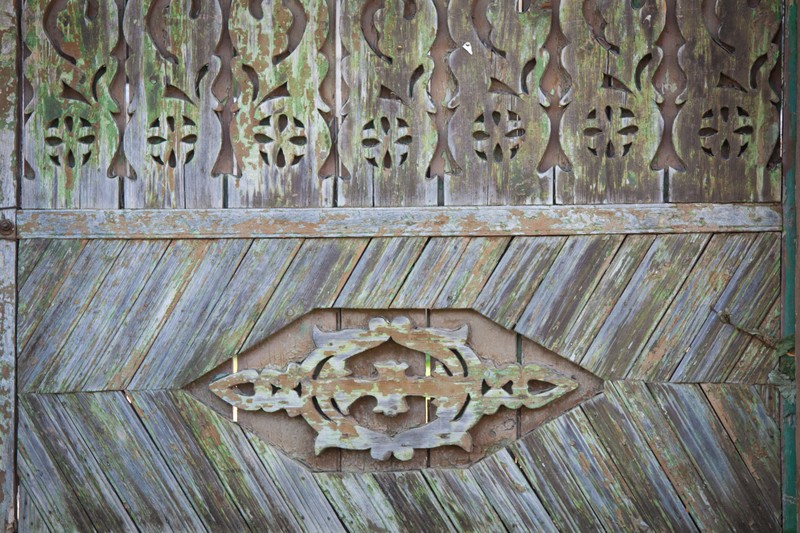
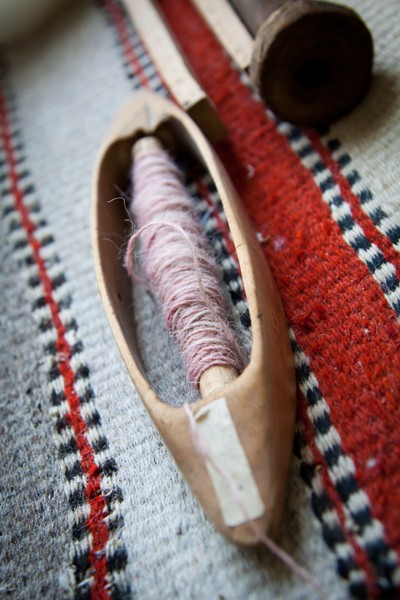
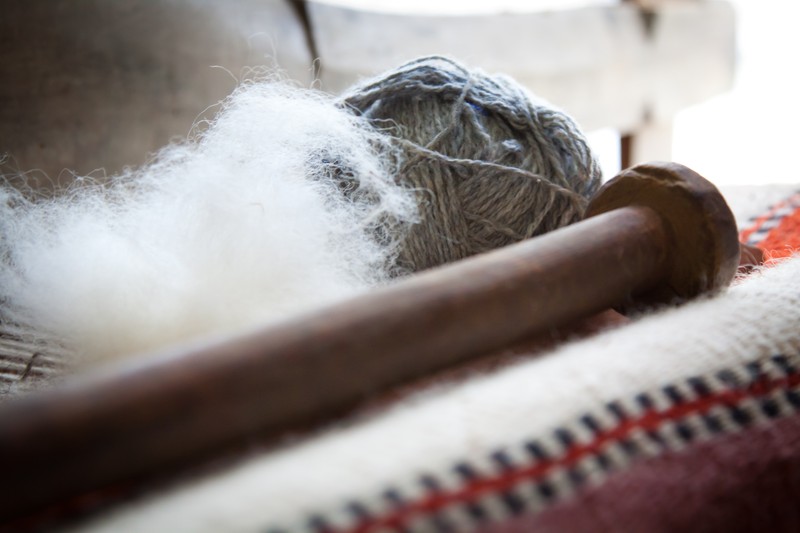
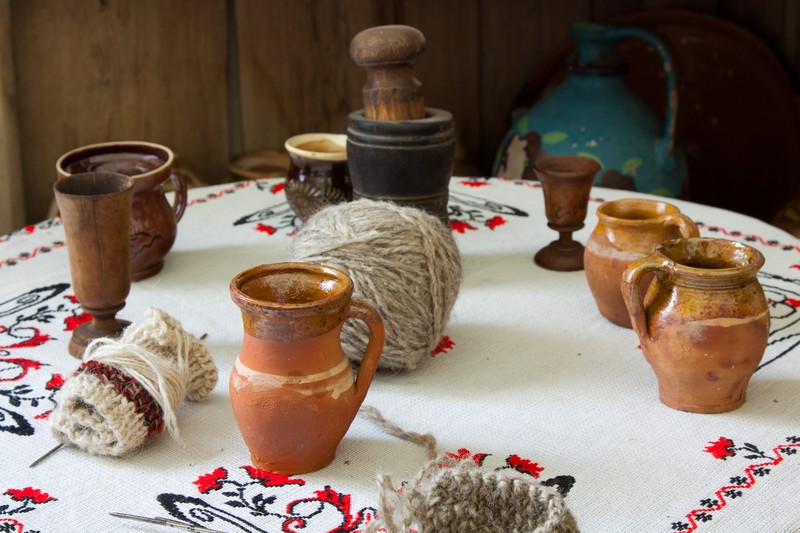
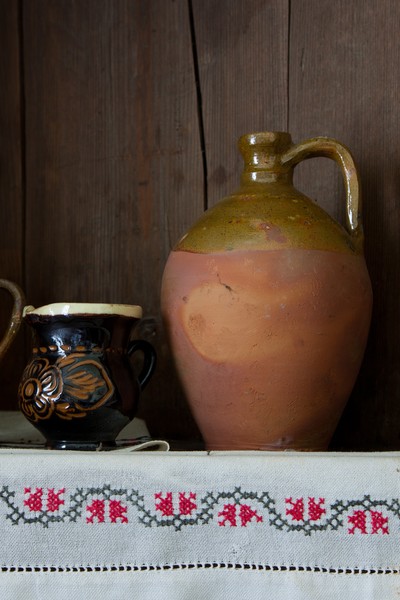
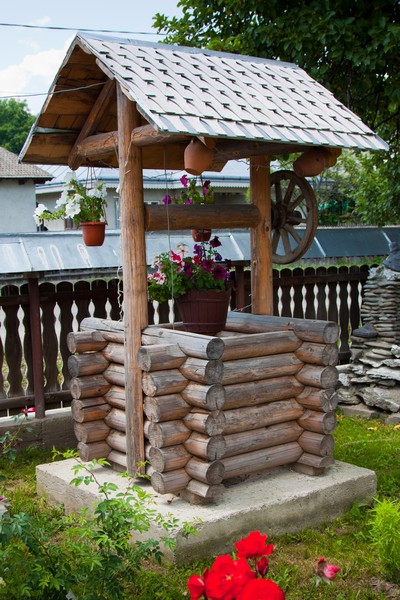
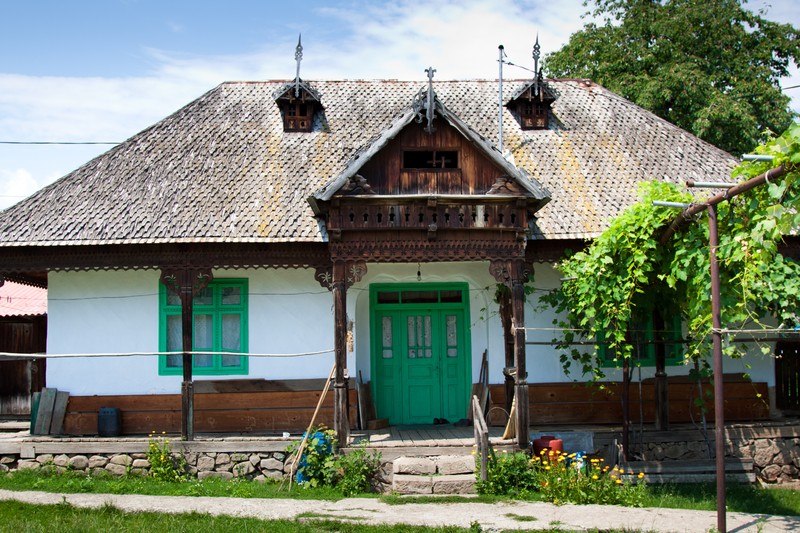
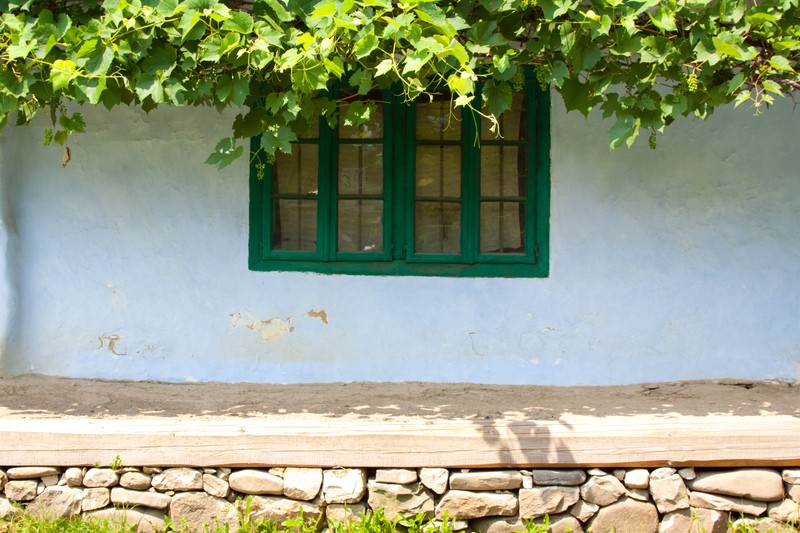
In Tazlău commune, visitors can still find houses and homesteads typical of the mountain region, textiles characteristic of traditional rural interiors, folk costumes specific to the area, craftspeople and folk artists whose work enjoys a well-deserved reputation, and distinctive customs and traditions associated with traditional festivals.
Tourists travelling through this wonderful region should stop at the Ethnographic Museum in the House of Culture to admire the rich folk heritage of Tazlău commune. Its collection brings together valuable ethnographic exhibits relating to the traditional occupations of local people, household objects and utensils, interior textiles, distinctive and ingenious traditional devices typical of village life in the past, craftspeople’s work, furniture and traditional folk costumes.
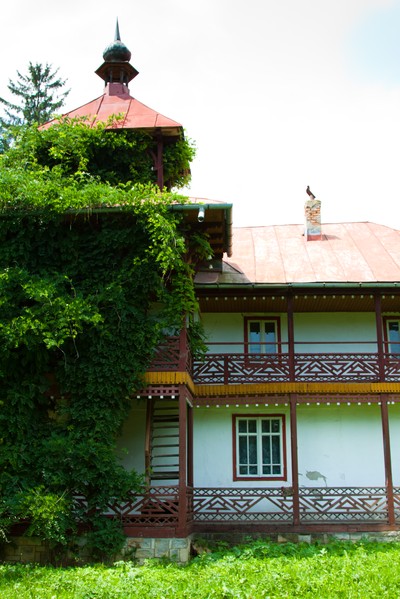
Here, visitors will also find the house in Tazlău where the doctor and writer I. I. Mironescu was born and lived, which was converted into a museum in 1969. The writer’s study has been recreated with its original furniture, personal belongings, library and images documenting his medical work.
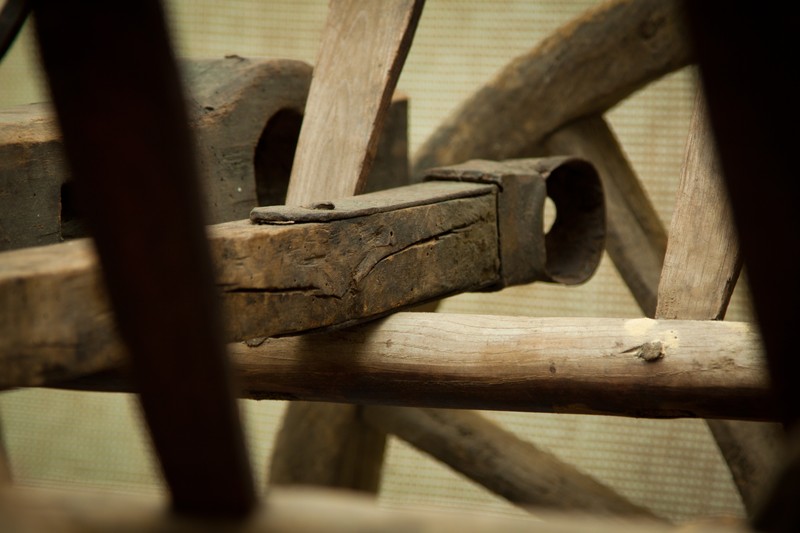
The exhibition occupies 2 rooms and aims to recreate a small part of life in Tazlău during the interwar years.
The Tazlău area, Neamț County
Another attraction in the area is Tazlău Monastery, at the foot of Măgura Tazlăului, founded in 1497 by Stephen the Great on the site of an old wooden church built by Alexander the Good, and one of the voivode’s most monumental foundations. The monastery church at Tazlău has a trefoil plan. Like a fortress, the church of Tazlău Monastery was surrounded by stone walls with battlements and external buttresses.
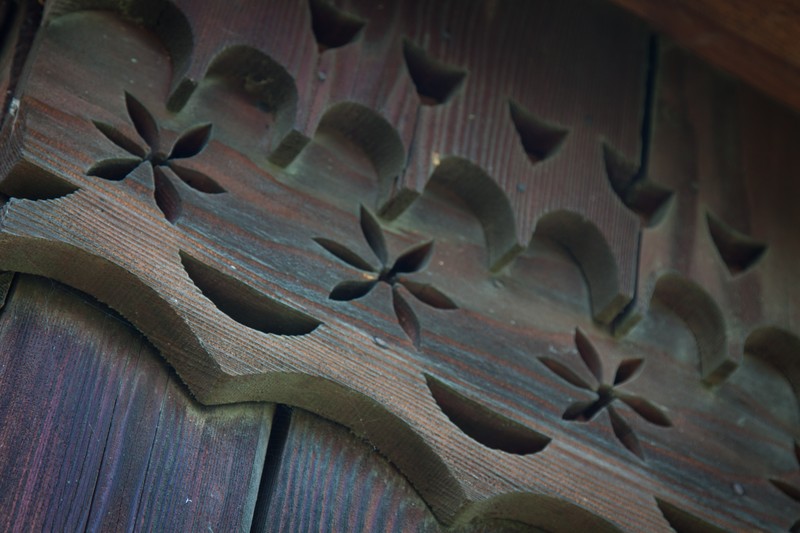
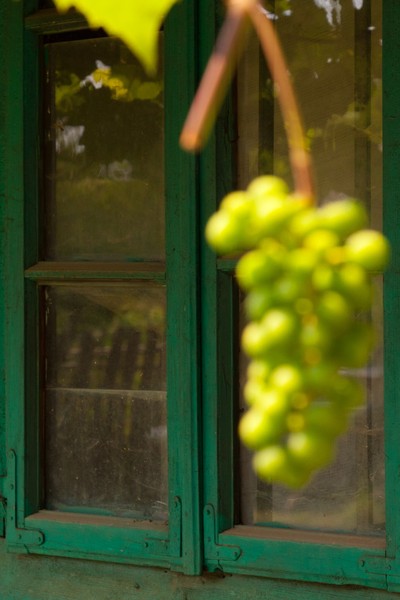
This ancient, picturesque Romanian settlement preserves many aspects of folk culture and everyday life in its living ethnographic heritage. The distinctive architecture of the old houses in the Tazlău area can still be seen in its natural setting, rural interiors retain many traditional features, the folk costume once worn by the entire population is worn on feast days, and customs and traditions are observed at the key moments prescribed by tradition.
More on the same topic

Neamț receives five nominations across four categories in Destinația Anului
We have good news for everyone who loves Neamț County and all its beauty: it is among the finalists in the Destinația Anului 2024 competition, with five nominations across four categories: Piatra Neamț in the Inspiring Cities category.

Military firefighters bring competition and lots of adrenaline to Târgu Neamț
Târgu Neamț is hosting the 3rd zonal stage of the professional emergency situation competitions, in which representative teams from several counties of the country will participate: Bacău, Botoșani, Iași, Neamț, and Suceava.
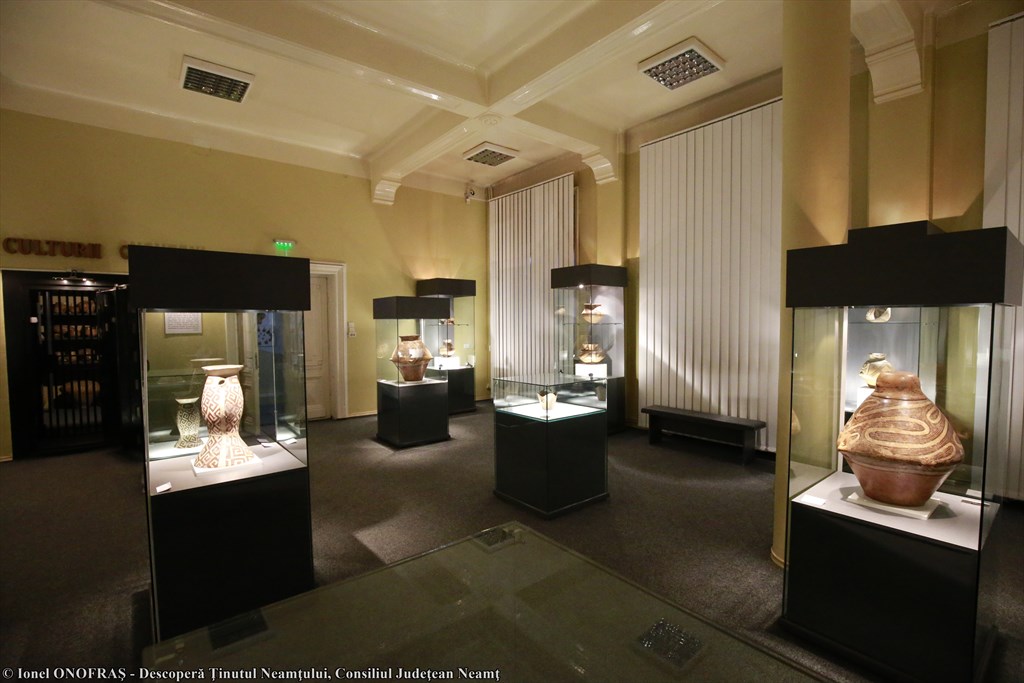
Discover, in Piatra Neamț, the most important Eneolitic art collection from the South-East of Europe
Photo Gallery: Nationally one of the kind, both history and art museum, it currently hosts the most spectacular artefacts, famous objects that belong to the Cucuteni–Trypillia Culture, which is in…