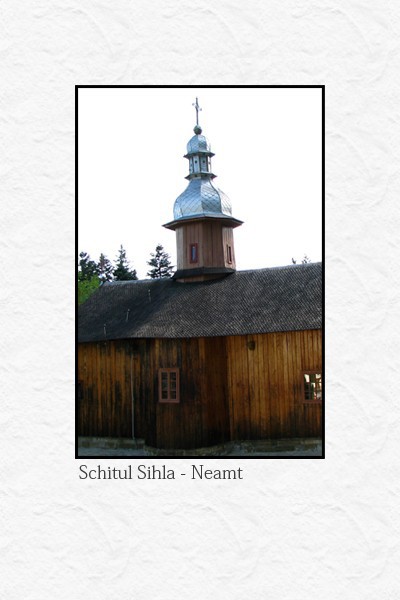
Sihla Hermitage – Neamț County
Sihla Hermitage lies 6 km from Sihastria Monastery (under whose administration it falls) and is one of the renowned hermitages of Moldavia. The great saint of Sihla and Moldavia, the Venerable Teodora, spent her life as a hermit here.
Address: Vanatori commune, Neamț county Patronal feasts of Sihla Monastery: “Nativity of Saint Ioan the Baptist” (24 June) “Venerable Saint Teodora of Sihla” (7 August) Access routes: Piatra Neamț – Agapia Monastery – Sihla Hermitage (44 + 8 km) Târgu Neamț – Secu Monastery – Sihla Hermitage (23 + 5 km) Târgu Neamț – Agapia Monastery – Sihla Hermitage (9 + 6 km)
Sihla Hermitage – a brief history
Situated on the forest road linking the village of Agapia with Sihăstria and Secu Monasteries, Sihla Monastery is an important religious pilgrimage site, particularly because of Saint Teodora. Pilgrimages can be made from Sihăstria to Sihla, following the blue cross trail markings, or from Sihla to Daniil Sihastrul Hermitage.
As early as the 15th century, many hermits, drawn by the complete solitude of the mountains, pursued an ascetic life at Sihla Monastery. However, it was not until 1741 that the Cantacuzino family founded the first wooden church at Sihla Monastery, dedicated to the “Nativity of Saint Ioan the Baptist”.
In 1813, Archimandrite Benedict rebuilt it with stone foundations and timber walls, and between 1973-1974, Metropolitan Iustin Moisescu and the abbot of Sihăstria Monastery restored it completely. Built in the classic style of Moldavian churches, the church at Sihla has a single cross-shaped tower above the nave, while the interior is divided into a sanctuary, nave and porch. The church’s iconostasis dates from the 17th century and is carved from limewood and gilded. The church’s Byzantine-style frescoes were painted by Vasile Pascu.
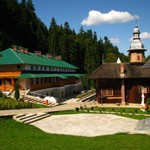
After 1990, the church tower was renovated again. The old monastic cell buildings on the western side of the grounds were replaced with new stone buildings to meet the growing needs of Sihla Monastery’s monastic community. At the same time, the bell tower was rebuilt, and a refectory and a new guesthouse were erected, warmly welcoming the pilgrims who now come to Sihla Hermitage in considerable numbers.
Sihla Hermitage: photos
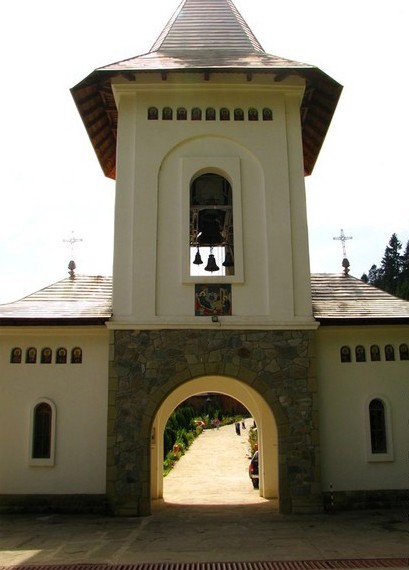
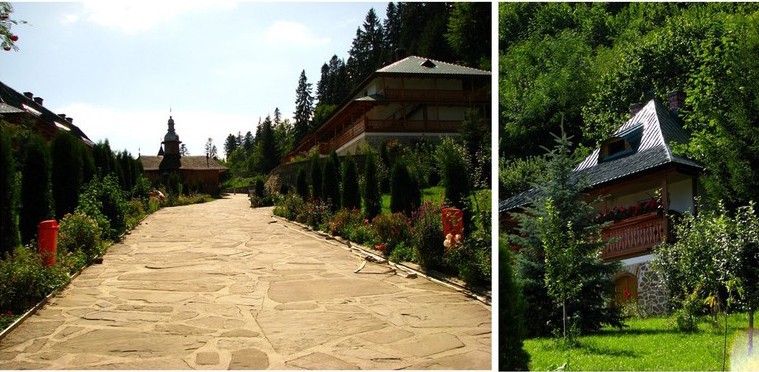
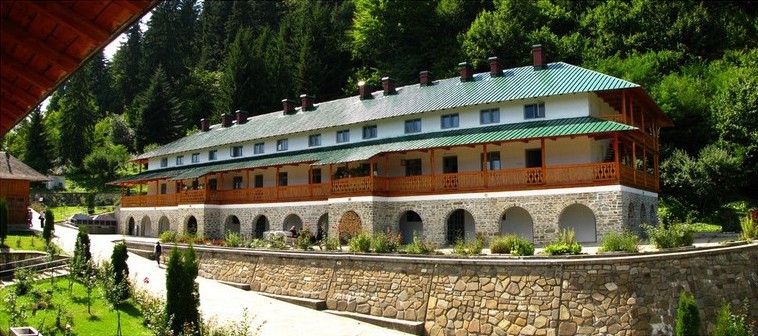
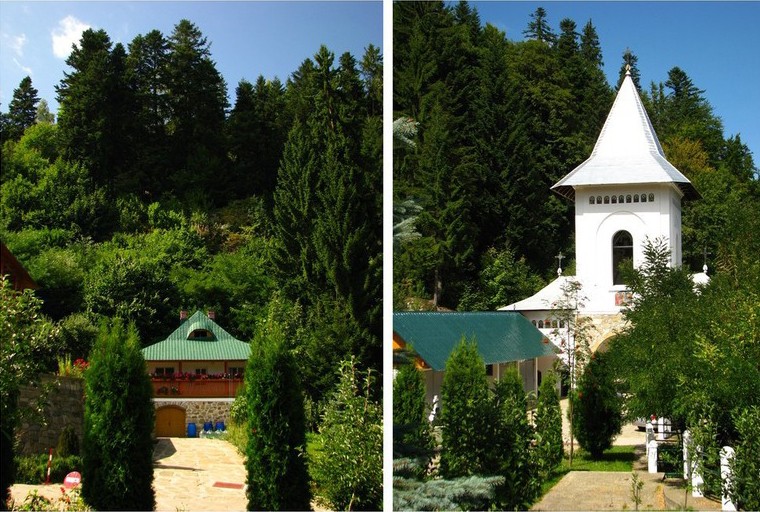
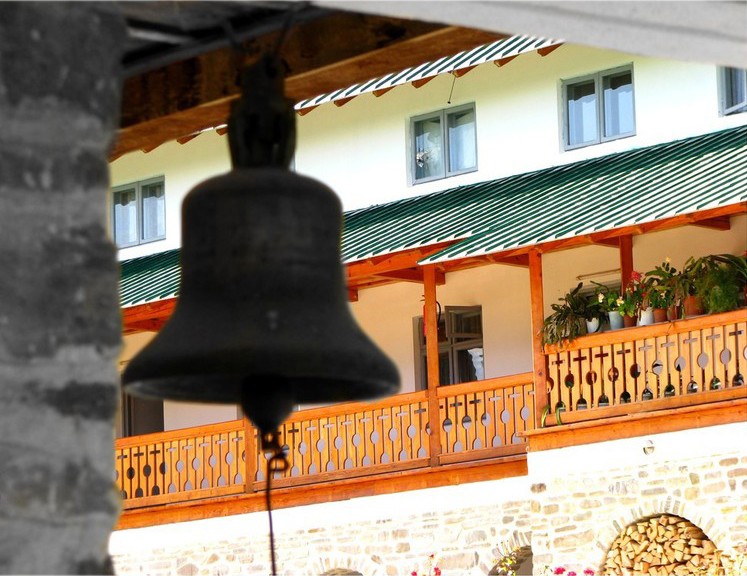
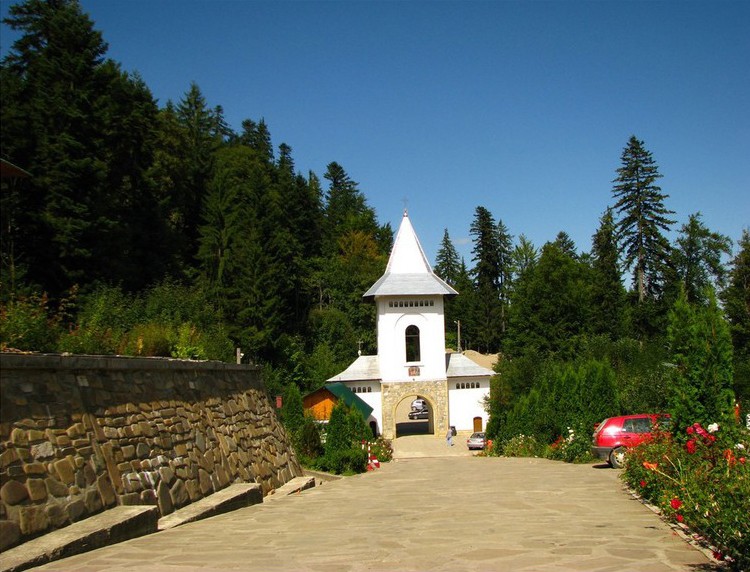
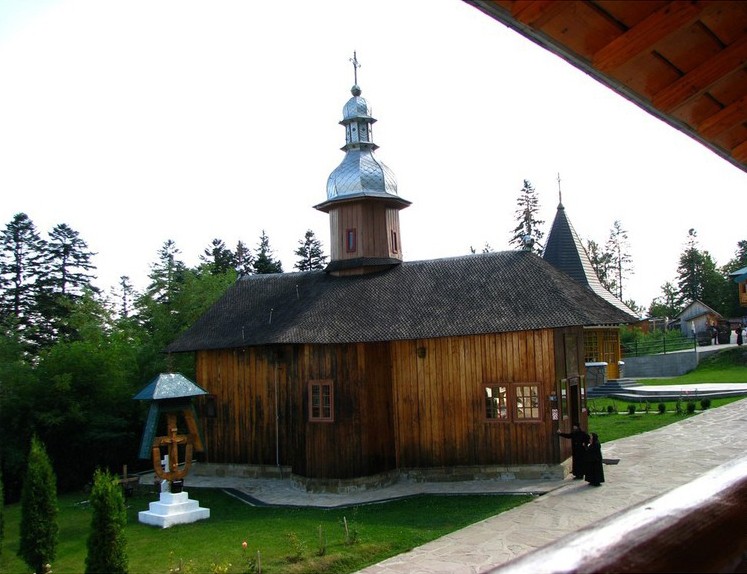
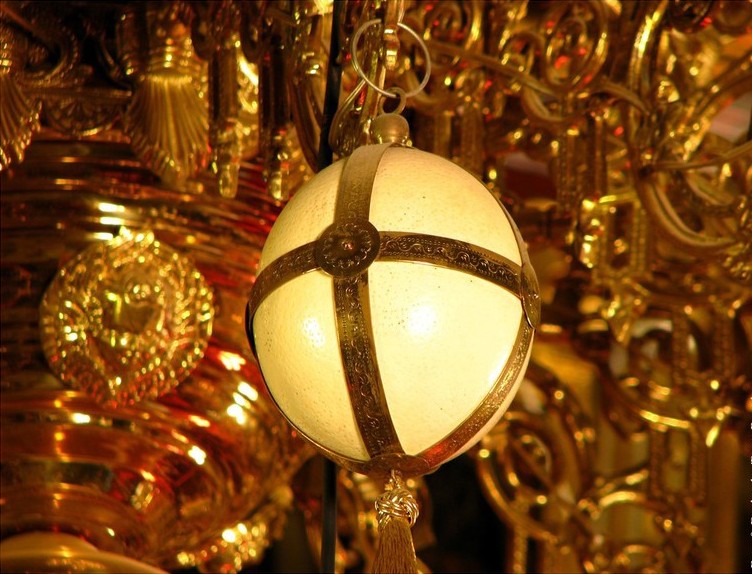
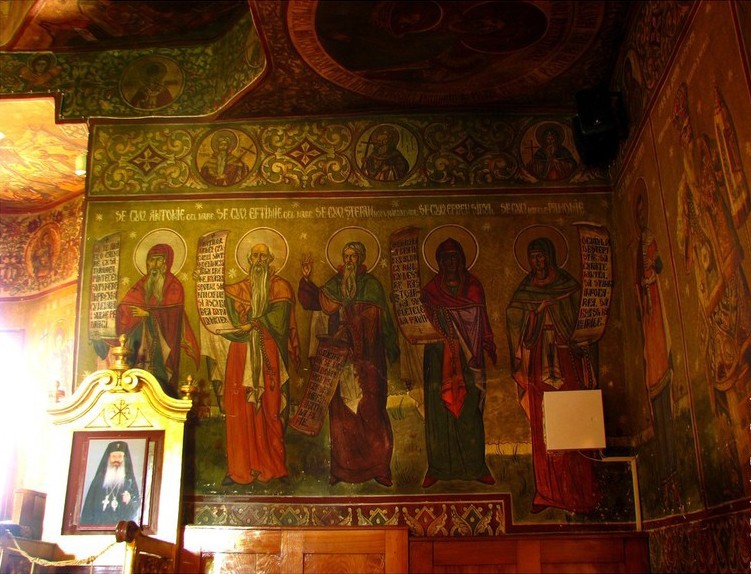
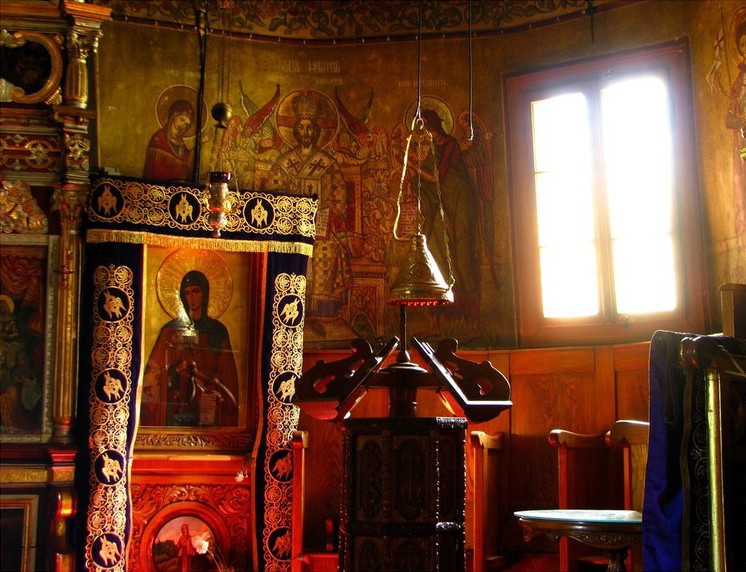
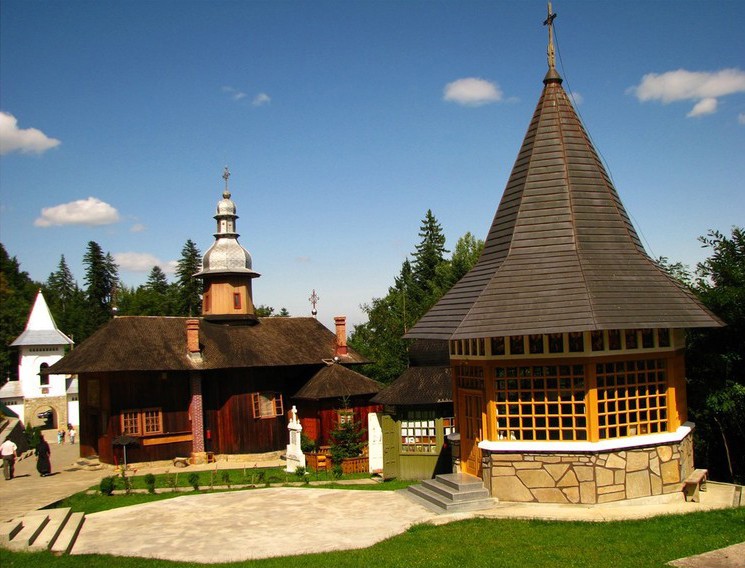
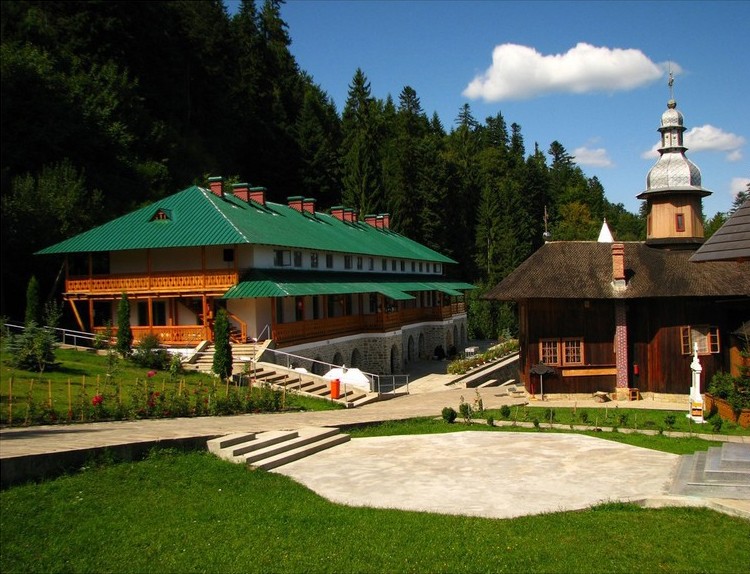
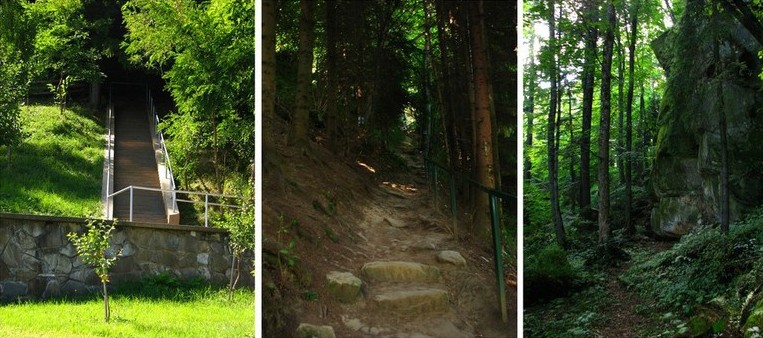
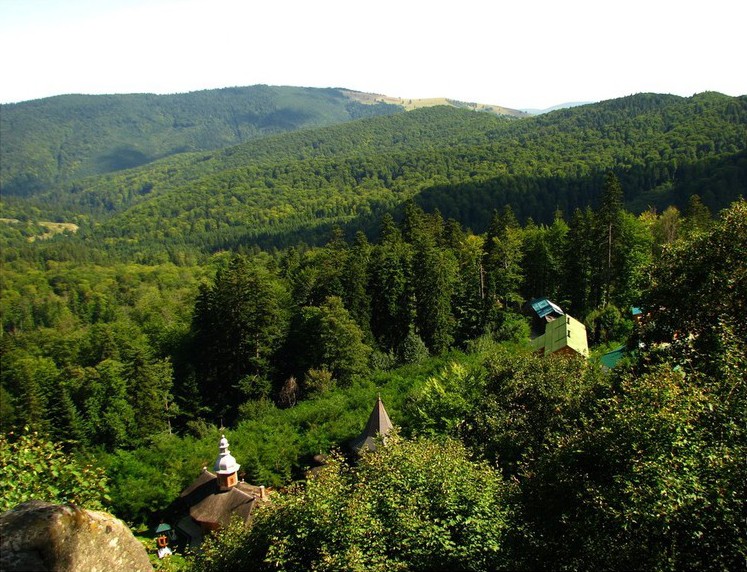
Click here to view all photo albums
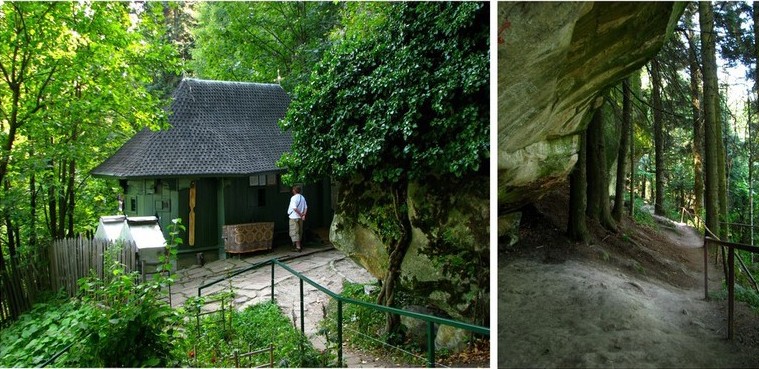
In 1763, Ionita Aga Cantacuzino-Pascanu built a little church “from a single fir tree”, only a few paces long, on a narrow rock ledge very close to the present site of Sihla Monastery, sheltered beneath a boulder, and dedicated it to the “Transfiguration”. The church is built from timber in the shape of a ship, clad externally with boards and roofed with wooden shingles. The interior is dimly lit and extremely simple, preserving the intimacy and atmosphere of a bygone age to this day. The iconostasis is painted in oils and, like the little church, which remains in its original condition, dates from the 18th century. On either side of the little church stands a small building housing monastic cells, built in the 9th century.
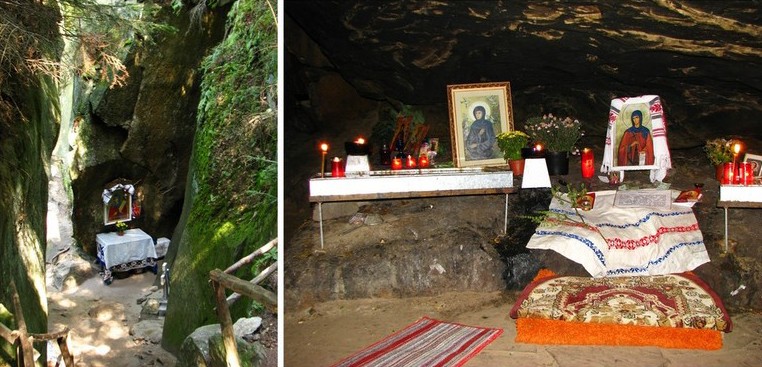
On the northern side of Sihla Mountain, a secluded path climbs to the Cave of Venerable Saint Teodora. Here she spent years in ascetic devotion, with many tears, fasting and prayer. Sihla Hermitage is said to have been built in 1725 to honour her life, and in 1991 a hermitage dedicated to Saint Teodora was founded in Codrii Pascanilor, also in her memory. She was canonised on 7 August 1992 and is considered the finest Spiritual Flower.
On 7 August, the feast day of Saint Teodora, many devout pilgrims arrive at Sihla Monastery to pray and offer praise for all the Saints and all the gifts received from them.
More on the same topic

Ethnographic museums, treasures of local history and traditions
Ethnographic museums are true treasures and expressions of love for traditions, folklore, and spirituality of the places, and so is the Ethnographic Museum Casa Bunicilor in the village of Mitocul Bălan, Crăcăoani commune.

Neamț receives five nominations across four categories in Destinația Anului
We have good news for everyone who loves Neamț County and all its beauty: it is among the finalists in the Destinația Anului 2024 competition, with five nominations across four categories: Piatra Neamț in the Inspiring Cities category.

The Story of the Seven Miraculous Icons of the Holy Virgin and Saint Anne from Neamț Land
Renowned not only for its beauty and historical significance but also called the “Jerusalem of Romanian Orthodoxy,” Neamț Monastery houses the miraculous icon of Virgin Mary with three hands…