Traditions and Customs of Neamț County on Display in Ethnography Museums
In the Neamț region, we take pride in a rich heritage of Romanian customs, traditions and crafts. Here, folk art has long been preserved and promoted by traditional craftspeople who pass the secrets of these crafts on to younger generations.
Ethnography museums play an important role in preserving traditional objects, offering a rich collection of folk art specific to the Neamț region through their permanent exhibitions.
Visit the ethnography museums in Neamț for a chance to discover the area’s cultural heritage through traditional objects and craft products. These objects offer a clear picture of all the traditions, customs, crafts and traditional craftspeople of the Neamț area.
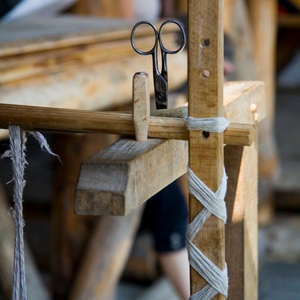
Ethnography Museum in Piatra Neamț: The museum’s first ethnographic collection dates from 1960, comprises approximately 1,000 objects and was assembled following research undertaken by Academia Romana. Today, the museum’s core collection presents aspects of traditional rural homes in the Bistrița Valley, the area’s age-old Romanian folk costume and the main crafts (weaving, woodworking and sheepskin coat making) of the sub-Carpathian region of Moldavia.
History and Ethnography Museum in Târgu Neamț: This ethnographic museum offers an overview of the rich medieval history of the town of Târgu Neamț and the traditional crafts of the Neamț Depression, from spinning and weaving to processing agricultural produce, woodworking, metalworking and pottery. The exhibition also includes a range of traditional rural equipment for processing fruit and seeds, wood, wool, etc., housed in a specially arranged pavilion in the museum courtyard.
History and Ethnography Museum in Bicaz: Built in the early 20th century, the museum building is listed as a historic monument. The history and ethnography museum’s permanent exhibition occupies three distinct spaces, presenting a detailed history of the Bistrița Valley alongside the 102 paintings donated to the town by the painter Iulia Halaucesu.
Ethnography and Folk Art Collection at Bicazu Ardelean: A folk art and ethnography museum has been established in the school building in Telec (Paraul Caprei), with exhibits that vividly illustrate the lives and occupations of the people of this area from the earliest times. Created with contributions from teacher Barna Augustin Marcian and his wife Elena Barna, this ethnography and folk art collection offers a vivid picture of the customs and traditions of the Bicaz Valley.
Museum Collection of Vanatori – Neamț Commune: The museum collection of Vanatori – Neamț commune was set up in the centre of the commune, in the building that formerly housed the village’s Old School. The exhibits reflect the historical and cultural values of the area, as well as the diversity of traditions preserved here for centuries.
Neculai Popa Museum in Târpești: Established in the seventies at the homestead of Neculai Popa in Târpești (an accomplished artist and passionate collector of authentic folk art and traditional objects), the museum is now one of the most beautiful and interesting in Moldavia. Situated in the village of Târpești in Petricani commune, the museum is part of the itinerary for visitors to Neamț Citadel and the “Mihail Sadoveanu” Museum, Humulești associated with Ion Creangă, or other famous monasteries in the Neamț region.
“Vasile Gaman” Museum in Vânători-Neamț: The museum occupies a traditional house typical of this area, and its permanent collection comprises approximately 3,000 pieces made or collected over the years. The entrance gate to the museum courtyard is a monument listed as part of the national heritage. It bears carved portraits of Burebista, Decebal, Traian, Ștefan cel Mare și Sfânt, Dragoș Vodă and Mihai Viteazul on a map of Greater Romania, carved where the two sides of the gate meet and flanked by the weapons used to defend it.
More on the same topic

Neamț receives five nominations across four categories in Destinația Anului
We have good news for everyone who loves Neamț County and all its beauty: it is among the finalists in the Destinația Anului 2024 competition, with five nominations across four categories: Piatra Neamț in the Inspiring Cities category.

Military firefighters bring competition and lots of adrenaline to Târgu Neamț
Târgu Neamț is hosting the 3rd zonal stage of the professional emergency situation competitions, in which representative teams from several counties of the country will participate: Bacău, Botoșani, Iași, Neamț, and Suceava.
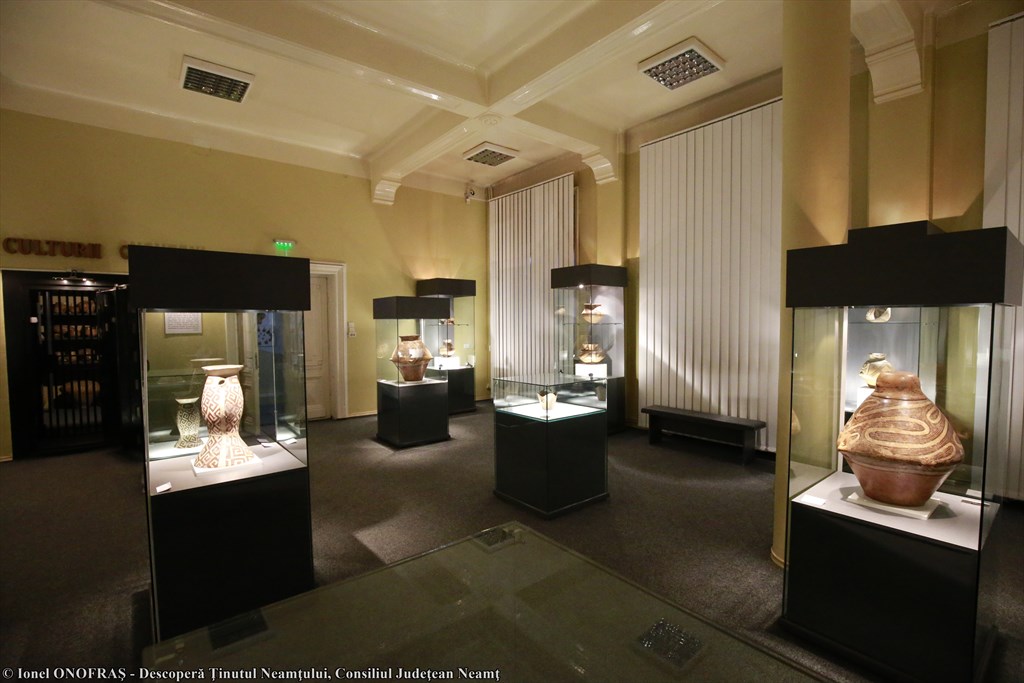
Discover, in Piatra Neamț, the most important Eneolitic art collection from the South-East of Europe
Photo Gallery: Nationally one of the kind, both history and art museum, it currently hosts the most spectacular artefacts, famous objects that belong to the Cucuteni–Trypillia Culture, which is in…