Old Monasteries in Neamț County
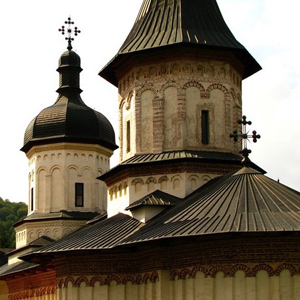
Neamț County is home to the oldest, most numerous and most imposing monasteries in Moldavia. The concentration of places of worship in this area reflects the great number of monks in the Neamț mountains who sanctified these places, endowed by God with such beauty. The monasteries of Neamț reflect both the area’s religious life and a chapter of distinctly Romanian history.
From Moldavia’s oldest monastery, Neamț Monastery, built in the 14th century by the Musatini dynasty, to Bistrița Monastery, founded by Alexander the Good in the 14th century and also the voivode’s final resting place, the Neamț region reveals the beginnings of Romanian monasticism.
Next came the monasteries founded by Stephen the Great in the 15th century, Tazlău Monastery (1487) and Razboieni Monastery (1496). Three other renowned hermit settlements were established during this century, contributing to the spiritual heritage of Neamț County. These were “Iosif’s Hermitage”, which became Bisericani Monastery, founded by Bogdan III and Petru Rareș; then Old Agapia Monastery, later also founded by Petru Rareș; and the third settlement, “Silvestru’s Hermitage”, built around Ceahlău Mountain.
Three other celebrated monasteries in Moldavia survive from the 16th century: Pângărați Monastery, founded by Alexandru Lapusneanu in 1560 (known for its architecture, unique in Romania, with two churches built one above the other); the Hermitage at Valeni, founded by Petru Schiopul in 1574; and Zosima’s Hermitage, which became Secu Monastery in 1602 through a donation from the vornic Nestor Ureche.
The 17th century saw the construction of hermit settlements and hermitages in the Bistrița Valley and the Ceahlău area. These included: Peon Hermitage, dating from 1623; Hangu Hermitage, founded by Miron Barnovschi in 1627; the hermit settlements of Durău, Casiana, Sofia and Cerebu; New Agapia Monastery, dating from 1644; and Atanasie’s Hermitage, dating from 1655, which became Sihastria Secului Hermitage in 1734.
With the construction of new hermitages and monasteries in the 18th century, the Neamț region became one of Romania’s best-known pilgrimage destinations. The monastic settlements were joined by: Pocrov Hermitage, dating from 1714; Almaș Hermitage, dating from 1715, which later became Almaș Monastery; Sihla Hermitage, dating from 1730; Vovidenia Hermitage, dating from 1754; Horaicioara Hermitage, dating from 1763; and Tibucani Hermitage, dating from 1764. Văratec Monastery was also established during this century, founded in 1785.
In the 19th century, three more large monasteries were built in Moldavia, which, together with the other monasteries in Neamț, form true havens of peace and prayer to God: Icoana Hermitage, which dates from 1823, Horaița Monastery, founded in 1830, and Tarcău Hermitage, built in 1833.
The spiritual and historical heritage that the monasteries of Moldavia, in Neamț County, offer the Romanian people is priceless. Whether you are moved by these places’ religious significance or interested in the historical and architectural importance of the monasteries in Neamț, you will certainly find plenty to see and tell your friends about.
More on the same topic

Neamț receives five nominations across four categories in Destinația Anului
We have good news for everyone who loves Neamț County and all its beauty: it is among the finalists in the Destinația Anului 2024 competition, with five nominations across four categories: Piatra Neamț in the Inspiring Cities category.

Military firefighters bring competition and lots of adrenaline to Târgu Neamț
Târgu Neamț is hosting the 3rd zonal stage of the professional emergency situation competitions, in which representative teams from several counties of the country will participate: Bacău, Botoșani, Iași, Neamț, and Suceava.
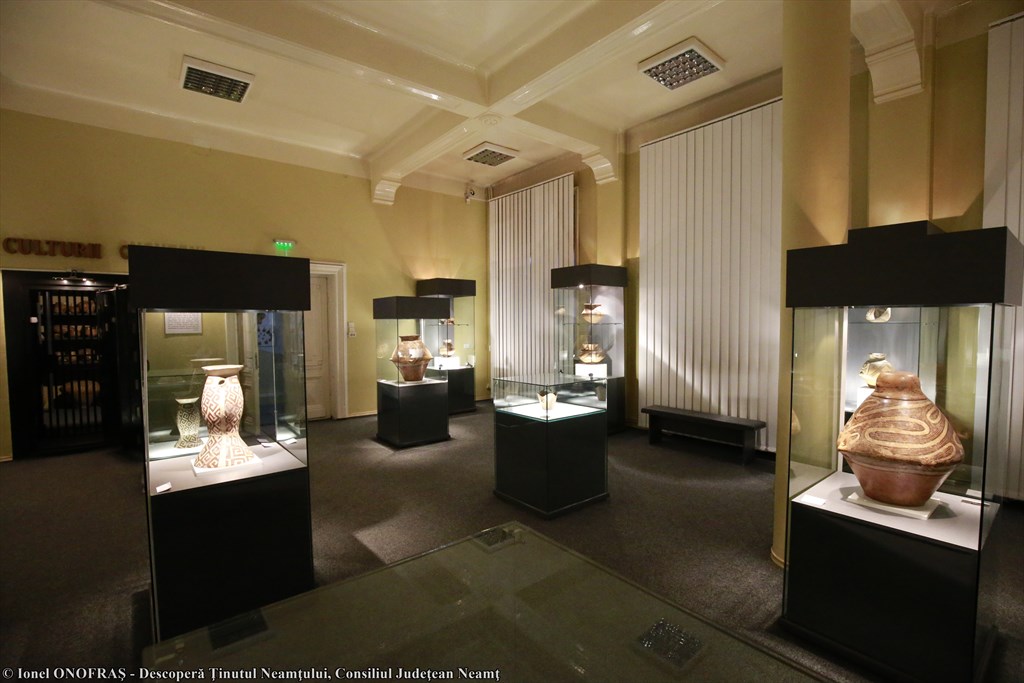
Discover, in Piatra Neamț, the most important Eneolitic art collection from the South-East of Europe
Photo Gallery: Nationally one of the kind, both history and art museum, it currently hosts the most spectacular artefacts, famous objects that belong to the Cucuteni–Trypillia Culture, which is in…