The religious life in Neamt County
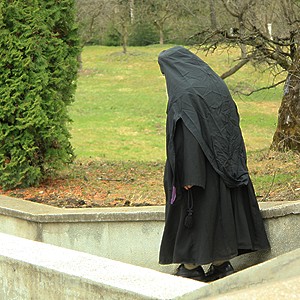
There is no place in Romania that hosts so many religious settlements as Neamt County. Monks of more than one nation prayed in these parts seeking for redemption. They came from Romania, Greece and Russia.
The savage of the mountains, the thick forests and peace of the planes together with the beauty of the valleys were some of the reasons the monks came in these places. Starting with the IV century, in Moldova lived a series of monks that lived their lives by praying and working. Some of these monks are still remembered by the Romanian Orthodox Church in their calendar and religious services.
The monasteries from Neamt County endured many harsh moments over time. During wars often the enemy armies plundered these religious settlements. This is also the reason for which the cultural life started much later in the time of ruler Stefan cel Mare, when monks started to create manuscripts, documents and to write books.
The religious life was and still is a blending of working and praying. Between prayers and religious services, monks have to perform different tasks around the monastery, like taking care of clothing, creating candles, shoes, weaving, at the field or preparing the food.
More on the same topic

Ethnographic museums, treasures of local history and traditions
Ethnographic museums are true treasures and expressions of love for traditions, folklore, and spirituality of the places, and so is the Ethnographic Museum Casa Bunicilor in the village of Mitocul Bălan, Crăcăoani commune.

The Story of the Seven Miraculous Icons of the Holy Virgin and Saint Anne from Neamț Land
Renowned not only for its beauty and historical significance but also called the “Jerusalem of Romanian Orthodoxy,” Neamț Monastery houses the miraculous icon of Virgin Mary with three hands…
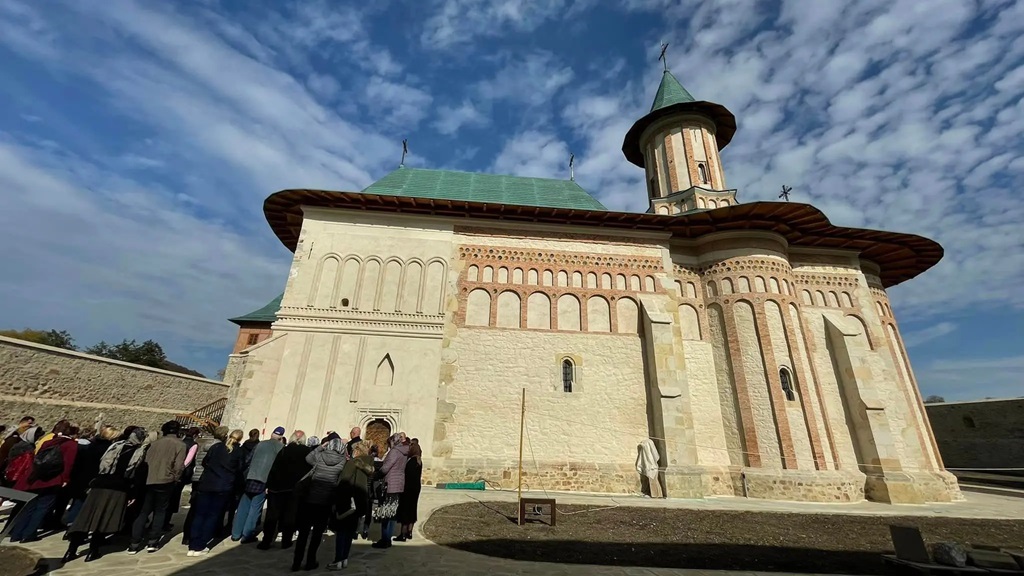
Tazlău Monastery Ensemble has been restored using European Regional Development Fund (ERDF)
After six years of hard work, the project of “reviving” one of the most prestigious establishments of Voivode Stephen the Great, in Tazlău commune, finally came to completion.