Visit the History Museums in Neamț
Why visit the history museums in Neamț County? Because the origins of the first people to inhabit this land are lost in the mists of time. Because here, in the Neamț region, Ștefan cel Mare built monasteries, Neamț Citadel and fought for freedom. Because traces of the Cucuteni civilisation were discovered here. Because the three Dacian fortresses discovered in the county, dating from the 1st century BC – 1st century AD and identified with the ancient settlement of Petrodava mentioned in Ptolemeu’s writings, bear witness to the antiquity and historical development of this region.
You can see evidence of all this only in the museums in Neamț County. Visit these places and take an imaginary journey into the past of this land’s earliest inhabitants, discover their artistic creations and broaden your knowledge in the museums in Neamț County.
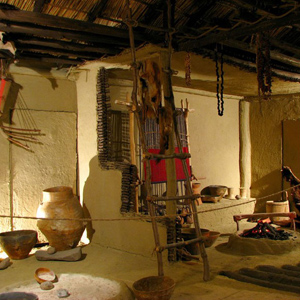
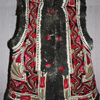
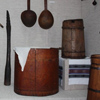
Târgu Neamț History and Ethnography Museum – the museum’s exhibition offers an overview of the rich medieval history of the town of Târgu Neamț and the traditional crafts of the Neamț Depression, from spinning and weaving to processing agricultural produce, wood, metals and ceramics. In a specially designed pavilion in the complex’s courtyard, the history museum’s exhibition also features a range of traditional rural equipment for processing fruit and seeds, wood, wool, etc.
Bicaz History and Ethnography Museum – founded in 1958, this museum is devoted to a comprehensive history of the Bistrița Valley. The museum’s permanent exhibition occupies three distinct spaces, presenting the history of the Bistrița Valley alongside the 102 paintings donated to the town by painter Iulia Halaucesu.
.
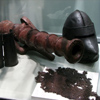
Piatra Neamț History and Archaeology Museum – founded in 1934 by priest Constantin Matasa. The history museum’s permanent exhibition comprises cultural objects classified in the Treasure category of the national cultural heritage and traces the development of human communities in this region from the Upper Palaeolithic to the contemporary era.
Piatra Neamț Cucuteni Eneolithic Art Museum – opened in the summer of 2005, it is Romania’s first Cucuteni museum. The museum occupies its own building opposite the Princely Court in Piatra Neamț architectural complex and displays around 300 objects from the Precucuteni and Cucuteni cultures, classified in the “Treasure” category of the national cultural heritage.
Roman History Museum – was established in 1957. The museum’s permanent exhibition occupies 15 rooms covering over 700 m² and contains an impressive number of objects, ranging from the Old Stone Age to the First World War. The exhibition also covers a stretch of the middle course of the Siret, corresponding to the former county of Roman.
More on the same topic

Neamț receives five nominations across four categories in Destinația Anului
We have good news for everyone who loves Neamț County and all its beauty: it is among the finalists in the Destinația Anului 2024 competition, with five nominations across four categories: Piatra Neamț in the Inspiring Cities category.

Military firefighters bring competition and lots of adrenaline to Târgu Neamț
Târgu Neamț is hosting the 3rd zonal stage of the professional emergency situation competitions, in which representative teams from several counties of the country will participate: Bacău, Botoșani, Iași, Neamț, and Suceava.
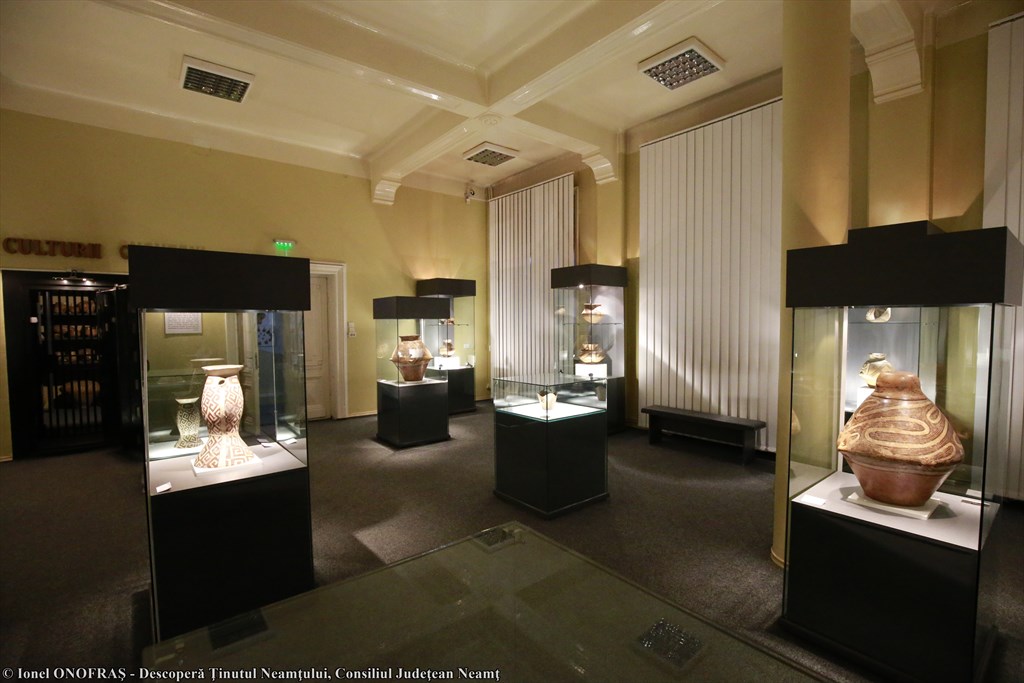
Discover, in Piatra Neamț, the most important Eneolitic art collection from the South-East of Europe
Photo Gallery: Nationally one of the kind, both history and art museum, it currently hosts the most spectacular artefacts, famous objects that belong to the Cucuteni–Trypillia Culture, which is in…