The commune of Săbăoani is the largest rural settlement in Neamț County and one of the oldest and largest Catholic communities in Moldavia, serving as a focal point for the region’s Catholic community. With a population of over 11,000, the commune of Săbăoani lies in the north-east of Neamț County, 8 km north of the town of Roman.
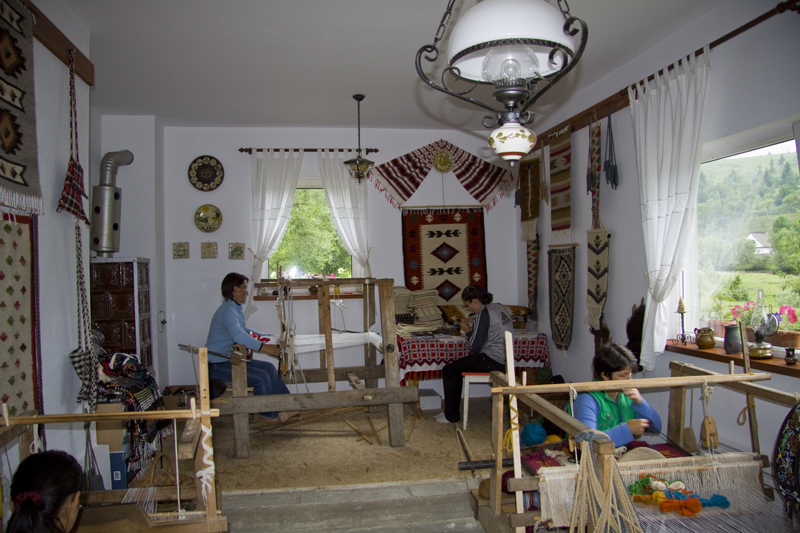
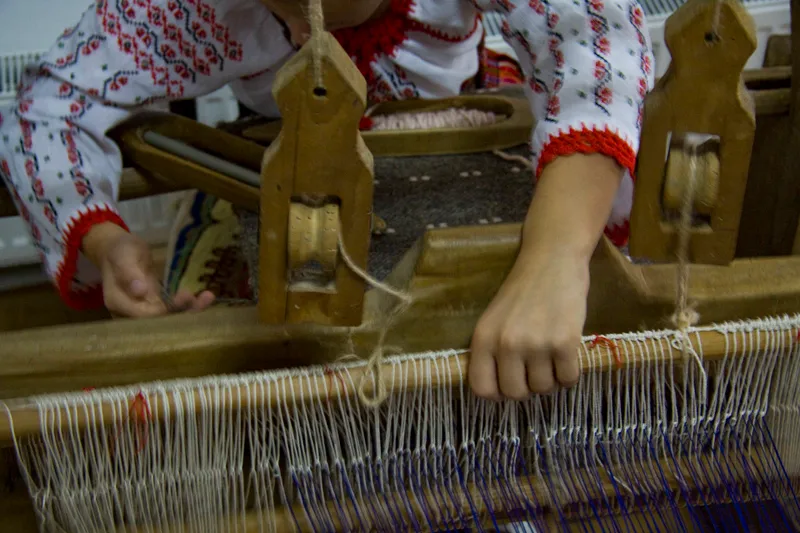
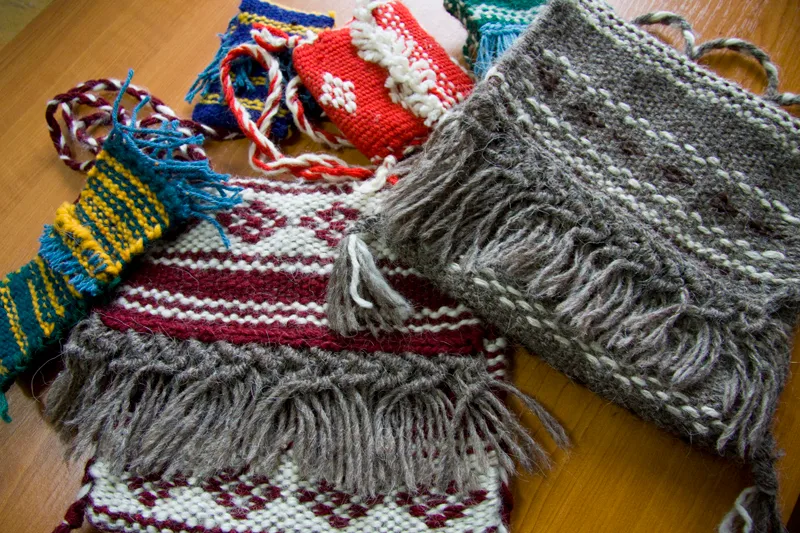
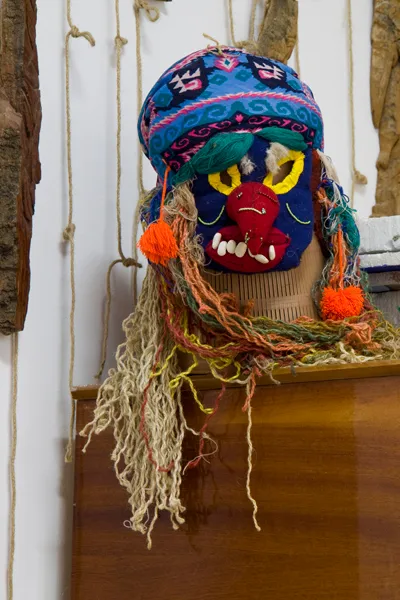
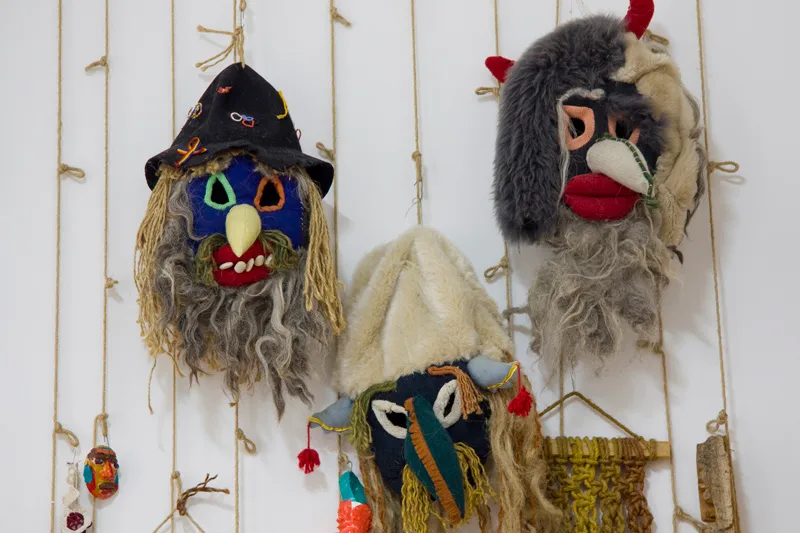
In this historic community, traditional craft techniques for making household objects are preserved and still used today. The most widespread crafts here are spinning and weaving, used to produce textiles. Women make these textiles in their homes, where they play a special role in the traditional dwelling and are also its most important decorative objects.
Location on Google Maps
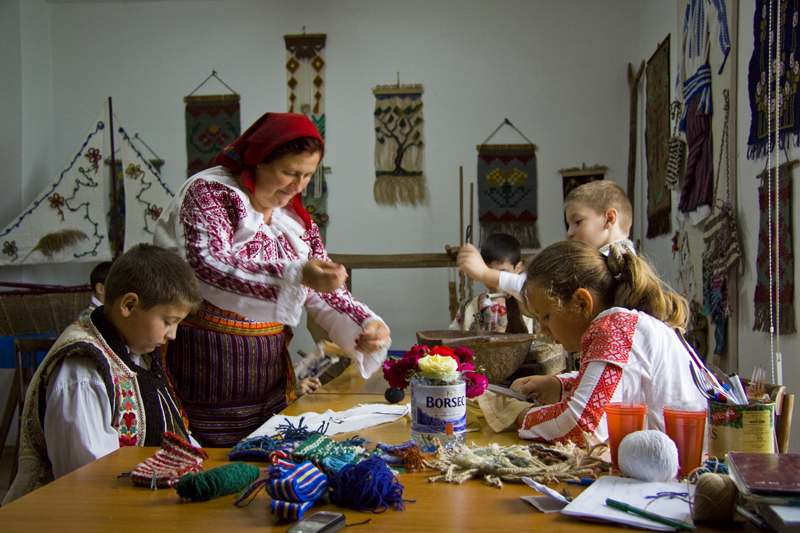
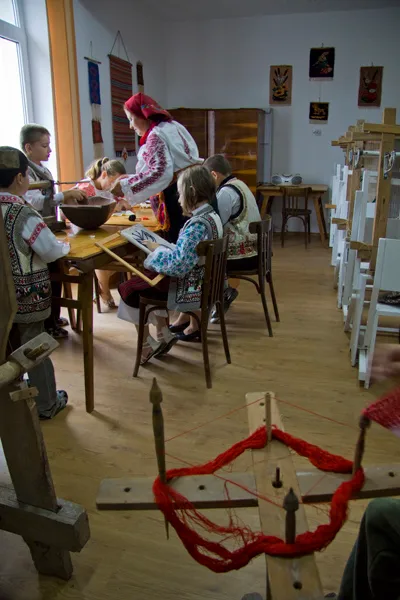
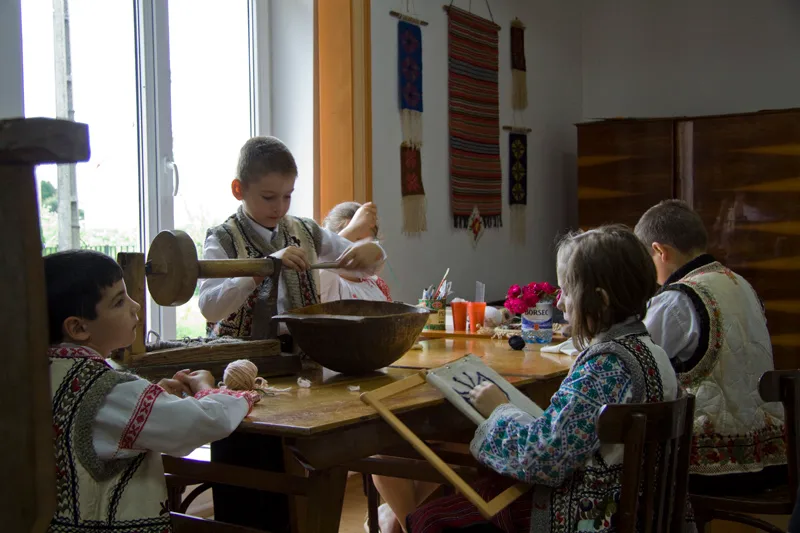
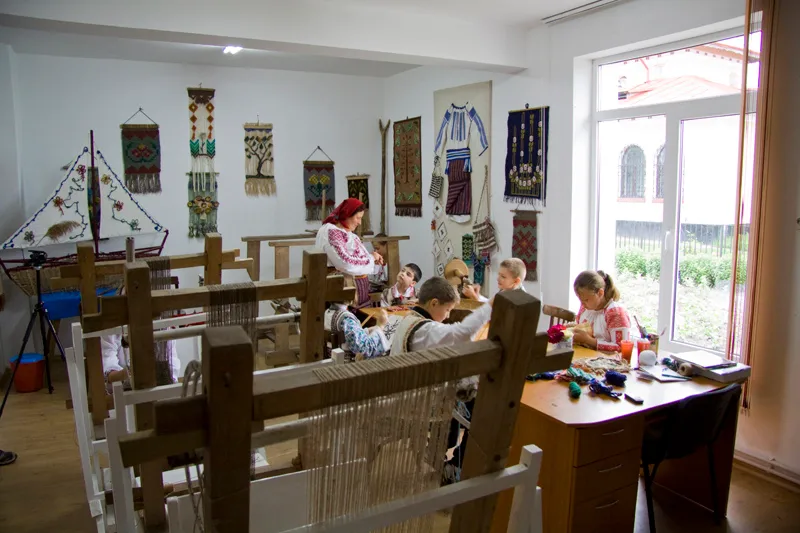
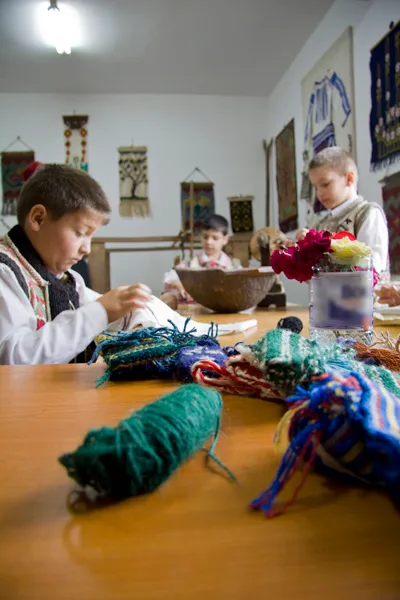
To preserve and showcase these folk traditions, Maria Robu, a craftswoman from the commune of Săbăoani, introduces over 100 children each year to the secrets of these crafts through her “Centru de Tapiserie” workshop. With great patience and care, craftswoman Maria Robu passes on the secrets of these crafts, keeping the local folk tradition alive.
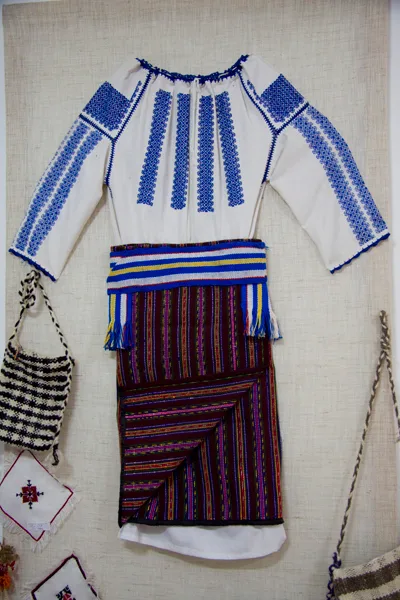
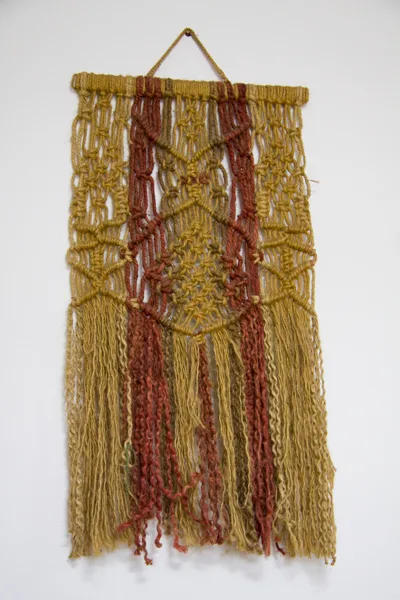
Textiles from this area feature muted colours – light green, burgundy and black – and plant motifs. The fibres used for weaving come from animals – sheep’s wool, goat hair and silk – or plants – hemp, cotton and flax. Decorative motifs include the tree of life, ram’s horns and floral designs.
More from the collection
Open the collection