 Pilgrimages to monasteries in NeamțPlay the film
Films: attractions · 29 May 2015
Pilgrimages to monasteries in Neamț
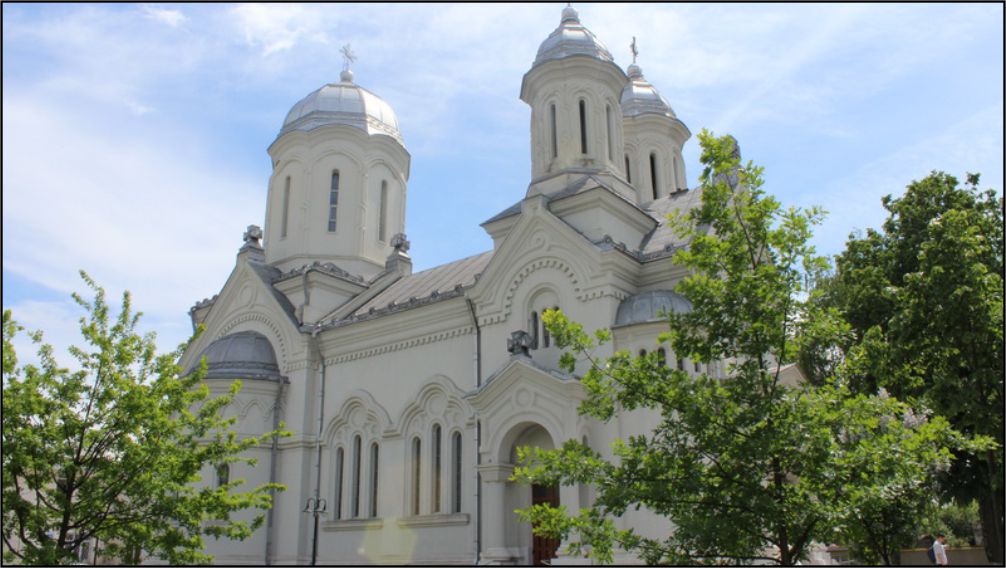
The Neamț region is a blessed place where monasteries have sprung up, each a treasure of monastic life devoted to God. Our pilgrimage can begin at the first church of the Roman Diocese, dedicated to Sfânta Vineri and built by the father of Alexander the Good, Voivode Roman, from whom the settlement, now the city of Roman, is believed to have taken its name. At the time, it housed princely remains and was therefore chosen as the seat of the diocese. Petru Rareș built a new church on the site, dedicated to Sfânta Parascheva, which we admire today as an outstanding architectural achievement, eloquent testimony to the decorative craftsmanship attained by the art and culture of that turbulent era. This is why Roman Episcopal Cathedral, a work of Romanian genius of inestimable value, forms part of the national and world heritage.
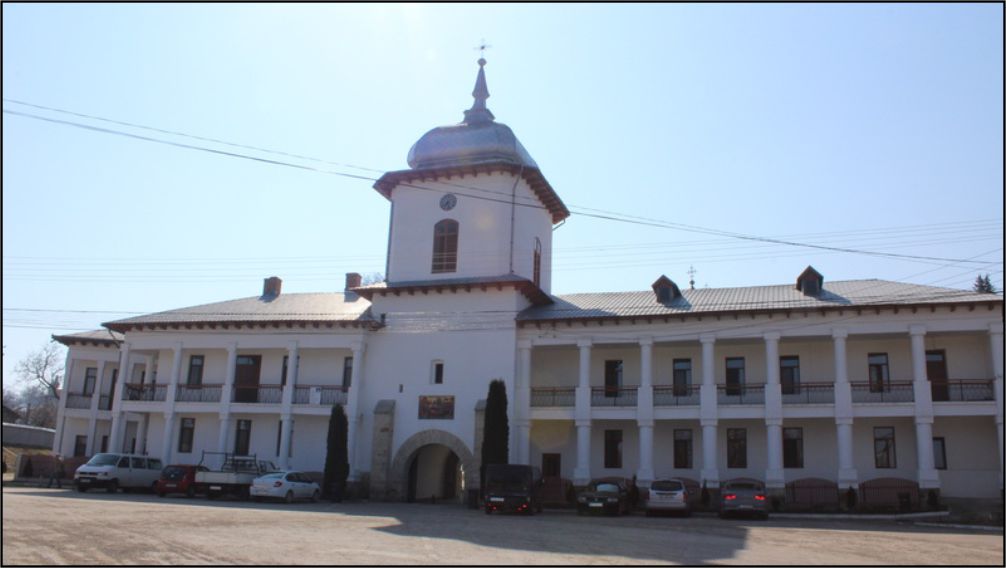
Following our itinerary, we then head towards Neamț Monastery, also known as the Jerusalem of Romanian Orthodoxy, set in the valley of the Nemțișor stream, in a glade filled with a sacred stillness and surrounded by the wooded heights of the Neamț mountains. Monks established it there during the reign of Petru Mușat, who built a stone church that subsequent princes surrounded with stone walls, buildings and monastic cells. The monastery was then strengthened during the reign of Alexander the Good (1400-1432), but it was Stephen the Great who, following the victory at Codrii Cosminului that same year, built the church dedicated to the Ascension of the Lord within the monastery grounds in 1497, a fine example of the architecture and decorative wall art of his time. The monastery museum holds objects of recognised historical and artistic value, including the Icon of the Mother of God, also known as Lidianca, given to Alexander the Good by Emperor Ioan al VIII-lea Paleologul (1425 – 1448), icons painted by Nicolae Grigorescu (1838-1907), an epitaphios from 1437 and various liturgical objects. On arriving at Secu Monastery, built in a corner of paradise during the reign of Petru Rareș, you are struck by the beauty of the setting, with its white buildings and abundant flowers on either side of the paths, and by the beautiful paintings adorning the church built between 1812-1818. The church's patronal feast is celebrated on 29 August, the day of the Beheading of Saint Ioan Botezătorul. The monastery museum preserves a valuable collection of beautiful liturgical objects, crosses, Gospel books, manuscripts and printed works of exceptional historical and artistic value, including a liturgical veil depicting the Entombment of the Saviour, embroidered in gold thread with pearls and precious stones (1608), and Cazania Mitropolitului Varlaam (1643).
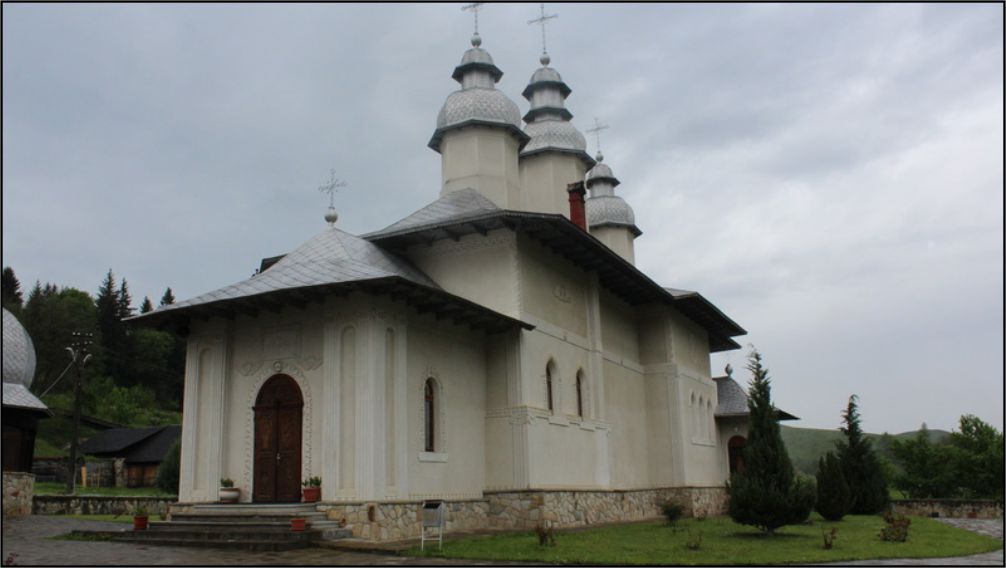
Not far from Secu, deeper in the forest, we discover Sihăstria Monastery, founded in 1655, with a church, monastic cells and everything the monks needed for monastic life. It attracted pilgrims visiting Saint Teodora de la Sihla Cave and, later, those drawn by Father Cleopa Ilie, one of the best-known Romanian spiritual fathers. Hard times followed, with Tatar and Turkish raids and plundering, the burning of the monastery in 1821, the loss of its treasury and the monks taking refuge in other places of worship, before years of restoration and reconstruction began here. The monastery church was built in 1825, dedicated to the Nativity of the Mother of God (8 September). Continuing along our trail, we head towards Petru Vodă Monastery, in Hașca Glade at the foot of the Stânișoarei Mountains, built there by Father Archimandrite Iustin Pârvu in 1991. This place of worship is unique in Romania, known both as a centre for pilgrimage and ecumenical tourism in the Neamț region and as a memorial to the martyrs imprisoned under the communist regime: Archimandrite Iustin Pârvu, Father Atanasie Ștefănescu and the poet Radu Gyr. The monastery's patronal feast is that of the Holy Archangels Mihail and Gavriil (8 November). At Father Iustinian Pârvu's initiative, a care home for older people, a children's home with two classes (1st and 2nd) and a medical clinic providing healthcare were established within the monastery. From here, we can set off towards the final stop on our proposed pilgrimage, Durău Monastery. First established around 1779 as a community of nuns, then a hermitage for monks, the monastery stands in the spa and climatic resort of Durău, at the foot of Ceahlău, regarded as the holy mountain of Romanian Orthodoxy. The present church, dedicated to the Annunciation (25 March), was built between 1830 -1835, and its interior was painted in 1935 by Nicolae Tonitza and his pupils. Since 1996, the Saint Daniil Sihastru Cultural and Pastoral Centre has been housed within the grounds of Durău Monastery.