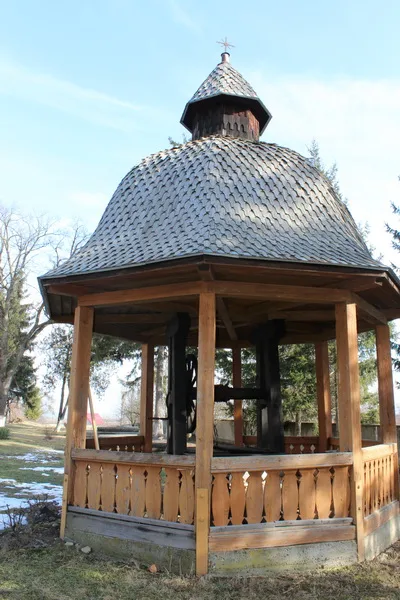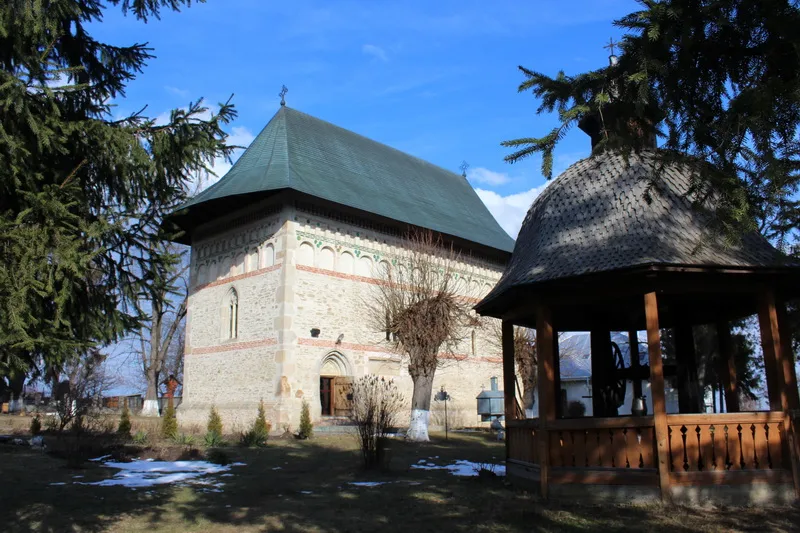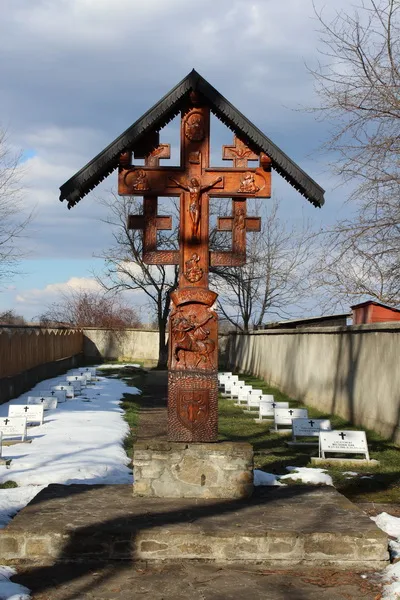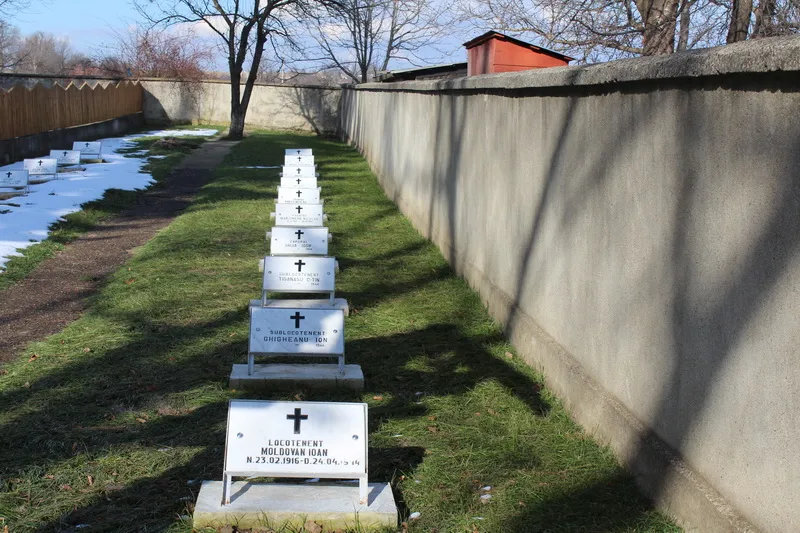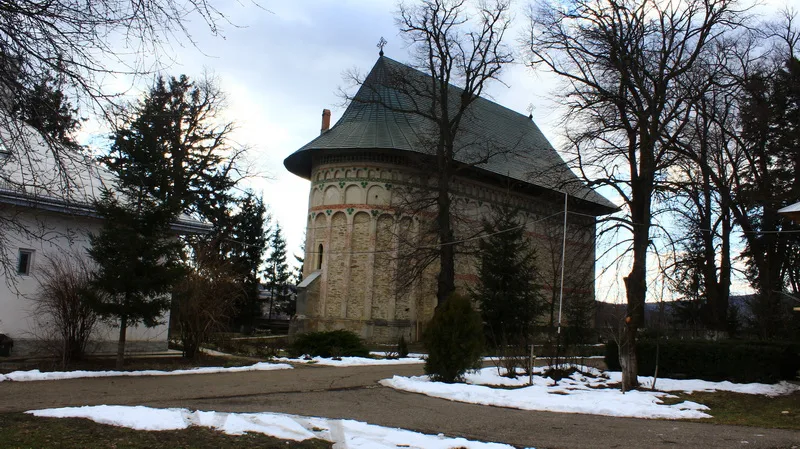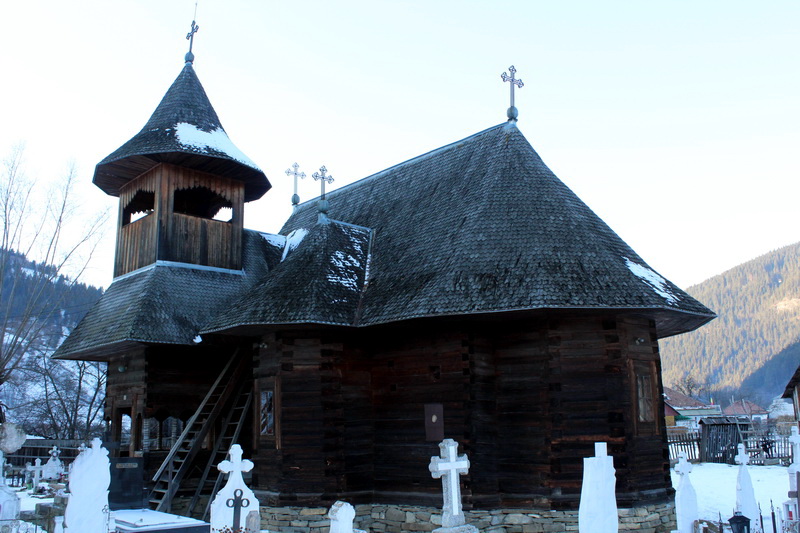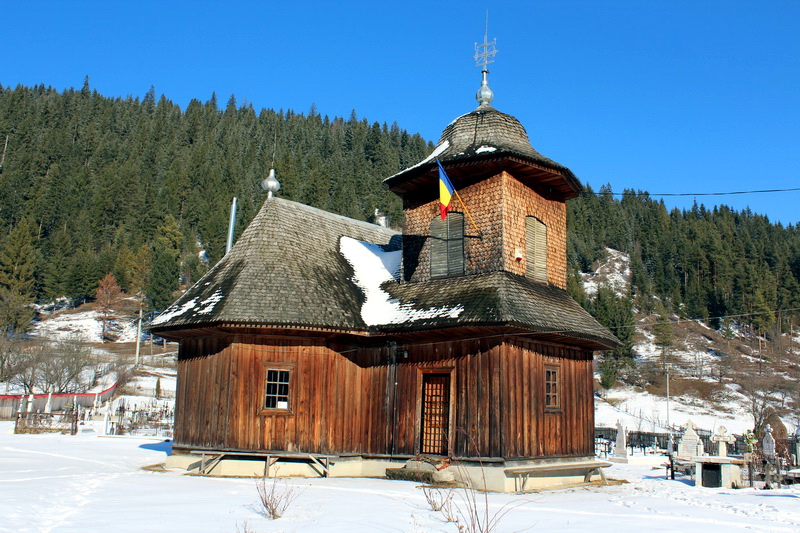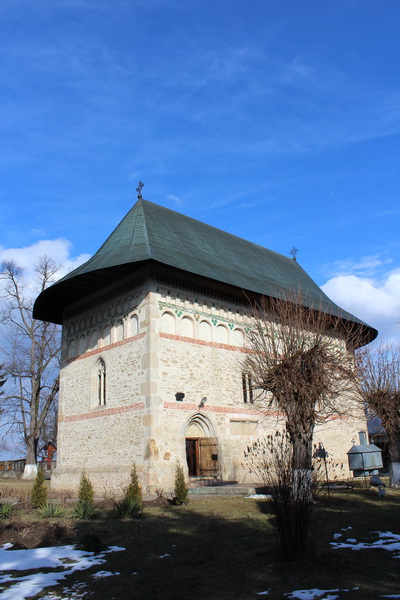
In Războieni commune, 26 km from Piatra Neamț and 35 km from Târgu Neamț (DJ 208 Piatra Neamț -Tupilați- Hanu Ancuței), stands a monastery of nuns whose patronal feast is the Synaxis of the Holy Archangels Mihail and Gavriil, built in 1496 on the orders of Stephen the Great, 20 years after the battle of Valea Albă. Built of stone with thick walls, the monastery is unique among the prince’s foundations: it serves as a mausoleum, sheltering beneath the church’s stone slabs the bones of the 200 soldiers who fell in battle, according to the chronicle of Grigore Ureche. An inscription on one of the porch walls recounts the battle fought in the forest glade at Valea Albă on 26 July 1476, when the army of Stephen the Great was defeated, but Moldavia could not be conquered. The echoes of this great battle inspired Dimitrie Bolintineanu to write the poemMuma lui Ștefan cel Mare.
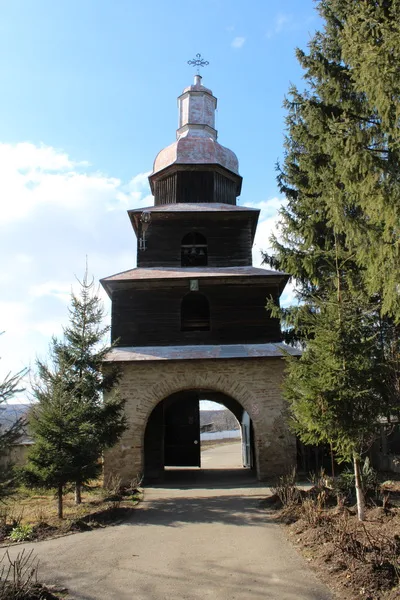
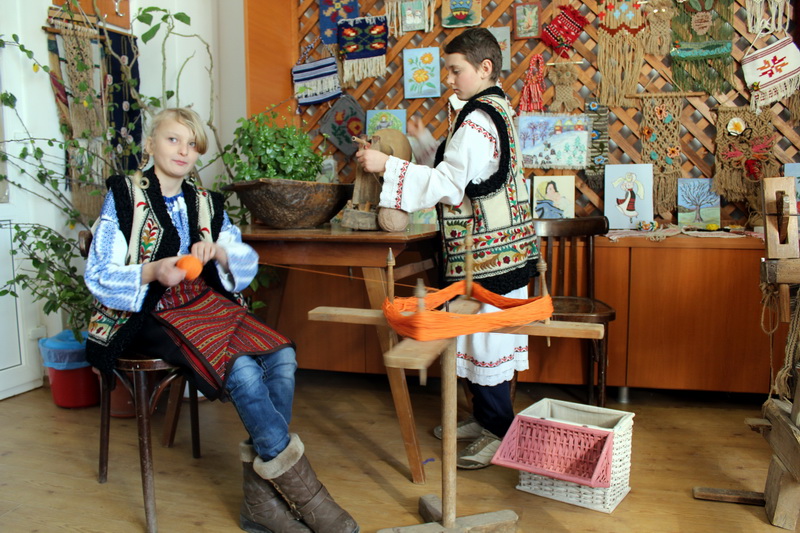
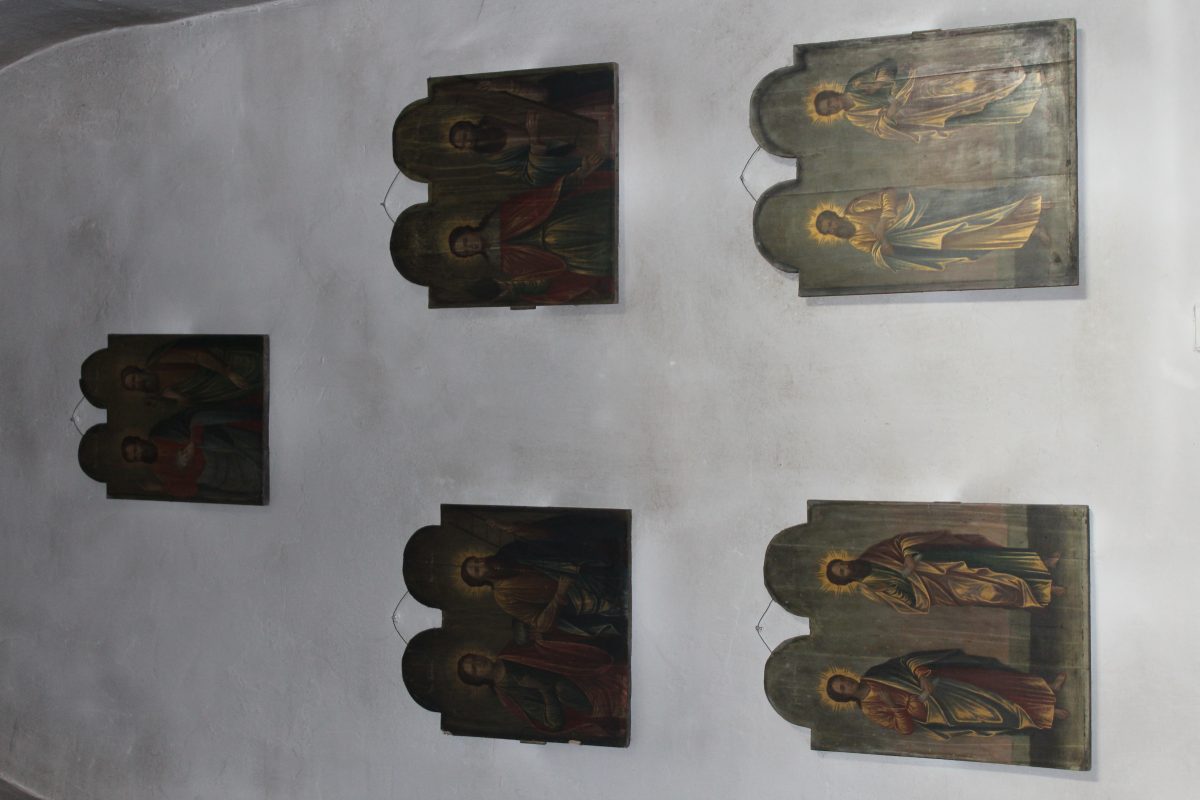
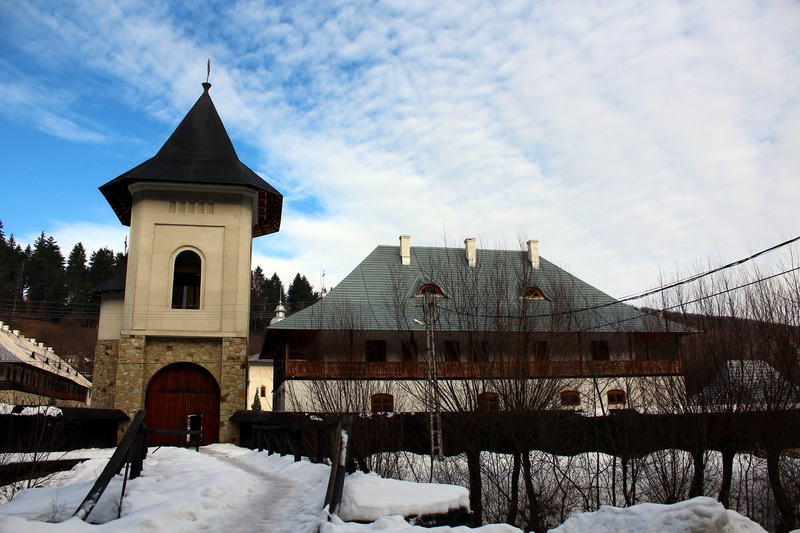
Războieni Monastery was established in 1734 with a community of monks and became a monastery of nuns in 1803. Over time, the church underwent alterations and extensions. The bell tower was built in 1862, while the paintings now decorating the place of worship are relatively recent (19th century). In 1959, the church founded by the voivode became a parish church. Restoration work carried out in 1975-1977 returned the church to its original appearance. The monastery reopened in 1990 for a community of nuns, as it had been between 1803-1959. Around this Orthodox place of worship, the nuns have worked actively to preserve monastic crafts in workshops devoted to sewing, carving, icon lithography, carpet weaving and carpentry.
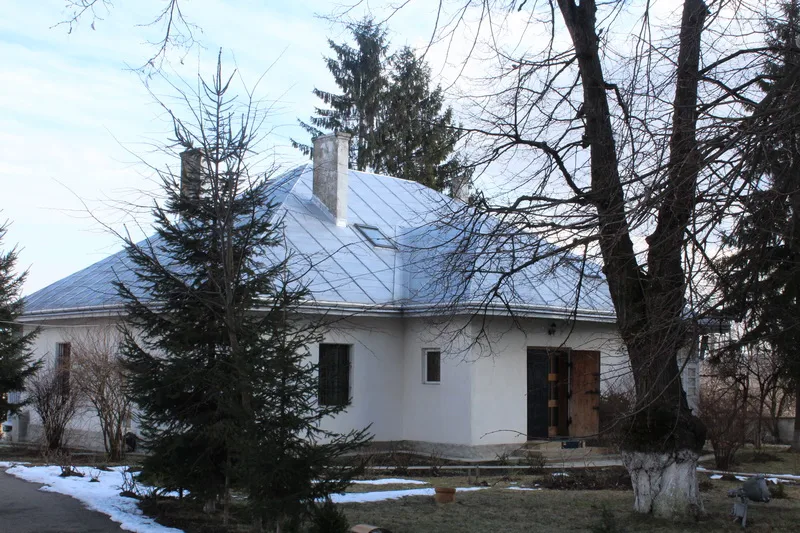
Since 2004, Sfinții Voievozi Church, the Bell Tower, the monastic cells dating from the 19th century and the Abbess’s House, built in the last century, have been listed as historic monuments in Neamț County.
Photo: Marius Chiriac