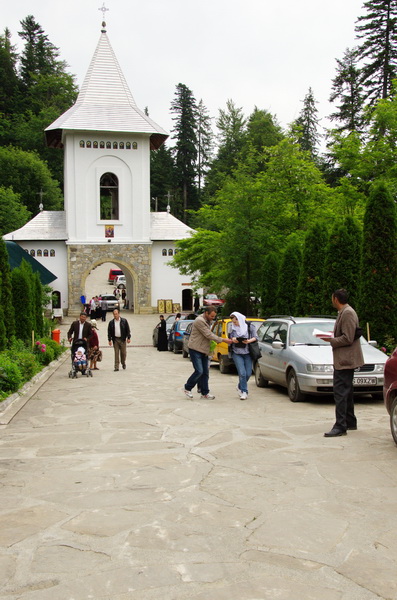
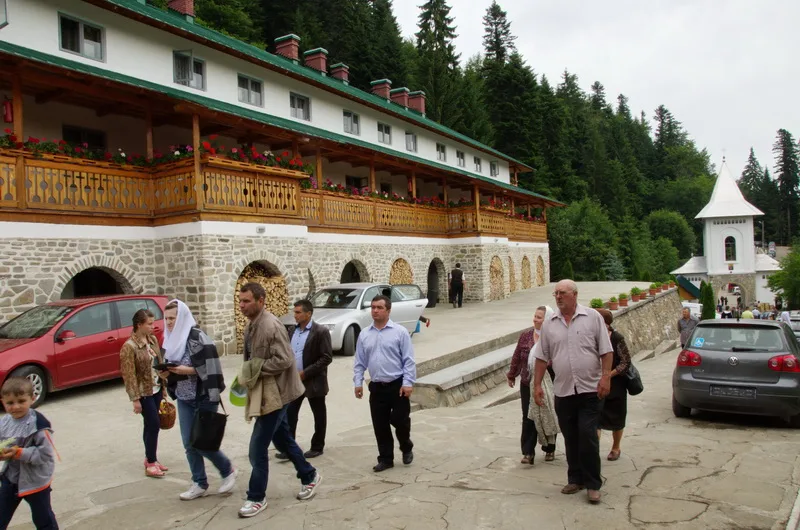
Sihla Monastery is an Orthodox monastery dating from the 17th–19th centuries, although sources trace its beginnings to around the 15th century, as hermits have found a haven of peace and solitude for hundreds of years in these seemingly forgotten places, far from foreign invasions.
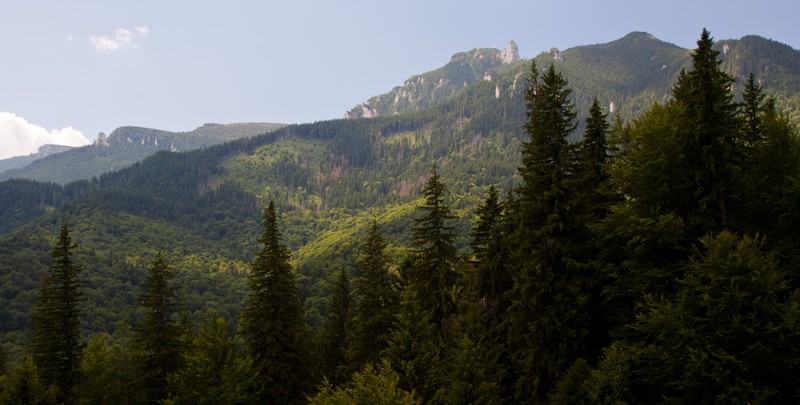
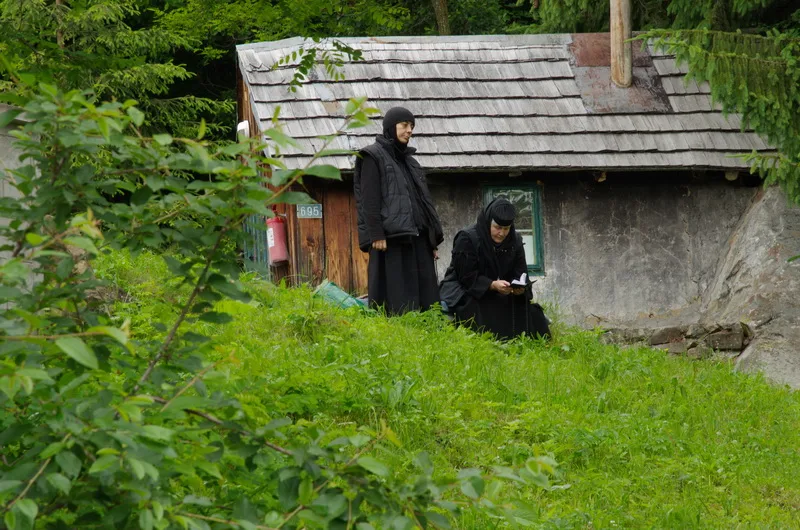
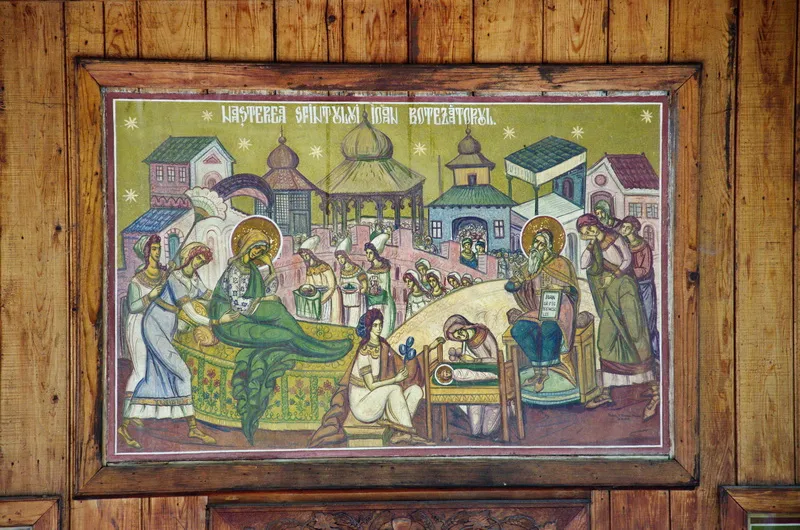
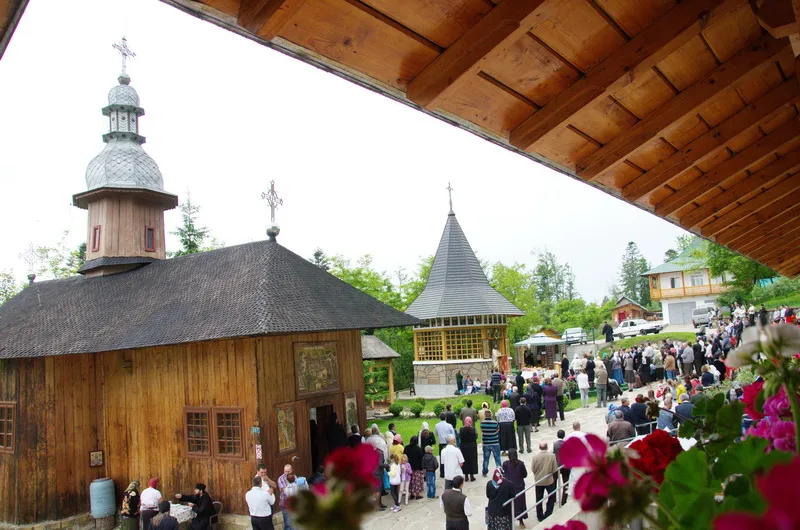
The monastery lies approximately 20 km from Târgu Neamț and 8 km from Sihăstria Monastery, in a rocky area high on Obcina Sihlei at an altitude of 1,000 metres, amid splendid scenery. Its patronal feast has been “The Nativity of Saint John the Baptist” since its beginnings, around 1741, when the first small church was built and monks’ cells appeared around it. Later, two monastic cells and a church built from a single fir tree, dedicated to “The Transfiguration”, took shape on the narrow ledge of a stone block, sheltered by an immense rock. Since then, the monastery has undergone several renovations, continuing to the present day, and has become an important tourist and monastic attraction, particularly as nearby is the cave where the daughter of Joldea Armașu from Neamț Citadel lived (17th century). She would become known in the Orthodox world as Saint Teodora de la Sihla or Saint Teodora din Carpați, commemorated in the Orthodox calendar on 7 August. These are all reasons to visit this region and draw on the peace of its ancient forests and the meaning of its stories, woven into the humility of our hearts.
Sihla can be reached by car along DN 15B, from Târgu Neamț towards Poiana Largului (25 km). At the entrance to the village of Leghin, known locally as Gura Secului, a road branches left towards Secu and Sihăstria Monasteries. Before the gate of Sihăstria, a recently upgraded forest road branches off to the left, reaching Sihla Monastery after 6 kilometres. Another route is somewhat shorter (Târgu Neamț – Agapia Monastery – Sihla). From Târgu Neamț to Agapia Monastery it is 12 km. From Agapia Monastery to Sihla it is another 8 km or so by car along an upgraded forest road, but an unforgettable experience is the 3–5 km walk from Agapia Monastery along the mountain paths towards Sihla, through dreamlike scenery of timeless beauty, stirring, wonderful and wild, delighting the eyes and filling the soul with joy, devotion and love. These places are steeped in Orthodox history, preserving the footsteps of hermits who lived here over the centuries in austere fellowship with the forest and its creatures; some, through their ascetic struggles and sacrifices against human wickedness and corruption, were numbered among the saints.
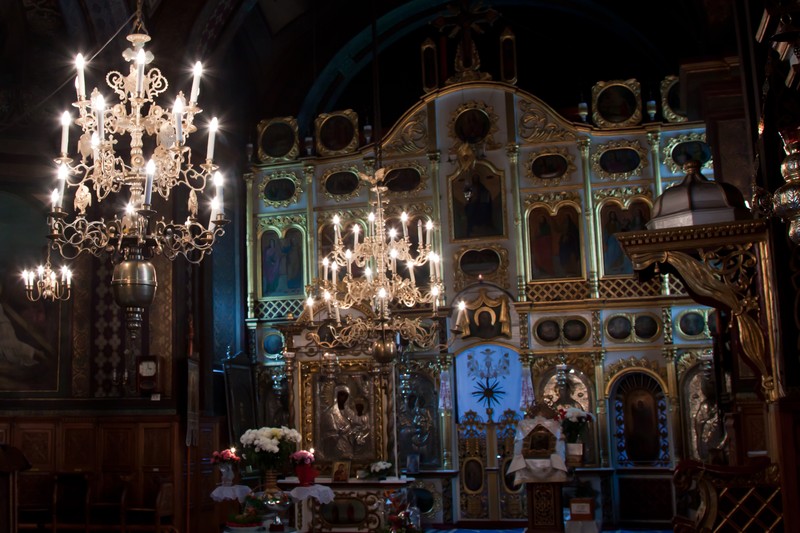
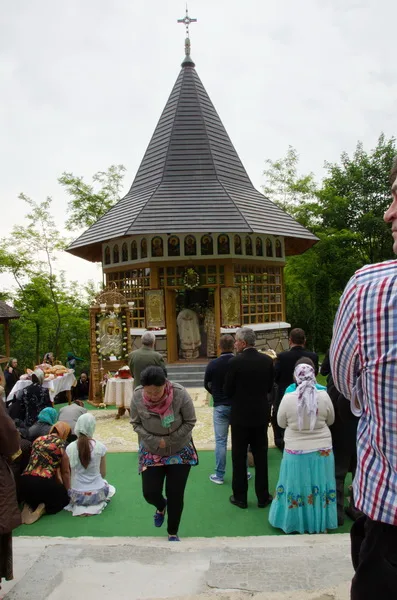
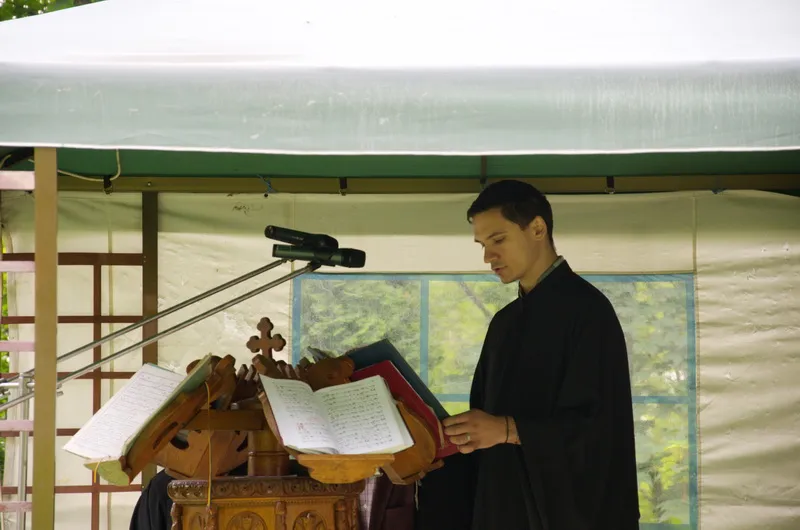
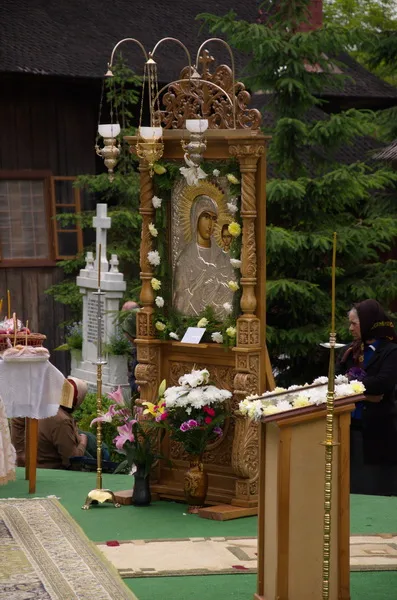
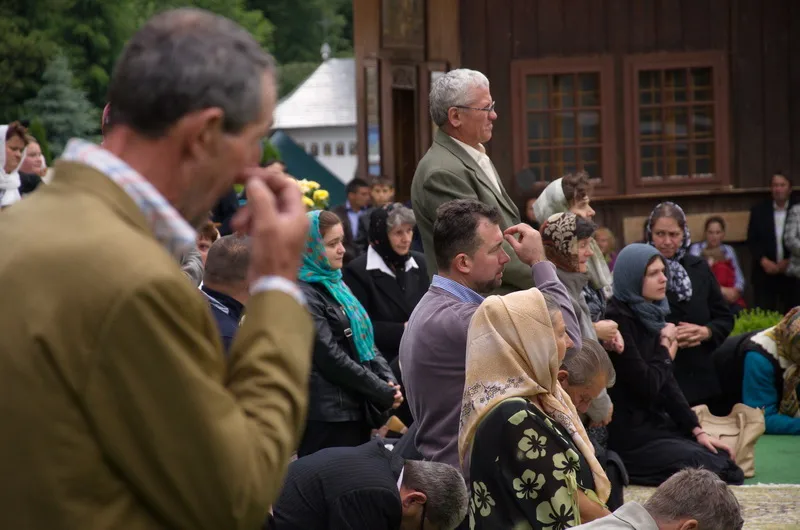
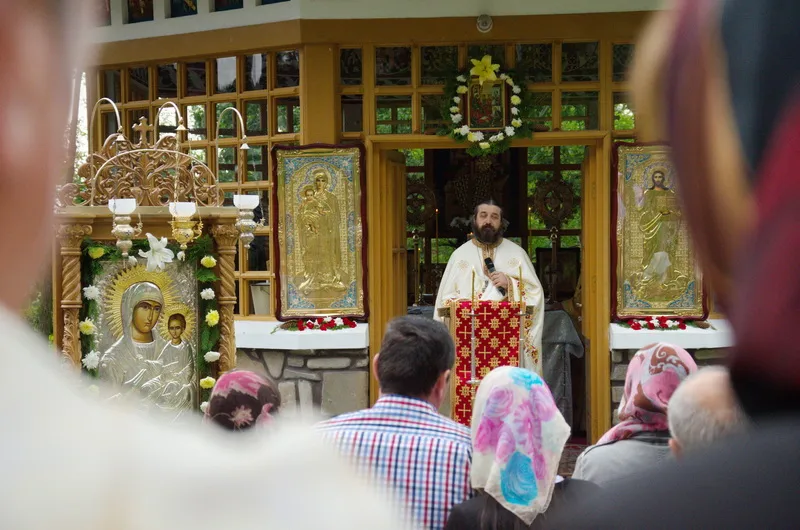
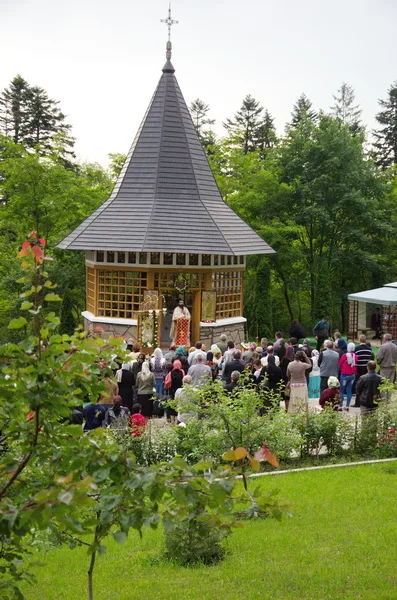
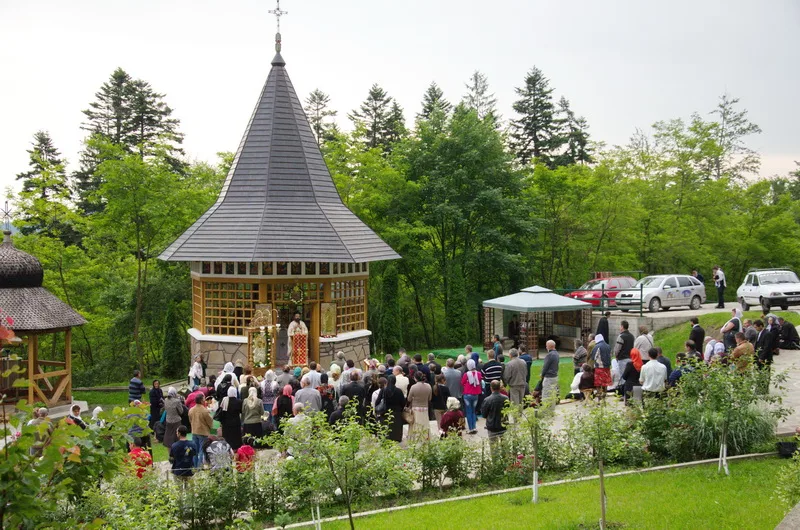
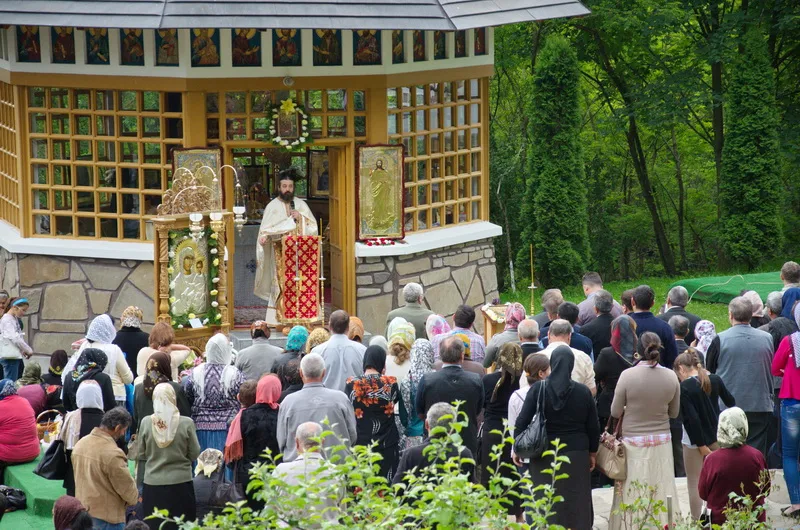
At Sihla Monastery, 24 June marks the first of its three patronal feasts: the celebration of the Nativity of Saint John the Baptist. The next patronal feast is on 6 August, the day of the Transfiguration. The third patronal feast is on 7 August, when the Church commemorates Saint Teodora de la Sihla. Every year, these celebrations draw crowds from settlements across Neamț, as well as pilgrims from all corners of the country. At Sihla, we can venerate a small fragment of the relics of Saint John the Baptist, which have been in the monastery for over 270 years. By tradition, those attending the patronal feast do not leave the holy place without tasting and enjoying the food prepared with love and blessing.
“No joy compares with praying together, and no effort is too small to attain it” – the monastery’s abbot tells us.
Photo: www.mediastarstudio.ro
More from the collection
Open the collection