For locals and visiting tourists alike, we suggest a weekend “stroll” through the city’s old streets to explore the houses that form part of the national heritage and are listed as historic monuments, beginning with the house of the author of “O preumblare prin munți”.
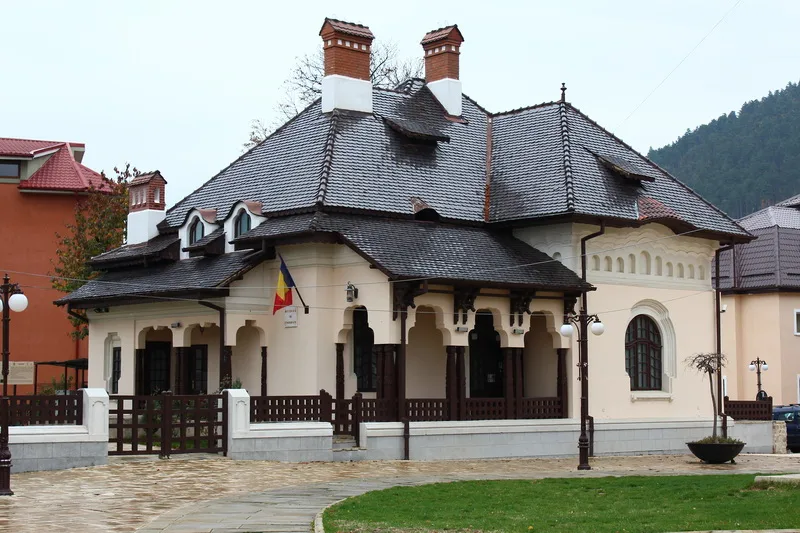
Calistrat Hogaș Memorial House, in the centre of the city of Piatra Neamț, at no.1 Calistrat Hogaș Street, was built in 1885. It was donated to the state in 1967 to become a museum. You will learn more when you visit. The custodian will tell you everything you want to know. Opening hours are daily from 9 -17 from October to March and 10 -18 from April to September. It is closed on Mondays.
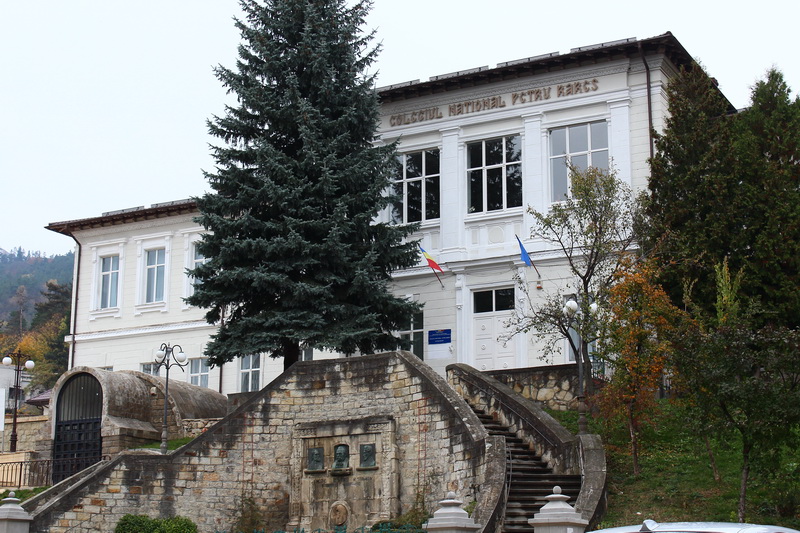
We now make our way towards Teatrul Tineretului in Stephen the Great Square, which was built between 1929-1947. We walk through the park towards the Petru Rareș National College building on Ștefan cel Mare Street, built between 1890 – 1892, pausing to mention another historic monument beneath the building: the ruins of the princely cellar.
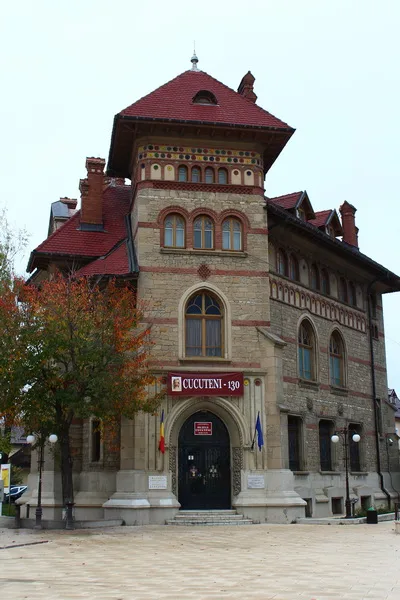
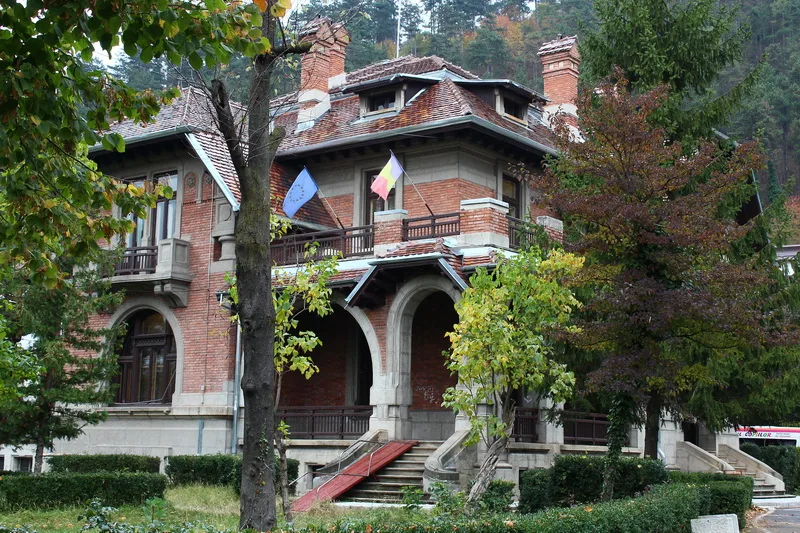
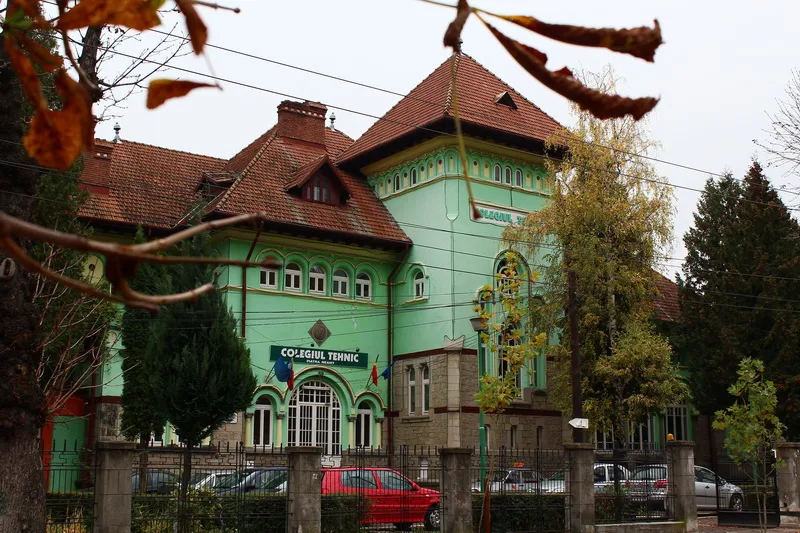
We walk up Ștefan cel Mare Street, passing the Town Hall. Across the road are the Cucuteni Eneolithic Art Museum building (1935), the Art Museum (1931) and the house that accommodates the Ethnography Museum (1931). About 100 metres from the Town Hall, the house with amphorae dates from the XIX century. Across the road stands an old building that belonged to the Cantacuzino family, who owned the Șerbești estate. In 1863, Princess Elena Alexandru Cantacuzino donated the building to the town, and the first hospital in Piatra Neamț was established here. The property now belongs to Fundația pentru Îngrijiri Comunitare. Neculai Albu House, opposite the zoological park, was built around the middle of the XIX century. Set perpendicular to the street, it originally belonged to C.Semaca. Lallu House, now Palatul Copiilor, was built in 1914. Elena Cuza House, at no.55, where the wife of Prince Alexandru Ioan Cuza lived, was built in the XIX century. The Technical College building was built in 1927, while Menzilului Poștei House, mentioned in 1817 as a posting station, is probably “Hanul de la Valea Viei”, where horses were changed and travellers rested before continuing their journey.
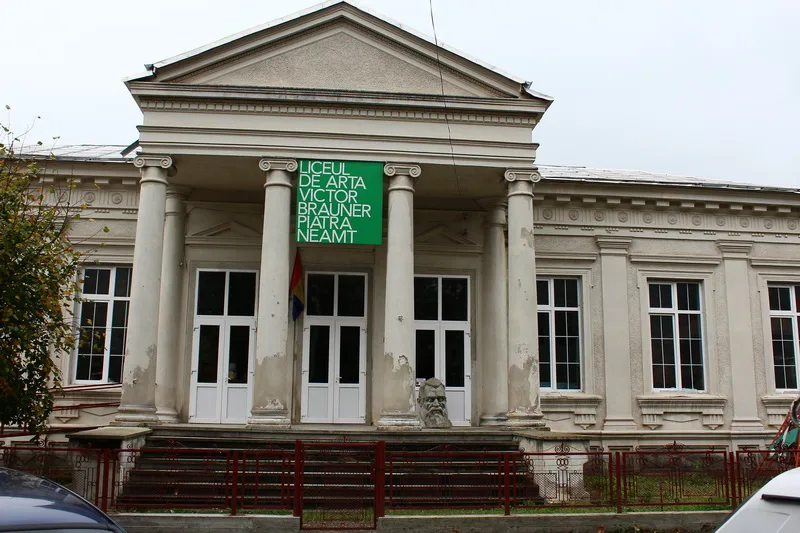
We turn back and head downhill to Alexandru cel Bun Street and Emanuel Albu House (1872 – 1873). The house was rented for the secondary school established at Piatra Neamț (1869 -1874), with its first class of 30 pupils opening on 27 November 1869, taught by Ion Negre in the sciences and Calistrat Hogaș in literature. The building that now houses Victor Brauner Art High School was built in 1862. Ivașcu House (1900), across the road, displays the characteristic features of the previous century's urban architecture.
More from the collection
Open the collection