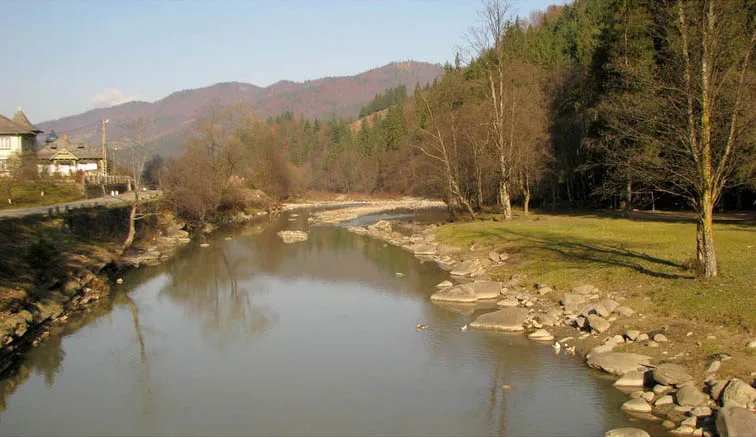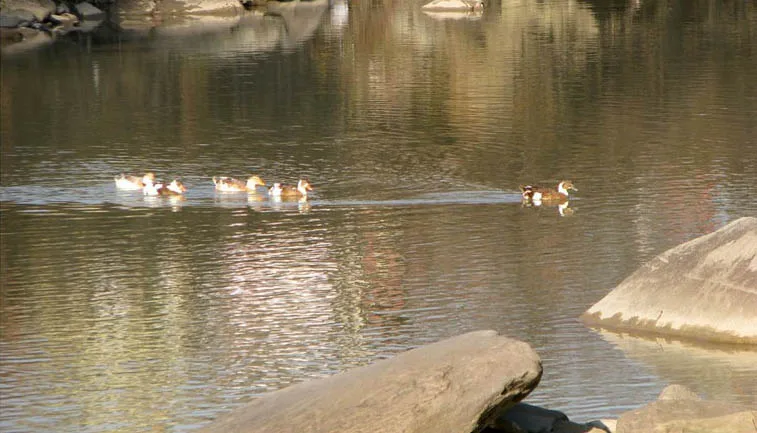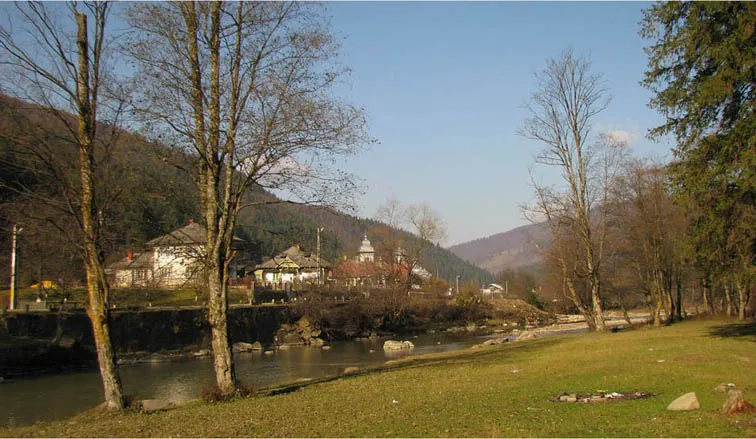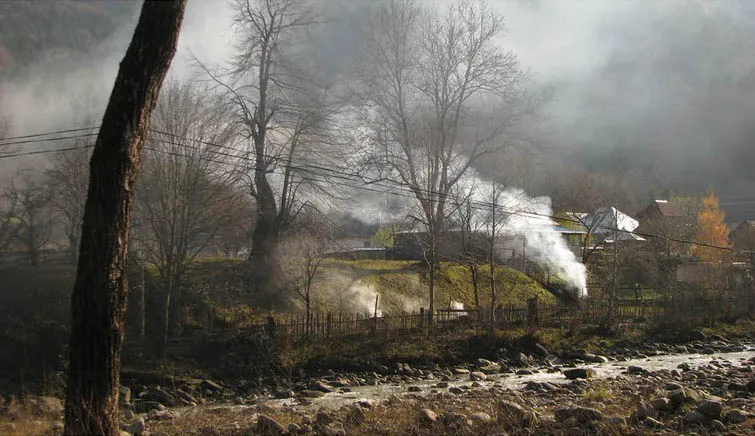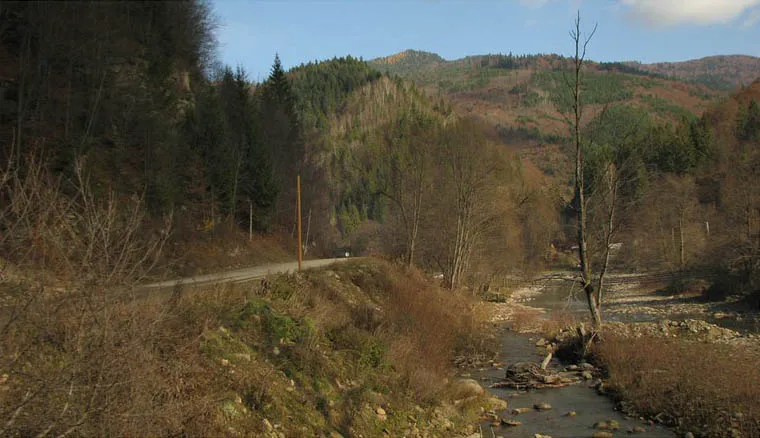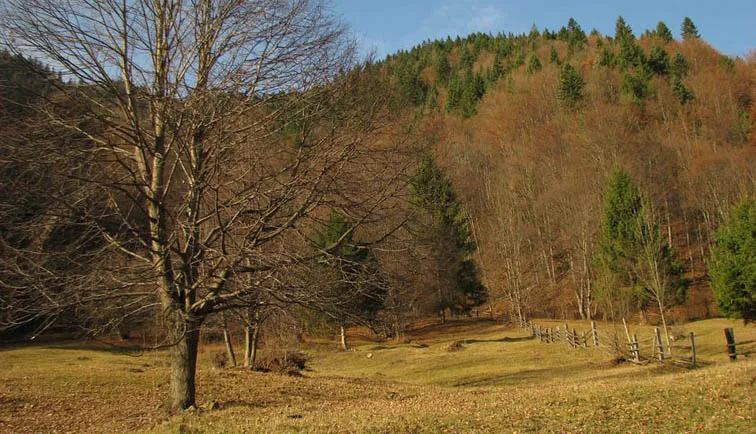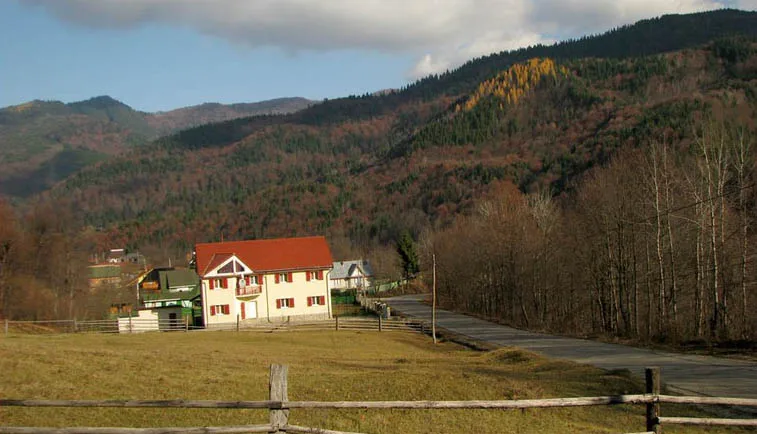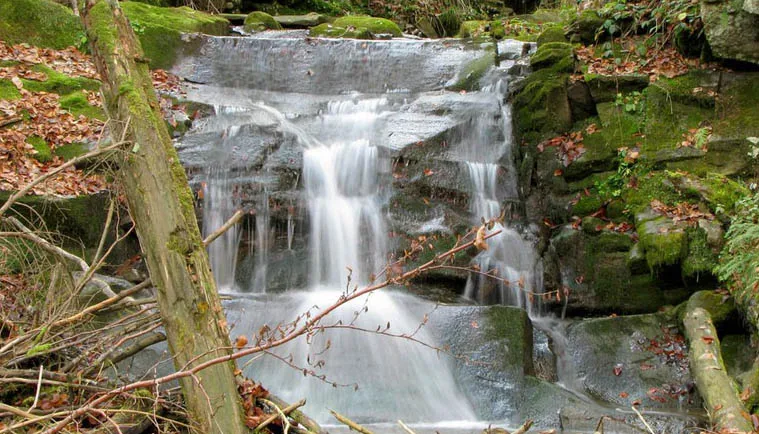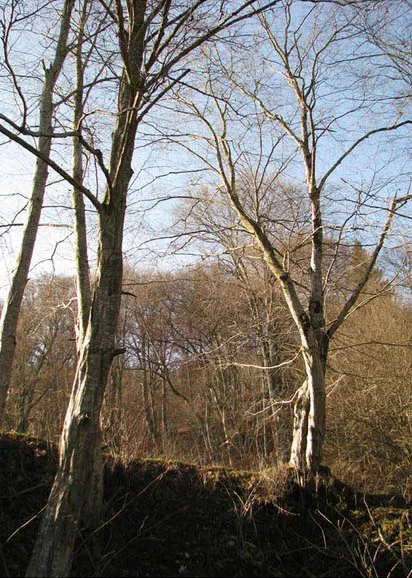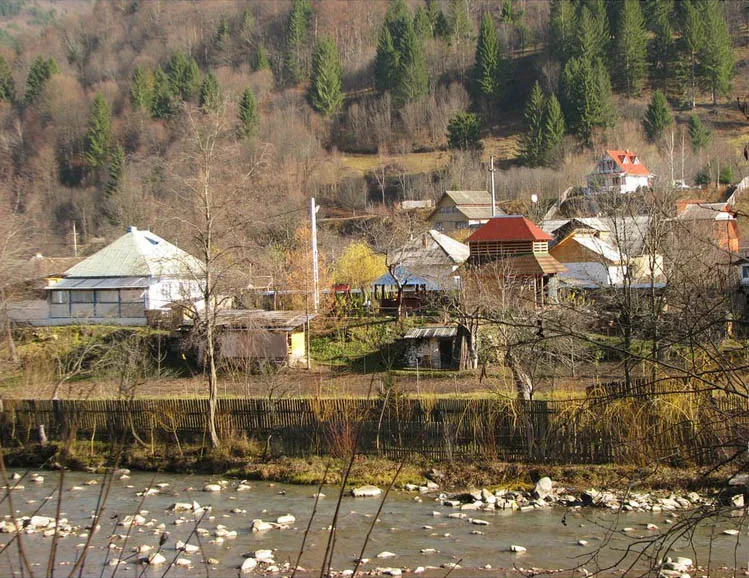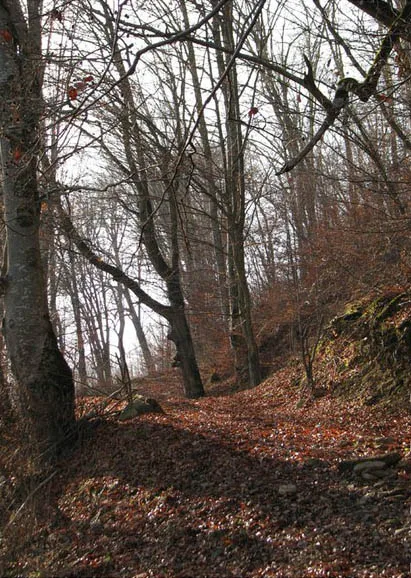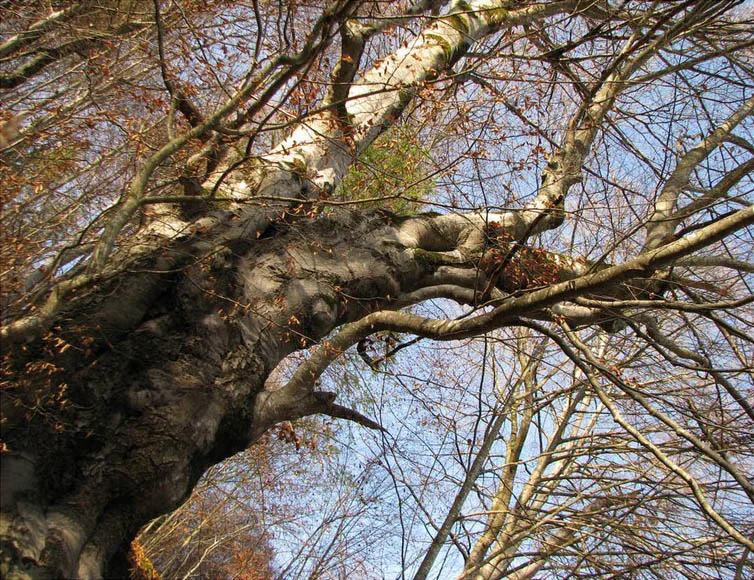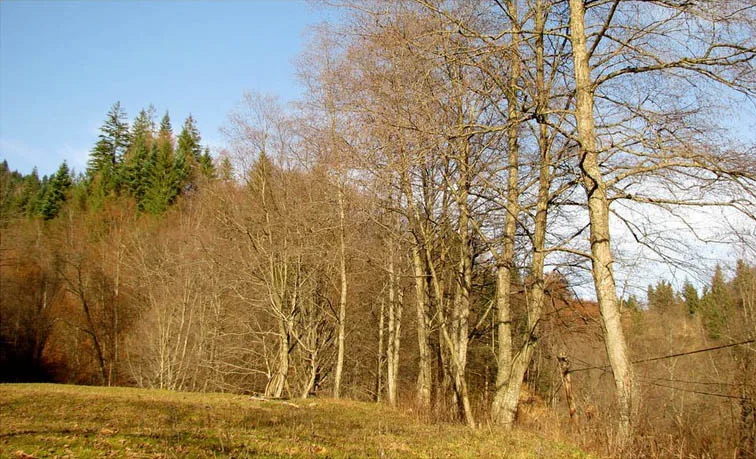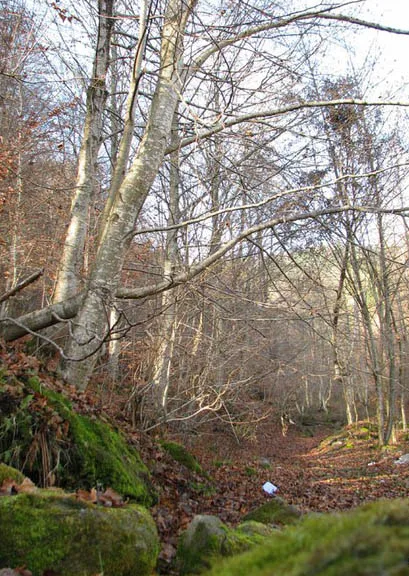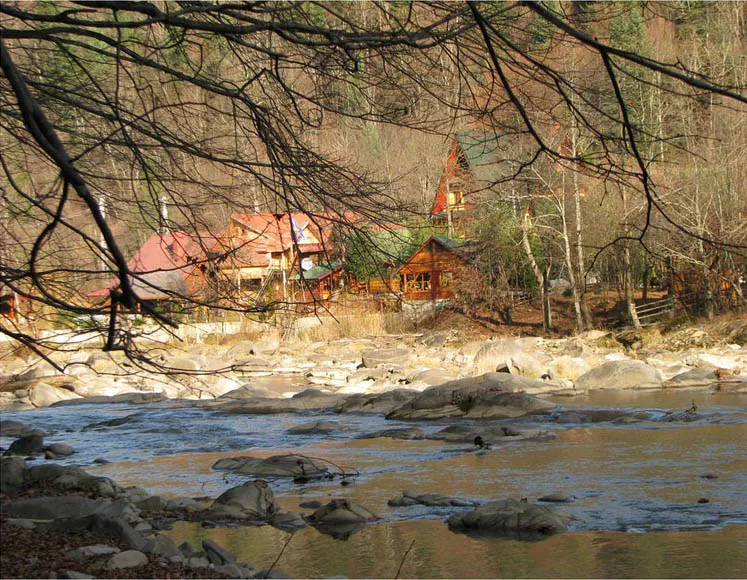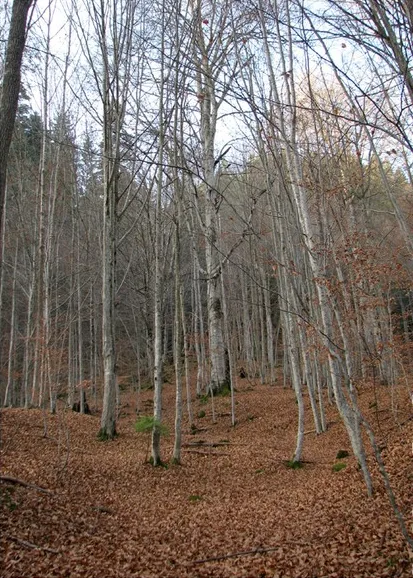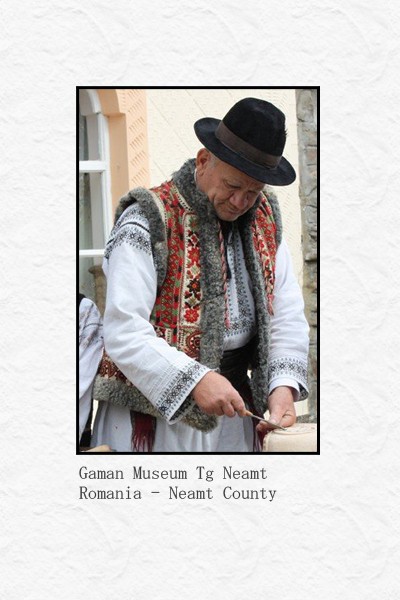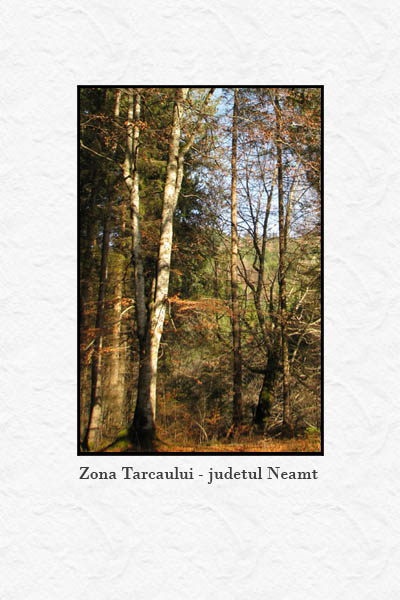
Overview:The Tarcaului Mountains are less well known and less frequently visited by tourists precisely because they lie between the Ceahlău Massif, dubbed “the Olympus of Moldavia”, and the impressive Bicaz Gorge. Seemingly overshadowed by the fame of these two great natural monuments, these places are more often discovered through the works of great Romanian writers, who have captured their charm and beauty for posterity. Only by exploring the trails far and wide, following the valleys and high ridges, can you admire their grandeur, the forest’s mysterious, cool shade and the sparkle of swift, cold mountain streams. In this way, you can discover the customs and understand the people of these places, see the enchanting landscapes they enjoy throughout their lives, breathe the same crisp mountain air with them and experience a little of what life in the mountains means.
Location:The Tarcău Mountains belong to the central group of the Eastern Carpathians and extend across two counties, in the south-west of Neamț County and the north-west of Bacau County, with a length of 65 km, an average width of 40 km and an area of approximately 1,810 km. They are bounded to the north by the Bicazului Valley, to the west by the Damucului Valley and Valea Rece, to the south by the Trotusului Valley and to the east by the Bistrița and Tazlău depressions. The Tarcău Mountains consist of Cretaceous and Palaeogene rocks, and all five thrust nappes known in the flysch of the Eastern Carpathians occur in this mountain region.
Access:Access points in Neamț County: the settlement of Piatra Neamț, Tarcău railway station, Viisoara commune, Pângărați commune, Tarcău commune, the town of Bicaz, Tasca commune, Bicazu Ardelean, Bicaz-Chei commune, Dămuc commune, Roznov commune, Borlești commune, Tazlău commune.
Climate:The Tarcău Mountains fall within the climatic zone of medium-altitude mountains and have a more pronounced continental climate, with harsher winters and short, colder springs. The most favourable weather for tourism is in summer, in August and September, when days are clear, temperatures high and rainfall low, and in winter, in December and January, when abundant snow provides ideal conditions for winter sports.
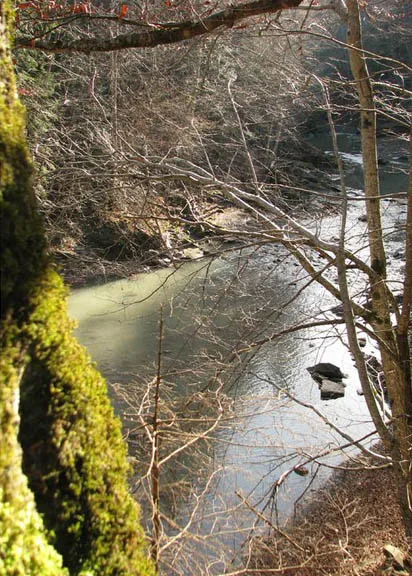
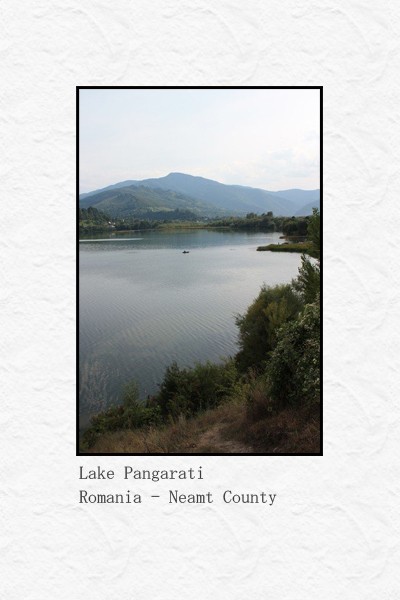
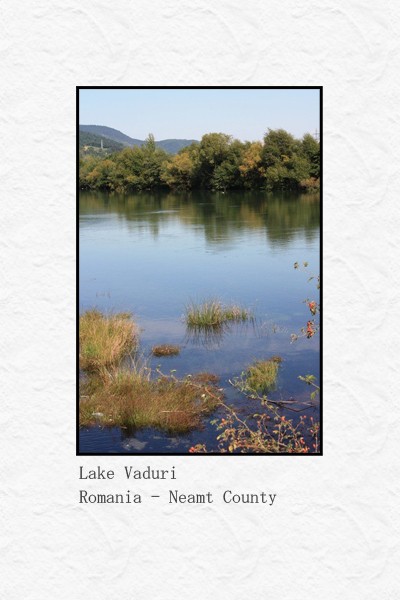
Rivers:In this area, surface watercourses account for 70-80% of the water and groundwater for 20-30%. The most important rivers flowing through the Tarcaului Mountains are: Bistrița, Bicaz, Tarcău, Trotus and Asaul.