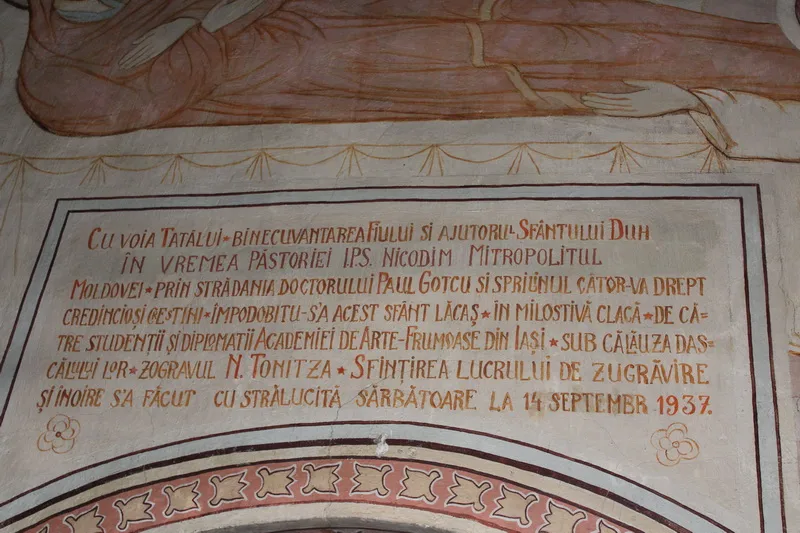
Nicolae Tonitza, of whom Tudor Arghezi wrote, “Tonitza is an active, complex, concentrated word; great in every aspect…. His gentle brush speaks, thinks and sings…”, was born in Bârlad on 13 April 1886. He studied painting at the Academy of Fine Arts in Iași, then attended the Royal Bavarian Academy of Fine Arts in Berlin, before continuing his studies in Paris.
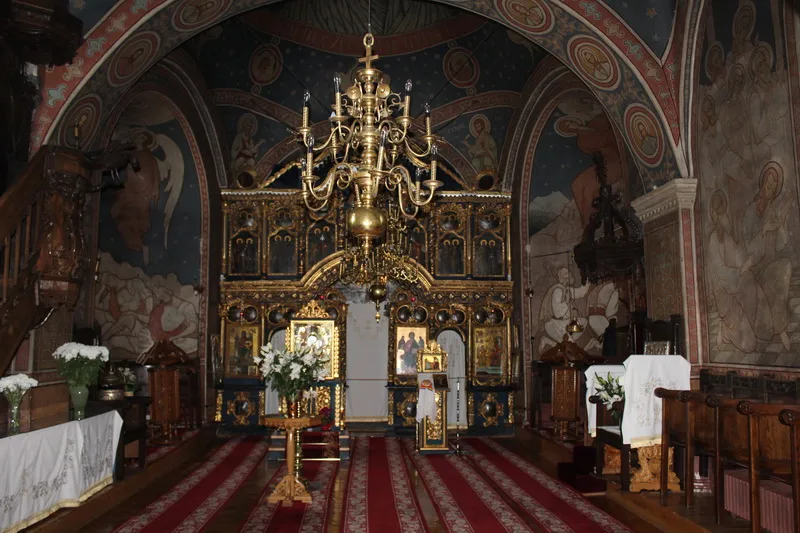
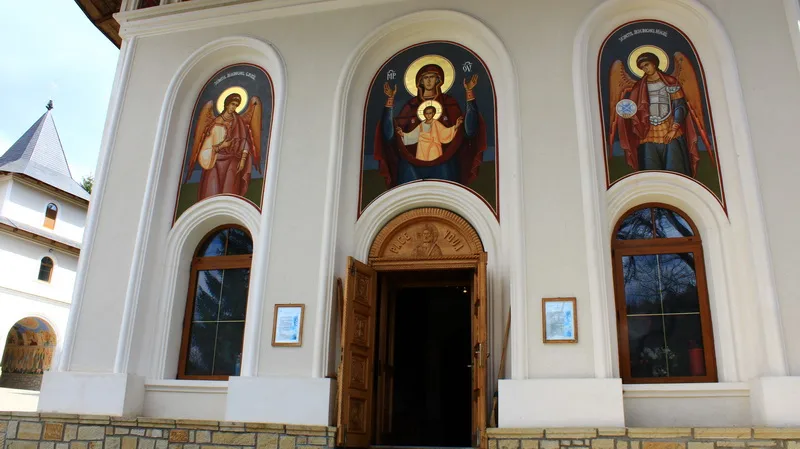
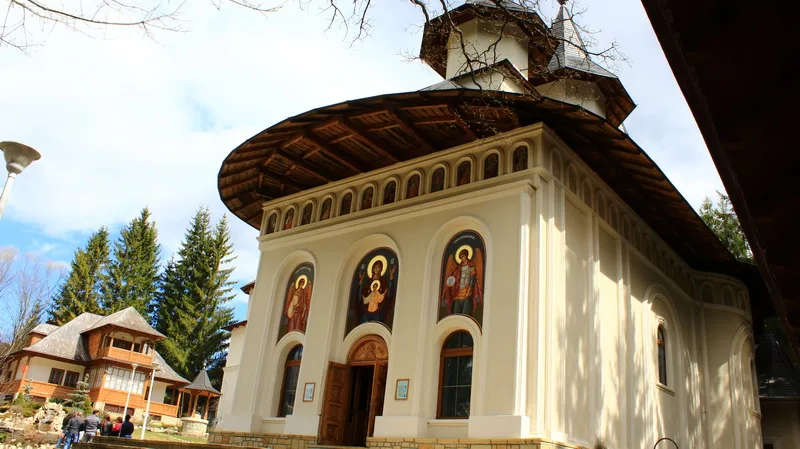
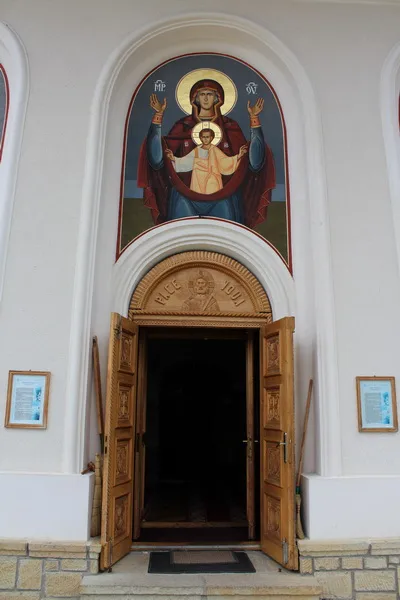
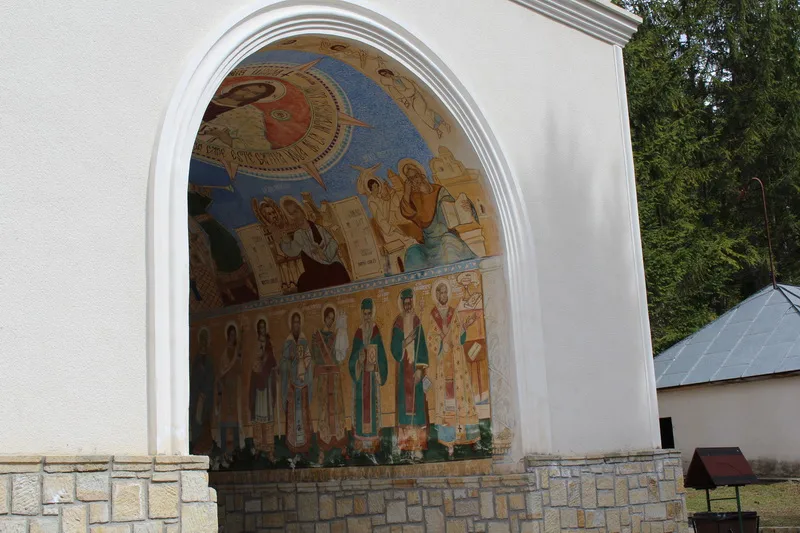
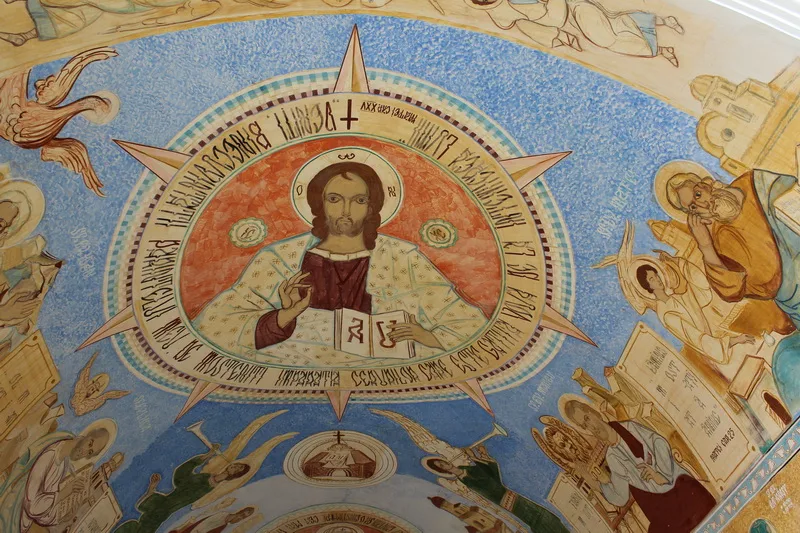
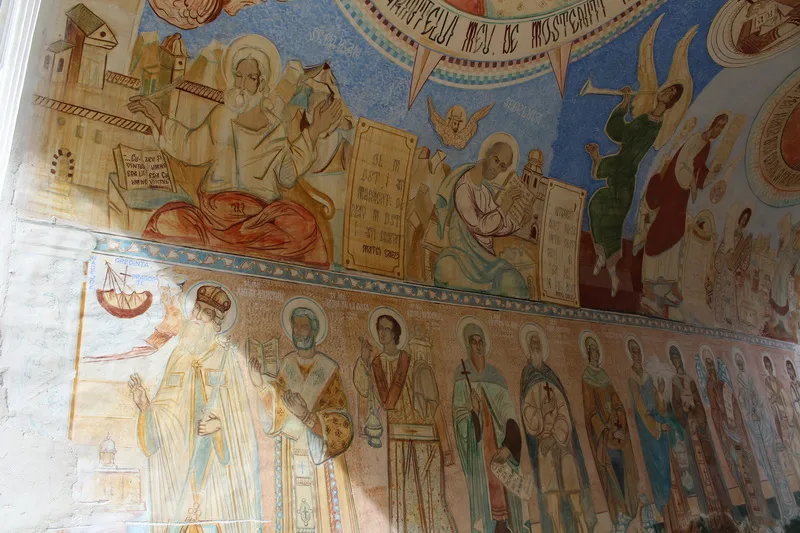
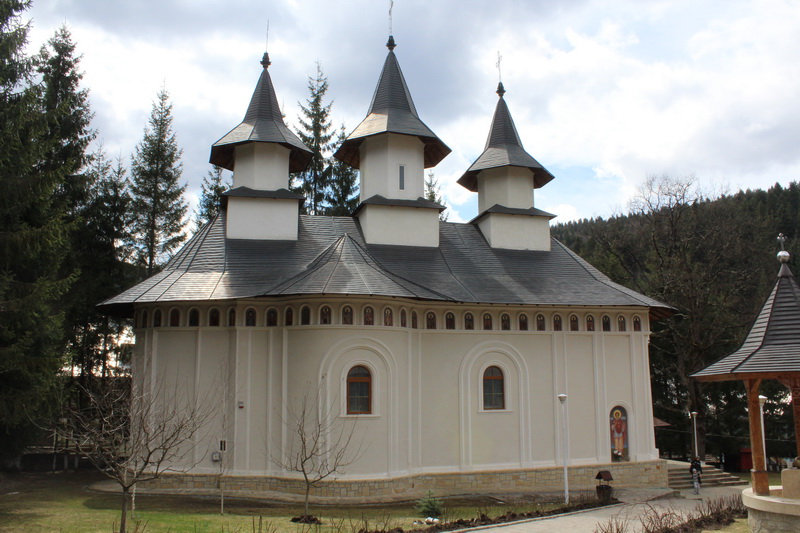
Few people know that Tonitza, the best-selling Romanian painter of the past 10 years (almost a million euros), also painted churches. In our county, evidence of his talent and mastery can be found at Durău Monastery.
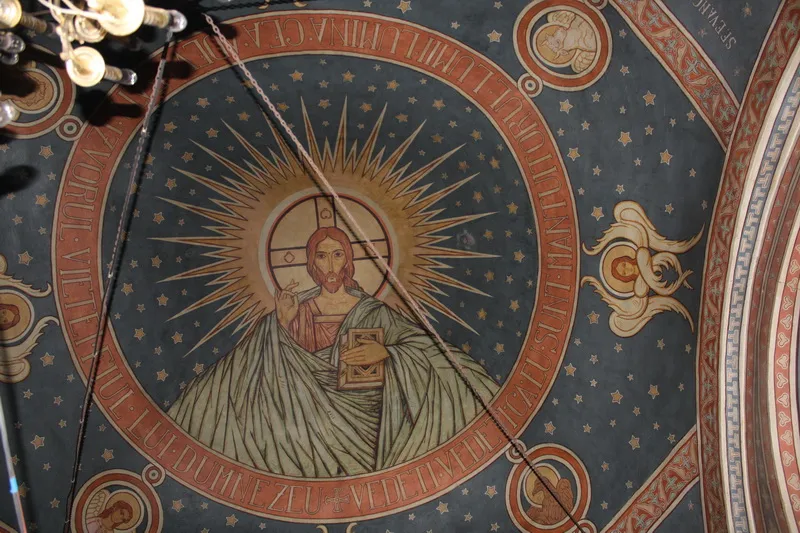
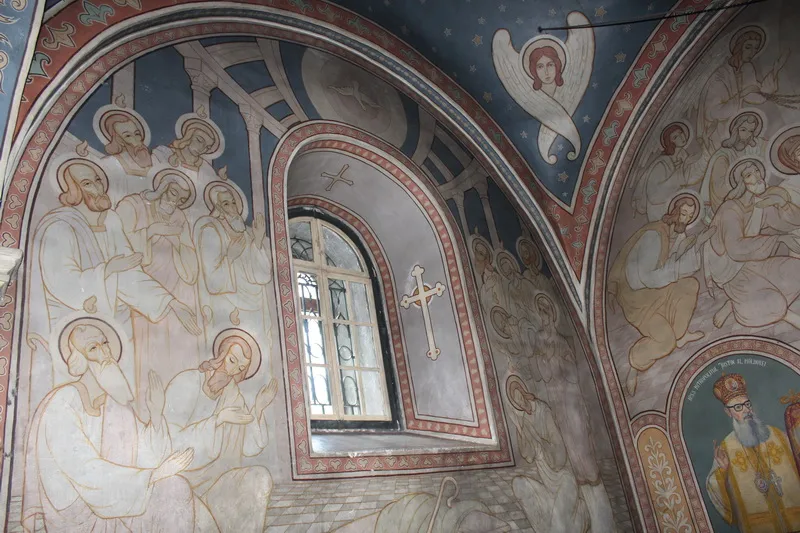
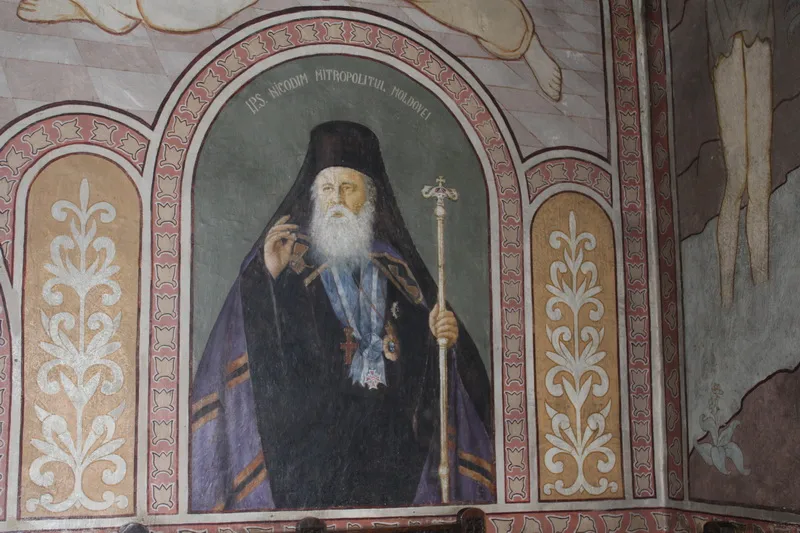
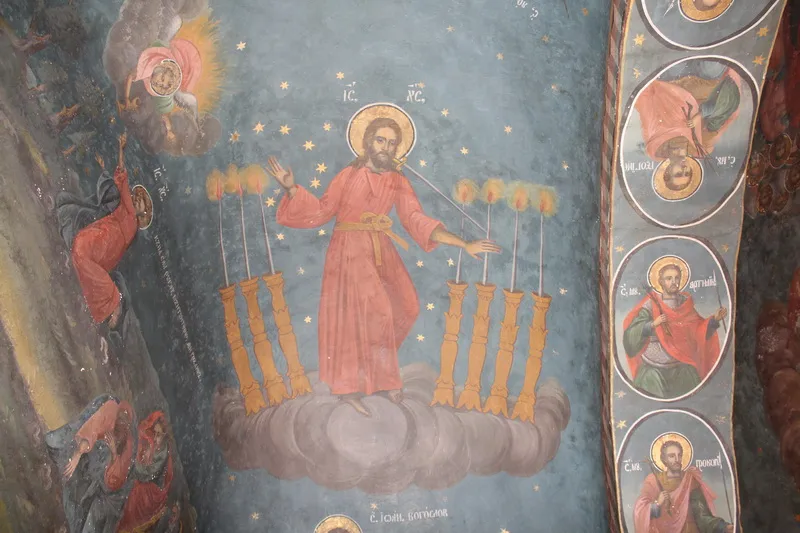
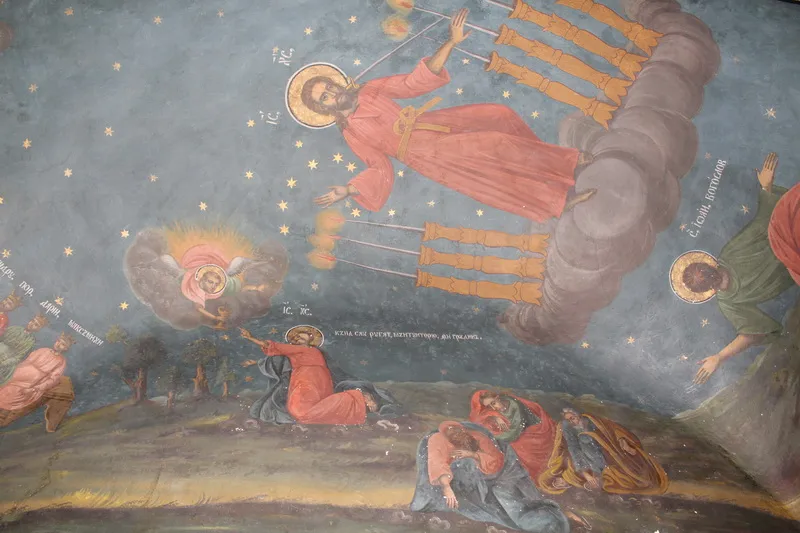
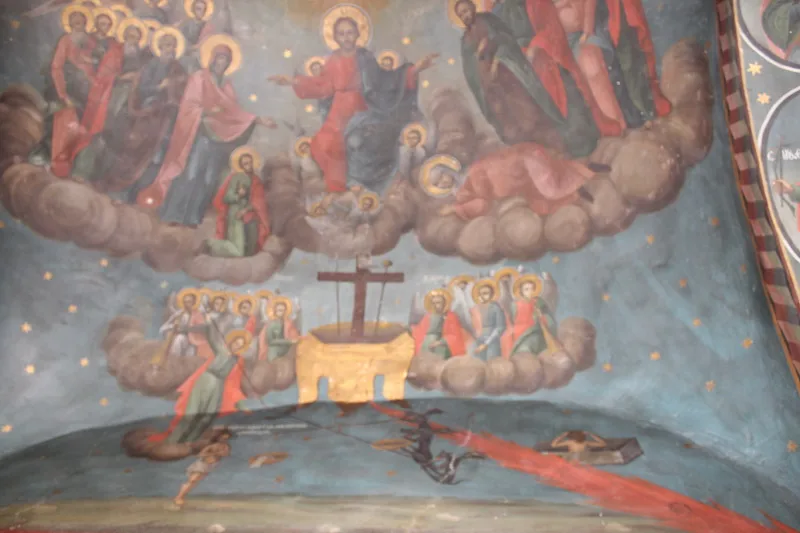
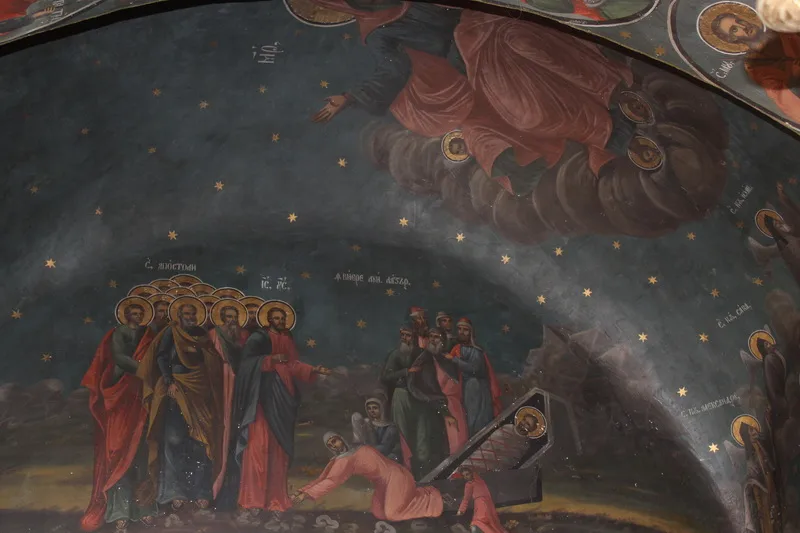
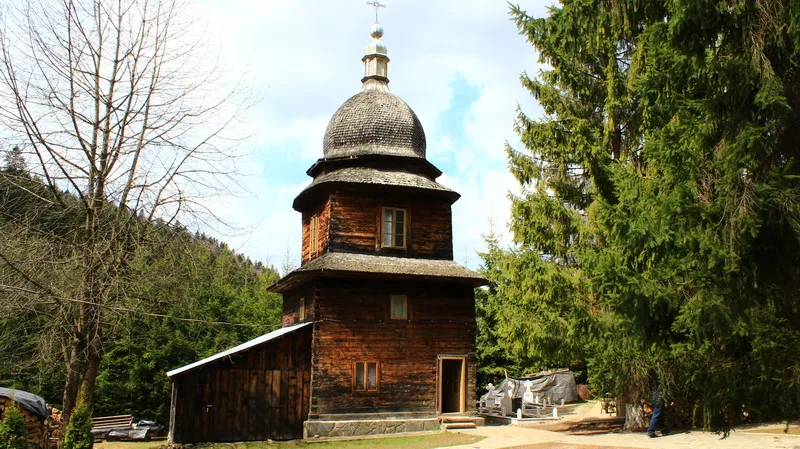
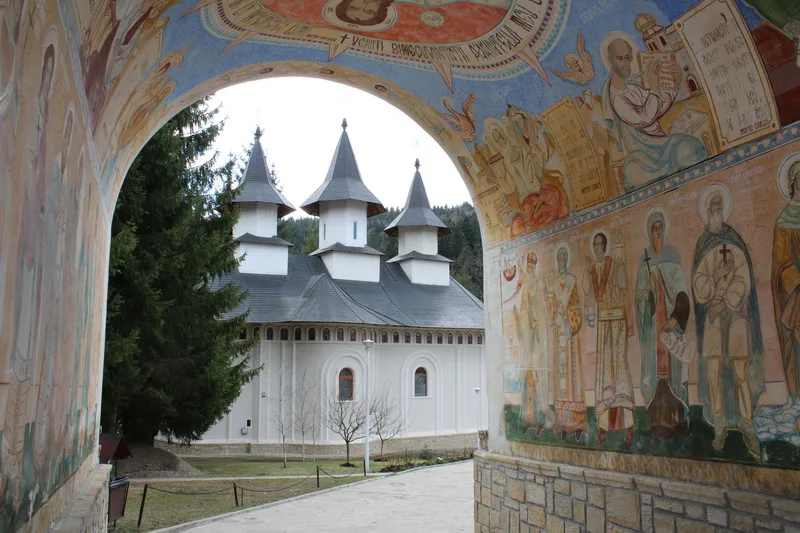
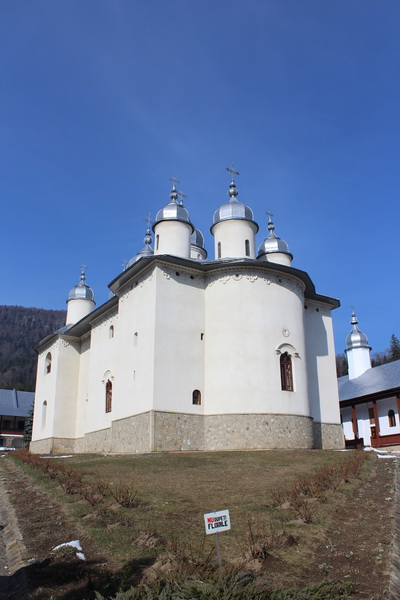
The monastery was founded in 1779 as a community of nuns. The present church was built in 1835 and consecrated with the Annunciation as its patronal feast, when the monastic community consisted of monks. It was painted in 1935 using wax by several graduates of the Academy of Fine Arts in Iași, together with a few students who responded to the master's invitation, among them Corneliu Baba (1906-1997).
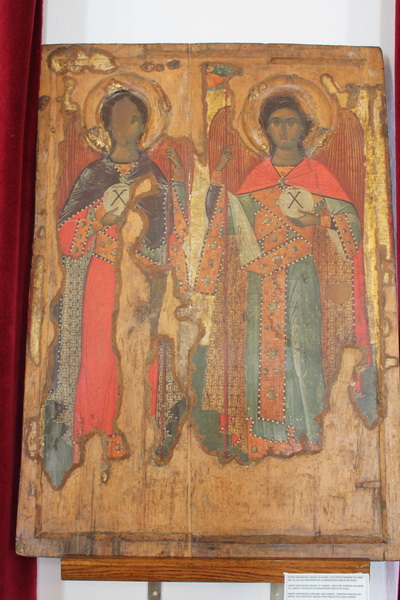
The paintings we admire today humanise the figures, giving them features characteristic of Romanian peasants. In the depiction of Nașterea Mântuitorului, we notice a telling detail: the eyes of the infant Iisus, which we see throughout Tonitza's paintings, large, round and expressive, gazing innocently with endless sadness. Then, at the foot of Ceahlău, the Romanians' Athos, beneath a star-filled sky, shepherds dressed in sheepskin coats and leather peasant shoes, with gentle features, are painted alongside their sheep in a storybook pastoral setting, bowing before the Virgin as she holds Iisus in her arms. Although years have passed since these paintings were created, their colours remain strikingly fresh, preserved as if by a miracle. This is why those who come here and admire their beauty are convinced that the paintings and icons in the church's narthex, nave and sanctuary possess divine power!
Photo: Marius Chiriac