“G. T. Kirileanu” Library Piatra Neamț – “Maluri de Prut – Basarabia Necunoscută” (II)
“Maluri de Prut – Basarabia Necunoscută”,
the second discussion and dialogue
Tracing the deportees from Basarabia, at the County Library
The second discussion and dialogue in the “Maluri de Prut – Basarabia Necunoscută” project, organised in partnership with Radio România Chișinău, will take place at G.T. Kirileanu County Library Neamț on Wednesday, 1 November, starting at 12.30, in the “Victor Brauner” Expo-Club Room.
This second gathering focuses on the communist regime’s deportations from the left bank of the Prut and northern Bucovina.
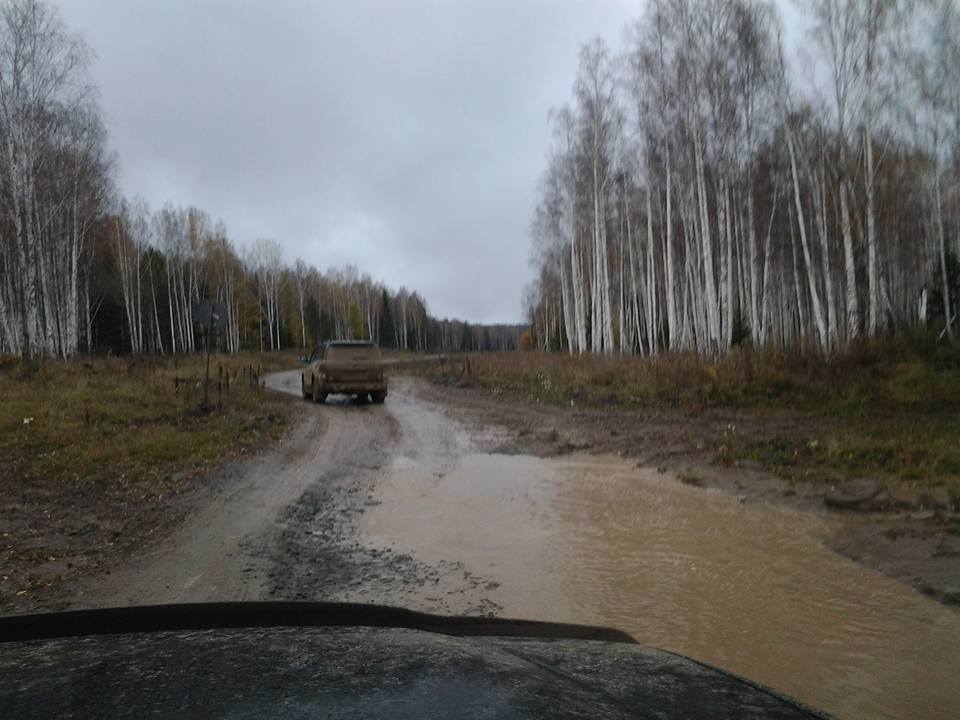
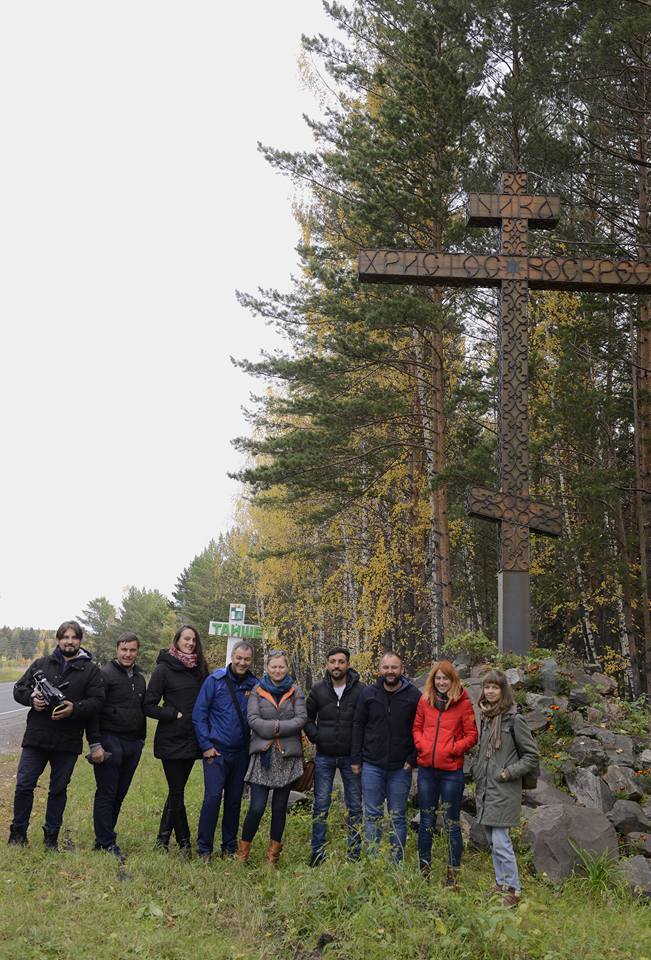
Having recently returned from their fourth expedition tracing the stories of Bessarabians deported to Siberia and northern Kazakhstan, some of the historians and journalists who first travelled there to document the deportations will also visit Piatra Neamț. Among them is Octavian Țîcu – research coordinator at Institutul de Istorie al Academiei de Științe a Moldovei and former Minister of Youth and Sport. As the initiator of “Expeditions of Memory”, Octavian Țîcu will give a lecture to audiences in Neamț entitled “An Identity in Transition: Romanians between Irkutsk and Krasnoiarsk”. Also attending will be Violeta Gorgos – director, documentary filmmaker and producer of the programme “Identitate Basarabia” on TVR Iași – and Lucia Tăut, creator of the programme “Natura în Obiectiv” on Moldova’s national television channel.
The event will also include a screening of the documentary “Expedițiile Memoriei. Siberia. Irkutsk. Jurnal de bord”, a TVR Iași and OWH Studio production directed by Violeta Gorgos.
“Expedițiile Memoriei” is a project launched by historian Octavian Țîcu in 2014 to study how Romanians from Basarabia came to live and learnt to adapt in the former Soviet territories following the deportations under the communist regime.
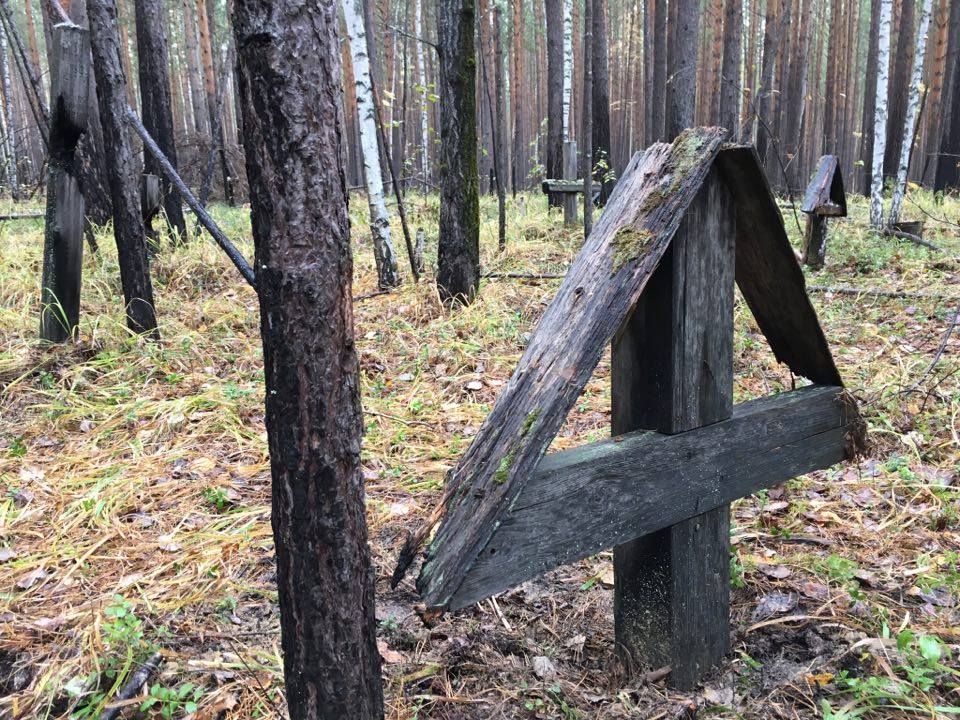
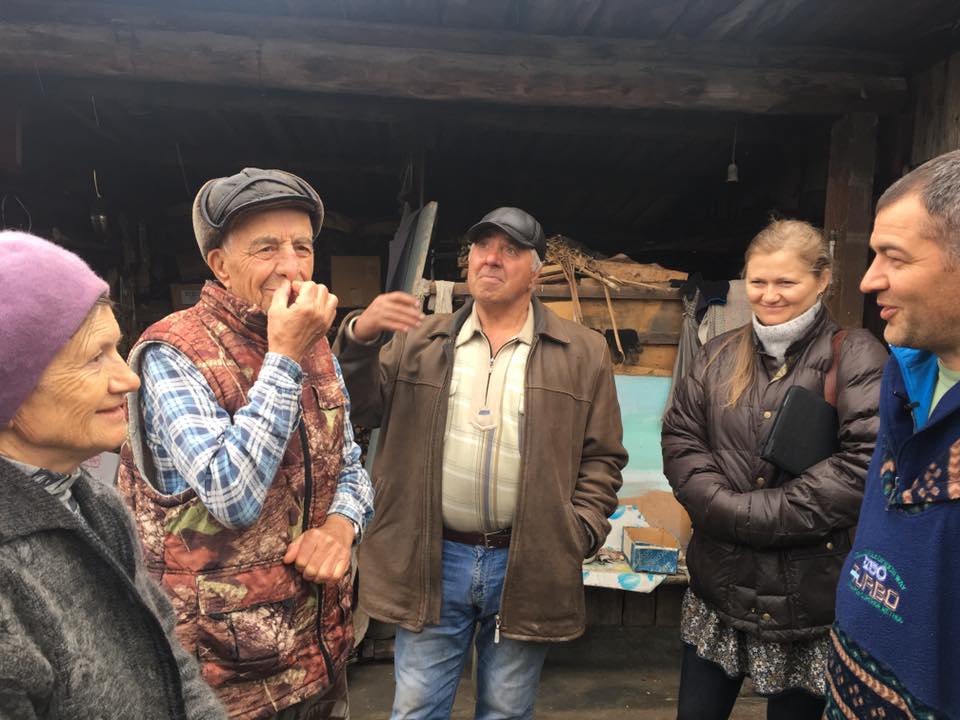
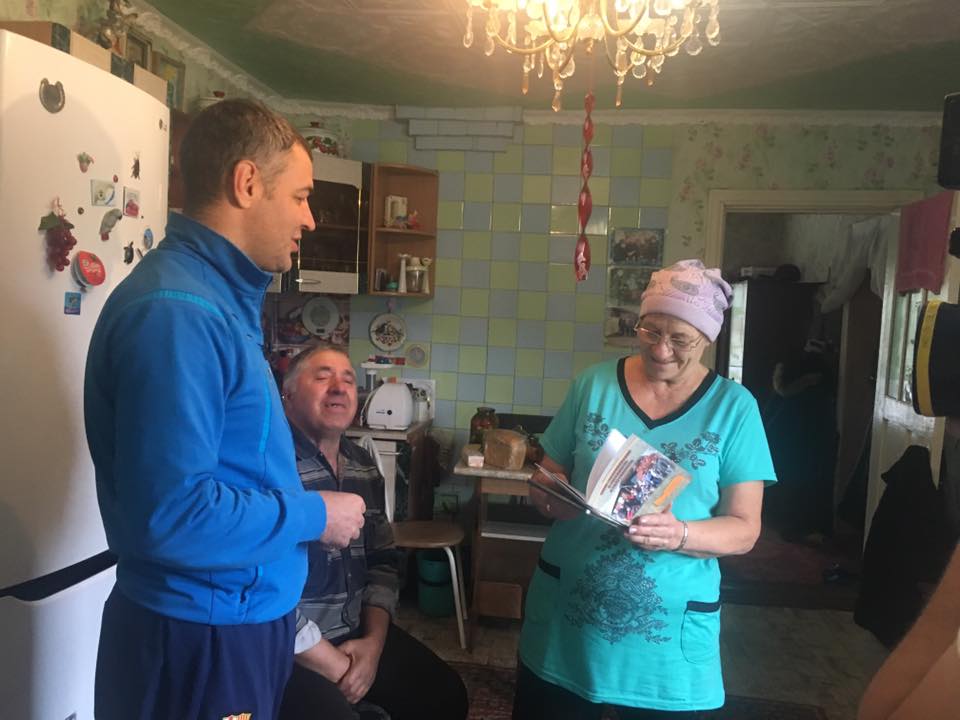
The expedition covered an area of 1,400 square kilometres. This year’s discovery was a cemetery belonging to people from Basarabia who had lived in Moldovanca, as the project coordinator explained on his return. “The most important achievement of this project is that we managed to reach the village of Moldovanca. This village existed between 1951 and 1958. There were around 200 deportees who had to walk six kilometres to fell trees, so they built a village in the Siberian taiga”, says Octavian Țîcu.
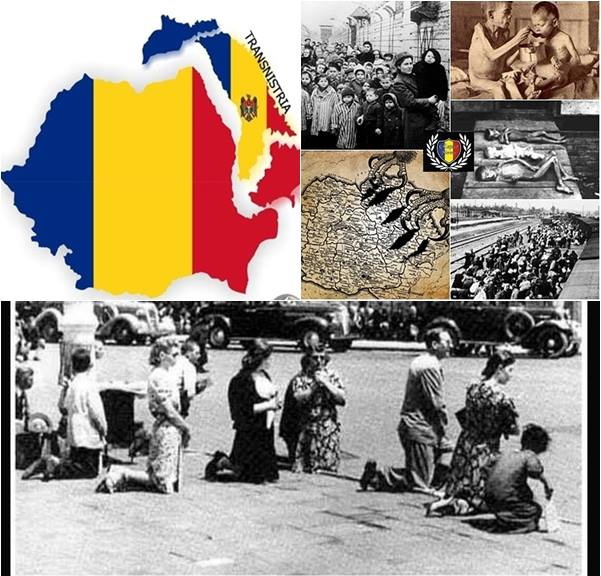
The deportations, which particularly targeted intellectuals, were intended, historians say, to destroy the backbone of the people and then make those who remained at home more willing to accept collectivisation and the expropriation of their property. Official figures show that approximately 70,000 Romanians from Basarabia were forcibly relocated to Siberia and northern Kazakhstan in the three waves of deportations (12–13 June 1941, 5–6 July 1949, 31 March – 1 April 1951). Unofficial figures, however, suggest that the number was much higher.
“Maluri de Prut – Basarabia Necunoscută” is a cultural project run by G.T. Kirileanu County Library Neamț and Radio Chișinău from October-December 2017. The project involves cultural and educational activities, research and information activities, and discussions with special guests from the left bank of the Prut on topics such as Romanian-language education in Transnistria, famine and deportations in Basarabia, the press and freedom of expression in Republica Moldova, and economic, social and cultural relations between the two banks of the Prut.
The project is sponsored by the shopping centre Unic SA Piatra Neamț.
Photo gallery:
Director and Manager
Mihaela Mereuță
More on the same topic

Neamț County, an Ambassador for Local Traditions and Values in Brussels
Neamț County showcased its values, traditions and development potential on the European stage during European Week of Regions and Cities, held in Brussels from 12 to 14 October.

Solo painting exhibition – Florin Mareș
Starting Saturday, 10 October 2026, the Art Museum in Roman opens a new solo exhibition by the visual artist Florin Mareș of Roman.

Book launch: “Regina Maria a României. Din viață în eternitate” by historian Narcis Dorin Ion
Neamț National Museum Complex invites audiences in Neamț to the launch of “Regina Maria a României.