“G. T. Kirileanu” Library Piatra Neamț – “Maluri de Prut – Basarabia Necunoscută” (IV)
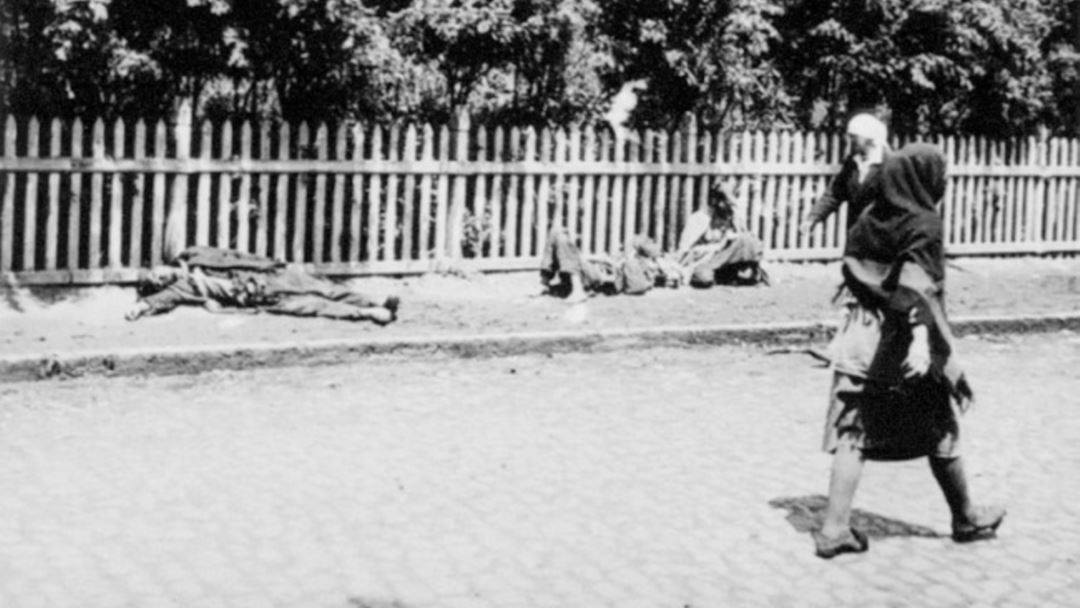
Fourth edition of the “Maluri de Prut-Basarabia Necunoscută” project: the famine orchestrated by the Soviet regime in ’46-’47, discussed at the County Library
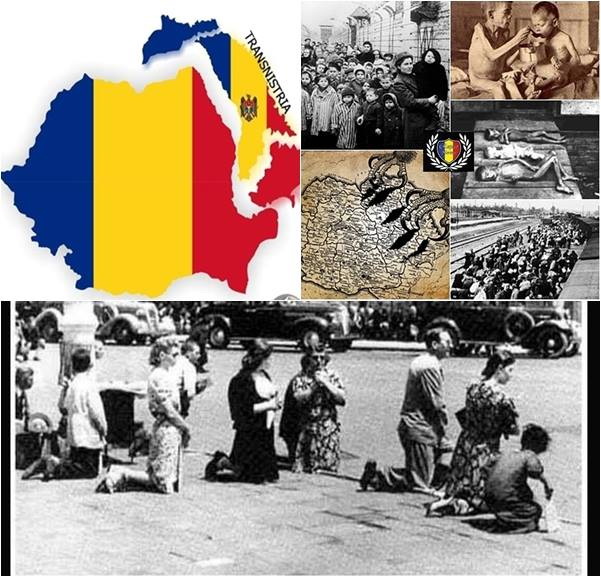
The fourth discussion in the “Maluri de Prut-Basarabia Necunoscută” cultural project, organised by G.T. Kirileanu County Library Neamț in partnership with Radio România Chișinău, will welcome historian Mariana Țăranu, who will draw the public’s attention to the famine orchestrated by the Soviet regime in 1946-1947 in the Republic of Moldova.
The meeting will take place on Wednesday, 29 November 2017, starting at 12.30, in the “Veronica Micle” Workshop Room.
The orchestrated famine is one of the tragic chapters in the national history of Bessarabian Romanians during the Soviet period, alongside deportations, collectivisation, the erosion of national identity, the widespread use of chemicals, and forced resettlement in the Russian Federation and other republics of the Soviet Union. According to historians, all these policies were forms of terror imposed throughout the occupied territories, particularly east of the Prut, and aimed to break the population’s backbone and destroy all resistance among Bessarabian Romanians.
“From the very first days of the second Soviet occupation, a state policy of impoverishing the population was introduced. This took the form of excessively high taxes. 1946-1947 was a terrible year, marked by drought, yet the amount of tax collected from the population did not decrease. This culminated in famine. Soviet historiography made much of the drought in the summer of 1946, presenting it as the main cause, which is not true. A policy of impoverishing the population was pursued consistently, and the consequences were predictable.
The press at the time said little about the engineered famine, and contemporary documents did not use the term famine, focusing only on adverse weather conditions. Today, the subject of the engineered famine still tends to be overlooked. Researchers in the Republic of Moldova still lack access to the archives needed to establish exactly how many people died of starvation. People died of hunger from the spring of 1946, when the first cases of cannibalism were recorded, until 1948-1949, when deaths resulted from certain diseases caused by starvation. One thing is certain: during the period of deliberately imposed starvation, which culminated in the engineered famine in Basarabia, approximately a third of the population died”, says historian Mariana Țăranu in a contribution to Radio Chișinău.
Through this policy, historians say, the Soviet authorities sought to break the backbone of the peasantry of Basarabia, which formed the foundation of society at the time. They did this by promoting, as state policy, the claim that people in Basarabia were illiterate, because education received under Romanian administration was considered invalid. The second method pursued as state policy was starvation. This affected every section of the population, but particularly the peasantry of Basarabia. The aim was clear: to break the backbone of these people so that no resistance movements would emerge. At the same time, by impoverishing everyone, the authorities forced people in Basarabia to join collective farms and accept collectivisation. Both aims were achieved.
Mariana Țăranu
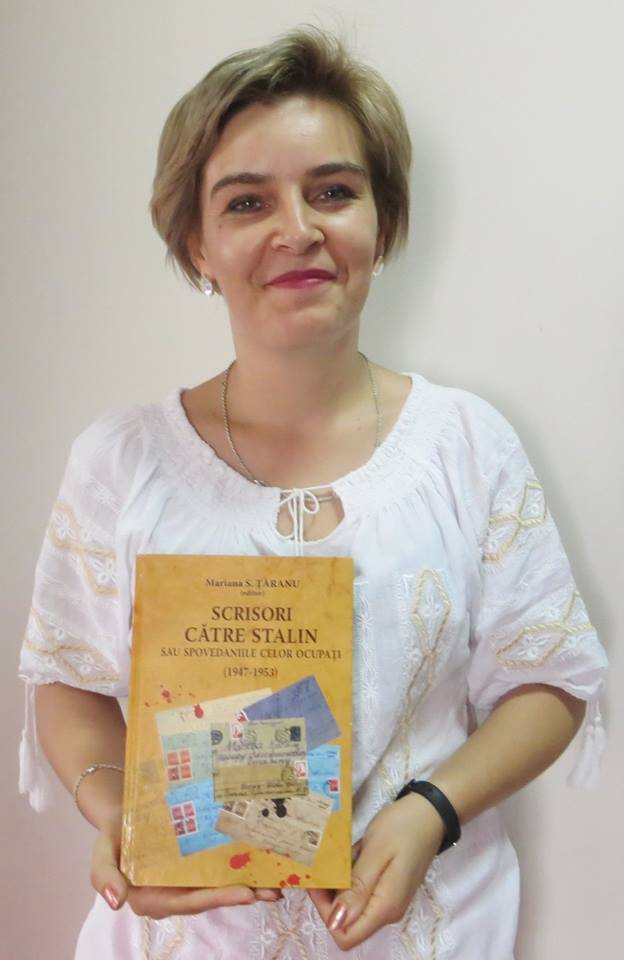
Born in Cimișeni, Criuleni district, the Republic of Moldova, Mariana Țăranu holds a doctorate in history and is the author of three monographs – “V. Lenin fără machiaj: teroarea intelectualității sovietice”, “Moldova de la Est de Prut în timpul primei ocupații sovietice (1940-1941)”, “Cimișeni – file de istorie (1660-2014)” – and over 50 scholarly articles.
Mariana Țăranu is also the editor of “Scrisori către Stalin sau spovedaniile celor ocupați (1947-1953)” – a work that breaks new ground in current historical research, drawing exclusively on documents held in the National Archives of the Republic of Moldova. The 280 letters included in the book capture the dynamics of change in Moldavian society and the ways local people were coerced into adapting to a new way of life, imposed by the Soviet policy of terror through deportations, famine and collectivisation.
”Maluri de Prut – Basarabia Necunoscută”, a cultural project
As a reminder, “Maluri de Prut – Basarabia Necunoscută” is a cultural project run by G.T. Kirileanu County Library Neamț and Radio România Chișinău from October to December 2017. The project involves cultural and educational activities, as well as research and information sessions, held as discussions with special guests from the left bank of the Prut.
Topics already covered include the Great Union of 1918, Romanian-language education in Transnistria (17 October 2017, special guest Ion Iovcev, headteacher of Liceul “Lucian Blaga” in Tiraspol), the deportation of people from Basarabia to Siberia (1 November 2017, special guests historian Octavian Țîcu, television producer Lucia Tăut and director Violeta Gorgos), and the press and freedom of expression in Republica Moldova (14 November 2017, special guest Vlad Țurcanu – journalist and political commentator).
The project is sponsored by Centrul Comercial Unic SA Piatra Neamț, headed by businessman Vasile Ouatu.
Photo gallery:
Director and Manager
Mihaela Mereuță
More on the same topic

Neamț County, an Ambassador for Local Traditions and Values in Brussels
Neamț County showcased its values, traditions and development potential on the European stage during European Week of Regions and Cities, held in Brussels from 12 to 14 October.

Solo painting exhibition – Florin Mareș
Starting Saturday, 10 October 2026, the Art Museum in Roman opens a new solo exhibition by the visual artist Florin Mareș of Roman.

Book launch: “Regina Maria a României. Din viață în eternitate” by historian Narcis Dorin Ion
Neamț National Museum Complex invites audiences in Neamț to the launch of “Regina Maria a României.