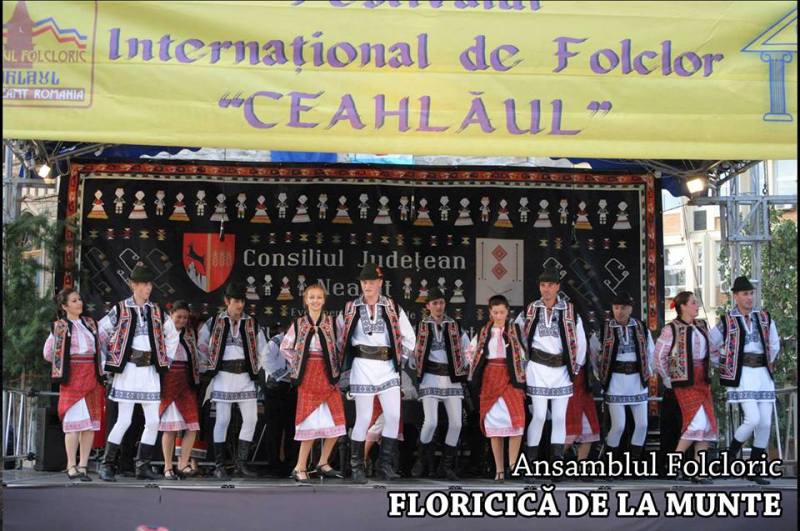
XXI edition of the “Ceahlăul” International Folklore Festival
XXI EDITION OF THE “CEAHLĂUL” INTERNATIONAL FOLKLORE FESTIVAL
From 2–7 August, Neamț County will host the XXI edition of the “Ceahlăul” International Folklore Festival. The organisers, Neamț County Council and the “Carmen Saeculare”
Centre for Culture and Arts, have invited several folklore ensembles from around the world. Groups representing the traditional cultures of Asia (Taiwan) and Europe (Macedonia, Greece, Georgia, Bulgaria, Serbia, the Republic of Moldova, Ukraine) have confirmed their participation.
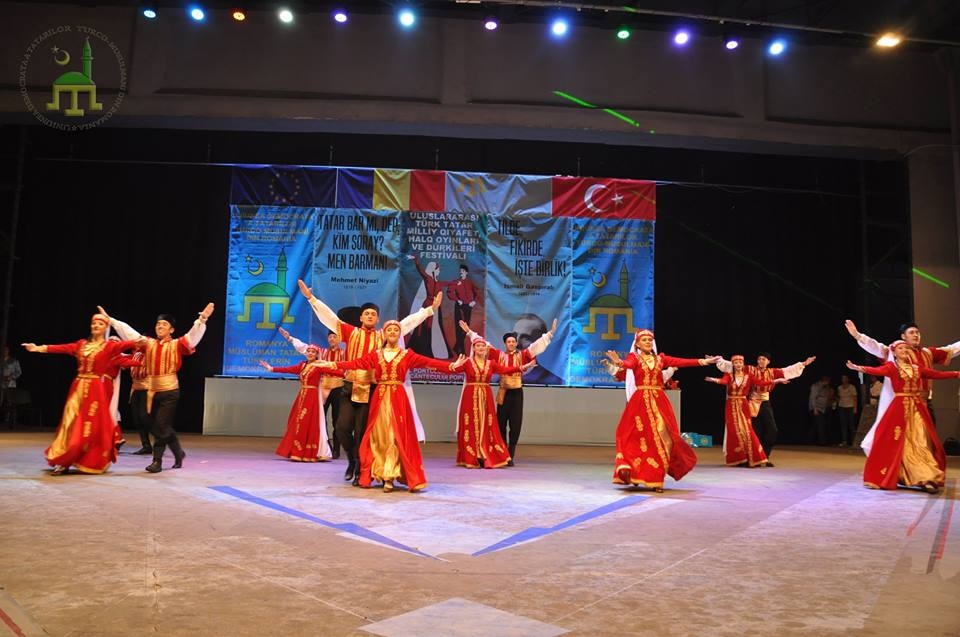
Two ensembles based in Romania that represent its ethnic minority communities will also attend: the dance ensemble of the Polish community in Suceava and the “Qarasú” Tatar Folk Ensemble of Uniunea Democrată a Tătarilor Turco-Musulmani din România, Medgidia branch.
Romanian folk traditions will also be represented by the “Burnasul” Song and Dance Ensemble (Teleorman) and “Floricică de la munte” of the “Carmen Saeculare” Centre for Culture and Arts Neamț.
As at every edition held over its twenty-seven-year history, the festival will remain a travelling event in 2018. The participating ensembles will perform in towns throughout the region. Audiences will be able to enjoy dance, music and traditional dress in Piatra Neamț (on 2 and 7 August), in Roman (3 August), Târgu Neamț (4 August), the resort of Durău in Ceahlău commune (5 August), and Bicaz (6 August).
The opening in the county's capital will take place on Thursday, 2 August (at 19:00, on the Curtea Domnească plateau). The planned programme also includes the traditional parade, starting at 18:00 along the city centre's boulevards (Teatrul Tineretului – House of Culture – History Museum – “Ceahlău” Hotel – Teatrul Tineretului), followed by a marathon folk performance. The parade of traditional dress, music and dance will also take place in the other locations hosting this year's festival.
“JOY DANCE, CULTURE AND ART GROUP”, Taizhong (Taiwan)
“The Joy Dance Culture and Art Group” operates under the auspices of Asociația de Promovare a Culturii Orientale Chineze. The ensemble was founded by Mrs Wei Qui-Yeni in Taizhong, central Taiwan, in 1997, and its members range in age from children to adults. The ensemble's original aim was to perform at charity events, but over time its remit broadened to include arts education.
Real life and nature are the main themes explored by the group's members. The ensemble's performances range from Chinese Kong-fu and folk dance to modern dance.
The group's traditional and folk dances are stylised, drawing on local culture.
The group has taken part in the “Sonkrang” Folklore Festival of Music, Dance and Song and “Festival Internacional de Folklore en el Mediterráneo” in Spain (2015); the 25th edition of the International Folklore Festival (Strzegom) and World Folk Review “Integration 2016” in Poland (2016); and the “Erau” International Folklore & Folk Art Festival (Tenggarong) in Indonesia (2017).
“FA BISERI” FOLK ENSEMBLE, Ohrid (Macedonia)
The FA “BISERI” Folk Ensemble from Ohrid is a renowned folk association with many years of successful activity.
Founded in 1975 by a group of enthusiasts, the ensemble has become a true ambassador for Macedonian dance and music. It has enjoyed countless successes in performances and tours at home and abroad.
It has taken part in festivals and other international events in Germany, France, Austria, Italy, Hungary, Bulgaria, Turkey, Poland, Serbia, Croatia and Slovenia, helping to promote Macedonian traditions around the world.
Through its rich repertoire, the ensemble expresses its appreciation for traditional Macedonian songs and the authentic dances and costumes of different parts of Macedonia. “Jocuri din Ohrid”, “Maleshevka”, “Pijanec”, “Jocuri din Macedonia de Est”, “Vodiak”, “Kopacia” and “Jocurile Egee” are among its productions.
“FA BISERI”, whose name means “The Pearls of Ohrid”, has around one hundred members, each demonstrating their professionalism. The ensemble is organised into age groups, with sections for solo singers, dancers and the orchestra. The “VESELI BISERCHINJA” Children's Choir is also part of the ensemble.
The ensemble's artistic director is Tatjana Treneska.
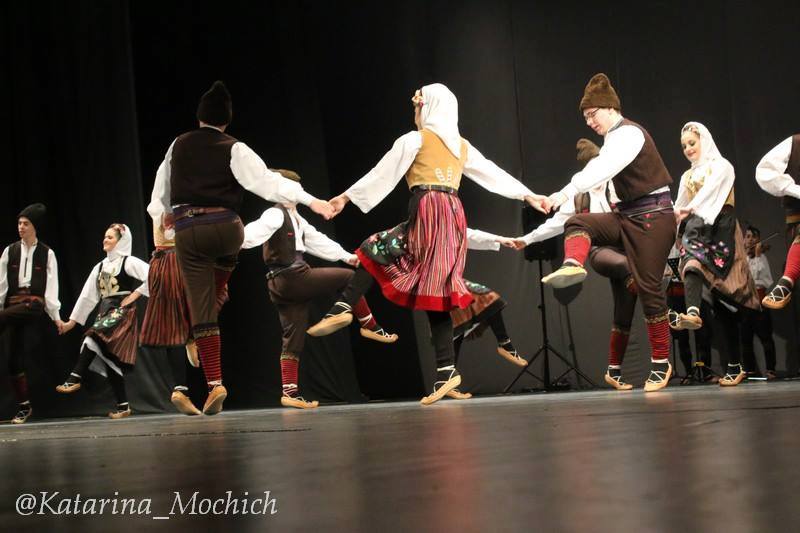
“MAKSIM MARKOVIC” FOLK DANCE ENSEMBLE (Serbia)
It comes from the small town of Kosjeric in western Serbia. Although its hometown has only around four thousand inhabitants, the “Maksim Markovic” Folk Dance Ensemble has around three hundred members, divided into five dance groups (the main group, three youth groups and a school of folklore and recreation, which is effectively the veterans' group), an orchestra and a traditional Serbian vocal group.
The ensemble was founded in 1978, when young amateur artists from Kosjeric wanted to show that culture enriches and unites people, bridging differences between them and their attitudes.
Over its forty years of activity, the ensemble's repertoire has grown to include more than fifteen different choreographic programmes created by famous Serbian choreographers, performed in either a traditional or a staged style. Both styles are intended for national competitions, international events and the audience's varied artistic expectations. The artistic programme represents the traditions and customs of Serbian people living in present-day Serbia and the former Yugoslav region.
All the ensemble's groups have won numerous national and international awards. The Serbian artists from Kosjeric have appeared in many television productions, programmes and entertainment shows.
Alongside the demanding work of improving its performances, the ensemble has invested heavily in creating national costumes and traditional costume accessories, which now form a real treasure.
“BIRTVISI” DANCE ENSEMBLE (Georgia)
The “Birtvisi” Dance Ensemble was founded in Tbilisi in 1998.
Giorgi Gulvardashvili has been its artistic director and principal choreographer since its foundation.
It has won awards at prestigious events such as Youth Centre for Cultural Relations “Folkart” (2004); Folklore International Festival Nazili, Turkey (2004); Bulgaria Silistra International Festival (2005).
The Georgian ensemble “Birtvisi” maintains a busy programme, taking part every year in arts events at home and abroad, in Bulgaria, Turkey and Azerbaijan.
“ZELENCIANA” FOLK DANCE ENSEMBLE, (Ukraine)
It was founded in 1966 by the young leader Nicolai Ivanovici Cernomoreți, who had completed courses at the Officers' House in Cernăuți and later graduated from the College of Culture in Cernauți.
The first members were young villagers, intellectuals and older schoolchildren. The repertoire included Bucovinian, Moldavian, Ukrainian and Russian dances, as well as choreographic compositions. The energetic dances brought local folk traditions back to life.
In 1980, the ensemble took part in the festival in Edineț, in the Moldavian Soviet Socialist Republic, followed in 1986 by the festival in Zacarpatia and in 1988 by the “Lesini djerela” Festival in Vinița.
In recognition of its perseverance, initiative and enthusiasm, the ensemble was awarded the national title of “Ansamblu Popular” in 1990.
In 1996, the ensemble was invited to take part in the “Bucovinschi zustrici” festival in Poland. In recent years, the Ukrainian performers have staged folklore shows in towns in Hungary, Romania and Ukraine.
The “Zelenciana” Folk Dance Ensemble is currently affiliated with the House of Creativity in the village of Zelena, near the town of Cernăuți.
“MIORIȚA” FOLK ENSEMBLE (Ukraine)
It all began 60 years ago in Boian, when evening fell over the Prut and stars lit up the sky, and people who had formed a lifelong bond with the art of dance gathered at the House of Culture.
In 1955, the folk dance ensemble of the House of Culture in the village of Boian was formed from existing folk groups.
The first performances were given for farmers on the district stage – those first rounds of applause stayed in the dancers' hearts forever.
The most active members of the original group were Ilie Ignatiuc, Eleonora Svecla and Liudmila Moroz. The whole group's efforts were not in vain. In 1967, for its significant contribution to the development of amateur arts, the group was awarded the title of “Аmator al Poporului.”
The ensemble is currently led by teacher Maria Basaraba. Its varied repertoire includes local folk dances from the village of Boian that showcase the rituals, traditions and distinctive costumes of its people: “Țărăneasca”, “Bătuta”, “Hora”, “Coasa” and others.
The ensemble has 136 members, organised into two categories: the main group (48 dancers) and six preparatory groups (88 participants). Some members have also formed the “Fagurel” ethnographic folk group, which researches the history and culture of their home village.
Since 2017, the “Miorița” Ensemble has collaborated with Centrul Bucovinean de Artă in Cernauți.
The ensemble's dances are full of whoops and rhythmic calls brimming with humour and good cheer. For what is a dance without whoops and calls? It is like a tree without leaves… like a night without the moon… These calls play an important part in the ensemble's life. Their words express a love of life, a call for kindness, moral integrity, true friendship and the industrious spirit of Boian.
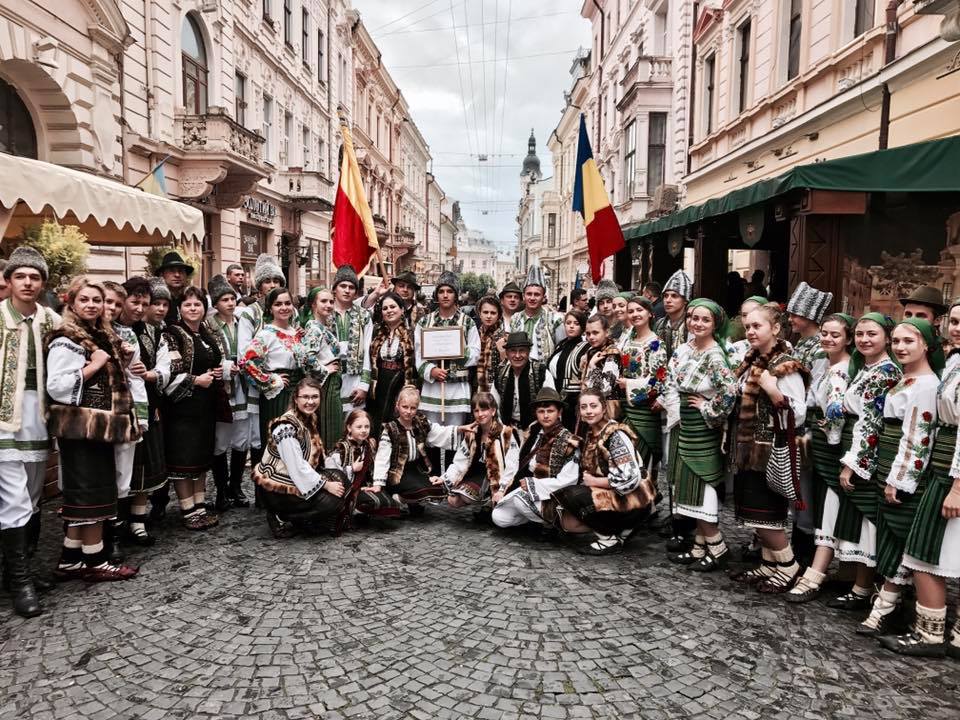
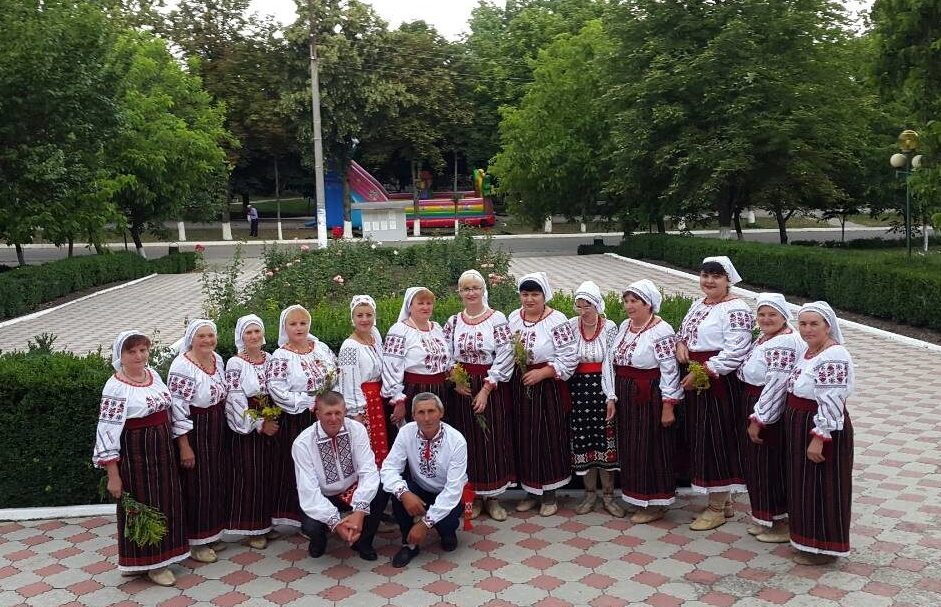
Photo gallery:
More on the same topic
Neamț County, an Ambassador for Local Traditions and Values in Brussels
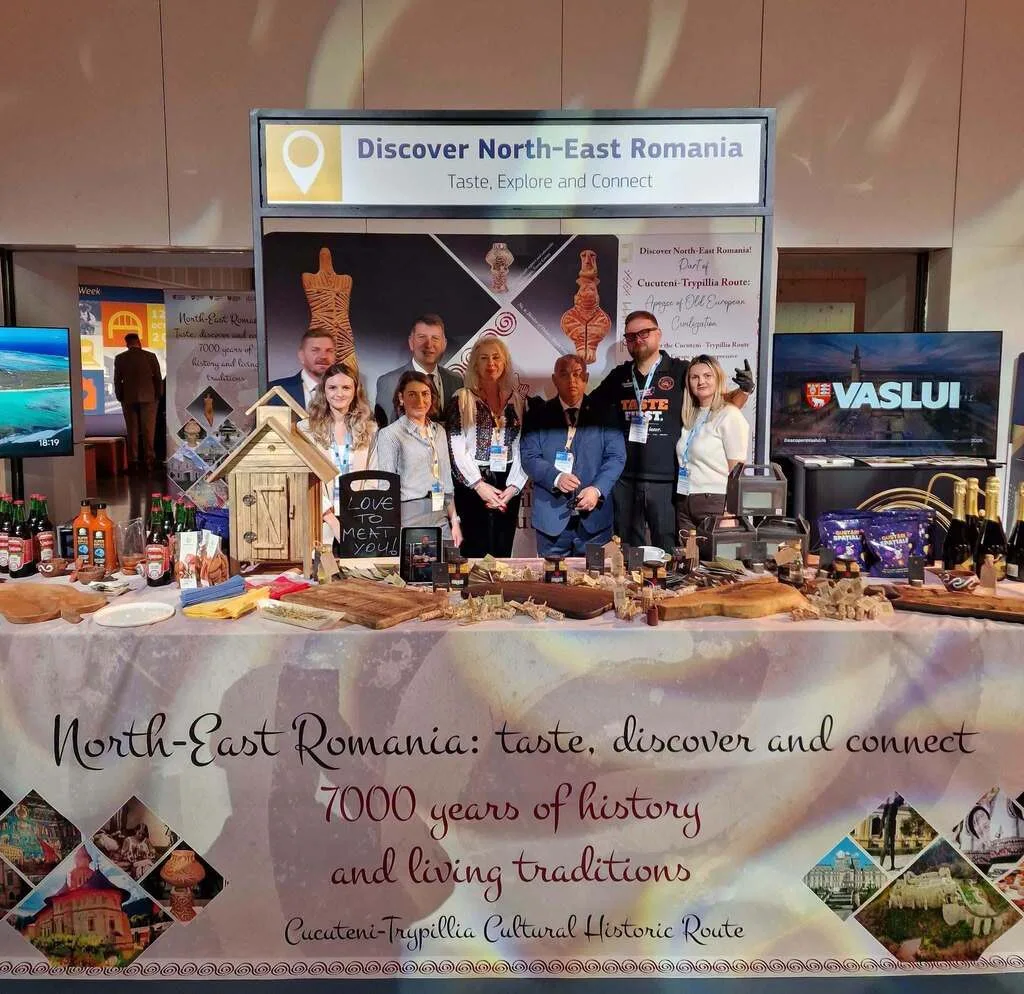
Neamț County showcased its values, traditions and development potential on the European stage during European Week of Regions and Cities, held in Brussels from 12 to 14 October.
Solo painting exhibition – Florin Mareș
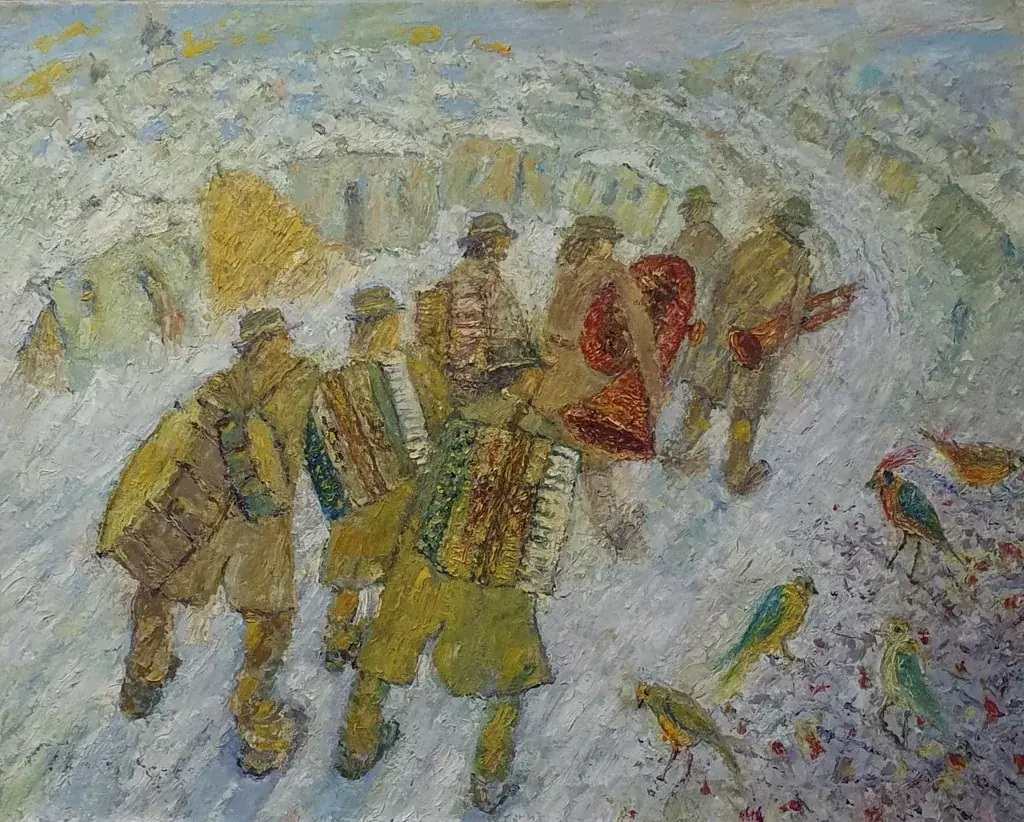
Starting Saturday, 10 October 2026, the Art Museum in Roman opens a new solo exhibition by the visual artist Florin Mareș of Roman.
Book launch: “Regina Maria a României. Din viață în eternitate” by historian Narcis Dorin Ion
Neamț National Museum Complex invites audiences in Neamț to the launch of “Regina Maria a României.