International cultural and scientific event in Piatra Neamț
International cultural and scientific event in Piatra Neamț
dedicated to the Centenary of the Great Union and the European Year of Cultural Heritage
International Colloquium
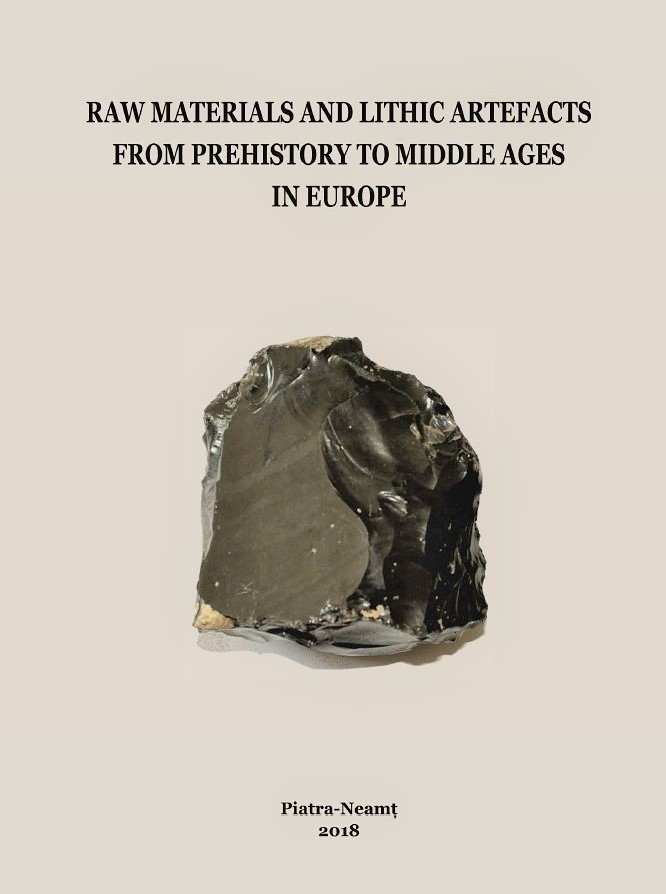
Raw Materials and Lithic Artefacts from Prehistory to Middle Ages in Europe / Raw Materials and Stone Artefacts from Prehistory to the Middle Ages in Europe
During 23–25 October 2018, the Cucuteni Eneolithic Art Museum will host another international scientific gathering, dedicated to the Centenary of the Great Union and the European Year of Cultural Heritage.
Hosting one of Romania’s most important scientific events in archaeological research in Piatra Neamț every two years has already become a tradition, providing an opportunity to establish new partnerships and exchange expertise with leading specialists and institutions from Romania and abroad, contributing to better research into, and the sustainable use of, the exceptional cultural heritage held by the Neamț County Museum Complex.
As most movable tangible cultural heritage objects dating from prehistory to the Middle Ages were made from various types of rock, the gathering focuses on the raw materials used and the stone artefacts made by human communities across the old continent, including what is now Romania.
The colloquium will address several topics relating to the rocks used, the areas from which they were sourced, the chipped and polished stone artefacts produced, and trade relations between human communities in different regions and periods.
The event promotes interdisciplinary scientific research, bringing together contributions from over 50 specialists in archaeology, history and geology from more than 30 prestigious museums, universities and academic institutions in Romania, Poland, Czechia, Hungary, Bulgaria, Germany, Austria, Italy, Spain, Ukraine, Russia and even Australia.
The colloquium’s paper and poster presentations will be accompanied by visits to exhibitions in the museums of Piatra Neamț, as well as to archaeological sites of outstanding cultural and scientific importance, including Poiana Cireșului (with remains dating from the Palaeolithic, the longest period in human history, during which the very process of human evolution took place), Văleni (the first settlement where Gheorghe Asachi discovered the earliest artefacts belonging to the Cucuteni culture, Europe’s most important prehistoric civilisation in terms of the advanced level of development achieved by its communities), Bâtca Doamnei (the site of the famous Dacian fortress Petrodava) and Curtea Domnească in Piatra Neamț (one of the symbols of the medieval Moldavian state).
Dr Constantin Preoteasa
More on the same topic
Neamț County, an Ambassador for Local Traditions and Values in Brussels
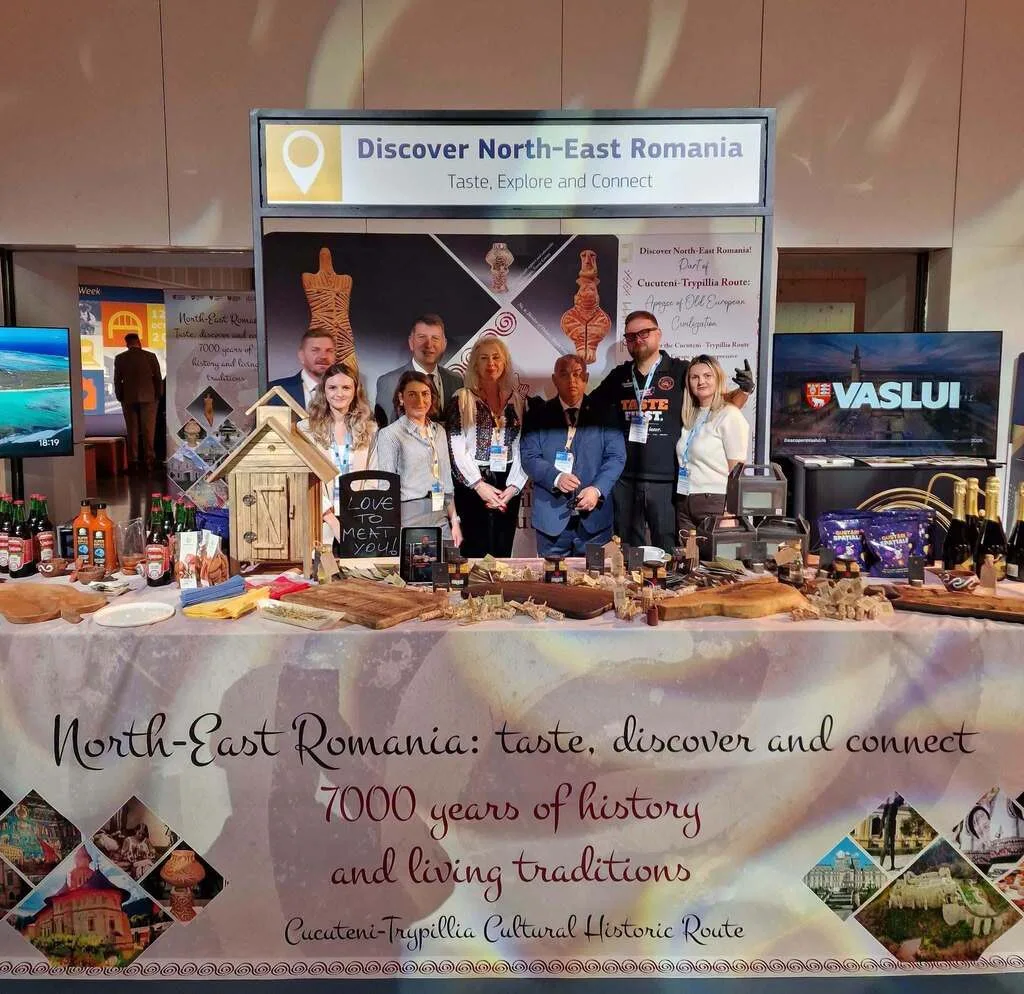
Neamț County showcased its values, traditions and development potential on the European stage during European Week of Regions and Cities, held in Brussels from 12 to 14 October.
Solo painting exhibition – Florin Mareș
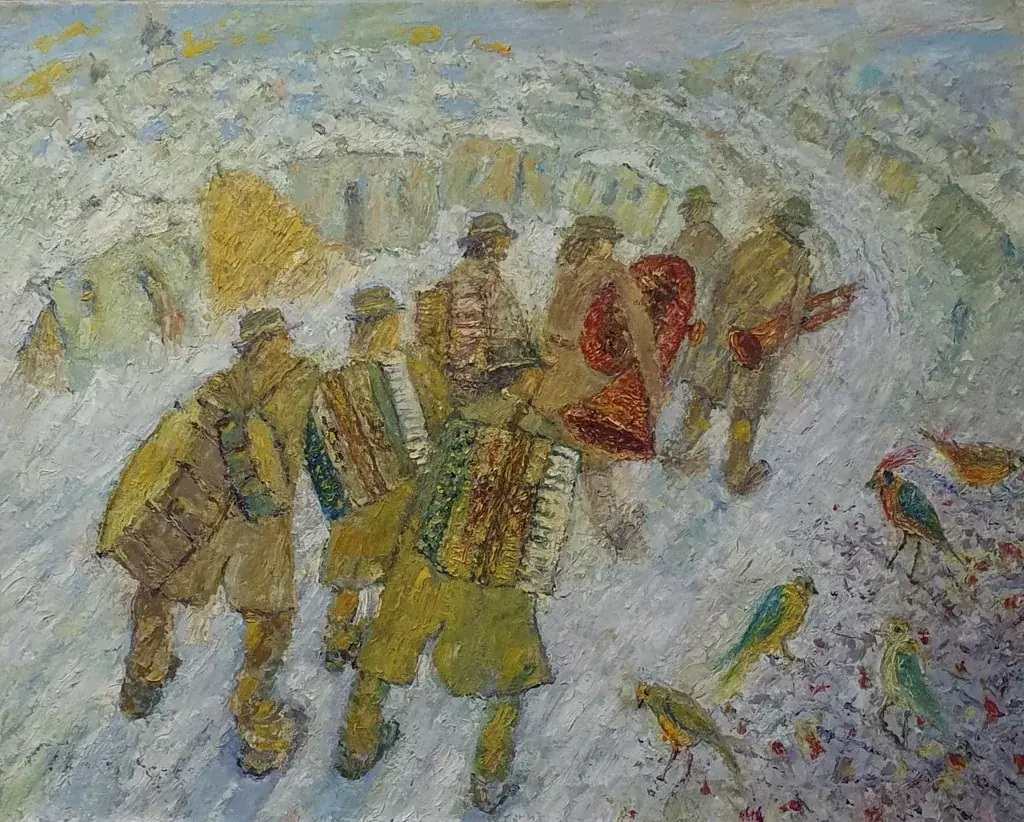
Starting Saturday, 10 October 2026, the Art Museum in Roman opens a new solo exhibition by the visual artist Florin Mareș of Roman.
Book launch: “Regina Maria a României. Din viață în eternitate” by historian Narcis Dorin Ion
Neamț National Museum Complex invites audiences in Neamț to the launch of “Regina Maria a României.