G. T. Kirileanu Library Piatra Neamț – “Discovering the County’s History through Community Memory”
Press release
The Days of G.T. Kirileanu County Library in Neamț continue:
Launch of the “Discovering the County’s History through Community Memory” project
The Days of G.T. Kirileanu County Library in Neamț (13–17 November 2017) are in full swing, with the main event on Thursday, 16 November, set to be the discussion and debate “Discovering the County’s History through Community Memory: The Săvinești-Roznov Industrial Estate”, which will launch the “Discovering the County’s History through Community Memory” project.
The special guests at this meeting are Valeriu Momanu, Gheorghe Țepeș-Greuruș, Ion Strătilă, Luigi Bodo, Gheorghe Munteanu, Constantin Munteanu, Virgil Răzeșu, Paul Vasiliu and Mircea Rusu.
To mark the occasion, an exhibition of books and documents entitled “Oameni și locuri” will feature works by Constantin Munteanu, Valentin Ciucă, Ion Cârnu, Gheorghe Țepeș-Greuruș, Dumitru Bostan Sr, Iulia Amălinei, Nicolae Marcu, Valeriu Jumanca and Mircea Rusu.
The discussion, which will take place in the Cupola Room at 17.00, will be moderated by Mihaela Mereuță, director-manager of G.T. Kirileanu County Library.
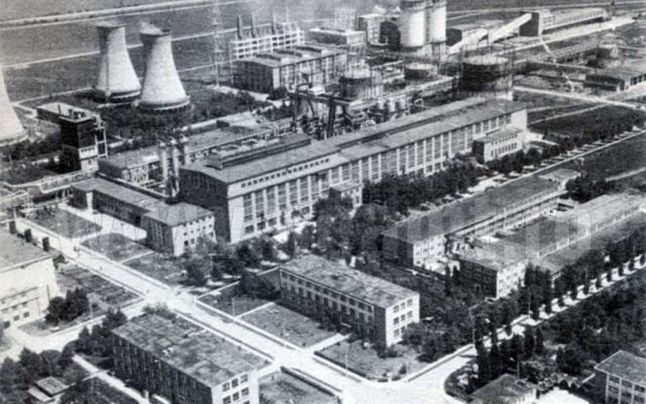
Săvinești Synthetic Yarn Plant
On 15 January 1957, Council of Ministers Decision No. 75 established the Săvinești Synthetic Yarn Plant. Two years later, the first production facilities of what would become Săvinești’s industrial giant were producing Relon polyamide synthetic yarn for the first time in Romania, followed by the first batches of Melana polyacrylic fibres.
In his address to the November 1958 plenary session of the Central Committee of the Romanian Workers’ Party, President Gheorghe Gheorghiu-Dej announced that construction would begin on “new and important facilities for our chemical industry”, including a Relon synthetic yarn factory at Săvinești, with a production capacity of 5,000 tonnes per year.
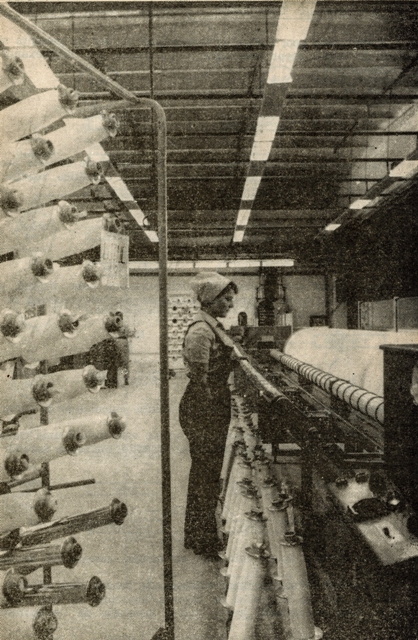
The first line for polymerisation, spinning and synthetic fibre production at the Synthetic Fibre Plant in Săvinești began operating in April 1959. The Relon unit – one of the most modern facilities in the chemical industry – was equipped with advanced machinery that ensured greater productivity and higher-quality production.
“In addition to synthetic fibres and yarn, the plant at Săvinești will also produce plastics for manufacturing various technical and household items. Under the resolutions adopted at the November 1958 plenary session of the Central Committee of P.M.R., the synthetic yarn produced at the plant at Săvinești this year will enable our light industry to produce and supply the population with 1,500,000 square metres of fabric and 700,000 pieces of knitwear. In addition, synthetic fibres blended with other fibres will be used to produce a further 7-8 million square metres of fabric. The exceptional properties of Relon synthetic fibres are well known. They are highly resistant to both tension and abrasion, are unaffected by microorganisms, do not rot, do not absorb water or become heavy, and dry quickly; they are easy to wash, highly elastic and resistant to chemicals and heat. Fabrics as fine as a spider’s web, as well as conveyor belts, drive belts, marine ropes, furs, carpets and protective clothing, can be made from the yarn and fibres produced at Săvinești. The start of production on the line for polymerisation, spinning and Relon synthetic fibre manufacture at Săvinești fulfils an important task set by the party’s Second Congress and the November 1958 plenary session of the Central Committee of P.M.R.” – Flacăra, Wednesday, 29 April 1959.
Covering more than 600 hectares, the Săvinești chemical complex supported the livelihoods of around a third of the population of the city of Piatra Neamț during the communist era. At its peak, it employed 15,000 people.
Photo gallery:
Director-manager
Mihaela Mereuță
More on the same topic
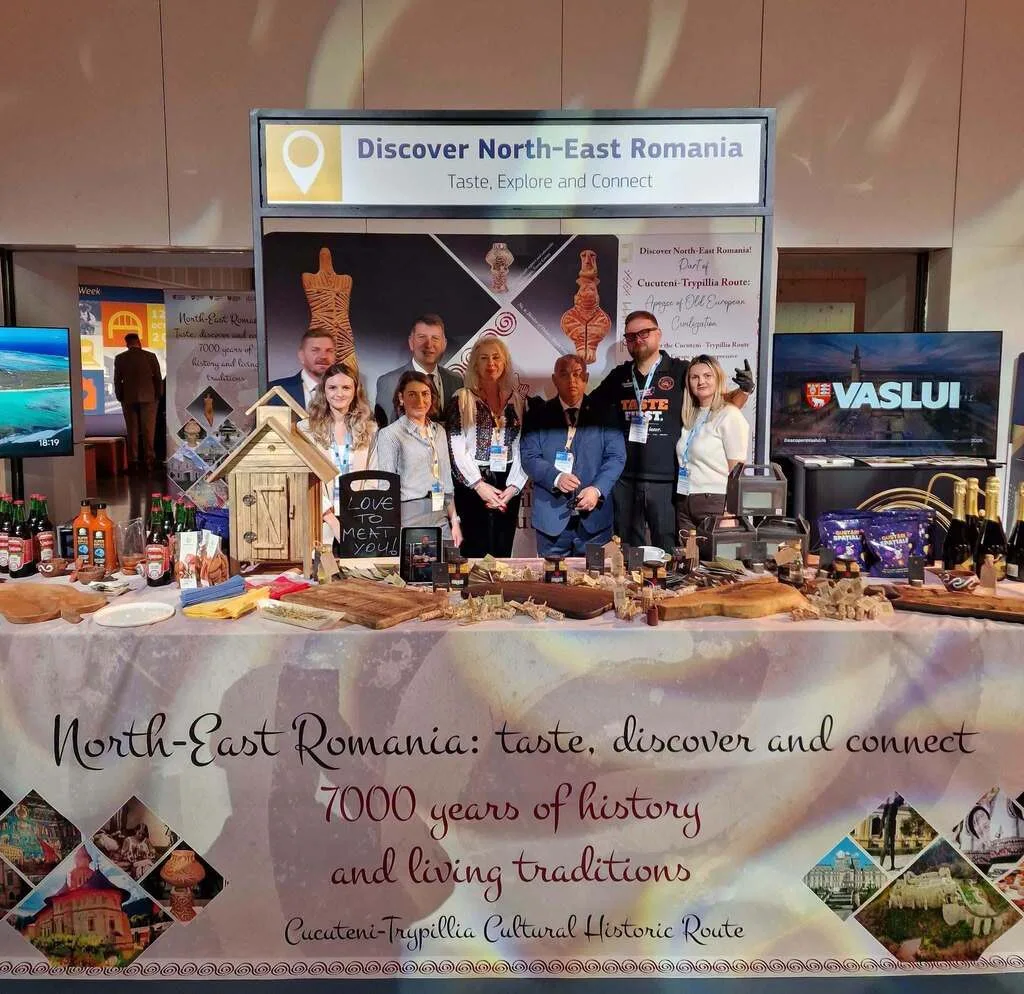
Neamț County, an Ambassador for Local Traditions and Values in Brussels
Neamț County showcased its values, traditions and development potential on the European stage during European Week of Regions and Cities, held in Brussels from 12 to 14 October.
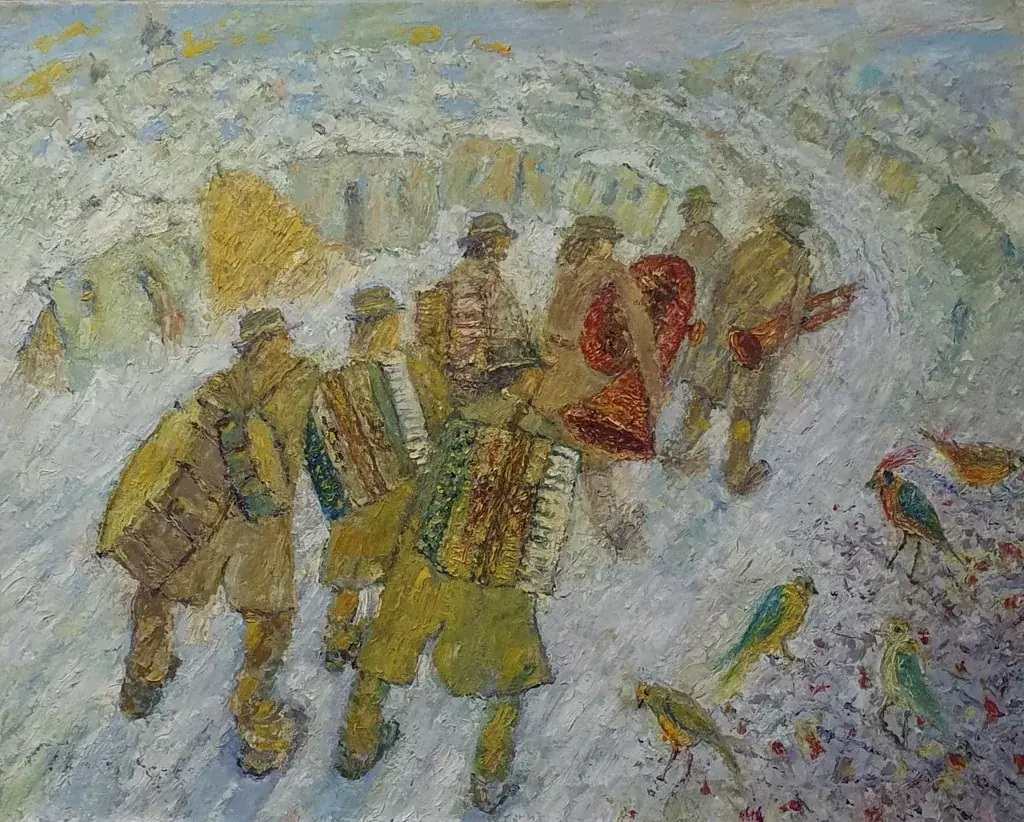
Solo painting exhibition – Florin Mareș
Starting Saturday, 10 October 2026, the Art Museum in Roman opens a new solo exhibition by the visual artist Florin Mareș of Roman.
Book launch: “Regina Maria a României. Din viață în eternitate” by historian Narcis Dorin Ion
Neamț National Museum Complex invites audiences in Neamț to the launch of “Regina Maria a României.