“Carmen Saeculare” Centre for Culture and Arts Piatra Neamț – “CEAHLĂUL” INTERNATIONAL FOLKLORE FESTIVAL – Introducing the Participants II
“CEAHLĂUL” INTERNATIONAL FOLKLORE FESTIVAL
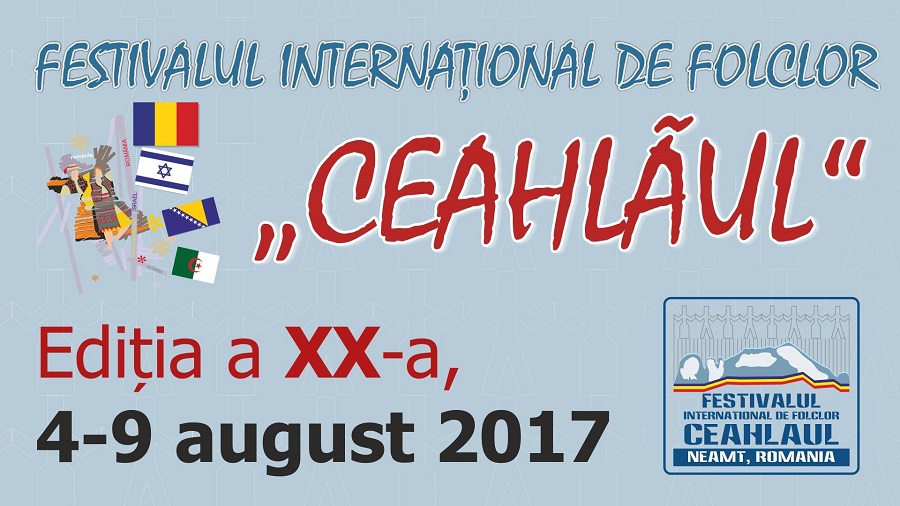
20TH EDITION
During 4–9 August, the entire Neamț region will be captivated by the charm of folklore and traditional costumes from around the world. Dancers and musicians from Algeria, Israel and Montenegro, and folk groups from Cluj, Brăila and Bistrița Năsăud, joined by their hosts, the members of the “Floricică de la munte”
Folk Ensemble, will travel around the county, delighting local people and tourists holidaying here with the finest songs, dances and costumes from their home regions. All this will take place as part of the 20th edition of the “Ceahlăul” International Folklore Festival.
Festival performances will be hosted in Târgu Neamț, Durău (in Ceahlău commune), Bicaz and Piatra Neamț, with the festive opening and closing performances of this year’s edition taking place in the county seat.
The closing event, held beneath the centuries-old tower built by Voivode Ștefan, will also feature the acclaimed “Plăieșii” Ethnofolklore Ensemble from the Republic of Moldova.
The “Carmen Saeculare” Centre for Culture and Arts, with funding from Neamț County Council, organises this event, which has been a tradition in our area for many years.
We also announce that the official presentation of the delegations will take place on Friday, 4 August, the opening day of the 20th edition, at 17:00, in the “Ion Creangă” hall of Neamț County Council.
Introducing the Participating Groups II
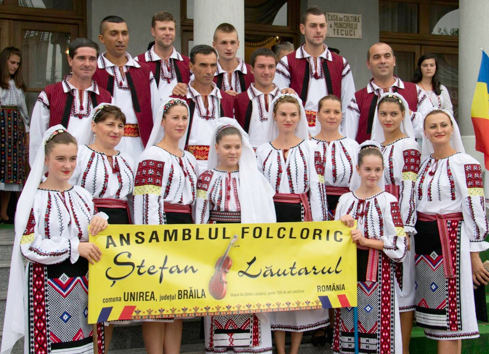
“ȘTEFAN LĂUTARUL” Song and Dance Ensemble, Unirea commune, (Brăila County)
The “Ștefan Lăutarul” Ensemble from Unirea commune, Brăila County, in the northern Bărăgan Plain, was founded in March 2014. It is a young ensemble, driven by a desire to preserve, carry on and promote the traditions and customs of the Bărăganul Brăilei ethnofolklore area in the plain.
The ensemble has brought together everything it felt was worth promoting and passing on, so that future generations can enjoy their ancestors’ traditions and customs, which seemed to have been lost in the mists of time. The ensemble’s name, “Ștefan Lăutarul”, was not chosen by chance; it was the name of a renowned folk musician whose violin playing brought everyone together for the village circle dance.
The ensemble is led by choreographer Lenuța Puia, with guidance on teaching methods from Professor Vasile Valentin Lipan of WALTINET FOLKLORE ACADEMY.
Since its founding, the ensemble has taken part in numerous events: the television programmes “Seară bună, dragi români!” (EtnoTV, December 2014) and “La hanu′ lu′ Nea Mărin” (Inedit TV, March 2015), the International Shepherding Festival in Sarighiol de Deal, Tulcea, the “Floare de salcâm” Festival and Competition in Însurăței, Brăila County, the Târgu Bujor Town Days in Galați County (all in May 2015), the “Cântă de răsună lunca” National Festival in Tecuci, Galați County (August 2015), the “Festivalul Brânzei de Gulianca” in Brăila County (May 2016), Unirea Commune Day in Brăila County (September 2016), Romania’s National Day on the Dunării Esplanade in Brăila (December 2016), and Bordei Verde Commune Day in Brăila County (March 2017).
Hungarian Folk Dance Ensemble, Tureni commune (Cluj County)
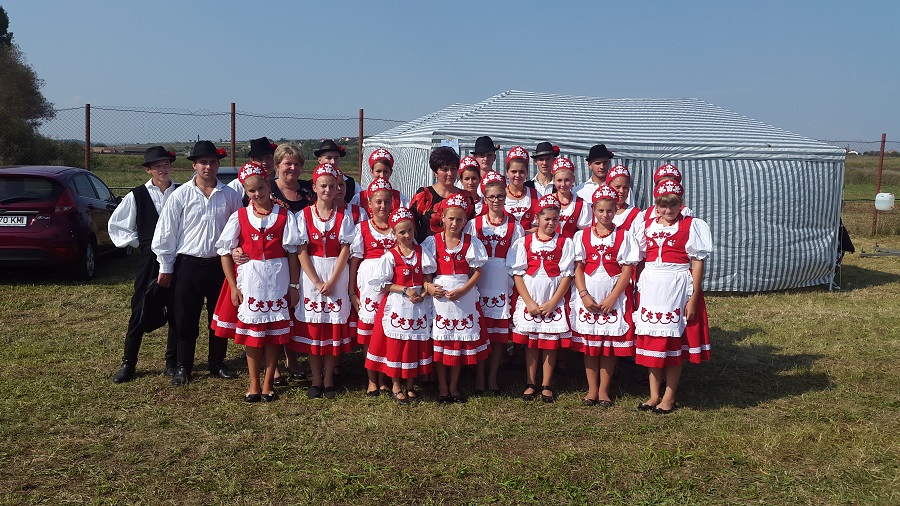
The Hungarian Folk Dance Ensemble was founded in 2010 by Kolozsvari Ilona, deputy mayor of Tureni commune, Cluj County. Over the years, they have learnt a variety of dances from Transilvania: dances from the plain, from Calata and from Târnăveni.
Over these seven years, the ensemble’s members have taken part in many performances, festivals and events held as part of village celebrations. These include Cojocna Days, Câmpia Days, Hungarian Cultural Days in Cluj, the “Double Rise” Festival and Aiton Days.
The ensemble aims to show the importance and beauty of folk dance.
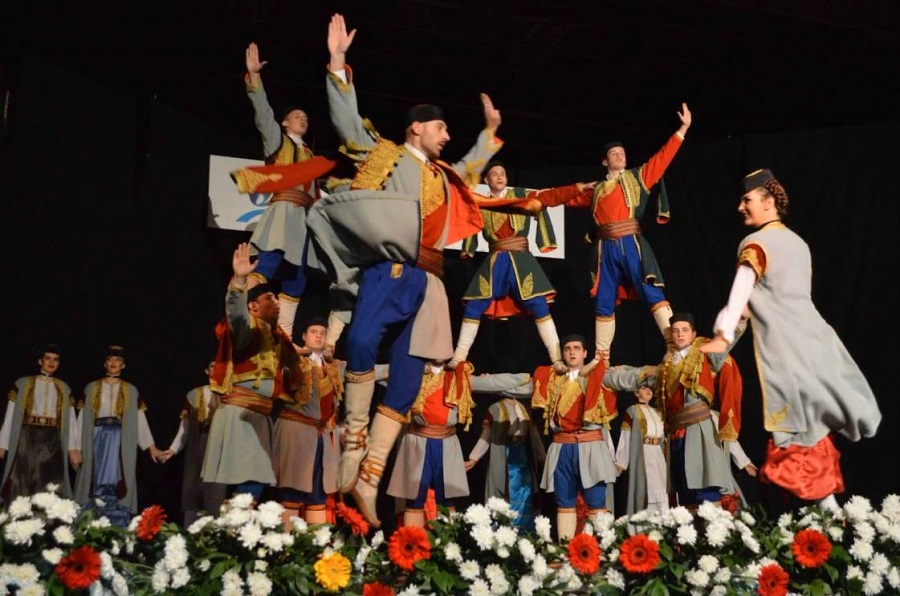
The “Volodja” Cultural and Artistic Society from Montenegro was founded in 1945. It has operated as a multiethnic folk song and dance ensemble ever since.
The ensemble has two hundred and fifty members of all ages – children, young people and adults. Its repertoire comprises more than forty choreographed pieces rooted in Montenegro’s ethnological and historical traditions. The ensemble’s dancers perform these dances in handmade traditional costumes.
The Montenegrin folk group has taken part in C.I.O.F.F. festivals held in Slovakia, Poland, Germany, Turkey, Croatia and Russia.
Event poster:
Festival trophy:
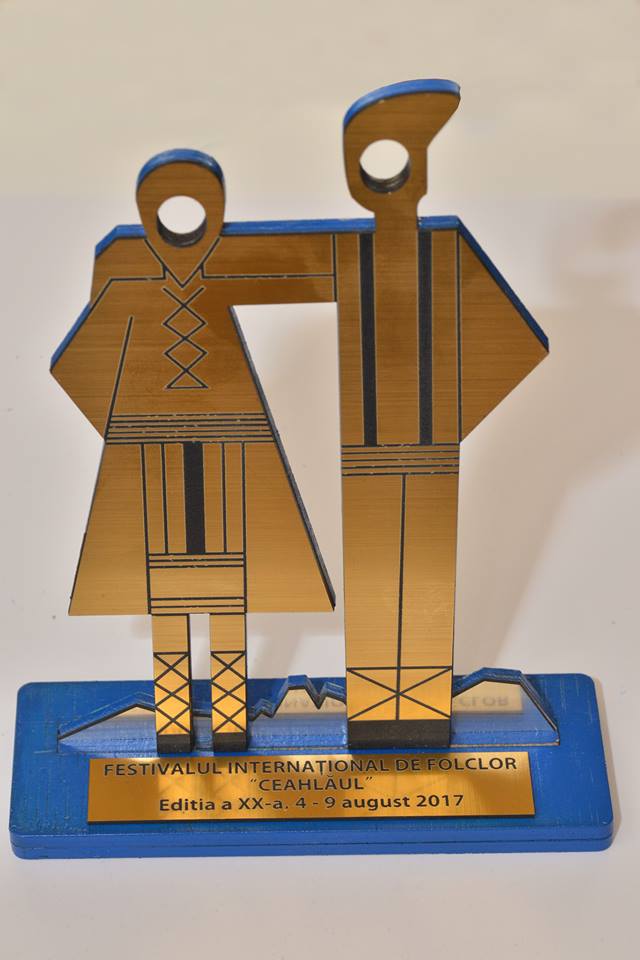
The festival trophy was created by artist Mircea Răsvan Ciacâru.
More on the same topic
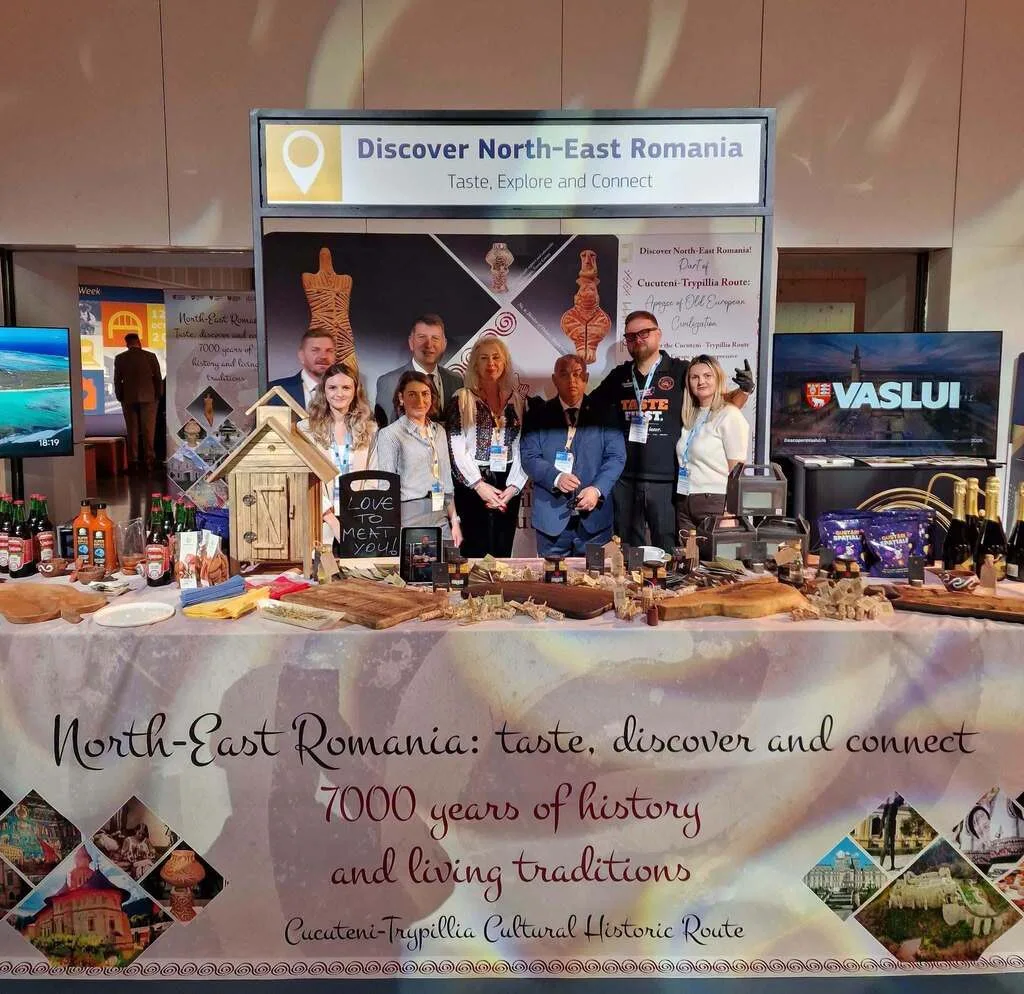
Neamț County, an Ambassador for Local Traditions and Values in Brussels
Neamț County showcased its values, traditions and development potential on the European stage during European Week of Regions and Cities, held in Brussels from 12 to 14 October.
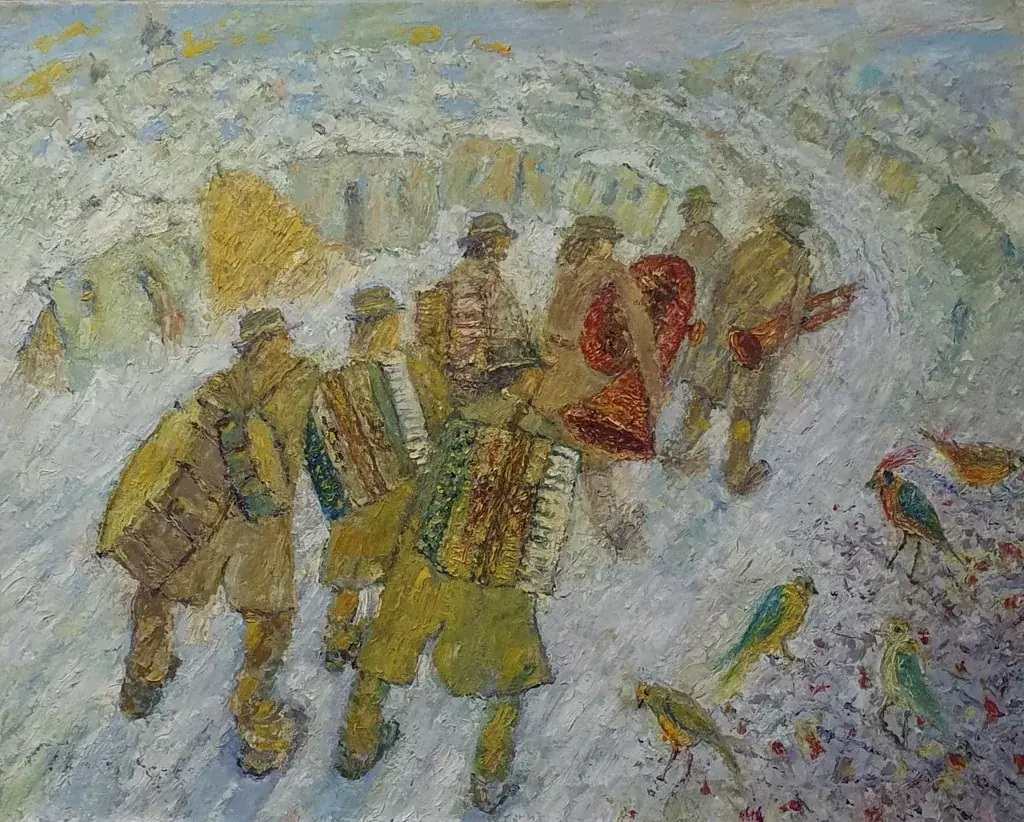
Solo painting exhibition – Florin Mareș
Starting Saturday, 10 October 2026, the Art Museum in Roman opens a new solo exhibition by the visual artist Florin Mareș of Roman.
Book launch: “Regina Maria a României. Din viață în eternitate” by historian Narcis Dorin Ion
Neamț National Museum Complex invites audiences in Neamț to the launch of “Regina Maria a României.