“Steaua sus răsare” Winter Traditions and Customs Festival 2017 (I)
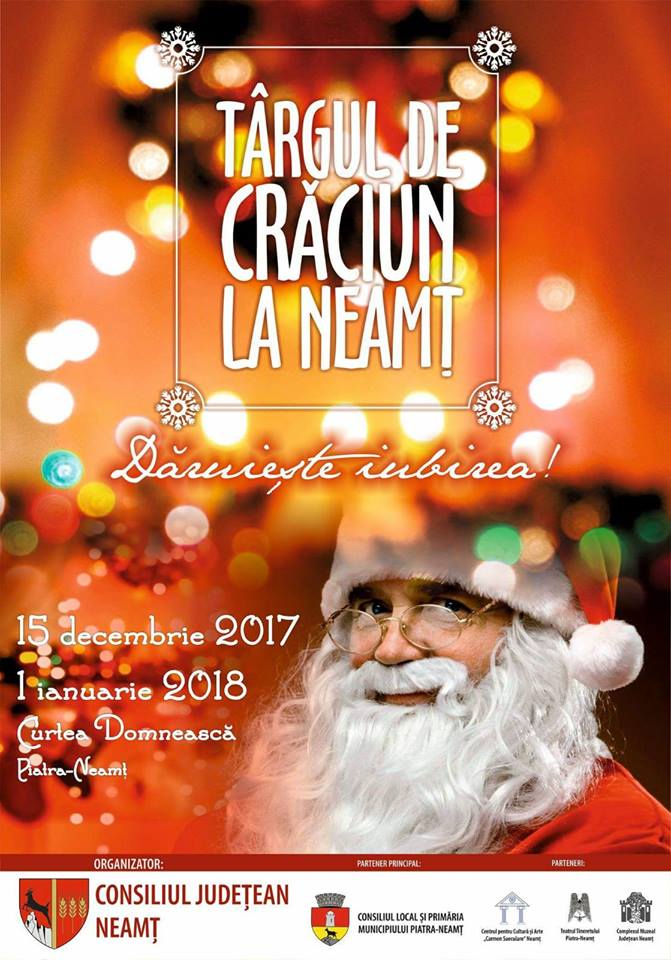
The first day of the “Steaua sus răsare” Winter Traditions and Customs Festival 2017
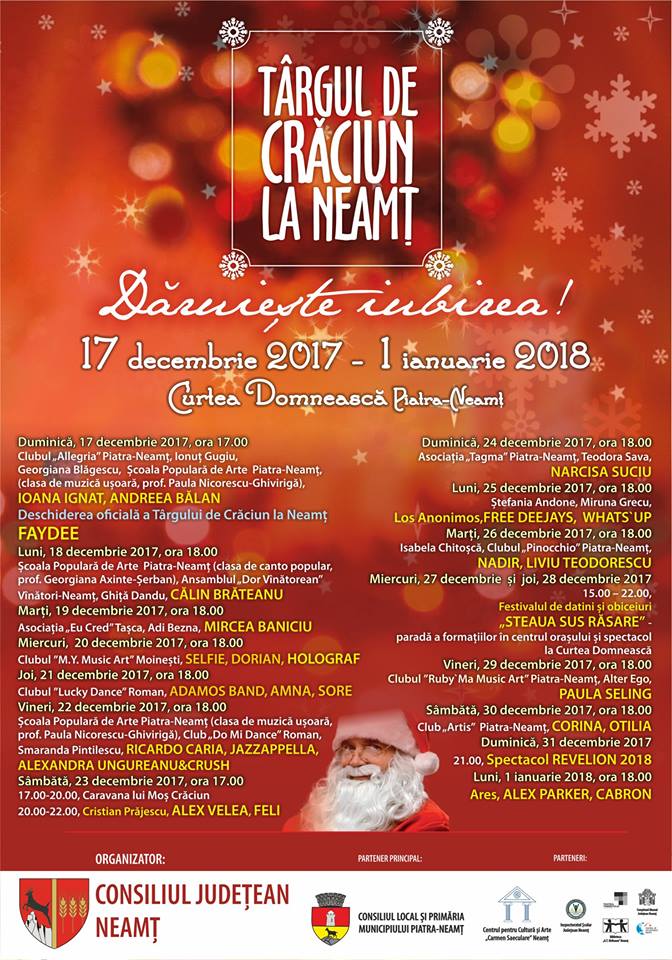
“Carmen Saeculare” Centre for Culture and Arts Neamț is organising the XLIX edition of the “Steaua sus răsare” Festival of Traditions and Customs on Wednesday, 27, and Thursday, 28 December, an event which, as last year, forms part of the Christmas Fair programme in Neamț.
As every year, some of the most spectacular traditional performance groups from the county and across the country will gather in Piatra Neamț. Groups of carol singers, performers of New Year blessings and masked revellers will greet their audiences with beautiful carols, the little plough ritual and the decorated twig blessing, as well as the ancient goat, bear and stag dances, in this symbolic ceremony of life and death, in which the mask crosses boundaries and brings together this world and the next, while time dies only to be reborn. This year, groups from abroad, from counties across the country and from Neamț will bring the “spectacle” of the old year's death and the new year's rebirth to the town's streets and the stage on the Curtea Domnească Plateau.
On the first day of the Festival, audiences can watch performances by the following groups: the “Cununa Someșană” Ensemble (Maieru, Bistrița Năsăud County), the “Dor” Aromanian Folk Ensemble (Sarighiol, Tulcea), the Farcașa Traditional Procession, “Izvoarele Borcutului” Borca, the Pâncești Traditional Procession, “Sumănarii” from Trifești, the Bălțătești Traditional Procession, the “Mugurașii Mărginenilor” Folk Ensemble (Mărgineni), the Gârcina Traditional Procession, the Traditional Procession from Timișești, the Traditional Procession from Urecheni and the “Floricică de la munte” Ensemble of the “Carmen Saeculare” Centre for Culture and Arts Neamț. Wednesday will begin with the traditional parade of groups, starting at 16:00 and following the route Teatrul Tineretului – House of Culture – History Museum – “Ceahlău” Hotel – Teatrul Tineretului. This will be followed by a spectacular performance of masks and traditional winter holiday customs on the stage on the Curtea Domnească Plateau.
Participants on the first day:
“Cununa someșană” Ensemble (Maieru commune, Bistrița-Năsăud County)
Founded in 1970, the “Cununa Someșană” Ensemble showcases an authentic repertoire from the Someșul Mare Valley, complemented by authentic folk costumes from the same area. Its repertoire includes dances from throughout Transilvania, as well as Banat, Maramureș and Bucovina.
The ensemble has won numerous awards at national and international festivals, including festivals held abroad. Its most recent awards are the “Silver Ciupaga” Trophy (Silver Hatchet) and the Silver Medal at the 47th International Folklore Festival and Competition in Zakopane, 2015 (Poland), as well as the Gold Medal at the “Les Cultures du Monde” World Folklore Festival – Gannat, France, 2016.
Ensemble stood out for the quality of its programme and the talent and skill of its young folk performers from Maieru. They presented an outstanding stage interpretation of the traditional wedding customs of the Someș region, showcasing the incomparable beauty of the folk costumes and folklore of the Someș Valley.
The ensemble's choreography is by Aurel Adrian Salvan, with musical direction by Ionel Oarcăs. For the Festival in Piatra Neamț, the group has prepared a dance performance from Bistrița-Năsăud – Obicei de nuntă de pe Valea Someșului Mare, a performance by vocal soloists Silviu Avram and Ionela Varvari, and a suite of dances from the Transilvania Plain.
As any self-respecting professional ensemble would, the performers from Bistrița in “Cununa someșană” have prepared a programme of carols and winter customs representative of their home region.
“DOR” Aromanian Folk Ensemble (Sarighiol de Deal, Tulcea County)
38 years ago, the Aromanian Folk Song and Dance Ensemble was founded in Sarighiol de Deal, Tulcea County, bringing together forty enthusiastic young dancers, vocal soloists and instrumentalists.
The ensemble's leader, Dumitru Caimacan Popescu, a teacher, doctoral candidate, engineer and headteacher, shared the new group's dreams and aspirations from the very beginning.
Over the years, leading figures in the field (Tita Sever, Elise Stan, Gheorghe Baciu, Emilia Comișel and many others) have praised the ensemble's artistry and authenticity at performances and county, national and international festivals. The group has performed on numerous stages across the country (București, Baia Mare, Bistrița, Constanța, Rădăuți, Iași, Brașov, Zalău, Slatina, Tulcea, Botoșani, Suceava) and has appeared on several cultural radio and television programmes.
Between 2013-2015, the ensemble gave over 80 performances, winning the Grand Prize – the “Regele Brazilor” Trophy – at the “Regele Brazilor” Festival in Sulina.
The director and instructor of the “Dor” Aromanian Folk Ensemble from Sarighiol de Deal is Dumitru Caimacan Popescu, a teacher, doctoral candidate and engineer.
Traditional Procession from Farcașa, Neamț County
The commune of Farcașa is renowned for its rich winter holiday traditions and customs: the goat, peony and bear dances. Although a few years ago these seemed to have been lost forever, thanks to a handful of dedicated people from Farcașa and the support of the local authorities, the traditions have been revived as they were in the past. Among those who took this commendable initiative and helped rally their fellow villagers and obtain traditional masks, skin drums and other accessories, we mention just a few: Ionel Bezim, Vasile Ștefănescu, Cristian Gheorghiu, Ion Lupu.
The “Capra din Farcașa” folk traditions group, led by Cristinel Gheorghiu, has over sixty members and has taken part in festivals of traditions and customs held in the county.
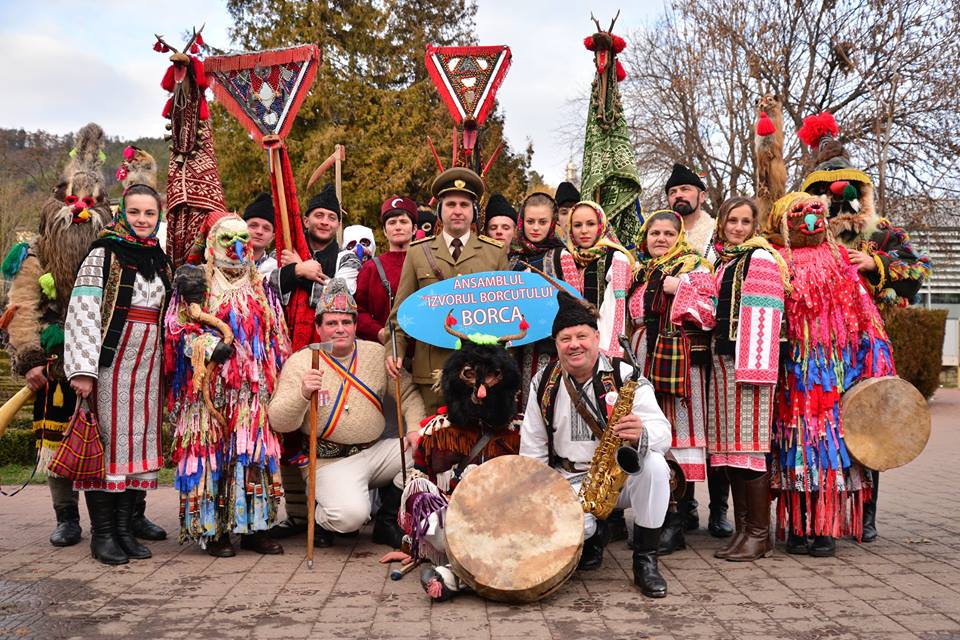
“Izvoarele Borcutului” Group, Borca commune
The goat dance and masked performers from Borca, a centuries-old custom, enact a dance of good, evil and the spirit, all coming together in a circle from which evil tries to escape into the outside world. The characters seem strange and outlandish, as though they have stepped out of a fantastical, unreal world. Against the sound of sleigh bells, long wooden horns, whistles, drums and flutes, the performers shout, sing, laugh and cry, preventing evil from escaping into the real world. The group includes beautiful, comical characters as well as ragged, grotesque figures: the Captain, the Turk, Herod, the Goats, the Billy Goats, the Flute Player, the Marshals or the Gypsies, Măndițele, the Phanariots, the Old Man, the Old Woman, the Devil and Death. Led by Petrică Iliescu, director of the commune’s Cultural Centre, the group has taken part in major events, including the National Winter Traditions and Customs Festival organised by the “Astra” National Museum Complex in Sibiu, the “Leru-i ler…” Intercounty Traditions and Customs Festival in Brașov and the “Steaua Sus Răsare” National Winter Traditions and Customs Festival in Piatra Neamț.
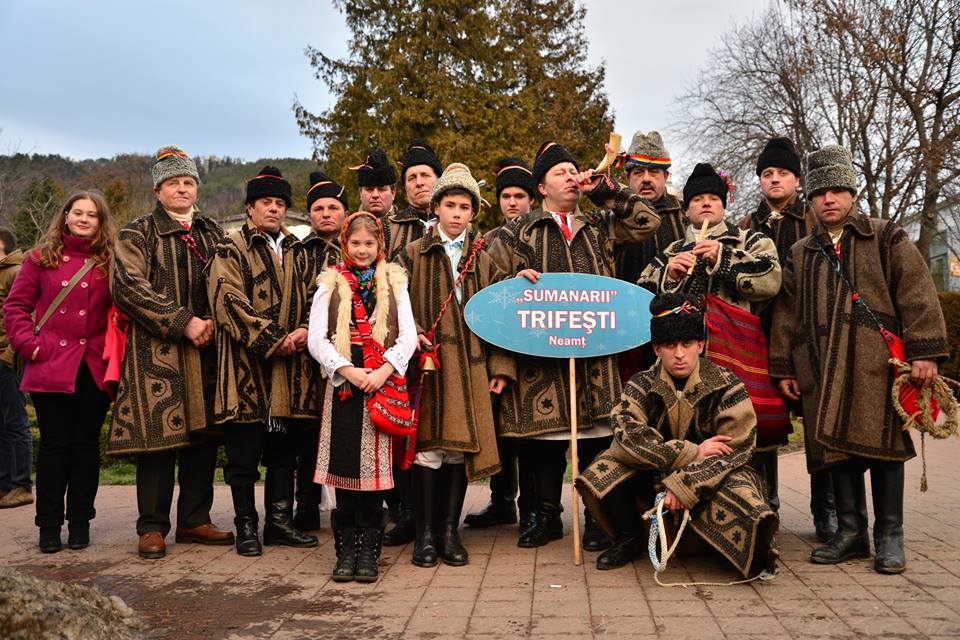
“Sumanarii” from Trifești, Neamț County
The “Sumanarii” group from Trifești was founded in 1971, when teacher Dumitru Stoean discovered the beautiful woollen coats kept in the village elders’ dowry chests and took the initiative to form a group to represent Trifești commune at one of the earliest editions of the Traditions and Customs Festival in Piatra Neamț, held in 1972. The authenticity and beauty of the costumes from Trifești impressed the staff at Televiziunea Română, where “Sumanarii” were invited in 1973. This was followed by appearances at festivals in Iași, Constanța, Sf. Gheorghe and Alba Iulia, and performances at the “Muzeul Țăranului” in București and in the Republic of Moldova. The group consists of twenty performers who recite traditional New Year wishes, spanning three generations. They wear woollen coats over a hundred years old, made by the craftsman Habagiu, who sadly passed on the secret of his craft to no one, making the performers’ costumes all the more precious. The coats are woven from fulled wool and sewn by hand with woollen cord. The group, led by Elena Vasilica Casămândră, uses drums, a friction drum, whips, sleigh bells, a rattle, a flute and a hunting horn.
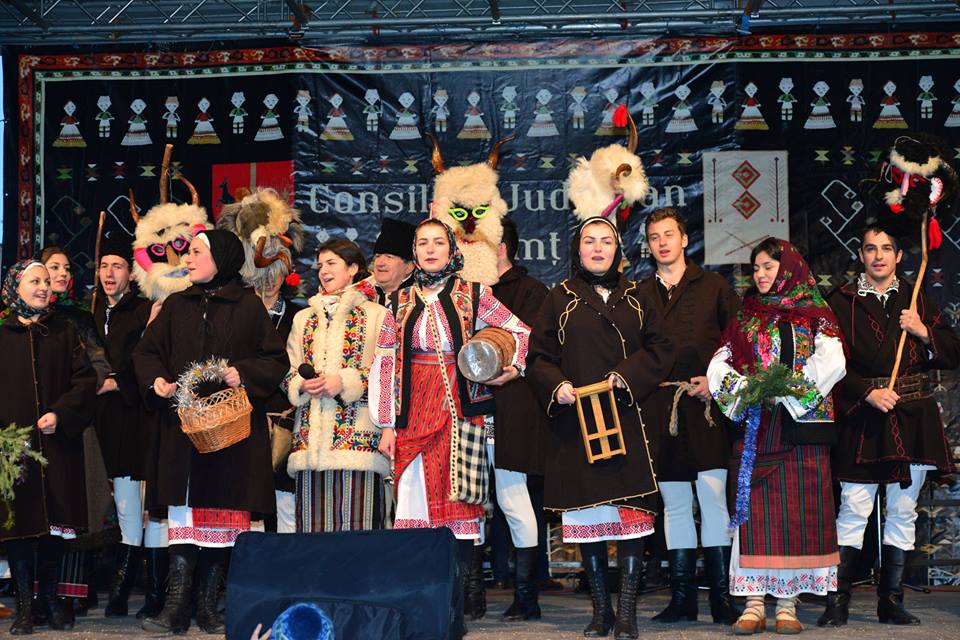
The “Floricică de la Munte” Folk Ensemble of the “Carmen Saeculare” Centre for Culture and Arts Neamț
Founded in 1971, the “Floricică de la munte” Folk Ensemble has established itself over time as one of the foremost custodians of traditional Romanian culture. For four decades, the county's ensemble has travelled across Europe, bringing with it the beauty of Romanian folk dances, songs and costumes. The Ensemble has won awards at prestigious events at home and across Europe: the International Folklore Festival in Reims (France), the Folklore Festival in Zakopane (Poland), the festivals in Zavet and Lovec (Bulgaria), the Folklore Festival in Krakowia (Poland), the International Folklore Festival in Kikinda (Serbia), the festival in Champtoce (France), the festival in Quartu Sant’Elena (Sardinia, Italy), the “Olympus” International Festival (Katerini, Greece) and the festival in Adapazari (Turkey).
Part of the “Carmen Saeculare” Centre for Culture and Arts Neamț, the “Floricică de la munte” Ensemble brings the area’s folk dance, music and literature to the stage.
Programme:
More on the same topic
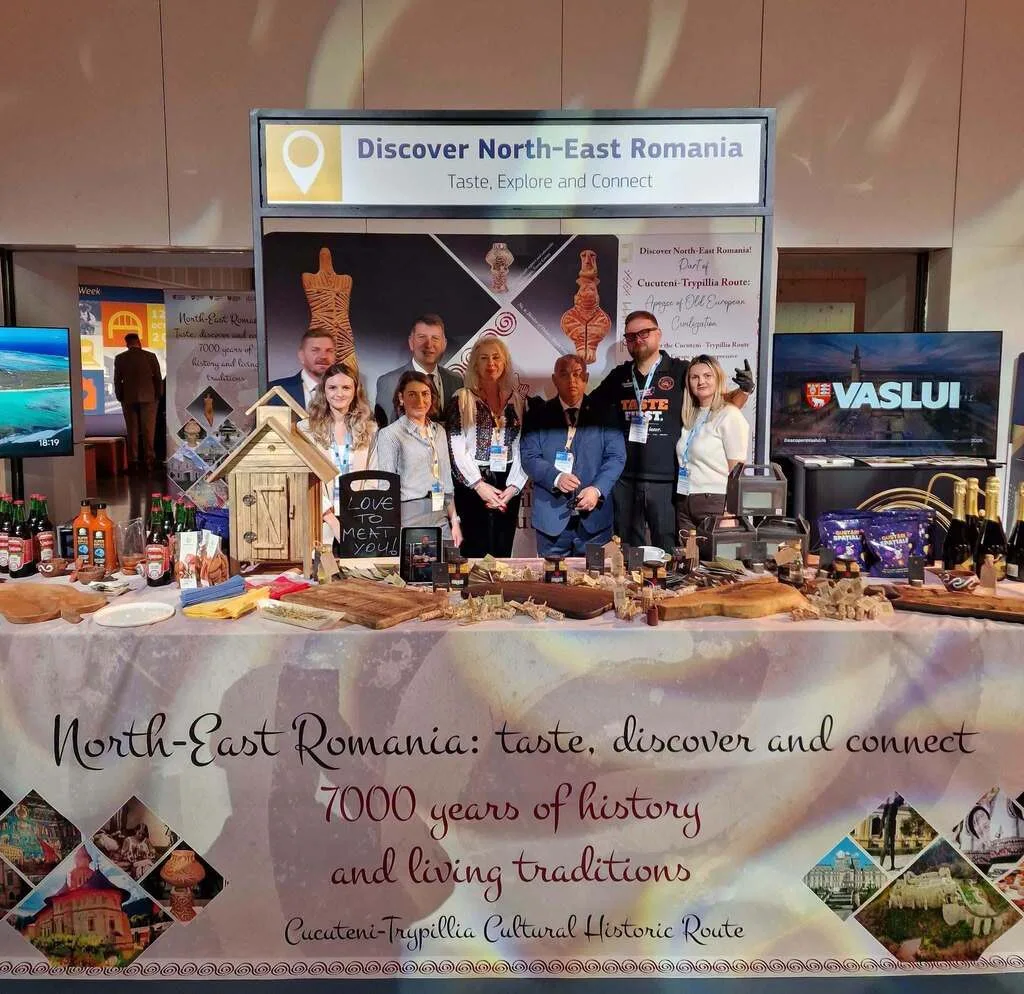
Neamț County, an Ambassador for Local Traditions and Values in Brussels
Neamț County showcased its values, traditions and development potential on the European stage during European Week of Regions and Cities, held in Brussels from 12 to 14 October.
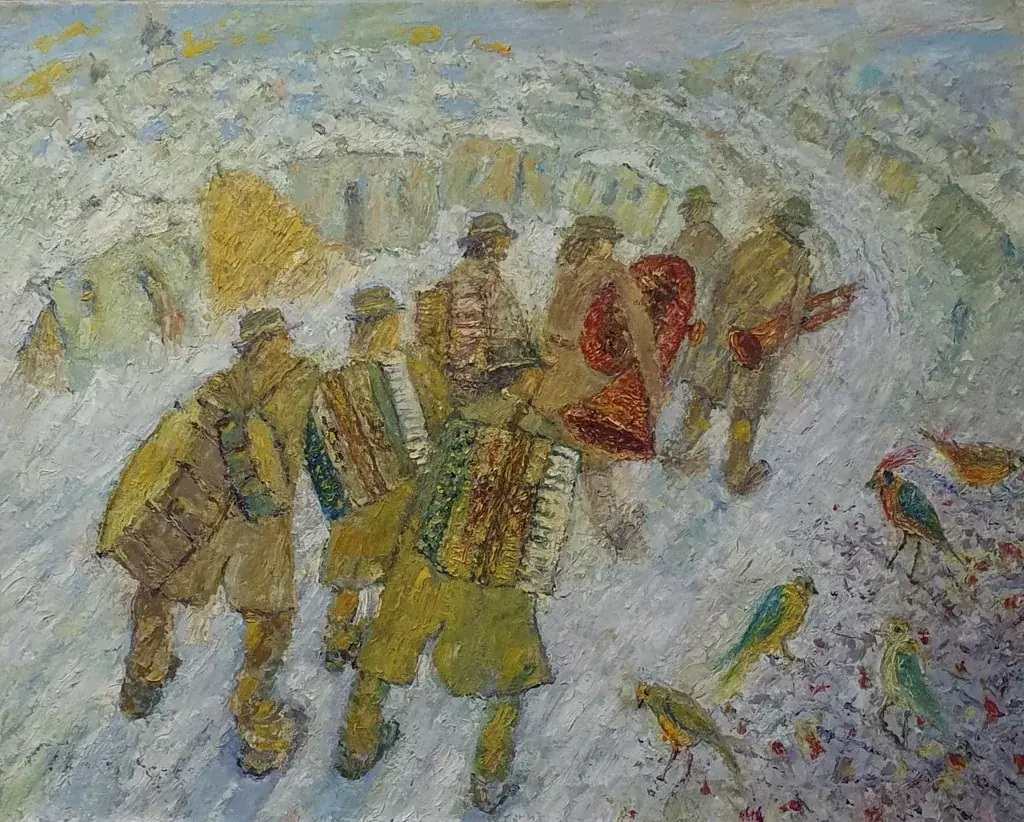
Solo painting exhibition – Florin Mareș
Starting Saturday, 10 October 2026, the Art Museum in Roman opens a new solo exhibition by the visual artist Florin Mareș of Roman.
Book launch: “Regina Maria a României. Din viață în eternitate” by historian Narcis Dorin Ion
Neamț National Museum Complex invites audiences in Neamț to the launch of “Regina Maria a României.